


 Claim Ownership
Marketplace Morning Report
Subscribed: 8,679Played: 1,026,594
Subscribe


© Copyright 2026 Minnesota Public Radio
Description
In less than 10 minutes, we'll get you up to speed on all the news you missed overnight. Throughout the morning, Marketplace's David Brancaccio will bring you the latest business and economic stories you need to know to start your day.
798 Episodes
Reverse
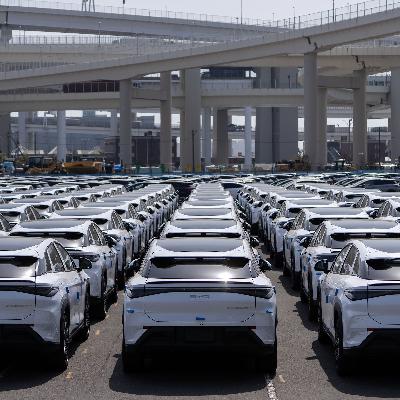
Chinese electric vehicle maker BYD told analysts it's confident it can sell 1.5 million vehicles outside of China this year. Chinese EVs are advanced and affordable, making them increasingly popular in the global auto market. That can't be said for the U.S., however, which is effectively shutting out Chinese EVs with 100% tariffs. This morning, what does the U.S. economy stand to lose if we don't let Chinese cars in? But first, markets are feeling confident despite ongoing fighting in the Middle East.

President Donald Trump is scheduled to address the nation about Iran tonight. He told reporters yesterday that the war could wrap up in two to three weeks. Meanwhile, Iran has issued a new threat against 18 U.S. businesses operating in the region, including Microsoft, Google, Intel, Tesla, and Boeing. The war is also having dire effects on energy in South and Southeast Asia. Plus, how much is air travel being impacted by rising jet fuel costs?
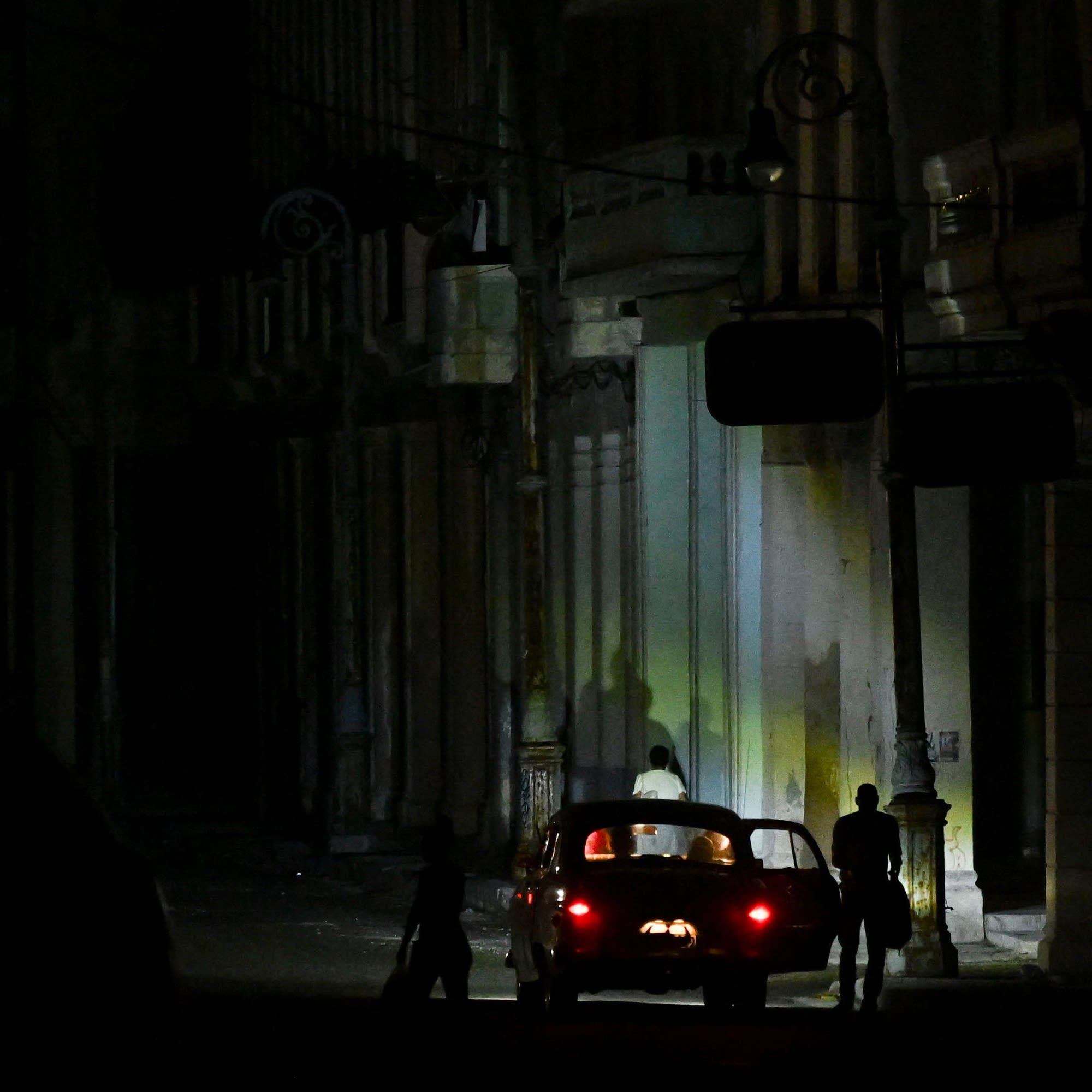
The United States is finally allowing Russian oil to be delivered to Cuba after months of what has basically been an energy blockade imposed by the U.S. The blockade has caused nationwide blackouts, severe fuel shortages, and shutdowns of schools and nonessential businesses. The BBC's Will Grant joins us for more. Then, we head to Boston, where one of the oldest trade schools in the country is teaching students skills like piano-tuning, locksmithing, and violin-making.
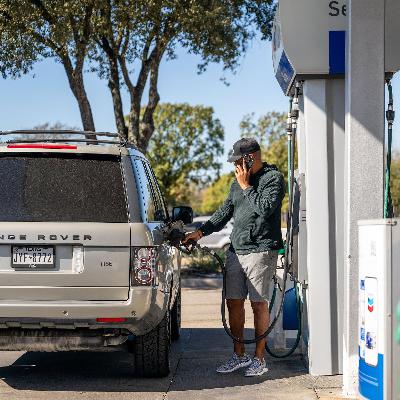
The average price of gasoline is now above $4 a gallon for the first time in three years. Some analysts say that's a key psychological barrier, above which consumers begin to shift behavior and cut back on spending. Plus, the spike in oil prices we’ve seen may more than completely offset the fiscal boost from this year’s tax refund, and roughly a third of people trading in their old cars are underwater on their car loans.
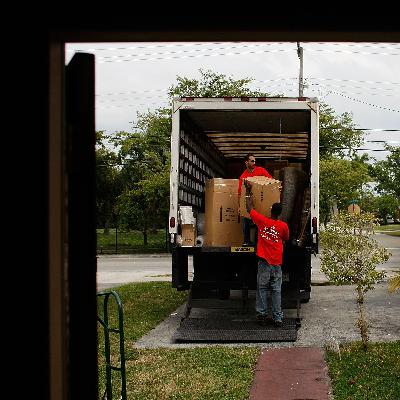
Domestic migration in the U.S. has been declining for decades. This morning, we'll look into who's still moving, what factors drive their decision, and what's behind the shift. Plus, do wealthy people really flee to tax-friendlier pastures when their taxes go up? But first, there's a sort of backup plan for the oil supply, but the ongoing war in the Middle East means it could soon be under threat, as well.
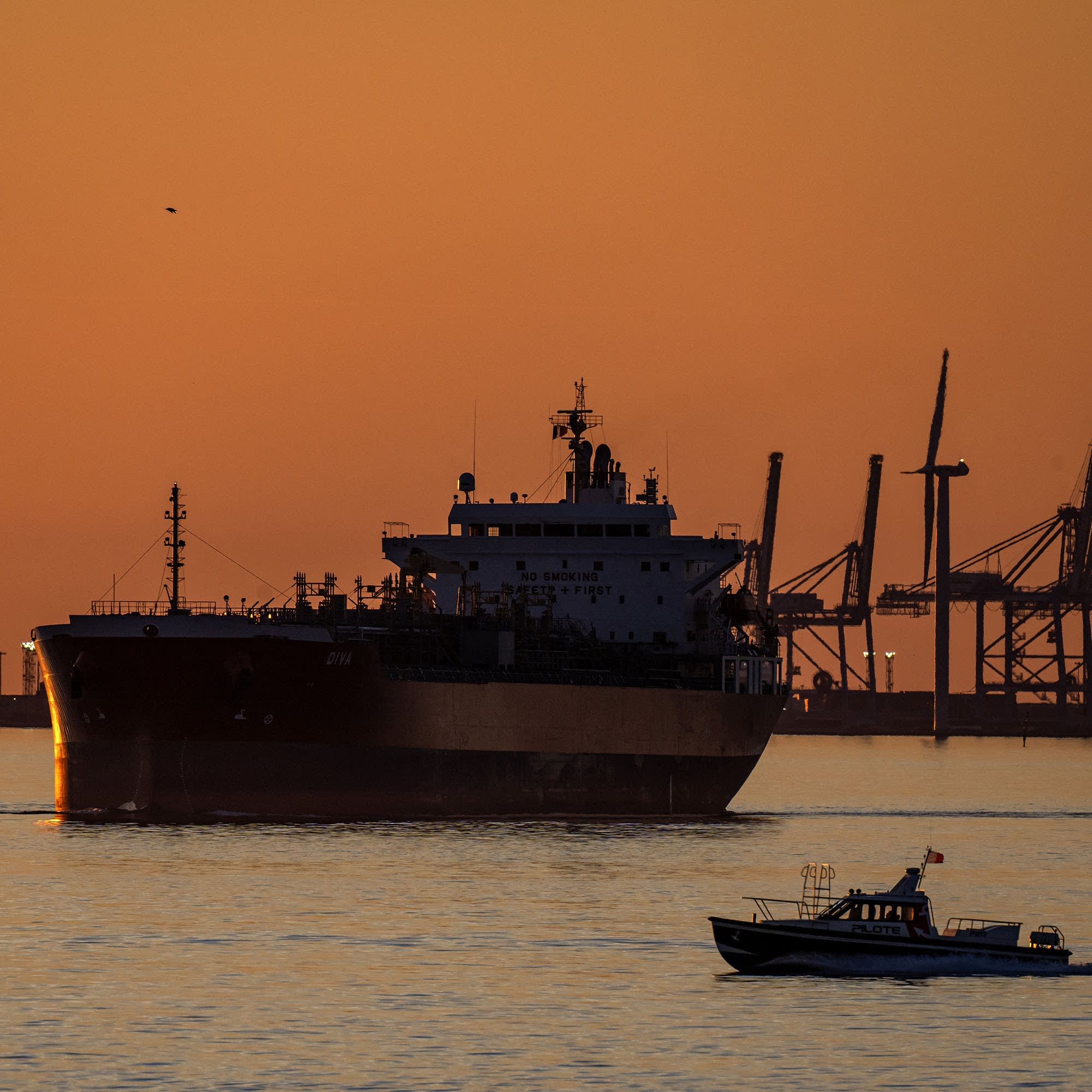
Oil prices continue their upward climb amid conflict in the Middle East. The international benchmark Brent crude is now $115 a barrel; on Friday, it was $105. Brent is headed for its biggest monthly climb ever, and this morning, there are concerns about additional disruptions to oil shipments through another key route. We’ll unpack. Also: a looming helium shortage and a search for ways to mitigate threats to humanity.
The U.S. national debt crossed $39 trillion last week, and it’s growing fast. Racking up the most recent $5 trillion of that total only took two years. Now, a new survey finds that Americans' fiscal confidence is the lowest it’s been in a couple of years. Also on this morning's show: Anthropic gets a (temporary) win in its fight with the Pentagon, and commuters reflect on two years without Baltimore's Francis Scott Key Bridge.
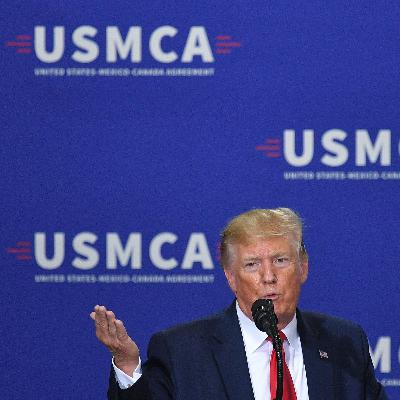
The Trump administration is reviewing the United States-Mexico-Canada Agreement, which comes up for renewal this year. The USMCA replaced NAFTA, was an economic cornerstone of President Donald Trump's first term, and accounts for more than $4 billion worth of cross-border trade. Thing is, it didn't live up to its promises of spurring manufacturing jobs. What might come next? But first, we dig into the anxiety that comes with surviving multiple rounds of layoffs.
 1
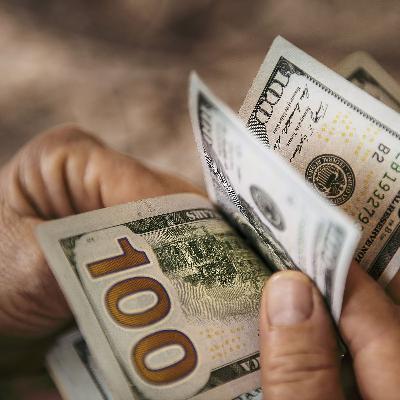
1People in the U.S. send a lot of money abroad: In 2024 alone, about $93 billion in formal remittances were sent overseas. However, a new federal remittance tax imposes a 1% levy on certain transfers. While a 1% tax may not sound substantial, it can drive up the price of sending money and hit unbanked individuals hard. We dig in. But first, the U.S. dollar has been gaining strength. Why is that happening?
Population growth is slowing in most counties in the U.S., according to new population estimates from the Census Bureau. During that time, 310 of the 387 U.S. metro areas had slower population growth, with dramatic declines along the U.S.-Mexico border. This largely has to do with a big decrease in net international migration. Then, later in the program, we have a deep dive into the current state of the pawn shop economy.
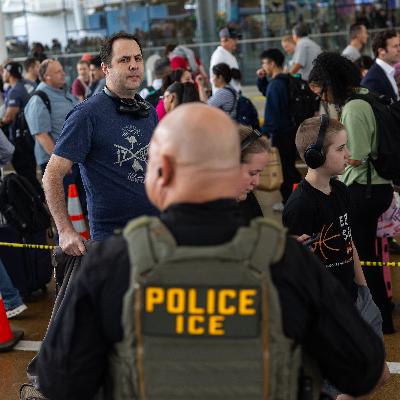
TSA agents have been working without pay for more than a month, while ICE agents have started arriving at airports to assist with security lines. Today, we'll hear what reps for TSA agents have to say. Plus, from "Marketplace Tech," the Commodities Futures Trading Commission is looking at new rules for prediction markets like Kalshi and Polymarket. Then we'll help you make sure you're not leaving money on the table when doing your taxes this year.
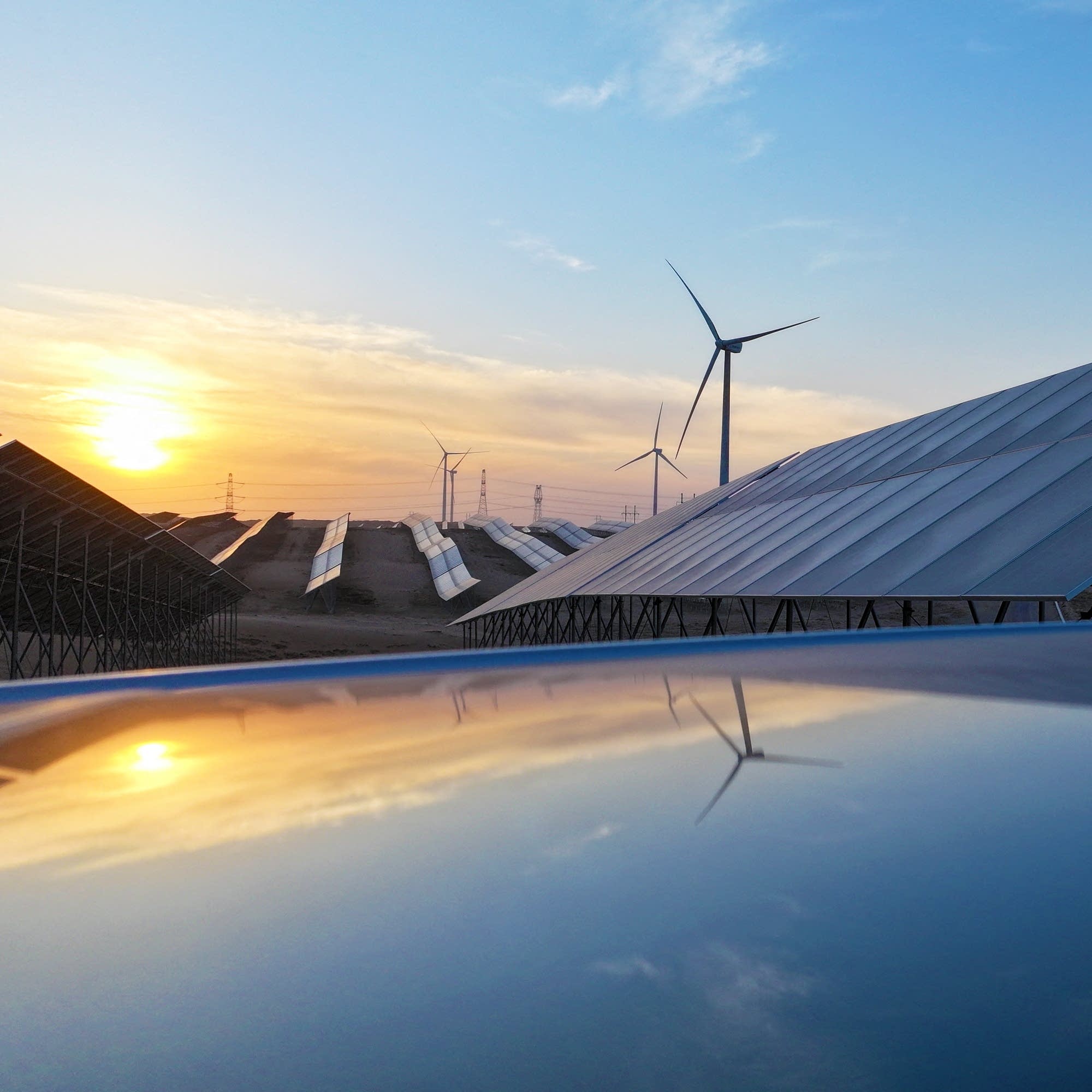
Fuel costs can be vulnerable during geopolitical conflict. The war in the Middle East has sent shockwaves through energy markets. Over the past two weeks, oil and gas prices have been on a bit of a rollercoaster. This morning, we'll delve into what vulnerability and the lack of price stability for oil could mean for countries' renewable energy investment. Then, new data shows rent prices edging up after months of falling.
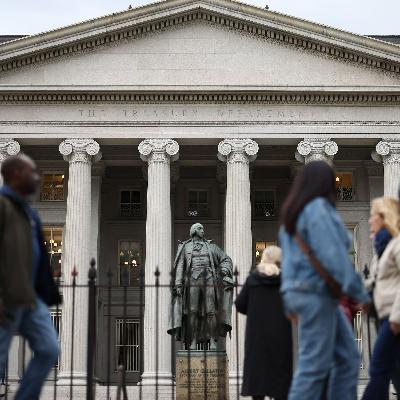
The Treasury Department is holding several government bond auctions this week. Treasury auctions can tell us a lot about the interest rates investors are demanding to be paid, which in turn can tell us about what investors expect the economy to do in the future. We'll also learn about a ban on foreign-made consumer routers. Plus, from Marketplace's "This Is Uncomfortable," should I turn my hobby into a side hustle?
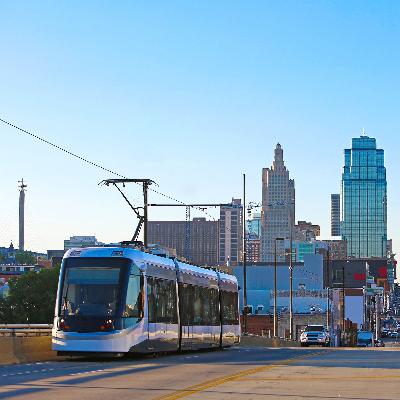
Starting in mid-June, soccer fans will flock to 16 cities across North America for the World Cup. Each match will draw tens of thousands of fans, many of whom will take public transit. That’s spurred transit agencies in host cities to expand service or finish big infrastructure projects. We'll learn more. But first, a quick update on the Middle East and a look at changes to the state and local tax deduction.
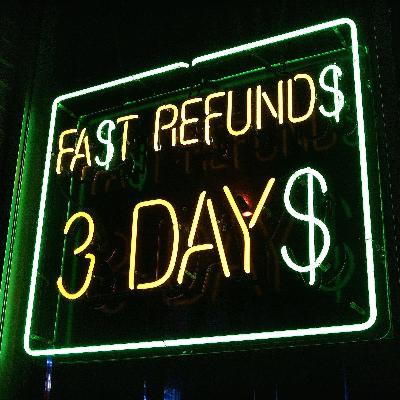
It's tax season. Therefore, it's also tax scam season. A new McAfee survey finds nearly one in four Americans has been a victim of a tax-related scam, and AI is only making scams more convincing. This morning, we'll share what to look out for and how to stay safe. Also, the uncertainty of war in the Middle East means that safe haven investments aren't acting all that safe, and a San Francisco jury decided that Elon Musk defrauded Twitter shareholders during takeover negotiations.
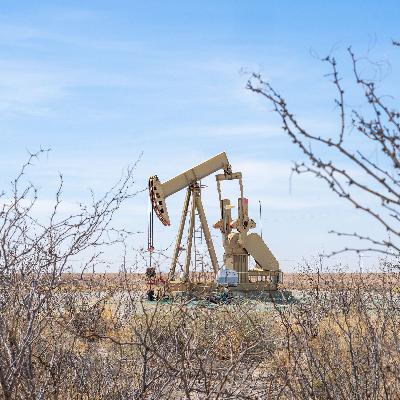
Top brass at the most consequential energy companies in the world are meeting in Houston this week for the annual CERAWeek. Energy industry leaders are meeting at a time when war in the Middle East has caused a major disruption in the global supply of oil and gas. We'll hear more. Then later, exactly how concerned should we be about artificial superintelligence? We'll jump in with the president of the Machine Intelligence Research Institute.
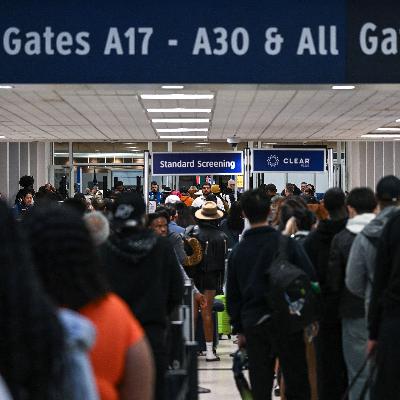
If you're traveling in the next week or so, get to the airport early. Airport security lines are growing as workers with the Transportation Security Administration go without pay during the partial government shutdown. Nearly 50,000 TSA workers missed a paycheck last week, and if Congress doesn’t act, they could miss another one next Friday. Then, we'll dig into how wide salary ranges on job postings can influence an applicant's approach to negotiation over pay.
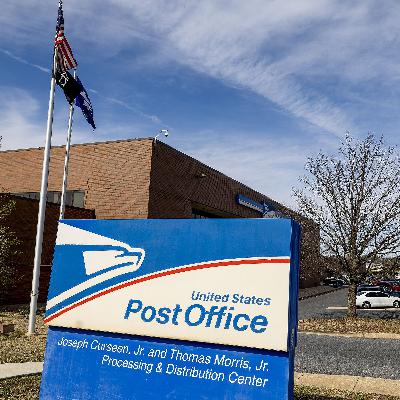
The Postal Service says it's facing a "severe financial crisis." Postmaster General David Steiner testified before a House subcommittee this week and said that the USPS was struggling and could “be out of cash in less than 12 months” unless something changes. Today, we check the finances of the postal service. And later, war in the Middle East is driving up fertilizer and diesel costs, worrying U.S. farmers during planting season.
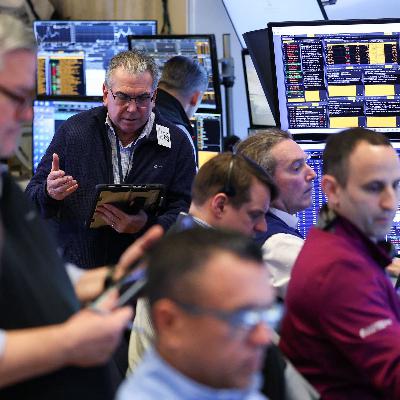
Iran attacked critical liquefied natural gas and oil infrastructure in Saudi Arabia and Qatar, including a major source of gas for Europe. It was retaliating in response to Israeli strikes on a gas field that supplies a lot of Iran's domestic energy. This morning, we delve into what it means for the price of oil, precious metals, government bonds, and more. Plus, we learn how China’s entry into the World Trade Organization impacted local U.S. banks.
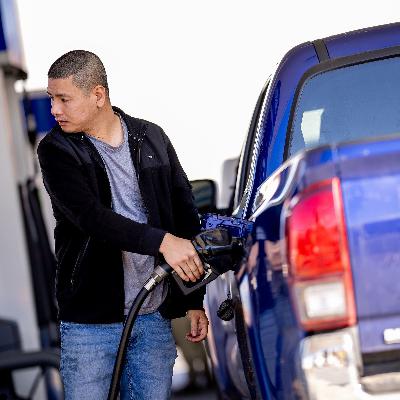
War continues to rage in the Middle East, and energy infrastructure is being targeted. The price of oil has surged to $115 a barrel, and gas in the U.S. is now averaging $3.88 a gallon — up almost a dollar from before the war. President Trump recently waived the Jones Act in an attempt to lower oil prices. Will it work? Also: what's next for the Federal Reserve, and where U.S.-China relations currently stand.


Download from Google Play

Download from App Store
 United States
4:30 The House won't take this up since Speaker Johnson pushed through something earlier this year that prohibits the house from taking up the discussion for 2 years from when it was passed. The entire possibility for the House's oversight was taken away by themselves (ie Trump\MAGA).It's not just that they won't take it up, they can't because they aren't holding session and even if they were they're explicitly prohibited from it.
With rising concerns over student loan defaults, understanding how loan repayments work is more important than ever. Maksuerän through https://euribor12k.fi/ offers tools to calculate monthly payments and manage Euribor-linked loans effectively, helping borrowers plan ahead and avoid defaults. This resource provides clarity on interest rates and repayment schedules, which can be crucial for anyone navigating debt responsibly.
Tariffs will make business move into USA and this will make us less dependent on countries that could disrupt our imports of building materials , food, and medicine, as what happened to Britain in WWII. We supported Britain, but who would support us?
Get Fauci away from those chickens !!
Elite did a Maui on Pacific Palisades.
lack of imported labor raises labor costs, read opening the border and cheap labor pours in, the lower end workers make less money. How does that help the poor? Cesar Chavez was against the inflow border crossing cheap labor because it lowers the incomes of all but the corporations. Ask your Democrat politician why Biden hates labor. While you are at it, ask Nancy Polosi why she too hates having to pay the higher amount for local labor and insists on open labor borders.
💚WATCH>>ᗪOᗯᑎᒪOᗩᗪ>>LINK>👉https://co.fastmovies.org
We don't need a Gavin Newsom to crash the United States of America like he is crashing California.
Have all the women kill simutaneously all the Talban men. Then go to university.
Being a Democrat is self harm.
Just have the most successful money launderer help with the cover-up, call Biden.
Although baccarat appears to be a fairly straightforward, simple game that is completely dependent on chance, it has remained very popular for many years. The most difficult part of the game is counting points when the winner is determined, but in offline casinos this is done by the dealer, and on online platforms everything happens automatically. You can find more useful information on this topic here https://xn--12cfvb5etcxfbb7a3itdjh.com/
Humanitarian aid to Gaza so they can repeat?
If I spent , borrowed, then dumped that borrowed money into the market, as much as the Federal government does, the inflation would grow exponentially. The key is that the inflation is based on the difference between taxes income and money spent. If government borrowing covers the over spending each borrowed dollar lowers the value of each dollar already in the market, since the tax income doesn't change. Ergo inflation. Consumer spending increases the market value by the exchanging of dollars.
Why not improve public schools rather than drag Private Schools down.
Using Biden style overseeing. See no Evil, Hear no Evil, Say nothing about the Evil, such as Biden's control over the FBI and the CIA. Nancy Pelosi must be proud of the use of child labour as she promoted border crossing of all the children to do various kinds of work. Can you list all the things children can do? I knew you could. Such a good neighbor.
Nothing like semi- slavery to save on labor costs. Elites develope vaccines to have low wage autistic laborers for duties that would have cost more for non-autistic labor. You missed a table.
Take the money and run, sounds like a Leftist. I didn't know Biden was an artist.
Hitler thought a war and Holocaust was worth getting art.
Downtowns anywhere in California are exposed to the security that is not provided by the Democrat political powers in California and the fear of Downtown attacks prevents wise businesses from operating in downtown areas.