



Beyond Coding
Subscribed: 204Played: 3,642
Subscribe

© Patrick Akil
Description
For software engineers ready to level up. Learn from CTOs, principal engineers, and tech leaders about the skills beyond coding: from technical mastery to product thinking and career growth
245 Episodes
Reverse
The role of the software engineer is shifting from execution to orchestration, and it's happening faster than most of us realize. Dennis Vink, Principal Consultant at Xebia, breaks down how he approaches code modernization with AI, why fundamentals and system design matter more now than ever, and what the engineering role is actually becoming.In this episode, we cover:Why you need to mature your old codebase before you can migrate away from itHow to prove feature parity between legacy and modern systemsWhy vibe coding without architecture knowledge gives you zero controlThe shift from execution-focused engineering to orchestrationWhy Dennis worries about the next generation of engineersWhether you're sitting on legacy code at work or wondering how your role as an engineer is evolving, this conversation will make you think about where you need to invest your time next.Timestamps:00:00:00 - Intro00:00:51 - Dennis's Early AI Engineering Assignments00:02:23 - Side Projects: Reviving a 20-Year-Old Game in Rust00:04:36 - Why Vibe Coding Without Fundamentals Fails00:05:15 - The Fundamentals You Need for Code Migration00:06:45 - Proving Feature Parity with Automated Testing00:08:12 - Writing Tests First as Risk Mitigation00:10:13 - How Much Should You Care About Code Structure?00:11:18 - Migrating in Small Pieces of Value00:12:26 - Will Engineers Still Find Fulfillment in Building?00:14:01 - How to Actually Start Side Projects (ADHD Brain)00:15:34 - Why Pivoting Is No Longer Painful00:16:12 - Prompting as the New Bottleneck00:17:23 - Parallelizing Work Across Projects00:19:08 - Why System Design Is the #1 Audience Demand00:20:19 - AI as a Differentiator for Strong Architects00:21:11 - Why the New Generation Should Worry00:23:01 - Are Bootcamps Still Worth It?00:25:15 - The Shift from Collaboration to Business Understanding00:27:56 - Infrastructure as a Core Competency Bet00:30:15 - Deterministic vs Non-Deterministic Code Generation00:32:16 - Can This Approach Scale to Million-Line Codebases?00:34:20 - Why a Finger-Snap Migration Would Scare You00:37:01 - Where to Start with Your Own Legacy Codebase00:38:43 - Which Languages Do AI Models Struggle With?00:40:24 - Building Around Hallucination with Scaffolding00:42:30 - Spec-Driven Development as the Future Way of Working00:43:30 - Turning a Non-Technical Colleague into a "Developer" in an Hour00:46:21 - When the House Is on Fire, That's When You Need Real EngineersProjects we discussed:Agent designer - hurozo.com Game project - Zorlore.com (https://github.com/zorlore/)Vibe coded solar system simulation - spacehaste.com #SoftwareEngineering #SystemDesign #AIEngineering

Most senior engineers don't realize they're stuck until it's too late. The longer you stay, the more people around you have already decided who you are and what you're for. Ian Miell, CTO at Container Solutions, breaks down why this happens and how understanding the system around you is the first step to growing beyond it.In this episode, we cover:Why staying too long gets you put in a box (and how to escape it)How your software architecture is shaped by money flowsThe 30% rule: why you should feel uncomfortable at work and what it means if you don'tHow to pitch to senior leadership and actually get buy-inWhy AI makes distribution the real challenge, not buildingIf you're a senior engineer trying to grow beyond your current ceiling, this one is worth your time.Timestamps:00:00:00 - Intro00:00:42 - How to Pitch to Senior Leadership and Get Buy-In00:03:26 - Why You Should Feel Uncomfortable 30% of the Time00:06:33 - How to Break Through a Seniority Ceiling00:08:24 - The Burden of Context: Why Being the Go-To Person Traps You00:10:16 - How Ian Became CTO Without Trying To00:13:40 - Why a CTO's Job Is Mostly Coaching Now00:18:20 - Understanding Incentives: The Key to Navigating Any Org00:23:08 - Startups vs. Large Companies: Completely Different Rules00:25:00 - Why AI Makes Distribution the Real Problem, Not Building00:28:16 - The Hidden Maintenance Risk of Vibe-Coded Software00:30:13 - Security and Compliance: More Nuanced Than Engineers Think00:36:54 - Where "Architecture Follows the Money" Came From00:42:36 - The Wrong Number of Customers: A Systems Thinking Story00:47:23 - Why Engineers Think Individually Instead of Systemically00:51:53 - How to Start Thinking in Systems00:57:50 - How to Create Cross-Pollination in Consulting Teams00:59:39 - What CTOs Actually Look for When Hiring01:00:34 - Outro#softwareengineering #systemsthinking #careergrowth

Most architects stop coding... and that's exactly where they lose their edge. Dennis Doomen has been a hands-on coding architect for 30 years, and his take is blunt: if you're not in the code, you can't make good architectural decisions. Period.In this episode, we get into the real causes of codebase rot, why dogmatic pattern-following destroys teams, how Dennis uses AI tools to build open source projects without compromising his standards, and why documentation and decision records might be the most underrated investment a software team can make.This one is for software engineers and architects who want to stay sharp, stay relevant, and build systems that actually last.00:00:00 - Intro00:01:05 - Why Dennis Refuses to Stop Coding (After 30 Years)00:02:54 - The Only Way to Be an Effective Software Architect00:04:43 - What Happens When Teams Copy Patterns Without Understanding Them00:06:23 - Software Engineering Is About Battling Complexity00:08:20 - When to Break Consistency to Reduce Complexity00:09:24 - The Problem with Overzealous SOLID Principles00:11:06 - The Future Where We Don't Care About Code Anymore00:12:07 - How Dennis Built an Open Source Library with GitHub Copilot00:14:18 - Accepting AI-Generated Code That Doesn't Meet Your Standards00:16:39 - How to Use AI Without Losing Code Quality00:17:41 - The Execution Is Accelerating — What Actually Matters Now00:20:19 - Why Tests Are Your Safety Net in an AI-First World00:23:44 - Lessons Learned from Letting AI Run Unsupervised00:26:46 - Should Teams Standardize Which AI Tool They Use?00:27:32 - Junior Devs and AI: Learning Skills vs. Speed00:29:21 - How to Stay Curious and Critical in an AI-Assisted Team00:33:43 - How to Build a Software Engineer from Scratch Today00:34:38 - Dennis's Emoji-Based Pull Request Review System00:36:45 - What AI Still Can't Do: Holistic Architectural Thinking00:38:38 - Why Your Git History Is More Valuable Than You Think00:40:44 - Decision Records: The Architecture Investment That Pays Off00:43:16 - When Documentation Saved Dennis from a Bad Management Decision00:44:47 - The Tailwind Layoffs and the Open Source Business Model Crisis00:46:27 - Guidelines for Consuming Open Source Responsibly00:49:51 - Why You Should Open Source Your Own ProjectsGuest: Dennis Doomen - Microsoft MVP, open source creator (FluentAssertions and more), and coding architect at Aviva Solutions.#softwaredevelopment #softwarearchitecture #softwareengineering

Sendil Nellaiyapen, Engineering Manager at Uber, has built systems that scale to millions of users. In this episode he shares what most engineers get wrong about both system design and the move into engineering managementIn this episode, we cover:Ingredients for designing systems that scale to millions of usersHow to know when to compromise on architectureThe trade-offs of going from IC to engineering manager and why the role is harder than it looksHow to handle opinionated engineers, set team guardrails, and build high-performing engineering cultureWhether you're a senior engineer weighing the move into management, or already leading teams and looking to sharpen your system design thinking, this one's for you.OUTLINE:00:00:00 - Intro00:01:05 - The Ingredients for Building Systems at Scale00:02:23 - When to Compromise on Your Foundation00:03:42 - Scaling from 2,000 to 5 Million Users00:06:37 - Why Clarity Beats Seniority Every Time00:08:27 - The Danger of Muscle Memory in Engineering00:10:25 - MVP Mindset: What You Can and Can't Compromise00:13:22 - How High-Performing Teams Handle Growing Complexity00:15:04 - Who Owns the Assumptions? Shared Team Responsibility00:17:04 - Building Open Frameworks Instead of Closed Rules00:19:53 - Latency Is Overrated (Here's Why)00:22:52 - Recipes for Disaster: The Biggest System Design Pitfalls00:24:17 - The Scala Horror Story: When Elegance Kills Velocity00:26:52 - How to Handle Opinionated Engineers on Your Team00:29:03 - Setting Guardrails: The Manager's Design Responsibility00:32:01 - The Hardest Trade-Off Going from IC to Engineering Manager00:34:35 - Should Great Engineers Stay IC or Go into Management?00:37:11 - BFS vs DFS Engineers: Which Type Makes a Better Manager?00:39:05 - The Real Cost of Becoming a Manager (And Why It's Worth It)00:41:52 - Outro#systemdesign #engineeringmanager #softwareengineering

Are you over-engineering for a future that might never come? In this episode, we explore why "future-proofing" often leads to wasted time and sunk costs, and how shifting your mindset from opinions to hypotheses can drastically improve your Developer Experience (DevEx).In this episode, we cover:The trap of complex architecture decisions like Hexagonal Architecture too earlyHow to identify and remove friction points in the software development lifecycleThe reality of using AI agents in production and who is actually responsible for the codeIf you are a software engineer or tech lead tired of the "Sacred Cloud Committee" and slow processes, this deep dive into DevEx is for you.Connect with Bas de Groot:https://www.linkedin.com/in/bas-de-groot-635013100Timestamps: 00:00:00 - Intro 00:01:00 - The Danger of "Future-Proofing" Your Architecture 00:03:18 - Why You Should Use Hypotheses Over Opinions 00:05:32 - "Shift Left Until There's Only Sh*t Left" 00:08:19 - At What Size Do You Need a DevEx Team? 00:11:02 - How to Measure Developer Friction Effectively 00:15:43 - Using Data to Fix Slow CI/CD Pipelines 00:17:26 - Why Surveys Beat DORA Metrics for Context 00:19:52 - The "Sacred Cloud Committee" Blocking Deployments 00:24:51 - How to Get Buy-In for DevEx Initiatives 00:28:56 - The Role of Hands-On Coding in DevEx 00:31:47 - Will AI Agents Fix Bad Processes? 00:34:44 - You Are Still Responsible for AI-Generated Code#developerexperience #softwarearchitecture #techlead
The difference between a junior and a senior engineer isn't coding speed, it's knowing when to say "no.""The best code you can write is the code you don't write." In this episode, I sit down with Alessandro Mautone (Senior Software Engineer at Aquablu, ex-WeTransfer) to discuss the reality of engineering at a scale-up: how do you maintain technical excellence when the business demands speed?We break down why delivering features "fast" pays your salary, but how to negotiate deadlines so you don't drown in technical debt later. If you want to move from writing code to owning product decisions, this conversation is for you.In this episode, we cover:- How to push back on features and negotiate deadlines without upsetting stakeholders- Why chasing "perfect code" can hurt a company in growth mode- The Generalist vs. Specialist career path: Which one is right for you?- The potential pitfalls of using AI for unit tests without proper oversightTimestamps:00:00:00 - Intro00:01:06 - Balancing Technical Excellence With Delivery Speed00:04:11 - Why Delivering Features Pays Your Salary00:06:51 - The Importance of Ownership and "Skin in the Game"00:08:59 - Leaving WeTransfer: When Company Direction Shifts00:11:49 - The Generalist vs. Specialist Career Path Debate00:16:46 - How to Attract Top Engineering Talent to Your Team00:18:50 - Is LeetCode the Right Way to Hire for Scale-Ups?00:23:16 - Learning to "Say No" is a Sign of Seniority00:25:17 - Negotiating Scope Without Burning Bridges00:26:02 - When AI Generates Bad Unit Tests00:28:14 - Never Compromise on Tests, Even in "Code Red"00:33:59 - Communicating Technical Concepts to Non-Tech Stakeholders00:35:35 - The Never-Ending Battle Against Complexity00:37:26 - When to Build for the Future vs. Ship Now00:42:30 - A Real-World Example of Refactoring for Simplicity00:46:48 - The Skill That Will Be Make or Break for Engineers#SoftwareEngineering #ScaleUp #TechnicalDebt

We are at a unique point in history where there is finally an alternative to human coding. If AI can write the code effectively, what is left for the software engineer?In this episode, Joris Conijn (AWS CTO at Xebia) argues that the era of "just coding" is over. We discuss why senior developers are safe (for now), why juniors are at risk of never learning the fundamentals, and how "Shadow AI" is forcing companies to change their security strategies.Most importantly, we break down the difference between a "Programmer" and a "Software Engineer" with the introduction of agentic tools. If you want to future-proof your career and move from writing lines of code to designing systems, this conversation is for you.In this episode, we cover:Why banning AI at work actually increases your security riskHow to use AI to automate the boring parts of the SDLC (requirements & user stories)The critical difference between "Coding" and "System Architecture"Why you should check your AI Agents into your Git repositoryThe 20-year problem: what happens when engineers never learn the fundamentals?Connect with Joris Conijn:https://www.linkedin.com/in/jorisconijnTIMESTAMPS00:00:00 - Intro 00:01:11 - What Keeps a CTO Excited About Tech? 00:02:58 - Stop Being the "Department of No" in Security 00:05:28 - The Real Risk of Banning AI at Work 00:06:32 - When Developers Hold the Organization Hostage 00:08:14 - The Hidden Dangers of Instant AI Code Fixes 00:09:50 - Will Future Devs Understand Object Oriented Programming? 00:11:36 - Using AI to Accelerate Learning vs Copy-Pasting 00:13:17 - Why Testing Matters More When AI Writes Code 00:16:42 - Automating the Boring Parts of the SDLC 00:19:06 - How to Turn Meeting Transcripts into User Stories 00:21:36 - The Critical Skill of Making Implicit Knowledge Explicit 00:23:10 - Why You Should Stop Obsessing Over Story Points 00:27:46 - The "A-Team" Approach to High-Trust Development 00:29:54 - Running Parallel Workflows with AI Agents 00:33:34 - Pro Tip: Check Your AI Agents into Git 00:35:52 - Balancing Autonomy and Governance in Large Teams 00:39:19 - There Is Finally an Alternative to Human Coders 00:41:07 - Programmer vs Software Engineer: What is the Difference? 00:44:45 - How to Teach Software Engineering in the AI Era#SoftwareEngineering #SystemDesign #AIAgents
Is your internal developer platform actually improving velocity, or is it a bottleneck? We discuss why platform teams building "cool" abstractions is a red flag, and you should aim to create the best platform for software engineers.In this episode, we cover:Why "Golden Paths" can turn into roadblocks for developers.The danger of Shadow IT and why it’s a symptom of a failed platform.How to measure if your platform is saving time.Connect with Adnan Alshar:https://www.linkedin.com/in/adnanmalshar92Connect with Jelmer de Jong:https://www.linkedin.com/in/jelmerdejong-xebia00:00:00 - Intro 00:00:54 - Is DevOps Dead? The Truth About Platform Engineering 00:03:07 - Why Developers Are Drowning in Complexity Today 00:04:37 - Why Having No Platform Is Better Than a Bad Platform 00:07:20 - Treating Software Engineers as Customers of the Platform 00:11:26 - The Exact Moment You Should Start Building a Platform 00:14:18 - Who Should Be on Your First Platform Team? 00:17:33 - Turning Your Angriest Developers Into Platform Evangelists 00:18:57 - Key Metrics: How to Measure Platform Engineering Success 00:21:01 - Why 60% of Companies Don't Measure Platform Success00:23:35 - Why No Metrics Is the Biggest Red Flag00:25:23 - The Disconnect Between Executives and AI Readiness 00:31:34 - Integrating AI Tools and Large Language Models Securely 00:34:22 - Shadow IT: The Symptom of a Broken Platform 00:38:03 - How to Scale Without Becoming a Bottleneck 00:41:45 - Don’t Forget the Business Side of Platform Engineering#PlatformEngineering #DevOps #DeveloperProductivity
Engineering hasn't become easier, writing code has just become faster. Time to stop fighting symptoms and start thinking in systems. In this Q&A, I break down the career advice I'd give to any engineer, from mastering architecture to knowing when to quit a high-paying job.In this episode, we cover:How "Systems Thinking" can be applied in practiceThe "Golden Handcuffs": Why high salaries keep engineers in toxic jobsHow to transition into leadership without waiting for a titleTimestamps00:00:00 - Intro 00:00:58 - How to innovate in stubborn legacy companies 00:04:49 - The "Golden Handcuffs": Money vs. Mental Health 00:07:27 - Stop solving symptoms: Systems Thinking explained 00:13:10 - Transitioning from Senior Engineer to Solutions Architect 00:15:08 - Communicating technical risks to non-technical bosses 00:17:48 - Proving leadership before you have the title 00:22:25 - My strategy for dealing with Imposter Syndrome 00:26:12 - Creating a "Zettelkasten" to retain technical knowledge 00:29:12 - The mindset that makes me stress-proof at work 00:33:10 - Learning to code with a product/design background 00:38:40 - Working with international remote teams 00:40:35 - Career Pivot: Software Engineering to Cyber Security 00:43:20 - Solopreneur opportunities in the "Education Gold Rush" 00:51:50 - Future Predictions: Vibe Coding vs. Vibe Engineering#SoftwareEngineering #CareerAdvice #SystemsThinking

The software engineering landscape is shifting rapidly. Coding is becoming "cheap" because of tools like Claude Code, Codex, Gemini, Cursor etc. Interviews are evolving to focus on system design over syntax. In this Q&A, I break down exactly which skills matter now, how to negotiate the salary you deserve, and how to deal with difficult personalities on your team.In this episode:How juniors can leverage AI tools to reach senior-level outputReal-world salary negotiation tactics from my experienceWhy coding skills matter less in modern interviews (and what matters more)Handling "brilliant jerks" and toxic team cultureWhether you are looking for your first job with no experience or you are a mid-level dev trying to break into a Staff Engineer role, this session is packed with actionable career advice.Timestamps: 00:00:00 - Intro 00:01:06 - Handling Brilliant Jerks: Toxic Culture vs. High Performance 00:04:13 - How Juniors Can Use AI to Outperform Seniors 00:07:10 - The Future of Coding Interviews: System Design and AI 00:11:20 - The Real Difference Between Good and Great Developers 00:13:00 - One Mistake Mid-Level Developers Make That Stalls Growth 00:15:58 - Salary Negotiation Tactics: How I Got Two Raises in One Year 00:23:44 - Questions You Should Ask to Crush Your Tech Interview 00:27:42 - What Actually Moves the Needle: Side Projects vs. Experience 00:31:05 - Don't Wait for a Perfect Portfolio to Start Applying 00:32:25 - Finding Jobs: Why LinkedIn and Meetups Beat Job Boards 00:35:16 - Should Frontend Developers Worry About Learning Backend Skills? 00:37:39 - Do Tech Certifications Actually Help You Get Hired? 00:39:07 - Mastering Soft Skills: Training Budgets vs. Real Experience#softwareengineering #careeradvice #techinterviews

"Architects shouldn't try to be the smartest people in the room, they should make everybody else smarter."In this episode, Gregor Hohpe (ex-Google & AWS, author of "The Software Architect Elevator") breaks down exactly how to transition from software engineer to architect. He shares the mental models used at Big Tech to handle complexity, visualize systems, and navigate office politics without losing your technical edge.We cover:- Why "lowering risk" is the architect's real value proposition- The "Phantom Sketch Artist" technique to visualize unclear requirements- How to gain "political capital" to push back on bad decisions- Why simple architectures are often the hardest to buildIf you want to move beyond just writing code and start designing systems that scale, this conversation is for you.Connect with Gregor:https://www.linkedin.com/in/ghohpe00:00:00 - Intro 00:01:15 - How to Spot Bad Architects vs. Great Amplifiers 00:03:44 - Why Architects Are Actually Risk Managers in Disguise 00:06:13 - The Truth About Complexity and Simplicity at Scale 00:09:55 - How to Resolve Technical Disagreements Without Arguments 00:13:57 - Why You Should Use Pen and Paper for Architecture 00:17:24 - Mastering the Left-Right Brain Ping Pong Technique 00:20:42 - The "Architect Elevator": Connecting Code to Strategy 00:23:06 - The Rubber Duck Test: Are You a Good Architect? 00:25:41 - The "Phantom Sketch Artist" Method for System Design 00:30:37 - Stop Being a Cartographer, Start Being a Scout 00:34:47 - How to Keep Your Technical Skills Sharp as an Architect 00:44:37 - Navigating Office Politics using the "Court Jester" Strategy 00:48:08 - How to Earn and Spend Political Capital Wisely 00:53:17 - Why the "Big Ball of Mud" Might Be a Good Architecture 00:57:08 - How Executives Spot Gaps in Your Technical Logic 01:00:00 - Why Using AI for Architecture is a Dangerous Trap#SoftwareArchitecture #SystemDesign #SeniorDeveloper

Are you waiting for a promotion that never comes? In this episode, we break down why relying on your manager to define your growth is a career-limiting mistake and how you can take full ownership of your professional path.In this episode, we cover: Why hard skills get you hired but won't get you aheadHow to create growth opportunities when your company has no clear pathUsing RACI to own decisions and increase your visibilityConnect with Zanina:https://www.linkedin.com/in/zaninakatiraReferences: RACI - https://en.wikipedia.org/wiki/Responsibility_assignment_matrixTimestamps:00:00:00 - Intro 00:00:51 - Why hard skills get you hired but soft skills make you thrive 00:04:17 - How to connect your code to actual business results 00:06:44 - The art of storytelling for technical professionals 00:09:16 - Balancing execution speed with team collaboration 00:11:57 - The problem with forcing engineers into management roles 00:15:13 - Surviving when technology outgrows your current skillset 00:17:59 - Using the RACI method to clarify ownership and decisions 00:21:23 - What to do when your manager has no answers for your growth 00:24:40 - Why you should value scope of work over job titles 00:28:39 - How to pitch and negotiate impactful projects to leadership 00:33:00 - Expanding your perspective by networking outside your team 00:35:35 - Visualizing your ambition and defining what success looks like 00:39:16 - Overcoming the fear of asking for constructive feedback#careergrowth #softwareengineering #softskills

Software engineers often think adding AI is just a simple API call, but moving from a Proof of Concept to a stable production system requires a completely different mindset. Maria Vechtomova breaks down the harsh reality of MLOps, why rigorous evaluation is non-negotiable, and why autonomous agents are riskier than you think.In this episode, we cover:The essential MLOps principles every software engineer must learnHow to bridge the gap between a demo and a production-grade solutionStrategies for evaluating agents and detecting model driftThe security risks of customer service agents and prompt injectionPractical tips for using AI tools to boost your own productivityConnect with Maria:https://www.linkedin.com/in/maria-vechtomovaTimestamps: 00:00:00 - Intro 00:01:25 - Why the AI Hype Was Actually Good for Monitoring 00:03:07 - Real-World AI Use Cases That Deliver Actual Value 00:05:16 - MLOps Basics Every Software Engineer Needs to Know 00:08:08 - The Hidden Complexity of Deploying Agents to Production 00:12:02 - Minimum Requirements for Moving from PoC to Production 00:15:41 - Step-by-Step Guide to Evaluating AI Features Before Launch 00:18:08 - How to Handle Data Labeling and Drift Detection 00:21:55 - Why You Likely Need Custom Tools for Monitoring 00:24:56 - Why Engineers Build AI Features They Don't Need00:26:01 - How Software Engineers Can Learn Data Science Principles 00:31:36 - The Dangerous Security Risks of Autonomous Customer Service Agents 00:34:44 - Why Human-in-the-Loop is Essential for Avoiding Reputational Damage 00:36:18 - Boosting Developer Productivity with Opinionated AI Prompts 00:39:20 - Using Voice Notes and AI to Organize Your Life#MLOps #SoftwareEngineering #ArtificialIntelligence
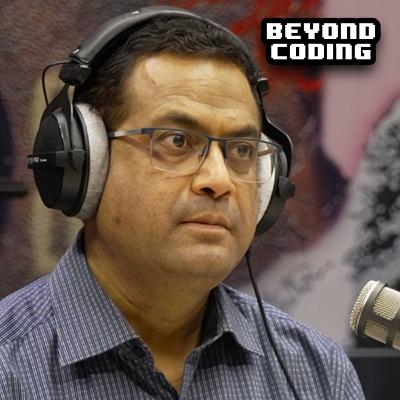
 1
1Are your technical skills actually holding your career back? In this conversation with Anand Sahay, Global CEO of Xebia, we explore the controversial reality that "mediocre" engineers often climb the corporate ladder faster than technical wizards. And what you need to do to change that trajectory.In this episode, we cover:Why simplicity and business value beat complex code every timeThe specific mindset shift required to move from Senior Engineer to ExecutiveHow to maintain technical intuition and manage risk without micromanagingThe hidden arrogance that stops great engineers from becoming great leadersThis discussion is essential for software engineers, architects, and technical managers who want to break through the "tech ceiling" and understand how decisions are really made at the top.Connect with Anand:https://www.linkedin.com/in/ansahayTimestamps:00:00:00 - Intro 00:01:28 - How to Pitch to Executives (And Not Get Rejected) 00:03:42 - The #1 Trait of Elite Engineering Leaders 00:06:15 - Why AI Answers Destroy Your Credibility 00:10:11 - Why Mediocre Engineers Get Promoted Over Great Ones 00:14:15 - The Truth About the "Individual Contributor" Track 00:16:16 - The Arrogance Trap: Why Devs Fail at Business 00:22:08 - Stop Being a "One Man Army" (Unless You Do This) 00:25:32 - From Developer to CEO: The Uncommon Path 00:29:07 - Why Most Engineering Teams Are Structured Wrong 00:32:17 - How to Spot a Toxic Tech Culture 00:34:44 - Will AI Replace Senior Engineers? 00:38:40 - Maintaining Technical Intuition Without Coding Daily 00:41:53 - When to Approve "Bad" Ideas for Team Morale 00:48:41 - The "Hard Part First" Rule for Innovation#SoftwareEngineering #TechLeadership #CareerGrowth
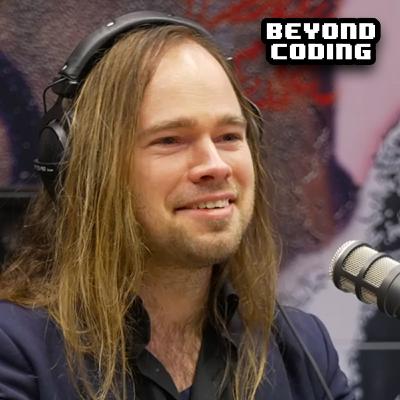
Tools change and frameworks die, but your career doesn't have to. Marijn Markus joins the show to explain why "Don't be a fool with a tool" is the single most important piece of advice for modern software engineers and data professionals.In this episode, we cover:The "Meta-Skill" of learning how to learn new technologiesWhy real innovation often originates in "dark" industries like crime and warfareHow to future-proof your career against AI agents and automationWhy understanding the business problem is more valuable than writing the codeThis conversation is essential for engineers who want to move from memorizing syntax to mastering the skills that actually last.Connect with Marijn Markus:https://www.linkedin.com/in/marijnmarkusTimestamps:00:00:00 - Intro00:01:01 - Realizing That Data Science Can Actually Save Lives00:04:36 - Predicting Refugee Movements With Hamburger Prices00:07:05 - Why You Should Try Different Roles Early in Your Career00:12:37 - Learning in Banking to Eventually Help Non-Profits00:15:38 - Why Certifications Are Compensation for Lack of Experience00:18:36 - The Single Most Important Skill in the Tech Field00:21:39 - "If They Understood the Problem, They Wouldn't Hire You"00:25:48 - Why Innovation Comes From War, Crime, and Adult Industries00:31:16 - The Danger of AI Agents and Automated Social Engineering00:35:03 - Focus on Skills That Do Not Have Expiration Dates00:39:47 - How to Navigate Truth in the Era of Deepfakes00:41:30 - Don't Be a Fool With a Tool (The Selenium Trap)00:45:25 - Rising Above the Tools to Become an Expert#SoftwareEngineering #CareerAdvice #Technology
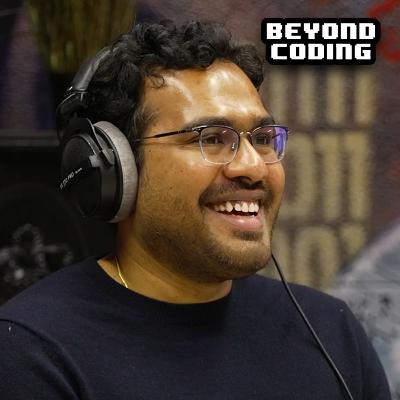
Are you just executing tickets, or are you driving business impact?In this episode, Praveen Murugesan (VP of Engineering at Samsara) breaks down why the best engineers don't just write code and why "coding skills" alone won't get you there.He explains the critical shift from "software engineer" to "product engineer," why you shouldn't wait for permission to solve problems, and how to de-risk high-stakes projects like a true owner.In this episode, we cover:The difference between a "Ticket Taker" and a Product Engineer Why Product Managers should NOT be doing project management How to grow to Staff Engineer without managing a large team The exact interview questions to ask to test a company’s culture A real story of an engineer telling a VP: "That's not an important problem"Connect with Praveen Murugesan:https://www.linkedin.com/in/praveenmurugesanTimestamps: 00:00:00 - Intro 00:01:55 - Product Engineer vs. Software Engineer: What’s the Difference? 00:06:20 - Why Product Managers Should Not Do Project Management 00:11:06 - The Danger of "Flying Blind" Without Business Context 00:15:24 - Why Curiosity Is the Ultimate Leverage in the AI Era 00:25:06 - Why the Best Ideas Must Win Regardless of Hierarchy 00:27:43 - The #1 Interview Question to Test for Engineering Ownership 00:32:12 - How to Test a Company’s Culture Before You Join 00:36:04 - Why You Don't Need to Be Senior to Be a Product Engineer 00:40:46 - Managing High-Stakes Projects and De-risking Failure 00:43:56 - What I Learned From Breaking Production at Salesforce 00:48:29 - The Myth About Staff Engineering and Managing Teams 00:51:59 - The Engineer Who Told the VP: "That's Not an Important Problem"#SoftwareEngineering #StaffEngineer #CareerGrowth

Traditional software engineering job listings have dropped by 70%, yet Forward Deployed Engineer (FDE) roles have exploded by over 800% this year. We sit down with Mo Fagir, Principal Technical Consultant at ServiceNow, to break down exactly why this shift is happening and how you can pivot your career to ride this AI adoption wave.In this episode, we cover:The massive market shift: Why "pure coding" jobs are declining while FDEs are booming.The exact technical stack and soft skills required to land these high-paying roles.How to overcome imposter syndrome and build a portfolio that gets you hired, even as a junior.Why this isn't just a trend, but the future of how engineering delivers value.Connect with Mo Fagir:https://www.linkedin.com/in/mo-nour-tarigTimestamps:00:00:00 - Intro00:01:14 - Why software jobs dropped 70% while FDEs grew over 800%00:02:55 - Why companies can't implement AI without Forward Deployed Engineers00:05:36 - Is this career path safe for traditional software engineers?00:07:54 - The exact technical stack you need to master today00:10:48 - Moving from engineering scope to product centric thinking00:16:15 - Can juniors and early career devs get hired as FDEs?00:19:12 - How to build a portfolio that gets you hired00:22:17 - Why passion and attitude beat experience in the AI era00:24:33 - How to train yourself to have a sense of urgency00:29:05 - Can introverts succeed in client facing engineering roles?00:32:17 - Lessons learned from interning at NASA and researching AI00:35:09 - Are we in an AI bubble that will burst soon?00:40:34 - Does becoming an FDE risk vendor lock-in for your career?00:43:36 - Final advice for engineers entering the 2025 job market#ForwardDeployedEngineer #FDE #SoftwareCareers
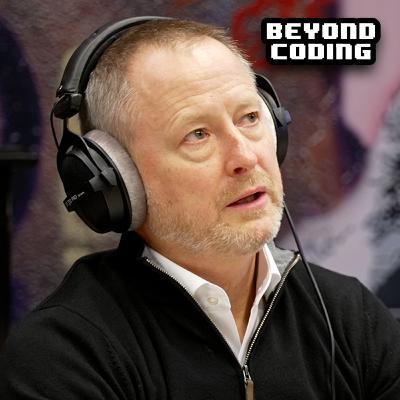
If you think your value as a software engineer comes just from writing code, you're already at risk.In this episode, Outsystems CEO Woodson Martin reveals why AI isn't the real threat to your career. Irrelevance is. He explains that writing code is now only 20% of the job, and the engineers who thrive are the ones who master the other "80% that matters."We cover:The billions of lines of ungoverned code AI is creatingWhy the "Forward Deployed Engineer" model is changing team structuresThe 80% of engineering work that AI cannot replaceHow to shift from coder to problem solver who drives business revenueA CEO's advice for building a lasting engineering careerThis is a reality check for developers, tech leads, and architects who want to stay relevant as agentic AI reshapes the industry.Connect with Woodson:https://www.linkedin.com/in/woodsonmartinTimestamps:00:00:00 - Intro00:00:56 - How Agentic AI keeps the human in the loop00:01:55 - Real-world example: Automating the grunt work00:04:17 - How engineers are using agents internally00:05:52 - Blending Low-Code and High-Code for complex systems00:08:28 - Is a Low-Code career a trap for engineers?00:10:50 - Will AI make software engineering obsolete?00:12:09 - The 80/20 Rule: Why code is only 20% of your job00:13:14 - Layoffs vs. the rise of the solo entrepreneur00:15:18 - Career advice for a volatile tech market00:17:02 - How to retain top talent and keep them happy00:20:10 - Why we radically changed our engineering team structure00:24:33 - The "Forward Deployed Engineer" model explained00:27:08 - Outsystems vs. OpenAI: The future of platform building00:31:45 - The tech debt problem no one's talking about00:34:23 - The one thing that keeps you from becoming irrelevant#SoftwareEngineering #CareerAdvice #AIAgents

What if you could build a multi-million dollar software company where only 10% of your employees are developers? AFAS, a company with hundreds of millions in revenue, does exactly that with a lean team of just 70 engineers. In this episode, Engineering Manager Michiel Overeem pulls back the curtain on their unconventional strategies for achieving massive productivity with a surprisingly small team.In this episode, we cover:Why standardization is their secret weapon for efficiency.How they thrive without traditional Scrum ceremonies.The two distinct types of engineers they hire for success.The surprising details of their 4-day work week (paid for 5).This video is for engineering leaders and software developers who want to learn proven, counter-intuitive strategies to build hyper-effective teams and get more done, regardless of team size.Connect with Michiel:https://www.linkedin.com/in/movereemTimestamps:00:00:00 - Intro00:01:22 - The "10% Engineering" Paradox at a €100M+ Company00:03:20 - How Standardization Allows a Small Team to Do More00:04:27 - The Two Types of Engineers Every Successful Company Needs00:06:46 - Why Feeling Responsible is More Powerful Than Being Responsible00:09:33 - The Secret Sauce of High-Performing Engineering Teams00:11:52 - A Simple Method to Keep Engineers Connected to Customers00:14:22 - What We Look For When Hiring New Engineers00:17:09 - The #1 Red Flag That Will Get You Rejected in an Interview00:19:33 - Why We Don't Use Scrum (And What We Do Instead)00:22:51 - The Power of Strong, Decisive Leadership00:24:13 - How Our 4-Day Work Week Actually Works00:26:55 - Our Approach to Adopting AI Tools like Copilot00:28:19 - Final Advice: The Best Way to Grow Your Career#EngineeringCulture #Productivity #SoftwareDevelopment

System design interviews often focus on theoretical complexity, but how do Senior Engineers at GitHub actually approach scaling? In this episode, Bassem Dghaidi breaks down how to think about system design when real business impact is on the line.We discuss why "simple is complicated enough," the dangers of premature scaling, and why vertical scaling often beats complex distributed systems. If you want to bridge the gap between theory and practice, and understand how to design software that actually serves the business, this conversation is for you.In this episode, we cover:- The "Order of Magnitude" rule for scaling systems- Why GitHub often runs millions of requests on simple architecture- How to communicate technical constraints to non-technical stakeholders- Why 90% of Bassem's code is now written by AI agentsConnect with Bassem Dghaidi:https://www.linkedin.com/in/bassemdghaidyTimestamps:00:00:00 - Intro00:00:48 - Theory vs. Practice in System Design00:02:06 - The Startup That Almost Failed via Kubernetes00:03:33 - How GitHub Scales (It's Simpler Than You Think)00:05:20 - The Underrated Power of Vertical Scaling00:08:23 - Why Big Tech Interviews for Scale You Don't Need Yet00:10:39 - Software Evolves, It Isn't Just "Built"00:11:53 - Only Design for the Next Order of Magnitude00:15:39 - Stop Building Generic Frameworks00:18:17 - "Hacking" the System Design Interview00:21:29 - Translating Tech Problems to Business Risks00:27:37 - Layoffs & Engineering Efficiency00:29:41 - Proving Your Impact with Numbers00:31:00 - Professional Engineering vs. Hobby Coding00:32:19 - "Simple is Complicated Enough"00:35:03 - The Rise of AI Coding (The Motorcycle Analogy)00:37:30 - "90% of My Code is Written by AI Agents"00:41:04 - How to Become a Great Engineer#SystemDesign #SoftwareEngineering #GitHub


Download from Google Play

Download from App Store
 United States
Hey Patrick, Thanks for the good podcast. Keep up the good work. I couldn't finish this episode as the quality of your guest's voice was extremely low. I would love to listen but I simply couldn't. Cheers, Masood.
When choosing an online academy https://spincareer.com/ , you should consider the degree track and how much money it will cost. While most programs are offered entirely online, some require internships or proctored exams. The tuition can vary, depending on if you qualify for a tuition waiver. Many online colleges also offer asynchronous classes. You can also avoid gas costs and vehicle depreciation and save money by attending an online program.