


 Claim Ownership
Dash Talk
Subscribed: 0Played: 0
Subscribe

© 2024
Description
Welcome to Dash Talk, a podcast by Relatient, where we explore new ways to simplify healthcare access. Each episode examines new and emerging trends in healthcare specific to patient access and identifies actionable insights that can help healthcare organizations deliver a better patient experience. Join us as we dive deeper into the many healthcare complexities and trends with industry experts, clients, and partners.
13 Episodes
Reverse
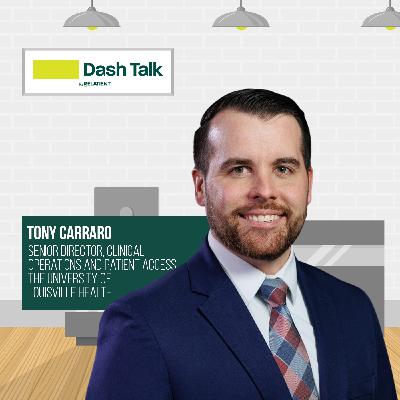
In the healthcare industry, the patient experience is paramount, and communication plays a critical role in ensuring that patients feel valued and well-informed. In this episode of “Dash Talk”, host Gabrielle Bejereno talks with Tony Carraro, the Senior Director of Clinical Operations and Access at the University of Louisville Health. Tony shares his insights on how University of Louisville Health has been leveraging advanced communication strategies to improve patient access and care.The Shift to Electronic Communication:Tony Carraro highlights the significant shift from traditional communication methods, such as letters and appointment cards, to more modern, electronic methods. This transition is not just about keeping up with technology but also about meeting patients' growing expectations for convenient communication with their healthcare providers.Emergency Communication Tactics:One of the critical aspects of University of Louisville Health's communication strategy that Tony discusses, is their approach to emergency situations. He recounts how they use broadcast messaging to reach out to patients during emergency events such as snowstorms. This method allows them to disseminate important information quickly and efficiently, ensuring that patients are not left in the dark when unexpected situations arise.Patient Feedback and Communication Balance:Feedback from patients has been overwhelmingly positive, with many appreciating the timely and informative messages. Tony also acknowledges the fine line between being informative and overwhelming patients with too much communication. Striking the right balance is key, and patient feedback has been instrumental in finding that sweet spot.Advice for Healthcare Communications:For healthcare organizations looking to improve their communication strategies, Tony advises starting small and focusing on the core messages that need to be conveyed. Building a solid framework and gradually expanding communication tools is essential for success. He emphasizes that communication is a crucial component of patient access, as it ensures that patients are reminded of their appointments and are well-informed about their care.As University of Louisville Health continues to innovate in this area, other healthcare providers can learn from their successes and challenges. By embracing technology and listening to patient feedback, healthcare organizations can significantly improve the way they interact with patients, leading to better care and higher patient satisfaction.
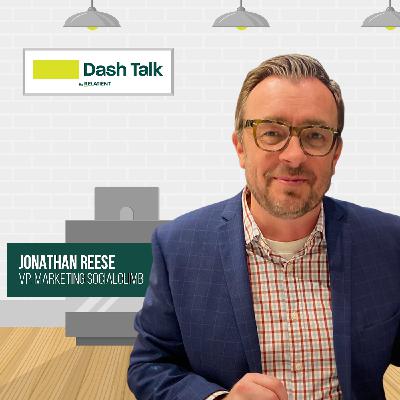
Join Dash Talk host Gabrielle Bejarano as she discusses the importance of driving new patient acquisition and patient retention in the digital age of healthcare with Jonathan Reese, VP of Marketing at SocialClimb. Reese shares his perspective on how consumerism impacts patient access and the many ways personalized and targeted marketing strategies and the ability for patients to self-schedule their appointments create positive outcomes for both the patient and the healthcare organization.

Big Tech is getting involved in healthcare in a major way. Four of the largest tech companies; Alphabet, Amazon, Apple, and Microsoft are making significant investments in healthcare to show their commitment. Talk of these investments was all the buzz at the HIMSS 23 Global Conference and the VIVE 23 Conference. What were some of the other trends and takeaways from these events?For perspectives, Dash Talk host Gabrielle Bejarano spoke with Ed Kenney, VP of Business Development at Relatient. Kenney attended both shows, and he confirmed that Big Tech investment and AI were the hottest topics making a splash in the healthcare industry.“Microsoft is a big leader in this AI technology,” Kenney said. “They made a significant investment in ChatGPT, and we saw at HIMSS they made a strategic announcement, a partnership between Microsoft and Epic, to use ChatGPT within the Epic ecosystem, which is one of the largest EHRs in the market serving some of the largest healthcare systems.”Bejarano and Kenney also discuss:• The evolution of AI and chatbots in healthcare• Areas where Big Tech is investing • How healthcare is moving to a point of consumerism where technology can make an impactAbout EdEd Kenney is a Business Development VP in the healthcare technology industry with 30 years of experience in marketing and sales. Kenney received his Master’s in communications and his BA in journalism from Western Kentucky University.
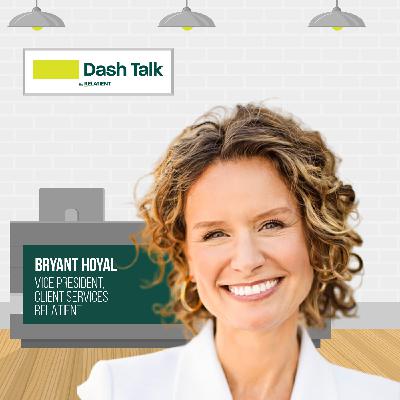
A person’s overall healthcare experience is heavily driven by the ease of their access to care. As consumerism continues to increase, patients expect a seamless and person-centered care journey. Many organizations realize this shift and have initiatives to prioritize access by making it easy to schedule appointments and communicate with healthcare providers.Organizations who do this well have concentrated efforts to ensure that the patient is at the center of everything they do, which ultimately impacts the overall organizational culture .Creating a culture of patient access starts by having the right mindset and right tools in place. What are some ways that technology is improving patient access?In this new episode of the "DashTalk" podcast, host Gabrielle Bejarano interviewed Bryant Hoyal, Vice President of Client Services at Relatient. They discussed how the patient experience should be prioritized in healthcare, how scheduling can impact this, and what healthcare organizations can be doing to focus on creating a culture of patient access. Hoyal suggests that healthcare leaders should start by incorporating patient access language into their mission and vision statements, then assess their internal culture through surveys and conversations with frontline employees. Bejarano and Hoyal further talked on…1. Why Healthcare organizations should be focusing on creating a culture of patient access2. How organizations can ensure that providers, practice managers, and patients needs are being met3. How leveraging technology can help drive better access "I think that creating a culture around patient access is keeping the patient's preference in mind, and that can be hard to do when you're trying to centralize scheduling and pull that function out of your individual practices...” said Hoyal.Bryant Hoyal has been the Vice President of Client Services at Relatient since December 2022. Before her role with the company, she was an Executive Director at a large Atlanta-based health system for nearly a decade. She has more than two decades of healthcare management experience and is a graduate of Georgia Institute of Technology, and holds a certificate in healthcare from Cornell University.
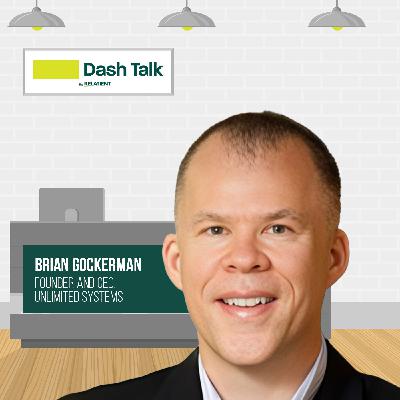
Delivering a better patient-driven experience is crucial in healthcare, especially in oncology, where utilizing tools to collect patient-reported outcomes and addressing gaps in care can make a world of difference. Unlimited Systems is on a mission to provide solutions that continue the trend of democratizing personalized healthcare and improving patient care in a post-pandemic world. For many years, Unlimited Systems focused on oncology as its primary specialty but is branching out to aid other areas of healthcare. Through its partnerships with companies such as Relatient, Unlimited Systems seeks to be a total solution provider for physician groups, hospitals, and health systems. Dash Talk by Relatient host Gabrielle Bejarano, spoke with Unlimited Systems’ Founder and CEO, Brian Gockerman, about the challenges in healthcare and how Unlimited Systems addresses them.Bejarano and Gockerman’s discussion includes the following:• Solving challenges within the healthcare network during the pandemic and in the post pandemic world• Unlimited Systems’ partnership with Relatient to provide better access tools and improve patient outcomes• How the partnership can continue to support the specialty healthcare space and enterprise environments “We are looking forward to having the Relatient team at our Direction’s Conference on May 9-11 in Cincinnati, where Relatient and our long-term partnership will be featured to our customers,” Gockerman said. “We’re in the midst, right now, with our install base and graduating them to new Microsoft Azure cloud-native capabilities in our own software. Relatient is an important part of that movement, and we continue to advocate for their use.”About BrianBrian Gockerman is an experienced healthcare systems solution provider with over twenty-five years in the industry. Gockerman holds a B.S. in Industrial Engineering from Stanford University and an MBA in Healthcare Administration from The Wharton School of Business.
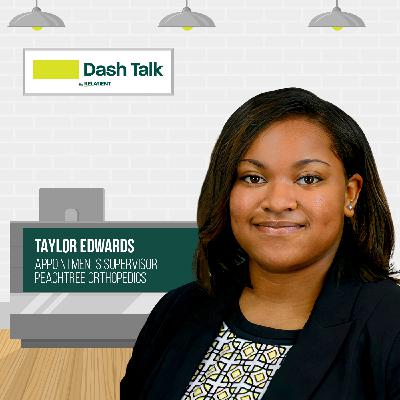
Forty percent of U.S. orthopedic surgeons see at least 50 patients per day. When there are multiple physicians at an orthopedic practice, that number is multiplied, which can be cumbersome to manage if there isn’t a streamlined scheduling process in place. How do busy orthopedic practices like Peachtree Orthopedics in Atlanta streamline the scheduling process?On today’s episode of DashTalk by Relatient, Host Gabrielle Bejarano speaks with Taylor Edwards, Appointments Supervisor at Peachtree Orthopedics, to discuss how her practice navigates patient scheduling while providing an excellent patient experience. Bejarano and Edwards also discussed…1. What her role as a scheduler includes and the management systems the schedulers use2. How the schedulers are involved in the patient care experience3. The intricacies and daily challenges schedulers can face and how they navigate themEdwards explained why the scheduling systems they use are critical to the patient care process. “Having a scheduling system that can guide you and prompt you with screening questions really helps that call flow and also reduces errors. And I think those are two really big factors that contribute to the patient experience and bringing forth that feeling of delight at the end of the call instead of feeling overwhelmed.”Taylor Edwards is Appointments Supervisor at Peachtree Orthopedics. Peachtree Orthopedics is an Atlanta-based orthopedic practice with 10 locations and 70 years of experience in the Greater Atlanta area.

On the Dash Talk podcast, host Gabrielle Bejarano spoke with Jeff Gartland, the CEO at Relatient, on the major challenges experienced by healthcare providers in 2022 and possible solutions they can implement in the new year. Gartland identified five major challenges experienced by healthcare providers in 2022. They include:1. Staffing and labor shortages continue to impact operations2. Financial squeeze between low reimbursements and rising cost pressures3. More desire to consolidate vendors over time4. Inbound communication will be as critical as outbound communication5. Focus on optimizing consumer experience in scheduling without jeopardizing back-end nuancesAs seen in many other industries, staffing is a major challenge that must be addressed. One solution to combat administrative burnout is to identify digital tools that can streamline processes. According to Gartland, “healthcare providers can leverage the Dash platform to help staff manage complex workflows.” Healthcare providers may face difficulties due to rising costs and the ability to make proper investments. A possible solution focuses on lead generation and conversion strategies. Outbound and recall campaigns help to maintain contact with old patients and attract new patients. In addition, improving customer engagement can promote a positive customer experience.Another issue that must be addressed is understanding how vendor consolidation works. The digital space has created lots of opportunities to meet with various vendors. However, healthcare providers must focus on vendor consolidation instead of various vendor relationships. “Before the pandemic, the focus was on volume, such as the number of messages sent or appointments booked. However, after the pandemic, the focus has shifted to value-added,” explained Gartland. Value discussions are more impactful when you start to think of a consolidated partnership rather than a set of various vendors who do not share your goal of quality. Delivering a positive consumer experience without jeopardizing any backend processes is another challenge. While it is important for patients to be happy and content, the satisfaction of the staff must not be sacrificed to make it happen. Individuals are rating providers not just on their ability to provide good clinical outcomes, but on how the experience was holistically from pre- to post-appointment. Therefore, leveraging tools like the Dash platform to promote a positive consumer experience while allowing a great provider/staff experience is crucial.Finally, effective communication is a two-way street. “There is nothing as strong and impactful in the healthcare world as the singular relationship between a provider and a patient,” said Gartland. The Relatient-MGMA survey reveals that there are many digital tools that providers can use to communicate to consumers/patients but not many tools for patients to talk back to providers. Consequently, it is necessary to identify appropriate methods to optimize communication, as it creates a trust-based relationship between the provider and the consumer.
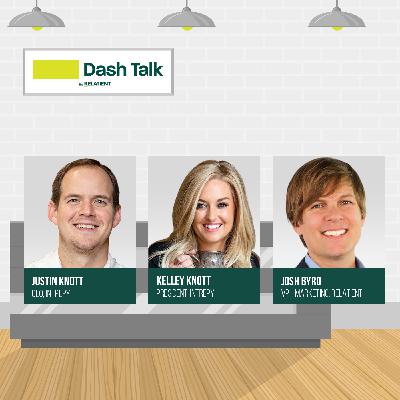
The healthcare industry faces many challenges, including the need to keep up with growing patient expectations when it comes to care delivery. There is much to address, from the need for more digital engagement to in-home and community care, recruiting and retaining talent, as well as prioritizing health equity. One commonality of each of these areas is the beginning of the patient experience – often the brand of the provider and the ease of getting an appointment.While marketing may not be the first place one would look to help alleviate the healthcare burdens, it is the place where most patient experience truly begins. Gabrielle Bejarano, host of the Dash Talk by Relatient podcast, recently spoke with a few folks hard at work solving these healthcare challenges. Justin Knott, CEO of Intrepy Healthcare Marketing, Kelley Knott, President at Intrepy, and Josh Byrd, VP of Marketing at Relatient, shared their thoughts on today’s healthcare challenges, and how they’re helping make a difference.Bejarano’s discussion with Knott, Knott, and Byrd includes the following:• How consumerism is impacting the patient-provider relationship and patient expectations• The role marketing plays in supporting healthcare and healthcare initiatives, starting with patient acquisition• The unique challenges healthcare clients need to solve to deliver a better patient experience from the first touch“The patient expectations for their experience with their physician has exploded, I think we expect more from our providers… to increase that feeling of connection with the provider, I think technology has really come into play” – Kelley KnottAbout the guests:Justin Knott created Intrepy Healthcare Marketing with his wife, Kelley, in 2013. He is a speaker, podcaster, and content creator specializing in medical marketing strategy development and execution, including medical SEO, paid ads for doctors, healthcare content development, reputation management, and CRM marketing automation.Kelley Knott co-founded Intrepy with her husband, Justin. Knott is also the co-founder of CaptureMD, a video tool to help physicians create video content & collect patient video testimonials. Josh Byrd is an experienced strategic marketing leader focused on demand generation using data-driven techniques, including account-based marketing (ABM), marketing automation, online advertising, social media, print, and public relations. Byrd thrives in building strong teams who creatively mix diverse marketing tactics, both traditional and modern, to realize significant revenue growth.

Let's face it. Healthcare is not always easy to access. Healthcare should be simple, and with the use of technology, it should be easy. Helping to make healthcare more efficient and reliable is Ortho SC's CEO, Andrew Wade. He sat down with host Gabrielle Bejarano to talk about the current challenges in healthcare and how Ortho SC is helping to pave the way with technology. At just four years old, Ortho SC is already taking the northeastern counties of South Carolina by storm, with over 80 professionals providing care in over six locations. Wade's role in the business has helped Ortho SC grow by knowing and preparing for the market needs. However, in the beginning, Wade noticed some challenges healthcare staff faced. He remarked, "So globally speaking, I really think one of the things that's most difficult for all of us, and not just 'us' in the orthopedic world but all of 'us' in the medical space, is that we're so behind in terms of use of technology…I want to see healthcare be delivered in a way that is more closely aligned to the way Amazon delivers boxes to my front porch."Current healthcare still uses "paper and pencil" methods and does not use the tools that are so widely available in today's world. When Wade noticed this, he set out to find a tool that would help alleviate healthcare inefficiencies to make it easier for people to get the care they need. He said, "So, it's been huge to us to be able to leverage technology in every way possible to be more like Apple, more like Amazon, easy to use, available at people's fingertips, open-access to be able to get appointments scheduled when you need them, not when they're available." With the help of Wade and technology, Ortho SC can focus on the consumer experience and quality of care instead of getting caught up in the red tape of traditional healthcare bureaucracy.
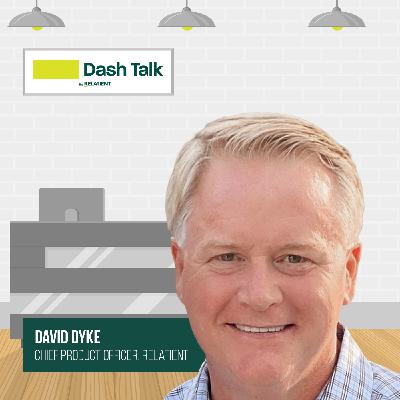
With the growing inclusion of modern and digital technology in healthcare, the consumer experience maintains a higher level of importance.On the latest episode of the podcast "Dash Talk," host Gabrielle Bejarano talked with Relatient's Chief Product Officer, David Dyke, about how consumer experience is improving and how it can continue to improve with the use of advanced tools and software. Organizations are battling inflation and staff shortages, but Dyke believes that if companies employ greater awareness, they can beat those challenges — not only in their functionality but also for the satisfaction of their consumers (or patients). With a clear set of goals and a solid commitment to them, improvements to create and sustain a highly-functioning company are more than possible. Dyke stated that one of those proponents is laying out the concerns and prioritizing them into levels of importance, such as "tier one problems versus tier two problems," said Dyke.He talked about how Relatient emphasizes the patient experience. Some factors include being informed on patient needs and wants, their issues and concerns, and determining how they can solve and meet those expectations.An example of that is if a patient wants to cancel an appointment. Often, appointment cancellations can be hectic and turn into a cat and mouse game of trying to maintain the appointment but for a later date. Having a reliable system in place should mitigate potential issues.“Finding that right balance in how to segment their patients … and to be able to bring that flexibility to your operations is really important,” said Dyke.When it comes to implementing the right digital technology tools in a business or practice, Dyke said that it's vital to a practice's management. And Dash Chat is pretty straightforward about connecting patients and consumers with its go-to method and staff. “We’re really excited how [Dash] chat is going to create new capabilities that we haven't candidly thought of,” said Dyke.He stated that locations, parking, operation hours, prescriptions, billing, and routine questions are examples of consumer questions that Dash Chat will facilitate. Dyke added that more organizations should prioritize how they communicate with their patients. While chat has been around for quite some time, it's not a form of connecting that practices employ enough.“We really see chat as an underutilized resource in healthcare to help improve communications with patients and the provider organizations,” said Dyke.
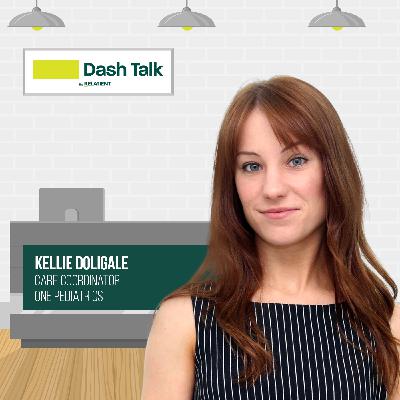
One Pediatrics serves patients in Louisville, Kentucky, and surrounding counties. With multiple practices serving the children and parents of Kentucky, new Relatient programs have helped them maximize patient outreach, communications, and scheduling. One Pediatrics uses Relatient services to reach patients throughout the year. Kellie Doligale, the Care Coordinator, will source the appropriate recipients for custom messages depending on the practitioner's needs. “We write messages to people we haven’t seen in a while, or we also make it seasonal, like around vaccinations,” said Doligale. In addition to customized and seasonal communications, Doligale implements a monthly birthday check, cross references to see if those patients are due for a well-visit, and then customizes the message around those information points.“We’ve had the best success using text messaging communication, we feel it reaches the most people, and we get the best response from it,” said Doligale. “Because it’s a text message, we have to be careful about the length of the message.” The shorter format of the messaging requires clarity and conciseness.Feedback across all practices praises the communication system. “Our parents consistently report getting appointments in a timely manner,” said Doligale. Initially, One Pediatrics allowed the scheduling of sick visits only. However, once they experienced its success, they also extended the option for well-visits. The practices report lower no-show rates as well.

In this episode of Dash Talk, The Becker’s Healthcare Podcast host, Laura Dyrda sat down with David Dyke, Chief Product Officer at Relatient, and Arun Mohan, President of Relatient. Together, they discuss the role of scheduling in defining elite customer experience.Between staying on hold, finding an ideal location, and checking for availability, scheduling a healthcare appointment can be a very tedious process. “Anyone who has tried to schedule an appointment knows how hard it is,” says Mohan. However, this is just as hard for doctors and medical groups, and the challenge is not all doctors are created equal. “You got to simplify a lot of the underlying workflows and operations to make it possible.”When you have something complicated like scheduling, there is traditionally a very steep learning curve in becoming familiar with factors such as locations and rules. "There's generally a physical binder or Sharepoint slides that are constantly being updated,” Dyke explains, “so one of the things that folks are looking for is technology to help their newest scheduler be as effective as their senior scheduler.” Creating a digital patient journey eases the burden of scheduling on providers and staff; however, the deployment of an online scheduling system is a fairly difficult process. “We are really trying to help our customers deliver the right balance between precision scheduling and patient-friendly scheduling,” Dyke explains.In a recent survey, they found patients love self-scheduling when it works and asks for information that is readily known. “If you start asking secondary and tertiary additional questions we see a really significant drop-off point,” Dyke explains. Focusing on the things that matter most, such as allowing the patient to book and confirm an appointment, is most vital in a digital patient journey.When asked how health systems can improve the digital patient's journey, Dyke and Mohan provide two factors: focusing on access and integrating a digital patient journey into every activity. “One of the most important considerations in how you select a provider is convenience and availability,” Mahon explained. When considering how to do this for provider groups, the answer is multi-faceted. Moreover, integrating these into every activity is vital as well. “A good example of this is recall management,” says Mahon.Tune in to learn more about all of the factors that go into creating a seamless, elite scheduling experience for both patients and providers in healthcare.
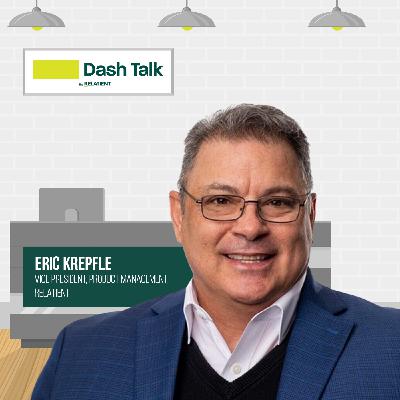
Healthcare organizations’ ability to connect with their patients is critical to ensuring their various types of quality care. In the debut episode of the podcast “Dash Talk,” host Gabrielle Bejarano talked with Eric Krepfle, Vice President of Product Management at Relatient, a patient engagement organization that helps healthcare providers and practices foster better relationships with their patients. Health maintenance is a main factor in trying to bridge that gap. So how does it work? By maintaining persistent contact with particular patients, Krepfle said. Patients with high-risk lifestyles, people who are battling chronic illnesses, and those who live alone can greatly benefit from a health maintenance campaign via their provider, Krepfle said. Oftentimes, it can serve as a reminder in getting ahead of possible issues that are likely to turn up in patients who are more at risk for health follow-ups. “These health maintenance campaigns should mean outreach to the patient who is handling or dealing with some of these situations, and it provides that constant communication with them about that,” Krepfle said. “They’re to demonstrate the patient is in an overall community of concern, and the healthcare provider wants to demonstrate that.”Successful campaigning is key to patient engagement because it keeps both the provider and patient actively in communication about the latter’s health concerns. However, despite an increase in patient engagement strategies being used in healthcare, Krepfle said general practitioners tend to be behind. “The one type of provider that I’d wish would use them more are just basic general practices,” Krepfle said. “We want to encourage them more to stay in touch with their patient census.”He said consistent contact allows the provider to better inform and keep track of their patients, and what they might be up against. In addition, campaigns can help healthcare providers promote other services and wellness advice, such as weight loss, exercise, or gym membership information. The result is exemplary customer retention and trust.“Keeping in contact with patients outside of that medical situation also promotes that friendly environment, so that if a patient does need assistance, they’re more likely to contact the provider who stayed in touch with them … because they're getting these health maintenance campaigns,” Krepfle said.Krepfle maintains that patients can be looked at as customers, and the motto of retaining current customers is more efficient than searching for new ones. He added that healthcare providers routinely staying in contact with their patients is just the surface, noting that other industries have found success in customer retention via campaigns.
Comments

Download from Google Play

Download from App Store
 United States