


 Claim Ownership
Retailgentic | Consumer Behavior & Retail Trend
Subscribed: 6Played: 127
Subscribe

© ReFiBuy, Inc.
Description
Retailgentic explores consumer behavior and retail trends to help brands and retailers innovate. Join Scot Wingo for expert insights, actionable news, and ecommerce innovation strategies to navigate the future of retail and agentic commerce.
45 Episodes
Reverse
In this episode, Scot sits down with Debra to unpack what might be the most important shift in digital advertising since social media.This isn’t theoretical. It’s happening right now, and brands that don’t understand it risk getting left out of the new chain of commerce.Highlights Why ChatGPT’s ad rollout is just the beginning, not an experimentThe tension between trust vs. monetization in AI interfacesHow retailers are both excited and terrified of AI shopping agentsThe emergence of “AI Media” as a new category (like social + retail media before it)Why current ad formats are “boring”… and what comes nextHow companies should actually prepare (hint: it’s not just media buying)The shift from advertising to agent influence, and what that means for the futureWe’re still early, but not that early. The rules of digital advertising are being rewritten in real time, and for the first time in decades, the winners aren’t obvious. The question isn’t whether AI will reshape commerce. It’s whether your products, and your data, are ready to compete when agents decide what gets bought.Timestamps: 02:19 – Meet Debra Aho Williamson 05:00 – From social media to AI: spotting the next shift 09:00 – What “AI Ad Economy” actually means 11:00 – Are we at a social media–level inflection point? 13:00 – ChatGPT ads: early signals and what matters 16:00 – Why current AI ads look like search ads 18:00 – Trust vs. monetization: the line platforms can’t cross 23:00 – Why retailers are leading AI ad adoption 25:00 – Google’s AI ad strategy vs. ChatGPT 29:00 – Perplexity, Copilot, and the fragmented landscape 33:00 – Where Meta fits (and why it’s surprising) 35:00 – New ad formats: sponsored prompts + conversational ads 38:00 – Reddit, TikTok, and emerging players 40:00 – How brands should prepare for AI media 43:00 – Why structured product data is critical 45:00 – The future: ads for agents, not humans👉 Connect with Debra: https://www.linkedin.com/in/debrawilliamson/👉 Learn more about Sonata Insights: https://www.sonatainsights.com/🧠 Want to stay ahead in AI commerce? Subscribe and follow along:📰 Subscribe to the free Substack: retailgentic.ai📺 Watch episodes on YouTube & Subscribe for updates: https://www.youtube.com/@Retailgentic
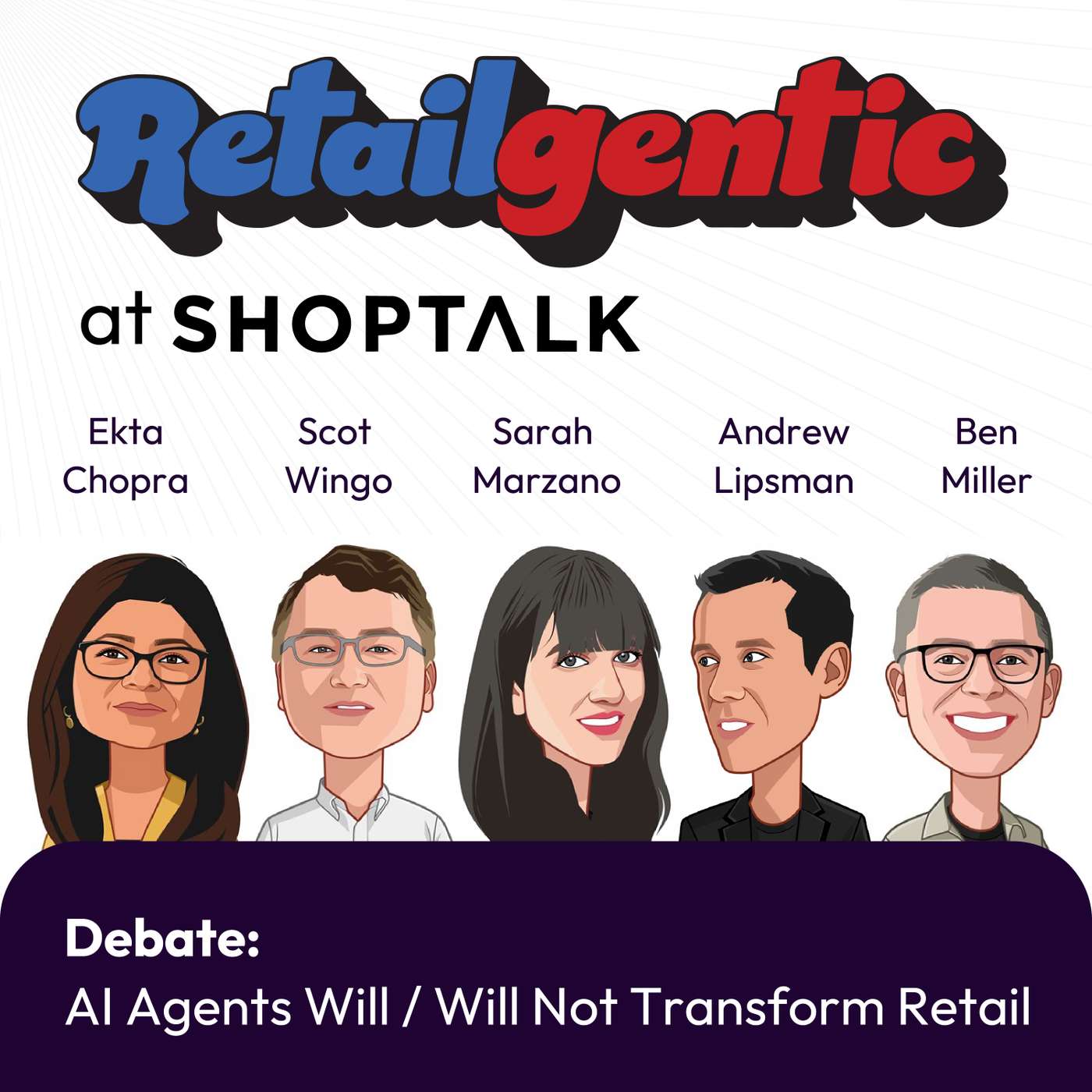
Today we’re dropping a surprise podcast that is different than anything we’ve done before and a first of it’s kind! Scot Wingo was invited by Ben Miller, VP of Content and Strategy to participate in the first ever shoptalk debate format talk. The topic - Agentic Commerce Will AI agents transform retail? On the pro agentic side we had Ekta Chopin, CDO at ELF Beauty and myself. If you’re not familiar with Ekta, she’s a thought leading CDO and has a great substack for other CDOs.On the ‘anti agentic side’ we had Sarah Marzano, Principal Analyst, Retail Ecommerce and Retail Media at Emarketer and Andrew Lipsman - independent analyst and consultant for media, ads and commerce.Before the show, Scot asked and received permission from Shoptalk and all the participants to turn the raw audio into a podcast. In the AI era, speed matters so we are getting this in your hands only 2 days after it happened. This debate took place at 12pm PDT on Tuesday March 24th at Shoptalk’s AI Stage.Timestamps00:01 – Why this episode is different from anything Retailgentic has done before 01:28 – The Shoptalk debate topic: Will AI Agents Transform Retail? 02:04 – Meet the debaters: Ekta Chopra, Andrew Lipsman, and Sarah Marzano 07:48 – The first big battle: how should agentic commerce be defined? 10:25 – Scot’s argument: consumers are already changing behavior faster than many retailers realize 13:16 – Sarah’s pushback: brands need clarity before making big bets 15:18 – Consumer adoption: how much automation will shoppers really accept? 17:16 – Why product data and offer-card visibility matter now 19:05 – Andrew’s argument: shopping still requires human decision-making 23:05 – Ekta on brand visibility, content readiness, and why this matters for beauty 24:49 – 2030 predictions: will 10% of e-commerce be bot-to-bot? 27:03 – Does agentic commerce threaten retail media? 29:11 – Sarah’s case for why AI referrals may actually help retailers 32:22 – Ekta on why rich product data matters more than media for e.l.f. 33:06 – Scot’s case that traffic decline is already starting in some categories 37:16 – What brands and retailers should do over the next 6–18 months 40:25 – Why Sarah says brands should test, but not overreact 42:11 – Scot’s closing case for why this shift is fundamentally different 43:22 – Andrew’s closing warning against fear-based decision-making🧠 Want to stay ahead in AI commerce? Subscribe and follow along:📰 Subscribe to the free Substack: retailgentic.ai📺 Watch episodes on YouTube & Subscribe for updates: https://www.youtube.com/@Retailgentic
This episode explores the shift from traditional search and ecommerce flows into a new agentic commerce environment where shoppers are using AI surfaces to discover, compare, and increasingly delegate parts of the buying journey.Ashish explains what Google was seeing internally that led to the development of UCP, why the protocol was designed to be open and ecosystem-wide, and why the ambition goes far beyond checkout. He also shares how Google is thinking about discovery, conversational product data, merchant readiness, and the long-term role of AI across the shopping journey.For retailers, brands, marketplaces, and commerce tech teams, this conversation is a helpful window into what Google believes is changing now, and what foundations businesses should be investing in before the market fully shifts.Highlights How Google’s large-scale ad and data systems shaped his approach to commerceWhy UCP emerged now, and the two major trends that inspired itWhy Google believes agentic commerce needs an open, ecosystem-wide standardWhy the future of UCP extends far beyond checkoutHow discovery is starting to take shape within the protocolWhy richer, more conversational product data matters in AI shopping experiencesWhat retailers need to do now to improve visibility on AI surfacesHow Google is thinking about the relationship between agentic commerce and advertisingWhy agentic commerce is still early, but already moving from concept to realityAgentic commerce is still early, but this conversation makes one thing clear: the infrastructure decisions being made now will shape who gets discovered, considered, and chosen in the next era of shopping.Timestamps2:32 — Welcome and introduction to Ashish Gupta5:01 — Building Google’s data infrastructure and declarative querying at scale9:43 — AI at Google before the current wave11:32 — What it means to be an Engineering Fellow at Google14:00 — Balancing technical leadership and operational leadership16:10 — Why Ashish moved into merchant shopping17:41 — The origin story behind UCP24:58 — Why Google chose an open protocol approach27:50 — Responding to skepticism around Google’s commerce efforts32:30 — Discovery, catalog search, and where UCP expands next35:39 — Multi-item and multi-merchant cart support37:43 — New protocol capabilities and partner onboarding38:42 — Why product data quality matters more in AI shopping43:22 — How shoppers are using AI surfaces in more complex ways47:47 — Agentic commerce and advertising50:10 — Where agentic commerce may go from here51:46 — Closing thoughts and where to follow Ashish👉 Connect with Ashish: https://www.linkedin.com/in/ashishgupta98/ 👉 Check out UCP announcement: https://www.retailgentic.com/p/flash-googlenrf-announces-universal🧠 Want to stay ahead in AI commerce? Subscribe and follow along:📰 Subscribe to the free Substack: retailgentic.ai📺 Watch episodes on YouTube & Subscribe for updates: https://www.youtube.com/@Retailgentic
In this episode, we take a deep dive into what buyer-side agentic commerce could actually look like. The conversation explores the origins of the company, why Darryl and Ross focused on reducing friction for buyers, and how that unexpectedly opened up solutions for sellers, payment providers, and enterprise procurement teams as well.The episode also features a live demo of Vendee Labs’ platform, showing conversational discovery, real-time product retrieval, multi-vendor carting, and a multi-item ACP checkout flow. HighlightsWhy Vendee Labs is approaching agentic commerce from the buyer’s perspectiveThe founding story behind the company and the friction that inspired itHow ChatGPT and Claude changed the direction of the productA live demo of conversational commerce across real merchantsWhat a multi-vendor, multi-item ACP checkout could mean for online shoppingWhy autonomous commerce needs legal and governance frameworks, not just AIThe vision for a Universal Protocol Bridge across ACP, UCP, and future standardsHow strong permissions and audit trails could reduce chargebacks and disputesWhy poor product data creates broken outcomes in agentic shoppingWhere Vendee Labs sees opportunity across consumer, B2B, procurement, and white-label use casesVendee Labs is betting that the future of commerce won’t just be agent-powered—it will be buyer-centered, trust-driven, and built to work across whatever protocols come next.Timestamps: 00:06:09 — Ross shares his background in global technology planning and delivery 00:07:23 — Darryl shares his background in retail IT, telecom, AI, and governance 00:08:53 — Darryl reflects on AI before and after the ChatGPT moment 00:10:03 — Discussion on LLMs, explainability, and true intelligence 00:11:26 — The founding story behind Vendee Labs 00:13:13 — How the product evolved into its current form 00:16:06 — The Vendee Labs pitch: changing how the world buys 00:17:06 — Why solving buyer friction also solves seller-side pain points 00:20:18 — Live demo begins 00:21:10 — Running shoes search and conversational discovery demo 00:25:42 — Multi-vendor cart and checkout walkthrough 00:31:06 — Why richer product data is critical for agentic commerce 00:35:46 — Consumer, B2B, procurement, and white-label distribution paths 00:38:46 — Team size, bootstrapping, and current company stage 00:40:39 — Ross outlines roadmap, buyer taxonomy, and MVP plans 00:42:15 — Scot and Darryl discuss adoption speed in agentic commerce 00:44:18 — Darryl’s theory on trust events and adoption 00:45:34 — Governance-by-design versus fixing broken outputs later 00:47:46 — Where to learn more and try the demo👉 Connect with Darryl: https://www.linkedin.com/in/darrylcarlton/👉 Connect with Ross: https://www.linkedin.com/in/rossgardiner/👉 Check out the demo: https://vendeelabs.com/🧠 Want to stay ahead in AI commerce? Subscribe and follow along:📰 Subscribe to the free Substack: retailgentic.ai📺 Watch episodes on YouTube & Subscribe for updates: https://www.youtube.com/@Retailgentic
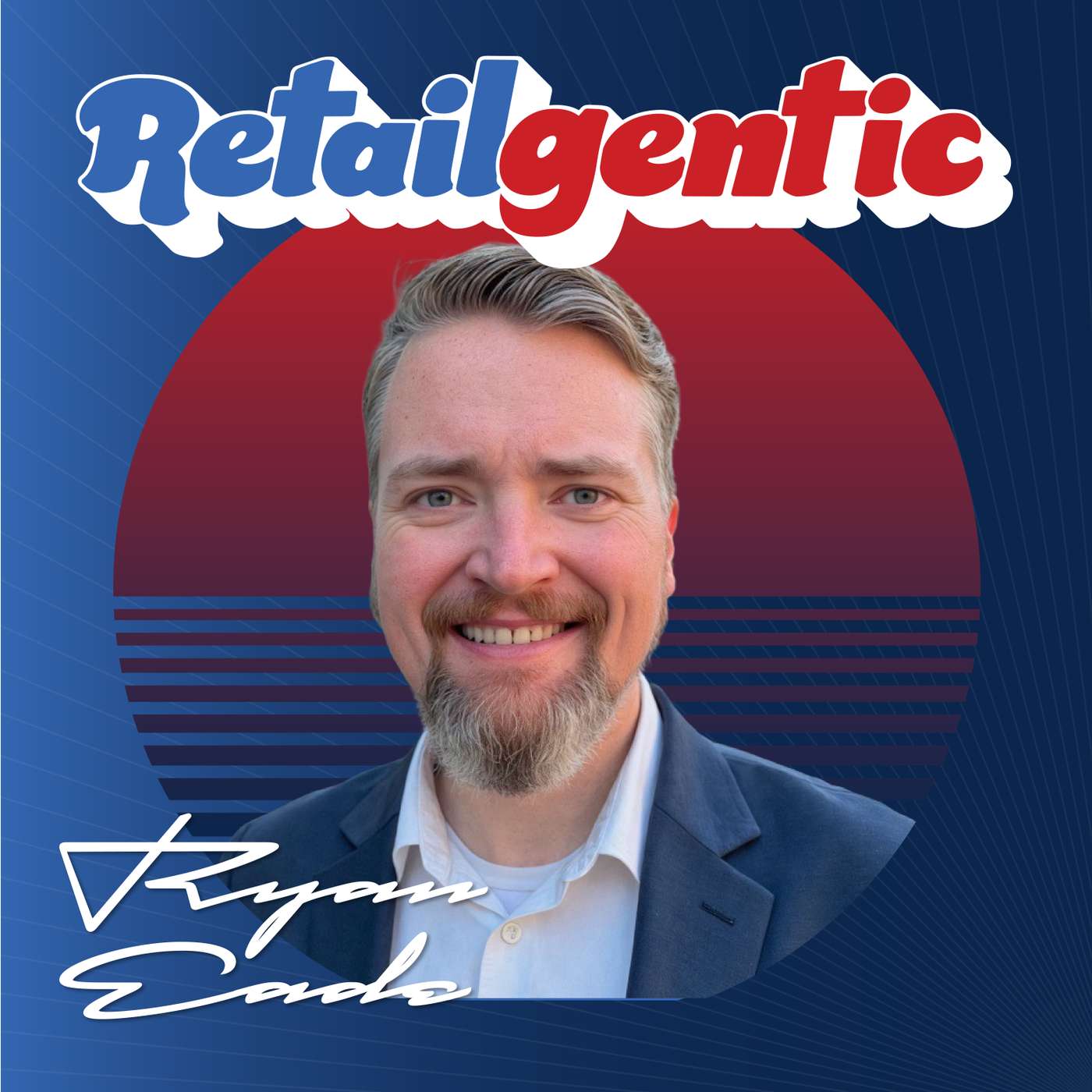
In this episode of the top Agentic Commerce Podcast we explore the powerful shopping powers of the OpenClaw open-source agent. Can the Claw shop on Amazon, shop locally and use the VisionClaw system with META Ray-Ban’s to buy a very hard to search for dog treat? Tune in to find out!Highlights:What OpenClaw is (and why “persistent” changes everything)The real difference between OpenClaw vs. ChatGPT/Claude as toolsHow OpenClaw runs (Mac Mini vs. cloud VPS like DigitalOcean)Why “no guardrails” is both the innovation and the riskRisk mitigation: limiting blast radius with single-use virtual cardsWhy browser-driven commerce is riskier than server-to-server protocols (ACP/UCP)The “skills” layer: how OpenClaw becomes extensible like Lego bricksWhy SERP-style APIs beat slow webpage crawling for shopping tasksLive demos: product search, local inventory, and frictionless checkoutUsing Slack as the agent interface (channels for shopping, health, etc.)The sci-fi moment: Meta Ray-Ban glasses + VisionClaw + Gemini for visual shoppingOpenClaw isn’t the final answer for agentic commerce, security and architecture matter, but it is an incredible preview of where the UX is heading. If you want a glimpse of the “always-on shopping agent” future (and how people are hacking it together right now), this one’s for you. Happy agentic commerce.🦞Timestamps:01:38 — OpenClaw takeover begins: why Scot called Ryan as a lifeline05:26 — What OpenClaw is: persistent agent, open source, “unhinged,” and why that matters08:21 — The “gigantic loop”: always-on agent behavior (old-school “cron jobs,” new-school autonomy)09:26 — The killer feature: OpenClaw keeps working after you close your laptop12:33 — Read-only Gmail as an assistant: catching missed emails + reducing cognitive load14:35 — The trap: spending time building automation to “save time” (catch-22)15:33 — Why OpenClaw-style commerce is riskier than ACP/UCP: browser manipulation18:02 — Gateway Dashboard tour: where OpenClaw is configured (channels, skills, cron jobs)20:30 — Skill spotlight: Rye for agentic Amazon-friendly purchasing22:39 — Skill spotlight: SERP API for faster product search + ratings without crawling24:30 — Skill spotlight: Buy Anything for context-filled checkout (address, identity, card)28:19 — Demo: “Find me the 5 best-rated 65-inch TVs” (online + local)35:20 — Live purchase demo: finding USB-C cables, choosing Anker, and the agent checks out37:05 — “Most frictionless checkout”: no login, agent already knows everything37:31 — What this means for Alexa: why “available 24/7” changes habits39:07 — Meta Glasses demo setup: first-person vision commerce 40:24 — Vision commerce in action: identifies product + searches best price automatically41:34 — Multi-store results: Amazon + Chewy + Walmart links dropped into Slack👉 Connect with Ryan: https://www.linkedin.com/in/ryaneade/🧠 Want to stay ahead in AI commerce? Subscribe and follow along:📰 Subscribe to the free Substack: retailgentic.ai📺 Watch episodes on YouTube & Subscribe for updates: https://www.youtube.com/@Retailgentic
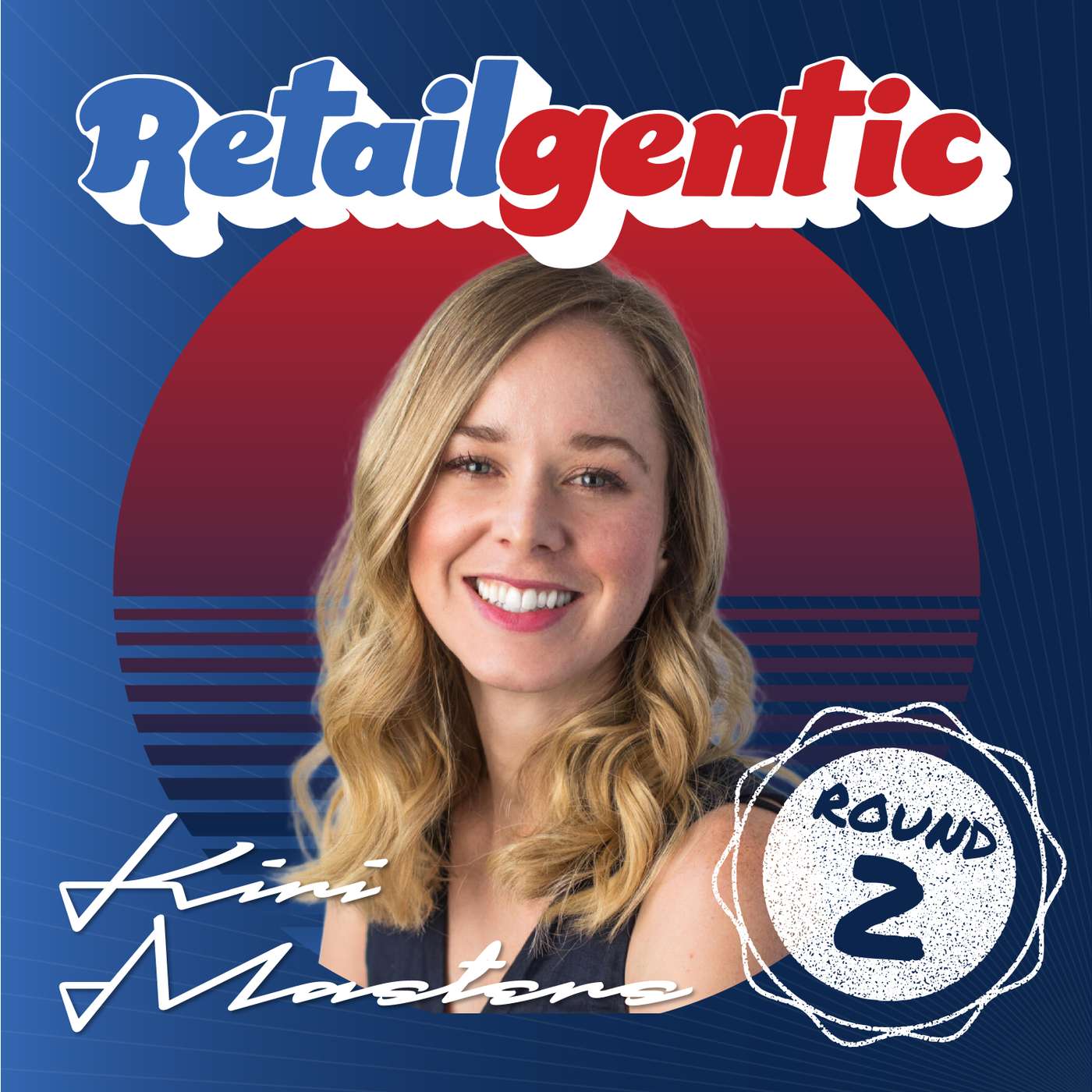
Retail media has been a profit engine for retailers, especially onsite sponsored product ads with massive margins. But what happens when shopping shifts from browsing and searching to AI agents that “decide the SKU” before a shopper ever hits a retailer site? In this episode, Scot and Kiri map the collision course between retail media networks and agentic commerce, walk through emerging ad formats from Google, Amazon (Rufus), and LLMs, and dig into the hardest problem of all: monetizing AI attention without breaking trust.What’s Covered:Why agentic shopping compresses the journey, and shrinks onsite ad inventoryThe “two threats” to onsite retail mediaHow offsite retail media depends on audience signals that may dry up as browsing declinesWhy in-store media may be the most resilient channel Google’s “Direct Offers,” the rise of an agentic storefront, and what it unlocksThe emerging idea of “Agentic PLAs” and retailers bidding at the SKU level (Buy Box vibes)Kiri’s wishlist: multimodal ads (video/try-ons), offsite audience extension, and contextual targeting over “creepy” behavioral retargetingAgentic commerce won’t kill advertising, but it will force it to evolve fast. The winners will be the platforms that can monetize attention without sacrificing trust, and the brands/retailers that learn to show up in these new surfaces early.Timestamps00:05:04 — Meet Kiri Masters + Retail Media Breakfast Club00:08:01 — The three buckets: onsite, offsite, in-store retail media00:10:01 — Why onsite is the money machine (and most vulnerable)00:11:11 — Offsite retail media + closed-loop attribution00:14:23 — In-store media: small today, resilient tomorrow00:16:11 — Are retailers already seeing traffic shifts? Category matters00:19:27 — ChatGPT ads: early signals and why it’s still rudimentary00:21:22 — Scott’s framework: ad formats + Instant Checkout incentives00:23:06 — Google’s “Direct Offers” and the agentic storefront idea00:25:10 — Collaborative bidding: retailer + brand split the spend00:28:11 — Google testing new units: “Agentic PLA” / paid retailer placement00:33:14 — Trust vs monetization: don’t break the golden goose00:34:04 — Amazon Rufus: sponsored prompts as a new surface00:39:08 — Instacart’s ad playbook + trade dollars as inspiration00:40:38 — Why it’s not a race to the bottom: service layers + loyalty00:43:24 — The big hope: context-based targeting over creepy retargetingk00:46:52 — If Kiri ran ChatGPT ads: offsite + multimodal + new formats00:48:04 — Virtual try-ons + “throw away the sponsored product textbook”00:50:00 — Closing + follow Retailgentic👉 Connect with Kiri: https://www.linkedin.com/in/kiri-masters/👉 Learn more about Retail Media Breakfast Club: https://www.retailmediabreakfastclub.com🧠 Want to stay ahead in AI commerce? Subscribe and follow along:📰 Subscribe to the free Substack: retailgentic.ai 📺 Watch episodes on YouTube & Subscribe for updates: https://www.youtube.com/@Retailgentic
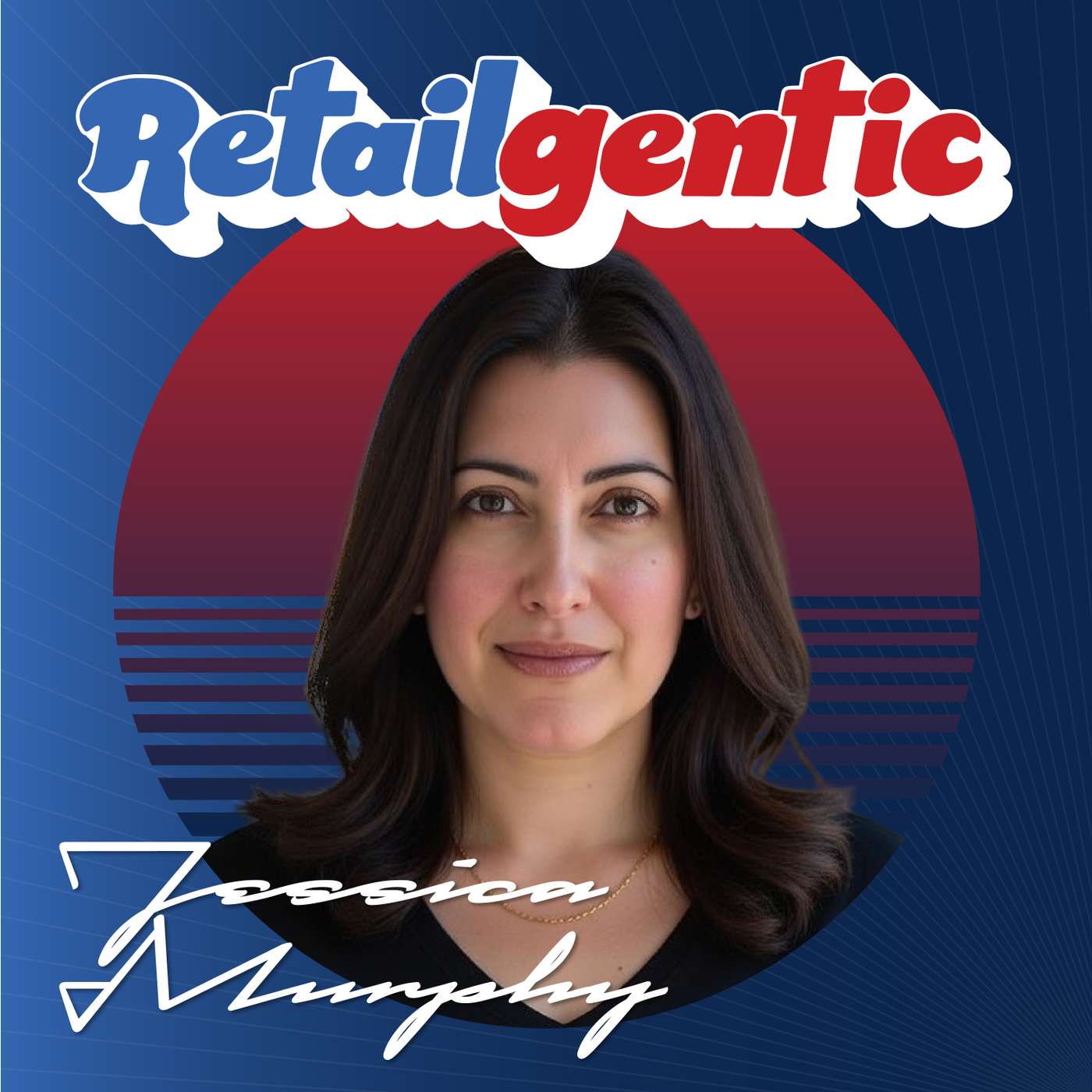
True Fit is evolving from a static “what size should I buy?” widget into a conversational agent that can handle the nuanced questions shoppers actually ask: comfort, flattering fit, fabric behavior, and edge cases like petite proportions. We also dig into how vertical agents (like True Fit) can accelerate horizontal super-agents via Model Context Protocol (MCP), and why the future of agentic shopping will be built on clean, structured, prioritized proprietary data, not scraped internet sentiment.HighlightsTrue Fit’s specialized size + fit agent (and why it matters now)Why 70% of fashion agent questions are about size/fitThe “Fit Passport”: from form-filling to natural conversation profilingWhat generic agents miss: real-time sales + returns behavior, not just PDPs/reviewsVertical vs. horizontal agents, and how True Fit uses MCP as an accelerantThe unglamorous moat: data cleaning, normalization, canonicalizationTrue Fit scale: 80M active users, hundreds of millions of profiles, ~100K brands, ~500 retailersIf agentic commerce is collapsing the funnel, fit is one of the biggest friction points left, and True Fit is making it a first-class agent powered by the kind of data most models will never see.Timestamps01:44 — Breaking news episode + guest intro (Jessica Murphy, True Fit)03:12 — True Fit announces a specialized size + fit agent04:20 — From static widget to agentic shopping assistant05:47 — Why fit-related returns are so brutal in apparel07:02 — What the agent experience looks like08:05 — “Fit Passport” and conversational profiling09:07 — Where checkout happens (and what’s coming later)10:17 — Why generic agents break: stale info + limited context11:35 — The moat: structuring + cleaning sizing data12:30 — Vertical vs. horizontal agents13:29 — MCP as an accelerant for super-agents15:18 — Top-of-funnel value: narrowing choices to “most likely kept”16:10 — Who might use TrueFit’s MCP (LLMs + agent builders)16:37 — Availability: March partners, April target GA18:01 — Founder story: why Jessica started True Fit19:41 — Fundraising reality + “it’s a data problem”21:16 — True Fit scale + global complexity of sizing👉 Connect with Jessica: https://www.linkedin.com/in/jessica-murphy-68a8b8/👉 Learn more about True Fit: https://www.truefit.com/🧠 Want to stay ahead in AI commerce? Subscribe and follow along:📰 Subscribe to the free Substack: retailgentic.ai 📺 Watch episodes on YouTube & Subscribe for updates: https://www.youtube.com/@Retailgentic
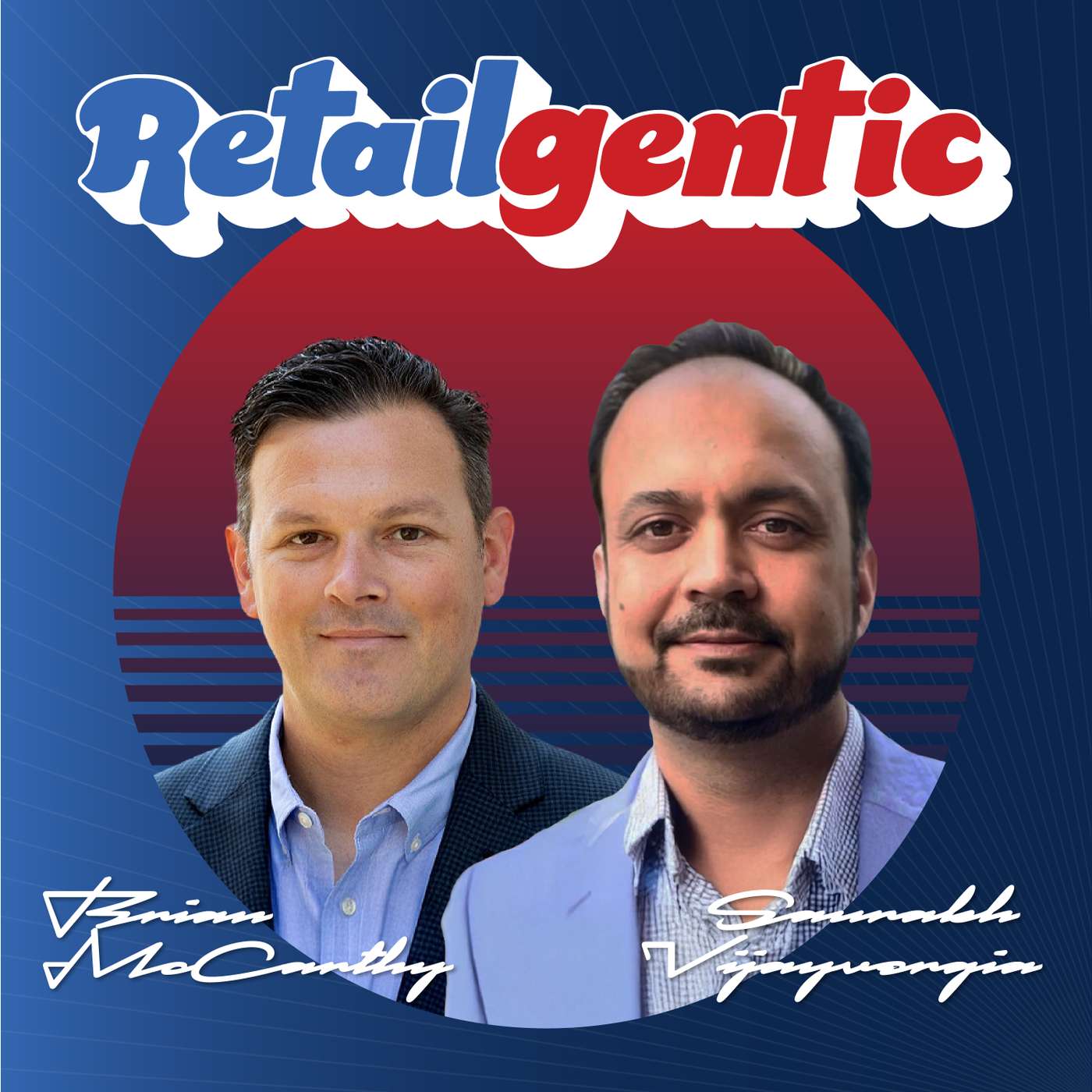
There’s a fundamental difference between adding AI to today’s ecommerce workflows and re-architecting commerce for an agent-driven world.In this episode, we start with Deloitte’s Agentic Commerce paper and quickly fan out into what’s changed since its release. If you’re trying to separate signal from noise in the rush toward AI-powered shopping, this conversation grounds Agentic Commerce in real systems, real economics, and real decisions retailers need to make now.Highlights Why Agentic Commerce is a paradigm shift, not a bundle of AI featuresThe evolution from SEO → GEO → ACO, and why GEO is just a waypointThe two biggest misconceptions Deloitte is hearing from retailers and brandsWhy structured product + data catalogs are the no-regret investmentThe real question execs keep asking: Where do we start? (and what’s measurable)The “Acommerce ecosystem”: orchestrators + specialized “nano agents”Trust, security, returns, customer service, and why this can’t be a side projectForecasts for how big agentic commerce gets, and why the point is: it moves the needleAgentic commerce is becoming a new channel with new unit economics, and the brands and retailers that get their product truth, governance, and trust foundations right now will be the ones that win when agents become the default interface.Timestamps:01:54 — Meet Deloitte02:10 — The paper: Agentic Commerce: Redefining Retail Economics03:55 — ACO + the SEO/GEO conversation04:11 — VJ’s background: SAP → Deloitte, retail AI intersection05:50 — Brian’s background: supply chain → strategy → consulting07:49 — “Traditional AI” vs GenAI in retail09:38 — Why Deloitte wrote the paper (and why GEO isn’t the endpoint)11:49 — Deloitte’s definition: why it’s a journey, not a switch13:33 — NRF vibe check + what’s changed since December14:27 — Common misconceptions (and what leaders miss end-to-end)16:14 — The questions execs are asking: where to start + ROI18:03 — Why this could be a golden age of storytelling + loyalty21:06 — The no-regret starting point: catalogs + structured data21:34 — Org design + governance + democratizing AI usage23:15 — CFO-ready thinking: measuring value by channel26:12 — Zero-click pressure + “what are you doing about it?”28:31 — Balanced portfolio: fast wins vs complex upside30:32 — The core distinction, again: AI add-ons vs agentic redesign31:18 — Do we still need websites? (channels vs replacement)33:17 — Deloitte’s role: advise, build, operate37:29 — “Acommerce” + ecosystems of nano agents41:31 — Protocols + UCP + what changes next42:50 — Meta, OpenAI, Google: where this is headed46:58 — 2030 forecasts: conservative vs aggressive cases50:02 — Where to follow Saurabh's podcast: The Retail Tales👉 Connect with Saurabh: https://www.linkedin.com/in/svijayvergia/👉 Connect with Brian: https://www.linkedin.com/in/briancmccarthy/👉 Learn more about Deloitte: https://www.deloitte.com/us/en.htmlCheck out the materials we discuss: 🔗 Agentic Commerce: Redefining Retail Economic🧠 Want to stay ahead in AI commerce? Subscribe and follow along:📰 Subscribe to the free Substack: retailgentic.ai 📺 Watch episodes on YouTube & Subscribe for updates: https://www.youtube.com/@Retailgentic
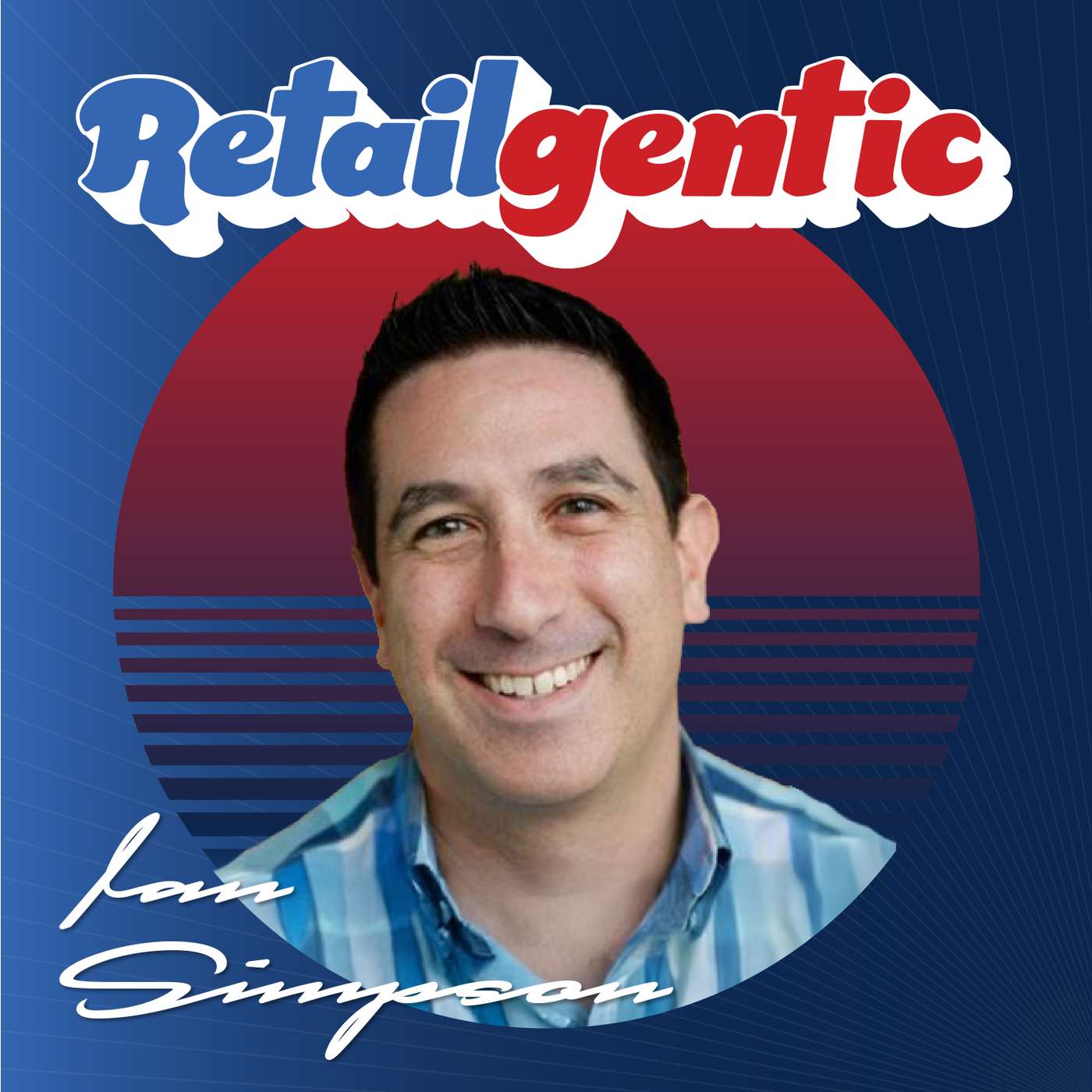
In this episode, Scot digs into a question he keeps getting from readers and listeners: What’s actually going on inside Amazon’s Rufus, and what should brands do about it?Ian brings fresh analysis from Sensor Tower’s panel-based methodology (privacy-compliant, double opt-in), walking through Holiday ’25 shopping sessions to show where Rufus shows up in the funnel, how usage spikes during peak moments, and why it appears to correlate with dramatically higher conversion. Along the way, they zoom out to the bigger shift: as more people learn to “talk to AI” (thanks to ChatGPT-style habits), conversational shopping becomes increasingly normal, and increasingly hard to “optimize” using old keyword-era tactics.Highlights:“The consumer is trained.” A year of daily conversational AI use has taught people how to prompt, so when they see Amazon Rufus, they already know how to use it.Rufus sessions show a major conversion lift. In Ian’s read of the report: ~3.5× lift vs. non-Rufus sessions, with Rufus-touch sessions far more likely to end in purchase.Rufus had outsized influence during Holiday ’25. A large share of purchases included Rufus interaction, even if not every session did.Their team mapped ten distinct Rufus-assisted shopping paths, including the standout “Research Conversationalist” profile.Correlation vs causation is real. Ian flags measurement caveats: not every “non-Rufus session” is a shopping mission; intent bias exists; so the takeaway is directional, but meaningful.Brands should shift from “keyword jail” to “product truth.” Better attributes, clearer specs, stronger review signals, and real storytelling matter more in conversational shopping.AEO anxiety + the brand-level rebound. Ian argues the future isn’t just “optimize for prompts”, it may reward brands with stronger reputation and social proof signals (think forums and communities).AI can talk consumers out of premium. They’ve seen examples where AI steers price-sensitive users away from expensive brands, an early warning system for brand teams.Retail media won’t vanish, but it will mutate. In a lower-click world, retailers will experiment heavily to preserve value, without turning the experience into ad soup.If you’ve been treating Rufus like a curiosity, this data makes it hard to ignore: conversational commerce isn’t “coming”, it’s already shaping how high-intent shoppers decide.Timestamps:00:00 – The Consumer Is Now Trained02:09 – Why This Episode Focuses on Rufus05:49 – Ian Simpson’s Background06:47 – Founding a Bottled Tea Startup09:14 – Pathmatics → Sensor Tower Acquisition10:11 – How Retail Media Intelligence Was Born13:50 – How Sensor Tower Delivers Its Data15:36 – Why Sensor Tower Started Tracking Agentic Commerce21:08 – How the Rufus Analysis Was Done22:48 – The 3.5× Conversion Lift Explained24:18 – Amazon’s $10B Rufus Claim vs. Independent Data28:16 – Correlation vs. Causation in Rufus Usage31:23 – Rufus as a Research Companion32:20 – The Cup Holder Story (Problem-Based Shopping)39:55 – Why Rufus Usage Sticks After the Holidays40:19 – The 10 Rufus Shopping Profiles41:35 – The “Research Conversationalist” Funnel45:00 – Why “AEO” Makes Ian Nervous46:47 – Brand Matters Again in Agentic Commerce48:47 – When AI Talks Consumers Out of Premium Products58:21 – Retail Media’s Future in a Low-Click World01:01:31 – Avoiding the Minority Report Ad Nightmare01:06:21 – Instacart: The Wild West of Retail Media01:07:15 – Where to Follow Ian👉 Connect with Ian: https://www.linkedin.com/in/iansimpson/👉 Learn more about Sensor Tower: https://sensortower.comCheck out the materials we discuss: 🔗 Sensor Tower Black Friday AI Trend Update 🔗 How Amazon’s Rufus Shaped Holiday Shopping🧠 Want to stay ahead in AI commerce? Subscribe and follow along:📰 Subscribe to the free Substack: retailgentic.ai 📺 Watch episodes on YouTube & Subscribe for updates: https://www.youtube.com/@Retailgentic
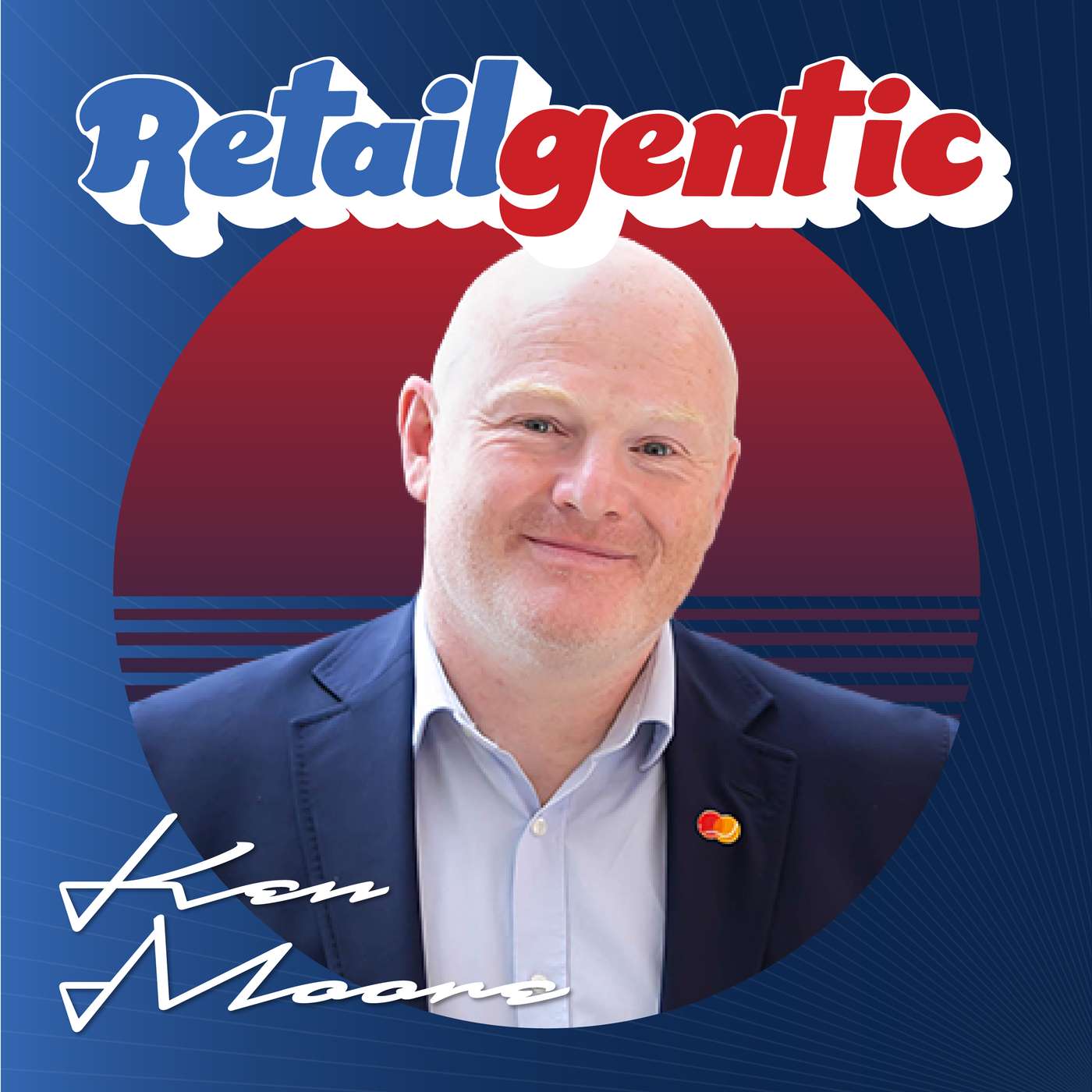
In this episode of Retailgentic, Scot and Ken map out how Mastercard saw agentic commerce coming early, and what they built in 2025 to prepare the ecosystem, especially around trust, identity, consent, and tokenization.We dig into: How Mastercard Foundry takes ideas from experiments → production-grade products → global scale“Know Your Agent”: registering legitimate agents (agentic equivalent of KYC/KYB) to reduce malicious bot risk“Order Intent”: adding richer context so that with consent, agents/merchants can fulfill the right order (not just process a payment)Why consumer consent is non-negotiable (passkeys/biometrics + tokenized credentials)Mastercard Insight Tokens: a secure and governed way for agents to access and apply permissioned insights from Mastercard, which will enable consumers to receive, with their consent, more personalized and useful experiencesAgentic Toolkit and why Mastercard leaned into services to support customers move from strategy → execution fastMastercard’s Agent Pay Acceptance Framework: helps merchants totransact with trusted agents with a minimal liftStandards: why Mastercard will support ACP + AP2 and expects interoperability (or convergence) over timeAgentic commerce won’t be won by whoever moves fastest, it’ll be won by whoever earns trust at scale.Key timestamps05:14 — Ken’s background: technologist, global banking work, startups, Accenture, Citi → Mastercard Foundry07:44 — How Foundry works: experiment, build, then “graduate” products into core teams10:32 — The pace-of-change thesis: why organizations must be built to adapt continuously13:07 — How Mastercard saw agentic commerce early (signal-spotting in 2024)14:23 — The 3 converging forces: AI reasoning, compute, and foundations (tokens/passkeys/consent)19:01 — AgentPay launch + what it includes (Know Your Agent, Order Intent)21:05 — Consumer consent, passkeys/biometrics, and tokenizing payment credentials22:25 — First agentic transaction (partner example)23:19 — Agentic Toolkit + Insight Tokens + consulting expansion26:00 — Merchant Acceptance Framework + scaling agentic readiness for the “long tail” of merchants27:13 — Tokenization explained simply (cocktail-party version)29:37 — Passkeys explained (biometric identity replacing passwords)33:37 — Returns problem + how agentic workflows could reduce “buy 3, return 2”40:19 — Standards wars: ACP vs AP2 + why Mastercard stays agnostic44:03 — Crystal ball: adoption, trust, and why B2B may go autonomous faster47:43 — The travel agent analogy: why some flows stay assisted by choice👉 Connect with Ken: https://www.linkedin.com/in/ken-moore-cio/👉 Learn more about Mastercard: https://www.mastercard.com/us/en.html🔗 Agentic Toolkit: https://www.mastercard.com/us/en/news-and-trends/press/2025/september/mastercard-unveils-new-tools-and-collaborations-to-power-smarter,-safer-agentic-commerce.html🔗Agentic Commerce Rules, Mastercard Joins Google: https://www.mastercard.com/us/en/news-and-trends/stories/2026/agentic-commerce-rules-of-the-road.html🔗Agent Suite: https://www.mastercard.com/us/en/news-and-trends/press/2026/january/mastercard-launches-agent-suite-to-ready-enterprises-for-a-new-e.html🧠 Want to stay ahead in AI commerce? Subscribe and follow along:📰 Subscribe to the free Substack: retailgentic.ai 📺 Watch episodes on YouTube & Subscribe for updates 🎧 Listen wherever you get your podcasts: Spotify, Apple, etc: https://retailgentic.transistor.fm
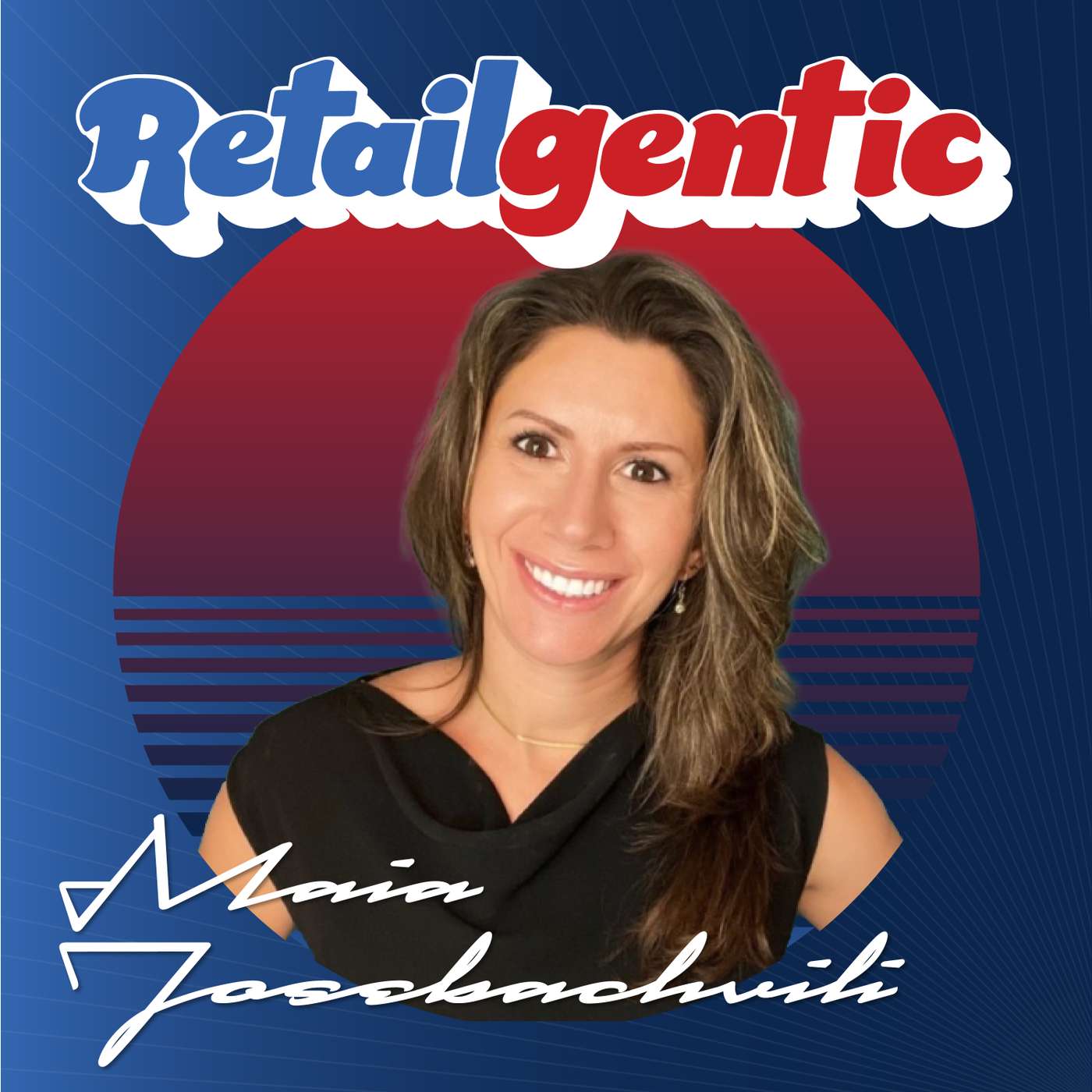
Consumer behavior is already shifting, people are asking LLMs what to buy, building shopping lists in chat, and moving through commerce in new ways. In this episode of Retailgenic, Scot sits down with Maia to unpack what “agentic commerce” actually means, why Stripe is moving fast, and what merchants can do now to get ready for checkout inside AI experiences. They discuss:Why agentic commerce is a spectrum: fully autonomous agents vs. AI-assisted buying inside chat interfacesStripe’s four AI focus areas (and why agentic commerce is only one bucket)The big initiatives driving Stripe’s agentic pushWhat Copilot Checkout looks like in practice: Stripe-powered checkout embedded natively in chatHow Stripe is approaching merchant control and merchant-of-record requirementsHow product discoverability works today (feeds + syndicator integrations) vs. the longer-term self-serve visionWhat merchants are asking for most: fraud, trust, identity, and governance in an agent-led worldThe “why now” moment: traffic shifts, zero-click pressure, and board-level attention accelerating experimentsAgentic commerce is no longer theoretical, it’s becoming a real channel. The winners will be the merchants who make their catalogs discoverable, keep control of checkout, and build trust and fraud defenses for an AI-led future.Notable Timestamps02:06 – Scot introduces Maia, AI CRO at Stripe04:07 – Maia’s background: e-commerce founder → LivingSocial → Stripe06:54 – Stripe’s 4 AI buckets (infrastructure, AI across payments, dev tools, agentic commerce)09:22 – The “agentic commerce is a mirage” debate + definition confusion10:43 – Maia’s spectrum definition: autonomous vs. chat-native buying14:40 – Copilot Checkout: what it is, how Stripe fits, and where to sign up (waitlist)18:15 – Agentic Commerce Suite: discoverability, checkout/fraud, choosing agents in dashboard20:04 – How products become discoverable: direct feed vs. syndicators + onboarding reality today21:15 – Shared Payment Tokens (SPTs): secure handoff + merchant-of-record control24:05 – Merchant sentiment shift: from skepticism → exec sponsors + resources dedicated29:37 – Fraud + trust layer: Radar expansion, Link wallet, and SPT fraud signals31:58 – 2030 sizing: Stripe won’t pick a %, but “this is happening”33:07 – Where to follow Maia/Stripe + NRF context👉 Connect with Maia: https://www.linkedin.com/in/maiaj/👉 Connect with Scot: https://www.linkedin.com/in/thescotwingo/👉 Learn more about Stripe: https://stripe.com/payments/ai🧠 Want to stay ahead in AI commerce? Subscribe and follow along:📰 Subscribe to the free Substack: retailgentic.ai 📺 Watch episodes on YouTube & Subscribe for updates: https://www.youtube.com/@Retailgentic

This week on the retailgentic podcast, we have an experiment for you. NRF concluded Tuesday Jan 13th and Scot's good friend and podcast partner over at the Jason and Scot show, Jason Goldberg (Chief Digital Commerce Officer at Publicis) was invited to ‘tie the bow’ on the conference in the last keynote: Commerce Disrupted: Rise of the AI Native Consumer.This episode is the audio from that presentation on 1/13/26. Jason covers:Agentic commerce, defined clearly: not “AI efficiencies,” but new consumer behaviors (and the full “iceberg” of influence, not just robot-takes-card transactions).Is it hype or historic? Jason frames the debate (skeptics vs believers) and uses live audience polling to set the stakes.A disruption of discovery: the decline of “saw in store,” then “search,” then “social”, and now the robot becomes the front door.The cautionary tale (Tudor Ice): why incumbents often miss the next business model, even when they dominated the last one.Retail growth is concentrated: a few giants capture a huge share of growth, while challengers (Shein/Temu/TikTok Shop) rewrite the playbook.AI shopping ramps fast: from research → to product tiles → to direct purchase inside AI experiences, plus retailer catalogs moving upstream.0-click commerce: the next leap isn’t fewer clicks, it’s no clicks (automation, replenishment, “never let me run out”).Onsite vs offsite agents: retailers’ on-site assistants (ex: Amazon) vs consumers using neutral offsite agents that choose the retailer for them.Winning the robots: why optimization shifts toward what models care about (criteria, sources, “GEO/AEO/ACO”), and why this changes constantly.Change management wins: Doug McMillon’s “How did you use AI to prepare?” as a culture lever—and why org adoption matters as much as tech.If AI changes the way people discover, it changes everything downstream. Brands, retailers, and platforms all have to learn to win the robot’s shelf.Notable timestamps 00:00 — The real disruption: new consumer behavior, not efficiency gains01:43 — Scott sets up the “special episode” + NRF context03:17 — The experiment: “put you in the audience” (keynote replay)06:29 — The big questions: how big is agentic commerce + who wins?08:07 — Skeptics vs believers: “hallucination” vs “overhyped” vs transformational11:05 — Defining agentic commerce + the “influence vs transaction” iceberg15:07 — Tudor Ice story: disruption, incumbents, and missing the next model19:14 — $5.3T retail + who captured the growth (concentration)22:16 — “Disruption of discovery”: saw-in-store → search → social25:04 — Viral demand shock example (whipped coffee)26:53 — Sunscreen example + TikTok → then “ask the robot”29:08 — “How fast this changed” (recent launches + ecosystem momentum)30:19 — From “order” to “never let me run out” (automation framing)31:11 — Clicks: 22 → 4 → “one-click” → 0-click32:40 — Proof points: agent assistants and rising adoption33:49 — Offsite agents: buying without choosing a retailer first34:03 — In-store: pointing ChatGPT at the shelf (real-world agent use)36:29 — Scale math: small % of prompts can still be massive volume38:34 — Robots optimize differently + why brands need new processes/tools39:36 — GEO/AEO vs the bigger strategic layer (Agentic Commerce Optimization)40:33 — Doug McMillon’s culture lever: “How did you use AI to prepare?”42:12 — Final message: change management to avoid being the “ice harvesters”👉 Connect with Jason: https://www.linkedin.com/in/jasongoldberg/👉 Connect with Scot: https://www.linkedin.com/in/thescotwingo/👉 See the slides: https://open.substack.com/pub/scotwingorefibuy/p/jason-goldbergs-full-nrf-keynote🧠 Want to stay ahead in AI commerce? Subscribe and follow along:📰 Subscribe to the free Substack: retailgentic.ai 📺 Watch episodes on YouTube & Subscribe for updates: https://www.youtube.com/@Retailgentic
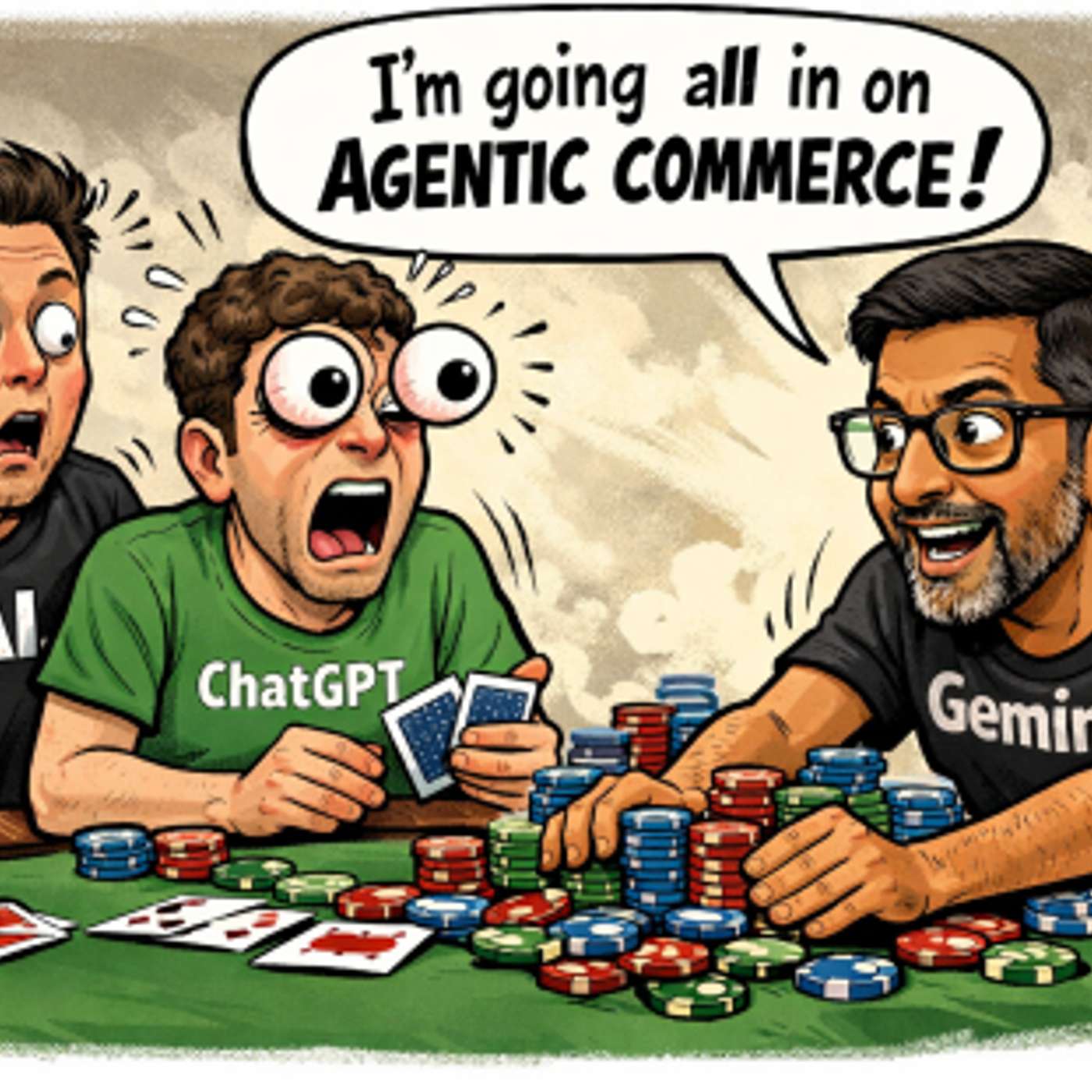
Today we have a special FLASH episode - no fancy intros, just the news as it's breaking at NRF.
Consumer behavior doesn’t change overnight, even when the technology is obvious. In this episode of Retailgentic, Scot sits down with Hamish Gunasekara to unpack why agentic commerce is inevitable, why it’s moving slower than the hype suggests, and why product data infrastructure, not checkout, is the real unlock.We cover:Why “fully autonomous shopping” is the wrong definition of agentic commerceWhy consumer habits change slower than technologyWhy global mega-catalogs don’t work (and never really have)How vertical AI shopping experiences can thrive alongside ChatGPTThe hidden trust and governance problem no one is talking aboutWhy product catalogs are the hardest unsolved problem in commerceIf you’re a retailer, brand, agent builder, or investor trying to understand what actually matters in the agentic commerce stack, this episode is foundational.Timestamps:02:39 Meet Hamish & the origin of Catalog04:55 From Afterpay to Cash App Commerce11:30 The Naya experiment & lessons learned14:24 How AI is changing discovery16:08 Why catalog data is broken18:30 Fundraising & early traction20:48 Who Catalog is built for23:20 Why global catalogs don’t work28:30 The agentic commerce stack33:40 Defining agentic commerce (correctly)37:30 Why vertical agents will win43:45 Trust, governance, and adoption44:51 Where to learn more👉 Connect with Hamish: https://www.linkedin.com/in/hamish-gunasekara/👉 Learn more about Catalog: https://getcatalog.ai/🧠 Want to stay ahead in AI commerce? Subscribe and follow along:📰 Subscribe to the free Substack: retailgentic.ai 📺 Watch episodes on YouTube & Subscribe for updates 🎧 Listen wherever you get your podcasts: Spotify, Apple, etc: https://retailgentic.transistor.fm

Matt Nichols is back, and a lot has changed since his first appearance on Retailgentic. Scot and Matt revisit the predictions he made six months ago, look at what came true far faster than expected, and dig into the infrastructure challenges that still stand between us and frictionless agentic transactions. From SKU mapping and API-first checkout to the economics of feeds and the future of retailer traffic, this episode is a full-stack view of where Agentic Commerce stands at the end of 2025, and what’s coming in 2026.If you want more of Matt’s backstory and Commerce Ventures’ thesis, listen to Episode 4! It pairs perfectly with this deep dive. In this episode, they cover: Why VC predictions used to take 5–10 years to play out… and now take 5–10 weeksWhat Commerce Ventures is hearing from both startups and their LP base (top retailers + PSPs)Why ACP isn’t “the solution”—and what infrastructure still needs to be builtThe “API vs. fake-it-til-you-make-it” debate in agentic transactionsHow retailers should think about feeds, reviews, and blocking scrapersWhy “AI magic on your own site” is step one for most brandsPredictions for 2026: traffic shifts, wallet battles, Apple’s eventual entry, and moreWhere Matt thinks the industry is overly optimistic, and where the real upside isIf this year taught us anything, it’s that the next six months will change more than the last six years. Stay tuned.Timestamps05:00 — Welcome back, Matt Nichols05:10 — Six months later, the world looks different05:35 — Commerce Ventures in 60 seconds06:30 — What changed in 2025?08:00 — Standards vs. infrastructure10:00 — Retailers’ three priorities right now12:40 — Static feeds → AI-centric feeds15:00 — Reviews, Q&A, and proprietary data17:30 — SKU-level identifiers20:00 — API-first checkout vs. agentic scraping22:30 — Fraud, agent authentication & whitelisting24:00 — Payments are further ahead than commerce infrastructure27:00 — What retailers are actually worried about30:00 — Google’s role in accelerating the shift32:00 — Vertical agents vs. horizontal giants34:00 — Predictions for 2026 & beyond38:00 — Final reflections👉 Connect with Matt: https://www.linkedin.com/in/matthewnichols/👉 Learn more about Commerce Ventures: https://commerce.vc/🧠 Want to stay ahead in AI commerce? Subscribe and follow along:📰 Subscribe to the free Substack: retailgentic.ai 📺 Watch episodes on YouTube & Subscribe for updates 🎧 Listen wherever you get your podcasts: Spotify, Apple, etc: https://retailgentic.transistor.fm
In this episode of Retailgentic, Scot sits down with Luca to unpack a research paper that blends academic rigor with real-world implications:“LLMs Reproduce Human Purchase Intent via Semantic Similarity licitation of Likert Ratings.”The paper, co-authored with Colgate-Palmolive researchers, explores whether AI can accurately simulate human reactions to product concepts, enough to replace or accelerate traditional consumer panels, which are slow, expensive, and hard to scale.This one goes deep, but in ways that any retail or AI leader should care about. Scot and Luca discuss:Colgate’s Challenge: How to test product concepts faster and at scale.Synthetic Consumers: AI models that react to products like human panels.Accuracy Breakthrough: Reaching ~73–74% agreement with real consumers.Fixing LLM Failure Modes: Why naive prompts don’t work, and what does.Bayesian Reasoning: Adding uncertainty so AI stops being confidently wrong.Smarter A/B Testing: Using AI to pre-screen ideas before running live experiments.Digital Clones: Future consumers earning money by sharing preference data safely.Simulated Populations: Matching real audiences for testing and predictions.AI isn’t just helping brands write copy or generate images, it’s beginning to think like their customers. If synthetic consumers continue to evolve at this pace, product development, A/B testing, and personalization may look completely different in just a few years.Timestamps: 03:00 — Luca’s background: Rocket Internet, HelloFresh, Lazada, Stitch Fix08:00 — How PyMC Labs was founded & why Bayesian modeling matters16:00 — Bayesian thinking explained in simple terms19:00 — High-stakes decisions & why probabilistic reasoning matters24:00 — Colgate’s challenge: testing product concepts at scale26:00 — How synthetic consumer panels work30:00 — Accuracy results: humans vs. AI (~73–74%)32:00 — Why naive LLM prompting fails (“mode collapse”)35:00 — How reasoning → scoring solves accuracy issues38:00 — Example: synthetic consumers evaluating PyMC’s own website redesign44:00 — How AI can pre-screen ideas for smarter A/B testing48:00 — Where AI cannot replace causal testing49:00 — Digital clones & monetizable consumer preferences52:00 — Future benchmarks, new LLMs & evaluation methods👉 Connect with Luca: https://www.linkedin.com/in/lfiaschi/👉 Learn more about PyMC Labs: https://www.pymc-labs.com👉 Check out the paper: https://arxiv.org/pdf/2510.08338🧠 Want to stay ahead in AI commerce? Subscribe and follow along:📰 Subscribe to the free Substack: retailgentic.ai 📺 Watch episodes on YouTube & Subscribe for updates 🎧 Listen wherever you get your podcasts: Spotify, Apple, etc: https://retailgentic.transistor.fm#Retailgentic #AgenticCommerce #SyntheticConsumers #AIShopping #ProductTesting #CPGInnovation #GenerativeAI #BayesianModeling #Ecommerce #FutureOfRetail #DataScience #LLMs #AIResearch
In this episode of Retailgentic, host Scot sits down with Mike Edmonds, PayPal’s VP of Agentic Commerce & Commercial Growth, to unpack the massive pivot PayPal has made into the Agentic Commerce era, and what it means for retailers, brands, platforms, and developers.Mike goes deep on:PayPal’s Agentic Bet: Why PayPal is going all-in on Agentic CommerceMerchant Anxiety, Explained: The real reason so many merchants are anxious about LLMsInstant Checkout 2.0: Where PayPal sees Instant Checkout heading nextWallets as Identity: Why wallet identity will matter more than ever2030 Predictions: Mike’s bold predictions for shopping agents in 2030Two-Track Future: A world split between autonomous commerce and luxury human-led experiencesProtocol Chaos Simplified: How PayPal plans to tame and unify an explosion of competing protocolsMerchant of Record Relief: The surprising emotional fear merchants have about disintermediationAs AI agents reshape discovery, checkout, and trust, PayPal is building the rails for the future of digital commerce.Key Timestamps:02:15 — Mike introduces his background.04:45 — How Mike’s career path led directly into PayPal’s Agentic Commerce leadership role.06:20 — What “VP of Agentic Commerce & Commercial Growth” really means at PayPal.07:48 — The biggest lessons Mike learned leading AI strategy at Microsoft.10:35 — What merchants are actually thinking about Agentic Commerce (the real pulse).12:18 — Mike explains the off-surface vs on-surface Agentic Commerce model.13:10 — Why merchants feel overwhelmed by LLMs, APIs, and protocol sprawl.14:47 — PayPal’s role as the one-to-many connector across LLMs and platforms.16:06 — What technical pieces merchants need in place to integrate Agentic checkout.17:45 — How on-surface conversational agents can finally boost conversion rates.19:30 — Why conversational checkout is the missing piece in Agentic shopping.20:55 — What the Perplexity partnership enables for checkout, payments, and reach.23:30 — How PayPal is powering ChatGPT Instant Checkout and expanding ACP.26:12 — Why Agentic protocols are diverging, and how PayPal navigates the chaos.28:30 — The emotional fear merchants have of LLMs.30:05 — Mike’s 2030 prediction31:40 — Why some categories will automate, while luxury experiences stay human.33:10 — Multimodal will reshape shopping through voice, gestures, and identity.35:00 — The top concerns merchants raise in every PayPal Agentic conversation.37:05 — Where to find Mike and what PayPal has coming next.Announcements & press releases related to the conversations:Perplexity: https://newsroom.paypal-corp.com/2025-05-14-Perplexity-Selects-PayPal-to-Power-Agentic-CommerceGoogle (commerce agent for merchants: https://cloud.google.com/blog/topics/financial-services/introducing-an-agentic-commerce-solution-for-merchants-from-paypal-and-google-cloudOpenAI: https://newsroom.paypal-corp.com/2025-10-28-OpenAI-and-PayPal-Team-Up-to-Power-Instant-Checkout-and-Agentic-Commerce-in-ChatGPTAP2: https://developer.paypal.com/community/blog/PayPal-Agent-Payments-Protocol/ and https://cloud.google.com/blog/products/ai-machine-learning/announcing-agents-to-payments-ap2-protocolPayPal’s Agentic Commerce Services: https://newsroom.paypal-corp.com/2025-10-28-PayPal-Launches-Agentic-Commerce-Services-to-Power-AI-Driven-Shopping👉 Connect with Mike: https://www.linkedin.com/in/michaeledmonds/👉 Learn more about PayPal: https://www.paypal.com/us/home🧠 Want to stay ahead in AI commerce? Subscribe and follow along:📰 Subscribe to the free Substack: retailgentic.ai 📺 Watch episodes on YouTube & Subscribe for updates: https://www.youtube.com/@Retailgentic
In this episode of the Retailgentic Podcast, Scot talks with Stu Solomon, CEO of HUMAN Security, the company analyzing 20+ trillion digital interactions every week to detect bots, fraud, and now agentic AI behavior. Stu breaks down:Why bots now exceed human trafficThe 1300% growth in agentic activityHow HUMAN identifies good vs. bad botsThe rise of agentic logins, navigation, and even checkoutsWhy spoofing of ChatGPT and Perplexity traffic is explodingWhat retailers need to know about letting AI agents crawl their sitesThe coming world of agent-to-agent commerceIf you’re preparing for the future of retail, ad tech, AI commerce, or online security, this is essential listening.Timestamps02:20 — What HUMAN actually measures (bot vs human vs agentic)03:40 — Stu’s background (military → Amazon → banking → VC → CEO)06:40 — The logistics + retail connection09:00 — How HUMAN works: media + enterprise security11:00 — The digital journey from ad → login → checkout12:11 — HUMAN at 20 trillion interactions/week16:55 — Why HUMAN started publishing agentic data17:50 — 1300% growth in agentic activity18:30 — Machine traffic surpasses human traffic19:40 — The diversification of generative AI traffic20:30 — Agentic login + website navigation behavior24:00 — How HUMAN distinguishes bot vs agent vs human33:00 — The bad side: spoofed ChatGPT & Perplexity traffic38:30 — Retailers blocking bots without realizing it47:00 — The inevitability of agentic adoption48:40 — The future: agent-to-agent transactions49:30 — The end of 2FA hell?👉 Connect with Stu: https://www.linkedin.com/in/stu-solomon-733a217/👉 Learn more about HUMAN: https://www.humansecurity.com/🧠 Want to stay ahead in AI commerce? Subscribe and follow along:📰 Subscribe to the free Substack: retailgentic.ai 📺 Watch episodes on YouTube & Subscribe for updates: https://www.youtube.com/@Retailgentic
In this episode of Retailgentic, Scot sits down with one of the most influential product leaders in commerce technology: Nitin Mangtani, SVP & GM of Salesforce Commerce Cloud. Their relationship goes back almost two decades, intersecting at Google, during the rise of online shopping, and now again at the dawn of agentic commerce. Nitin shares his journey from supply chain analytics at i2 Technologies, to building Google’s earliest commerce products, to founding and scaling PredictSpring, and finally leading Salesforce’s reinvention of unified and agentic commerce. This conversation is packed with history, strategy, and forward-looking insights into where AI shopping agents are taking the industry.Timestamps:03:20 – Early career: i2 Technologies & supply chain beginnings10:00 – Joining Google in 200613:30 – Launching Google Commerce Search & Site Search16:40 – Froogle/Google Shopping goes from “fun project” to billion-dollar business18:00 – Comparison engines, feed specs & early retail taxonomy challenges20:15 – Canonicalization and why product data was Google’s first “AI problem”22:40 – Leaving Google to start PredictSpring24:20 – PredictSpring’s original vision: mobile commerce & no-code apps26:05 – Pivoting PredictSpring: TAM realities & shifting to Point of Sale29:00 – Competing with Shopify POS, Square & the white space in enterprise POS31:30 – Startup lessons: pivots, risk, funding & an 11.5-year journey34:45 – Salesforce approaches PredictSpring: acquisition story38:00 – Meeting Marc Benioff & Salesforce’s leadership culture41:00 – Becoming SVP/GM: unifying Commerce Cloud, POS, OMS & Payments44:10 – Agentforce & the Agentic Commerce Protocol (ACP) with OpenAI & Stripe47:10 – Discovery vs checkout: why syndicated checkout is harder49:30 – Messaging commerce: WhatsApp, SMS & conversational transactions51:30 – Full automation: replenishment, grocery & true agentic behavior52:45 – Why commerce is strategically important to SalesforceAgentic commerce isn’t just a channel change, it’s a full-stack rewrite of how discovery, decision-making, and checkout work. Nitin makes clear that the next wave won’t be about small UX improvements, but about systems that think, act, and transact on behalf of consumers and retailers alike. With leaders like Nitin driving Salesforce’s transformation, the future of unified and agentic commerce is arriving faster than expected.👉 Connect with Nitin: https://www.linkedin.com/in/nitinmangtani/👉 Learn more about Salesforce: https://www.salesforce.com/🧠 Want to stay ahead in AI commerce? Subscribe and follow along:📰 Subscribe to the free Substack: retailgentic.ai 📺 Watch episodes on YouTube & Subscribe for updates: https://www.youtube.com/@Retailgentic
In this episode of Retailgentic, host Scot Wingo sits down with Johnathan McGowan, co-founder & CEO of PayOS, to discuss how AI agents will handle payments safely and compliantly.From Visa and Mastercard partnerships to the first live Agentic token transaction, Johnathan explains how “day-one-ready” infrastructure will power the future of Agentic Commerce.Timestamps:01:56 — Meet Johnathan McGowan, co-founder of PayOS04:00 — From Visa to PayOS: the founding story06:40 — What Agentic Payments really mean08:10 — Partnering with Visa & Mastercard10:25 — “Day-one-ready” vs new payment rails12:50 — What PayOS actually does15:30 — Agent builders and early use cases18:40 — Understanding “intent” in payments21:50 — Future-proofing across protocols (AP2, ACP, etc.)24:55 — How the first live Agentic transaction worked29:50 — Why PCI compliance & trust matter36:00 — The global scale of Agentic CommerceAs AI agents start making real-world transactions, companies like PayOS are making sure those payments are not just possible, but trusted, secure, and global from day one.👉 Connect with John: https://www.linkedin.com/in/johnathanm/👉 Learn more about the PayOS: https://www.linkedin.com/company/payos/🧠 Want to stay ahead in AI commerce? Subscribe and follow along:📰 Subscribe to the free Substack: retailgentic.ai 📺 Watch episodes on YouTube & Subscribe for updates: https://www.youtube.com/@Retailgentic

Comments

Download from Google Play

Download from App Store
 United States