


 Claim Ownership
Investing in Regenerative Agriculture and Food
Subscribed: 422Played: 17,135
Subscribe

© 2026 Investing in Regenerative Agriculture and Food
Description
Investing in Regenerative Agriculture and Food podcast features the pioneers in the regenerative food and agriculture space to learn more on how to put our money to work to regenerate soil, people, local communities and ecosystems while making an appropriate and fair return. Hosted by Koen van Seijen.
491 Episodes
Reverse

We sit down with Olusola Sowemimo, a lawyer-turned-farmer and founder of Ope Farms in Nigeria, to unpack how grief became a blueprint for organic, traceable, and profitable agriculture. Her catalyst was a cancer conference in California where survivors only ate what they could trace—an idea that reshaped how she thinks about soil, inputs, and integrity. Back home, the early days were rough: antibiotic-laced manure wiped out hundreds of tomato plants, a strong tobacco extract burned cucumbers,...

It’s a very interesting time for African agriculture and food, the continent is realising it’s potential to help feed the world, money is flowing into infrastructure to unlock this, more and more talent is coming into the space and the realisation that agro ecology or regenerative agriculture is no longer a nice niche with big margins but has the potential to become the predominant way of agriculture is performed. After putting over $20 million to work in East Africa, Ivan Mandela, foun...

The food, agriculture and planetary systems, for that matter, are all in serious need of change. No news there. But how? Individual investments and grants, however large, will never be big enough to move these systems. What we need is a serious, deep analysis of the food and agriculture space within a certain context: hundreds of hours of interviews with many stakeholders to map the players, the positive and negative feedback loops, and the intervention points with huge leverage (or not...

Think about where and how you live. Close your eyes and picture your ideal neighbourhood. We bet it looks something like this: a walkable neighbourhood designed around a fully functional farm, with different types of houses built from healthy, non-toxic, natural materials, multifamily, aging-proof, small but not too small, with plenty of privacy, and affordable. The neighbourhood is designed for meeting your neighbours, hence the word neighbourhood. Cars are confined to a designated area, and...

A conversation with Sylvia Banda, Zambian business woman, restaurateur and social entrepreneur about her journey started when when she was 12. She opened her first food company, and she hasn’t stopped since. She now runs a multi-million-dollar business with over 15 restaurants in Lusaka, Zambia, a food- processing company selling traditional Zambian food worldwide, and has trained over 60,000 smallholder farmers to produce higher-quality products and process them to receive better prices.&nbs...
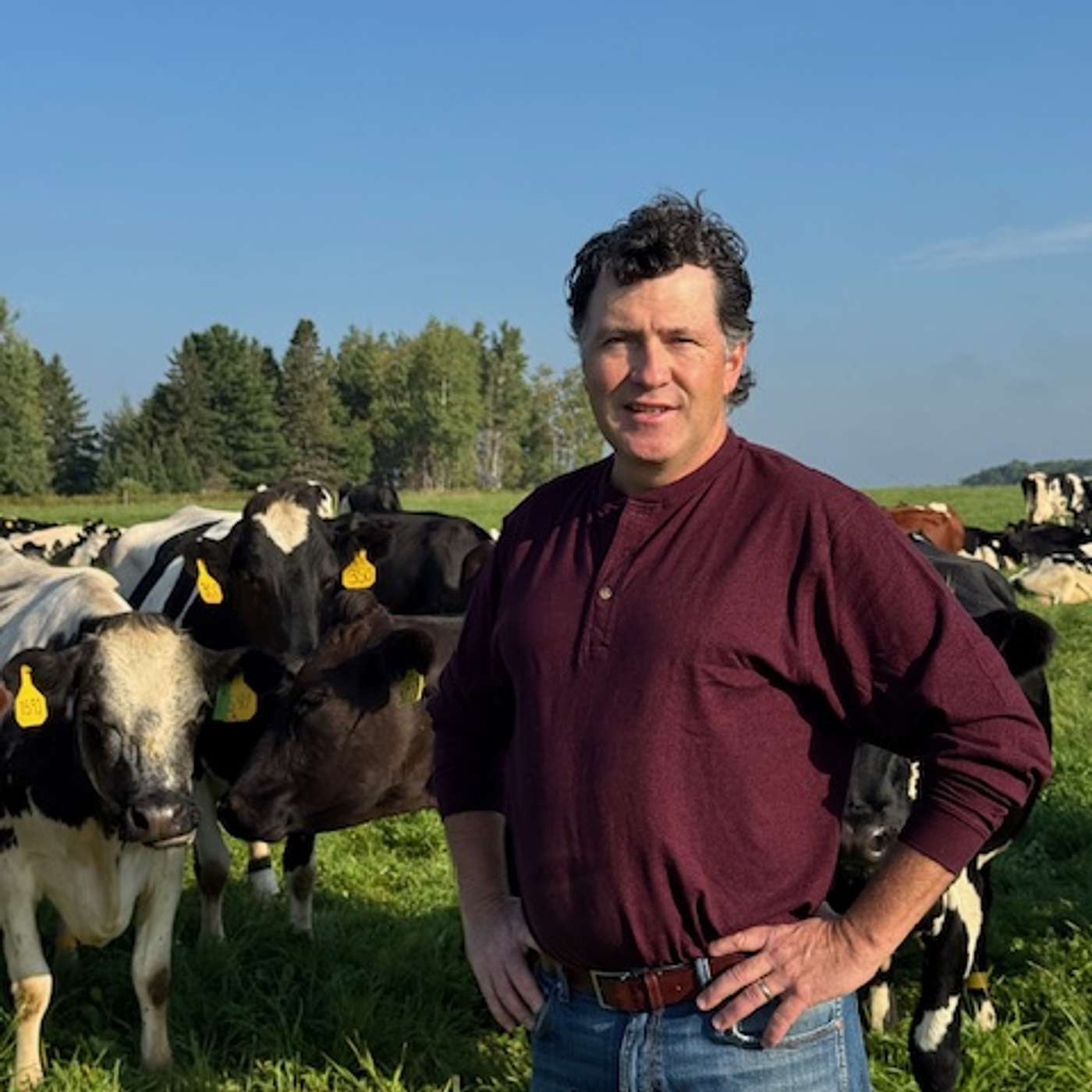
We are at an interesting moment in the dairy sector. For years, smaller farmers with around 200 cows, who were also great graziers, could undercut the costs of large concentrated dairy operations, keeping costs low, taking healthy margins in good years, and surviving the bad ones. But something has changed: CAFO dairies have grown bigger and bigger (10,000 cows is now normal, and 100,000 is no longer an exception) and their economies of scale mean they are undercutting the grazers. Of course,...
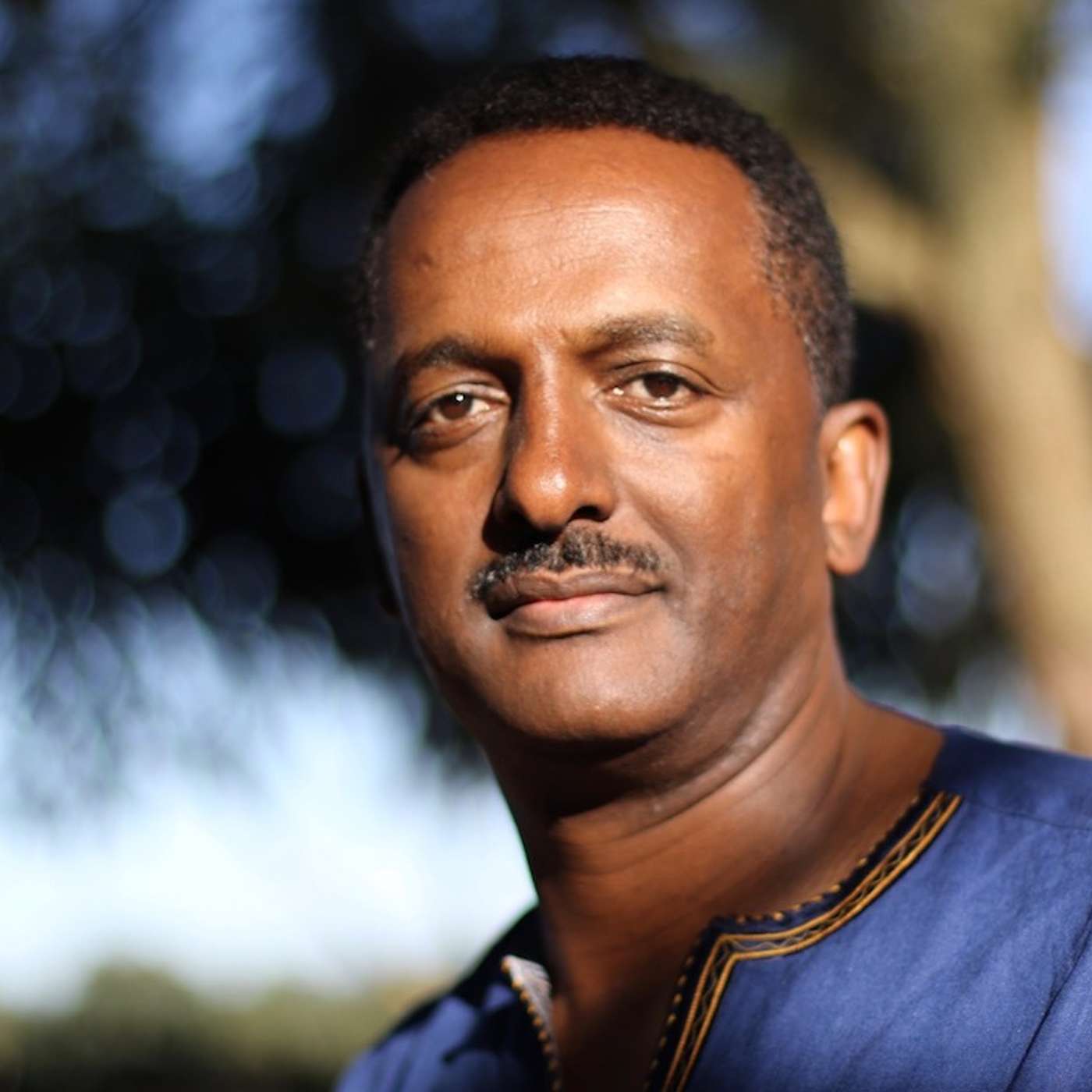
The difference between agroecology and regenerative agriculture is the deep social change we need in the food and agriculture system. As Laura Ortiz Montemayor told us once "ecology without social justice is just gardening". Million Belay, who leads the Alliance for Food Sovereignty in Africa, the largest social movement on the African continent, is very clear stop intervening with agriculture on the continent, stop imposing all kinds of rules, practices, seeds, inputs etc, which don’t serve ...
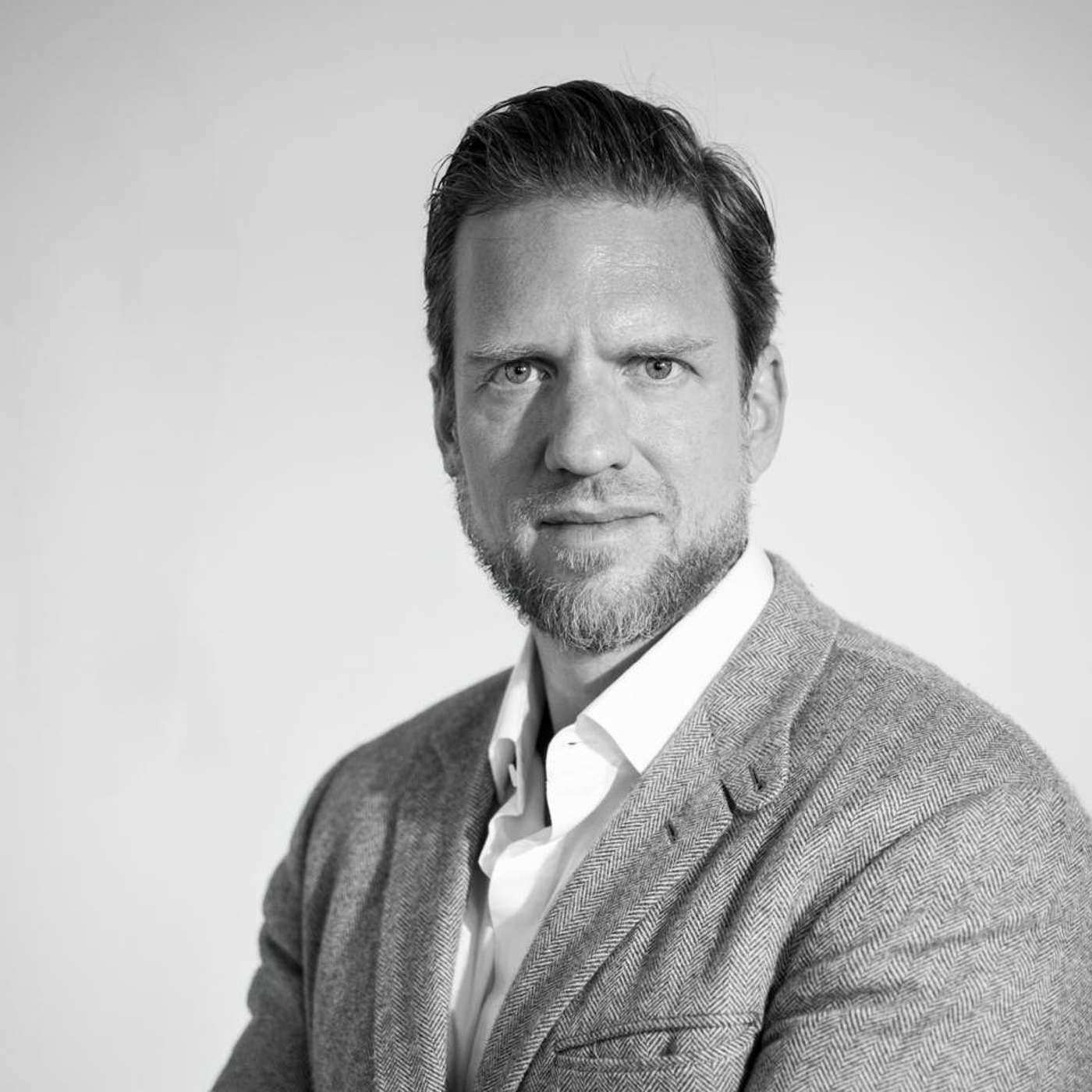
This is deep dive into common misconceptions about red meat, methane emissions from cows, and the feasibility of transitioning to grass-fed beef production. We discuss the health impacts of red meat based on the cow's diet, the actual environmental effects of methane from ruminants, and busts myths surrounding CAFO operations and land use. Cows. Methane. Climate. The debate is louder than ever — and still full of myths. That why, after recording a podcast on why building a $100B home fo...
What is needed to truly move the needle on health? Create more research, more trials on nutrient density, more advocacy? Or, as Martin Reiter, founder of RARE argues, create the next regen Nestlé or Unilever: a 100 billion (yes, that’s a B) regenerative consumer goods conglomerate, with only better-for-you and better-for-the-planet brands. The demand is there; the current incumbents are unable to innovate in regen, as they are built on chemical ingredients. The story usually goes like this: a...

How to get more entrepreneurs building in the regeneration space? If you are a regular listener of this podcast, you have heard us discuss this so many times you probably lost count. No, we are not saying entrepreneurs and companies are the solution to all our problems. But entrepreneurial people who set up companies, but also non-profits and movements— basically people who don’t accept the status quo and get to work to change it—are always the ones who change the world. So how do we get more...

Bill Gates Foundation works in Africa: what goes through your mind when you hear those words? We all probably quickly have our thoughts ready, but hold on a second. Just as we often talk about farmers without asking them, we often talk about the African continent without asking people actually living there. So, we never fully grasp how big, how interesting, how full of potential, and how fundamental it is in a regenerative future. In this new series on The African Regenerative Frontrunners, w...

AI is transforming agriculture, how can farmers and land managers be sure it works for them? What digital twins, soil health metrics, novel robot sensors and other technologies can do to support profitable farming and enable ecosystem service payments—while also addressing critical questions about data rights, governance, and ownership like: How can farmers and landholders retain control of their own data and capture more of the value AI creates? How can the new tech help farmers to monitor, ...

Regenerative practices lead to higher quality and much higher prices in year one and, over time, to lower costs, which makes the regenerative business case in certain cash crops that are exported (spices, tea, coffee, etc.) so strong that it almost spreads on its own. Nothing is easy, but this is really hopeful. In this conversation with Thekla Teunis and Gijs Boers, founders of Grounded, Grounded Ingredients and Grounded Investment Company, we discuss why quality is intimately linked to rege...

This is our 2025 wrap episode. If 2025 had a soundtrack, it would be pressure: pressure on systems, on people, on animals, on land. Heat. Drought. Fire. Flood. Repeating across regions and headlines. But this year we also paid attention to what doesn’t always make the news. We spent time in real conversations with farmers testing new practices in their fields, scientists challenging outdated models, investors reassessing what risk really means, and builders putting regenerative ideas into pra...

How do you make legumes great again? This is not a political episode. It’s about something far more urgent: giving legumes the role they truly deserve in our food system. Together with Andres Jara, co-founder of Favamole, we explore what it really takes to build a regenerative food brand in the middle of today’s industrial food landscape. What if a simple, delicious sauce could change crop rotations, farmer income, and your weekly lunch? With Andres we explore how a chef-turned-butcher-...

Make America healthy again: is that helping the food-as-medicine movement or hurting it? And why is it so important to focus on quality food as medicine- which means nutrient density and real quality- rather than settling for simply “more fruit and vegetables”? Why would you, if you can, deny people with severe diabetes and lower incomes the best-quality food possible, especially when it has the biggest ripple effect? Today, a check-in conversation with Erin Martin, one of the leaders advanci...

Straight from La Junquera farm, in Murcia, Spain, a Walking the Land episode with Alfonso Chico de Guzmán, a regenerative livestock farmer. It starts as a hobby. So, you take a few cows just like someone in the city would take a cat or dog or a chihuahua, and it slowly gets out of hand. But what really enables this kind of grazing in these circumstances is technology, virtual fencing, virtual shepherding to be precise. This is ag-tech done right. It enables farmers to hold more complexity on ...

A check in conversation with Stef van Dongen, founder of The Pioneers of Our Time. Sitting at the fireplace we trace how neighbors who barely spoke began phoning across ridgelines, how tourism money are flowing uphill to fund forest work, and how a dense, abandoned woodland started opening into a living mosaic that holds water, softens fire, and invites wildlife back. We walk through the mechanics of a cost-based climate credit that pays for what a hectare truly needs over 15 years mea...

How do we feed the world? It’s all nice and cute this regenerative agriculture and food stuff, but how do we actually feed the world? By 2050, we’ll need to produce double the amount of food. This is a question you, like me, get a lot, we bet, from banks, pension funds, large institutional players, investors in general, entrepreneurs, and eco-modernists. Our go-to answer was always: go to the most pioneering farmers and see what they can produce. But the counterargument was always: “Show me t...

In order to save and more importantly restore biodiversity we don’t need biodiversity or carbon credits; we need biologists to find super profitable business models within the magical deeply complex world of nature. It's the case of Toby Parkes, founder and CEO of Rhizocore, with whom go deep into the third, mostly ignored, and much more complex kingdom: fungi. We talk numbers that matter to forest managers: commercial sites often lose 15–25% of trees in year one, native mixes 35–50%. A...

Comments

Download from Google Play

Download from App Store
 United States