



 Claim Ownership
Best of the Spectator
Subscribed: 6,234Played: 536,422
Subscribe

© 145131
Description
Home to the Spectator's best podcasts on everything from politics to religion, literature to food and drink, and more. A new podcast every day from writers worth listening to.
1836 Episodes
Reverse

On this week’s Spectator Out Loud: reporting from St Helena, Douglas Murray reflects on the inhabitants he has met and the history of the British Overseas Territory (1:12); Lionel Shriver opines on the debate around transgender care (9:08); following a boyhood dream to visit the country to watch cricket, Mark Mason reads his letter from India as he travels with his son (17:54); and, Graeme Thomson reviews Taylor Swift’s new album (22:41).
Produced and presented by Patrick Gibbons.

Young, female entrepreneurship is on the rise. Two years ago, 17,500 businesses were founded by women aged 16-25, which is 22 times greater than in 2018. Now, 20 per cent of all businesses across the UK are all-female-led. Yet, when it comes to investment, women consistently underperform their male counterparts. Why? And should more be done to support female entrepreneurs?
To shine a light on some of these issues is Anneliese Dodds MP, the Shadow Secretary of State for Women and Equalities, and Chair of the Labour Party, Jo Overton, the Managing Director for Customer Propositions and Strategy for Business Commercial Banking at Lloyds Banking Group, and Eccie Newton, the co-founder, of Karma Cans, an office lunch delivery company, and Karma Kitchen, that provides commercial kitchen spaces to food businesses.
This podcast is kindly sponsored by Lloyds Banking Group.

 1
1This week: The Xi files: China’s global spy network.
A Tory parliamentary aide and an academic were arrested this week for allegedly passing ‘prejudicial information’ to China. In his cover piece Nigel Inkster, MI6’s former director of operations and intelligence, explains the nature of this global spy network: hacking, bribery, manhunts for targets and more. To discuss, Ian Williams, author of Fire of the Dragon - China's New Cold War, and historian and Guardian columnist Simon Jenkins joined the podcast.. (02:05)
Next: Lara and Gus take us through some of their favourite pieces in the magazine, including Douglas Murray’s column and Gus’s interview with the philosopher Daniel Dennett.
Then: Tim Shipman writes for The Spectator about ‘hyper history’. This refers to the breathless last ten years in political history, encompassing the breakdown of old electoral coalitions, the formation of new ones and decisive prime ministers who all suffer from the same ‘power failure’ – as he calls it. Tim joined the podcast to discuss further. (17:34)
And finally: How the Jilly Cooper Book Club turned toxic. Flora Watkins joined a Jilly Cooper Book Club whose members got along famously – until lockdown and the ensuing culture wars. Debates over vaccines, lockdown and gender split them up more violently than any of their heroine’s books. Flora is joined by the author and journalist Elisa Segrave to examine the toxicity of women-only book groups. (27:50)
Hosted by Lara Prendergast and Gus Carter.
Produced by Oscar Edmondson and Patrick Gibbons.

My guest in this week’s Book Club podcast is the author and historian Kathryn Hughes, whose new book Catland tells the story of how we learned to love pusskins. Content warning: contains Kipling, Edward Lear, some stinking carts of offal, and the troubled life and weird art of the extraordinary Louis Wain.

Joel Golby is a journalist who has written for – among others – Vice and the Guardian, where he has a regular column, the watcher, reviewing television. He has since translated his skill for wry observations and self-reflection into the new book Four Stars: A life reviewed which hilariously grapples with our fascination with opinions
On the podcast Joel tells Lara about his appreciation for square sponge and pink custard, why Mum's roast is always the best roast and where a pint is best enjoyed.

Freddy Gray is joined Alan Dershowitz, American lawyer and author of Get Trump: the threat to civil liberties, due process, and our constitutional rule of law. They discuss Trump’s ‘hush money’ trial, what it means for the election and what it tells us about the flaws in the American legal system.

On this week’s Spectator Out Loud: In light of the help Israel received, Svitlana Morenets issues a challenge to the West to help Ukraine (1:15); Mary Wakefield questions the slow response to the Ministry of Defence being daubed in paint (7:33); Max Jeffery discusses the aims and tactics of the group responsible for the protest, Youth Demand (13:25); Sam Leith reviews Salman Rushdie's new book (18:59); and Richard Bratby pays tribute to Michael Tanner, The Spectator critic who died earlier this month (27:34).
Produced and presented by Patrick Gibbons.

Freddy speaks to the diplomat and author Dennis B Ross, who worked under presidents George H W Bush and Bill Clinton. He was a special advisor on the Persian Gulf. They discuss the escalation of tensions in the Middle East and the flak that Joe Biden has come under for his response. Can the US still claim to be able to shape events in the Middle East? And what comes next?

This week: the usual targets
First: Trump is on trial again – and America is bored rather than scandalised. This is his 91st criminal charge and his supporters see this as politicised prosecution. As an American, Kate Andrews has seen how the law can be used as a political weapon – so why, she asks, is Britain importing the same system? In less than 18 months, the police have been sent to investigate Rishi Sunak for his seat-belt, Nicola Sturgeon for campaign funds, and Angela Rayner over her electoral registry: each time, the complainant is political and the process is the punishment. Kate joins the podcast alongside The Spectator’s editor Fraser Nelson to discuss. (01:34)
Then: Confessions of a defecting Starmtrooper. Katy Balls speaks to Jamie Driscoll, the former Labour North of Tyne mayor, who failed Keir Starmer’s selection process to be mayor of the soon-to-be-created North East metro mayoralty. He’s now running as an independent, backed by Andy Burnham, while half of the Labour council groups are refusing to endorse the official Labour candidate. ‘I know people who have left the Labour party who describe it as leaving an abusive relationship,’ he says. You can read the full interview in the magazine, but we have a short extract of their discussion on the podcast. (13:44)
And finally: Our reporter Max Jeffery gatecrashed a party of the Extinction Rebellion youth offshoot Youth Demand!, whose stunts have included targeting MPs’ houses and dousing the Ministry of Defence in red ink. ‘I’m so ketty!’ one of the partygoers told him (referring to the drugs she was on). ‘They wrote ideas on big sheets of paper and left them lying at the back of the bar while they celebrated. “Rishi Sunak pool/pond – dyeing it red – pool party?” someone wrote. “CEOs’ houses”; “water (Thames)”; “Planes/private jets”; “Eton”; “Transgressive stuff”.’ Max joins the podcast alongside Youth Demand! spokesperson Ella Ward. (24:18)
Hosted by Lara Prendergast and Gus Carter.
Produced by Oscar Edmondson.
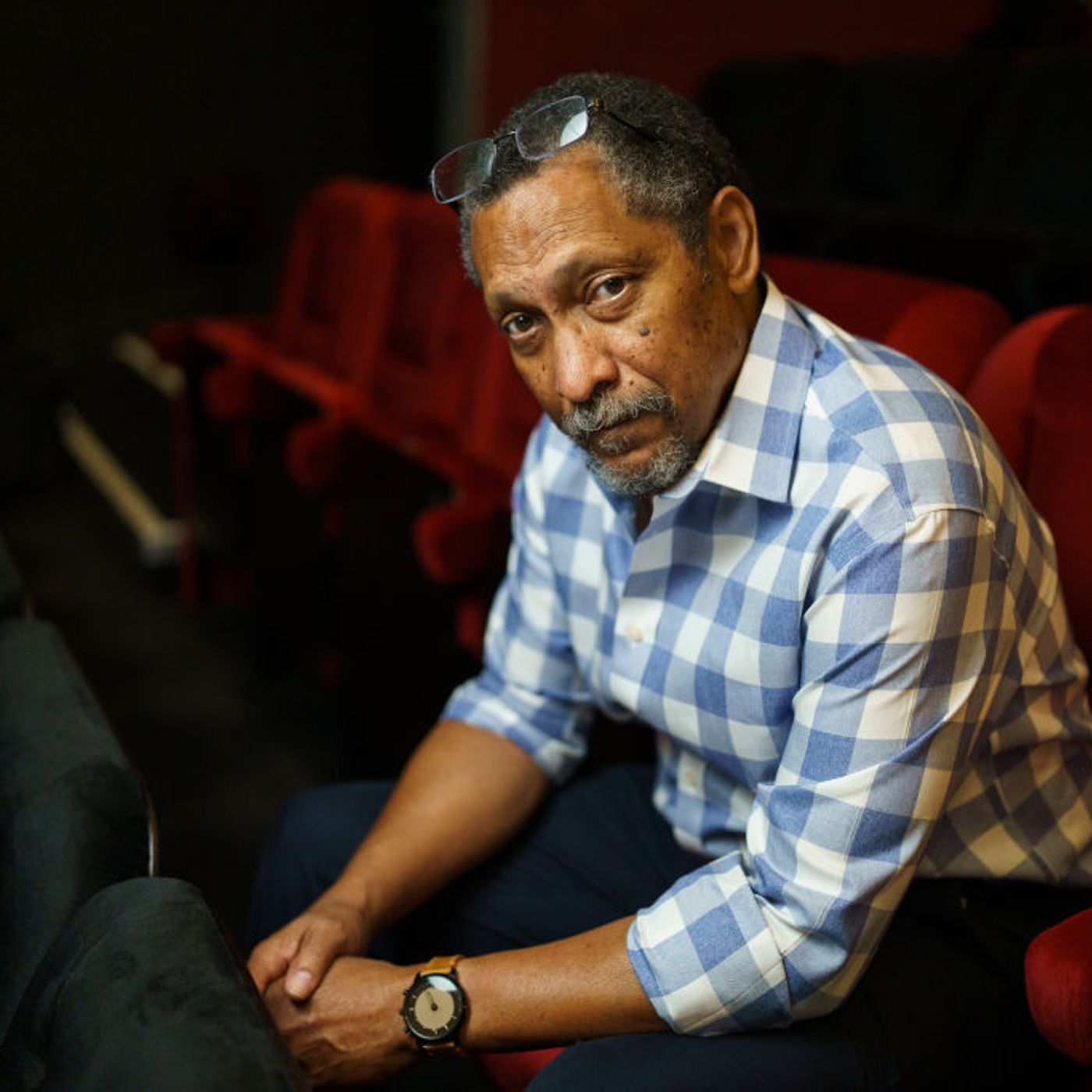
On this week’s Book Club podcast I’m joined by Percival Everett, who has followed up his Booker-shortlisted The Trees with James, a novel that reimagines the story of The Adventures of Huckleberry Finn from the point of view of the fugitive slave Jim. Percival tells me what he learned from Mark Twain, how being funny doesn’t make him a comic novelist, and why Black resistance to racism is a matter of language itself.
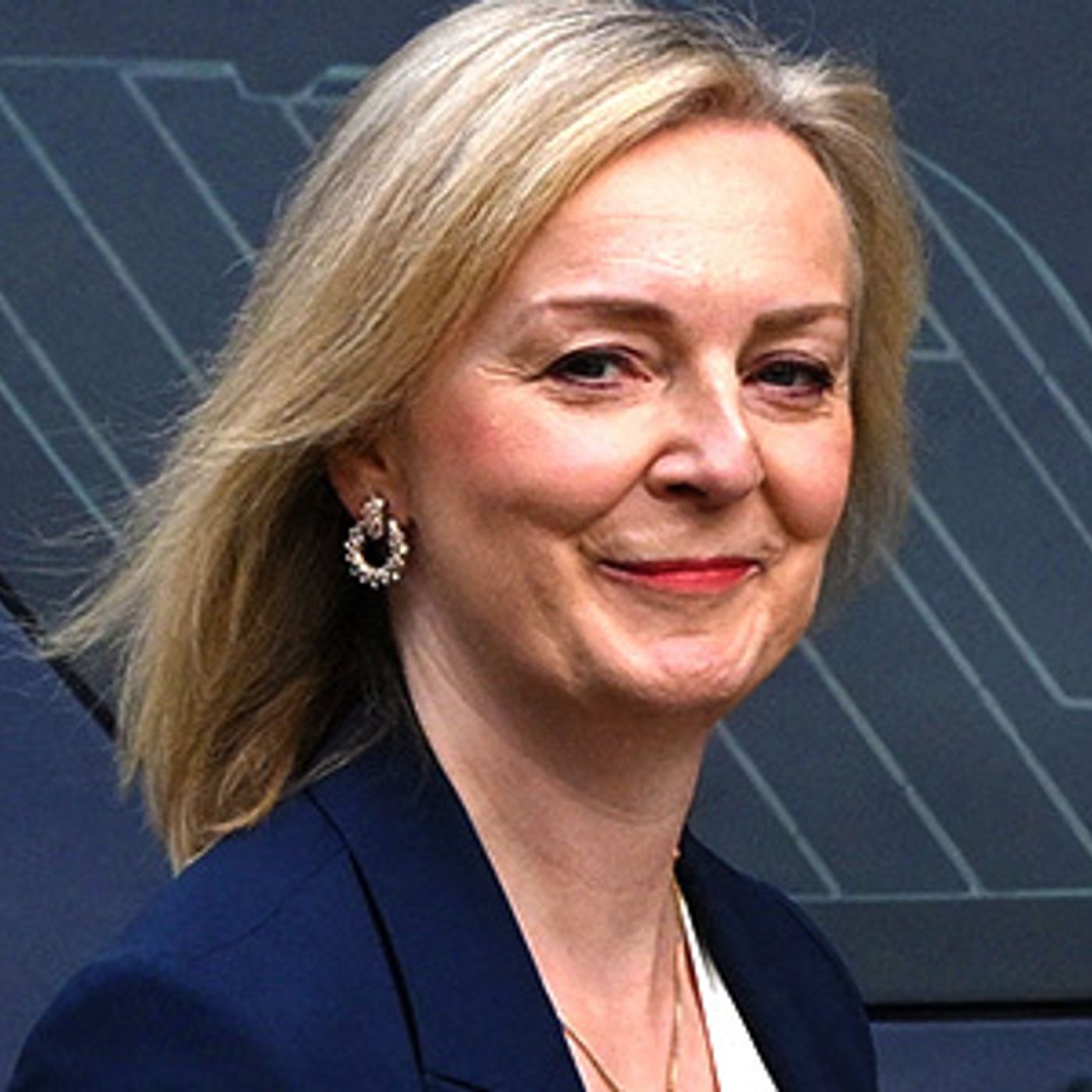
It's now 18 months since Liz Truss left Downing Street. She has written a memoir, Ten Years to Save the West, which records her political career since first becoming a cabinet minister. In her first broadcast interview to promote the book, she tells Fraser Nelson about why she thinks the OBR and the Supreme Court should be abolished; how Donald Trump is better for the defense of Ukraine than Joe Biden; and why she didn't listen to her husband when he warned her that her leadership bid would all end in tears.
This interview was originally broadcast on SpectatorTV, The Spectator's regularly updated YouTube channel.

When I recently came across a book review asking the question ‘was Marco Polo a "sexpat"?’, I knew I had to get its author on to, well, discuss this important question some more. The 13th century Venetian merchant Marco Polo’s account of China was one of the earliest and most popular travelogues written on the country. Polo spent years at the court of Kublai Khan, the grandson of Genghis, and whose family founded the Yuan dynasty in China.
My guest today, and the author of that book review, is the historian Jeremiah Jenne. Jeremiah has lived in China for over two decades, and he is also the co-host of the fascinating podcast Barbarians at the Gate, all about Chinese history. He has been doing a series of historical book reviews for the relatively newly established website China Books Review, and in re-reading The Travels of Marco Polo, he noticed that there was a lot of sex.
We talk about all of this, of course, but there’s a serious point here too. How much do Europeans observe when they go to China and how reliable are their accounts, understood and told through the perspective of the outsider? How much has Marco Polo’s portrayal of China moulded the western mindset on the country in the centuries since, and even today? And what does it say about the China of the 13th century that a trio of Venetian merchants could make it to the heart of the Mongol empire?

This week: Matthew Parris questions what's left to say about the Tories (00:57), Laurie Graham discusses her struggle to see a GP (07:35), Rachel Johnson makes the case against women only clubs (13:38), Laura Gascoigne tells us the truth about Caravaggio's last painting (19:21) and Angus Colwell reads his notes on wild garlic (28:58).
Produced by Oscar Edmondson, Margaret Mitchell and Patrick Gibbons.
Presented by Oscar Edmondson.

This week, the Arizona Supreme Court reinstated a law from 1864 that bans nearly all abortions in the state. But where do Trump and Biden stand on abortion, and will it be a deciding factor in the 2024 election?
Freddy's joined by Inez Stepman, Fellow at the Claremont Institute, and Daniel McCarthy, Editor of Modern Age Journal.
Produced by Megan McElroy.

Laura Farris comes from something of a political dynasty, both her father and uncle were MPs. The former even represented the same Newbury seat that she currently holds. She studied PPE at Oxford before working as a researcher for Hilary Clinton but she eschewed a political career to work firstly as a journalist and then as a barrister. In 2019 she became MP for Newbury and she now works across both the Home Office and Ministry of Justice.
On the podcast, Laura tells Katy what she learnt from Hilary Clinton, the things she hopes to achieve by the next election and why Jonathan Sumption has a point about the ECHR.

This week: will Biden support Ukraine’s attacks on Russia?
Owen Matthews writes the cover piece in light of the Zelensky drone offensive. Ukraine’s most successful strategy to date has been its ingenious use of homemade, long-range drones, which it has used to strike military targets as well as oil refineries and petrol storage facilities in Russia. The strikes are working but have alienated the US, who draw a red line when it comes to attacks on Russian soil. Owen joins the podcast alongside Svitlana Morenets, author of The Spectator’s Ukraine in Focus newsletter to debate what comes next. (01:44)
Next: Will and Lara take us through some of their favourite pieces in the magazine, including Rachel Johnson’s thoughts on women’s only clubs and Angus Colwell’s notes on wild garlic and the new foragers.
Then: who is the greater threat to democracy, Biden or Trump? This is the question that Lionel Shriver grapples with in her column, where she expresses total disbelief that the grim state of politics in the US hasn’t thrown up an alternative third party. Lionel joins the podcast to discuss what’s left for American voters. (19:47)
And finally: Astronomer David Whitehouse bids a fond farewell to the Voyager 1 space probe which, due to technical difficulties, may soon stop transmitting back to earth. On the podcast, he looks back on what we’ve learnt about space during the 50 years that Voyager has been travelling through the cosmos with Sasha Hinkley, astrophysicist at the University of Exeter and leading a team of scientists on James Webb Telescope. (33:25)
Hosted by William Moore and Lara Prendergast.
Produced by Oscar Edmondson and Patrick Gibbons.
We are always looking for ways to improve the podcast, please send any feedback to podcast@spectator.co.uk
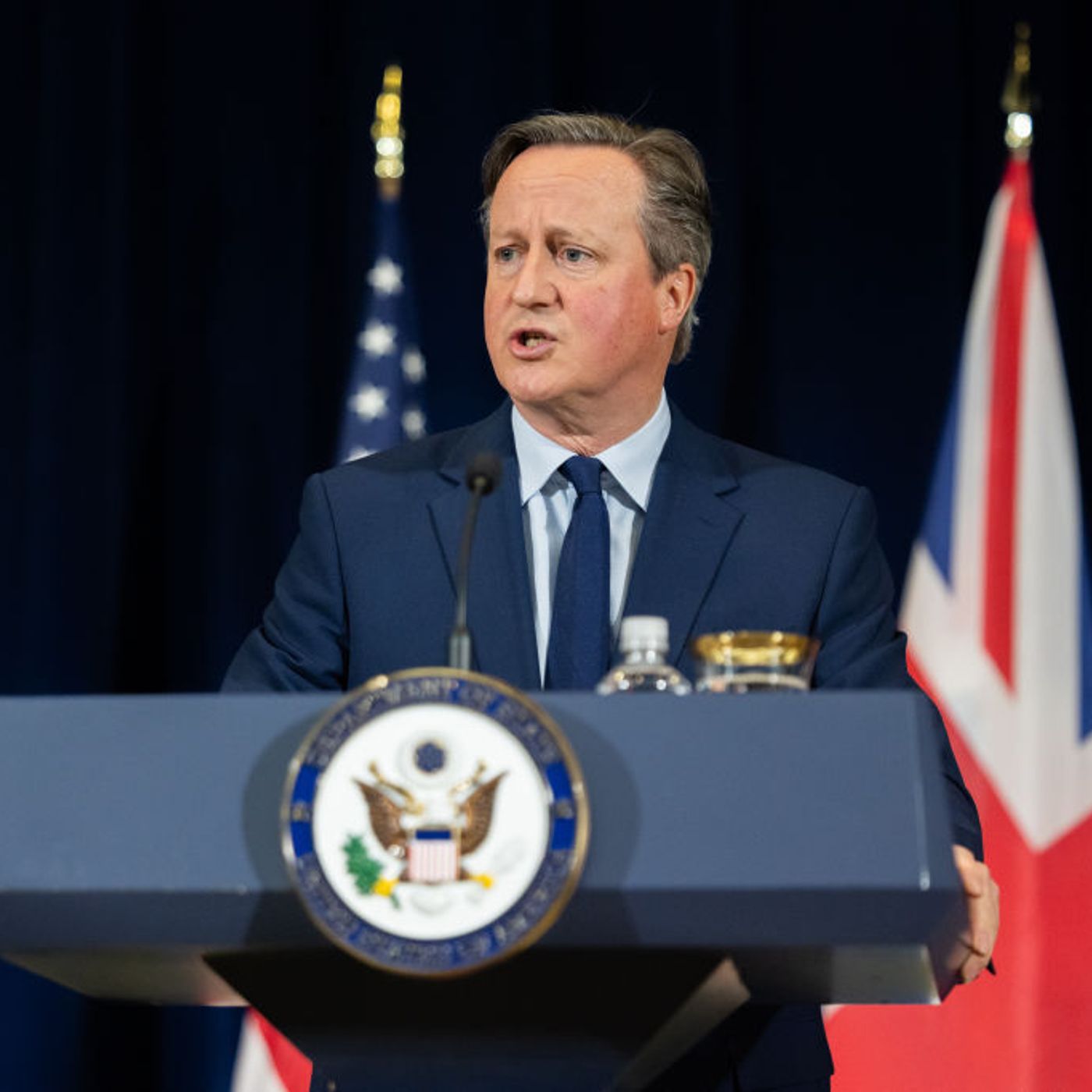
Today Freddy is joined by Sarah Elliott, senior advisor for the US-UK special relationship unit at the Legatum Institute. They discuss Lord Cameron's visit to America this week and the news that speaker of the House of Representatives Mike Johnson snubbed a meeting with the foreign secretary. Is the special relationship still special?
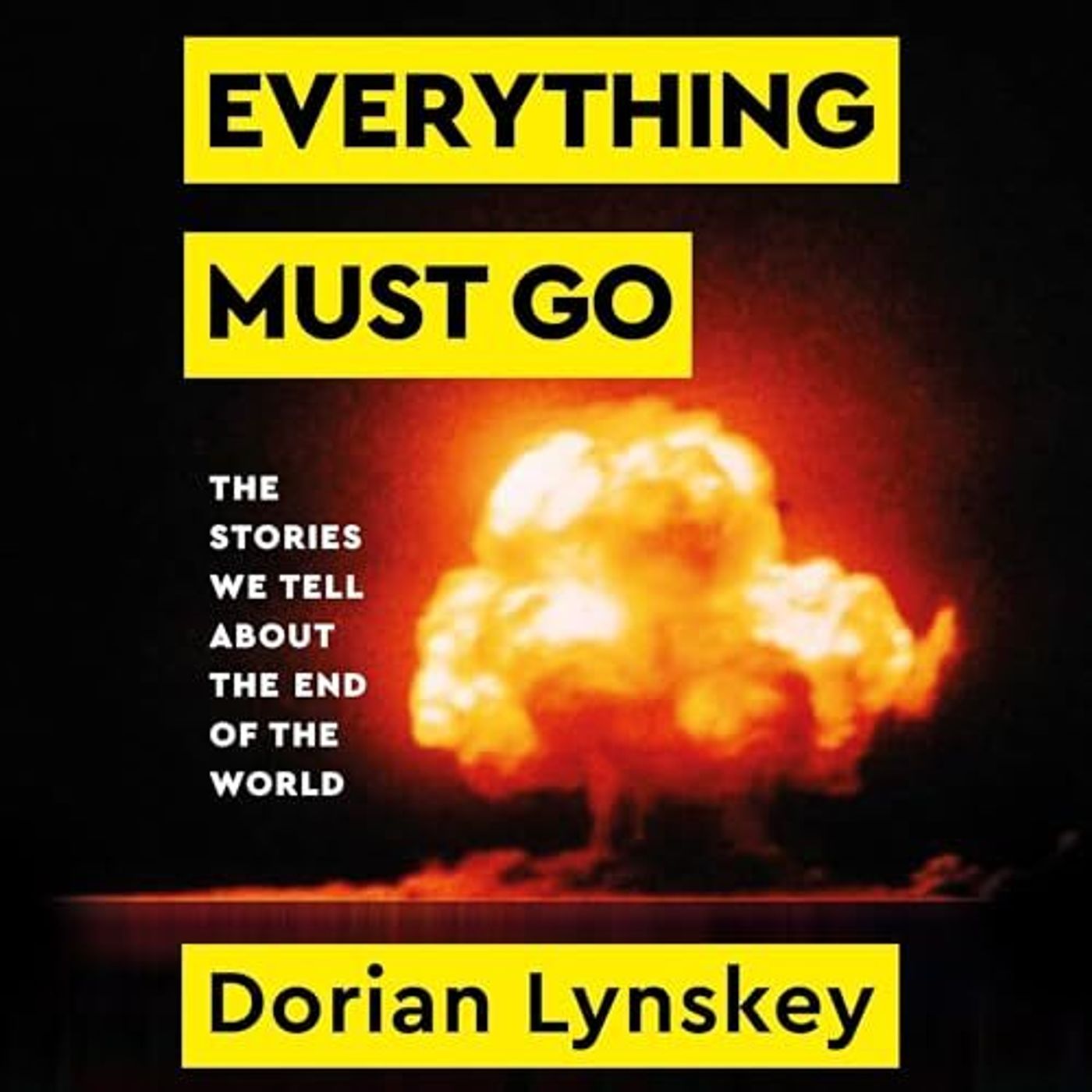
In this week’s Book Club podcast my guest is Dorian Lynskey. In his new book Everything Must Go, Dorian looks at the way humans have imagined the end of the world from the Book of Revelations to the present day. He tells me how old fears find new forms, why Dr Strangelove divides critics, and why there’s always a few people who anticipate global annihilation with something that looks like longing.

On this week’s Spectator Out Loud: James Heale suggests that the London mayoral race could be closer than we think (1:02); Madeleine Teahan argues that babies with down’s syndrome have a right to be born (6:15); Tanya Gold reports from Jerusalem as Israel’s war enters its seventh month (12:32); and William Moore reveals what he has in common with Kim Jong Un (18:25).
Produced and presented by Patrick Gibbons.

Suspected Israeli air strikes were launched on targets in Syria this week and Israel's war in Gaza has entered its seventh month. Americano regular Jacob Heilbrunn joins Freddy to discuss what an escalating situation in the Middle East could mean for Joe Biden. What's the Democrats' strategy? And how could this impact the 2024 election?
Produced by Natasha Feroze and Patrick Gibbons.


Download from Google Play

Download from App Store
 United States
I can not believe how far off the mark this woman is, and with the brazen confidence she possesses. Woman-splaining about men's apparent problems. How can society solve men's problems by treating them exactly how we've been solving women's problems? "...Taking on more feminine traits"... "and having fabulous makeovers. " Men are not women, so Moran seems to neglect. Of all the statistics she gives, she insists that men need to talk, express themselves, and cry in the way that women do. She demonstrates that she knows nothing of evolutionary psychology of the sexes, perhaps listening and reading more broadly and perhaps a professor of clinical psychology with over 35 years of clinical practice and teaching at Harvard may know better, but obviously, Jordan Peterson. She gives the most typical left-wing feminist view of the apparent monster that Dr. Jordan Peterson is and goes on to mischaracterise his book. Nothing interesting, valid, or new. Quite boring. She says that she uses the same
A gratuitous reference to 'atheist' in the title there, as if that was the salient issue with North Korea. But otherwise, good of The Spectator to focus some attention on the evil regime there.
one sided as usual
I will listen to this and give it a chance. However I really hope it's not gonna be full of bullshit. These Replicans have a terrible habit of making stuff up or lying to put it more succinctly.
I was very disappointed to find a contribution from Jacob Rees-Mogg on here. I can save everyone time from listening to it as it was nonsensical twaddle laced with obligatory lies. The usual stuff from this repulsive individual.
correction: the damage caused by *the response to* the pandemic.
Harry is a disgrace. stitching up his own family with a tissue of lies, to enrich himself and make a reasonably pretty girl (a 39 yr old divorced actress) like him. Big big error.
Max comes across as way to London centric.
Similar to the story about Genghis Khan on the Mongols. Yes they were brutal but they had freedom of religion, the promotion of people on merit, appreciation of art, they spread literacy, and many many other positive attributes. And that was back in the 13th century, while Europe was deep in the dark ages, eating mud for dinner.
what....the..fuck...
I found the... attitude... of the guests this week pretty dismissive of the Chinese Trump supporters.
Religious elite in corruption shock. Imagine my surprise.
this lady started as an interesting perspective but ended as a completely useful idiot for the CCP. She even washes over the Uigher genocide. what a disgraceful woman. great show as always, Cindy.
a ridiculous statement in this podcast. "this is driven by racism, anti-Communist racism." yeah obviously Communism is a race now. clown.
These people are the WORST of the Spectator
An interesting listen...
Katrina Ffrench was very rude. She cut in over the very reasonable bloke, saying "I'm finding it difficult to listen to this" but she actually meant "listen to me instead of him". She came across badly and damaged her cause. That said, some of the issues were definitely valid.
Fucking idiots. No no fucking no. The whole point is people should not be gathering, touching, sharing spaces. Irresponsible, ill informed bullshit. Pray at home god wankers....to your God that brought this upon us.
That was a great discussion. Witty and thought provoking
Peter Foster is a relentless, EUphile bore. Business will adapt, thrive or die. He can't see the huge opportunity for our country because he's long since been captured by Brussels-think. There will be no subjugated alignment for free trade you half-wit. What sovereign nation would sacrifice long term decision making for short-term economic gain. Thankfully Boris and his team seem understand the country better start thinking seriously about the future or, like Foster, spend the next century in obsolescence.