


 Claim Ownership
The Flow Artists Podcast by Garden of Yoga
Subscribed: 90Played: 1,856
Subscribe

© Creative Commons 2026
Description
Explore the diverse and accessible world of yoga, meditation, and movement with 'The Flow Artists Podcast,' hosted by Jo and Rane from Garden of Yoga. Each episode delves into the experiences and teachings of renowned instructors from Australia and beyond, emphasising the richness of diverse perspectives and the importance of accessibility in these practices. Our engaging conversations with toga teachers, activists, and inspirational figures go beyond traditional boundaries, uncovering stories that enlighten and experiences that empower. Whether you're a seasoned practitioner or just beginning your journey, our podcast offers insights for everyone, celebrating the inclusivity and transformative power of these disciplines.
159 Episodes
Reverse
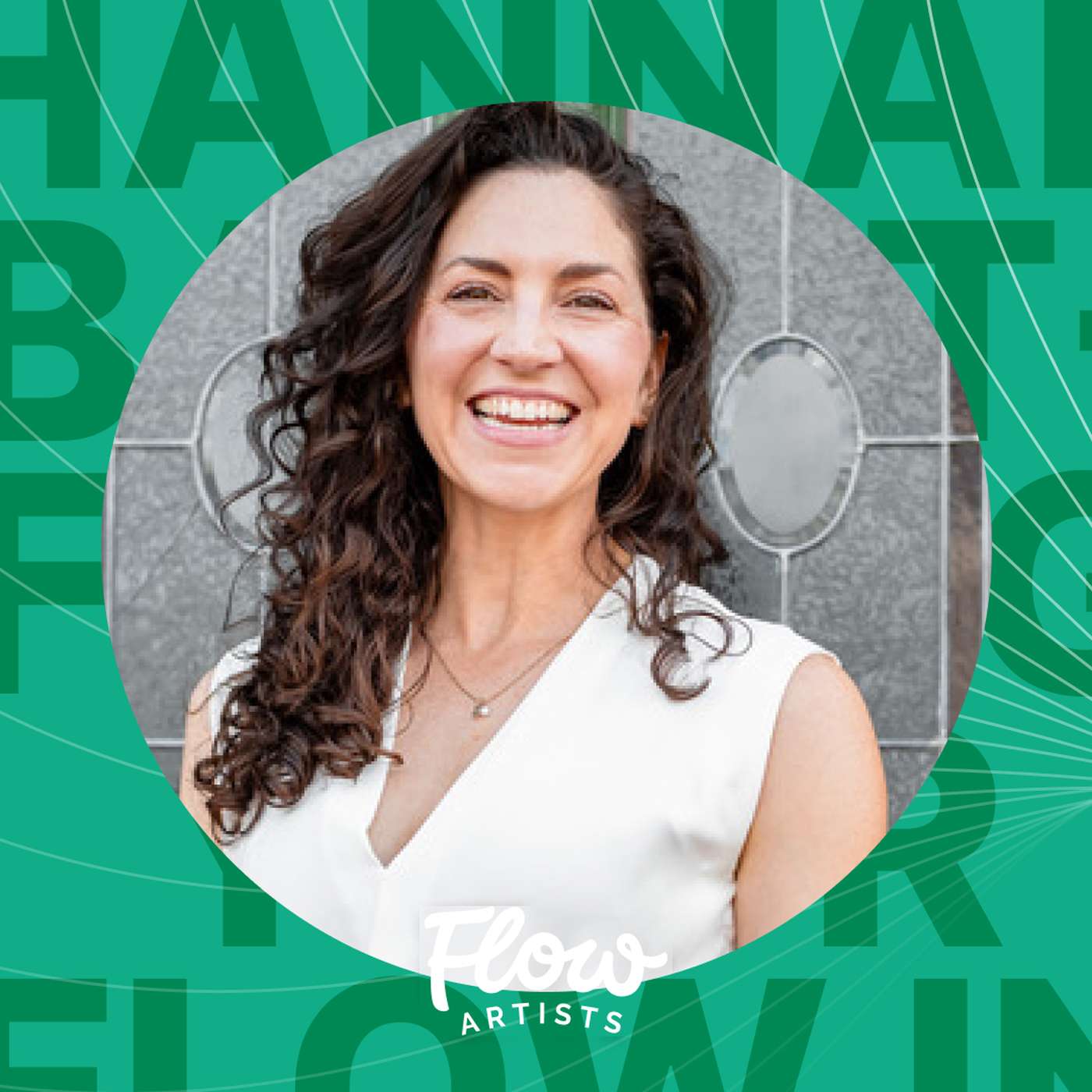
What does it truly take to rebuild your life - and yourself - in a new country? In this deeply personal and practical episode, host Jo Stewart sits down with Hannah Balint, a UK-born yoga teacher and relocation coach, to explore what repeated international moves have taught her about identity, connection, and the courage it takes to start over.
Hannah shares her remarkable journey across the UK, Vietnam, Australia, and the United States, tracing how a transformative first yoga class in Hanoi surrounded by the sounds of roosters and motorbikes sparked a career and a philosophy built around movement. From her bicultural English-Swiss upbringing to navigating visa complications in Melbourne and profound loneliness in the US, Hannah brings hard-won wisdom to every stage of the conversation.
Key topics include: the surprising emotional weight of even chosen relocations and the grief that comes with leaving an identity behind; why making friends becomes significantly harder in your 30s and beyond; practical strategies for building community in a new place (including why your dog and your local barista may be your most valuable social assets); how to distinguish between moving toward something versus away from something before you go; and the role of technology in keeping long-distance friendships alive across time zones.
Hannah also offers insight into her coaching work, where she helps clients — particularly accompanying partners who move for a spouse's career — navigate the internal experience of relocation, not just the logistics. Her approach centres on helping people recognise their own agency: "I have never felt more lonely than when I first moved to the US... and yet I still had agency over my choices." It is this shift in perspective, she argues, that transforms relocation from something that happens to you into something you can actively shape.
Whether you are planning an international move, supporting someone who is, or simply curious about what movement — physical and geographical — can reveal about who we are, this episode offers both the practical tools and the emotional permission to navigate change with more grace and self-compassion.
Links
Hannah’s podcast: https://open.spotify.com/show/6MKy7T7vvRlP1y15Yhvi70?si=a79bc5e9591b4c46
Hannah’s website: https://www.hannahbalintcoaching.com/
Hannah’s instagram: https://www.instagram.com/hannahbalint/
AppSumo: https://appsumo.8odi.net/R0Gmx9.
Use the code SOUNDMADESEEN for a 10% discount off any product!
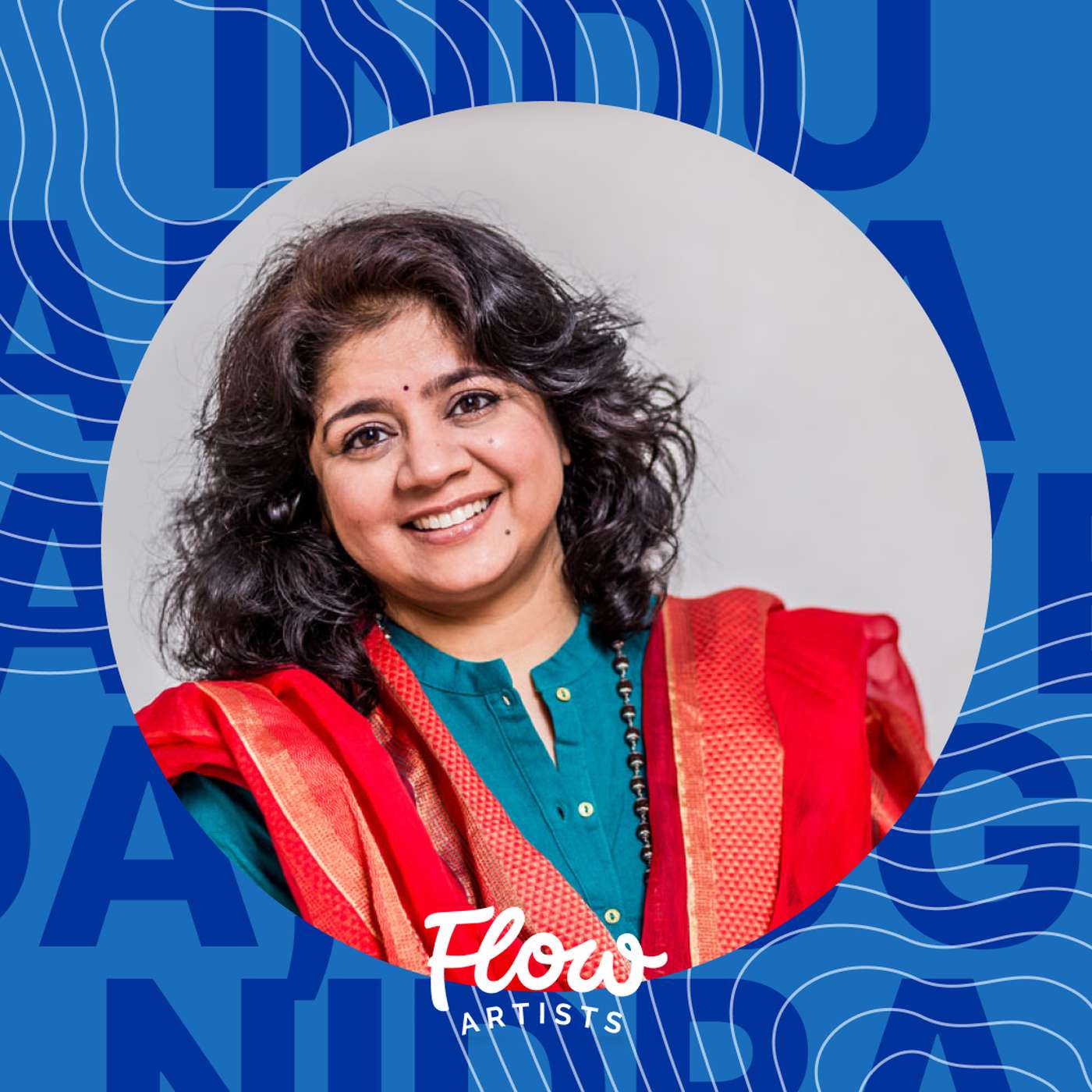
Indu Arora, a yoga and Ayurveda teacher with over two decades of experience, offers a perspective on yoga nidra that extends far beyond the structured, technique-driven formats familiar to many modern practitioners. Drawing from Vedic, Tantric, Upanishadic, and Puranic texts, Indu emphasizes that yoga nidra is not simply a guided relaxation practice but a philosophy, a state of consciousness, and a bridge to deeper self-realization. As she notes, "Content without context" represents one of the most significant gaps in contemporary yoga education, and understanding the philosophical foundations of yoga nidra is essential to accessing its true depth.
One of the most illuminating aspects of Indu's teaching is her etymological exploration of the word "ratri," found in the Rig Veda. Rather than representing darkness or ignorance, ratri breaks down as "ra" (nurturing, nourishing, uplifting) and "tri" (to protect), revealing yoga nidra as a protective, nourishing force present during sleep. In Tantric texts such as the Devi Mahatmyam, yoga nidra is personified as a Goddess, while in the Mandukya Upanishad it represents Turiya—the fourth state of consciousness beyond waking, dreaming, and deep sleep. This richness, Indu argues, is largely absent from the modern, highly structured approaches to yoga nidra that have emerged in the past century.
Indu is candid about the challenges of integrating philosophy with experiential practice. She waited seventeen years after beginning her formal yoga education before receiving her first yoga nidra training—not because the opportunity was unavailable, but because she understood that genuine practice and embodiment must precede teaching. She is critical of the modern expectation that completing a certification immediately qualifies one to teach, arguing that this approach produces practitioners who regurgitate information rather than transmit realized wisdom. In her words, yoga is "not to be learned and done, but to be explored and realised."
For practitioners trained within contemporary frameworks, Indu offers both encouragement and a practical reorientation. She suggests reframing teacher training programs as "student training programs," recognising that sincere, committed practice naturally gives rise to authentic teaching over time. True learning, she argues, occurs not in group classes but in personal sadhana—the private, honest dialogue with oneself. This means observing the breath during a forward fold, noticing which nostril is dominant after practice, and cultivating genuine curiosity rather than mechanically following scripts. As Indu reminds her audience, "The real yoga is found in the heart of the practitioner, and that yoga does not have a language—it speaks in silence."
Links:
Study with Indu in Australia: https://indu-arora.mykajabi.com/yoga-nidra-australia
Indu's instagram: https://www.instagram.com/induaroraofficial/
Jo's book: https://gardenofyoga.com.au/learn/eight-limbs-of-aerial-yoga/
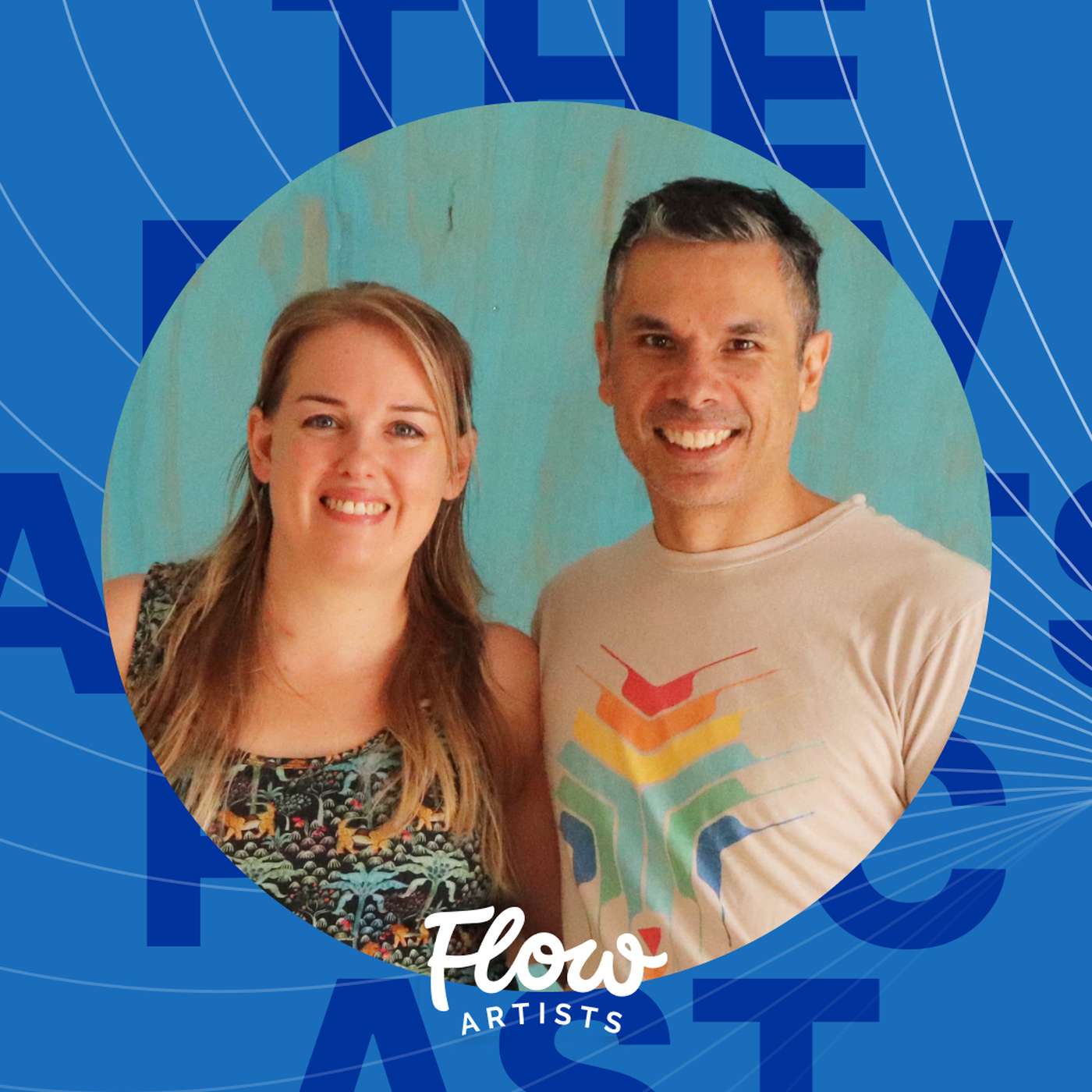
We have exciting book news!
Jo's upcoming book "Eight Limbs of Aerial Yoga" is now available for preorder!
As Jo explains with palpable excitement, this book is "a compilation of my life's work in aerial yoga." Her book is structured around Patanjali's Eight Limbs, drawing from interviews with experts, evidence based research and lived experience in a way that honours both tradition and innovation. She candidly shares how "I'd really like my book to kind of help to address some of that lack of in-person community" within the aerial yoga world. For those planning ahead, Jo's Bali retreat is also on the horizon, promising another opportunity to experience her teaching in that magical setting.
In this episode we reach out to our podcast community and have some insightful questions from past guests including Jivana Heyman, Cyrille Caille, Dr Esme Dark, Chloe Prendergast, Nada Todorovich, Claire Holloway and Sasha Sigel.
One of the most touching aspects of this episode is how Jo reflects on her podcast journey and its unexpected connection to her book writing process. "I do feel like the podcast has really paid me back with the book," she shares, highlighting how the relationships and conversations from the show have enriched her writing in ways she never anticipated. The generosity of their podcast community shines through as they discuss how past guests have become genuine supporters, creating what they describe as "that network of sharing." Many past podcast guests feature in the book, including Jivana Heyman who wrote an beautiful foreword.
The conversation takes on a more reflective tone when they explore the delicate balance between teaching and learning in yoga practice. Jo's honest admission that "if I've done a training and I don't teach the things that I've learned in the training, they do not stay in my brain" speaks to a truth many yoga teachers will recognise. This vulnerability around the learning process, combined with their discussion about maintaining humility while teaching, creates space for a really meaningful exploration of what it means to be both student and teacher simultaneously. Their approach feels refreshingly honest in a field that can sometimes feel pressured toward perfectionism.
Perhaps the most powerful moment in the episode comes when they tackle the challenging question of how to maintain inner peace while responding to global crises. Rather than offering simple platitudes, they dive into the complexity of staying grounded while remaining engaged with the world's pain. As they put it, "having the tools to find your own inner peace... can help you have the time and space to respond in a way that's thoughtful and kind." This perspective offers a practical framework for anyone struggling to balance personal practice with social responsibility, suggesting that inner work and outer action can actually support each other rather than compete.
The episode wraps up with a delightful exploration of their unique work-life setup, running a yoga studio connected to their home. Their discussion about creative freedom - "if it's your own space, you can do more things just for fun that don't necessarily need to be profitable" - reveals the joy they find in their unconventional arrangement. Throughout this entire Q&A, what emerges most clearly is not just their expertise or accomplishments, but their genuine care for their community and their commitment to showing up authentically, even when that means admitting they don't have all the answers.
Links
Bali Retreat: https://gardenofyoga.com.au/bali-retreat-2026/
Eight Limbs of Aerial Yoga Book: https://gardenofyoga.com.au/learn/eight-limbs-of-aerial-yoga/

Rane and Jo are thrilled to have Jivana Heyman return for his third visit, and what a fascinating conversation it turned out to be. This time around, Jivana surprised everyone by sharing his unexpected journey into the world of triathlons - a transformation that began during the pandemic when he was inspired by an elderly runner on the beach. What started as simple walks eventually led to running and completing his first triathlon, with Jivana reflecting that "nature heals everything and it just was like a balm to my soul."
The conversation beautifully weaves through some deep philosophical territory as Jivana challenges many of our assumptions about yoga practice. He makes a compelling case against the Western tendency to over-medicalise and rigidly categorise yoga, reminding us that "yoga is not about fixing, it's about recognition of our true nature, that we are already full and whole and complete and perfect the way we are." His perspective on meditation is particularly refreshing - he argues that there's no hierarchy of "correct" meditation practices and that "if you're practicing yoga, you're meditating. They're really almost one and the same."
One of the most powerful aspects of this episode is Jivana's discussion of trauma-informed yoga and social justice. He doesn't shy away from the tough conversations, acknowledging how yoga can sometimes inadvertently sustain oppressive systems while emphasising its potential for empowerment. His insight that "yoga can give us power... it's about building power and then giving it away" really captures the essence of using practice for service and collective transformation.
For yoga teachers listening, there's some incredibly reassuring wisdom here too. Jivana addresses the all-too-common experience of imposter syndrome, offering the perspective that "the yoga teachers out there who feel insecure, who have imposter syndrome, they're probably the ones who actually need to be teaching." The episode concludes with a beautiful distillation of yoga's essence - "working with your own mind, becoming your own friend, your own ally... to remove your own suffering and the suffering of others" - reminding us why this ancient practice remains so relevant and transformative in our modern world.
Links
Join Jivana in Australia:
Melbourne: https://www.accessibleyogaschool.com/a/2148191770/UMWeKpZ3
Byron Bay: https://www.accessibleyogaschool.com/a/2148191771/UMWeKpZ3

This fascinating conversation with Anjali Rao reveals yoga's complex and often untold stories, challenging us to think beyond the simplified narratives we usually hear. Rather than viewing yoga as a static, ancient practice, Anjali shows us how it has always been shaped by social, political, and cultural forces. Her book "Yoga as Embodied Resistance" uncovers the voices of women and marginalised communities throughout history who used yoga as a tool for liberation and resistance, even when dominant power structures tried to exclude them.
One of the most compelling aspects of the discussion is how Anjali approaches her research. She describes it as "an embodied, intuitive process" - a non-linear journey of connecting stories and perspectives that might otherwise remain scattered. Through storytelling, she humanises history, making these forgotten narratives accessible and relatable. As she puts it, "Storytelling humanises. Everybody can relate to stories." This approach reveals remarkable individuals from different periods who challenged gender and caste norms, offering us alternative ways of understanding spirituality and personal transformation.
The conversation also dives into the political dimensions of language, particularly Sanskrit, which has historically been a tool of power and exclusion. Anjali explains how "only dominant caste men were permitted to use Sanskrit," and how colonial scholarship further amplified these dynamics. Yet she also shows us how language has always been fluid and dynamic, with Sanskrit itself absorbing influences from regional languages across India.
Perhaps most importantly, Anjali invites us to embrace complexity and reject binary thinking in our understanding of yoga and transformation. She emphasises the importance of "building capacity for ourselves and in our communities to hold multiplicities" - recognising that yoga's true power lies not in perfectionism or rigid adherence to tradition, but in its potential for ongoing personal and collective liberation. This perspective offers a refreshing alternative to the often commercialised and simplified version of yoga we encounter today.

Nada Todorovich's journey from feeling like the "weird and different" kid in central Victoria to becoming a passionate community builder is both heartwarming and inspiring. Growing up as the child of Bosnian immigrants, she experienced the challenge of straddling two cultures - from her mother's homemade crepes that she was initially embarrassed about to her father's eclectic collection of animals. This rich cultural foundation, though sometimes isolating in her Anglo community, would later become the cornerstone of her life's work.
The tragic loss of her parents in a sudden accident became an unexpected catalyst for creating something meaningful. Nada channeled her grief into establishing Dragonfly, a cafe and social enterprise that honours her family's legacy of hospitality and connection. As she beautifully puts it, "My mum's love language is food," and this philosophy permeates every aspect of her business.
What makes Dragonfly special is its role as a genuine community hub. From hosting political information sessions to offering traditional craft workshops like bobbin lace making and knitting groups, Nada has created something rare in today's world - a space for authentic dialogue and learning. She's particularly passionate about addressing social justice issues, believing that connection with each other is the antidote to the divisiveness we see rising in society.
Nada's commitment to sustainability runs deep, reflecting her belief that "the planet is the most important thing" and that we should be better custodians of our environment. Through Dragonfly, she works with local suppliers who share her values, creating a network of like-minded businesses focused on reducing waste and supporting their community. Her vision extends beyond just running a sustainable business - she's actively planning tree-planting initiatives and continuing to use her platform to foster understanding and compassion in an increasingly complex world.
Links
Website: https://dragonfly-cafe.com.au
Facebook: https://www.facebook.com/thedragonflycafedeli
Instagram: https://www.instagram.com/_dragonfly_cafe

This episode of the Flow Artist Podcast is a casual, conversational catch-up between Jo and Rane, primarily focused on Jo's recent yoga retreat in Bali.
They discuss the retreat in great detail, sharing insights into its planning, challenges, highlights, and lessons learned.
Beyond the retreat, the conversation touches on several other topics, including Jo's book editing progress, upcoming sound meditation workshops, a new plant wave device in their studio, and a brief tribute to the Connected Yoga Teacher Podcast after the announcement that they are ending.
Links
Bali Retreat: https://gardenofyoga.com.au/bali-retreat-2026/
Floating Sound Sessions: https://gardenofyoga.com.au/workshops/floating-sound-sessions/
Plantwave: https://plantwave.com/en-au
The connected yoga teacher podcast: https://www.theconnectedyogateacher.com/
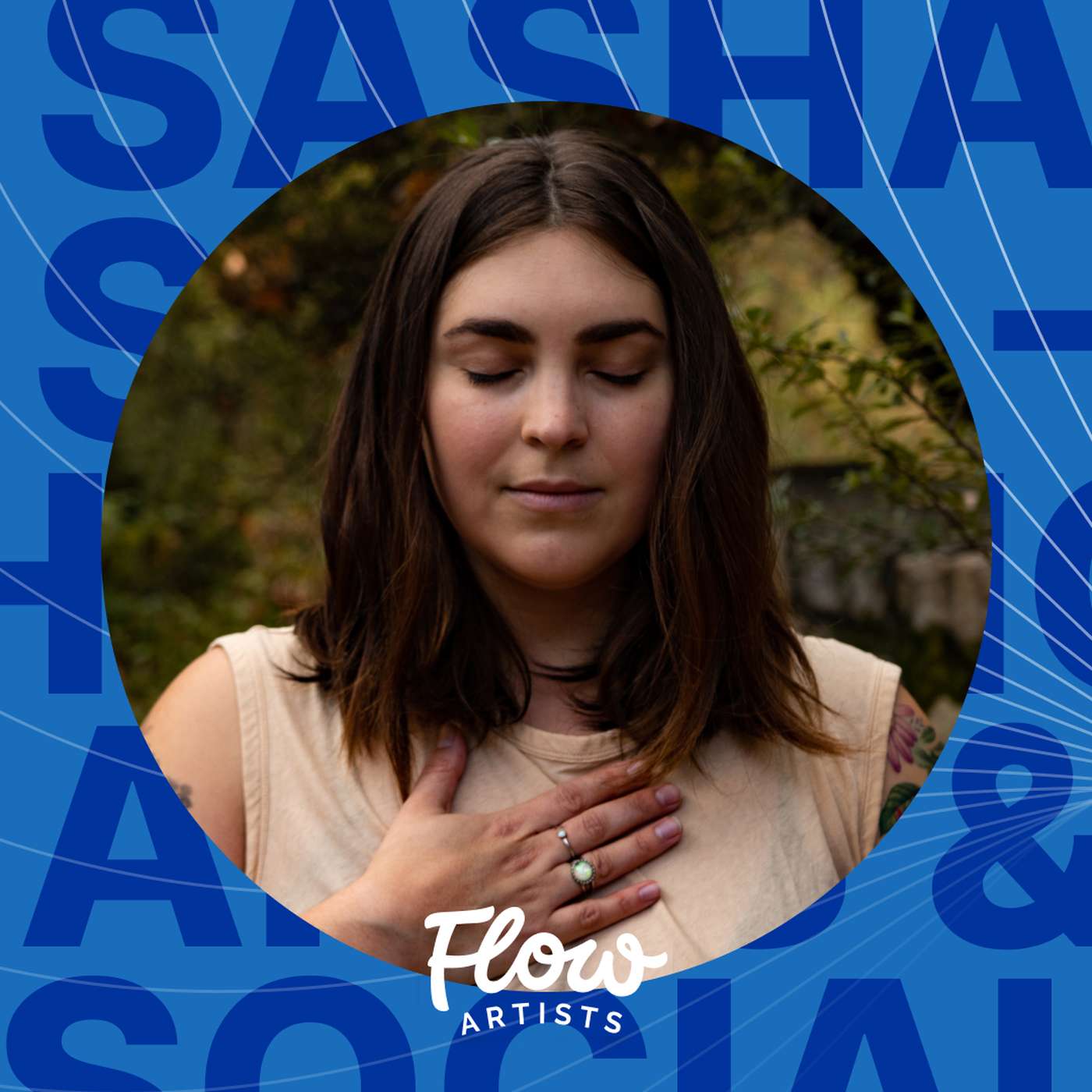

In this moving conversation, yoga teacher and activist Sasha Sigel shares her remarkable journey from theater student to dedicated advocate for reproductive rights and queer community building. Her story illustrates how a simple suggestion from a professor about feeling "ungrounded" led her to discover yoga's transformative power, ultimately shaping her life's mission of combining spiritual practice with social justice work.
Through her work as an abortion doula and founder of Be Queer Now, Sasha demonstrates the profound impact of creating inclusive, accessible spaces for healing and community support. Her approach to reproductive healthcare is particularly touching, as she works tirelessly to destigmatize abortion care while providing compassionate support to those in need. As she powerfully states, "We have the potential to make this not a traumatic experience... the stigma is all being placed from the outside."
Perhaps most inspiring is Sasha's candid discussion about navigating the emotional challenges of activism in today's political climate. She openly shares her struggles with feeling overwhelmed and sometimes numb in the face of constant attacks on reproductive rights and queer communities. Yet, through her daily meditation practice and by embracing emotions like anger as tools for change, she offers a powerful example of sustainable activism. Her perspective on anger is particularly enlightening, as she reminds us that "Anger can be incredibly helpful and useful, that it points to something is not right, something is being threatened that we care about."
Links
Sasha's Website: https://www.sashasigel.com/
Be Queer Now: https://www.bequeernowyoga.com/
The Turnaway Study: https://www.ansirh.org/research/ongoing/turnaway-study
Repro legal healthline: https://reprolegalhelpline.org/
Abortion Finder: https://www.abortionfinder.org/
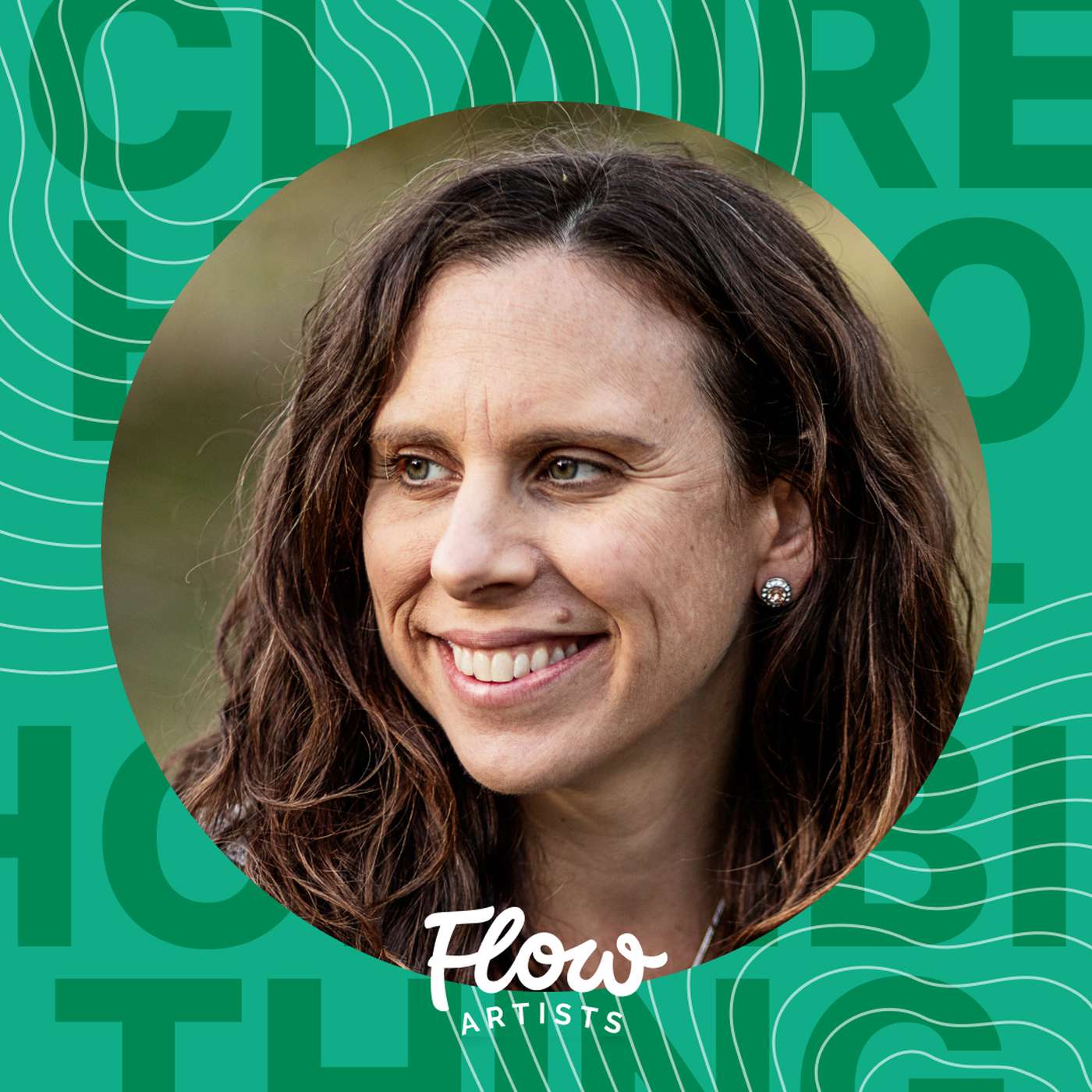
Rane and Jo welcome Claire Holloway back for her second appearance on the Flow Artist Podcast, where she shares her evolving journey as a yoga teacher and activist in Perth, Western Australia.
Since her last visit, Claire has expanded her focus to include perinatal care, home birthing support, and community-based yoga programs. One of her notable achievements has been securing a local council grant to provide subsidised postpartum yoga, making her services more accessible to those who need them most.
The conversation takes a powerful turn when Claire discusses her recent activism work, particularly her involvement in organising "Mothering During a Genocide," an event that amplified Palestinian and Indigenous voices. Her approach to activism is deeply intertwined with her role as a mother, viewing it as a nurturing, long-term commitment to social justice. As she puts it, "Start with a willingness to learn" - a philosophy that guides both her teaching and activism.
The episode also delves into some sobering realities about birthing rights in Australia, with Claire sharing that "one in three people who birth in Australia are experiencing birth trauma." Her work in the home birth community and advocacy for birthing rights demonstrates her commitment to addressing these systemic issues. Throughout the conversation, Claire maintains a balance between acknowledging the gravity of social justice issues while offering hope and practical steps for creating change, emphasising that meaningful impact often starts with small, consistent actions rather than grand gestures.
Links
Website: https://www.yourbrightbeginning.com.au/
Instagram https://instagram.com/yourbrightbeginning
Yoga for Homebirth: https://www.yourbrightbeginning.com.au/yoga-for-homebirth
Homebirth Community Catchups: https://www.yourbrightbeginning.com.au/homebirth
From Mothering During a Genocide
Shifa Project: https://shifaproject.org.au/
Perth Mums for Palestine: https://www.instagram.com/perthmumsforpalestine
Louise O'Reilly: https://www.instagram.com/louise.oreilly.shieldandconch/
Dr Samah Jabr: https://www.instagram.com/jabrsamah

Grief, Healing, and Finding Light in the Darkness: A Conversation with Amy Pickett-Williams
In this moving conversation, psychotherapist and yoga teacher Amy Pickett-Williams shares her remarkable journey through personal tragedy to creating meaningful change in the grief support community. With 26 years of experience in therapy work, Amy's path took an unexpected turn during the COVID-19 pandemic when she lost her father in a tragic accident. As she navigated her own grief while supporting her mother and children, a hiking accident led to the discovery of kidney cancer - a moment she poignantly describes as being saved twice by a juniper tree.
Through her personal experiences of loss and healing, Amy founded the Light Movement, a nonprofit organisation dedicated to supporting those experiencing grief and trauma. The organisation's name beautifully captures its essence - "Love in Grief held together." Amy's approach combines traditional therapy with somatic practices, emphasising that healing through movement isn't limited to yoga but includes activities like singing, walking, swimming, and even gardening. As she puts it, "There are no words when someone grieves," highlighting the importance of being present and offering practical support rather than trying to fix the unfixable.
What makes Amy's work particularly impactful is her holistic approach to grief support. She emphasises the importance of community and practical assistance, suggesting simple yet meaningful ways to help those who are grieving, like providing meals or offering specific help rather than vague promises. The Light Movement has evolved to include innovative programs, including a unique 300-hour yoga teacher training focused on trauma and grief, creating a new generation of practitioners equipped to support others through their healing journeys. Through it all, Amy's message remains clear: healing from grief is a deeply personal journey that requires both individual attention and community support.
Links
Fundraiser Event - https://lightmvmt.com/summer-solstice-2025/
Instagram - https://www.instagram.com/lightmvmt
Website - https://lightmvmt.com
Facebook - https://www.facebook.com/lightmvmt
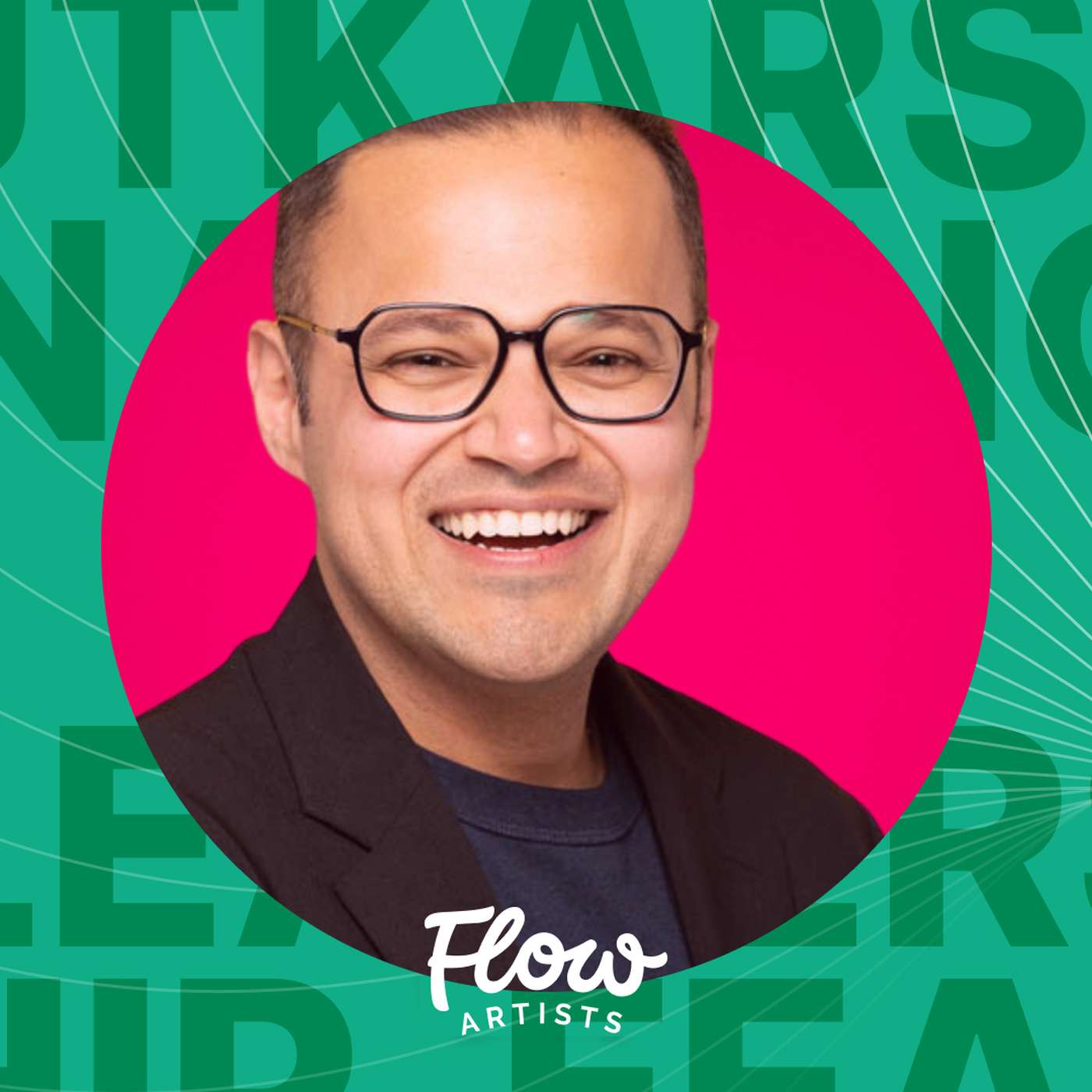
In a deeply moving conversation, Utkarsh Narang shares his remarkable journey from being a physiotherapist in India to becoming an influential executive coach and TEDx speaker in Australia. His story resonates with anyone seeking meaningful change, as he describes how a LinkedIn message unexpectedly opened the door to a new life abroad, proving that sometimes the most significant opportunities arise when we least expect them. Through his personal experiences with fear and uncertainty, Utkarsh demonstrates that courage isn't about the absence of fear, but rather about taking small, intentional steps forward despite it.
The heart of Utkarsh's message lies in his unique perspective on leadership and purpose, beautifully illustrated through the story of a NASA janitor who saw his role not just as cleaning floors, but as contributing to putting a man on the moon. This powerful anecdote underscores his belief that true leadership is about becoming the best human being possible, creating safe spaces for others, and approaching challenges with empathy and authenticity. His insights remind us that every role, no matter how seemingly small, can contribute to something greater when viewed through the lens of purpose.
Drawing from the ancient wisdom of the Bhagavad Gita and yogic philosophy, Utkarsh offers transformative insights about living in the present moment and embracing non-attachment. His message is both profound and practical: purpose doesn't need to be grandiose; it can be found in the simple act of doing our best and being fully present in each moment. Through his words, we learn that true fulfillment comes not from external achievements, but from stripping away societal expectations and connecting with our authentic selves. The conversation serves as a powerful reminder that in our quest for meaning and success, the most important journey is becoming the best version of ourselves while helping others do the same.
Links:
Website: https://www.ignitedneurons.me/
Instagram: https://www.instagram.com/ignitedneurons
Patreon supporters get FREE access to Utkarsh's "Ignite your life in 7 days" program: https://www.patreon.com/posts/free-access-to-7-128099052

This conversation is a vibrant and candid exploration of sexuality, gender, consent, and social activism, centered around Eve X and Sai's work with the Australian School of Sexuality (ASS Fest).
The tone is playful, irreverent, and deeply intellectual, with the speakers using humor (particularly butt jokes) to disarm serious topics and create a sense of openness. They discuss complex themes including sacred sexuality, gender fluidity, disability, trauma-informed practices, and the challenges of running an educational platform about sexuality in a world of online censorship and conservative pushback. The discussion ranges widely from personal backgrounds and artistic projects to broader social and political issues, always underpinned by a core philosophy of love, consent, and breaking down barriers between different communities and approaches to sexuality.
Eve X and Sai are passionate activists committed to creating inclusive, safe spaces for exploring human sexuality, challenging normative ideas, and promoting understanding across different modalities of sexual and embodied experience.
Links
Website: https://www.australianschoolofsexuality.com/
Instagram: https://www.instagram.com/australianschoolofsexuality/
Facebook: https://www.facebook.com/australianschoolofsex
Bluesky: https://bsky.app/profile/ausschoolofsex.bsky.social
Substack: https://australianschoolofsexuality.substack.com/

A Journey Through Women's Health, Yoga, and Personal Transformation
Kate Payne's journey from corporate marketing to becoming a women's health yoga therapist is a compelling story of transformation and purpose. Starting with meditation at 16 to manage anxiety, she discovered yoga in her early twenties after recovering from a health challenge in Thailand. What began as a simple gym class recommendation blossomed into a life-changing path that would eventually become her professional calling.
Her work now extends far beyond traditional yoga teaching. Through her Holistic Woman Media project and podcast, Kate is challenging the one-size-fits-all approach that dominates women's health care and the wellness industry. As she powerfully states, "We're redefining what healthcare looks like for women... looking at it as individual." This perspective is particularly refreshing in a world where women's experiences are often dismissed or oversimplified.
What's particularly striking about Kate's approach is her emphasis on depth over breadth in learning and teaching. Rather than collecting numerous certifications, she advocates for truly embodying the teachings and applying them meaningfully to life. This philosophy carries through to her views on motherhood and personal practice, where she focuses on incorporating yogic principles into daily life and parenting. Her approach to supporting her children's emotional development using yoga philosophy shows how these ancient teachings can be practically applied in modern life.
The conversation between Kate and Jo Stewart delves into critical issues around women's health education and systemic challenges. They tackle problematic narratives about menstrual health and challenge the normalization of pain and shame in women's bodily experiences. Kate's message about "leaning into quiet" and respecting natural cycles resonates deeply, especially in our busy modern world where we're often pushed to constantly do more.
Links
Kates Website - https://higherstatesofyoga.com/
Instagram - https://www.instagram.com/katepayneyoga/
Podcast - https://open.spotify.com/show/2zo8VJxyw9QtaCmivVFfpy?si=963bfa3a567549f6&utm_medium=share&utm_source=linktree
 1
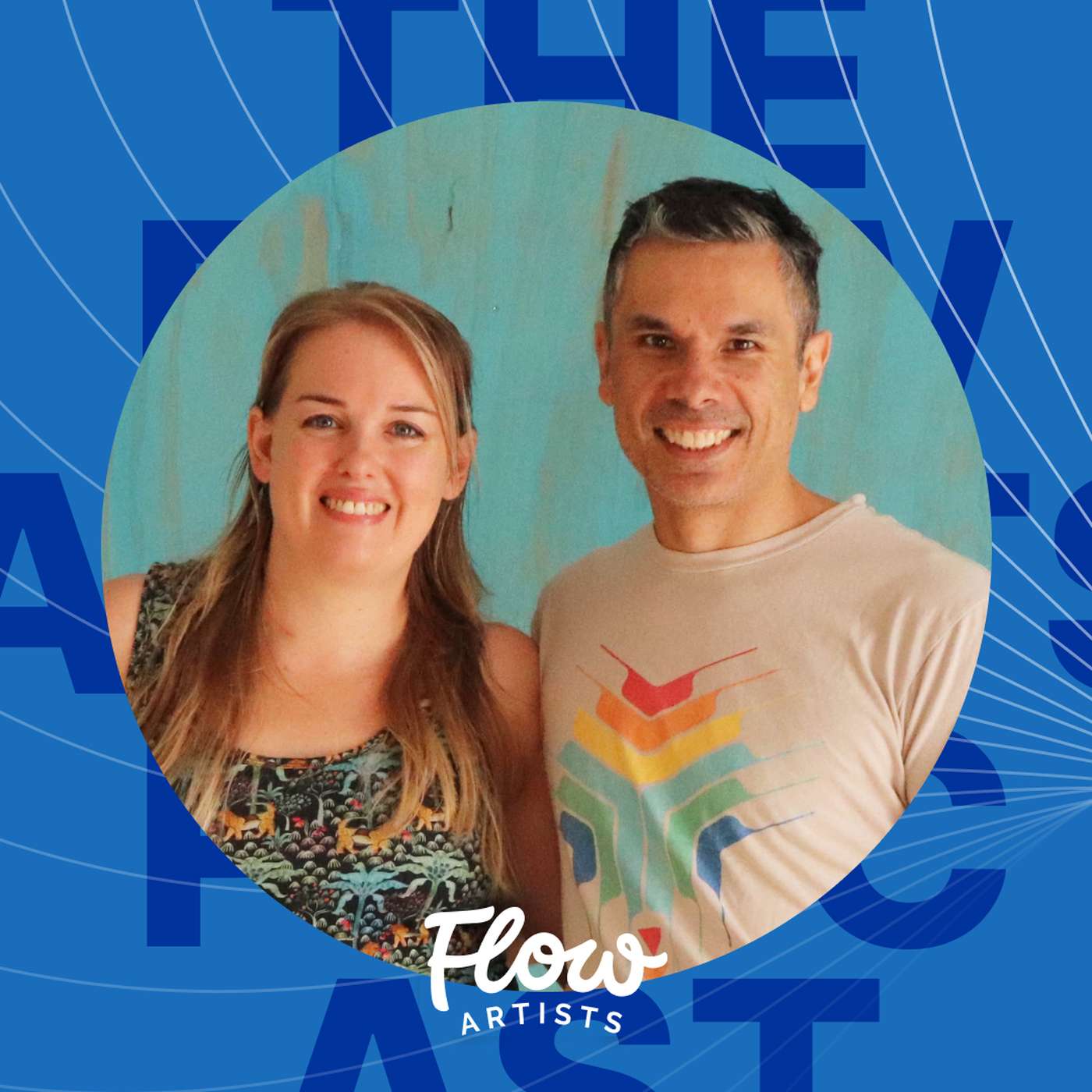
1It's already February, but we're here to take on 2025!
Welcome to a new year of The Flow Artists Podcast!
In this episode Jo and Rane answer questions for listeners, past guests and friends of the podcast including Ann Swanston, Claire Holloway, Divya Kohli, Kirrah Stewart, Justine Elizabeth, Kristin Mathiasson and Ambika Chadwick.
We cover our current projects, recent events at the studio and our upcoming Body Positive Bali Aerial Yoga Retreat.
We also answer (as well as we can!) bigger questions about the yoga world, how we are responding to world events and our thoughts for the future.
We really enjoyed answering these questions and we hope you enjoy listening!
Links
Bali retreat link: https://gardenofyoga.com.au/bali-retreat-2025/

Youch! We've had lots going on and we've been missing in action, but we wanted to finish the year with an extra special bonus!
This episode contains a conversation we released just for our Patreon supporters a few months ago. It's a discussion between Jo and Rane, where we talk about a few life updates, as well as Rane answering a few questions about his cancer experience, and how Yoga really helped.
We also talked about our side projects, Jo's book and Rane's app.
Since this was recorded Rane has also started work on another app, but more on that later...
We wish you a very happy Christmas and New Year!!
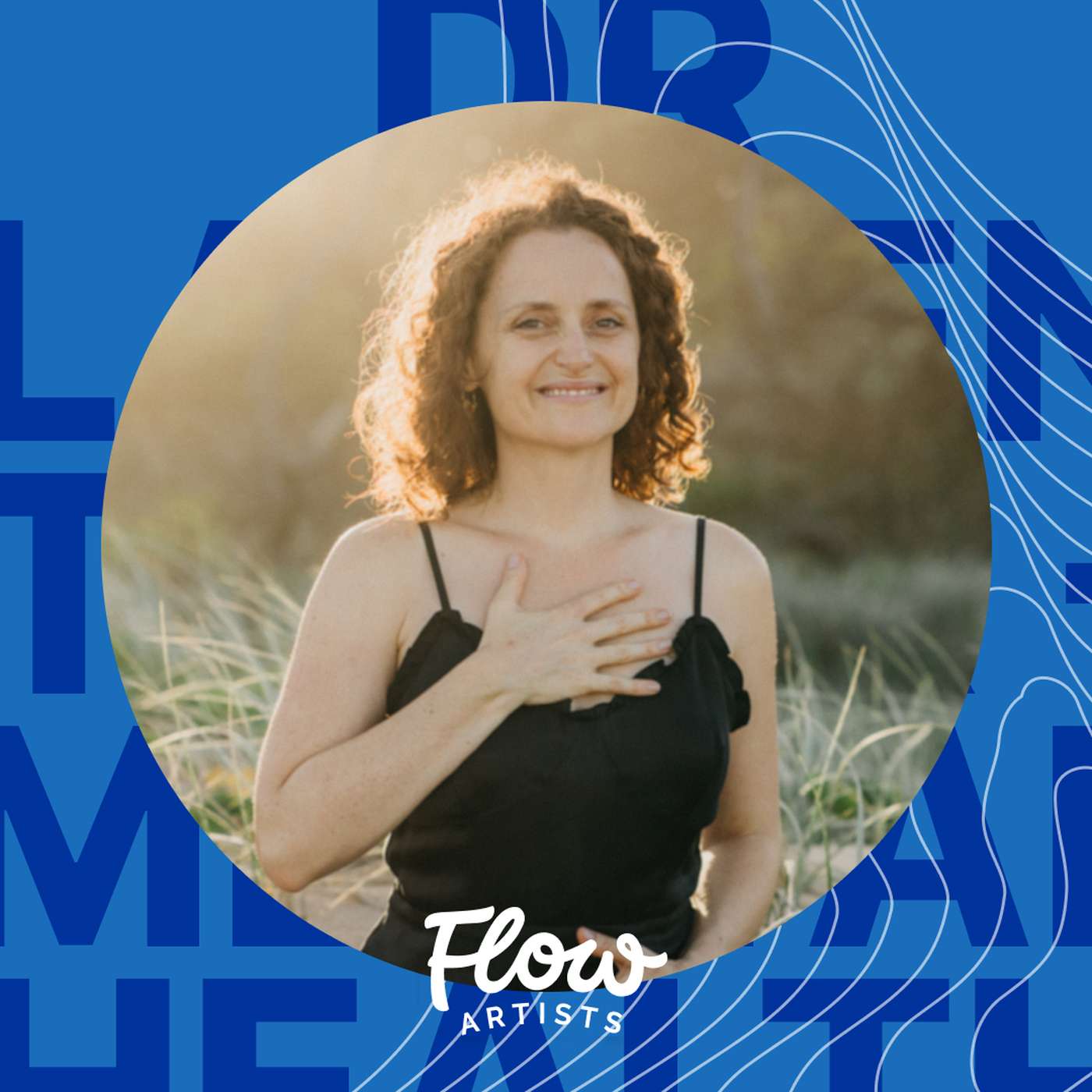
Dr. Lauren Tober, a distinguished clinical psychologist and yoga teacher, offers profound insights into the intersection of psychology and yoga in our latest episode. As the founder of the Yoga Psychology Institute and author of "Mental Health Aware Yoga," Dr. Tober articulates the delicate balance required to create supportive environments that honour both mental health and yogic traditions. Her unique perspective, developed through years of clinical practice and yoga teaching, illuminates the path toward more inclusive and psychologically informed yoga instruction.
The discussion explores the critical aspects of trauma-informed teaching and the importance of establishing safe, brave spaces within yoga environments. Dr. Tober emphasises the significance of mindful communication, highlighting how seemingly simple practices such as emphasising the freedom to take a break whenever you need one or offering clear options for pose modifications can profoundly impact students' sense of safety and autonomy. A particularly notable insight emerges regarding the evolution of yoga teaching, with Dr. Tober observing that "If we don't have this understanding of mental health and the power of the way that we teach and the language that we use... it can be easy to fall into ways of teaching that aren't always healthy."
The conversation culminates in a thoughtful examination of the ethical frameworks governing both psychological and yogic practices. Dr. Tober addresses the crucial balance between acknowledging inherent wholeness while supporting growth, emphasizing the importance of avoiding the "rescuer" mentality in favour of empowering students to connect with their inner wisdom. Her approach to practices such as pranayama and meditation demonstrates a sophisticated understanding of individual needs, suggesting that success lies in offering accessible, adaptable options rather than adhering to rigid, one-size-fits-all methodologies. The episode concludes with Dr. Tober's compelling vision of a world where individuals are empowered to trust their intuition and contribute positively to their communities through authentic self-expression and mindful practice.
Links
Website: http://www.mentalhealthawareyoga.com/
Facebook: https://www.facebook.com/groups/mentalhealthawareyoga
Yoga Psychology Institute: http://www.yogapsychologyinstitute.com/calendar
Instagram: https://www.instagram.com/drlaurentober
https://www.instagram.com/yogapsychologyinstitute

Jeff Patterson's journey in martial arts is a fascinating blend of physical discipline and mental mastery. Starting out as a teenager inspired by Bruce Lee films, Jeff's path took an unexpected turn when his boxing coach encouraged him to explore Tai Chi and meditation. It's pretty cool how what initially seemed like a chore - "I wasn't interested in meditating at all," Jeff admits - ended up transforming his entire approach to martial arts and life.
One of the most intriguing aspects of Jeff's practice is how he integrates meditation into athletic performance. He points out that many professional athletes are now turning to meditation for physical and mental health. This approach isn't limited to martial arts - it's something that could benefit anyone looking to excel in their field.
Perhaps the most intriguing concept Jeff discusses is that of "yielding". It's not just a physical technique, but a mental and emotional strategy that can help navigate conflicts and guide conversations to positive outcomes. As Jeff puts it, "Learning how to use yielding in all of our interactions is extremely powerful." It's about being considerate and strategic, avoiding unnecessary butting of heads. In today's world, that's a skill we could all benefit from developing.
Links
Website: https://www.theyieldingwarrior.com/
Facebook: https://www.facebook.com/TaichiYielding/
Instagram: https://www.instagram.com/theyieldingwarrior/
Free Book: https://www.theyieldingwarrior.com/book
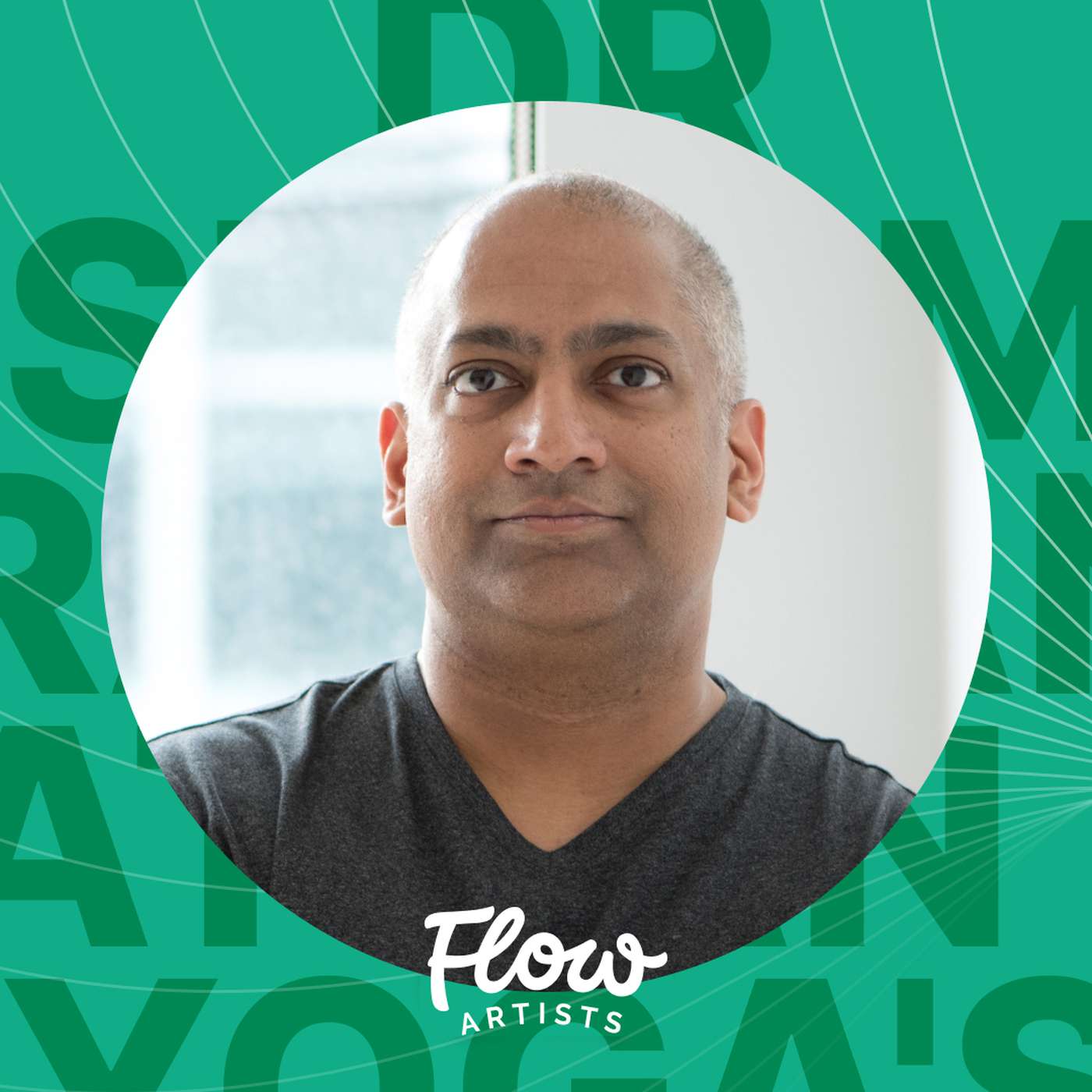
Dr. Shyam Ranganathan, a philosopher, scholar, and author, offers a compelling perspective on yoga as an anticolonial philosophy in this episode of the Flow Artist Podcast. Drawing from his book "Yoga - Anticolonial Philosophy, An Action Focused Guide To Practice," Dr. Ranganathan challenges conventional interpretations of yoga and presents it as a practice that encourages critical thinking, individual sovereignty, and decolonization.
The discussion illuminates the contrast between Western academic traditions and South Asian philosophical frameworks, particularly in how non-Western philosophies are often categorized as "religion" rather than recognized as rigorous intellectual systems. Dr. Ranganathan's work seeks to bridge this gap, offering translations and interpretations of key yoga concepts that reveal their deeper philosophical meanings.
Throughout the conversation, Dr. Ranganathan stresses the importance of questioning assumptions and engaging in continuous learning within yoga practice. He critiques the tendency in some yoga spaces to present personal opinions as universal truths, instead advocating for a more thoughtful, philosophical exploration of the practice. This approach aligns with his view of yoga as a "work in progress" that encourages practitioners to remain humble and open to growth.
The podcast also delves into Dr. Ranganathan's doctoral research on ethical frameworks within yoga and South Asian philosophy. He explains how the "yoga-bhakti" approach, with its emphasis on individual sovereignty and devotion to the ideal of Isvara, offers a decolonial alternative to dominant Western ethical frameworks. This perspective encourages a focus on making responsible choices rather than simply striving to be "good," potentially expanding our imagination for what is possible in addressing societal and environmental issues.
Dr Ranganathan has generously offered a special discount to our Patreon subscribers on his latest training. He has also generously shared a free 1.5 hour course: "Yoga, Apparel and Climate Change". To learn more, head to our patreon page: https://www.patreon.com/flowartistspodcast
Links:
Website: https://www.yogaphilosophy.com/
Instagram: https://www.instagram.com/yogaphilosophy_com/
Aerial Yoga Therapeutics: https://aerialyogateachertraining.com/our-courses/

Are you ready to discover how yoga can transform lives, regardless of age or mobility? In the latest episode of the Flow Artists podcast, host Jo Stewart sits down with Ambika Chadwick, the founder of The Yoga Social and Chair Yoga Australia. Ambika takes us on a journey from her early days as a dancer to becoming a passionate advocate for chair yoga, proving that yoga truly is for everyone.
Ambika's story is a testament to the adaptability of yoga. She shares how her understanding of the practice evolved from seeing it as "just deep stretching" to embracing its profound physical and philosophical aspects. But it's her work with chair yoga that really shines. From nursing homes to community centers, Ambika has brought the joy of yoga to those who might have thought it was out of reach. Her "picking fruit" exercise, where students reach in all directions from their chairs, is just one example of how she makes yoga accessible, fun, and engaging for older adults.
What's particularly touching is how Ambika's own journey with aging has deepened her teaching. She talks about becoming more attuned to her body's needs and how this has influenced her approach to yoga. It's a beautiful reminder that yoga meets us where we are, adapting to our changing bodies and lives. As Ambika puts it, "I now understand more and I understand that I can stretch a muscle, I can mobilise a joint, but I can't change the shape of my bones... and so I am going to pull back in certain poses and not push."
For those inspired by Ambika's work, there's exciting news! She's offering a chair yoga teacher training at the Flow Artists' studio, Garden of Yoga, in September. Whether you're an experienced yoga teacher or someone new to teaching, this training promises to equip you with the skills to share the benefits of chair yoga with others. It's a chance to be part of spreading the empowering message that yoga is truly for everyone, no matter their age or physical condition.
Links
Website: https://www.theyogasocial.com/
Chair Yoga Teacher Training: https://www.facebook.com/events/1527539914771436
Dr Adam fields vocal exercises: https://www.youtube.com/watch?v=1-SZ1r1dnho&list=PLx10M_1d-mu0C_v2jrzMOFPTAyXR4HYOt&pp=iAQB
Support us on Patreon!
https://www.patreon.com/flowartistspodcast

There's a reason we're called the Flow Artists Podcast, and that's because we're all about flow.
In this fascinating episode of the Flow Artists podcast, we chat with Justine Elizabeth, a multi-talented flow artist and teacher. Justine's journey from psychology student to digital nomad and flow expert is truly inspiring. She defines flow states as the sweet spot where peak performance meets peak experience - it's where we're at our best and loving every minute of it.
Justine's insights into the science behind flow are really eye-opening. She talks about her time at the Flow Centre in Australia, which sounds like a "digital pilgrimage" with people from all over the world. One cool tip she shares is using "functional music" to help induce flow states. There's even an app called Brain.fm that can help align your brain waves to get you in the zone.
But it's not all about performance - Justine emphasizes the importance of emotional regulation and self-care, especially when you're pushing yourself. Her "triple A" approach (Acknowledge, Ask, Act) is a great tool for dealing with emotional challenges. She also talks about "dosing discomfort" to build resilience, which is a really interesting concept.
At the heart of it all, Justine's message is about mind-body connection and integration. Whether you're a flow artist, a busy professional, or just someone looking to get more out of life, there are lots of practical tips here for creating more flow in your daily routine. From decluttering your space to reconnecting with childhood passions, it's all about setting yourself up for success and enjoyment.
Links:
Website: https://theflowcodes.com/
Instagram: https://www.instagram.com/theflowcodes/

Comments

Download from Google Play

Download from App Store
 United States