


 Claim Ownership
whistlekick Martial Arts Radio
Subscribed: 716Played: 30,474
Subscribe

© All episodes are copyright Whistlekick, LLC, All Rights Reserved.
Description
whistlekick Martial Arts Radio is the only bi-weekly podcast devoted to the traditional martial arts in all forms. We dig into what makes martial artists tick, their history and experience… and tell some great stories in the process. It's all about bringing martial artists together and learning from one another. Our guests include the famous and the unknown, from taekwondo, karate, hapkido, capoeira, kungfu, FMA, HEMA and everything else you can imagine.
1178 Episodes
Reverse
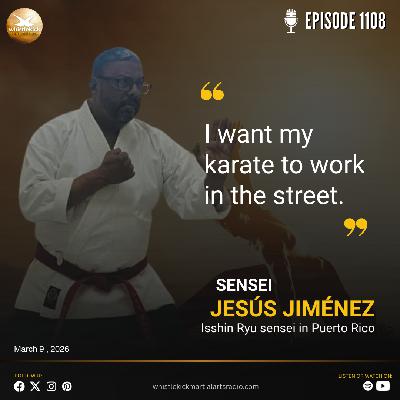
SUMMARY In this conversation, Sensei Jesús M. Jiménez shares his journey through martial arts, beginning with judo at a young age and transitioning to karate. He discusses the impact of martial arts on his confidence, discipline, and academic performance, as well as the challenges of teaching and learning different styles. The conversation highlights the evolution of his understanding of karate from a sport to a deeper, more scientific approach. Jesús also emphasizes the importance of understanding movement, the role of a sensei, and the cultural differences in training between Puerto Rico and the United States. He discusses his experiences with various weapons, the evolution of his training methods, and his aspirations for the future of karate. Jiménez encourages continuous learning and adaptation in martial arts, highlighting the significance of basics and practical application in self-defense. TAKEAWAYS Martial arts began for Jesús at age 11 with judo. Karate helped him gain confidence and social skills. He transitioned from judo to karate at age 18. Family support was minimal, but he persevered. Tournaments in the past were bare knuckle and intense. He learned more from teaching than from his own instructors. Karate is a science involving body mechanics and physics. He found a love for kata later in his martial arts journey. His academic performance improved significantly due to karate. He integrated lessons from various martial arts styles into his teaching. Weapons training enhances martial arts skills. Training across borders offers diverse experiences. Puerto Rico has a unique martial arts culture. Karate training in the U.S. is often more sport-oriented. Evolving training methods reflect personal growth. Continuous learning is essential in martial arts. Adapting to different cultures enriches martial arts practice. Join our EXCLUSIVE newsletter to get notified of each episode as it comes out! Subscribe — whistlekick Martial Arts Radio
SUMMARY In this episode, Andrew and Jeremy discuss the complexities of leaving a martial arts school, exploring the reasons, timing, and methods for making such a significant decision. They also brainstorm creative collaboration ideas for martial arts podcasts, reflecting on their experiences and the importance of community in martial arts training. In this conversation, Andrew Adams and Jeremy Lesniak explore the various reasons why martial artists may choose to leave their schools. They discuss the importance of aligning personal goals with the training environment, the necessity of communication with instructors, and the respectful ways to exit a martial arts school. The conversation emphasizes the significance of feeling valued and safe in training, as well as the common mistakes individuals make when departing from their martial arts journey. TAKEAWAYS The decision to leave a martial arts school should not be taken lightly. It's important to communicate concerns before leaving a school. Understanding the timing of leaving is crucial for personal growth. Mistakes made by instructors can impact students' decisions to stay or leave. Establishing oneself in a school creates responsibilities when considering leaving. Exploring the 'why' behind leaving can help clarify personal values. Alignment between personal goals and the training environment is crucial. Feeling stagnant in growth can lead to a desire to leave. Safety and health should always be prioritized in training. Instructors should be open to communication about student concerns. Feeling taken advantage of can be a significant reason for leaving. Respectful communication is essential when exiting a school. Avoid ghosting; communicate your departure respectfully. Recognize the importance of belonging in a training environment. It's okay to seek new experiences in martial arts. Join our EXCLUSIVE newsletter to get notified of each episode as it comes out! Subscribe — whistlekick Martial Arts Radio
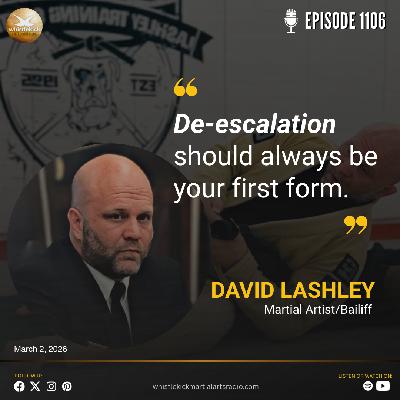
SUMMARY In this conversation, David Lashley shares his unique journey from working in juvenile court to becoming a bailiff, highlighting the insights gained from his experiences in both roles. He discusses the challenges of applying martial arts training in real-life situations, the importance of understanding youth behavior, and the reality checks that come with martial arts practice. The conversation also touches on the significance of family support in pursuing martial arts and law enforcement careers, as well as the lessons learned from working with troubled youth. In this conversation, David Lashley also discusses the evolution of acceptable behavior in schools, the challenges of classroom management, and the importance of de-escalation techniques. He emphasizes the influence of personal experiences on training methods and the need for awareness in self-defense situations. Lashley also highlights the role of ego in conflict and the significance of teaching self-defense with a focus on survival rather than competition. The discussion culminates in insights from his courtroom experiences and the release of his book on awareness and safety. TAKEAWAYS The role of a bailiff is often misunderstood. Working with youth requires a different approach than adults. Martial arts training can provide valuable insights into handling violence. Reality checks in martial arts can be difficult but necessary. Family support is crucial in pursuing martial arts and law enforcement careers. Transitioning from juvenile court to bailiff was a significant career shift. Understanding the dynamics of violence is essential for martial artists. The journey into law enforcement can be influenced by personal experiences. Acceptable behavior in schools has evolved significantly over the past 25 years. Personal experiences shape training methods and perspectives on conflict. De-escalation techniques are crucial in preventing violence. Awareness and understanding of ego play vital roles in conflict resolution. Complacency in security roles can lead to dangerous situations. Real-life courtroom experiences provide valuable lessons for self-defense. Martial arts training serves as a form of mental and physical outlet. For David's book: Eyes Wide Open: From Courtroom to Street: Lashley, David: 9798305896541: Amazon.com: Books Join our EXCLUSIVE newsletter to get notified of each episode as it comes out! Subscribe — whistlekick Martial Arts Radio
SUMMARY In this episode, Andrew Adams and Greg Lynham engage in a comprehensive discussion about the concept of rank in martial arts. They explore the nature of testing for rank, the implications of being awarded rank without testing, and the importance of physical ability and character in determining rank. The conversation also touches on the differences in rank across various martial arts schools and emphasizes the significance of individual progress over comparison with others. They explore various aspects of martial arts, focusing on the significance of junior black belts, the role of rank stripes, and the implications of fitness tests in black belt grading. They discuss the importance of adapting curricula for different age groups, the impact of disability on teaching, and the nuances of colored belts in martial arts. The dialogue emphasizes the need for understanding and respect within the martial arts community, as well as the importance of teaching methods that align with students' abilities and experiences. TAKEAWAYS The conversation centers around the concept of rank in martial arts. Testing for rank varies significantly between different schools and styles. Higher ranks often involve less physical testing and more focus on teaching and character. Physical ability can impact a student's ability to test, but should not determine their rank. Character and personal growth are crucial elements in martial arts training. Rank should not be stripped away due to declining physical ability with age. Martial arts should be inclusive and accessible to everyone, regardless of physical limitations. Comparing ranks across different schools can be misleading due to varying criteria and curriculums. Individual progress should be prioritized over competition with peers. The journey in martial arts is as important as the rank achieved. Junior black belts are not equivalent to adult black belts. Separate curricula for kids and adults can be beneficial. Awarding junior black belts can be appropriate after sufficient training. Rank stripes can help indicate progression beyond black belt. Fitness tests in black belt grading may not reflect martial arts skills. Teaching ability can exist independently of physical fitness. Join our EXCLUSIVE email newsletter to get notified of each episode as it comes out! https://www.whistlekickmartialartsradio.com/subscribe
SUMMARY In this engaging conversation, Reggie Darden shares his journey into martial arts, discussing his early influences, the impact of iconic figures like Bruce Lee, and his experiences with Kempo training. The discussion also touches on the technical aspects of podcasting and the challenges faced in balancing technology with content creation. In this conversation, Reggie Darden shares his unique journey through martial arts, starting from his childhood fascination with karate to his experiences in the military and his exploration of various martial arts styles, including Capoeira. He discusses the challenges and joys of cross-training in multiple disciplines, the sense of community within martial arts, and his motivation to start a podcast to share stories and insights from the martial arts world. He also discusses the joys of storytelling through podcasting, the impact of martial arts on personal growth, and the importance of community. The conversation also touches on the evolution of Reggie's podcast, 'My Empty Hands,' and the significance of embracing fear to pursue new opportunities. TAKEAWAYS Reggie has been interested in martial arts since childhood. He started formal training in the early 90s. Influenced by martial arts films, especially The Perfect Weapon. Bruce Lee's impact on martial arts is undeniable, but he feels he's overrated. The Perfect Weapon inspired Reggie to pursue Kempo. Reggie's father had concerns about martial arts being dangerous. Reggie enjoys the technical side of podcasting. Reggie watched martial arts classes for nearly a year before training. Reggie trained intensely once he officially started karate. He joined the army and sought martial arts training on base. Capoeira classes offer a unique and energetic experience. The martial arts community fosters instant connections among practitioners. Cross-training can blur the lines between different martial arts styles. Podcasting about martial arts was inspired by other shows. Reggie enjoys sharing stories from various martial artists. Inspiration can come from unexpected places. Embrace fear as a motivator for action. Life is too short to hesitate on your passions. Start today instead of waiting for the perfect moment. Community support is vital in martial arts and beyond. To connect with Reggie Darden: www.myemptyhands.net Join our EXCLUSIVE newsletter to get notified of each episode as it comes out! Subscribe — whistlekick Martial Arts Radio
SUMMARY In this episode, Andrew Adams and Master Audrey Hussey discuss various aspects of martial arts, including the importance of rank and titles, the role of instructors, and the impact of martial arts on youth. The conversation also touches on the benefits of martial arts for individuals of all ages and the need for effective teaching methods in martial arts schools. They also discuss a unique type of yoga that Master Hussey is getting involved with. TAKEAWAYS Master Hussey emphasizes the importance of empowering youth through martial arts. Rank and titles in martial arts do not define a person's ability or worth. Teaching methods in martial arts should be tailored to individual students' needs. Instructors should not be expected to teach without proper training and support. Martial arts can be practiced at any age and offers lifelong benefits. The impact of martial arts extends beyond physical skills to include character development. Social media plays a crucial role in promoting martial arts schools. Learning new techniques and styles can enhance a martial artist's skills. Confidence and self-defense skills are essential for women and youth. Martial arts education should be integrated into public school systems. Join our EXCLUSIVE newsletter to get notified of each episode as it comes out! Subscribe — whistlekick Martial Arts Radio
SUMMARY In this episode, Sensei Ronnie Cimorosi shares his journey into martial arts, starting from his first encounter with martial arts at a VA hospital in 1984. He discusses the profound influence of his sensei, Grandmaster Toby Cooling, and emphasizes the importance of respect, etiquette, and community in martial arts training. Sensei Cimorosi reflects on his teaching philosophy, the legacy he aims to uphold, and the personal growth he witnesses in his students. Through heartfelt stories, he illustrates the impact of martial arts on life and the values he strives to pass on to future generations. He discusses the role of competition in building respect among peers and how martial arts has helped him overcome personal challenges, including health issues. Looking to the future, he expresses hope for the next generation of martial artists and the legacy of his teachings. TAKEAWAYS Sensei Cimorosi started martial arts in 1984 after witnessing a confrontation at work. His first sensei was Grandmaster Toby Cooling, who passed away in 2022. He emphasizes the importance of dojo etiquette and respect in martial arts training. He believes that martial arts is not just about fighting but about building a community and family. He feels a strong obligation to his students and the legacy of his sensei. His teaching philosophy is influenced by his sensei's natural ability to teach in any situation. He values the personal growth of his students over trophies and accolades. He aims to pass on the values and integrity taught by his sensei to the next generation. He shares a touching story about his sensei's support for a student recovering from a stroke. Teaching is about more than just martial skills; it's about instilling values. Competition can foster respect and recognition among martial artists. Martial arts can provide a sense of purpose and community. Overcoming adversity through martial arts can lead to personal growth. Building a legacy through the success of students is a key goal. The future of martial arts lies in nurturing the next generation.
SUMMARY In this episode, Jeremy and Andrew discuss the evolving reasons for martial arts training, emphasizing the importance of soft skills, community, and emotional resilience. They explore how societal trends have shifted perceptions of martial arts, moving beyond self-defense to focus on personal growth and community building. The conversation highlights the value exchange in martial arts training and the necessity for schools to provide compelling reasons for students to engage in their programs. They explore the evolving landscape of martial arts, emphasizing the importance of redefining success beyond physical skills. They discuss the shift towards non-physical benefits, such as mindfulness and community, and how these elements can enhance the martial arts experience. The conversation highlights the need for instructors to communicate these benefits effectively to attract and retain students, ultimately fostering a more supportive and engaged martial arts community. TAKEAWAYS The reasons people train in martial arts have evolved over time. Community and emotional resilience are key benefits of martial arts training. Traditional martial arts offer more than just physical benefits. Meditation can be a significant aspect of martial arts practice. Youth programs teach discipline and focus that benefit adults too. Performance anxiety is a common struggle that martial arts can help address. Martial arts training provides a sense of belonging and community. The value exchange in martial arts is crucial for student retention. Schools must compete with various activities for students' time and money. Success in martial arts is often misdefined by physical outcomes. Non-physical benefits are becoming increasingly important in martial arts training. Martial arts can serve as a healthier coping mechanism for stress. Traditional martial arts can adapt to meet various personal needs. Effective marketing should highlight the holistic benefits of martial arts. Students should recognize the value of their training beyond physical skills. Instructors must balance physical training with emotional and mental support. Engaging students in mindfulness practices can improve retention and satisfaction. Join our EXCLUSIVE newsletter to get notified of each episode as it comes out! Subscribe — whistlekick Martial Arts Radio
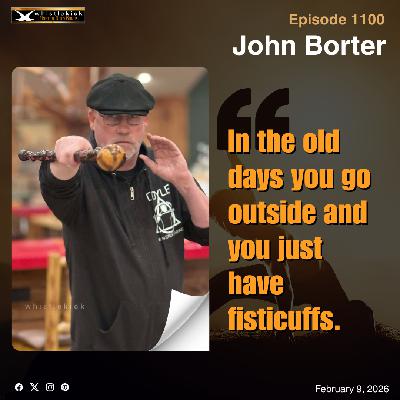
SUMMARY In this episode, Andrew Adams speaks with John Borter about his journey in martial arts, starting from his late entry into Taekwondo to his current focus on Irish stick fighting. They discuss the challenges of transitioning from student to instructor, the differences between various martial arts styles, and the cultural aspects that influence Irish stick fighting. Borter shares insights from his experiences, including teaching at Wally J's 90th birthday celebration and the unique principles that differentiate Filipino martial arts from Irish stick fighting. In this conversation, John Borter discusses the rich history and cultural significance of Irish stick fighting, tracing its roots back to centuries of occupation and oppression in Ireland. He explains how the British penal laws impacted the Irish population and led to the development of stick fighting as a means of self-defense and community expression. Borter highlights the Shillelagh as a traditional weapon and its evolution over time. He also emphasizes the role of social media in reviving interest in Irish stick fighting and the importance of maintaining the integrity of the Doyle system for future generations. TAKEAWAYS John Borter started martial arts at 28 due to work schedule. Borter gravitated towards Hapkido for its joint locking techniques. He trained with Professor Wally J in Small Circle Jiu Jitsu. Borter transitioned to Irish stick fighting after closing his school. The transition from student to instructor was natural for him. Borter emphasizes the differences between Filipino and Irish stick fighting. He believes that each martial art has unique principles and techniques. Cultural aspects play a significant role in Irish stick fighting. Irish history is marked by centuries of occupation and cultural suppression. The British penal laws severely restricted the rights of Irish Catholics. Irish stick fighting evolved as a response to oppression and cultural loss. Faction fights were a form of social expression and community bonding. The Shillelagh is a traditional Irish weapon made primarily from blackthorn. Blackthorn is favored for its durability and historical significance in stick fighting. Social media has played a crucial role in reviving interest in Irish stick fighting. Maintaining the integrity of the Doyle system is essential for its legacy. Future growth of Irish stick fighting is expected while preserving its core traditions. Join our EXCLUSIVE newsletter to get notified of each episode as it comes out! Subscribe — whistlekick Martial Arts Radio
In this episode, we're bringing you Jeremy's 2026 State of the Martial Arts Address and what we could do to move forward. Join our EXCLUSIVE newsletter to get notified of each episode as it comes out! Subscribe — whistlekick Martial Arts Radio
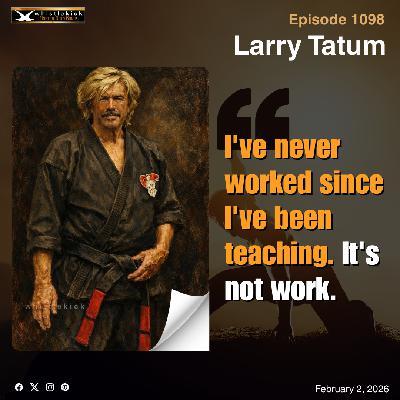
SUMMARY In this conversation, Larry Tatum shares his extensive journey in martial arts, spanning over 60 years. He discusses how he began his training at a young age, the impact of Ed Parker's Kenpo school on his life, and the importance of respect and discipline in martial arts. Tatum emphasizes the role of martial arts in personal growth, teaching, and embracing reality, while also highlighting the significance of communication in teaching martial arts effectively. In this conversation, Jeremy Lesniak and Larry Tatum delve into the intricacies of teaching martial arts, exploring the cultural significance of techniques, the ethical responsibilities of instructors, and the personal growth that comes from teaching. Tatum shares insights from his extensive experience, emphasizing the importance of understanding the emotional and ethical dimensions of martial arts. He also discusses his journey as a writer, highlighting the therapeutic aspects of reliving experiences through storytelling. The conversation culminates in a reflection on the spiritual dimensions of teaching and the profound impact it can have on both instructors and students. TAKEAWAYS Larry Tatum has over 60 years of martial arts experience. His journey began with judo and transitioned to Kenpo at age 15. Martial arts provided him with discipline and improved his academic performance. The culture at Ed Parker's school emphasized respect and acknowledgment. Training involved sparring with older, more experienced practitioners. Martial arts teaches students to embrace reality and break down emotional walls. Teaching should focus on communication and understanding beyond physical techniques. Larry emphasizes the importance of parables in teaching martial arts. He believes that martial arts can help individuals find their place in society. Cultural significance in techniques teaches ethical behavior. The more you teach, the more you learn. Martial arts instruction requires ethical responsibility. Teaching is not just about physical skills; it's about emotional understanding. Promoting students too quickly can hinder their journey. Writing about teaching is a therapeutic process. Join our EXCLUSIVE newsletter to get notified of each episode as it comes out! Subscribe — whistlekick Martial Arts Radio
SUMMARY In this episode, Andrew Adams and Jeremy Lesniak explore the perception of martial artists as societal outcasts. They discuss the unique aspects of martial arts training that can be seen as strange by outsiders, the sense of community and belonging that practitioners find within their training, and the evolving perception of martial arts in society. The conversation emphasizes the importance of individuality and self-expression in martial arts, and how being an outcast can be empowering rather than negative. TAKEAWAYS Martial arts can be perceived as strange by outsiders. Many martial artists embrace their identity despite societal norms. The commitment to martial arts often leads to a sense of community among practitioners. Injuries and physicality in martial arts can create a unique bond among practitioners. The perception of martial arts has evolved over time, becoming more mainstream. Soft skills are increasingly valued in martial arts training. Martial artists often feel a sense of belonging within their training community. The concept of being an outcast can be empowering for martial artists. Martial arts training can provide a sense of identity and purpose. Criticism from others often stems from their own insecurities. Join our EXCLUSIVE newsletter to get notified of each episode as it comes out! Subscribe — whistlekick Martial Arts Radio
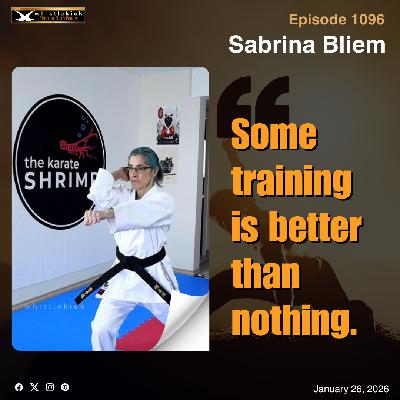
SUMMARY In this episode, Sabrina Bliem, aka The Karate Shrimp, shares her transformative journey into martial arts, starting at age 41, and how it became a vital outlet during challenging times. She discusses her transition into the online martial arts community, the challenges she faced, including dealing with a stalker, and how these experiences shaped her relationship with martial arts. Sabrina emphasizes the importance of creating a conducive training environment at home and shares her insights on maintaining consistency in practice, even amidst life's challenges. In this conversation, she emphasizes the importance of having a dedicated training space, the value of consistency, and overcoming the stigma associated with solo training. She discusses how personal experiences and challenges have shaped her approach to training and teaching, highlighting the significance of sharing stories and building an online community. Sabrina also reflects on rediscovering her passion for martial arts and the impact of being authentic and vulnerable in her content creation. TAKEAWAYS Sabrina started karate at age 41 as a coping mechanism. She found a supportive community in martial arts. The online space can be liberating when starting out. Facing fears is a recurring theme in her journey. Dealing with online negativity is part of making an impact. Training at home requires creating a conducive environment. Consistency can be achieved through small, manageable steps. Five minutes of training is better than none. It's important to prioritize mental health and well-being. Solo training can be just as valuable as in-person training. Overcoming stigma around online and solo training is essential for personal growth. Rediscovering passion for martial arts can come from being authentic and vulnerable. You are stronger than you think, and resilience from martial arts translates to life. To connect with Sabrina Bliem: https://youtube.com/@thekarateshrimp https://www.instagram.com/thekarateshrimp https://www.facebook.com/thekarateshrimp https://www.thekarateshrimp.com/ Join our EXCLUSIVE newsletter to get notified of each episode as it comes out! Subscribe — whistlekick Martial Arts Radio
SUMMARY In this Part 2 conversation, Andrew Adams and Paul Coffey discuss martial arts from a trauma-informed perspective, emphasizing the importance of understanding the physical and psychological aspects of self-defense. They explore various techniques that can be used to de-escalate situations without resorting to violence, highlighting the distinction between ceremonial and non-ceremonial violence. The discussion also covers the need for martial arts instructors to adapt their teaching methods to accommodate students with trauma backgrounds, ensuring a safe and supportive learning environment. They delve into the complexities of violence, self-defense, and the importance of realistic training in martial arts. They discuss the different types of violence, the necessity of teaching practical self-defense techniques, and the significance of training in everyday clothing to prepare students for real-life scenarios. The conversation emphasizes the need for martial arts instructors to create a safe learning environment while also encouraging problem-solving skills in their students. TAKEAWAYS Martial arts can be approached from a trauma-informed perspective. Physical techniques can be adapted for students with trauma. Non-ceremonial violence requires more responsibility from martial artists. Ceremonial violence in the dojo differs from real-world situations. Space and separation are crucial in self-defense scenarios. Understanding the difference between strikes and pushes is important. Instructors should present material that meets students' needs. Crisis intervention techniques can be effective in self-defense. Teaching should focus on de-escalation and control rather than aggression. Training in street clothes can be very different and should be practiced. Join our EXCLUSIVE email newsletter to get notified of each episode as it comes out! https://www.whistlekickmartialartsradio.com/subscribe
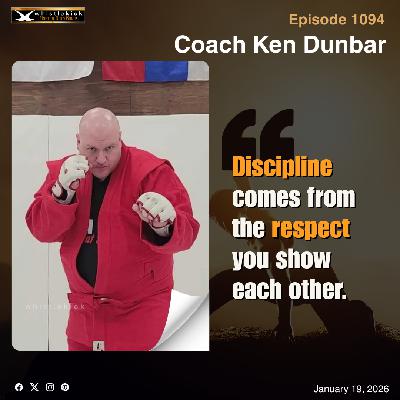
SUMMARY In this engaging conversation, Coach Ken Dunbar and Jeremy Lesniak explore the intersection of traditional martial arts and modern combat sports, discussing the influence of pop culture, personal journeys in martial arts, teaching philosophies, and the importance of adaptability in training. They delve into the challenges of authority in martial arts instruction and the evolution of training methods, emphasizing the need for a balance between tradition and innovation. In this conversation, Coach Dunbar shares his journey through martial arts, discussing the evolution of training methods, the importance of community, and the balance between traditional and modern martial arts. He emphasizes the need for respect and discipline in training environments and reflects on the cultural aspects of MMA and traditional martial arts. He also highlights the significance of adapting techniques and fostering a supportive atmosphere for students. TAKEAWAYS Personal experiences shape one's martial arts journey. The need for flexibility in teaching methods. Authority in martial arts can hinder personal growth. Creating a supportive learning environment is crucial. Self-study can be a valuable part of martial arts training. The significance of mentorship in martial arts. Understanding the difference between tradition and combat effectiveness. The evolution of teaching styles over time. The impact of pop culture on martial arts participation. Family discussions about world events shaped Ken's perspective. Ken emphasizes the importance of pressure testing in martial arts. He believes traditional martial arts can learn from modern combat sports. Ken's journey includes starting a fight team in his parents' yard. Ken's community grew during the COVID-19 pandemic despite restrictions. He advocates for the evolution of martial arts techniques over rigid traditions. Teaching respect and discipline is crucial in martial arts. MMA training often lacks the culture of respect found in traditional martial arts. Building a supportive community enhances the training experience. Discipline in martial arts goes beyond traditional practices. Finding the right school can change your life. Progress comes from addressing weaknesses in training. A supportive environment fosters resilience and accountability. To connect with Coach Dunbar: FB: https://www.facebook.com/GlacierCombatArts Website: Martial Arts Home - Glacier Combat Arts Youtube: (252) Glacier Combat Arts - YouTube IG: https://www.instagram.com/glaciercombat Join our EXCLUSIVE newsletter to get notified of each episode as it comes out! Subscribe — whistlekick Martial Arts Radio
SUMMARY In this episode, Andrew is joined by Paul Coffey and they discuss the importance of teaching martial arts from a trauma-informed perspective. They explore the nuances of class planning, the distinction between soft and hard skills, and how to effectively navigate violence and nonviolence in martial arts education. The conversation emphasizes the need for sensitivity and understanding when working with students who may have experienced trauma, and the importance of effective communication in creating a safe learning environment. In this conversation, Paul Coffey discusses the importance of crisis intervention and soft skills in martial arts, particularly for vulnerable populations. He emphasizes the need for instructors to build trust with their students, create a safe training environment, and understand the significance of intention in martial arts practice. The discussion also highlights the necessity of teaching nonviolent techniques for self-defense and the critical role of listening to students to address their unique needs and traumas. TAKEAWAYS · Teaching from a trauma-informed perspective is essential. · Nonviolent individuals can learn to navigate violent situations. · Soft skills in martial arts are crucial for effective teaching. · Class planning should consider the audience's background. · The distinction between soft and hard skills is important. · Trauma can affect how individuals respond to violence. · Effective communication is key in trauma-informed teaching. · Crisis intervention is essential before physical conflict occurs. · Soft skills can help mitigate damage while protecting oneself. · Building trust with students is crucial for effective teaching. · Instructors must listen to both verbal and non-verbal cues from students. · Creating a safe training environment is vital for trauma-informed practices. · Intention in martial arts training can change the perception of techniques. · Every trauma is valid; do not compare traumas. · Teaching nonviolent techniques can empower students who have experienced trauma. · Instructors should express boundaries clearly to foster a safe space. · Listening to students can reveal their unspoken needs and concerns. Join our EXCLUSIVE newsletter to get notified of each episode as it comes out! Subscribe — whistlekick Martial Arts Radio
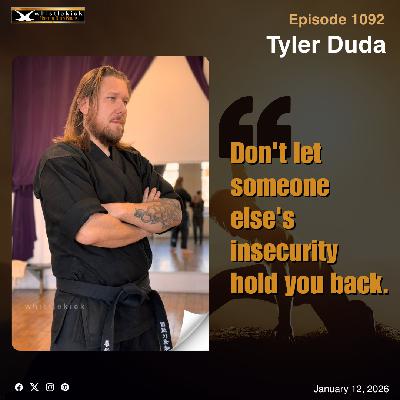
In this conversation, Tyler Duda shares his journey in martial arts, discussing the transition from running a commercial studio to a more laid-back club environment. He reflects on the challenges of navigating relationships with students and instructors, the importance of teaching and learning, and the personal growth he experienced through martial arts. Tyler emphasizes the significance of doing things the right way and maintaining respect in the martial arts community. He emphasizes the importance of teaching, personal growth, and building a positive school culture. He discusses the challenges he faced in his early training, the significance of asking questions, and how he aims to create an inclusive environment for his students. Tyler also highlights the role of culture in martial arts schools and his aspirations to improve the Kempo community by providing more opportunities for training and connection among practitioners. TAKEAWAYS The transition from a commercial studio to a club allows for more flexibility. Teaching martial arts can lead to personal growth and self-reflection. Navigating relationships in martial arts requires respect and communication. The effectiveness of martial arts can be seen even in less structured environments. Starting martial arts later in life can still lead to a deep passion for the art. Self-defense interests can lead individuals to martial arts training. Teaching helps instructors identify their own mistakes and improve their skills. Maintaining integrity when students want to follow you is crucial. Teaching can help overcome personal challenges like shyness. Effective teaching involves mutual learning between instructor and student. Admitting when you don't know something is crucial in teaching. Students should feel empowered to ask questions without fear. The environment of a school, including its cleanliness and smell, impacts student experience.
SUMMARY In this engaging conversation, Andrew Adams and Sensei Ando explore the multifaceted world of martial arts, emphasizing the importance of continuous learning, the challenges faced by students, and the role of instructors in guiding their students. They discuss the significance of tailoring techniques to individual needs, the misconceptions surrounding the best martial arts, and the impact of music in training environments. The dialogue culminates in a reflection on the responsibilities of teachers to provide meaningful experiences that prepare students for real-life situations. TAKEAWAYS Continuous learning is essential in martial arts. The 'Wednesday Wall' is a common challenge for students. Techniques should be tailored to individual students' needs. Not every technique works for every person. Martial arts is not just about showing up; practice is crucial. Music can distract from the focus needed in training. Defining martial arts can vary based on personal experiences. Teachers should guide students towards deeper understanding. Exposure to real experiences is vital for student growth. The goal is to provide as much value as possible in training. Join our EXCLUSIVE newsletter to get notified of each episode as it comes out! Subscribe — whistlekick Martial Arts Radio
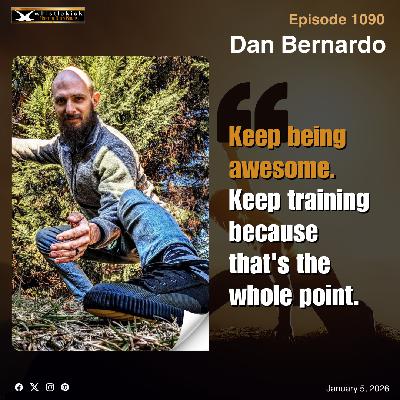
SUMMARY In this conversation, Dan Bernardo shares his experiences as a martial arts instructor, discussing the challenges and rewards of teaching Tai Chi to elderly students, the balance of multiple teaching roles, and the evolution of virtual training in martial arts. He reflects on the integration of diverse practices, such as calligraphy and archery, into his martial arts philosophy, emphasizing the importance of depth over breadth in training and the personal growth that comes from teaching. He also discusses the personal journey of becoming a martial artist, the significance of personal expression in training, and the balance between chaos and structure in the learning environment. TAKEAWAYS Backup plans are important in teaching. Teaching the elderly can enhance instructor confidence. Virtual classes can reach students globally. Cross-training enriches martial arts practice. Calligraphy connects to martial arts philosophy. Learning new skills can provide balance and joy. Teaching is a unique connection between instructor and student. Forms are essential for understanding martial arts techniques. Personal growth is intertwined with teaching others. Writing a book solidifies knowledge and shares insights. Join our EXCLUSIVE newsletter to get notified of each episode as it comes out! Subscribe — whistlekick Martial Arts Radio
SUMMARY In this episode, Jeremy Lesniak and Andrew Adams discuss various aspects of setting and achieving martial arts goals for the upcoming year. They delve into the importance of consistency in training. The conversation also covers the significance of defining clear goals, converting kata, and the essential steps to opening a martial arts school, emphasizing the need for a suitable location and actionable sub-goals. They also discuss the importance of commitment in martial arts, the necessity of setting realistic goals, and the discipline required to achieve them. They emphasize how martial arts training can support broader life goals and the significance of addressing physical limitations. The discussion also covers the value of consistent training, the journey to achieving black belts, and the personal reflections on facing mortality. They conclude with insights on effective goal setting and the importance of accountability in achieving one's aspirations. TAKEAWAYS Setting realistic martial arts goals can enhance motivation. Goals must be clearly defined to be effective. External motivation fades; internal motivation is key. Converting kata requires focus on differences between styles. Opening a martial arts school involves more than just passion. Finding a location is the most critical step in opening a school. Sub-goals help in managing larger objectives effectively. Setting realistic goals is crucial for success in martial arts. Discipline is essential for achieving any goal. Consistent training, even in small increments, leads to significant improvement. Achieving black belts requires dedication and a clear plan. Facing personal challenges can be a journey of self-discovery. Writing down goals increases accountability and focus. Empowering language in goal setting can enhance motivation. Join our EXCLUSIVE newsletter to get notified of each episode as it comes out! Subscribe — whistlekick Martial Arts Radio


Download from Google Play

Download from App Store
 United States
love everything your doing with the arts brother! But on a real note why with all the brands are there no tall sizes?! I'm a 6'9" practitioner, and wear between a 3xlt to a 4xlt but no marital arts brand has any! including yours help us bigger ones out!
I really enjoyed this episode as I am big MMA fan who does Taekwon-Do. I think your view of UFC fighters is slightly jaundiced however, despite my sharing your opinion on McGregor's antics (I'm also from Ireland). Dustin Poirier, his last opponent, is a complete contrast who has his own charitable foundation. The vast majority of UFC fighters are also very respectful post-fight but the WWE like behaviour of people like McGregor and Colby Covington drags them all down.
Dillman is a snake oil salesman the martial arts world is better without his BS.
Great episode!