


 Claim Ownership
The Indicator from Planet Money
Subscribed: 62,880Played: 8,735,839
Subscribe


© Copyright 2015-2021 NPR - For Personal Use Only
Description
A bite-sized show about big ideas. From the people who make Planet Money, The Indicator helps you make sense of what's happening in today's economy. It's a quick hit of insight into money, work, and business. Monday through Friday, in 10 minutes or less.
1806 Episodes
Reverse
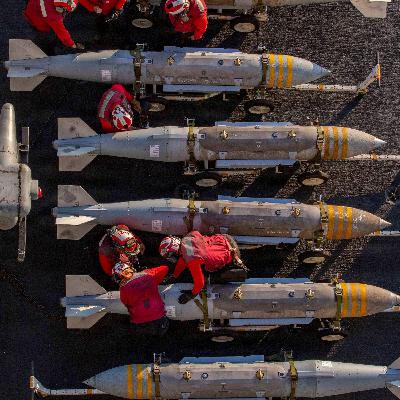
It’s really hard to estimate the total cost of war in the middle of one. Over the first six days of the Iran war, an estimated $11.3 billion was charged to the public purse. But long-term costs take years to manifest. Even daily costs are fuzzy. Take munitions: the Department of Defense hasn’t budgeted for many of the bombs it's dropping. One more time. The bombs – the bombs! – are not totally priced in.On today’s show, estimating the cost of the Iran war right now. And how healthcare, disability benefits, environmental costs and interest payments could add to its future price tag.Come see Planet Money live on stage in April! Twelve cities. Details and tix here: https://tix.to/pm-book-tour. Related episodes: A trucker, a farmer, and an entrepreneur walk into a global supply shockA lot of gas trapped, oil reserves tapped, and Live Nation gets a (tiny) capWill Trump’s shipping insurance plan work?For sponsor-free episodes of The Indicator from Planet Money, subscribe to Planet Money+ via Apple Podcasts or at plus.npr.org. Fact-checking by Sierra Juarez. Music by Drop Electric. Find us: TikTok, Instagram, Facebook, Newsletter.To manage podcast ad preferences, review the links below:See pcm.adswizz.com for information about our collection and use of personal data for sponsorship and to manage your podcast sponsorship preferences.Learn more about sponsor message choices: podcastchoices.com/adchoicesNPR Privacy Policy
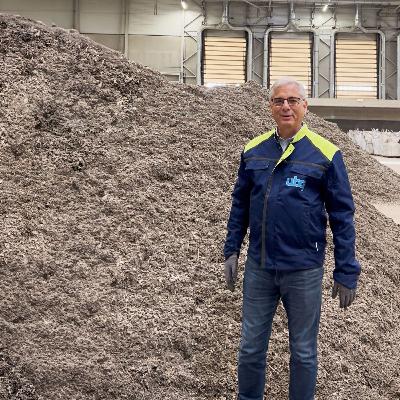
The U.S. and Israel war with Iran is causing a shock to the economic system. Gas prices are higher, diesel too, and even fertilizer is being affected. Today on the show, we speak to three people about the economic ripple effects of the conflict: a truck driver, an Iowa corn farmer, and a manufacturer of an alternative to plastics.Come see Planet Money live on stage in April! 12 cities. Details and tix here: https://tix.to/pm-book-tour. Related episodes: A lot of gas trapped, oil reserves tapped, and Live Nation gets a (tiny) capWill Trump’s shipping insurance plan work? How Iran’s flagging economy inflamed its protests For sponsor-free episodes of The Indicator from Planet Money, subscribe to Planet Money+ via Apple Podcasts or at plus.npr.org. Fact-checking by Sierra Juarez. Music by Drop Electric. Find us: TikTok, Instagram, Facebook, Newsletter. To manage podcast ad preferences, review the links below:See pcm.adswizz.com for information about our collection and use of personal data for sponsorship and to manage your podcast sponsorship preferences.Learn more about sponsor message choices: podcastchoices.com/adchoicesNPR Privacy Policy
 2
2If you were in the business of making a bunch of money in 2026, you probably wouldn’t pick journalism. From social media to AI, the attention economy has upended the economic calculus for delivering news. But some entrepreneurs are looking to buck the trend.Today on the show, we examine what the success of two startups could mean for the future of journalism.Come see Planet Money live on stage in April! 12 cities. Details and tix here: https://tix.to/pm-book-tour. Related episodes: A brief history of NPR funding For sponsor-free episodes of The Indicator from Planet Money, subscribe to Planet Money+ via Apple Podcasts or at plus.npr.org. Fact-checking by Sierra Juarez. Music by Drop Electric. Find us: TikTok, Instagram, Facebook, Newsletter.To manage podcast ad preferences, review the links below:See pcm.adswizz.com for information about our collection and use of personal data for sponsorship and to manage your podcast sponsorship preferences.Learn more about sponsor message choices: podcastchoices.com/adchoicesNPR Privacy Policy
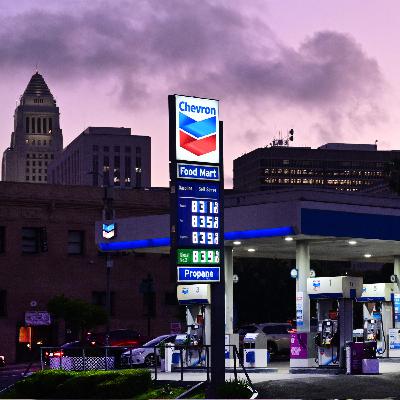
It’s Indicators of the Week (now on YouTube!), our weekly look at some of the most fascinating economic numbers from the news. On today’s episode: How big is this gas crisis and could releasing oil reserves help? Also, Live Nation gets a deal from the government. Related episodes: Are concert tickets UNDER priced? Will Trump’s shipping insurance plan work? For sponsor-free episodes of The Indicator from Planet Money, subscribe to Planet Money+ via Apple Podcasts or at plus.npr.org. Fact-checking by Julia Ritchey and Corey Bridges. Music by Drop Electric. Find us: TikTok, Instagram, Facebook, Newsletter. To manage podcast ad preferences, review the links below:See pcm.adswizz.com for information about our collection and use of personal data for sponsorship and to manage your podcast sponsorship preferences.Learn more about sponsor message choices: podcastchoices.com/adchoicesNPR Privacy Policy
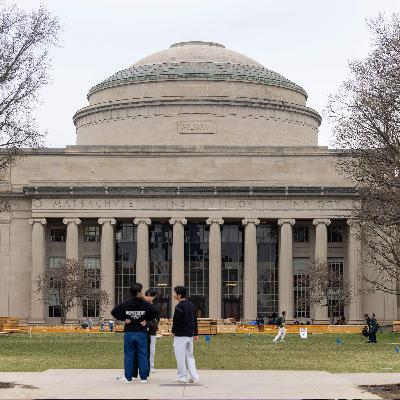
At a dinner in 2010, physicist Sean Carroll is handed a phone. On the other end: A wealthy patron looking to potentially fund his research. Months later came an invite to a conference. It would take place on an island. The caller was Jeffrey Epstein. Sean declined. Many others didn’t.On today’s show, why did so many academics say yes to Epstein’s invites and money? And what Epstein’s ability to ingratiate himself with them reveals about how science research is funded. Come see Planet Money live on stage in April! Twelve cities. Details and tix here: https://tix.to/pm-book-tour. Related episodes: What an Epstein recording reveals about how elites get jobsAmerican science brain drainFor sponsor-free episodes of The Indicator from Planet Money, subscribe to Planet Money+ via Apple Podcasts or at plus.npr.org. Fact-checking by Sierra Juarez. Music by Drop Electric. Find us: TikTok, Instagram, Facebook, Newsletter. To manage podcast ad preferences, review the links below:See pcm.adswizz.com for information about our collection and use of personal data for sponsorship and to manage your podcast sponsorship preferences.Learn more about sponsor message choices: podcastchoices.com/adchoicesNPR Privacy Policy
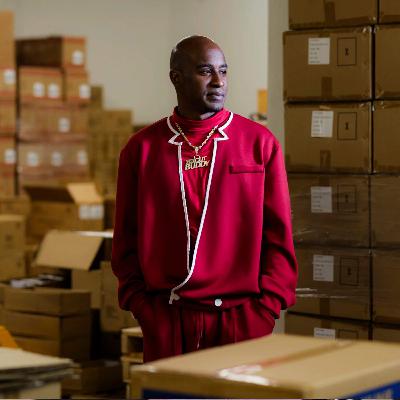
During the pandemic, mostly unregulated lenders went after struggling restaurants and music venues, charging at times sky high rates. Now, they’ve found a new market: small businesses that desperately need cash to pay tariffs.Today on the show, the story of a financial lifeline that can turn into a financial choke hold.Come see Planet Money live on stage in April! 12 cities. Details and tix here: https://tix.to/pm-book-tour. Related episodes: Can I get my tariff money back now? Three ways companies are getting around tariffs For sponsor-free episodes of The Indicator from Planet Money, subscribe to Planet Money+ via Apple Podcasts or at plus.npr.org. Fact-checking by Sierra Juarez. Music by Drop Electric. Find us: TikTok, Instagram, Facebook, Newsletter. To manage podcast ad preferences, review the links below:See pcm.adswizz.com for information about our collection and use of personal data for sponsorship and to manage your podcast sponsorship preferences.Learn more about sponsor message choices: podcastchoices.com/adchoicesNPR Privacy Policy
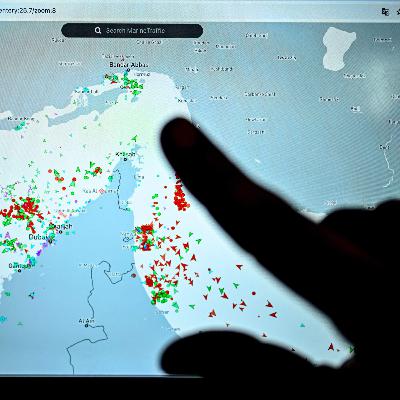
More than a thousand ships are stranded outside the Strait of Hormuz, bobbing in the water. A big reason? Insurance. War insurance premiums have skyrocketed since the war with Iran began. It’s an add-on that covers things regular insurance doesn’t, like missile strikes. And shippers don’t want to foot the bill or put their crews at risk. Cue the traffic jam. On today’s show, how a critical trade chokepoint became the parking lot of the sea. And taking stock of President Trump’s plan to offer reinsurance to get these ships sailing again.Related episodes: How the 'shadow fleet' helps Russia skirt sanctionsWill Iran block the Strait of Hormuz? For sponsor-free episodes of The Indicator from Planet Money, subscribe to Planet Money+ via Apple Podcasts or at plus.npr.org. Fact-checking by Sierra Juarez. Music by Drop Electric. Find us: TikTok, Instagram, Facebook, Newsletter. To manage podcast ad preferences, review the links below:See pcm.adswizz.com for information about our collection and use of personal data for sponsorship and to manage your podcast sponsorship preferences.Learn more about sponsor message choices: podcastchoices.com/adchoicesNPR Privacy Policy

It turns out healthcare in America CAN be cheaper. If your employer wants it to be. Today on the show, we speak with a Canadian-founded startup that has unusually generous benefits for their employees. Come see Planet Money live on stage in April! 12 cities. Details and tix here: https://tix.to/pm-book-tour. Related episodes: Health insurance premiums are going up next year — unless you work at these companiesHealth care costs are soaring. Blame insurers, drug companies — and your employerThe hidden costs of healthcare churnFor sponsor-free episodes of The Indicator from Planet Money, subscribe to Planet Money+ via Apple Podcasts or at plus.npr.org. Fact-checking by Sierra Juarez. Music by Drop Electric. Find us: TikTok, Instagram, Facebook, Newsletter. To manage podcast ad preferences, review the links below:See pcm.adswizz.com for information about our collection and use of personal data for sponsorship and to manage your podcast sponsorship preferences.Learn more about sponsor message choices: podcastchoices.com/adchoicesNPR Privacy Policy
The night shift isn’t for everyone, but it often means a boost in pay and a foot in the door. Yet a smaller share of Americans are working the graveyard shift than in decades past. Today on the show, where did all the third shift workers go? Come see Planet Money live on stage in April! 12 cities. Details and tix here: https://tix.to/pm-book-tour. Related episodes: Why Americans don’t want to move for jobs anymore For sponsor-free episodes of The Indicator from Planet Money, subscribe to Planet Money+ via Apple Podcasts or at plus.npr.org. Fact-checking by Sierra Juarez. Music by Drop Electric. Find us: TikTok, Instagram, Facebook, Newsletter. To manage podcast ad preferences, review the links below:See pcm.adswizz.com for information about our collection and use of personal data for sponsorship and to manage your podcast sponsorship preferences.Learn more about sponsor message choices: podcastchoices.com/adchoicesNPR Privacy Policy
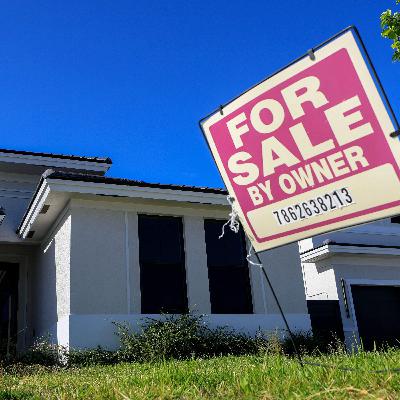
Remember those juicy mortgage rates from back in 2021? You don’t actually need a time machine to get one today. You just need to find someone willing to sell their house AND their mortgage to you. Called ‘assumable mortgages,’ they take a long time to get,, and you’ll probably need a fat wad of cash.On today’s show, how to buy your way into a cheap mortgage rate.Related episodes: How mortgage rates get madeHow mortgage interest rates work (and why they're currently out of whack)For sponsor-free episodes of The Indicator from Planet Money, subscribe to Planet Money+ via Apple Podcasts or at plus.npr.org. Fact-checking by Tyler Jones. Music by Drop Electric. Find us: TikTok, Instagram, Facebook, Newsletter.To manage podcast ad preferences, review the links below:See pcm.adswizz.com for information about our collection and use of personal data for sponsorship and to manage your podcast sponsorship preferences.Learn more about sponsor message choices: podcastchoices.com/adchoicesNPR Privacy Policy
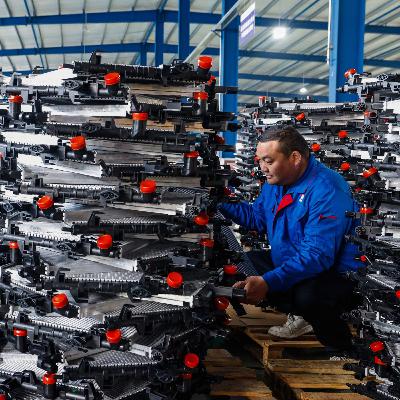
China will soon unveil its economic blueprint for the next five years, including a target for economic growth. This comes as consumption is down, wages aren’t rising, and property prices continue to drop. So what’s the plan? Today, we hear from NPR’s China correspondent Jennifer Pak about the challenges facing China’s economic policymakers.FYI, we are going on a book tour! Planet Money’s first ever book comes out in April. We’ll be celebrating in about a dozen cities. There’s a limited edition tote bag included with your ticket, while supplies last. Details, dates and how to get your ticket at planetmoneybook.com.Related episodes: What might save China’s economyChina’s luxury liquor indicatorFor sponsor-free episodes of The Indicator from Planet Money, subscribe to Planet Money+ via Apple Podcasts or at plus.npr.org. Fact-checking by Sierra Juarez. Music by Drop Electric. Find us: TikTok, Instagram, Facebook, Newsletter. To manage podcast ad preferences, review the links below:See pcm.adswizz.com for information about our collection and use of personal data for sponsorship and to manage your podcast sponsorship preferences.Learn more about sponsor message choices: podcastchoices.com/adchoicesNPR Privacy Policy

Paramount Skydance is making a $110 billion play for Warner Bros. Discovery, and with it intellectual property like Harry Potter, Batman, and subsidiaries HBO and CNN. On today’s show, who is the man behind the deal? Does he really want to make movies? Will any regulators try to stop it? FYI, we are going on a book tour! Planet Money’s first ever book comes out in April. We’ll be celebrating in about a dozen cities. There’s a limited edition tote bag included with your ticket, while supplies last. Details, dates and how to get your ticket at planetmoneybook.com.Related: The Warner Bros. curse (newsletter) Coyote vs. Warner Bros. For sponsor-free episodes of The Indicator from Planet Money, subscribe to Planet Money+ via Apple Podcasts or at plus.npr.org. Fact-checking by Sierra Juarez. Music by Drop Electric. Find us: TikTok, Instagram, Facebook, Newsletter. To manage podcast ad preferences, review the links below:See pcm.adswizz.com for information about our collection and use of personal data for sponsorship and to manage your podcast sponsorship preferences.Learn more about sponsor message choices: podcastchoices.com/adchoicesNPR Privacy Policy

Two economists get into the business—and stakes—of organ donation, and they argue why the government should financially compensate their families.FYI, we are going on a book tour! Planet Money’s first ever book comes out in April. We’ll be celebrating in about a dozen cities. There’s a limited edition tote bag included with your ticket, while supplies last. Details, dates and how to get your ticket at planetmoneybook.com.Related episodes: Too many subscriptions, not enough organs Your Organs, Please For sponsor-free episodes of The Indicator from Planet Money, subscribe to Planet Money+ via Apple Podcasts or at plus.npr.org. Fact-checking by Sierra Juarez. Music by Drop Electric. Find us: TikTok, Instagram, Facebook, Newsletter. To manage podcast ad preferences, review the links below:See pcm.adswizz.com for information about our collection and use of personal data for sponsorship and to manage your podcast sponsorship preferences.Learn more about sponsor message choices: podcastchoices.com/adchoicesNPR Privacy Policy

It’s … Indicators of the Week (now on YouTube!), our weekly look at some of the most fascinating economic numbers from the news. On today’s episode: How Minnesota workers were affected by Operation Metro Surge, why coffee’s getting more expensive, and what happens when a sci-fi AI scenario meets the stock market. Related episodes:How ICE crackdowns are affecting the workforceWhy this rural town wants an ICE facility For sponsor-free episodes of The Indicator from Planet Money, subscribe to Planet Money+ via Apple Podcasts or at plus.npr.org. Fact-checking by Julia Ritchey and Vito Emanuel. Music by Drop Electric. Find us: TikTok, Instagram, Facebook, Newsletter. To manage podcast ad preferences, review the links below:See pcm.adswizz.com for information about our collection and use of personal data for sponsorship and to manage your podcast sponsorship preferences.Learn more about sponsor message choices: podcastchoices.com/adchoicesNPR Privacy Policy

Russia exports billions of dollars worth of fish a year across the world. But after the invasion of Ukraine, the U.S. banned imports of Russian fish. It turns out those bans are only so effective. Today on the show, how Russia has dodged import bans to keep selling billions of dollars worth of seafood every year, and how the U.S. has struggled to stop it. FYI, we are going on a book tour! Planet Money’s first ever book comes out in April. We’ll be celebrating in about a dozen cities. There’s a limited edition tote bag included with your ticket, while supplies last. Details, dates and how to get your ticket at planetmoneybook.com.Related episodes: What’s propping up Russian oil?How Russia’s shadow fleet is sailing around oil sanctionsFor sponsor-free episodes of The Indicator from Planet Money, subscribe to Planet Money+ via Apple Podcasts or at plus.npr.org. Fact-checking by Vito Emanuel. Music by Drop Electric. Find us: TikTok, Instagram, Facebook, Newsletter. To manage podcast ad preferences, review the links below:See pcm.adswizz.com for information about our collection and use of personal data for sponsorship and to manage your podcast sponsorship preferences.Learn more about sponsor message choices: podcastchoices.com/adchoicesNPR Privacy Policy
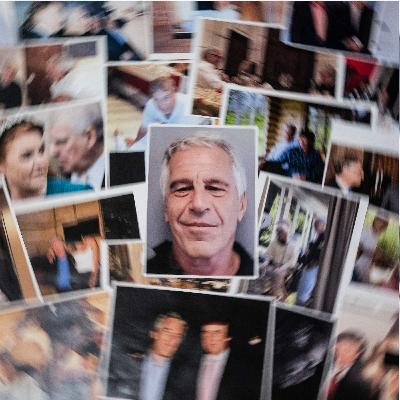
What do the latest batch of documents tell us about convicted sex offender Jeffrey Epstein and elite networking? Quite a bit. Today on the show, we analyze one exchange between Epstein and a former world leader to find out how the revolving door works for the rich and powerful. FYI, we are going on a book tour! Planet Money’s first ever book comes out in April. We’ll be celebrating in about a dozen cities. There’s a limited-edition tote bag included with your ticket, while supplies last. Details, dates and how to get your ticket at planetmoneybook.com. Related episodes: Gilded Age 2.0? How close is the US to crony capitalism? For sponsor-free episodes of The Indicator from Planet Money, subscribe to Planet Money+ via Apple Podcasts or at plus.npr.org. Fact-checking by Vito Emanuel. Music by Drop Electric. Find us: TikTok, Instagram, Facebook, Newsletter. To manage podcast ad preferences, review the links below:See pcm.adswizz.com for information about our collection and use of personal data for sponsorship and to manage your podcast sponsorship preferences.Learn more about sponsor message choices: podcastchoices.com/adchoicesNPR Privacy Policy
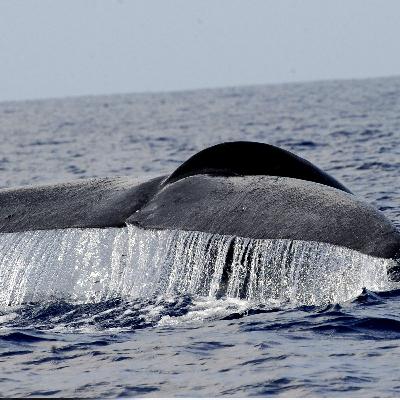
We’re going whale watching today. No, not orcas or great blues, but financial traders that place big bets on something called options. On today’s show, who are these option whales and do their bets always pay off? FYI, we are going on a book tour! Planet Money’s first ever book comes out in April. We’ll be celebrating in about a dozen cities. There’s a limited edition tote bag included with your ticket, while supplies last. Details, dates and how to get your ticket at planetmoneybook.com. Related episodes: Invest like a Congress member For sponsor-free episodes of The Indicator from Planet Money, subscribe to Planet Money+ via Apple Podcasts or at plus.npr.org. Fact-checking by Sierra Juarez. Music by Drop Electric. Find us: TikTok, Instagram, Facebook, Newsletter.To manage podcast ad preferences, review the links below:See pcm.adswizz.com for information about our collection and use of personal data for sponsorship and to manage your podcast sponsorship preferences.Learn more about sponsor message choices: podcastchoices.com/adchoicesNPR Privacy Policy

You asked, we answered. On today’s show, we tackle questions from our dear listeners on whether AI interviewers are biased, what the heck M2 money supply is, and what’s up with the frenzied mobs fighting for rotisserie chickens at the grocery store. Related episodes: When AI is your job interviewerHow beef climbed to the top of the food pyramidRetirement luck, Hassett hassles the Fed, and boneless chicken in ... court? Behind the Tiny Desk and other listener questions For sponsor-free episodes of The Indicator from Planet Money, subscribe to Planet Money+ via Apple Podcasts or at plus.npr.org. Fact-checking by Sierra Juarez. Music by Drop Electric. Find us: TikTok, Instagram, Facebook, Newsletter. To manage podcast ad preferences, review the links below:See pcm.adswizz.com for information about our collection and use of personal data for sponsorship and to manage your podcast sponsorship preferences.Learn more about sponsor message choices: podcastchoices.com/adchoicesNPR Privacy Policy
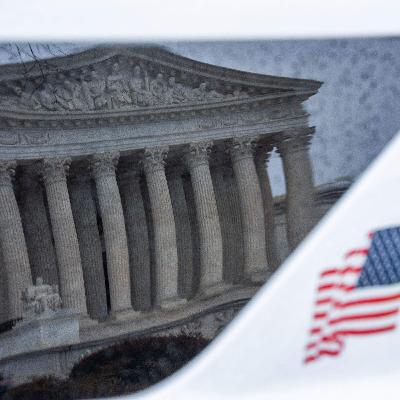
The Supreme Court struck down a bunch of President Trump’s tariffs yesterday. The Trump administration originally used an emergency economic powers law to justify the tariffs. And the court said: No! You can’t do that! Bad Trump, bad! This is despite the U.S. having raked in over a hundred billion dollars in import taxes already.On today’s show, unpacking the Supreme Court’s blockbuster tariffs decision. What’s next for tariffs? And … are we getting tariff refunds? Asking for a friend.Related episodes: Trump's backup options for tariffsTariffied! We check in on businessesAre Trump's tariffs legal?Worst. Tariffs. Ever. For sponsor-free episodes of The Indicator from Planet Money, subscribe to Planet Money+ via Apple Podcasts or at plus.npr.org. Fact-checking by Sierra Juarez and Vito Emanuel. Music by Drop Electric. Find us: TikTok, Instagram, Facebook, Newsletter.To manage podcast ad preferences, review the links below:See pcm.adswizz.com for information about our collection and use of personal data for sponsorship and to manage your podcast sponsorship preferences.Learn more about sponsor message choices: podcastchoices.com/adchoicesNPR Privacy Policy

It’s … Indicators of the Week! Our weekly look at some of the most fascinating economic numbers from the news. On today’s episode: Why you better hope you retire at juuuust the right time, why the researchers at the Federal Reserve are being scolded by a White House economic advisor, and taking boneless chicken to court. Related episodes: Chicken meat, Gulf of Mexico lawsuit and Social Security beyond the grave Davos drama, credit card caps and tariff truths What would it take to fix retirement? For sponsor-free episodes of The Indicator from Planet Money, subscribe to Planet Money+ via Apple Podcasts or at plus.npr.org. Fact-checking by Sierra Juarez and Corey Bridges. Music by Drop Electric. Find us: TikTok, Instagram, Facebook, Newsletter. To manage podcast ad preferences, review the links below:See pcm.adswizz.com for information about our collection and use of personal data for sponsorship and to manage your podcast sponsorship preferences.Learn more about sponsor message choices: podcastchoices.com/adchoicesNPR Privacy Policy


Download from Google Play

Download from App Store
 United States
リアルな刺激と心地よさを求める男性のための、リアルな3in1トルソードール。一人遊びに最適で、真の満足感を得られるよう設??計されています。https://genesisirevival.com
N級品やS級品といった高品質レプリカが揃っており、誰でも簡単に購入できる点が魅力です。https://marobrrain.com
Insightful- wild that female skaters wind up subsidizing the male ones in pairs, paying for their travel, ice time, coaching, etc. 🫨
Pakistan is economically bad country but rich with natural minerals. visit our website pkrapps.pk to enjoy best apps and games in pakistan
💡
As we know, the world becomes globally and there are huge ways of earning. Visit this website https://apkkit.net/ where you'll find plenty of options for easy earning from your phone.
🖼️
🐟
a bit too woke to be considered journalism
Hahaha they skirted around the elephant so much
Lots of data for comparison in this episode! Increased used car costs = ☹️. I love my current vehicle - as a model that is no longer produced, I hope it goes strong for more years on several levels! 🚗
"A guy who trusts his gut, knows very little, studies not at all, and is adverse to taking advice from almost everyone." 👀👀👀
9:28.. what is.she scared of? really!!?!?
please stop calling it liberation day. if we have to call it by a name then Doofus Day would be more accurate.
🚗
1. People have short attention span, and 2. Random acts of violence, while they do happen, are rare as a regular occurrence in the same tourist destination.
Very good points about why there aren't water pipelines across the entire country to easily funnel from water-rich locations. A good example of the benefits and challenges of having many small systems rather than a monopoly. ⛲
Video games have become more accessible than ever, thanks to advancements in technology, inclusive designs, and widespread internet connectivity. From mobile gaming apps to sophisticated console platforms, the industry caters to players of all ages and abilities. Accessibility features such as customizable controls, text-to-speech options, and visual aids ensure that gaming can be enjoyed by everyone, including those with disabilities. Moreover, websites like https://mtcheck.org/ provide valuable resources and insights for players, helping them make informed decisions about their gaming preferences and experiences. This evolution underscores the growing emphasis on inclusivity and the importance of bridging the gap for all types of gamers worldwide.
Cost transparency is important, and the funeral industry should do better. Similarly, reports are coming out this week of many hospitals that are failing to provide clear costs. Why can't we at least know the financial ramifications of literal life and death experiences?
Financial literacy - understanding both macro and micro processes - is rare, so teaching kids early will hopefully benefit those individuals and eventually the communities where they live.