


DBSAlliance
Subscribed: 24Played: 477
Subscribe

© All rights reserved
Description
DBSA podcasts feature some of the nation’s leading experts on mental health, covering a wide range of topics dealing with depression, bipolar, anxiety, and more. Listen and learn about treatment options, personal wellness strategies, relationships, and more.
265 Episodes
Reverse

Nearly 46,000 Americans died by suicide in 2020. That’s one death every 11 minutes. Coping with the loss of a loved one is challenging. It can also be difficult for people around them to know how to best support them. DBSA Young Adult Council members Olivia Eiler and Jamie Vaughn spoke with two co-facilitators from the Survivors of Suicide (SOS) bereavement support group at UMPC Western Psychiatric Hospital’s STAR-Center in Pittsburgh. They share their personal experiences with suicide loss, offer practical tips for supporting survivors, and discuss resources for survivors. For Immediate Help:National Suicide and Crisis LifelineCall or text 988Online Resources:American Association of Suicidologyhttps://suicidology.org/ American Foundation for Suicide Preventionhttps://afsp.org/Survivors of Suicide bereavement support group https://www.starcenter.pitt.edu/clinical-services/survivors-suicideJamey Covaleski412-864-3346 covaleskijj@upmc.edu The Dougy Center for Grieving Children & Familieshttps://www.dougy.org/ The Child Mind Institutehttps://childmind.org/topics/suicide-self-harm/ Books for Adults:After Suicide Loss: Coping with Your Grief by Bob Baugher and Jack JordanNo Time to Say Goodbye: Surviving the Suicide of a Loved One by Carla FineWhen Bad Things Happen to Good People by Harold S. Kushner Why People Die by Suicide by Thomas Joiner History of a Suicide: My Sister’s Unfinished Life by Jill BialoskyI’m Sorry For Your Loss: Hope and Guidance in Managing Your Grief by Lillian L. Meyers, Ph.D. My Son…My Son: A Guide to Healing After Death, Loss, or Suicide by Iris BoltonVoices of Healing and Hope: Conversations on Grief after Suicide by Iris BoltonCracked, Not Broken: Surviving and Thriving After a Suicide Attempt by Kevin HinesIt’s OK That You’re Not OK: Meeting grief and loss in a culture that doesn’t understand by Megan DevineGrief One Day at a Time: 365 Meditations to Help You Heal After Loss by Alan Wolfelt, Ph.D.A Time to Grieve: Meditations for Healing After the Death of a Loved One by Carol StaudacherShattered: Surviving the Loss of a Child by Gary RoeSigns by Laura Lynne JacksonBooks for Children:Suicide Loss: What Teens Need to Know by Terri Erbacher, Ph.D. & Tony Salvatore, MABut I Didn't Get to Say Goodbye: For Parents and Professionals Helping Child Suicide Survivors by Barbara RubelMy Uncle Keith Died by Carol Ann Loehr, Julianne Costentino & James Mojonnier
Many people know that social media can have a negative effect on mental health. Doomscrooling, negative comments, cyberbullying, and tragic news events are pervasive in the realm of social media. Living with depression or bipolar can make navigating these spaces difficult, especially when peers try to find content/resources to support their mental wellness. DBSA sat down with Clayton Echard to discuss social media, mental health, and how to find wellness and support in the digital world. Clayton is a mental health and wellness advocate, personal trainer, athlete, and star of season 26 of The Bachelor. Clayton also talks about how he positively uses social media, the connection between body dysmorphia and mental health, and the importance of sharing your wellness journey. You can find Clayton's work on Instagram. Support DBSA Today.
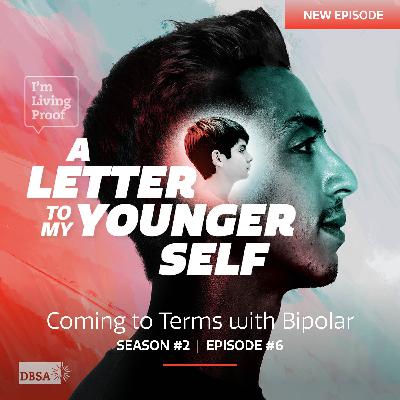

Bonus Episode from our DBSA podcast, I'm Living Proof: A Letter to my Younger Self. Make sure to subscribe to ILP on Apple Podcast, Spotify, or wherever you listen to podcasts. Mik knew something was wrong when at ten years old, she experienced suicidal ideation. What started as something she couldn't understand took her on a journey which ended up with her diagnosis of bipolar disorder. Now, Mik bravely shares her experience through humor and educational videos online and discusses her journey and activism with us.MiK B is a mental health advocate who lives with bipolar disorder, anxiety, and ADHD. Mik shares her story online with others through TikTok, Instagram, and her website. She is passionate about positively impacting the mental health world through sharing her personal experiences and providing a community for people living with Bipolar disorder. Find her on Instagram and Tiktok @mikb_itme.Read Mik's letterSupport DBSASubmit your letter
In December 2021, the U.S. Surgeon General issued an advisory on the impact of Covid-19 on our growing youth mental health crisis. Today, 1 in 5 children ages 3 to 17 experience some form of mental health or behavioral challenge. Access to adequate mental health resources for parents and children is pivotal in combatting the youth mental health crisis and reducing stigma. DBSA discusses the effects of our youth mental health crisis with Dr. Nicole Brown. Dr. Brown is the Chief Health Officer at Strong Children Wellness, a health researcher focusing on enhancing care and service coordination for children who have experienced trauma and chronic mental health needs, and a member of the DBSA Board of Directors. In this conversation, we explore the types of mental health challenges youth experience today, such as depression and ADHD, how parents can advocate for their children, work with their pediatrician to get the proper mental health care, and how this crisis affects underserved communities. Footnotes: You can support DBSA by making a gift today Learn more about Dr. Nicole Brown Discover the Balanced Mind Parent Network, an online community for parents and caregivers of a child living with a mental health condition Meet the Mood Crew® and explore activities designed to help your child understand their moods and emotions.
The holiday season -- with its expectations for socializing, gift-giving, and forced merriment -- can present significant challenges to peers living with depression and bipolar attempting to manage their moods during such a hectic period. , and, even after the holiday's end, the challenges to mental health wellness can loom even larger. In this podcast, we'll listen to John Budin, MD, a licensed psychiatrist, offer his insights and helpful advice on how to manage post-holiday depression, deal with Seasonal Affective Disorder, set effective goals for the new year, and prepare ourselves for a happy and productive 2022.
Dr. Martha Sajatovic and DBSA Peer Kimberly Allen discuss shared decision-making and its impact on treatment plans and treatment options for peers living with depression or bipolar disorder. Learn about the importance of medication adherence, how to educate yourself about treatment options like Long-Acting Injectables, and hear Kimberly's experience with working with clinicians and mental health professionals to find the best treatment options for her. Dr. Martha Sajatovic is a Professor of Psychiatry and Neurology at Case Western Reserve University School of Medicine (CWRU) in Cleveland, Ohio, and a member of the Depression and Bipolar Support Alliance Scientific Advisory Board. From UHHospitals.org: "Dr. Sajatovic is a researcher, educator, and clinician who has devoted herself to studying and treating traditionally, hard-to-treat populations with central nervous system disorders. Dr. Sajatovic's research interests have focused on neuropsychiatric outcomes of brain disorders across the lifespan, including epilepsy, stroke, Alzheimer's disease, and other types of dementia and Parkinson's disease."Kimberly Allen is a licensed addiction treatment professional, senior consultant at Via Positiva, and a mental health advocate. As an experienced mental health advocate, Kimberly currently serves as a Lived Experience Advisor, collaborating with leading academic institutions and advocacy organizations on patient-centered research. Support DBSADBSA would like to thank Novus Medical Education for supporting this episode.
DBSA’s Young Adult Council member Olivia sat down with Johnny to discuss living with depression and dealing with an unsupportive workplace. For many young adults, the first job out of college can be a challenging adjustment. For Johnny, his first work experience happened to coincide with his first severe depressive episode. Olivia and Johnny discuss what it took for Johnny to be able to advocate for himself and what companies should do to be more supportive of their employees. Support DBSA today: https://www.dbsalliance.org/donateLearn more about YAC: https://www.dbsalliance.org/support/young-adults/
A Peer Support Specialist is a professional with lived mental health experience who is trained and certified to provide help and encouragement for others who are also working towards wellness. Listen and learn from Douglas Hulst, DBSA’s Peer Specialist Workforce Development Program Manager, as he dives into the concept of peer support and how it benefits those living with depression or bipolar. Also hear from Jennifer, a Peer Support Specialist, who talks about her journey to become a certified specialist, where she works, and how her role impacts peers. Learn more about Peer Support Specialists: https://www.dbsalliance.org/get-involved/training/whats-a-peer-specialist/Learn about DBSA’s Peer Support Specialist Course:https://www.dbsalliance.org/get-involved/training/
This is a special preview of the first episode of our new I'm Living Proof Podcast Series. In our first episode of I’m Living Proof: A Letter to My Younger Self, we hear from Olivia, DBSA Young Adult Council member. Olivia’s letter to her younger self describes the challenges she had in confiding in others and asking for help. Olivia describes her journey towards wellness from hospitalization to her work with DBSA support groups. Her letter reminds us the path to wellness is not always a straight line but rather one that it is trending upwards.ResourcesDBSA Support GroupsDBSA offers support groups across the United States. Find out more about DBSA support groups here.DBSA Young Adult CouncilThe DBSA Young Adult Council is a group of young adults (ages 18-30) who advise DBSA and create their own content to share with other young adults living with mood disorders. Find out more about the DBSA Young Adult Council (YAC) here.

 1
1If you live with depression or bipolar, when things are at their worst it can feel like things will never get better. It may be when you are first diagnosed or during a difficult event, or for no particular reason that you can pinpoint at all.What we do know is that these times do pass, and that you are not alone. In fact, when we take time to reflect on our experiences and circumstances, we often find, with overwhelming proof, the strength we have shown during some of our greatest challenges.DBSA’s blog and podcast series, I’m Living Proof: A Letter to My Younger Self, shares inspiring stories of young adult peers who are living proof that they can overcome even the most difficult times.Learn more about our new seriesDownload the first episode May 1, 2021
In this DBSA Wellness Wheel podcast, guest expert Dr. LaGenia Bailey shares with Programs Director Maria Margaglione and Programs Manager Hannah Zeller how to tend to our Environment Wellness in three areas: nature, our homes and workspaces, and our brain.
Dr. LaGenia Bailey is the founder of East West Integrative healing. Her soul’s mission is to facilitate Holistic Wellness for her clients through the use of Eastern and Western Science. These sciences include sound, mindfulness, and traditional as well as complementary healing modalities. Dr. Bailey is a board-certified neuropharmacologist, a yogi, musician, and singer. She uses her knowledge to help guide people to wellness.
In this DBSA Wellness Wheel podcast, two DBSA staff members, Maria Margaglione, Programs Director, and Hannah Zeller, Programs Manager discuss Intellectual Wellness and their journeys toward wellness. Maria and Hannah interview expert Dr. Wendy Linderholm to address the challenges individuals who live with depression and bipolar might face in terms of their intellectual wellness. Intellectual Wellness is about finding work and leisure activities that stimulate you and help you to learn new things. Reading, writing, doing puzzles, and collecting, are all different types of hobbies that can boost our intellectual wellness. Dr. Linderholm gives Maria and Hannah insight into why intellectual wellness can help change or brain chemistry to allow for new ideas which can disrupt our experience of depression.Dr. Wendy Linderholm is the Director of Behavioral Medicine in the Family Medicine Residency Program at MemorialCare Long Beach Medical Center where she focuses on full mind-body spiritual healing. She holds degrees in clinical health psychology from Alliant International University in Los Angeles, Calif., then completed a three-year post-doctoral training program in behavioral health in family medicine and oncology. Afterward, she was offered a fellowship in behavioral health and family systems education. Currently, Dr. Linderholm treats patients at the Family Medicine Center on the campus of Long Beach Medical Center. Dr. Linderholm has cared for patients across a broad spectrum of medicine, including neurology, Huntington’s Disease, HIV, oncology, disaster mental health, and works actively with the LGBTQ+ community. She also teaches physicians how to assess patients for and how to treat mental illness. Dr. Linderholm supports doctors and patients on their journey to build resiliency, also working one-on-one with physicians to create a healthy balance within their own stressful careers. Dr. Linderholm’s favorite leisure activity is racing Hawaiian outrigger canoes in the open ocean. Hey, this is Dontae Freeman Communications Manager for DBSA and the producer of the podcast you are listening to. A few times in the intro Hannah and Maria will refer to me, and you will briefly hear from me. We decided to leave these peeks behind the curtains because they were relevant to the conversation about intellectual wellness. Enjoy the episode

Did you know that your DNA can provide insights that can help with treatment planning? In this episode of the DBSA podcast, we talk to Dr. Mark Pollack, Chief Medical Officer and Vice President of Clinical Affairs of Myriad Neuroscience, about what pharmacogenetic testing is, how the testing works, and what benefits it can offer peers. We also talk to Dennis L., a peer who details his journey with Major Depression and how pharmacogenetic testing helped improve his treatment plan.
What is pharmacogenetic testing? This test uses a small sample of your DNA, usually obtained by swabbing the inside of your cheek, to learn how your genetic makeup can affect your response to medication. Doctors use this information as a tool to help make prescription decisions. Along with PGx test results, your age, gender, other medical conditions, and any other drugs you take may also be factors in your doctor’s recommendations about possible treatments.
Footnotes:
Learn more about PGx https://www.dbsalliance.org/wellness/treatment-options/what-is-pharmacogenetic-testing/
Learn about DBSA Peer Specialist Program
https://www.dbsalliance.org/get-involved/training/
DBSA would like to thank Myriad for supporting this episode.
In this DBSA Wellness Wheel podcast, DBSA staff Maria Margaglione, Programs Director, and Hannah Zeller, Programs Manager discuss Social Wellness and their journey towards wellness. In this episode, Maria and Hannah interview expert Beth Vaccaro, LPC, and discuss the challenges individuals who live with depression and bipolar might face in terms of their social wellness. Beth, Maria, and Hannah also discuss grief associated with changing plans due to COVID-19. Allowing ourselves to grieve social loss, and have conversations with loved ones about loss, gives us a chance to connect and create plans that support our wellness.
Beth Vaccaro is a person trying to figure it out, just like you. She is a St. Louis native, attended Webster University, and earned a Master's Degree in Counseling. She did her post-graduate training at Care and Counseling and the St. Louis Psychoanalytic Institute. Currently, she is in private practice as a therapist in Clayton. She sees adults and adolescents with a wide variety of issues and practices from a psychodynamic perspective.
DBSA Wellness Wheel: https://www.dbsalliance.org/wellness/wellness-toolbox/dbsa-wellness-wheel/
Today, we're speaking with DBSA co-founder Rose Kurland, who takes us back to the fall of 1978, when six people gathered in her living room in Glencoe, Illinois. This small but enthusiastic group laid the foundation for the life-changing work that reaches across 35 years. Rose shares highlights from DBSA's earliest years in a conversation with communications director Betsey O'Brien, giving us a glimpse of the friends, colleagues, and medical partners who have fueled decades of hope and progress for people with mood disorders.
You can learn more about DBSA's origins by checking out our timeline.
https://www.dbsalliance.org/our-history/
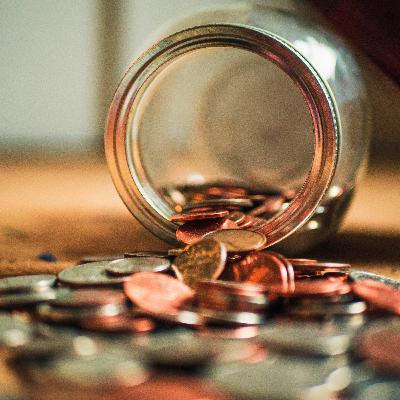
Continuing our podcast series centered around the DBSA Wellness Wheel, our most recent episode focuses on finances. DBSA talks with Dr. Thomas Richardson, a Clinical Psychologist who works with a community mental health team for adults at Solent NHS Trust in Portsmouth, UK. An avid researcher, he also has lived experience with Bipolar Disorder. We discuss the financial challenges those with lived experience might face and steps that can be taken to improve financial wellness.

DBSA's Young Adult Council members are back to discuss their early experiences with bipolar disorder, depression, and anxiety, and explain how they found the right treatment. Symptoms of a mood disorder can be hard to recognize and understand, especially when they happen simultaneously. YAC members recall where they were in life when the first signs appeared, how they found self-awareness and acceptance, how friends and family reacted, and the resources that helped them most. Each member provides unique perspectives, offering suggestions for dealing with the first signs of a mood disorder and revealing how loved ones can be supportive in the early stages.
Footnotes:
Read the Recognizing the first sign of a mood disorder blog: https://www.dbsalliance.org/about/young-adult-council/recognizing-the-early-signs-of-a-mood-disorder/
Listen to the Navigating budgets and insurance while living with a mood disorder podcast: https://soundcloud.com/dbsalliance/young-adult-council-navigating-budgets-and-insurance-while-living-with-a-mood-disorder
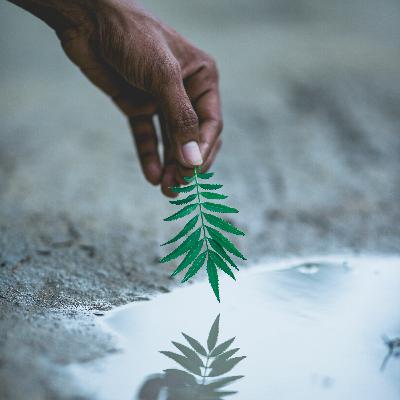
In our ongoing series based on the DBSA Wellness Wheel, hosts Maria Margaglione and Hannah Zeller welcome expert guests that shed light on how people with mood disorders can build resilience in 7 key areas of their lives.
In this episode, Maria and Hannah talk with Sue Phillips, co-founder of Sacred Design Lab, where she helps people find new ways to flourish by deepening their spirituality. An ordained minister and former denominational executive in the Unitarian Universalist tradition, Sue uses ancient wisdom to help people find meaning and solve gnarly problems, especially in difficult times like these. She delights in seeing the transformation that happens when we get all up in life's biggest questions! Sue is part business strategist, part design geek, and part monastic. A graduate of Colgate University and the Episcopal Divinity School, she has also taught at Harvard Divinity School, where she is a Ministry Innovation Fellow. She lives in Tacoma, Washington with her wife Tandi Rogers.
In this DBSA podcast, host Dontae Freeman welcomes guests to an open conversation on the unique experiences and barriers that people of color face in seeking effective mental health care. We offer these perspectives as part of the wider conversation on race, culture, and mental health taking place during Black, Indigenous & People of Color (BIPOC) Mental Health Month 2020.
In the first part of the podcast, we hear from Michele Bibby, a trained peer facilitator living in Austin, Texas, who hosts national support groups for DBSA, and Mario Lemos, a Chapter Leader with DBSA San Francisco. Both Michele and Mario identify as persons of color, and their own experiences give us a clear sense of what it's like to attend a support group where your fellow peers may not have faced the same struggles in finding care, resources and social support.
In the second part of our podcast, Dontae speaks with Dr. Obari Cartman, a clinical psychologist working with Black high school students in Chicago. Dr. Cartman is program director at Real Men Charities, where he hosts a weekly men's wellness circle. In his remarks, Dr. Cartman reflects on the unique forms of stigma surrounding mental health in the Black community and suggests how mental health organizations can improve outreach to communities of color.
DBSA welcomes your thoughts and feedback on this conversation. Please remember to rate and review our podcasts so we can continue to bring you the most interesting, informative guests with the most useful perspectives.

In the DBSA Wellness Wheel podcast, DBSA staff Maria Margaglione, Programs Director, and Hannah Zeller, Programs Manager discuss the areas of the Wellness Wheel and their journey towards wellness. In this episode, DBSA interviews expert Alexandra Kopack, to find out more about Occupational Wellness.
The conversation covers challenges you may be experiencing at work if you live with depression and bipolar and discusses specifically the challenges that COVID-19 presents to workers. COVID-19 has greatly altered the way we work and the discussion covers how we can best navigate working from home and the anticipated changing landscape of work in a new era.
Alexandra Kopack has a Masters of Applied Positive Psychology from the University of Melbourne, Australia, and is a Board Certified Behavior Analyst. She also holds professional certificates from Harvard and Berkeley in the topics of Behavioral Economics and the Science of Happiness. Currently, she is the Regional Director of ABA services in San Diego and ACE Coordinator for EBS Healthcare and was a co-owner of W3RKWELL, an employee wellbeing, an analytic and advisory firm. She has spoken at international conferences, hosted workshops, and participated in research on the topics of wellbeing, trauma, neurobiology, and behavior change. Alexandra is passionate about combining the science of behavior with the science of wellbeing to make a meaningful impact in the lives of others and pursues this daily through her clinical and consulting work as well as creating and leading trainings for other professionals. Her mission is to evoke zest and curiosity for the artistry of behavior change so that progress is inevitable, willful, and fun.

Comments

Download from Google Play

Download from App Store
 United States