


 Claim Ownership
Detroit is Different
Subscribed: 26Played: 118
Subscribe

© Copyright 2019
Description
The Detroit is Different podcast is about exposing artistry, business, ideas, and dynamic people, places, and things that make Detroit a mecca. Tune in weekly and subscribe to get the true stories from the people shaping the culture of an American classic city.
545 Episodes
Reverse
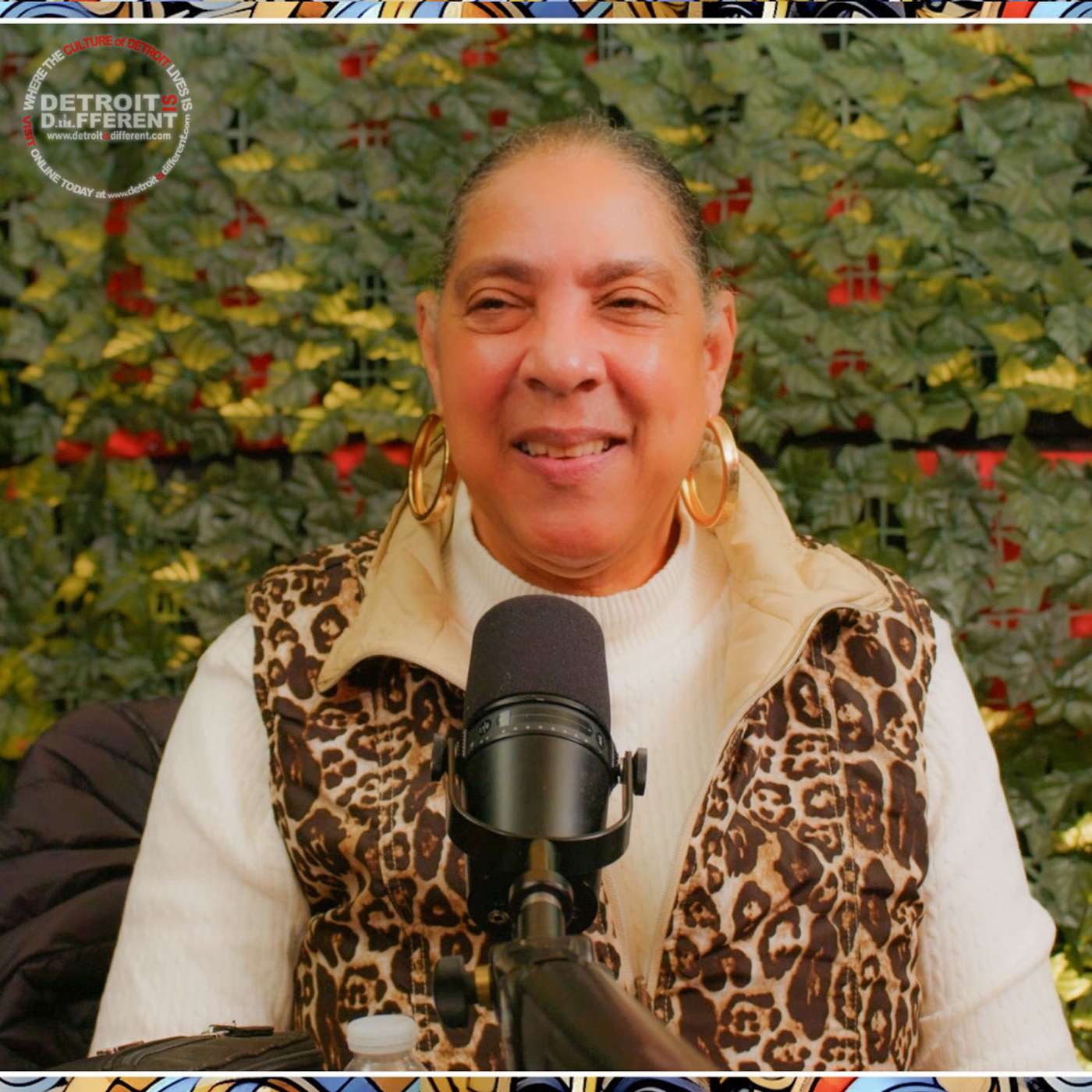
“Women are the backbones of family, of community,” Theresa Landrum ( of the Original United Citizens of Southwest Detroit) declares in a Detroit is Different conversation that moves with power, memory, and urgency. In this episode, Landrum traces how her family came from Tennessee into the “triple cities” of Ecorse, River Rouge, and Southwest Detroit, where Black families built businesses, bought homes on land contract, raised gardens, and created what she calls “our own Harlem Renaissance.” She lifts up a world where “we were our own mecca,” rich with doctors, teachers, churches, artists, and everyday people making life together under the pressure of redlining and racism. But this story is also a warning and a call to action. Landrum makes plain that “Jim Crow never ended, it just evolved,” and shows how pollution, industry, and disinvestment made environmental justice a life-or-death issue in Black Detroit. Her words, “the environmental justice movement was born off the backs and the work… of Black women,” frame this interview as both history lesson and organizing guide. This episode matters because it connects Legacy Black Culture to the future: protecting Black community means protecting Black air, Black land, Black health, and Black survival.
Detroit is Different is a podcast hosted by Khary Frazier covering people adding to the culture of an American Classic city. Visit www.detroitisdifferent.com to hear, see and experience more of what makes Detroit different.
Follow, like, share, and subscribe to the Podcast on iTunes, Google Play, and Sticher.
Comment, suggest and connect with the podcast by emailing info@detroitisdifferent.com
Find out more at https://detroit-is-different.pinecast.co
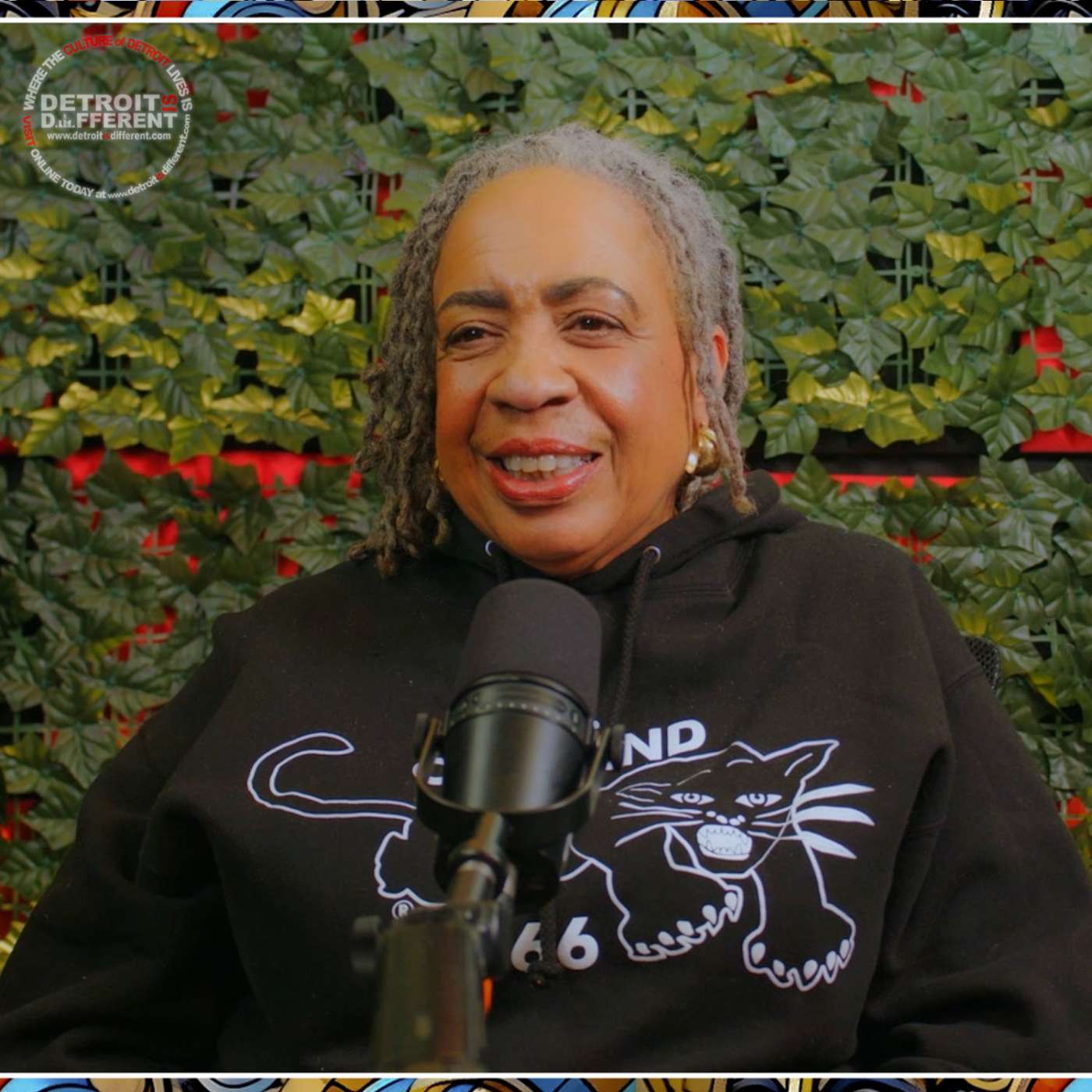
“You are a Black Panther. You’re a Malcolm X. Do something.” That charge from Edythe Ford, Executive Director of MACC Development, sets the tone for a powerful Detroit is Different conversation rooted in memory, movement, and the living responsibility of Black legacy. In this rich interview, Ford traces her family’s journey from Alabama, Georgia, South Carolina, and Tennessee—“the place that the Ku Klux Klan started”—to Detroit, sharing how her ancestors carried courage, skill, and strategy north during the Great Migration. She reflects on family Bibles as legal records, barber surgeons as early Black professionals, and the importance of protecting stories before they are lost: “History will have you think your family wasn’t great.” From surviving racist violence and childhood civil rights protests to building community on Detroit’s east side today, Ford makes clear that Black history is not distant—it is personal, present, and unfinished. This episode is a masterclass on preserving family truth, affirming dignity, and understanding why Black history matters to both the past and future of Detroit. It’s a conversation about inheritance, responsibility, and why legacy must be documented, defended, and lived.
Detroit is Different is a podcast hosted by Khary Frazier covering people adding to the culture of an American Classic city. Visit www.detroitisdifferent.com to hear, see and experience more of what makes Detroit different.
Follow, like, share, and subscribe to the Podcast on iTunes, Google Play, and Sticher.
Comment, suggest and connect with the podcast by emailing info@detroitisdifferent.com
Find out more at https://detroit-is-different.pinecast.co
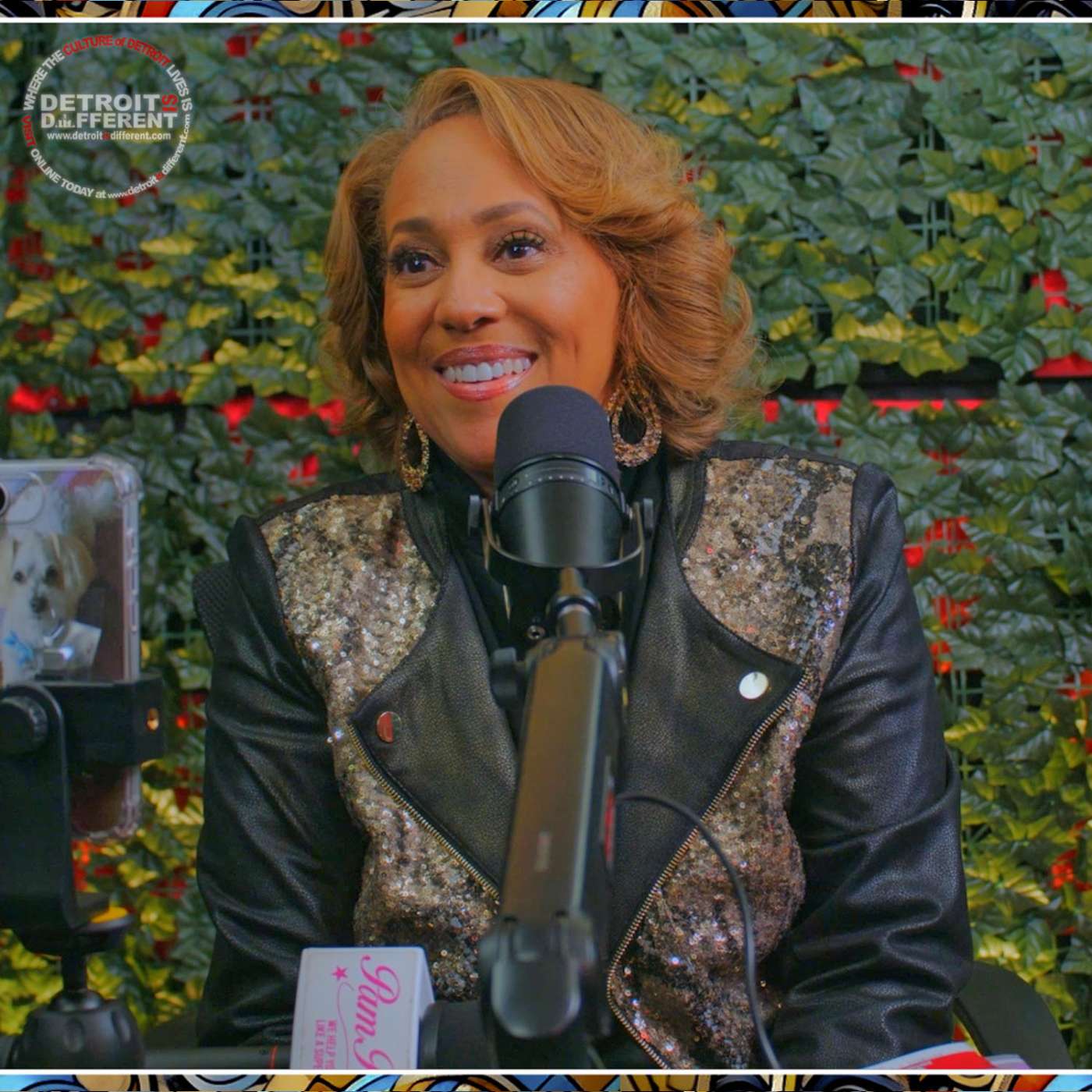
“I’m your publicist, not your therapist.” Publicist and brand strategist Pam Perry pulls up to the Detroit is Different studio and drops gems that hit like a drumline—because, as she reminds us, before “content creation,” our people were already “getting the word out” through bells, drums, and community signal. From Coney Gardens roots and Hamtramck church connections to Cass Tech, the RenCen, Wayne State, and the Detroit Free Press, Pam maps Detroit as a training ground for messaging, hustle, and legacy. She breaks down the marketing suite—“public relations, publicity, advertising, promotions”—and why every creator, church, business, author, and speaker needs strategy, not vibes. Pam talks Great Migration family history, the power of Black press—“we have to create our own narrative, our own media”—and the discipline of charging for skilled work: “You got to invest time or money, it ain’t for free.” She explains spotting the “it factor,” preparing clients for national stages, and leveraging PR as “a traffic builder” with systems like email lists and owned platforms. In an era where “you don’t know what’s real,” Pam’s blueprint connects Detroit’s past signal-makers to the future of Legacy Black culture. And her advice: “Get a mentor…have longevity.”
Detroit is Different is a podcast hosted by Khary Frazier covering people adding to the culture of an American Classic city. Visit www.detroitisdifferent.com to hear, see and experience more of what makes Detroit different.
Follow, like, share, and subscribe to the Podcast on iTunes, Google Play, and Sticher.
Comment, suggest and connect with the podcast by emailing info@detroitisdifferent.com
Find out more at https://detroit-is-different.pinecast.co
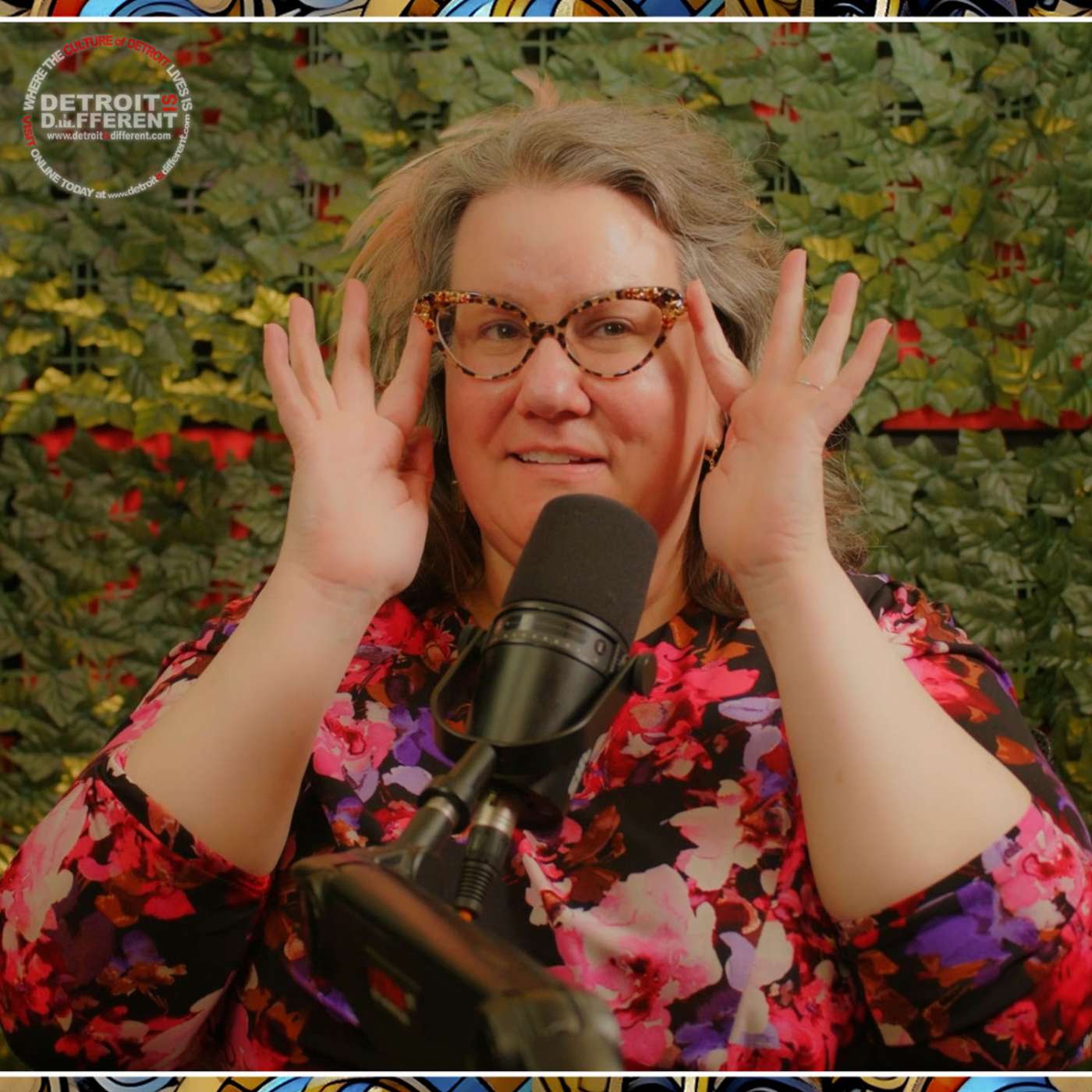
“Everything is political—fashion is political,” says Rachel Lutz, owner of the Peacock Room, and this conversation makes you feel that truth in your bones. Rachel takes us from working retail at Nordstrom alongside women who “retired after decades at Jacobson’s and Hudson’s,” to realizing modern shopping got too same-same—“you walk into a department store and things just all look the same.” She shares why the Peacock Room exists as an antidote: “I wanted to give other people something better than what I had experienced,” especially after growing up with messages that her body was “wrong.” We dig into Detroit business legacy—Rachel is a “fourth generation Detroit business owner”—and how history lives in the spaces we build today, from the Fisher Building’s grandeur to the hard stories of exclusion. She breaks down why she resists tech-for-tech’s-sake—“technology is not always the answer”—and why the Peacock Room centers human connection, pricing across the spectrum, and a luxury feeling for everybody. It’s a masterclass in women-led entrepreneurship, Detroit retail “bleed out,” and how the past can guide a more inclusive business future.
Detroit is Different is a podcast hosted by Khary Frazier covering people adding to the culture of an American Classic city. Visit www.detroitisdifferent.com to hear, see and experience more of what makes Detroit different.
Follow, like, share, and subscribe to the Podcast on iTunes, Google Play, and Sticher.
Comment, suggest and connect with the podcast by emailing info@detroitisdifferent.com
Find out more at https://detroit-is-different.pinecast.co
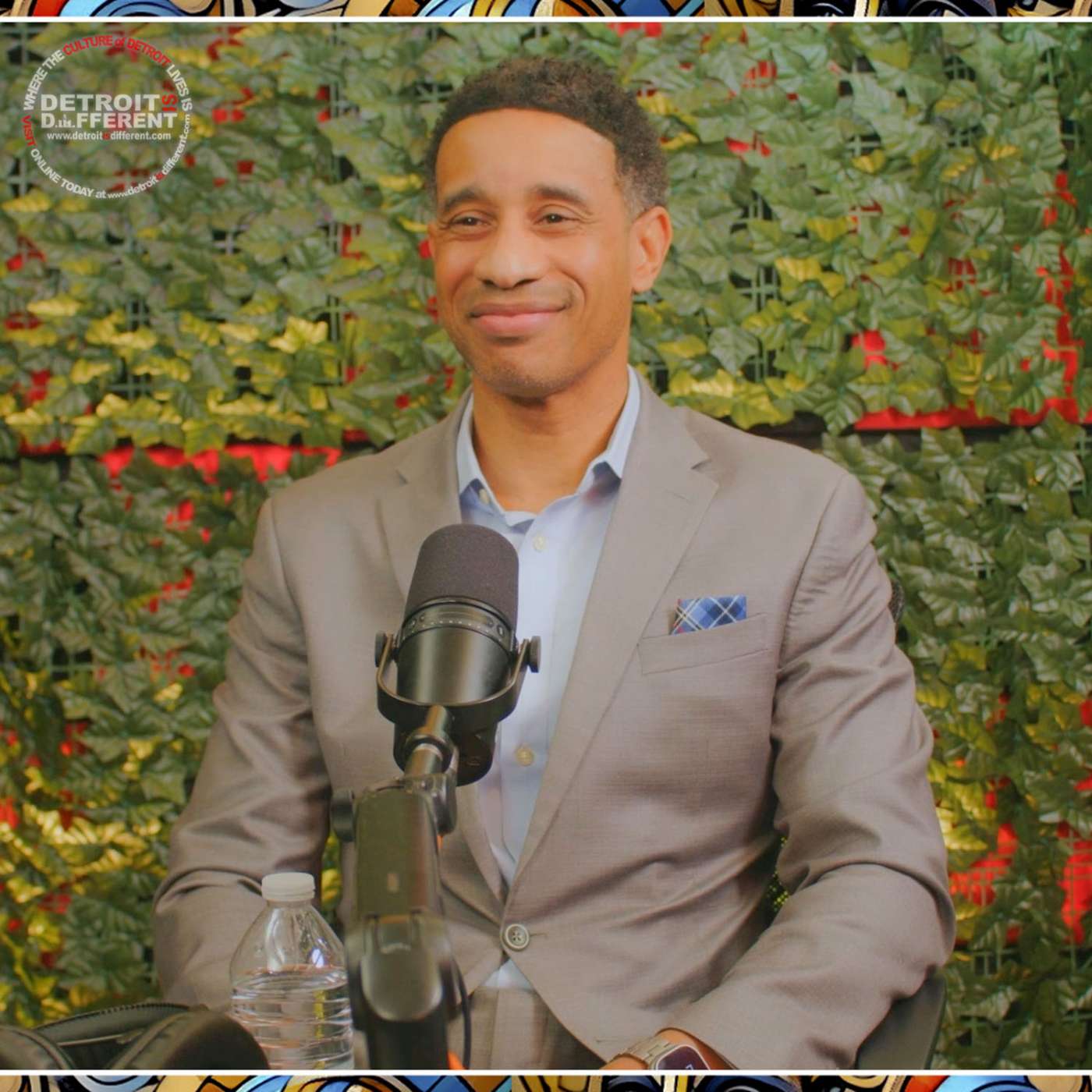
“When I'm ask Detroit? Why? My question is—why not?” Diallo Smith, President & CEO of Life Remodeled, pulls up to Detroit is Different with a love letter to the city that raised him and a blueprint for what comes next. He traces three generations of Detroit roots—from Louisville to “Conant Gardens” to Arkansas sharecroppers who “escaped” Jim Crow to find a future. But Diallo refuses the escape narrative: “I didn’t escape from anything… I was nurtured through good, bad, and indifferent,” held by barbershops, beauty salons, neighbors, and accountability—the everyday infrastructure of Legacy Black Culture. From Wilberforce dreams (with Tech CEOs on his dorm room wall) to corporate Houston, he breaks down how “your habits define your future,” why ownership must include “distribution channels,” and why Detroit neighborhoods are the region’s smartest investment. He explains Life Remodeled’s “with—not to, not for” approach to engage communities, the power of warm welcomes (“how you get treated when you walk in the door”), and why Detroit can be first — this time in showing the world how a majority-Black city revitalizes with dignity.
Detroit is Different is a podcast hosted by Khary Frazier covering people adding to the culture of an American Classic city. Visit www.detroitisdifferent.com to hear, see and experience more of what makes Detroit different.
Follow, like, share, and subscribe to the Podcast on iTunes, Google Play, and Sticher.
Comment, suggest and connect with the podcast by emailing info@detroitisdifferent.com
Find out more at https://detroit-is-different.pinecast.co
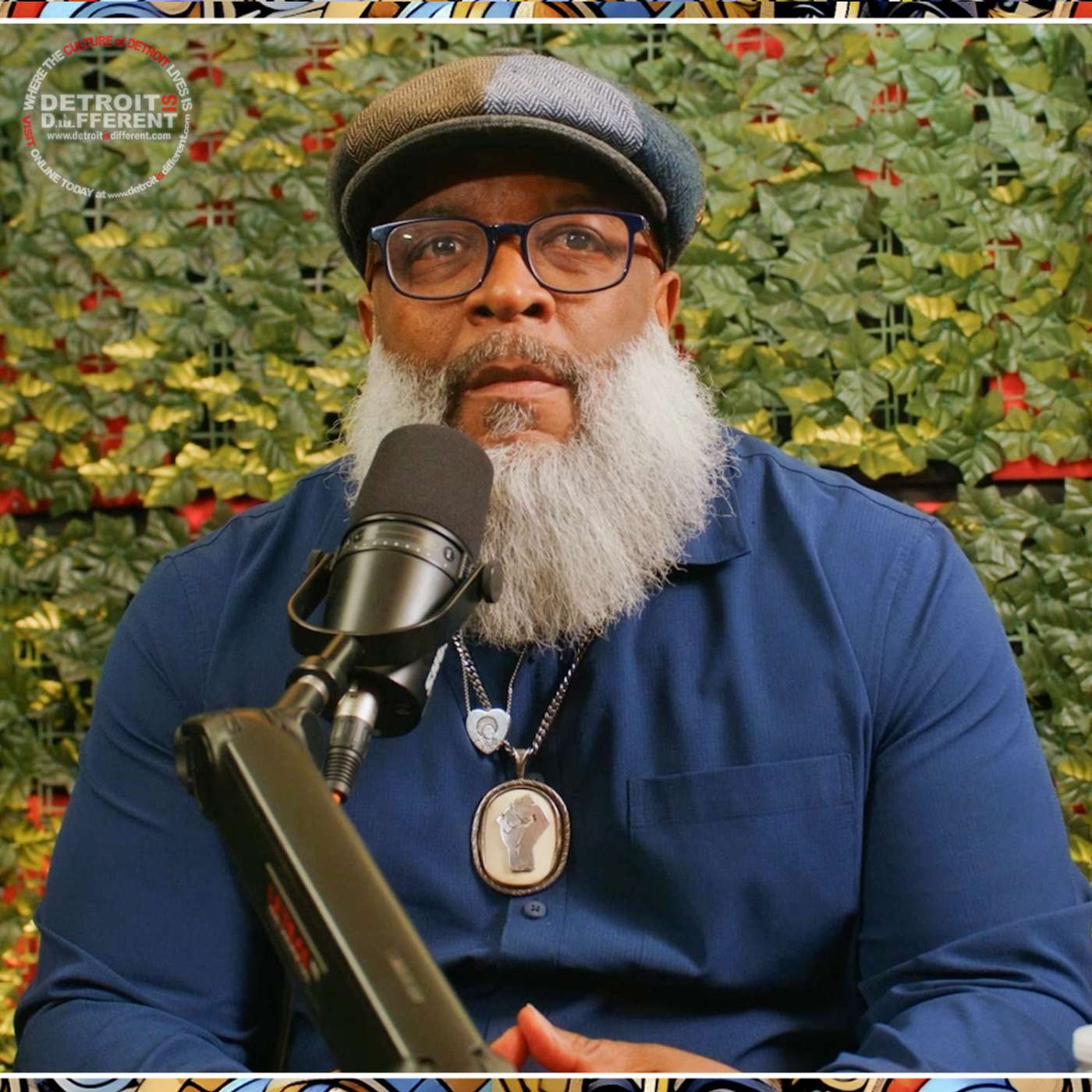
“Before I leave this earth, I want to tell you about all the greater things I’ve done with others. That is the legacy I want to leave.” That’s Dr. Yusef “Bunchy” Shakur laying it plain—legacy isn’t a title, it’s a collective practice. In this in-studio conversation, Bunchy and Khary move through the full arc: from “a self-proclaimed predator” and “street aholic” in Zone 8 to a transformed leader who says, “I’ve broken that myth” that you can’t return home and build. He talks trailblazing—Urban Network to Mama Akua House—while naming the discipline of humility (“I literally do the work”) and the politics of authenticity in spaces that want you to “play the game.” As the first Black and first formerly incarcerated Executive Director in the Michigan Roundtable’s history, he lays out a vision to “build community power, dismantle stigmas” and shift from “like-minded” to “value people.” This episode connects Detroit’s past—elders, Panthers, block wisdom—to our future: a model of Legacy Black Culture that survives by organizing, not performing, and by building together what we couldn’t get alone.
Detroit is Different is a podcast hosted by Khary Frazier covering people adding to the culture of an American Classic city. Visit www.detroitisdifferent.com to hear, see and experience more of what makes Detroit different.
Follow, like, share, and subscribe to the Podcast on iTunes, Google Play, and Sticher.
Comment, suggest and connect with the podcast by emailing info@detroitisdifferent.com
Find out more at https://detroit-is-different.pinecast.co
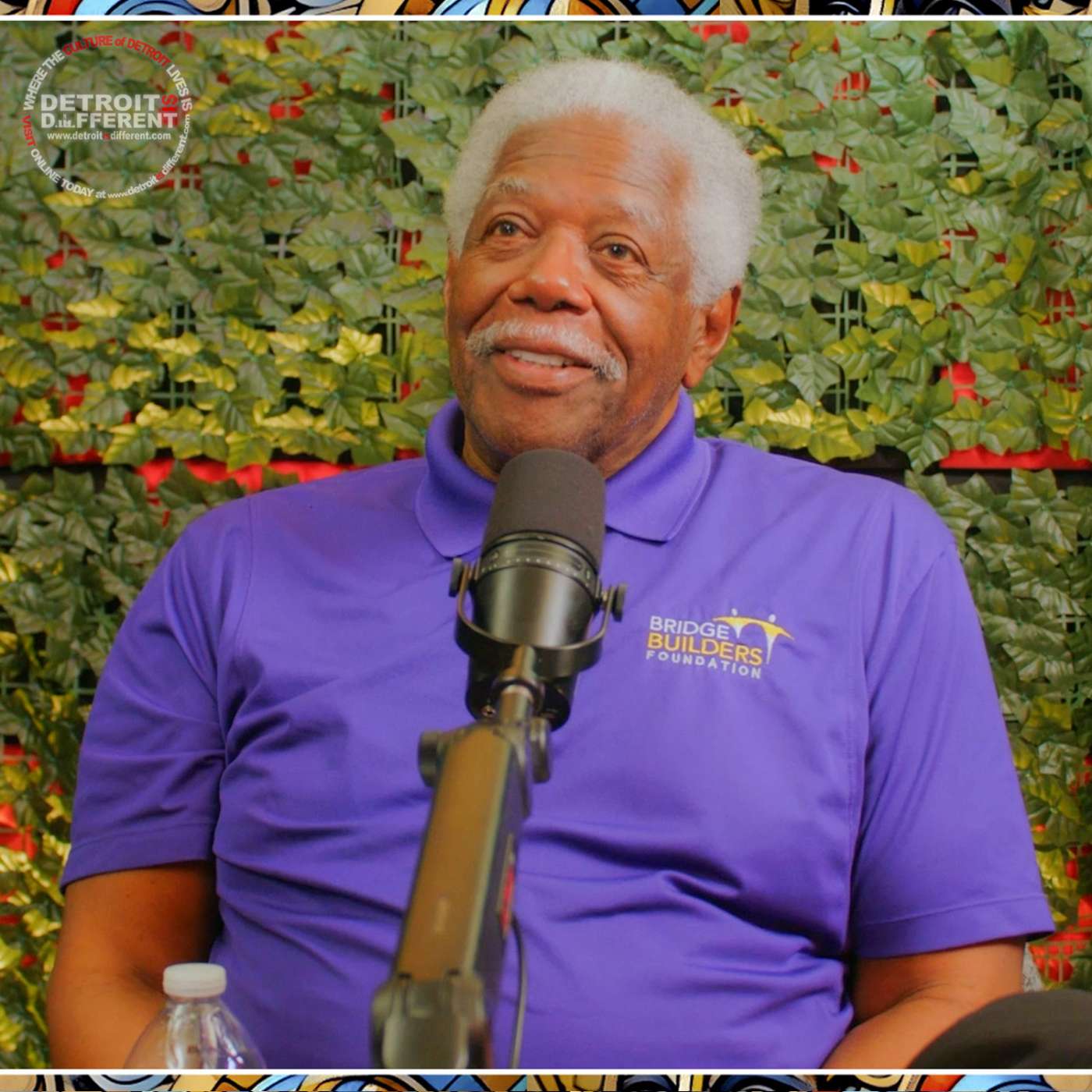
“Lord, please don’t let ’em take my smile.” Actor Lou Beatty Jr. steps into Detroit is Different with a life that reads like a Detroit map and a history syllabus—North End porches, Oakland Avenue storefronts, and the labor that rebuilt churches and neighborhoods after white flight. He traces his family’s Great Migration from Union, South Carolina—“the automobile industry… afforded these people… a way to make the dollar”—to a Detroit where Black artisans raised steel, laid brick, and even helped build C.L. Franklin’s church: “We hung the steel girders, created altars.” Lou remembers a city alive with sound—“I used to see Smokey walking down the street”—and a worldview sharpened at St. Emma Military Academy and in radio ad sales where he learned, “In business, you want all the money coming at you.” Then Hollywood: “He signed me on Thursday… I was on national TV two weeks later,” but Lou keeps it grounded: “All jobs are honorable… I got to take care of my family.” This episode ties past to future—craft, community, and cultural memory—showing how Legacy Black Detroit survives by turning skill into sovereignty and story into a blueprint. And he reminds us: “Learn it from the bottom up—don’t skip steps.”
Detroit is Different is a podcast hosted by Khary Frazier covering people adding to the culture of an American Classic city. Visit www.detroitisdifferent.com to hear, see and experience more of what makes Detroit different.
Follow, like, share, and subscribe to the Podcast on iTunes, Google Play, and Sticher.
Comment, suggest and connect with the podcast by emailing info@detroitisdifferent.com
Find out more at https://detroit-is-different.pinecast.co
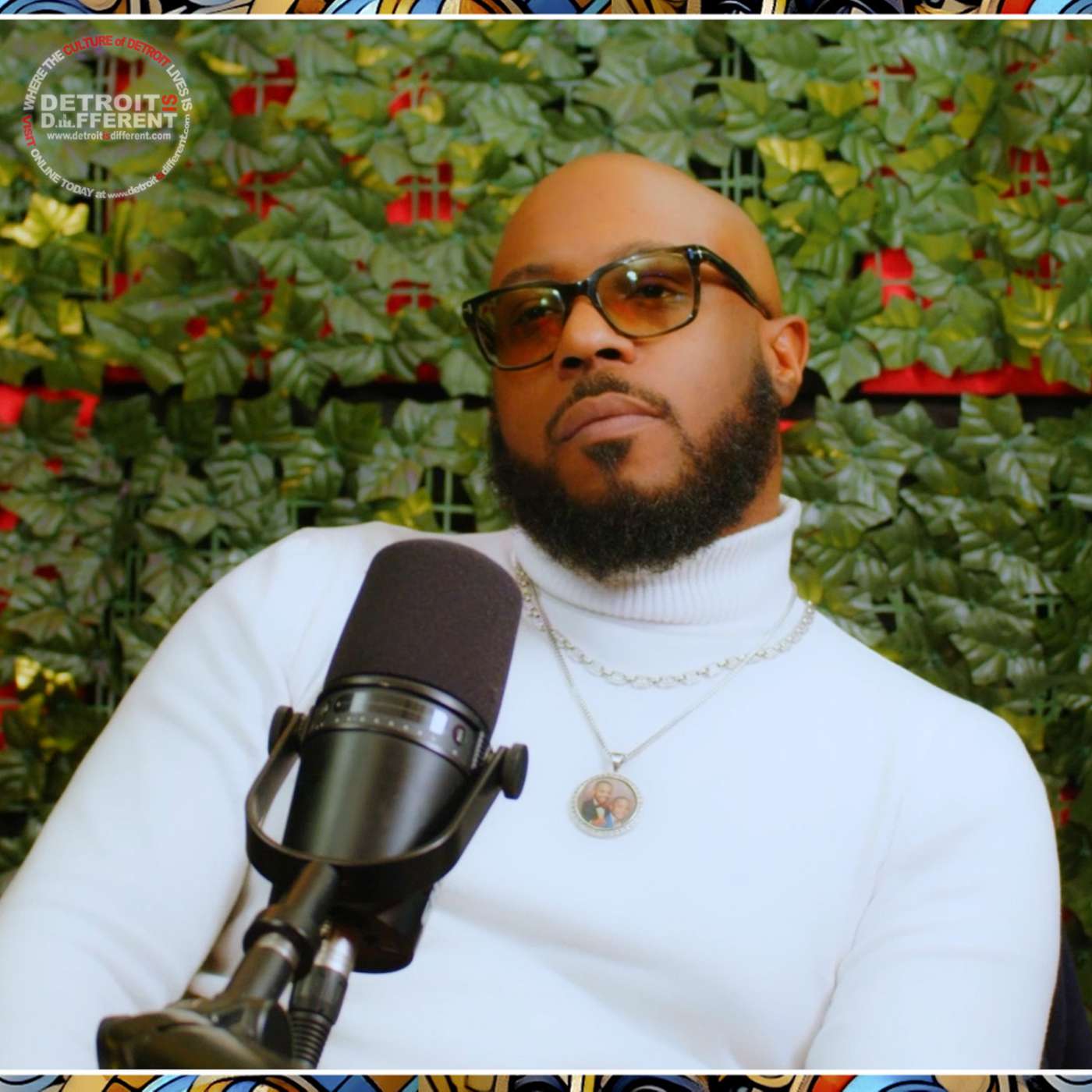
“The one thing I would tell the younger generation is to never stop learning.” In this special Detroit is Different x I Am a Genius collaboration, host Candace Cox-Wimberly (She’s a Genius / I Am a Genius) sits with Brandon Young, CEO and co-founder of Safety Ops Specialists, for a conversation that feels like Detroit porch wisdom with a business plan attached. From “Linwood… the stumping grounds” to “east side, also downtown,” Brandon maps how Legacy Black Detroit raises builders—wearing “suits since I was two years old,” shaped by the Nation of Islam, Aisha Shule, and the discipline of being “unapologetically me.” He breaks down entrepreneurship as “getting your time back,” but keeps it real: “It doesn’t start off the gate… you need to… build… a well-oiled machine.” The interview hits deep when Brandon shares how grief became fuel after losing his brother to COVID: “That pain pushed you forward,” leading him to create “between 50 and 60 jobs” and watch people go from “sleeping in their car” to “now I got a house.” He ties mentorship to survival—“closed mouth don’t get fed”—and ends with Detroit prophecy: “our work ethic is second to none.” This episode connects our past discipline to a future of entrepreneurship, wellness, and community-owned opportunity.
Detroit is Different is a podcast hosted by Khary Frazier covering people adding to the culture of an American Classic city. Visit www.detroitisdifferent.com to hear, see and experience more of what makes Detroit different.
Follow, like, share, and subscribe to the Podcast on iTunes, Google Play, and Sticher.
Comment, suggest and connect with the podcast by emailing info@detroitisdifferent.com
Find out more at https://detroit-is-different.pinecast.co
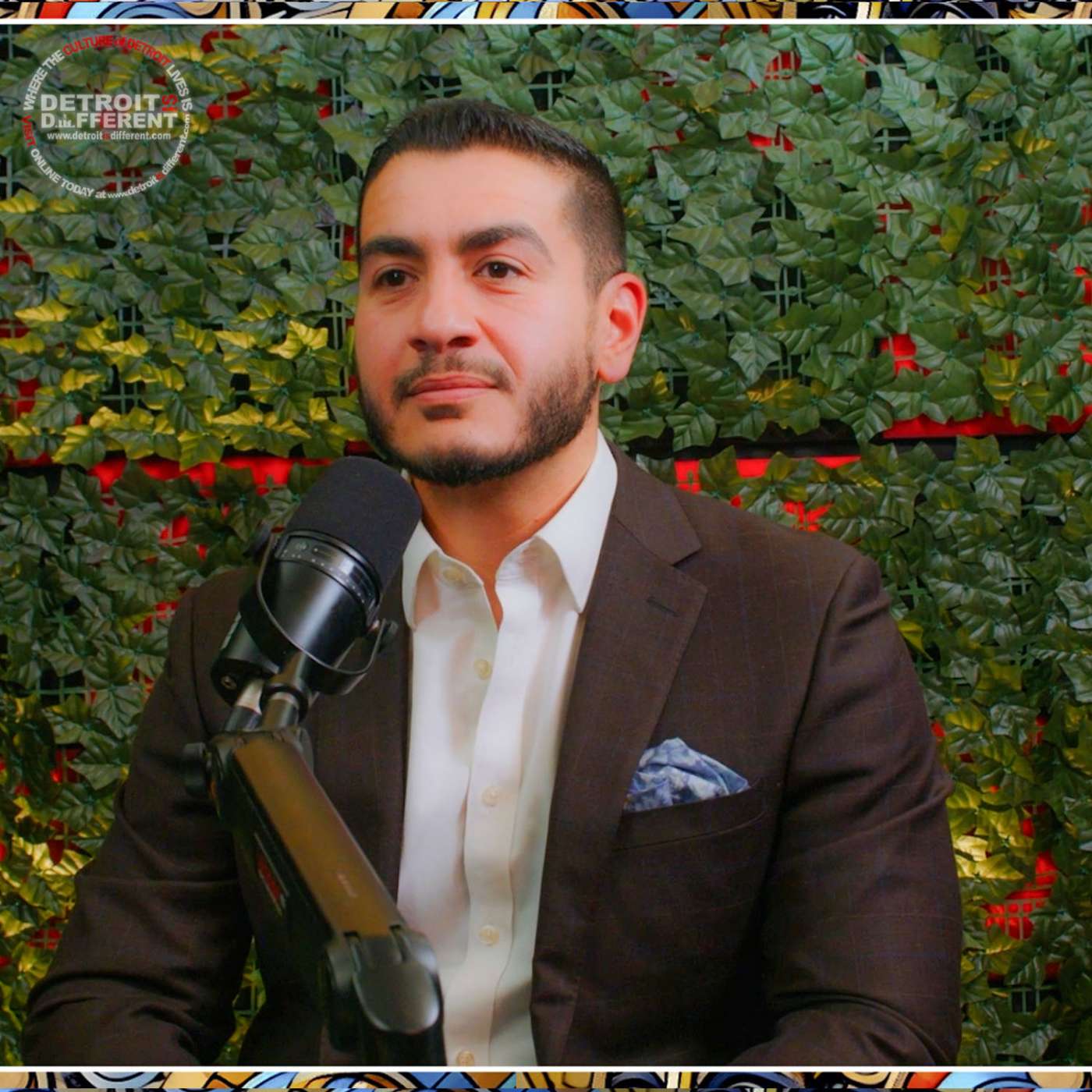
“Trump is not the disease of our politics—he’s just the worst symptom,” Abdul El-Sayed tells Detroit is Different, and from that line he builds a whole Michigan-rooted case for why progressives can’t just run against villains—they’ve got to run for people. In this deep, story-rich conversation, Abdul traces his Detroit foundation from an Egyptian father who “literally studied into existence the life I got to live” to a multiracial Michigan family that forced him to “explain myself to people my whole life,” and he connects that lived truth to organizing: the courage to face the bully, because “once you let them take your lunch money once you’re never going to eat lunch.” He breaks down public health as moral politics—“15 hours or 15 minutes” can mean a ten-year life expectancy gap—and calls out a system where CEOs get rich “while denying healthcare to people who they know need it.” From rebuilding Detroit’s health department (glasses vans outside schools) to refusing corporate money, Abdul lays out a liberal, progressive, activist spirit that echoes Michigan’s long tradition of labor, civil rights, and community-led power: “It’s not enough to say what you’re against—you got to say what you’re for.”
Detroit is Different is a podcast hosted by Khary Frazier covering people adding to the culture of an American Classic city. Visit www.detroitisdifferent.com to hear, see and experience more of what makes Detroit different.
Follow, like, share, and subscribe to the Podcast on iTunes, Google Play, and Sticher.
Comment, suggest and connect with the podcast by emailing info@detroitisdifferent.com
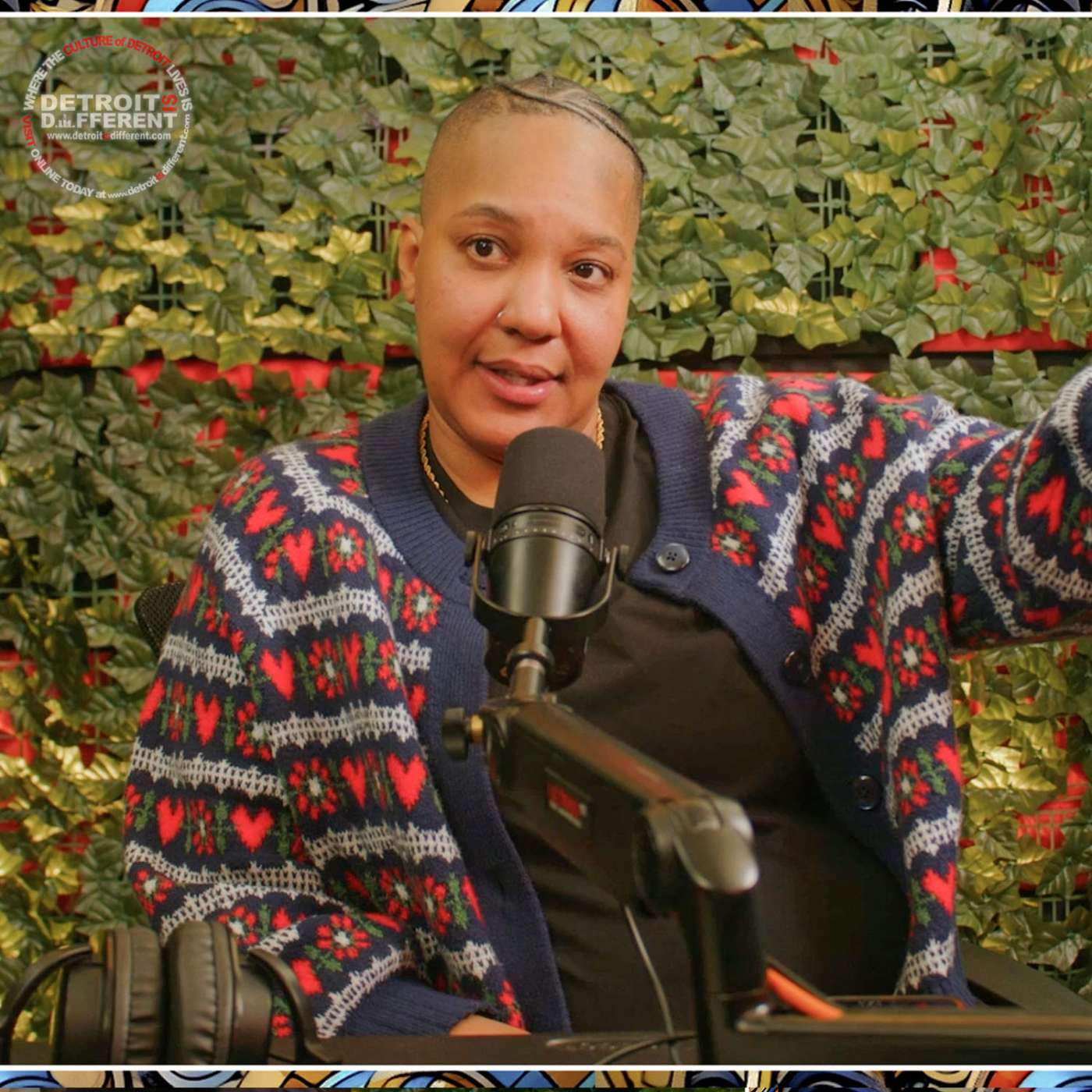
“You don’t get a blueprint in Detroit—you just have to be good and consistent.” Spoken word artist, poet, experience creator, and filmmaker Natasha T. Miller joins Detroit is Different for a deeply grounded conversation on what artistry means when it’s rooted in family, responsibility, and legacy Black culture. With humor and honesty, she reflects on being “300 cousins deep,” tracing her lineage back to Highland Park and a 14-bedroom family home that survived without lights or water—proof that Detroit creativity has always been born from endurance. T. Miller opens up about grief, raising her nephew after the loss of her brother, and how those life shifts reshaped her art: “It wasn’t a burden—it was what I was supposed to be doing.” She challenges the myth of the starving artist, insisting that sustainability is part of integrity: “If you’re making a decision to be a professional poet, you need to make money in that decision.” From the explosive era of Detroit’s spoken-word movement to her current work archiving grief, parenting, and memory through film and performance, this episode connects past and future. It’s a testament to Detroit’s experimental spirit—where art feeds community, accountability fuels creativity, and legacy is something you actively build.
Detroit is Different is a podcast hosted by Khary Frazier covering people adding to the culture of an American Classic city. Visit www.detroitisdifferent.com to hear, see and experience more of what makes Detroit different.
Follow, like, share, and subscribe to the Podcast on iTunes, Google Play, and Sticher.
Comment, suggest and connect with the podcast by emailing info@detroitisdifferent.com
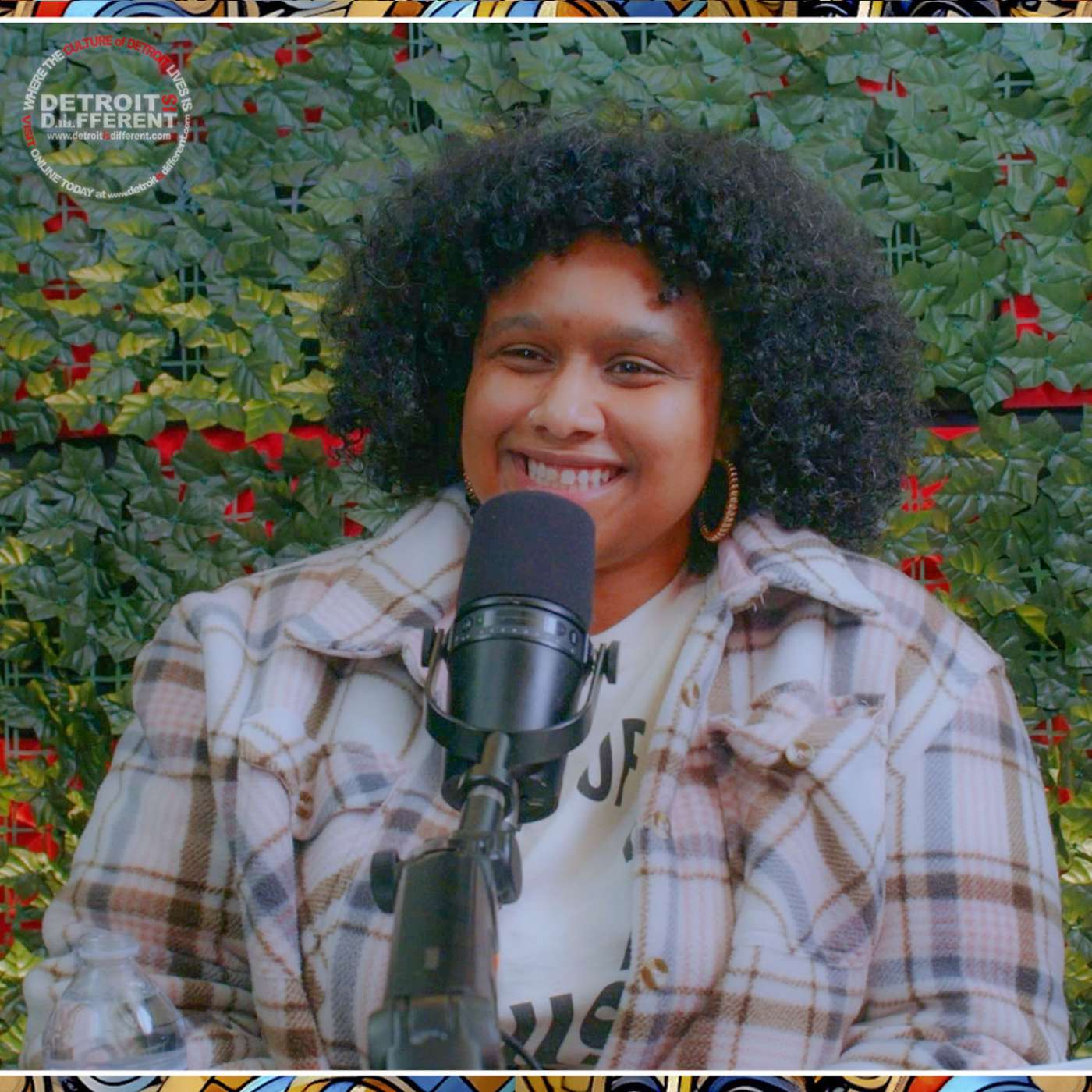
“I wanted a red brick house in Detroit. That’s all I wanted.” In this Detroit is Different studio sit-down, Misha Stallworth West—Senior Program Officer at the Ralph C. Wilson, Jr. Foundation—traces a five-generation arc from Selma to Detroit and family full of community organizers. She remembers a “stoic” grandfather, and a grandmother Alma Stallworth nicknamed “the Rep,” whose fierce love for children helped shape the Northwest Activity Center, Beaubien Junior High, and the Black Caucus Foundation of Michigan’s drug, tobacco, and violence prevention work. Misha explains how growing up in meetings made her “a well-trained introvert,” and why she’s “never asked herself if I’m allowed to speak in any space—ever.” From Grant Park Chicago IL on election night of Barack Obama, to part of Detroit’s first school board after emergency management, she connects Legacy Black Detroit’s political education to today’s care economy. Her current focus is caregivers of older adults: “every time you go get a box for my auntie house, I’m talking about you,” and “you can’t pour from an empty cup.” This episode is a blueprint for how Detroit’s past-built institutions can power our next future. and how we honor elders.
Detroit is Different is a podcast hosted by Khary Frazier covering people adding to the culture of an American Classic city. Visit www.detroitisdifferent.com to hear, see and experience more of what makes Detroit different.
Follow, like, share, and subscribe to the Podcast on iTunes, Google Play, and Sticher.
Comment, suggest and connect with the podcast by emailing info@detroitisdifferent.com
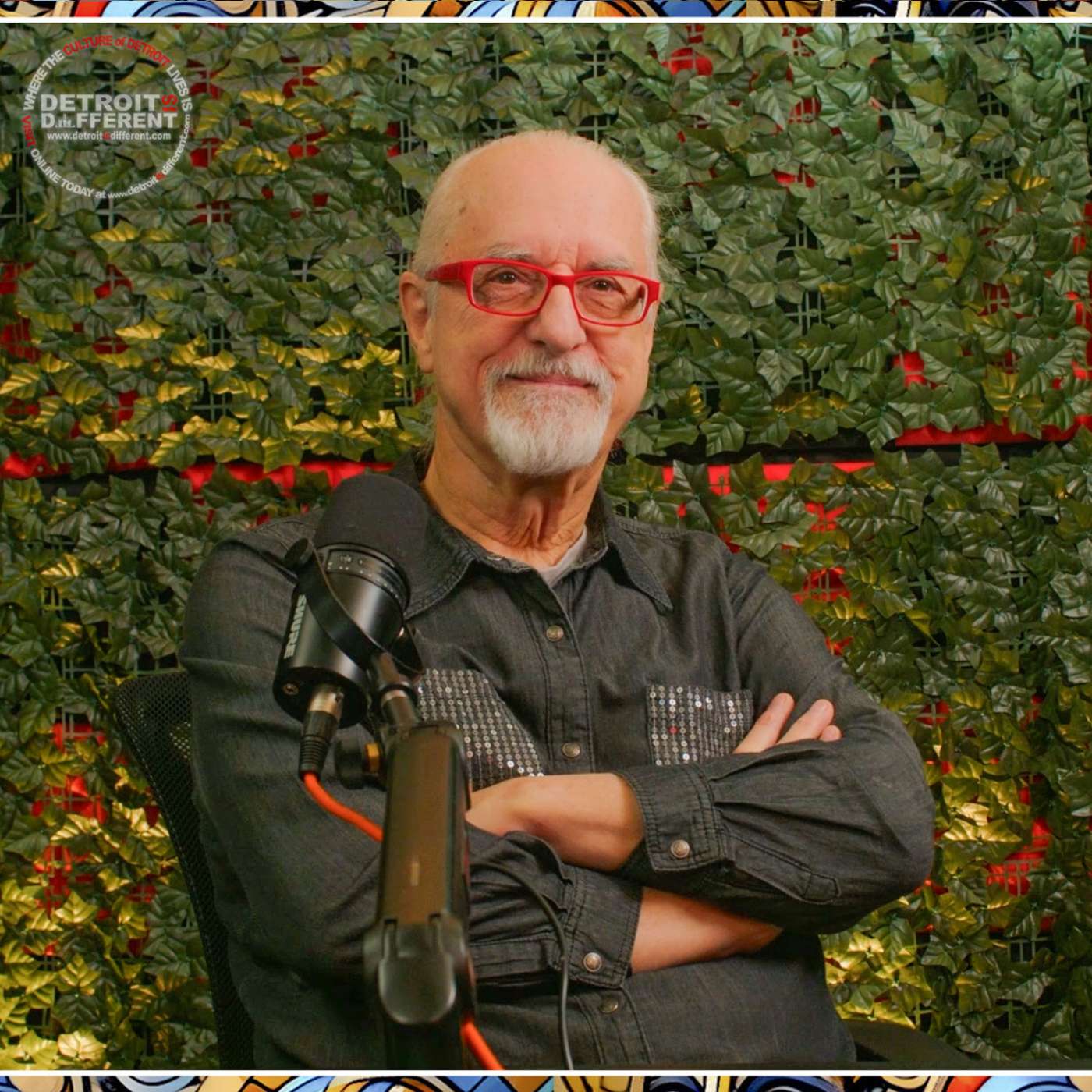
“My life will be better if everybody else’s life gets better”—that’s the heartbeat of this Detroit is Different conversation with musician and lifelong activist Bill Meyer, where jazz isn’t just sound, it’s a human-rights practice. Bill takes us from his family’s Depression-era move from Canada to Detroit, to learning piano out of pure little-brother defiance—“the only way I could stop him was if I went and sat on the piano bench”—and into the moment he first saw racism up close as a child and knew something was deeply wrong. He breaks down how he didn’t understand “the politics” of jazz until college, when Vietnam-era organizing radicalized him, and he started naming the truth: “Jazz is black music,” and too often “the black people created it…and the white people made all the money.” From producing a 1987 Detroit tribute to Paul Robeson to building a 24-year jam-session institution at Bert’s, Bill calls community-building “a political project”—using music to cross lines, support Black business, and push peace and justice. This episode connects past movements to future ones with a simple charge: “Music is love…bring people together.”
Detroit is Different is a podcast hosted by Khary Frazier covering people adding to the culture of an American Classic city. Visit www.detroitisdifferent.com to hear, see and experience more of what makes Detroit different.
Follow, like, share, and subscribe to the Podcast on iTunes, Google Play, and Sticher.
Comment, suggest and connect with the podcast by emailing info@detroitisdifferent.com
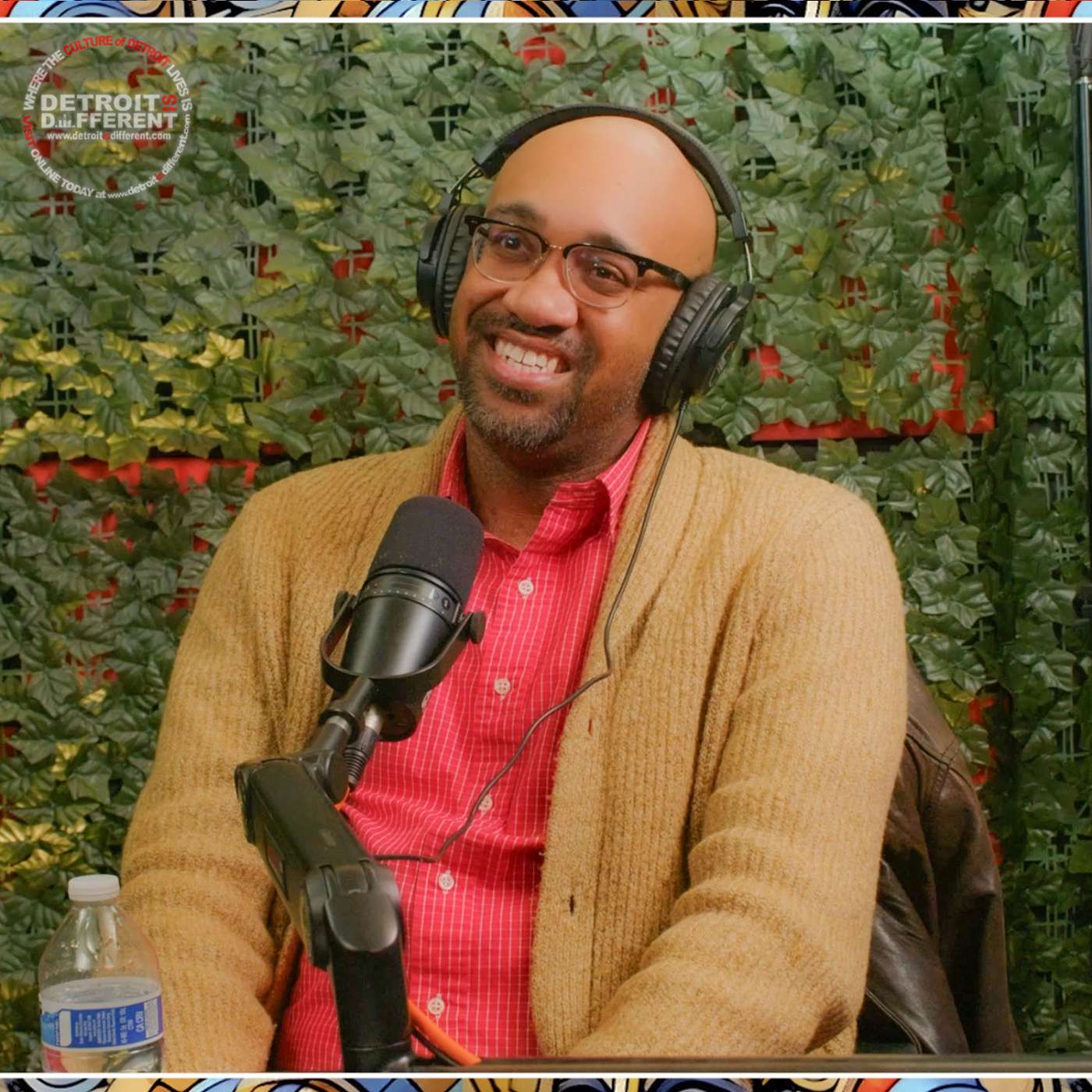
“You don’t know that you live in a Black city until you leave.” Aaron Foley pulls up to Detroit Is Different with that truth and four generations of Detroit in his pocket—from Conant Gardens to the North End—unpacking how Legacy Black culture was built through homes, institutions, and the Black press. He paints his great-aunt Joyce's house as “JoAnn Fabrics full of patterns and clothes,” a creative HQ where couture fashion shows happened in the living room, and laughs at family lore: “I kicked that man out of my dressing room,” his grandmother’s story after mistaking Lou Rawls for an intruder. From Pershing to Northern, Four Tops doo-wop to Smokey “out in these streets,” Foley shows how Detroit genius was neighborhood-deep. Then he brings it to the Michigan Chronicle, where he grew up watching the paper “come to life,” learning why “papers like The Chronicle…were very important in documenting our stories.” Now back at the Chronicle himself, he’s focused on “what kind of stories…you can only read this in The Chronicle,” writing pieces meant to “stand the test of time” and seed the next wave of Black journalists. This episode is a love letter to our past—and a blueprint for our future.
Detroit is Different is a podcast hosted by Khary Frazier covering people adding to the culture of an American Classic city. Visit www.detroitisdifferent.com to hear, see and experience more of what makes Detroit different.
Follow, like, share, and subscribe to the Podcast on iTunes, Google Play, and Sticher.
Comment, suggest and connect with the podcast by emailing info@detroitisdifferent.com
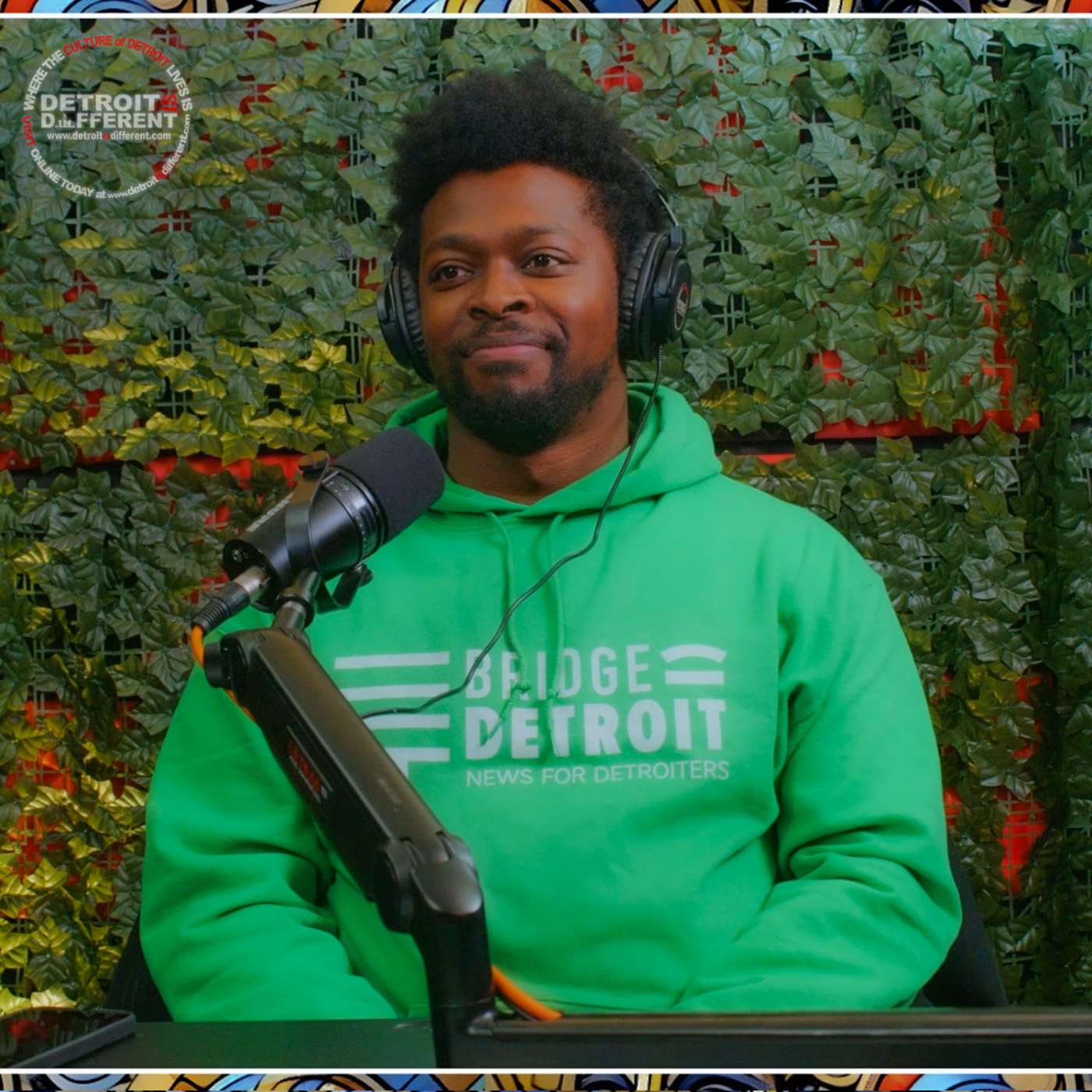
“It’s for the community. It’s about the community. It is community centered”—and Bryce Huffman brings that energy from the first minute, taking us from deep family roots (“Granddad… from Alabama by way of The Bahamas”) to the neighborhoods that raised him—Conant Gardens, Anderson Memorial, Bagley/University District—where “thank God because this is my city” isn’t just a line, it’s a life stance. In a conversation packed with Detroit geography, humor, and hard truth, Bryce breaks down how growing up across the city (and seeing the suburbs up close) shaped his lens on journalism, power, and Legacy Black culture—our churches, our hustles, our street-corner wisdom, and the stories outsiders miss. He opens up about the moment Ferguson flipped his purpose—“I can use these skills… to force people to talk about things that matter”—and how that throughline led him home to Bridge Detroit. Looking ahead, Bryce lays out a 2026 vision rooted in “civic accountability,” including Bridge’s Porchside series in District 5, where residents invite journalists into the neighborhood to talk solutions—because the future of Detroit depends on people knowing “what can you do about it?”
Detroit is Different is a podcast hosted by Khary Frazier covering people adding to the culture of an American Classic city. Visit www.detroitisdifferent.com to hear, see and experience more of what makes Detroit different.
Follow, like, share, and subscribe to the Podcast on iTunes, Google Play, and Sticher.
Comment, suggest and connect with the podcast by emailing info@detroitisdifferent.com
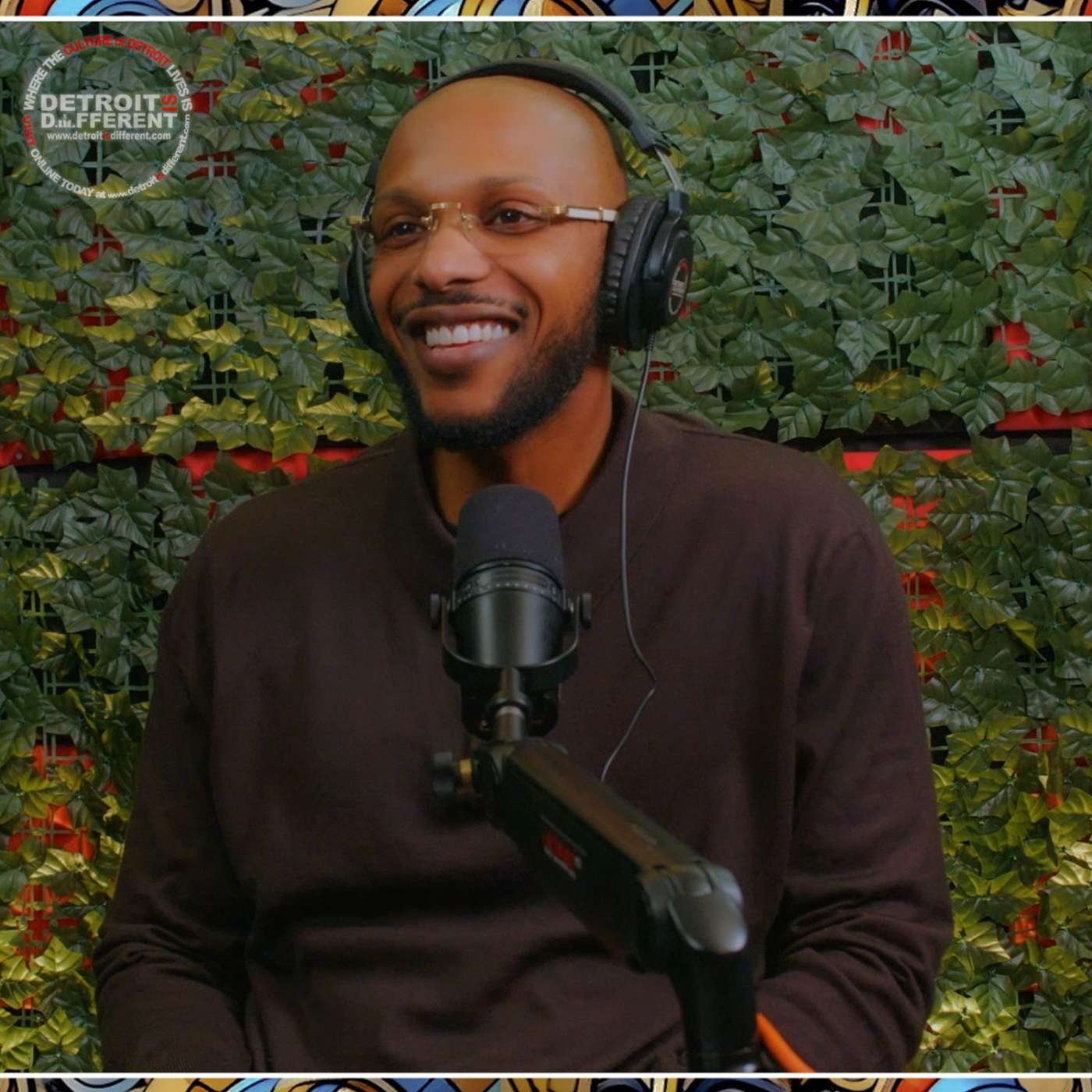
"We really have exactly 100 years in Detroit,” Arthur Chapman says, and that one line sets the whole episode on fire—because this isn’t just jewelry, it’s Legacy Black Detroit economics. Arthur walks us from Yazoo City, Mississippi to Black Bottom, where family relationships became the real infrastructure, and where his grandfather “Daddy E” (Eli Chapman) stayed in motion as a serial entrepreneur—record store, bowling alley, whatever it took—before a bus driver’s tool of the trade opened the door: pocket watches. When the DSR/DDOT watch vendor retired, Eli didn’t hesitate: “I’ll give you X amount of dollars for your inventory and for your contract with DDoT,” and a work relationship turned into a supply chain, then into rings, diamonds, and Detroit success. Arthur also names the barriers—“There were no jewelers willing to sell to him”—and the breakthrough moment when a supplier finally said, “As long as your money is green, I’ll do business with you.” We hear how safety, community, and partnership mattered—“you are your security”—and why returning home for Arthur was the future: Detroit is the culture that raises the next generation, because the goal isn’t just survival, it’s to “go a thousand years.
Detroit is Different is a podcast hosted by Khary Frazier covering people adding to the culture of an American Classic city. Visit www.detroitisdifferent.com to hear, see and experience more of what makes Detroit different.
Follow, like, share, and subscribe to the Podcast on iTunes, Google Play, and Sticher.
Comment, suggest and connect with the podcast by emailing info@detroitisdifferent.com
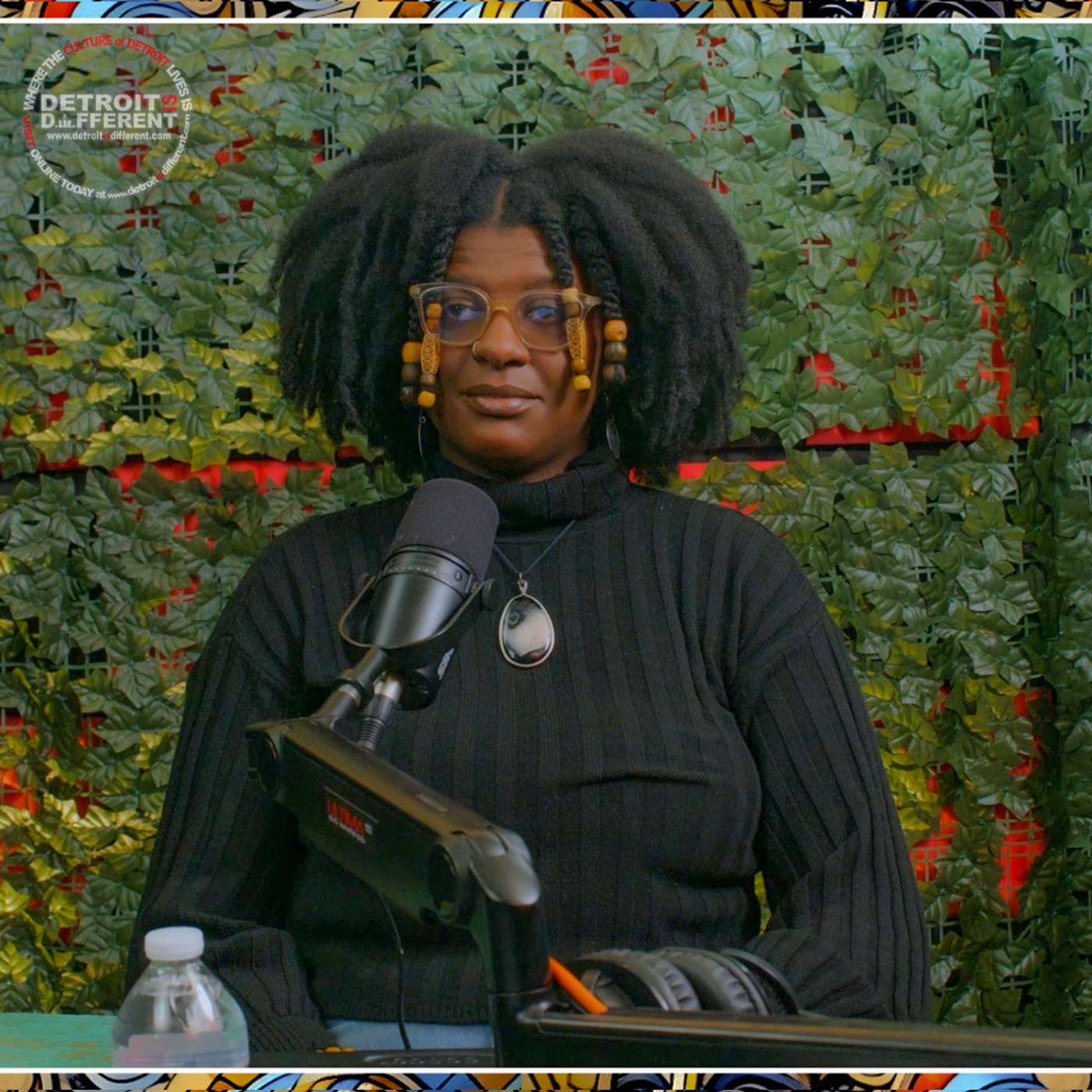
There’s this interesting thing with time where the past collapses within the present.” Triniti Watson—Curator-in-Residence at the Boggs Center for Nurturing Community Leadership and visionary lead of The Critical Mix—pulls up with Detroit roots deep as the Great Migration and a mission to make “lost histories… more visible.” From her grandma’s West Side St. Mary’s Street house—Jeopardy on the big block TV, journals, photo albums, and “these are your people” images—Triniti traces how Black women become the “OG archivist,” holding our stories when institutions and trauma leave gaps. She breaks down how COVID-era stillness pushed her to say, “I cannot allow an institution to define who I am,” and why memory work is freedom work. Then she invites Detroit into the Boggs Center’s 30-year legacy with First Fridays (1–4 PM), where community safety history meets Detroit’s sonic future: DJs create mixes responding to texts from the exhibit, so visitors feel “the textures of liberation” while learning the names, movements, and traditions that built us. The series launches Friday, February 6, 2026 for Black Histories/Black Futures Month—pull up, bring friend, and follow @boggscenter for updates. Free, intergenerational, and Detroit as ever—Legacy Black culture remembered on purpose, and remixed for what’s next.
Detroit is Different is a podcast hosted by Khary Frazier covering people adding to the culture of an American Classic city. Visit www.detroitisdifferent.com to hear, see and experience more of what makes Detroit different.
Follow, like, share, and subscribe to the Podcast on iTunes, Google Play, and Sticher.
Comment, suggest and connect with the podcast by emailing info@detroitisdifferent.com
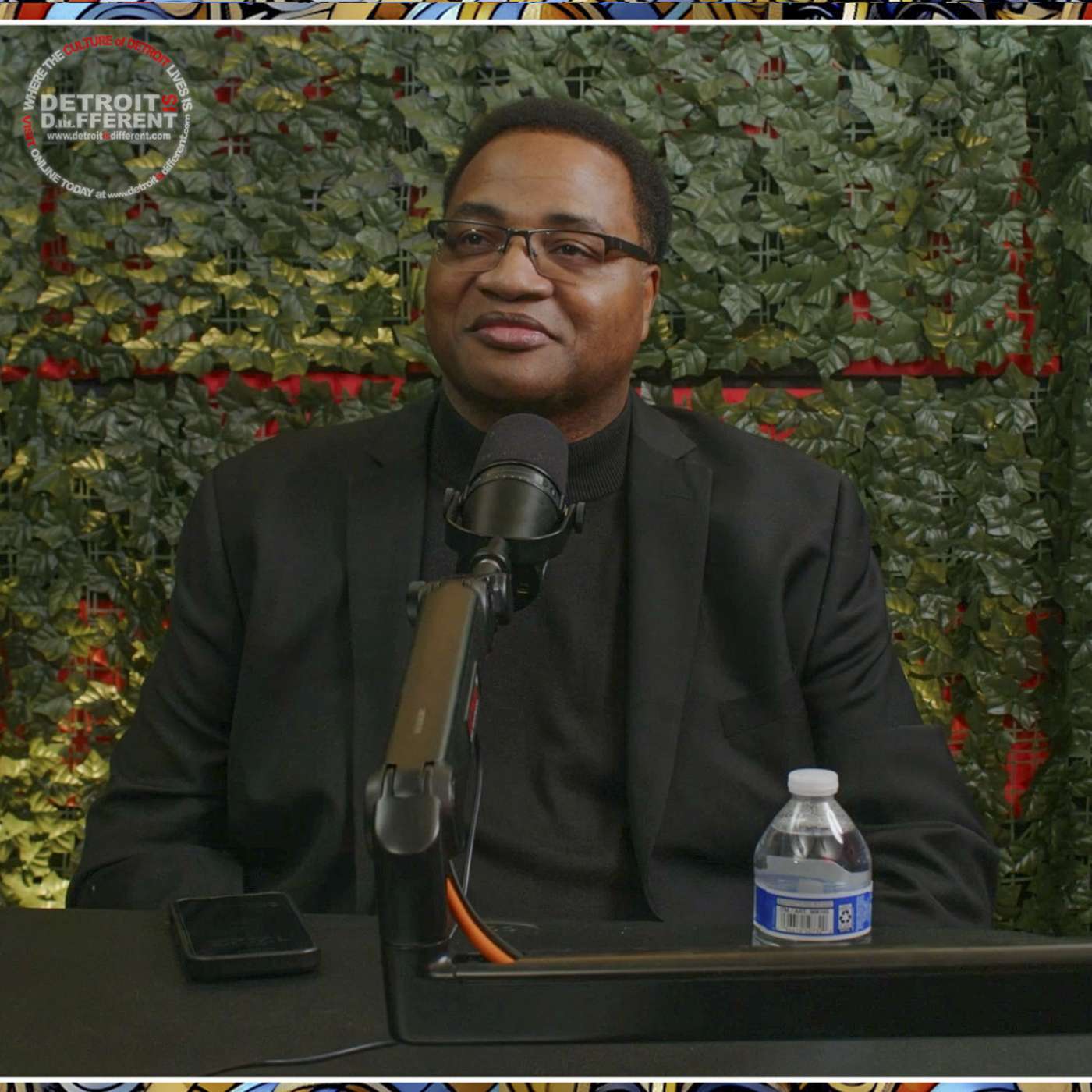
“Politics taught me and prepared me for a world that is more political than politics.” Wayne County Commissioner (District 2) and 13th Congressional District Democratic Party Chair Jonathan Kinloch joins Detroit is Different for a Detroit-rooted, world-spanning conversation that starts at Second & Myrtle—“you know you’re Detroit when you remember” it was once Myrtle, now MLK—and reaches back to South Carolina and New Jersey family migrations. Kinloch breaks down how elders like Erma Henderson wrapped their arms around a young volunteer, handing him the City Charter and saying, “I want you to read that and… explain it to me,” then sending him to police, planning, and historic commission meetings to learn how power really moves. From Northwestern’s Motown pipeline—meeting Esther Gordy Edwards—to giving artists civic honors, Kinloch reveals the thread between culture and governance: legacy is built when we protect the block, the schools, and the ballot. He names Reagan-era disinvestment, party infrastructure fights, and why “this bipartisan thing is… bull crap” when working families need results. This episode ties past and future Black Detroit: migration, mentorship, music, and the mandate to organize precinct by precinct so our people steer what’s next. Tap in for stories, strategy, and Detroit love.
Detroit is Different is a podcast hosted by Khary Frazier covering people adding to the culture of an American Classic city. Visit www.detroitisdifferent.com to hear, see and experience more of what makes Detroit different.
Follow, like, share, and subscribe to the Podcast on iTunes, Google Play, and Sticher.
Comment, suggest and connect with the podcast by emailing info@detroitisdifferent.com
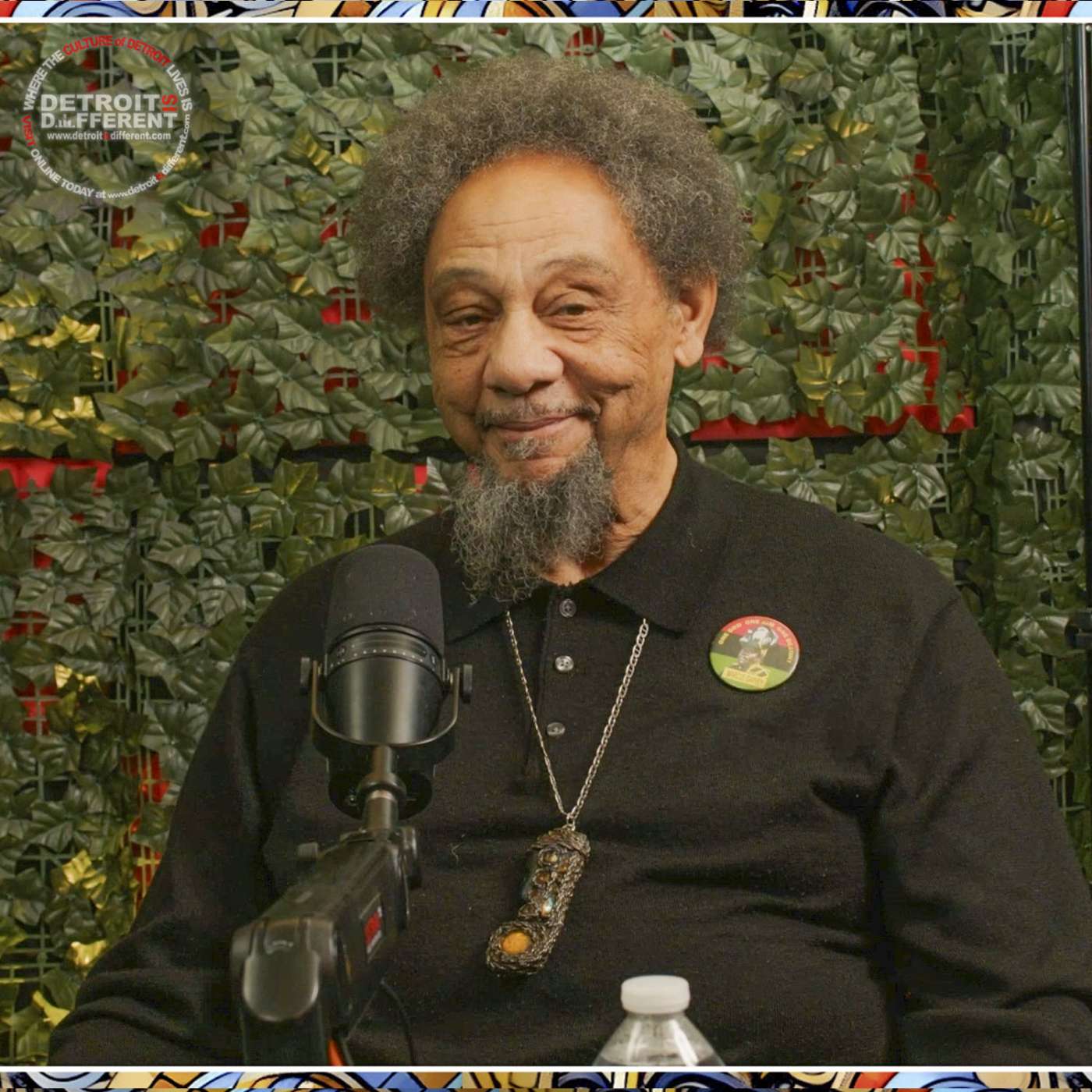
“Detroit is different… it’s all because of the melanin that we’re getting from the sun.” In this Detroit is Different conversation, Brother Chungalia—an original member of the US Organization founded by Dr. Maulana Karenga, creator of Kwanzaa, and among the first to celebrate it—takes us from post-riot Los Angeles to the deep roots of Black Detroit. He calls his move here “inevitable,” recalling LA’s Congress building politics—“Jesse Jackson had an office there”—and the discipline of a movement that spoke Swahili daily. He stitches together Conant Gardens, Paradise Valley, and the Blue Bird Inn with a moment of Black memory so wild it feels like spirit work: “She remembered me… from 1959 and spotted me in 1974,” leading to “the only time I cried tears of joy.” From there, he flips elder testimony into future blueprint—“What’s the most important thing in your whole life?… breathing”—and warns that “technology is killing humanity,” pushing him to claim, “I’d rather be known… as a humanitarian,” even while rooted in Black nationalism. This episode is a bridge between the past that made Detroit’s African-centered movement possible and the future our children deserve—where the Nguza Saba isn’t nostalgia, it’s a survival manual for Legacy Black culture today.
Detroit is Different is a podcast hosted by Khary Frazier covering people adding to the culture of an American Classic city. Visit www.detroitisdifferent.com to hear, see and experience more of what makes Detroit different.
Follow, like, share, and subscribe to the Podcast on iTunes, Google Play, and Sticher.
Comment, suggest and connect with the podcast by emailing info@detroitisdifferent.com
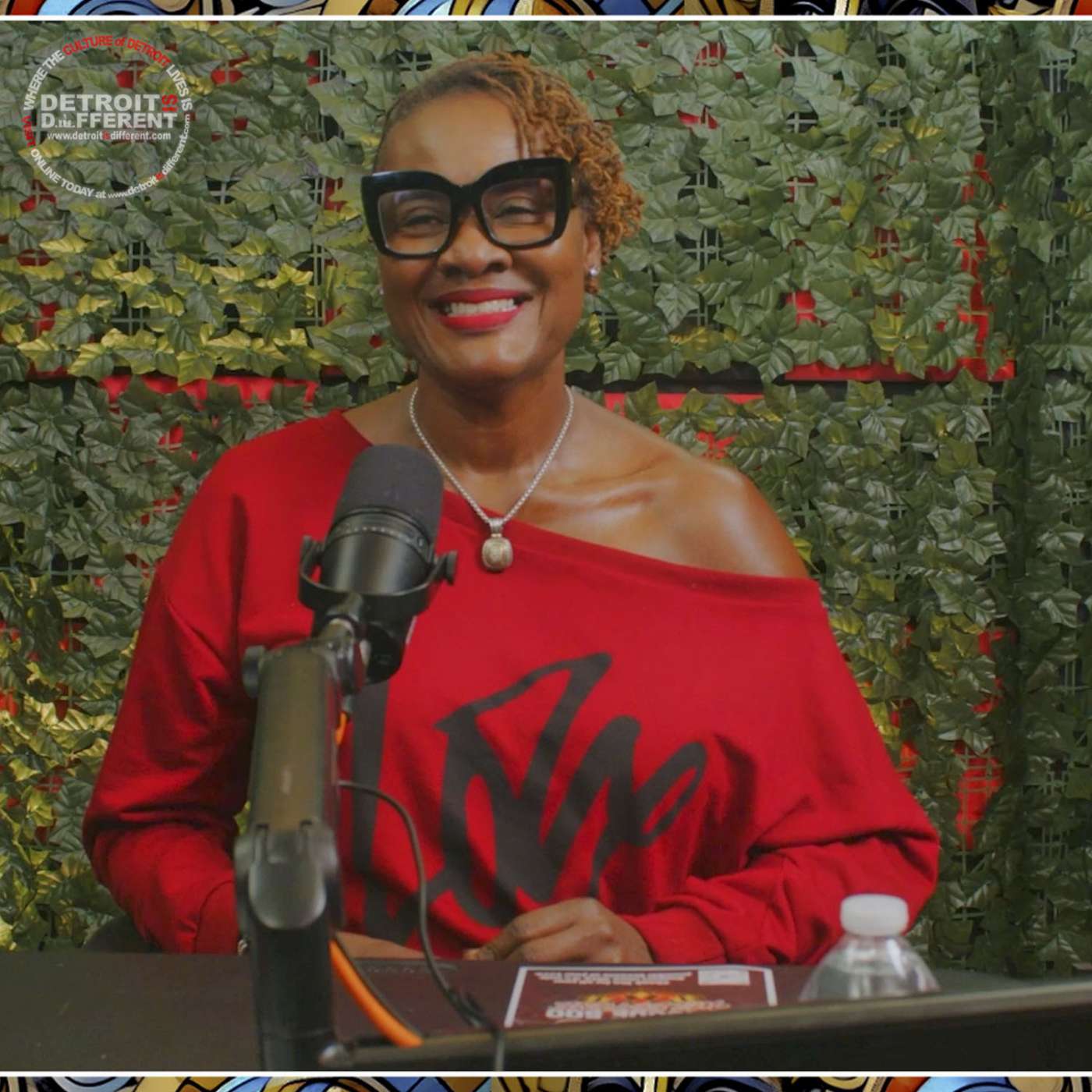
“We can’t just walk up in people’s neighborhoods and not come the right way—it’s not going to end well for you.” In this Detroit is Different conversation, Marlin Williams—Founder of Intentional Technology and the force behind Sisters Code—shows why tech decisions are really decisions about people, power, and legacy. From Alabama roots to growing up on Commonwealth and Six Mile/Outer Drive, Marlin traces how Legacy Black Culture travels: migration, church, cousins, and the “nice to be nice” relationship code. She remembers entrepreneurship before the label—Amway, pots-and-pans parties my parents held—and says the real lesson was making folks feel “like they’re the only person in the room.” Then she takes us into Cass Tech, FAMU freedom, Wayne State, and Compuware’s 13-week programming gauntlet—“seven languages in 13 weeks”—that launched her into building systems behind banking and auto. Marlin reflects on helping move Compuware downtown with community-minded intent, and how Sisters Code was born onstage when she saw people “getting left out.” Today, her mission is simple: be intentional—“make sure your work gets all you need”—so our organizations save time, money, and protect our peace for the future. Detroit’s past built it; our choices build tomorrow.
Detroit is Different is a podcast hosted by Khary Frazier covering people adding to the culture of an American Classic city. Visit www.detroitisdifferent.com to hear, see and experience more of what makes Detroit different.
Follow, like, share, and subscribe to the Podcast on iTunes, Google Play, and Sticher.
Comment, suggest and connect with the podcast by emailing info@detroitisdifferent.com
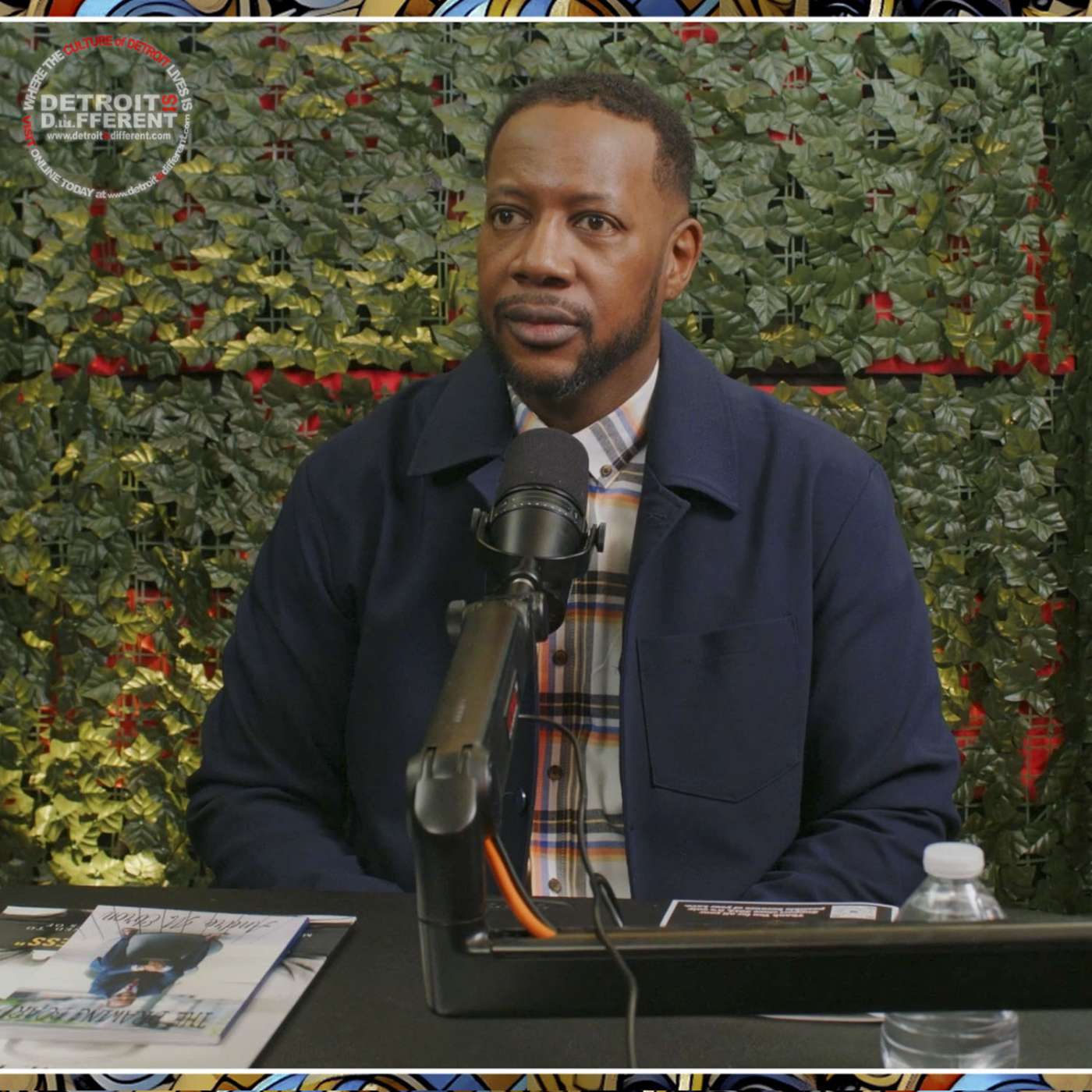
“You can be aware without being exposed.” That’s the kind of Detroit-grown wisdom Andre Ebron drops in this powerful studio conversation—equal parts laughter, truth-telling, and strategy for building environments where Black people can breathe and become. Andre traces his roots from Marion, Alabama through the Great Migration, the Boblo childhood memories, and landing in Detroit in 2004—“June 2004… I was there” at the Pistons championship rally—before pouring 21 years into youth, schools, nonprofits, and equity work. He breaks down why “poverty provides infrastructure for disaster,” and why mentorship can’t be performative: “Children don’t need another failed relationship in their life.” You’ll hear stories from classrooms where he refused to be the “heavy,” choosing restoration instead—“before you challenge, express concern and care”—and a reminder that legacy is built in choices: “If you have a chance to exit, exit because your life is worth it.” This episode connects Detroit’s past—migration, blocks, schools, survival—to our future: liberation-minded leadership that protects our kids, honors our elders, and grows Legacy Black Culture into a more intentional tomorrow.
Detroit is Different is a podcast hosted by Khary Frazier covering people adding to the culture of an American Classic city. Visit www.detroitisdifferent.com to hear, see and experience more of what makes Detroit different.
Follow, like, share, and subscribe to the Podcast on iTunes, Google Play, and Sticher.
Comment, suggest and connect with the podcast by emailing info@detroitisdifferent.com

Comments

Download from Google Play

Download from App Store
 United States