


 Claim Ownership
Not Impossible
Subscribed: 90Played: 346
Subscribe

© Not Impossible Labs
Description
Not Impossible is a podcast that asks the question “What if nothing in life is impossible?” It explores inspiring stories about people solving the hardest, most mind-boggling problems in some of the most creative and unimaginable ways.
Mick Ebeling, founder of Not Impossible Labs, guides us through uplifting stories of people who've created technology for the sake of humanity.
21 Episodes
Reverse
In this episode of the Not Impossible Podcast, host and Not Impossible Labs founder Mick Ebeling sits down with Justin Sanchez to explore how innovative technology once considered science fiction is becoming real.Justin leads groundbreaking work at DARPA, where researchers are tackling some of the hardest problems in neurotechnology. From advanced prosthetics that move and feel like natural limbs to brain-computer interfaces that help restore movement and memory, this conversation dives into how innovation happens at the edge of what’s possible.Together, Mick and Justin unpack how the brain adapts to new tools, what it means to read from and write to the nervous system, and why some of the most powerful technologies in the world still struggle to reach the people who need them most. Along the way, they explore the ethical responsibility that comes with innovation and what it takes to move these breakthroughs from lab demos into everyday life.This episode is a look at how innovation is built, why access matters, and how the future is already being shaped one thought at a time.TOPICS COVERED
What DARPA is and how it approaches high-risk innovation
The technology behind advanced prosthetic limbs
Wearable neurotechnology and rehabilitation
Memory prosthetics and restoring cognitive function
Ethical responsibility in emerging technology
In this episode of the Not Impossible Podcast, host and Not Impossible Labs founder Mick Ebeling sits down with Dr. Bruce Rittmann, one of the world’s most influential environmental engineers, to explore a growing global problem hiding in plain sight: forever chemicals.
Also known as PFAS, these man-made compounds are used in everyday products like non-stick cookware, waterproof clothing, and stain-resistant materials. They are designed to last, but that same durability means they do not naturally break down, allowing them to accumulate in water, food, and the human body.
Dr. Rittmann explains how microorganisms, often overlooked by humans, can become powerful partners in addressing this challenge. By delivering electrons in the right way and using catalytic materials like palladium, his team has developed a process that does more than filter pollution or move it elsewhere. It chemically transforms some of the most persistent contaminants on Earth into compounds that can finally be broken down safely.
Together, Mick and Dr. Rittmann unpack the science behind forever chemicals, the breakthrough moment that made this approach possible, and what it would take to scale this technology in real-world water treatment systems. From contaminated sites to drinking water facilities, this conversation explores how a problem once thought permanent may no longer be forever.
TOPICS COVERED
What forever chemicals are and why they are so difficult to break down
How PFAS ended up in everyday products and the environment
The role microorganisms play in transforming harmful pollutants
What scaling this technology looks like in real-world water treatment systems

In this episode of the Not Impossible Podcast, host and Not Impossible Labs founder Mick Ebeling sits down with Dr. Warren Booth and Dr. Brenna Levine, the researchers who documented the first-ever confirmed virgin birth in a crocodile — a discovery that challenges one of the oldest assumptions we have about how life begins.
Their work reveals a biological phenomenon called parthenogenesis, where a female animal reproduces without a male — a process found across reptiles, birds, sharks, and even entire species that no longer have males at all.
This conversation unpacks how parthenogenesis works, why it evolves, and what this surprising crocodile case tells us about nature’s flexibility, resilience, and refusal to stay inside our human expectations.
Topics Covered
What parthenogenesis is (and why it’s not as rare as we think)
How the team confirmed a virgin birth in an American crocodile
Why the animal kingdom regularly breaks our “status quo” assumptions
What this discovery means for evolution, genetics, and survival
Subscribe for more episodes with world-changing thinkers, inventors, and doers.
https://www.youtube.com/@notimpossiblelabs?sub_confirmation=1
Follow Not Impossible Labs:
Website: https://www.notimpossible.com
Instagram: https://www.instagram.com/notimpossible
LinkedIn: https://www.linkedin.com/company/not-impossible
Facebook: https://www.facebook.com/notimpossiblelabs/
TikTok: https://www.tiktok.com/@notimpossiblelabs_
Follow Mick Ebeling:
Instagram: https://www.instagram.com/mickebeling_
LinkedIn: https://www.linkedin.com/in/mickebeling
Book Mick to Speak: https://www.notimpossible.com/mickebeling
Contact Mick’s team: info@notimpossiblelabs.com
About Not Impossible Labs:
Not Impossible Labs is a multi-award-winning innovation lab and production company on a mission to create technology for the sake of humanity. Founded by Mick Ebeling, Not Impossible tackles seemingly impossible challenges - from creating eye-tracking devices for ALS patients to 3D-printing prosthetic arms in war zones. Our philosophy: Help One, Help Many.

In this episode of the Not Impossible Podcast, host and Not Impossible Labs founder Mick Ebeling sits down with Dr. Kimberly Budil, Director of the Lawrence Livermore National Laboratory, who oversaw the first-ever net positive nuclear fusion reaction, a milestone comparable to the Wright brothers’ first flight.
Fusion has long lived in the realm of “someday science.” But as Dr. Budil explains, that someday is suddenly feeling a lot closer. Together, Mick and Dr. Budil unpack how 192 synchronized lasers, a gold cylinder, a diamond fuel capsule, and a tiny peppercorn-sized ball of hydrogen created one of the most important scientific achievements of our generation.
This conversation dives deep into the physics, the story, and the future of fusion energy — and explores what it will take to turn this breakthrough into a real path toward limitless, clean, sustainable power.
Topics Covered
How the National Ignition Facility achieved the first net-positive fusion reaction
Why fusion is “easy”… but sustained fusion is one of science’s hardest challenges
The difference between laser fusion and magnetic fusion
What it means to build an “X-ray oven” with gold, diamonds, and 192 laser beams
How public-private partnerships could accelerate fusion from lab milestone to global energy source
Why this moment is the “Wright Brothers flight” of clean energy

In this episode of the Not Impossible Podcast, host and Not Impossible Labs founder Mick Ebeling sits down with members of the SETI research team, who are exploring one of the most ambitious questions in science: How do you communicate with a mind that isn’t human?
Their work begins here on Earth, decoding the complex songs, social structures, and communication systems of whales. They hope to uncover patterns that might help us someday recognize and understand intelligent life beyond our planet.
This conversation dives into the intersection of biology, linguistics, technology, and imagination, revealing how studying the language of another species could become a blueprint for how humanity reaches out into the cosmos.
Topics Covered
How scientists capture and decode the communication patterns of whales
What whale societies reveal about non-human intelligence
How interspecies communication research informs the search for extraterrestrial life
In this episode of the Not Impossible Podcast, host and Not Impossible Labs founder Mick Ebeling sits down with Dr. Jaimie Henderson, a neurosurgeon and researcher at Stanford, whose work focuses on restoring brain function for people living with neurological conditions.
This conversation explores how the brain learns, adapts, remembers, and sometimes rebuilds pathways once thought gone forever.
Topics Covered
The early history of neurostimulation (including the torpedo fish!)
How brain-computer interfaces decode intention
The emotional impact of restoring agency and independence
The future of neurorehabilitation and motor recovery
What if “forever plastic” didn’t have to last forever?
In this episode of the Not Impossible Podcast, host and Not Impossible Labs founder Mick Ebeling sits down with Dr. Amira Samat, a biologist whose research challenges one of the world’s most stubborn assumptions: that polypropylene, one of our most common plastics, can never truly break down.
Polypropylene is everywhere: pill bottles, takeout containers, carpets, furniture, cars, medical tools. It’s durable, cheap, and efficient… which is exactly why it’s become a global environmental crisis.
But while scientists have long believed polypropylene was essentially indestructible, Amira discovered something remarkable: a natural combination of fungi and bacteria that can break it down significantly in months, not centuries.
This wasn’t supposed to be possible. And yet… here we are.
This conversation dives into:
How Amira discovered plastic-eating microorganisms
The science behind biodegradation (made simple)
Why this breakthrough could reshape ocean cleanup

What if the word “impossible” was just a challenge waiting to be redefined?
In this Not Impossible Podcast episode, host and Not Impossible Labs founder Mick Ebeling sits down with Jessica Cox, the world’s first woman to fly a plane with her feet, to explore what it truly means to live without limits.
Born without arms, Jessica has spent her life defying expectations: earning a black belt in Taekwondo, becoming a licensed pilot, learning to surf and scuba dive, and inspiring millions around the world.
Once considered impossible, her story reminds us that the only real limitations are the ones we place on ourselves. This conversation dives deep into resilience, adaptability, and the mindset that turns obstacles into opportunity.
Subscribe for more episodes with world-changing thinkers, inventors, and doers.
What if freezing organs could save countless lives?
In this Not Impossible Podcast episode, host and Not Impossible Labs founder Mick Ebeling sits down with Dr. Greg Fahy, a pioneering cryobiologist whose groundbreaking work in vitrification, the process of freezing organs without damaging them, is set to transform the future of organ transplantation.
Once considered impossible, Dr. Fahy’s discoveries reveal how some of the world’s biggest challenges are just problems waiting for ingenious solutions. This conversation dives deep into the science, the story, and the surprising inspirations behind this medical breakthrough.
Subscribe for more episodes with world-changing thinkers, inventors, and doers.
What does it really take to make Mars a future home for humanity?
In this Not Impossible Podcast episode, host and Not Impossible Labs founder Mick Ebeling sits down with Dr. Michael Hecht, NASA's principal investigator for MOXIE - Mars Oxygen In-Situ Resource Utilization." Together, they explore how MOXIE made history by generating oxygen on Mars, what that means for the future of space travel, and how innovation born from impossibility can change the world – and beyond.
This episode kicks off season 2 of the Not Impossible Podcast, our new chapter of mind blowing conversations with people who use breakthrough technology to make the impossible not impossible.
Subscribe for more episodes with world-changing thinkers, inventors, and doers.
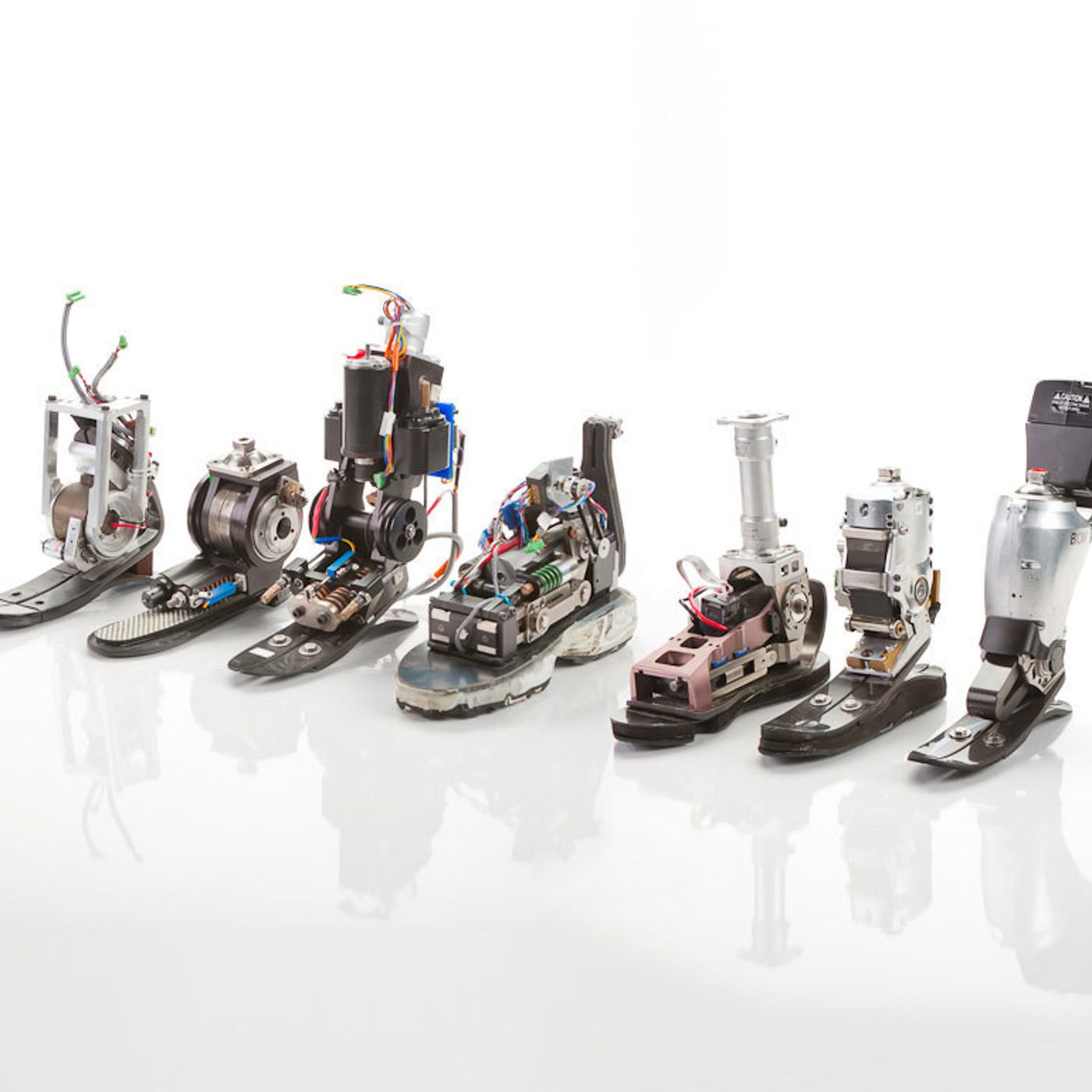
What happens when an engineer loses his legs in a mountain-climbing accident? In the case of Hugh Herr, he uses his brilliant mind to overcome his physical disability – and the result is a set of prosthetic legs like none ever seen before. Now Herr climbs at a more advanced level than he had before the accident – both literally and figuratively: His achievements have led him to the brink of discoveries on the future of human-computer interaction. Will we all be cyborgs one day? Hugh Herr says he has the answer.
 1
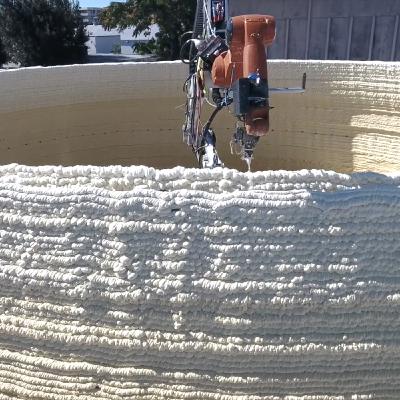
1Steve Keating and his team at MIT have taken 3D printing to a place it’s never been before – and hope to take it places NO one has ever been before. They have invented a 3D printer that can print an entire building, using no other “ink” than what it finds around it in nature – and they say it’s capable of printing buildings out of ice... on Mars. Host Mick Ebeling talks with The Amazing Mister Keating, and finds out why this machine is only the SECOND-coolest 3D project he’s ever done.
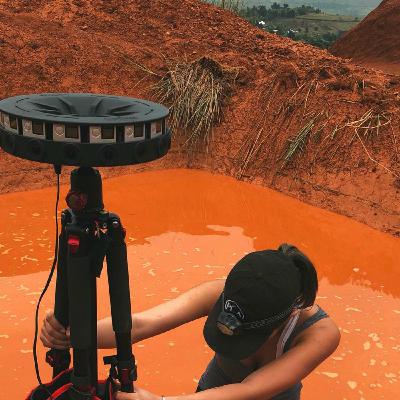
A special episode for the Fourth of July: After reporting on tragedy after tragedy, a TV journalist struggling with anxiety discovers a cure in technology prescribed by her doctor – and quits her job to devote herself to using that technology to help America’s war veterans. She and the doctor team up to enhance that technology – doing some of the nation’s first hard-science experiments on blending virtual reality and biofeedback – and soon this simple solution begins to have far-reaching implications in the treatment of psychological disorders for veterans, first responders, and those suffering from PTSD in all walks of life.

A deaf woman who becomes a world-famous solo percussionist, and a singer with perfect pitch who loses her hearing but still performs live, send the Not Impossible team on a quest to answer the question: How do deaf people experience music? And can we invent a technology to enhance that experience? The answer – a vibrotactile suit that sends music impulses all over their bodies – will change your perception forever of what it means to “hear.”
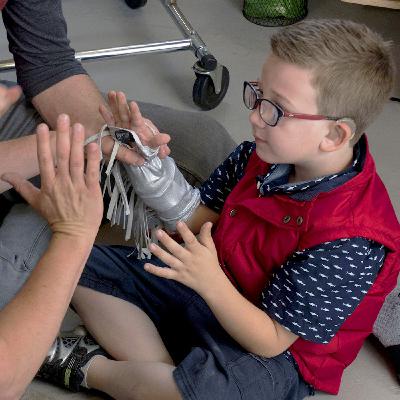
Cody is a fearless and sensitive 7-year-old boy diagnosed with a rare disease that is slowly robbing him of hearing and sight. The Not Impossible Labs team committed itself to finding a way for Cody to navigate the world. What they created – and built into a superhero costume -- allows Cody to feel what his eyes will soon no longer be able to perceive.
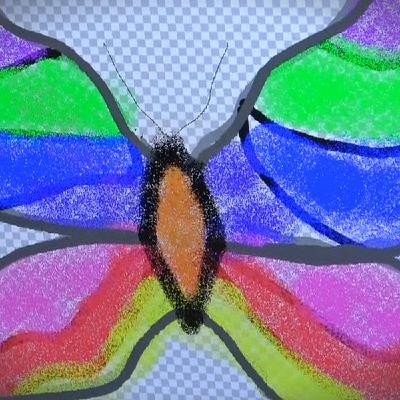
Day to day, we rarely think about facial control software unless it's to play silly games on our iPhones or Snapchat. But a crazy inventor and a rehab specialist developed a way to let people who are paralyzed with spinal injuries use it to surf the web, paint – do anything you can do on a computer. Just with a head tilt, a raised eyebrow, and… the kissyface.
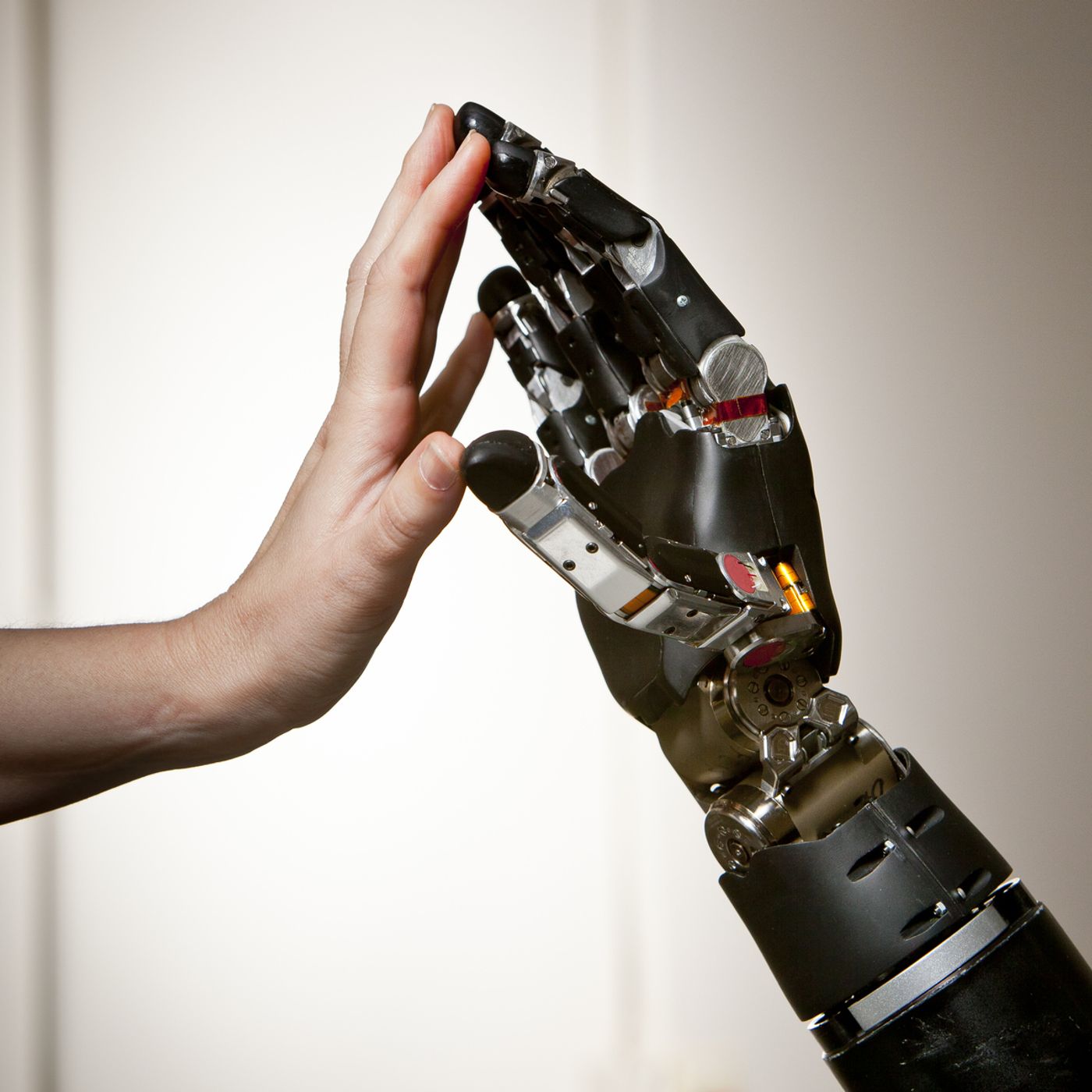
When Johnny Matheny lost his arm to cancer he decided it was his chance to help others – so he volunteered to be the guinea pig in any project that came along. Little did he know what the government’s Revolutionizing Prosthetics program had in store for him – and now he has become the first man to ever use their latest robotic arm, which he can control... with his mind.
Photo Credit: Johns Hopkins University Applied Physics Laboratory
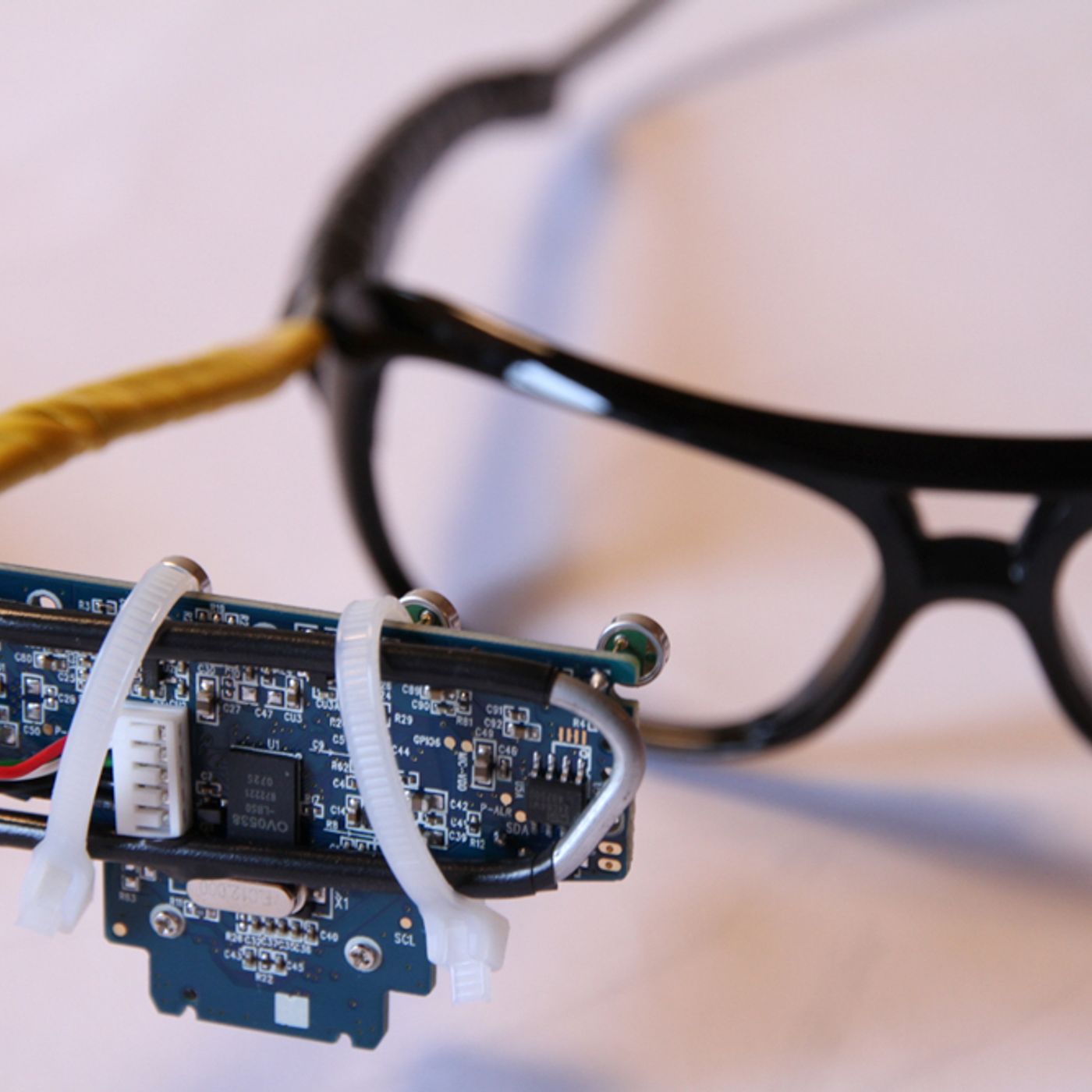
When producer Mick Ebeling met a paralyzed graffiti artist named Tempt, he made a promise that Tempt would one day paint again – and then wondered how he’d keep the promise. The results of the challenge reside in museums on both coasts – and the philosophy behind them launched Not Impossible Labs.
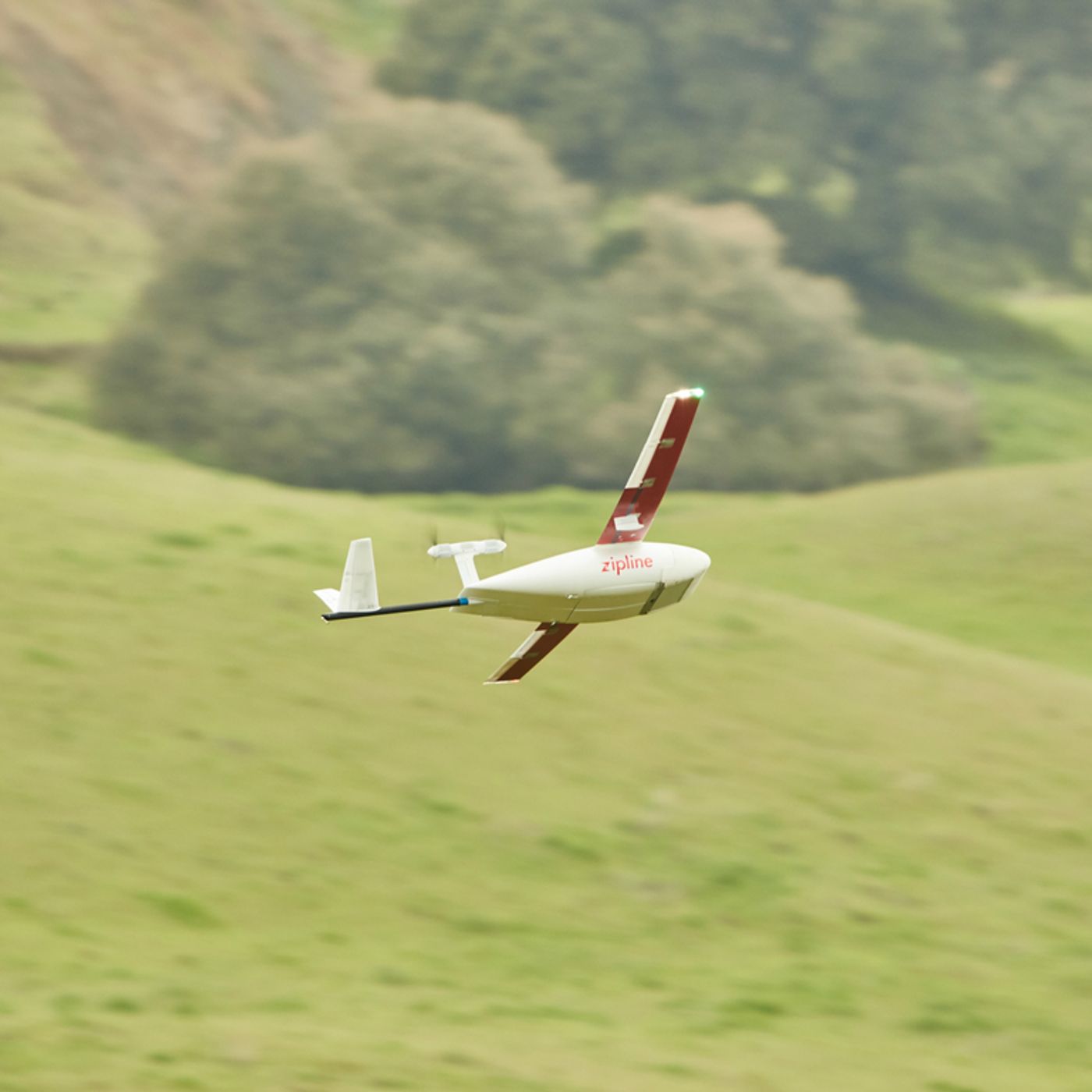
Two inventors -- one who created a cute little robot, the other who created an app to help kids learn to read -- take on the greatest challenge of their lives: Women are dying in Rwanda at an alarming rate – and they think they have an idea that could save them.
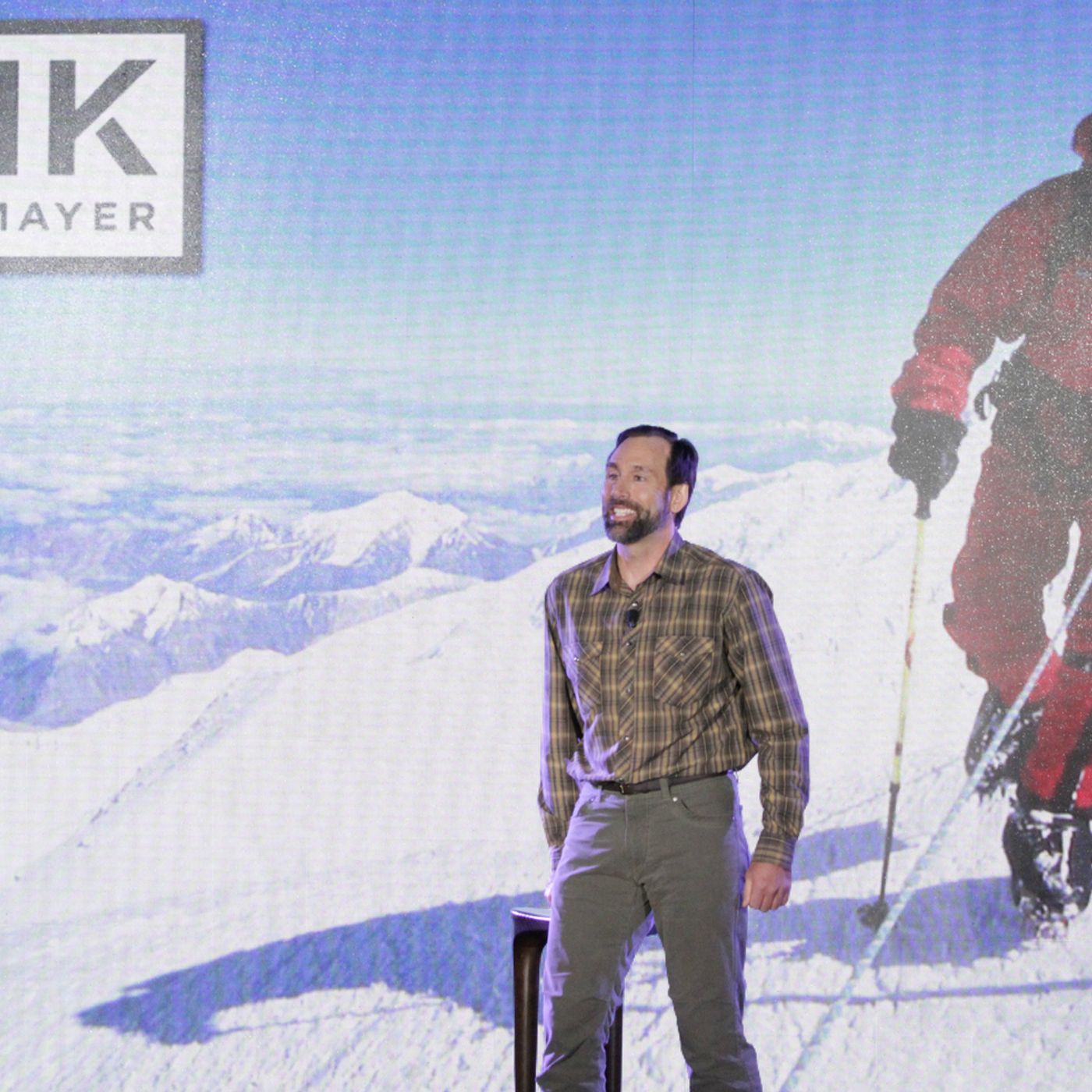
Erik Weihenmayer is an athlete, adventurer, author – and the only blind person to scale Mount Everest. Now he’s the first to test out a new device that raises a question at the very heart of how sight works: Do we see with our eyes, or with our brains? The answer to that question could change... everything.

Comments

Download from Google Play

Download from App Store
 United States