DiscoverGrowing the Valley
Growing the Valley
Claim Ownership

Growing the Valley

Author: Phoebe Gordon

Subscribed: 28Played: 1,559
Share

Description

This is a podcast that goes over new research and basic information about growing orchard crops in the Central Valley of California
295 Episodes
Reverse
Red Leaf Blotch (2026)

Red Leaf Blotch (2026)

2026-03-1125:36

Today on the podcast we’ll be discussing Red Leaf Blotch a new invasive disease in California almond production. I want to offer my sincere apologies to listeners and to the Trouillas Lab for not getting this episode out promptly for maximum usefulness in the 2026 season. Although we are still in the red leaf blotch susceptibility window at the time of podcast airing – there’s not currently any rain in the forecast.  Disease management           The disease has a long latent period of 35 to 40 days, so by the time symptoms are visible, the infection window has long passed. This makes early, preventive management the key to controlling the disease. Based on 2025 field trials and growers’ experience in Spain, a three-spray program is recommended for orchards at risk. The first spray should be applied at petal fall (young leaflet emergence), followed by a second application two to three weeks later, and a third spray five to six weeks after petal fall if wet weather continues. These timings coincide with elevated inoculum levels of P. amygdalinum in orchards and a period of high leaf susceptibility to RLB. Similar timings for fungicide applications are used to manage other spring diseases like scab, shot hole, rust, and anthracnose, highlighting the need for an integrated approach to disease management in almond orchards.Research trials in 2025 indicated that the most effective products to control RLB included various mixed fungicides with FRAC groups 3 + 7 (e.g. difenoconazole + pydiflumetofen); 3 + 11 (e.g. difenoconazole + azoxystrobin or tebucnonazole + tryfloxystrobin); 7 + 11 (e.g. fluopyram + trifloxystrobin, fluxapyroxad + pyraclostrobin, or boscalid + pyraclostrobin); 7 + 12 (adepidyn + fludioxonil), and FRAC 3-triazoles (metconazole or flutriafol). Growers are advised to rotate modes of action and follow all resistance management and product label guidelines to prevent product failure over time. Cultural practices, focused on eliminating the primary inoculum of infected fallen leaves, also can help mitigate the disease. These consist of removing leaf litter or applying urea to accelerate its decomposition. However, such strategies are only effective when applied over a wide area. Fungicides applied during bloom and after symptoms are visible are not effective.2025 Fungicides, Bactericides, Biocontrols, and Natural Products for Deciduous Tree Fruit and Nut, Citrus, Strawberry, and Vine Crops in CaliforniaMention of a pesticide does not constitute a pesticide recommendation, merely the sharing of research results. Consult your PCA and read the pesticide label. The label is law. ‍ ‍The views, thoughts, and opinions expressed are the speaker’s own and do not represent the views, thoughts, and opinions of the University of California. The material and information presented here is for general information purposes only. The "University of California" name and all forms and abbreviations are the property of its owner and its use does not imply endorsement of or opposition to any specific organization, product, or service.Follow us on Twitter! @SacOrchards and @SJVtandvThank you to the Almond, Pistachio, Prune, and Walnut Boards of California for their kind donations. Thank you to Muriel Gordon for the music.Come to an upcoming extension meeting!Sacramento Valley Rice Production Workshop on March 18–19 at Lundberg Family FarmsThe 2026 North Sac Valley Olive Day is on Tuesday March 24And the Nickels Field Day is on Tuesday May 19 San Joaquin Valley (scroll to the bottom) Madera/Merced Pistachio Day is on Wednesday March 18‍ ‍ ‍ ‍
Like many fruiting orchard crops, olives benefit from boron fertilization. Elizabeth Fichtner (UCCE Tulare County) goes over how olives benefit from fertilization, as well as how to manage boron in olive orchards. Episode transcriptYou can sign up for the Rice Production Workshop here. Find out more about upcoming meetings in the San Joaquin Valley (scroll to the bottom) and the Sacramento Valley. Mention of pesticide use does not constitute a pesticide recommendation. Always follow the pesticide label. Find out more at ipm.ucanr.edu/. Thank you to the Almond, Pistachio, Prune, and Walnut Boards of California for their kind donations. Thank you to Muriel Gordon for the music.The views, thoughts, and opinions expressed are the speaker’s own and do not represent the views, thoughts, and opinions of the University of California. The material and information presented here is for general information purposes only.  The "University of California" name and all forms and abbreviations are the property of its owner and its use does not imply endorsement of or opposition to any specific organization, product, or service.
The pistachio hull is critical for protecting the kernel. Insect pests can’t get through it until it begins to break down. However, it is known that hull integrity can change across years - some years hulls stay intact until harvest, and in other years it begins to break down earlier. Shuxiao Zhang, who used to be a student at UC Davis and is now working as a postdoctoral scholar at Stanford, and Georgia Drakakaki, a professor of plant sciences at UC Davis, decided to look into this. They were able to figure out the processes that led to hull degradation, the different ways degradation occur, and they were able to link in-field conditions to hull split. The Drakakaki lab has been doing extensive research into pistachio fruit development - Phoebe has interviewed the both of them on pistachio shell split in a previous episode. Podcast transcriptYou can sign up for the Rice Production Workshop here. Find out more about upcoming meetings in the San Joaquin Valley (scroll to the bottom) and the Sacramento Valley. The views, thoughts, and opinions expressed are the speaker’s own and do not represent the views, thoughts, and opinions of the University of California. The material and information presented here is for general information purposes only. The "University of California" name and all forms and abbreviations are the property of its owner and its use does not imply endorsement of or opposition to any specific organization, product, or service.Follow us on Twitter! @SacOrchards and @SJVtandvThank you to the Almond, Pistachio, Prune, and Walnut Boards of California for their kind donations. Thank you to Muriel Gordon for the music.
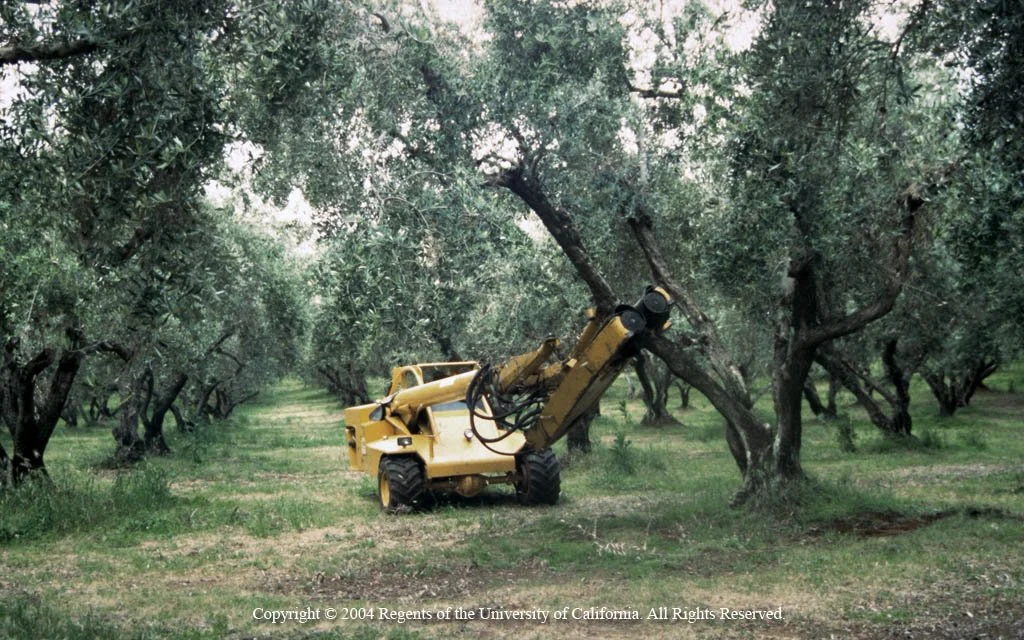
Leslie Holland, Assistant Professor at University of Wisconsin, Madison, shares the results of some of her work examining fungicides to suppress Botryosphaeria infections in almond pruning wounds as a Ph.D. student at UC Davis. Leslie shares what works, as well as the key tip to dealing with fungal infections in orchard crops: preventing the infection from occurring in the first place. Podcast transcriptMention of pesticide use does not constitute a pesticide recommendation. Always follow the pesticide label. Find out more at ipm.ucanr.edu/. Thank you to the Almond, Pistachio, Prune, and Walnut Boards of California for their kind donations. Thank you to Muriel Gordon for the music.The views, thoughts, and opinions expressed are the speaker’s own and do not represent the views, thoughts, and opinions of the University of California. The material and information presented here is for general information purposes only.  The "University of California" name and all forms and abbreviations are the property of its owner and its use does not imply endorsement of or opposition to any specific organization, product, or service.
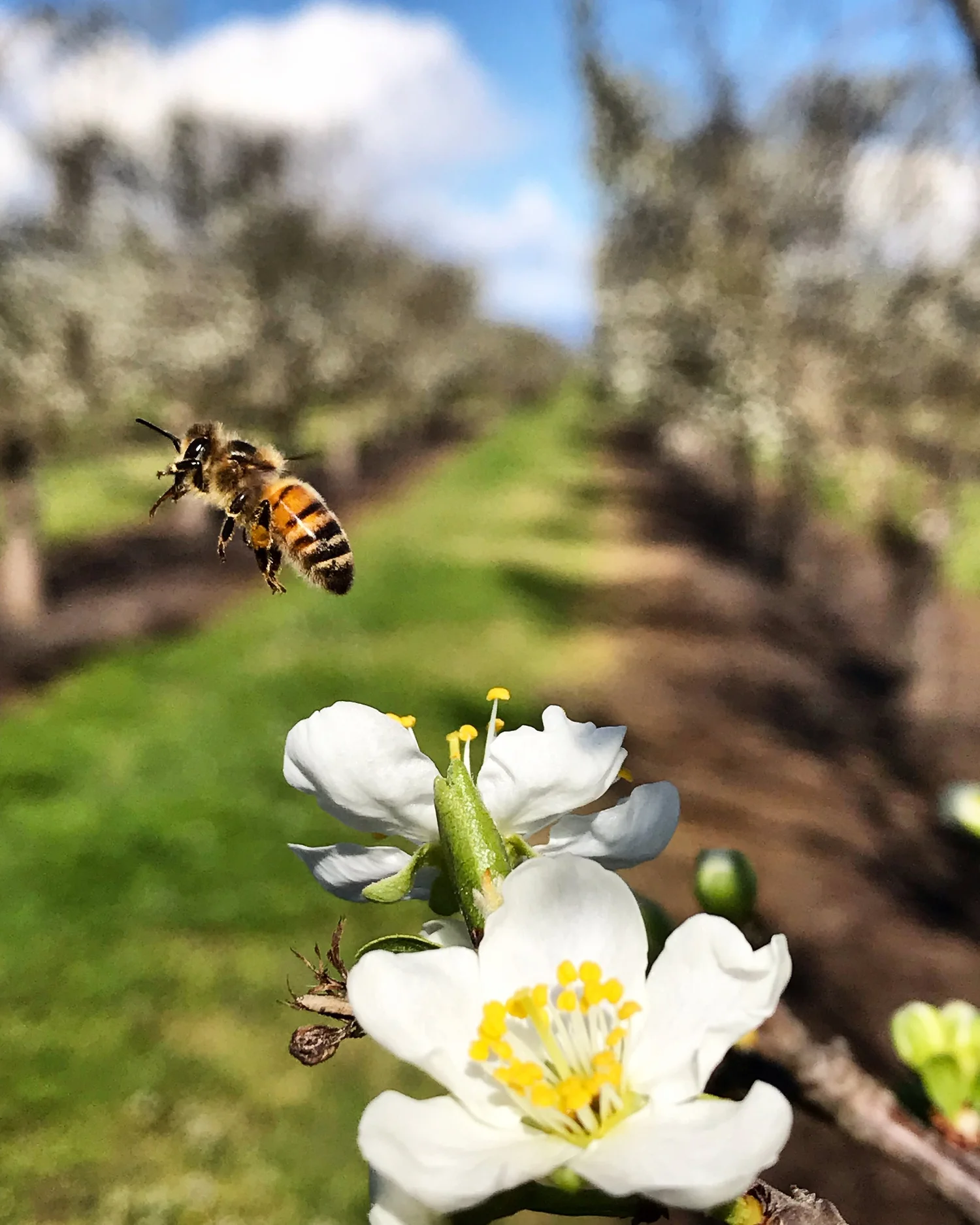
Phoebe sits down with Elizabeth Fichtner to discuss the biology of pistachio bloom, how it impacts orchard design, and why picking the correct male pollinator is so important. She also goes over the research on artificial pollination of pistachio and why it may only be useful in very specific circumstances. In this episode, Elizabeth mentions that dust can cause parthenocarpy in pistachios; we posted an episode on this a few years ago. Episode transcriptFind out more about upcoming meetings in the San Joaquin Valley (scroll to the bottom) and the Sacramento Valley!The views, thoughts, and opinions expressed are the speaker’s own and do not represent the views, thoughts, and opinions of the University of California. The material and information presented here is for general information purposes only. The "University of California" name and all forms and abbreviations are the property of its owner and its use does not imply endorsement of or opposition to any specific organization, product, or service.Follow us on Twitter! @SacOrchards and @SJVtandvThank you to the Almond, Pistachio, Prune, and Walnut Boards of California for their kind donations. Thank you to Muriel Gordon for the music.
One concern about growing cover crops is that they might compete with the orchard for water. This is an additional concern if you let cover crops continue to grow after bloom. Kosana Suvocarev (UC Davis) has been looking into this and has found some surprising results.Podcast transcriptFind out more about upcoming meetings in the San Joaquin Valley (scroll to the bottom) and the Sacramento Valley!The views, thoughts, and opinions expressed are the speaker’s own and do not represent the views, thoughts, and opinions of the University of California. The material and information presented here is for general information purposes only. The "University of California" name and all forms and abbreviations are the property of its owner and its use does not imply endorsement of or opposition to any specific organization, product, or service.Follow us on Twitter! @SacOrchards and @SJVtandvThank you to the Almond, Pistachio, Prune, and Walnut Boards of California for their kind donations. Thank you to Muriel Gordon for the music.
Phoebe and Sam Sandovol Solis discuss the water outlook for 2026. They also discuss some things that everyone can do to maximize water infiltration. If you are interested in finding out more about groundwater recharge, you should check to see if your orchard block has favorable soil textures and is in a good location for it here. More information on applications for recharge can be found here. Phoebe interviewed two researchers in 2025 about the effects of wildfire smoke on orchards, which you may be interested in if 2026 ends up being a bad fire year (fingers crossed this isn’t the case!)Episode transcriptFind out more about upcoming meetings in the San Joaquin Valley (scroll to the bottom) and the Sacramento Valley!The views, thoughts, and opinions expressed are the speaker’s own and do not represent the views, thoughts, and opinions of the University of California. The material and information presented here is for general information purposes only. The "University of California" name and all forms and abbreviations are the property of its owner and its use does not imply endorsement of or opposition to any specific organization, product, or service.Follow us on Twitter! @SacOrchards and @SJVtandvThank you to the Almond, Pistachio, Prune, and Walnut Boards of California for their kind donations. Thank you to Muriel Gordon for the music.
Self-fertile Nonpareil has the potential to be a gamechanger for California almond growers. Both Sierra Gold Nursery (FruitionOne™) and Burchell Nursery (Nonpareil SC+) announced in late 2024 their partnerships with biotech companies to develop a self-fertile Nonpareil. Both nurseries plan to begin delivering these trees to growers in 2027. However, many questions remain. In this episode Reid Robinson CEO of Sierra Gold Nursery discusses the development and future for FruitionOne™. You can learn more at: ohalo.com/fruitionone and contact Sierra Gold at: sierragoldtrees.com/contact This episode does not constitute an endorsement, merely the sharing of an industry advancement that will be the subject of independent evaluation by the University of California Cooperative Extension in the years to come. The views, thoughts, and opinions expressed are the speaker’s own and do not represent the views, thoughts, and opinions of the University of California. The material and information presented here is for general information purposes only. The "University of California" name and all forms and abbreviations are the property of its owner and its use does not imply endorsement of or opposition to any specific organization, product, or service.Follow us on Twitter! @SacOrchards and @SJVtandvThank you to the Almond, Pistachio, Prune, and Walnut Boards of California for their kind donations. Thank you to Muriel Gordon for the music.
Self-fertile Nonpareil has the potential to be a gamechanger for California almond growers. Both Sierra Gold Nursery (FruitionOne™) and Burchell Nursery (Nonpareil SC+) announced in late 2024 their partnerships with biotech companies to develop a self-fertile Nonpareil. Both nurseries plan to begin delivering these trees to growers in 2027. However, many questions remain. In this episode Tom Burchell owner of Burchell Nursery discusses the development and future for Nonpareil SC+. You can learn more at: burchellbreeding.comThis episode does not constitute an endorsement, merely the sharing of an industry advancement that will be the subject of independent evaluation by the University of California Cooperative Extension in the years to come.The views, thoughts, and opinions expressed are the speaker’s own and do not represent the views, thoughts, and opinions of the University of California. The material and information presented here is for general information purposes only. The "University of California" name and all forms and abbreviations are the property of its owner and its use does not imply endorsement of or opposition to any specific organization, product, or service.Follow us on Twitter! @SacOrchards and @SJVtandvThank you to the Almond, Pistachio, Prune, and Walnut Boards of California for their kind donations. Thank you to Muriel Gordon for the music.
Walnut Mold (2025)

Walnut Mold (2025)

2025-09-2724:56

Dr. Themis Michailides (UC Davis Plant Pathologist at the Kearney Ag Center) provides a critical update on his lab’s research on the biology and management of walnut mold. An article that is episode was based can be found at: sacvalleyorchards.com Mention of a pesticide does not constitute a pesticide recommendation. Always follow the pesticide label. Find out more at ipm.ucanr.edu The views, thoughts, and opinions expressed are the speaker’s own and do not represent the views, thoughts, and opinions of the University of California. The material and information presented here is for general information purposes only. The "University of California" name and all forms and abbreviations are the property of its owner, and its use does not imply endorsement of or opposition to any specific organization, product, or service.Follow us on Twitter! @SacOrchards and @SJVtandvThank you to the Almond, Pistachio, Prune, and Walnut Boards of California for their kind donations. Thank you to Muriel Gordon for the music.
Facing tightening SGMA regulations and the specter of future droughts, how should we be designing the almond orchard of the future? On the podcast, Franz Niederholzer discusses his idea of a test almond orchard at the Nickels Soil Lab with different rootstocks provided reduced irrigation treatments from planting onward. Should a grower provide full irrigation to fewer acres, or reduced irrigation to their existing farming footprint?Come to an upcoming extension meeting!2025 International School on Microirrigation for Crop Production: Class Lectures at UC Davis October 13-15, and field trips October 16-17. The views, thoughts, and opinions expressed are the speaker’s own and do not represent the views, thoughts, and opinions of the University of California. The material and information presented here is for general information purposes only. The "University of California" name and all forms and abbreviations are the property of its owner and its use does not imply endorsement of or opposition to any specific organization, product, or service.Follow us on Twitter! @SacOrchards and @SJVtandvThank you to the Almond, Pistachio, Prune, and Walnut Boards of California for their kind donations. Thank you to Muriel Gordon for the music.
Researchers have been conducting almond irrigation and other studies at the Nickels Soil Lab in Arbuckle, CA for over 50 years! On the podcast, Franz Niederholzer revisited research on early microirrigation, the consequences of late season drought in young almonds, and the implications of one-year of season-long drought in mature almonds. Dialing in irrigation is the greatest task for California orchardists, and we should continue to learn from the lessons of our predecessors.  Come to an upcoming extension meeting!2025 International School on Microirrigation for Crop Production: Class Lectures at UC Davis October 13-15, and field trips October 16-17. The views, thoughts, and opinions expressed are the speaker’s own and do not represent the views, thoughts, and opinions of the University of California. The material and information presented here is for general information purposes only. The "University of California" name and all forms and abbreviations are the property of its owner and its use does not imply endorsement of or opposition to any specific organization, product, or service.Follow us on Twitter! @SacOrchards and @SJVtandvThank you to the Almond, Pistachio, Prune, and Walnut Boards of California for their kind donations. Thank you to Muriel Gordon for the music.
Environmental bud failure showed up in almonds in a big way in 2025. From a subtle delay of leafing in parts of Nonpareil canopies throughout the Central Valley to some orchards in the northern Sacramento Valley with only half leaf out. This disorder also called leafing failure, severely affected many growers in the northern Sacramento Valley. Dr. Tom Gradziel (UC Davis) gets into the complexities of this disorder, as well as discussing the unusual bloom in 2025.  Come to an upcoming extension meeting!2025 International School on Microirrigation for Crop Production: Class Lectures at UC Davis October 13-15, and field trips October 16-17. The views, thoughts, and opinions expressed are the speaker’s own and do not represent the views, thoughts, and opinions of the University of California. The material and information presented here is for general information purposes only. The "University of California" name and all forms and abbreviations are the property of its owner and its use does not imply endorsement of or opposition to any specific organization, product, or service.Follow us on Twitter! @SacOrchards and @SJVtandvThank you to the Almond, Pistachio, Prune, and Walnut Boards of California for their kind donations. Thank you to Muriel Gordon for the music.
If you work in the almond industry, you likely know non-infectious bud failure (NBF) is bad news. However, do you understand why NBF happens, and that we’re likely to see it on future almond varieties, not just on Carmel? Tom Gradziel discusses the science behind NBF and the work UC researchers together with nurseries have done to make massive gains in addressing the problem. You can lead more about managing NBF at: sacvalleyorchards.com/almonds/horticulture/non-infectious-bud-failure-management Come to an upcoming extension meeting!2025 International School on Microirrigation for Crop Production: Class Lectures at UC Davis October 13-15, and field trips October 16-17. The views, thoughts, and opinions expressed are the speaker’s own and do not represent the views, thoughts, and opinions of the University of California. The material and information presented here is for general information purposes only. The "University of California" name and all forms and abbreviations are the property of its owner and its use does not imply endorsement of or opposition to any specific organization, product, or service.Follow us on Twitter! @SacOrchards and @SJVtandvThank you to the Almond, Pistachio, Prune, and Walnut Boards of California for their kind donations. Thank you to Muriel Gordon for the music.
Regenerative agriculture is currently all the rage these days in some circles. With a broad range of practices that can be classified as regenerative, it still can feel like a mushy term that means different things to different people (which is actually by design). Amelie Gaudin sits down with Phoebe Gordon to discuss what qualifies as a regenerative practice, how the focus differs from “conventional” agriculture, and the science behind it (spoiler alert: you’re probably already familiar with a lot of it!). Come to an upcoming extension meeting!And finally, the 2025 International School on Microirrigation for Crop Production: Class Lectures at UC Davis October 13-15, and field trips October 16-17. The views, thoughts, and opinions expressed are the speaker’s own and do not represent the views, thoughts, and opinions of the University of California. The material and information presented here is for general information purposes only. The "University of California" name and all forms and abbreviations are the property of its owner and its use does not imply endorsement of or opposition to any specific organization, product, or service.Follow us on Twitter! @SacOrchards and @SJVtandvThank you to the Almond, Pistachio, Prune, and Walnut Boards of California for their kind donations. Thank you to Muriel Gordon for the music.
Walnut scale is a minute insect pest that can, if populations build high enough and kill fruiting wood. It can do this by directly allowing pathogens entry into walnut wood, or by weaking branches, making them more vulnerable to infection. In this episode In this episode, Elizabeth Fichtner discusses the lifecycle of the pest and control options. Note: while walnut scale does appear in almonds, this episode only covers walnuts.Mention of a pesticide does not constitute a pesticide recommendation, merely the sharing of research results. Consult your PCA and read the pesticide label. The label is law. The miroirrigation school will be held from October 13-17, find more here.The views, thoughts, and opinions expressed are the speaker’s own and do not represent the views, thoughts, and opinions of the University of California. The material and information presented here is for general information purposes only. The "University of California" name and all forms and abbreviations are the property of its owner and its use does not imply endorsement of or opposition to any specific organization, product, or service.Follow us on Twitter! @SacOrchards and @SJVtandvThank you to the Almond, Pistachio, Prune, and Walnut Boards of California for their kind donations. Thank you to Muriel Gordon for the music.
A great deal goes into a successful prune crop. In part two or a two-part podcast on prune crop phenology we complete the yearly cycle by talking about summer fruit growth, key financial considerations at harvest, and finishing the season strong in the postharvest period. Luke Milliron assembled an expert panel of UCCE Farm Advisors, Franz Niederholzer (UCCE Colusa), Jaime Ott (UCCE Tehama), and Becky Wheeler-Dykes to talk about each step in prune fruit development from buds to harvest and back-again. If you missed part one, that’s where we discussed the crop phenology and key management steps from fruit bud development through to fruit thinning. Topics included weather at bloom, the importance of weather the 30 days after bloom, a fruit thinning calculator, and we finished by discussing the exciting new Green Atlas Cartographer ATV that can bring precision agriculture to prune production by mapping fruit load in each tree ahead of shaker thinning in spring. Come to an upcoming extension meeting!In the San Joaquin Valley: Tuesday August 19: Stone Fruit Roundtable in Dinuba.  And finally, the 2025 International School on Microirrigation for Crop Production: Class Lectures at UC Davis October 13-15, and field trips October 16-17. The views, thoughts, and opinions expressed are the speaker’s own and do not represent the views, thoughts, and opinions of the University of California. The material and information presented here is for general information purposes only. The "University of California" name and all forms and abbreviations are the property of its owner and its use does not imply endorsement of or opposition to any specific organization, product, or service.Follow us on Twitter! @SacOrchards and @SJVtandvThank you to the Almond, Pistachio, Prune, and Walnut Boards of California for their kind donations. Thank you to Muriel Gordon for the music.
A great deal goes into a successful prune crop. In part one of a two-part panel, Franz Niederholzer (UCCE Colusa), Jaime Ott (UCCE Tehama), Becky Wheeler-Dykes (UCCE Glenn) and host Luke Milliron (UCCE Butte) talk about the formation of fruit buds all the way through to fruit thinning in spring. Topics include weather at bloom, the importance of weather the 30 days after bloom, and a calculator that helps prune growers shaker thin fruit in order to produce a quality crop. We finish the first part of the yearly prune cycle by discus A great deal going into a successful prune crop. In part one of a two-part panel, Franz Niederholzer (UCCE Colusa), Jaime Ott (UCCE Tehama), Becky Wheeler-Dykes (UCCE Glenn) and host Luke Milliron (UCCE Butte) talk about the formation of fruit buds all the way through to fruit thinning in spring. Topics include weather at bloom, the importance of weather the 30 days after bloom, and a calculator that helps prune growers shaker thin fruit in order to produce a quality crop. We finish the first part of the yearly prune cycle by discussing the exciting new Green Atlas Cartographer ATV that can bring precision agriculture to prune production by mapping fruit load in each tree ahead of shaker thinning in spring. In part two we will complete the yearly cycle by talking about summer fruit development, key financial considerations at harvest, and promoting an excellent return bloom in 2026. Come to an upcoming extension meeting!In the San Joaquin Valley: Tuesday August 19: Stone Fruit Roundtable in Dinuba.  And finally, the 2025 International School on Microirrigation for Crop Production: Class Lectures at UC Davis October 13-15, and field trips October 16-17. The views, thoughts, and opinions expressed are the speaker’s own and do not represent the views, thoughts, and opinions of the University of California. The material and information presented here is for general information purposes only. The "University of California" name and all forms and abbreviations are the property of its owner and its use does not imply endorsement of or opposition to any specific organization, product, or service.Follow us on Twitter! @SacOrchards and @SJVtandvThank you to the Almond, Pistachio, Prune, and Walnut Boards of California for their kind donations. Thank you to Muriel Gordon for the music.  
.Oak root fungus (Armillaria root rot) is a devastating disease that can plague orchards generation after generation. Resistant rootstocks is the answer. Roger Duncan (UCCE Advisor Emeritus) discusses early findings in his ORF rootstock trial. Mention of a pesticide does not constitute a pesticide recommendation, merely the sharing of research results. Consult your PCA and read the pesticide label. The label is law. Come to an upcoming extension meeting!In the San Joaquin Valley: Tuesday August 19: Stone Fruit Roundtable in Dinuba.  And finally, the 2025 International School on Microirrigation for Crop Production: Class Lectures at UC Davis October 13-15, and field trips October 16-17. The views, thoughts, and opinions expressed are the speaker’s own and do not represent the views, thoughts, and opinions of the University of California. The material and information presented here is for general information purposes only. The "University of California" name and all forms and abbreviations are the property of its owner and its use does not imply endorsement of or opposition to any specific organization, product, or service.Follow us on Twitter! @SacOrchards and @SJVtandvThank you to the Almond, Pistachio, Prune, and Walnut Boards of California for their kind donations. Thank you to Muriel Gordon for the music.
Phytophthora isn’t just an early season problem anymore. On this episode of the podcast, Dr. Jim Adaskveg (UC Riverside) talks warm season phytophthora management in almond. You can round out your phytophthora expertise by listening to earlier episodes with Dr. Greg Browne (USDA) covering Phytophthora in almond and walnut orchards, as well as an episode with Dr. Florent Trouillas on aerial phytophthora in almonds. Mention of a pesticide does not constitute a pesticide recommendation, merely the sharing of research results. Consult your PCA and read the pesticide label. The label is law. Come to an upcoming extension meeting!In the Sacramento Valley: First Wednesday: Things from the Field – Prune Tree Killers this Wednesday, August 6Summer Prune Breeding meeting: This Friday (August 7) at 9:30 AM. The meeting will now consist of two stops: 1st Stop: 27606 Walnut Bayou Lane (end of the street) in Winters, CA. 2nd Stop: UC Davis Wolfskill Experimental Station orchards (Wintu Way, Winters: 38.506855, -121.973882). In the San Joaquin Valley: Tuesday August 19: Stone Fruit Roundtable in Dinuba.   And finally, the 2025 International School on Microirrigation for Crop Production: Class Lectures at UC Davis October 13-15, and field trips October 16-17. The views, thoughts, and opinions expressed are the speaker’s own and do not represent the views, thoughts, and opinions of the University of California. The material and information presented here is for general information purposes only. The "University of California" name and all forms and abbreviations are the property of its owner and its use does not imply endorsement of or opposition to any specific organization, product, or service.Follow us on Twitter! @SacOrchards and @SJVtandvThank you to the Almond, Pistachio, Prune, and Walnut Boards of California for their kind donations. Thank you to Muriel Gordon for the music.
loading
Comments (1)

Mohammad Kavand

than you for very excellent podcast

Sep 11th
Reply
