



 Claim Ownership
Trail Runner Nation
Subscribed: 5,488Played: 221,353
Subscribe


Copyright © Trail Runner Nation 2015
Description
Trail Runner Nation is devoted to sharing knowledge and advice to the trail running community - from beginners to the pros! We offer tips and discussion regarding race nutrition, pacing strategy, mental focus and much more from well-respected members of the trail community.
777 Episodes
Reverse
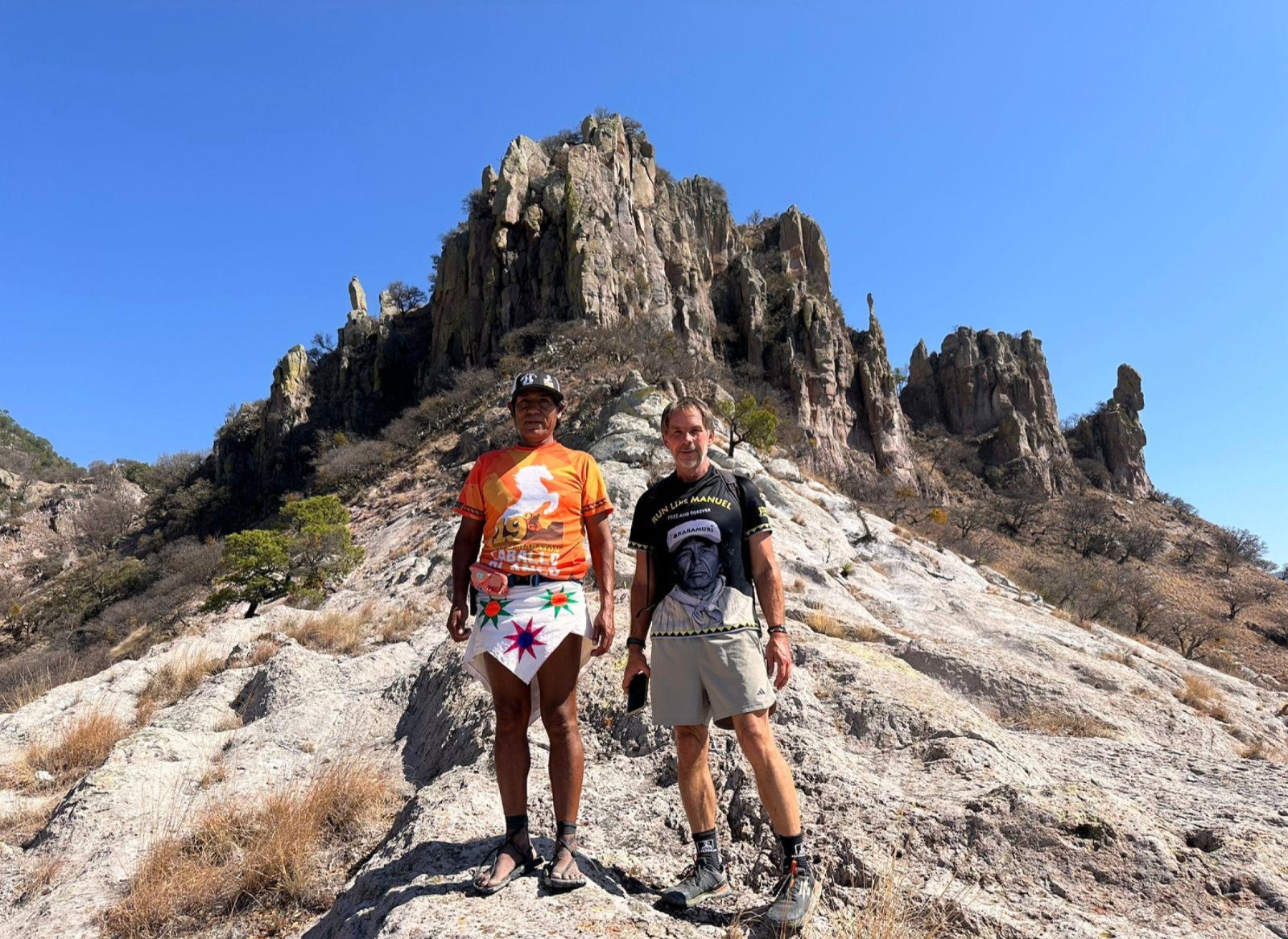
In this episode, we are joined by Michael Miller to discuss his book Run Like a Rarámuri : Stories and Wisdoms from the Sierra Tarahumara and Running Long and his deep connection to the Indigenous Rarámuri "running people" of Mexico's Sierra Tarahumara. Drawing on years spent living among the community, Michael shares how running is woven into their social fabric as a celebration of resilience, nature, and togetherness rather than competition or performance. The conversation explores powerful cultural concepts like korima, the practice of sharing without expectation, and how movement in nature can restore balance and contentment in modern life. Michael also reflects on the legacy of Micah True (Caballo Blanco) and the evolution of the Ultramarathon Caballo Blanco race, which now brings together runners from around the world while supporting local communities. We consider what trail runners can learn from the Rarámuri about simplicity, presence, and reconnecting with the deeper purpose of running. Ultimately, the discussion suggests that "running like a Rarámuri" is less about technique and more about learning to live with gratitude, connection, and joy. Check out the non-profit True Messages for more information and how to support these projects, and these other links: Ultra Caballo Blanco Copper Canyons Entre Amigos Camps Instagram Sponsors: Tifosi Optics - check out how to win a free pair of the new Sanctum SL and how to get a discount Peluva - let your feet be feet! Timestamps 0:00 Intro to Michael Miller and Run Like a Rarámuri 2:05 What makes the Ultramarathon Caballo Blanco unique 6:15 Who the Rarámuri are and how Born to Run shaped their global story 14:10 Running as culture: traditional games, community, and connection 20:06 Michael's personal journey to the Sierra and why this became a passion project 29:37 Training vs. lifestyle: how the Rarámuri develop endurance naturally 34:52 Is the book about running… or about living? 44:42 Korima explained: sharing, gratitude, and the social fabric of the Rarámuri 51:11 Supporting the community: nonprofit work and how listeners can help 58:13 Closing reflections on Micah True's legacy and running free

In this episode of Trail Runner Nation's Aging as an Athlete series, along with Krissy Moehl, we welcome elite ultrarunner and therapist Darcy Piceu for a thoughtful conversation about longevity in endurance sports. Drawing on more than two decades of racing at the highest level, Darcy explains that there is no "magic pill" for staying in the sport long term, emphasizing instead the importance of self-care, strength work, listening to the body, and adapting training as athletes age. The discussion explores the mental side of endurance, including acceptance of changing performance, learning to manage negative thoughts during long races, and developing the wisdom that comes from decades of experience. Darcy also shares how mindfulness and time in nature play a powerful role in both mental health and athletic performance, something she incorporates into her therapy practice. We reflect on the evolving identity of an athlete over time, balancing competitiveness with enjoyment, family life, and other pursuits beyond running. We highlight that staying in the sport for decades is less about chasing podiums and more about cultivating resilience, perspective, and a lasting love for the trail. Check out Darcy's Therapy practice, "Therapy in Action" or get in touch with her darcypq@gmail.com. If you're in Bellingham, WA in March and want to help out at Chuckanut 50k, click here to volunteer. Episode Sponsor: Tifosi Optics - CLARITY ON THE TRAIL: Post your Golden Nugget on Instagram, tag @TifosiOptics, @TrailRunnerNation, and use the hashtag #ClarityOnTheTrail. If we use yours on a weekly episode, you get a pair of the new Sanctum SL glasses! Episode Topics & Timestamps 1:00 – Darcy's Background: Elite Runner and Therapist 3:30 – What Creates Longevity in the Sport? 6:00 – The Mental Side of Aging as an Athlete 9:00 – Mindfulness, Stress, and Mental Training 12:45 – Mental Toughness in Ultrarunning 17:30 – The Power of Nature and Trail Therapy 23:00 – Managing Focus During Long Races 29:00 – Racing for the Podium vs Racing for the Experience 31:30 – How Darcy Found Ultrarunning 35:30 – Hardrock, Motherhood, and Career Balance 38:30 – Training Philosophy for Longevity 41:00 – The Wednesday Women's Run in Boulder 44:00 – Identity Beyond Running 48:00 – What Makes a Race Truly Successful? 52:30 – Advice to Younger and Older Versions of Yourself 56:30 – The Mental vs Physical Performance Question 1:00:15 – Therapy in Action and Closing Thoughts

In this episode of Trail Runner Nation, we sit down with filmmaker Dylan Harris to talk about his powerful new film, The Cut-Off. Instead of following the front of the pack, the film shines a light on the runners fighting the clock at aid stations, chasing the courage it takes simply to continue. Dylan shares the inspiration behind the project, the stories that moved him most, and what the back-of-the-pack reveals about grit, community, and the true spirit of trail running. This conversation is a reminder that endurance isn't just about speed; it's about persistence, heart, and refusing to quit when the margin gets thin. Links: SomoCollective: Dylan's production company Arivaipa Running: Producer and site of the film, Cocadona 250 Lucy's Dad Film: another of Dylan's films Get the "1 > 0" running hat HERE. Time Stamps 1:30 – Introducing Dylan Harris and the story behind The Cut-Off5:00 – Why focus on back-of-the-pack runners? 10:30 – The emotional reality of chasing aid station cutoffs 18:00 – Stories from filming: moments of grit, struggle, and triumph 26:00 – What the back-of-the-pack reveals about trail culture 34:00 – The community factor: volunteers, crews, and fellow runners 42:00 – Lessons from the film for everyday runners 50:00 – Where to watch The Cut-Off and what's next for Dylan 55:00 – Final thoughts and closing
In this episode, we are joined by Cliff Pittman, Coaching Development Director for CTS. We take a practical look at VO₂ max and what it really means for everyday runners. We explore whether this popular performance metric is truly essential, how much it matters for trail and ultra athletes, and where it can be misunderstood or overemphasized. The conversation cuts through the numbers to focus on what actually helps runners train smarter, stay healthy, and improve long-term performance. If you've ever wondered whether your VO₂ max score is a guiding light or just another shiny data point, this episode brings clarity and perspective from the trail. Key Topics What is VO2 max and why does it matter for ultra runners? The accuracy and limitations of wearable VO2 max estimates How VO2 max relates to performance, aging, and training adaptability The concept of fractional utilization versus maximum effort Strategies for incorporating VO2 max training into your season Cross-training options like cycling and swimming for low-impact VO2 max work Monitoring progress with lab versus field testing and subjective feedback The importance of training variety and maintaining the entire aerobic engine Practical workout templates: intervals, recovery, and dosage over seasons How strength training and muscle mass influence VO2 max Get the "1 > 0" running hat HERE. Timestamps 00:00 - Overview of the podcast topic: VO2 max importance for ultra runners 02:31 - Christian Blumenfeldt's unbelievable VO2 max of 101.1 — reality versus perception 03:26 - Simplified definition of VO2 max — oxygen consumption capacity of the body 04:43 - Limitations of wearable VO2 max estimates and lab versus field testing accuracy 05:34 - Why VO2 max is only part of the performance equation, not the whole story 07:13 - How VO2 max predicts short race performance but less so in ultradistance events 08:11 - The impact of fatigue resistance, durability, and fueling on ultramarathon success 09:31 - The significance of fractional utilization (operating below VO2 max ceiling) 10:13 - Can VO2 max be manipulated through training? Early season versus peak preparation 12:00 - The endurance spectrum: training both VO2 max and aerobic base for a well-rounded system 13:35 - Visualizing training as a string; raising ceiling versus improving utilization 14:34 - Should runners push to their VO2 max ceiling or focus on fractional utilization? 17:17 - Training strategies: balancing intensity, recovery, and avoiding injury during VO2 max work 20:04 - Substituting high-intensity VO2 work with cross-training (cycling, swimming) to reduce impact 21:28 - Monitoring other critical metrics: lactate threshold, recovery pace, subjective feedback 23:53 - The significance of individualized, periodized VO2 max training blocks 26:42 - The importance of patience, gradual progression, and listening to your body 28:55 - How to incorporate VO2 max sessions into your weekly plan: frequency, duration, and recovery 33:16 - The role of training specificity and modality as competition approaches 41:38 - Maintaining fitness and VO2 max as we age through consistent, varied training 43:33 - Linking strength training and lean muscle mass to VO2 max improvements 46:51 - Cross-training options and managing impact: cycling, swimming, hill repeats 48:37 - Final tips for beginners and experienced runners on starting VO2 max work safely 52:12 - The future of training: evidence-based approaches and coaching support at CTS
In this episode, Alex Hutchinson rejoins Trail Runner Nation discuss why muscle is the real engine behind endurance, performance, and long-term health, especially as runners get older. The conversation explores how and why we lose muscle over time, why this decline matters for speed, resilience, and injury prevention, and the encouraging truth that much of it is reversible. Alex explains the critical role of strength training, the importance of intensity and progressive load, and how endurance athletes can balance running with the work needed to maintain power. The discussion also challenges common myths about aging, showing that performance losses are not inevitable but often the result of training gaps rather than biology alone. For aging athletes and lifelong runners, this episode offers a practical roadmap for staying strong, capable, and competitive for decades. This discussion began from Alex's review of Michael Joseph Gross' book, "Stronger: The Untold Story of Muscle in Our Lives" Key Topics: The evolving understanding of muscle as a core component of human health, not just aesthetics or performance. Historical perspectives on muscle research, from ancient Greece to misconceptions over the centuries. The modern shift towards heavy lifting among elite athletes and implications for older adults. The inspiring work of Maria Fiaturone Singh on elderly resistance training and outcomes in musculoskeletal health. Practical advice for incorporating strength training into daily life with minimal equipment. The psychological and physical joys of feeling the movement of heavy lifting with purpose. How resistance training enhances posture, independence, and injury prevention in aging. Personal journeys—from bodybuilding to running, and reintegration of strength work in midlife. Overcoming mental barriers to strength training: finding routines you enjoy and tracking progress. The importance of consistent, accessible strength habits like bodyweight exercises and small routines. Timestamps: 00:00 - Welcome and episode overview: Why muscle matters for longevity and performance 03:04 - Historical insights on human perceptions of muscle across centuries 06:07 - The pioneers redefining muscle's role in aging and health span 09:49 - Debunking myths about muscle decline after 60 and implications for older adults 13:23 - The prejudice within medicine and sports communities against strength training 14:37 - Maintaining posture and independence through muscle health 18:11 - How elite athletes have adopted heavy lifting techniques 21:23 - Personal stories: Don's bodybuilding background and Alex's running evolution 24:39 - The joys of feeling powerful and acting upon the environment through strength 28:09 - Practical tips for integrating resistance exercises into everyday routines 34:30 - How tracking progress enhances motivation and long-term adherence 39:38 - Finding your personal motivation and joy in strength training 41:33 - Quick resistance exercises on the trail or at home 43:23 - The impact of efficient strength habits on overall well-being Resources & Links: Stronger: A Scientist's Guide to the Power of Muscle — by Michael Joseph Gross The Endure: Mind, Body, and the Curiously Elastic Limits of Human Performance The Explorer's Gene: Why We Seek Big Challenges, New Flavors, and the Blank Spots on the Map Outside Online Sweat Science Connect with Alex Hutchinson: Twitter Instagram AlexHutchinson.net Get the "1 > 0" running hat HERE.
Discover proven strategies to prevent foot issues and optimize your performance in ultra running. Dr. Tanya Olson joins us to share expert insights on foot care routines, products, and techniques that keep feet healthy and injury-free. Key Topics: The importance of planning a comprehensive foot care strategy before race day Modern products and methods for preventing blisters, maceration, and toenail damage Why traditional remedies like duct tape and Vaseline are outdated The role of socks, shoes, and foot anatomy in maintaining foot health How to implement a foot care plan during training and races Techniques for treating blisters, including when and how to lance safely The benefits of toe caps, specialized socks, and footwear modifications Adjusting foot care strategies for different terrains, elevations, and conditions The significance of monitoring foot response post-run to fine-tune care routines Don't wait for problems: proactive measures to keep your feet in top condition Timestamps: 00:00 - Introduction to foot care for ultra runners 00:45 - Common foot problems and why they're preventable 02:10 - Modern advancements in foot care products 03:25 - The pitfalls of using duct tape and Vaseline 04:30 - Developing a personalized foot care plan 06:00 - Managing moisture and preventing maceration 07:45 - Addressing sweaty feet and saltwater effects 09:00 - Tips for taping and preventing blisters during races 10:00 - Specific techniques for treatment and prevention 15:00 - How terrain, elevation, and running style influence foot care 20:00 - Toenail health and corrections for injuries 25:00 - When and how to lance blisters safely 30:00 - Post-race foot monitoring and adjustments 35:00 - The importance of education and continuous improvement 38:00 - Future resources and part two of this series Resources & Links: Fixing Your Feet Seventh Edition by Dr. John Vonhof & Dr. Tonya Olson Footcare- YouTube Channel Footcare Products Tonya Recommends Dr. Tanya Olson's website Kinesiology Tape for Foot Care Salty Britches Skin Barrier Ointment Toe Caps (Toe Condoms) – Pressure Relief Alpaca Fiber Socks (Hollow Brand) Mastisol Skin Adhesive Get the "1 > 0" running hat HERE.

This episode brings back Trail Runner Nation's Point–Counterpoint format, with coaches Ian Sharman, Annie Hughes, Jeff Browning, and Trish Ahrends stepping into the debate arena. Responding to listener feedback, this episode leans hard into our long-held "experiment of one" philosophy. Each coach is assigned a position and must defend it, whether they personally agree or not. Training myths, sacred cows, and well-worn advice get put on trial through experience, evidence, and strong opinions. The result is fast-paced, thoughtful, and occasionally spicy. Pick a side, challenge your assumptions, and enjoy the debate. Need coaching? Try giving these coaches a try: GiddyUp Ultra Sharman Ultra Proof that Ian met David Beckham Get the "1 > 0" running hat HERE.

In this powerful episode, we sit down with our special co-host, Krissy Moehl, and with climber, endurance athlete, and paraplegic adventurer Quinn Brett for a conversation that stretches far beyond sport. We explore what happens when the body changes, identity is shaken, and resilience becomes a daily practice. Quinn's story is one of dramatic transformation. Once a climber, guide, and search-and-rescue professional, her life changed forever after a catastrophic fall on El Capitan in 2017 that left her with a T11 ASIA A spinal cord injury. With honesty and clarity, Quinn explains what that diagnosis means, how it affects her body, and how it reshaped the way she sees herself and the world. But this episode is not about loss. It's about endurance redefined. Drawing on her background in psychology, yoga, and ultra-endurance sport, Quinn shares how the mindset she built as an athlete now fuels her recovery and her future. Endurance, she explains, is no longer measured in miles or summits, but in the daily choice to keep moving forward, mentally and emotionally. The conversation weaves through the realities of aging, injury, and reinvention, highlighting the role of community, purpose, and curiosity in building a meaningful next chapter. Quinn's eyes are firmly on the horizon, with goals that include open-water swimming and even triathlons, proof that adventure doesn't end when life changes direction. This episode is a reminder that while our bodies evolve and our paths shift, the spirit of an athlete, the drive to explore, and the courage to adapt can remain boundless. Gold Nuggets Aging and injury can redefine, not diminish, the athlete's journey Understanding spinal cord injuries fosters empathy and support Endurance is as much mental as it is physical Community, mindset, and purpose are essential for long-term resilience Links that you should check out: Unite 2 Fight CureCast Podcast Unite 2 Fight Paralysis An Accidental Life movie on Amazon Prime The Tour Divide film Quinn's Website Krissy's Website Get the "1 > 0" running hat HERE.
 1
1What happens when a once-fringe sport starts to go mainstream — and can it grow without losing its soul? In this episode of Trail Runner Nation, we sit down with Jamil Coury, founder and CEO of Aravaipa Running and publisher of UltraRunning Magazine, to explore the State of Trail and Ultrarunning in 2026. Jamil shares a 30,000-foot view of how the sport has evolved over the past decade, from participation and media coverage to rising expectations around professionalism and athlete experience. We discuss the emergence of 200+ mile races, the power of livestreaming and storytelling, and how technology is changing how runners train, race, and engage with the sport. The conversation also tackles cost, accessibility, and the growing presence of corporate influence, alongside the responsibility of race directors as stewards of ultrarunning's culture. Throughout it all, Jamil reminds us why the sport still works — community, shared suffering, and a deep respect between elites and back-of-the-pack runners alike. Follow Aravaipa Running on Instagram to find out more about the upcoming movie, "The Cutoff" Get the NEW "1 > 0" running hat HERE.
This is a previously recorded episode of Trail Runner Nation, but its message remains just as relevant today. In this conversation, we're joined by Adam Kimble to explore the often-overlooked power of consistency in running and training. Instead of chasing perfect workouts or peak moments, we discuss how small, repeatable efforts add up over time to build durability, confidence, and long-term progress. Adam shares insights on staying consistent through busy schedules, low-motivation days, and inevitable setbacks. Whether you're training for your first trail race or a 100-miler, this episode reminds us that showing up consistently matters more than doing everything perfectly. Learn more about Adam by checking out his web site and his coaching site, Run On Dirt Coaching Adam's social channels: Instagram, Twitter, Facebook Get the NEW "1 > 0" running hat HERE.

Today's episode is all about having some fun on the trail. We are joined by Andy Jones-Wilkins and Katie Asmuth, and we're playing the classic "dictionary game" — taking random words from a 1931 Webster's Collegiate Dictionary and turning them into something every trail runner can relate to. It's playful, a little ridiculous at times, and guaranteed to make you laugh while nodding along. Lace up, play along, and enjoy this one. Check out more about Katie Asmuth on her podcast, "The Trail Network Podcast" The Women's Trailrunning Fund Hire AJW as a coach! And read his weekly article in the AJW's Taproom Or tune into the Crack a Brew with AJWpodcast. Episode Sponsors Tifosi Optics 20% off with code TRN Get the NEW "1 > 0" running hat HERE.
In this lighthearted, game-show–style episode, we try and answer the age-old question: Am I really a trail runner? Audience participation is a must as we work through 33 humorous and painfully relatable statements covering gear habits, weather and suffering, aid stations, trail culture, injuries, and even bathroom logistics. You keep score to discover whether you're a noob, veteran, grizzled trail runner, or full-blown OG. Along the way, we share personal stories, questionable decisions, and plenty of laughs that anyone who's spent time on the trail will recognize. It's participatory, self-aware, and a reminder that trail running is as much about community and mindset as miles and pace. Grab your scorecard (or fingers), protect your dignity, and find out just how trail you really are. Episode Sponsors Janji, use code TRAILRUNNER for 10% off NEW partner: Check out the coaching platform Good Coach App. You can use it for free for up to 2 athletes, with no trial period. Coaches get 50% off for three months with code trn2026. Get the NEW "1 > 0" running hat HERE.
Iron Mike Wardian returns to Trail Runner Nation for a conversation that celebrates running beyond race bibs and finish lines. From running across the United States to circumnavigating islands and turning family vacations into adventure runs, Mike shares the stories that shaped his love for exploration and curiosity. Along the way, he recounts funny and unexpected moments—wildlife encounters, small-town hospitality, and situations only he seems to find himself in. The episode highlights how adventure, creativity, and community often matter more than pace, podiums, or results. It's a reminder that some of the most meaningful runs happen when there's no clock and no competition. Learn more about Mike at his website Episode Sponsors Janji, Use code TRAILRUNNER for 10% off Amazfit - T-Rex 3: Get 15% off Tifosi Optics 20% off with code TRN Get the NEW "1 > 0" running hat HERE. Limited supply.... and they are on sale!
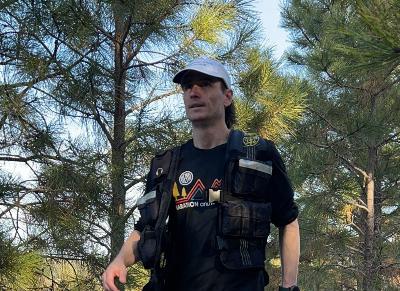
In this episode, we explore one of the most overlooked performance tools in ultrarunning: not running. Coach and elite ultrarunner Ian Sharman explains how active recovery, power-hiking, and weight-vest hiking help athletes build durability, reduce muscle damage, conserve glycogen, and avoid the dreaded late-race death march. We break down why power-hiking is a smart performance strategy used by elites, when hiking becomes more efficient than running, and how small training adjustments can dramatically improve long-race outcomes. Ian also shares practical guidance on using weight vests wisely and why your slowest mile often matters more than your fastest. Find out more about Ian at Sharman Ultra Coaching Episode Sponsors Janji, use code TRAILRUNNER for 10% off NEW partner: Check out the coaching platform Good Coach App. You can use it for free for up to 2 athletes, with no trial period. Coaches get 50% off for three months with code trn2026. Get the NEW "1 > 0" running hat HERE.
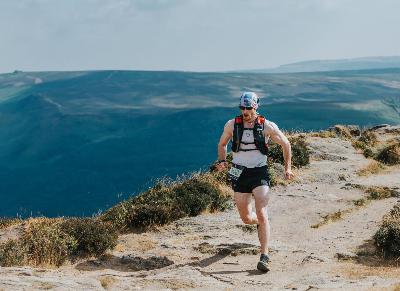
In this episode, we talk with exercise scientist Dr. Nick Tiller, author of the Ultrarunning Magazine article "Protein While Racing, Training Runs to Predict Performance & Progressing to Ultra." Starting from the wild story of Milo of Croton—an ancient athlete who drank ox blood and ate raw animal flesh—we trace how endurance nutrition has swung from carb-loading to fat-adaptation and ask where protein fits in today. Dr. Tiller explains why small amounts of protein during long races can help with muscle damage and taste fatigue, how to "train your gut" just like your legs, and why aid station real food matters more than we think. We also touch on creatine—why it works, why it may not be ideal for most endurance runners—and how to use science and healthy skepticism to cut through the wellness and nutrition noise on the trail. Find out more about Dr. Nick Author, The Skeptic's Guide to Sports Science Columnist, Skeptical Inquirer, Ultra-Running Magazine Website: www.nbtiller.com Episode Sponsors Janji, Use code TRAILRUNNER for 10% off Amazfit - T-Rex 3: Get 15% off Get the NEW "1 > 0" running hat HERE.
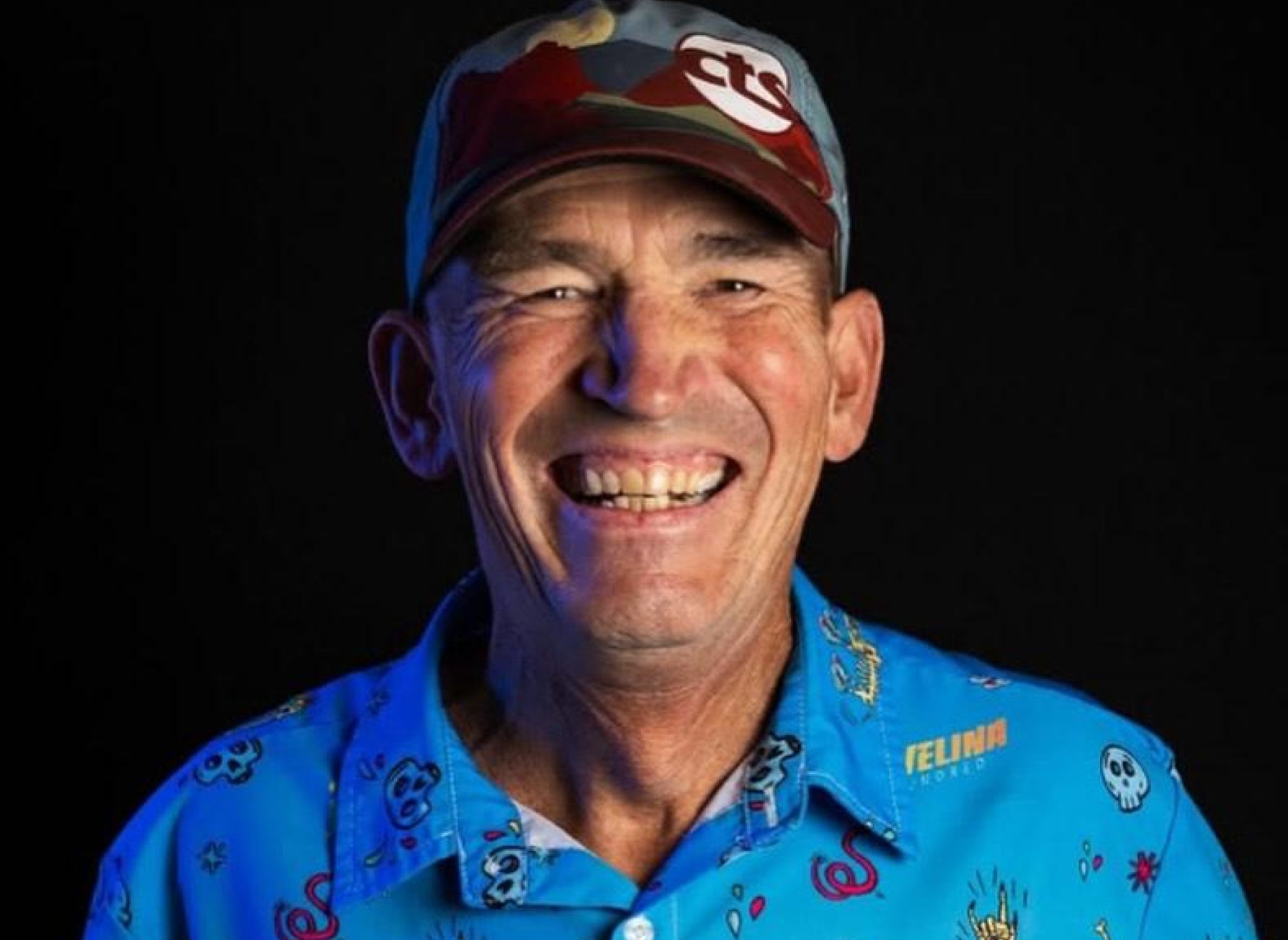
Today we're cooking up something a little different—a Trail Runner Nation–style feast inspired by the U.S. holiday of Thanksgiving. Just like families gather to celebrate gratitude and good food, we're gathering around the podcast table to share the habits, ideas, and rituals that make us better runners. And who else should be joining us be A. Jizzle Wizzle, Coach Andy Jones-Wilkins. In this playful, feast-themed episode, each host brings an entrée, side dish, and dessert—but instead of turkey and pie, we're talking about the practices that nourish our training, support our goals, and add a little sweetness to the trail experience. Don attempts to explain the rules, and the fun (and friendly trash-talk) begins. Hire AJW as a coach! And read his weekly article in the AJW's Taproom Or tune into the "Crack a Brew with AJW" podcast. Episode Sponsors Janji, Use code TRAILRUNNER for 10% off Tifosi Optics 20% off with code TRN Get the NEW "1 > 0" running hat HERE. Limited supply.... and they will be on sale for 24 hours during Black Friday, November 28
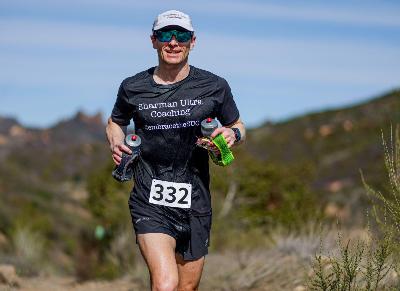
In this seventh installment of Aging as an Athlete series, Scott, Don, and Krissy sit down with elite ultrarunner and longtime coach Ian Sharman to explore what it really means to run well as the years go by. Ian shares insights from 20+ years of racing—including a marathon course record he set after turning 45—and lessons learned from coaching athletes across all ages and abilities. He offers a preview of his upcoming book, where he dives into topics like identity, adventure, and avoiding burnout. Together, we unpack how runners can evolve their training, protect their joy for the sport, and keep adventure at the center of their lives. This conversation blends practical wisdom with big-picture perspective, reminding all of us that aging as an athlete isn't a limitation—it's an opportunity. Find out more about Annie and Ian at Sharman Ultra Coaching Episode Sponsors Janji, Use code TRAILRUNNER for 10% off Amazfit - T-Rex 3: Get 15% off NEW! MudGear Socks - Get a special discount by clicking the link Get the NEW "1 > 0" running hat HERE. Limited supply.... and they will be on sale for 24 hours during Black Friday, November 28

In this episode, we sit down with the new book Running Breakthroughs author Floris Gierman to explore what truly drives joy, consistency, and long-term progress in running. Floris shares the patterns he's uncovered after years of conversations with athletes, coaches, and researchers—stories of everyday runners who transformed their lives through simple habits, sustainable training, and a kinder relationship with themselves. We talk about why self-compassion is one of the most overlooked performance tools, how slowing down can actually speed you up, and why being present in the moment matters more than chasing the perfect workout. Floris opens up about the breakthrough stories that changed him, including moments that reshaped his definition of success both on and off the trail. If you've ever struggled with plateaus, burnout, or being too hard on yourself, this conversation offers practical tools—and inspiring reflections—to help you fall in love with running all over again. Episode Sponsors Janji, Use code TRAILRUNNER for 10% off NEW! MudGear Socks - Get a special discount by clicking the link Get the NEW "1 > 0" running hat HERE. Limited supply.... and they will be on sale for 24 hours during Black Friday, November 21
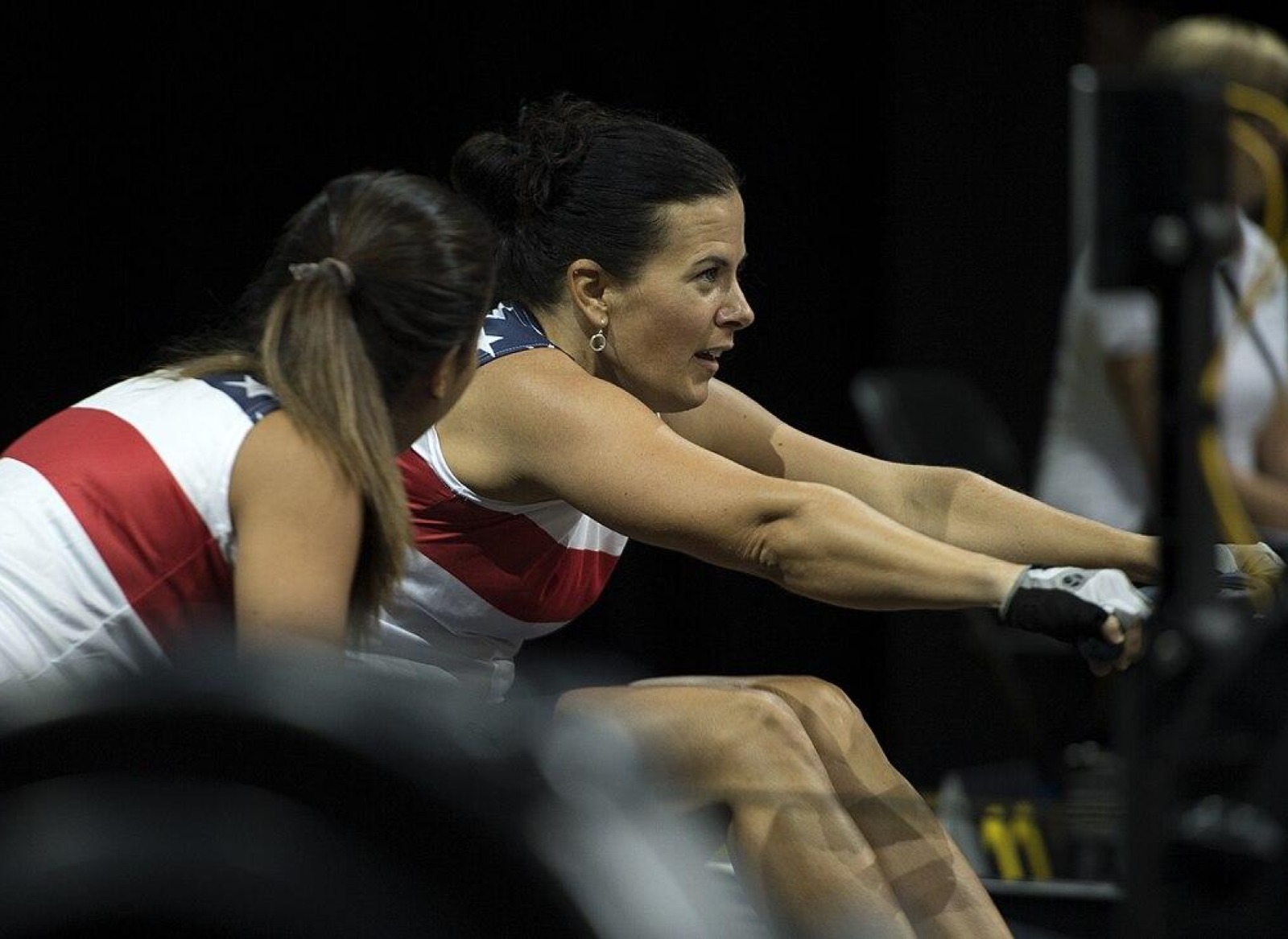
What does it take to keep running strong from your teens into your 90s? In this new episode of The Aging Athlete series, Krissy Moehl co-hosts as we sit down with Shawn Cheshire to talk about her journey through adversity as she is aging and how to adapt to life's circumstances, making her "obstacles the way". Shawn Cheshire is a blind athlete who has achieved remarkable feats in biking and trail running. We walk through Shawn's journey of losing her sight, her transition to becoming a competitive athlete, and her record-setting adventure on the Wonderland Trail. The discussion emphasizes the importance of mental resilience, training, and the power of communication in overcoming challenges. Shawn shares her insights on cohabitating with difficulties and the significance of movement in life, inspiring listeners to embrace their own journeys regardless of age or obstacles. In past Aging Athlete episodes, we've explored how to train smarter as we age, not harder—covering topics like ◦ adapting your training plans, ◦ hormone optimization, ◦ navigating menopause, ◦ Fueling for performance and longevity, ◦ and shifting recovery strategies. You can find out more about Shawn at Choosing to See and look for her movie Blind AF Episode Sponsors Janji, Use code TRAILRUNNER for 10% off Amazfit - T-Rex 3: Get 15% off NEW! MudGear Socks - Get a special discount by clicking the link Get the NEW "1 > 0" running hat HERE. Limited supply.... and they are on sale!

In this "Point–Counterpoint" episode, we are joined by coaches from two teams—Sharman Ultra (Ian Sharman & Ellie Greenwood) and Giddy Up Ultra (Jeff Browning & Trish Arends)—to debate hot-button trail topics. They tackle gadgets vs. going by feel (most land on the fence, with Scott pledging a watch-free run), active recovery vs. full rest (consensus: gentle movement wins "if done well"), and competition/professionalization vs. community (community edges out, though competition drives innovation and visibility). A rapid-fire round on race fees concludes that higher prices can be worth it when safety, marking, and aid are rock solid, but swag bloat and accessibility are real concerns. Throughout, the value of a coach emerges as a recurring theme—helping athletes tailor decisions to personality, history, and goals. Episode Sponsors Janji, Use code TRAILRUNNER for 10% off NEW! MudGear Socks - Get a special discount by clicking the link Get the NEW "1 > 0" running hat HERE. Limited supply.... and they are on sale!


Download from Google Play

Download from App Store
 United States
wow! can't say I've ever really been disappointed by a trail runner Nation podcast before. this one made me lose a lot of respect for you guys. this guy is nothing but a huckster who used to be a runner. you guys do a great job, keep it up! Please increase the qualifications for somebody coming on to be interviewed.
I feel like he should watch the game changer documentary? just thoughts.
Too much talk about poo on the trail gross man! Get off the trail! Done!!
unlistenable in parts. sorry guys but use something better than Skype.
I really dig this podcast. I listen to it while running and in my car. Good show guys!!!!