


 Claim Ownership
Robots From Tomorrow!
Subscribed: 28Played: 1,021
Subscribe

© 2025 Robots From Tomorrow
Description
A comix podcast coming to you from somewhere in the multiverse. Stay safe and enjoy your funny books.
824 Episodes
Reverse

Greg welcomes cartoonist/designer Jim Rugg back to the show for the first recorded conversation since 2014! Last time, Jim talked with Greg AND Mike about the return of Street Angel through AdHouse Books, among other things. But for 2026, Jim brings a whole slew of new projects to the discussion: Becoming a Creative Producer at VeeFriends Writing VeeFriends #11 + #12 Writing AND drawing VeeFriends #13 Joining the creator-owned distribution co-op Power Pulp Designing new collections of Stephen Bissette's long-out-of-print Tyrant Writing a monograph for Bloomsbury Publishing on Barry Windsor-Smith's Weapon X Being back on YouTube in various places talking comics. The years may have passed, but Jim continues to be passionate about comics in all shapes & forms and even more passionate about making them. Find out about all of that and more on today's episode! [This episode is number 828 in a series.] CHAPTERS 00:00 - Intro 02:28 - Twelve Years Later 03:16 - Joining VeeFriends 06:38 - Writing VeeFriends 09:10 - Farm Fights Origins 13:21 - Bullpen Comics Talk 16:51 - Writing For Other Artists 25:14 - Script Style And Process 29:12 - Teaching And New Ideas 31:50 - Power Pulp Explained 34:37 - Distribution Then And Now 39:40 - Power Pulp Interviews 40:54 - Unearthing Leo Derek 43:51 - Sharing Comics Gems 46:58 - Designing Tyrant Editions 51:12 - Working With Steve Bissette 56:01 - Writing About Weapon X 01:05:19 - Research Fuels Creativity 01:10:34 - Outro
(This interview was originally published in an earlier form on July 21, 2014) From the original episode description: We usually follow up a spotlight episode with either a Previews exploration or a free-for-all. But this week is different because Jim Rugg himself stopped by our center-of-the-earth recording studio to drop some truth about Street Angel and his career. Jim is one of the most flat-out creative talents working in comics and design today, and we couldn't be more thrilled to bring you this wide-ranging conversation. His latest book is a re-release of his first published work: Street Angel. It's available from Ad House Books and finer comic shops everywhere. [This episode is a remastered variant of number 104 in a series.] CHAPTERS 00:00 - Intro 03:06 - Street Angel Returns 04:42 - AdHouse Reprint Plan 09:20 - Design as Object 11:10 - Paper Stock Deep Dive 15:55 - Street Angel's Influences 20:30 - Lettering and Sound Effects 25:57 - From Mini Comics to Slave Labor 34:13 - Pink Upfront, Homage In The Back 39:20 - Fight Scenes and Page Chaos 44:45 - Scaling Line Weight 45:06 - Gallery Viewing Distance 44:45 - Books vs Wall Pieces 47:23 - Why Make Zines? 50:09 - Zines Inform Everything 51:08 - Work Zine Production 52:47 - Silhouette Zine Aftermath 54:52 - Free Online vs Print Costs 56:47 - Funding Big Ideas 57:38 - Copacetic Archive Book 01:02:04 - Jason Karnes Collection 01:04:01 - Finding New Cartoonists 01:08:03 - Internet Shelf Life 01:11:32 - Locust Moon Nemo Design 01:12:41 - Adventure Time House Style 01:18:28 - Outro
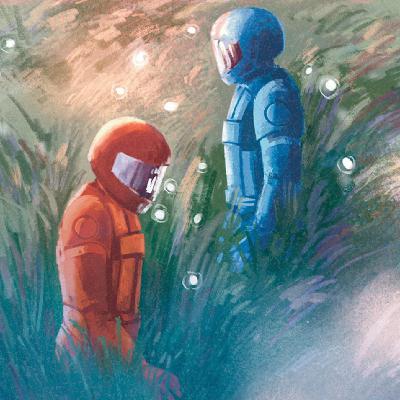
Cartoonist Kit Anderson's first graphic novel Second Shift was first mentioned on the back back in episode 817, where Avery Hill co-publisher Ricky Miller talked about working with her and bringing the book to his London-based company. But today's episode dives into the book with the author herself, which is good news for Greg because he read the book multiple times getting ready for this interview and…he has questions. Second Shift was preceded by a number of short stories and mini-comics, including the Ignatz-nominated "Weeds". "Weeds" and that other work has been collected in the anthology Safer Places, also out from Avery Hill. She has an MFA from the Center for Cartoon Studies and has, among other things, also worked as the Production Manager for friend of the show Josh O'Neill's BEEHIVE BOOKS. So suffice it to say that Kit Anderson knows her way around a comic book, and that is definitely on display with Second Shift. (We're not the only ones who think that – the New York Public Library put Second Shift on their list of 50 Best New Comics for Adults in 2025!) [This episode is number 827 in a series.] CHAPTERS 00:00 - Intro 03:52 - Getting Into Comics 07:17 - CSC Days 09:07 - Finding a Home at Avery Hill Publishing 10:48 - Visual Scripting 20:54 - Refining SECOND SHIFT 23:43 - Ambiguity vs. Missing Pieces 30:40 - The ALIEN In The Room 32:39 - Is SECOND SHIFT a Horror Book? 35:07 - The Bradbury Of It All 37:07 - Birdie's Arc 39:08 - Analog vs. Digital 40:53 - Color 43:14 - Building TerraCorps 47:13 - Ranking the ALIEN Films 51:20 - What's Next 52:54 - Outro
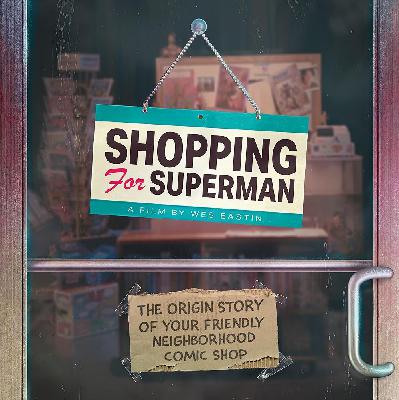
Today's guest is on the show to pick up a conversation we started last October when he screened his first feature film, SHOPPING FOR SUPERMAN, at Baltimore Comicon. He is a filmmaker - director / writer / editor / showman / dreamer / and many other things. His nearly 20 years in the film business has produced a CV too extensive to list here, so just take my word for it, this man knows his way around getting things out of the ether and on to the screen. SHOPPING FOR SUPERMAN, a documentary that took almost a decade to see to fruition, is a love letter to the friendly neighborhood comic store and is both a wonderful reminder for some, and instruction to others, at just how important these places have been for getting comics to this point AND in taking comics into the future we all know they can reach. The film is available to watch on various streaming platforms and on Blu-Ray from shoppingforsuperman.com, and it goes without saying we highly recommend you do so. The director is Wes Eastin, and this episode has him sitting down with Greg to talk about the film and its subject matter so near and dear to both their hearts: the local comic book store. [This episode is number 826 in a series.] CHAPTERS 00:00 - Preamble 02:16 - Roles in Film Production 05:26 - The Passion Behind the Project 08:13 - Building the Documentary 13:25 - Interviewing Comic Shop Owners 17:14 - Creating a Comic Book Shop Set 23:03 - Challenges and Changes 25:59 - Future Projects and Reflections 36:12 - Remote Filmmaking and Technological Advances 36:54 - Building a Film on a Budget and Friendships 38:16 - Challenges and Experiences of Remote Interviews 41:07 - Incorporating Historical Elements in the Film 47:22 - The Role of Comic Shops in the Industry 55:16 - Personal Comic Shop Experiences 01:10:43 - Future Projects and Reflections 01:15:00 - Outro
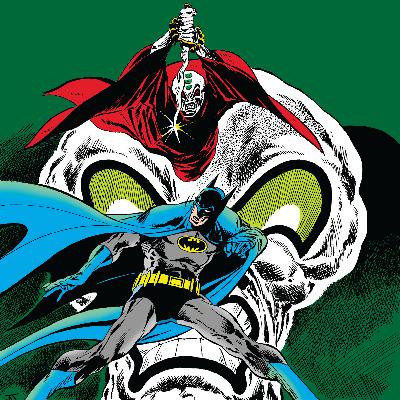
Greg and the DC3Cast's very own Vince Ostrowski continue their dive into gem after Caped Crusader gem of the best Batman stories of the Seventies to mid-Eighties! Come for the Archie Goodwin goodness, stay to find out more about the artistic evolution of Walt Simonson, which of the two hosts is coolest on Marshall Rogers, the correct length of the Bat-Ears, what happens when the Bruces of two different comic book universes collide, the one-stop-comicbooking-shop that is Jim Aparo, Joe Staton and the Justice Society, just how hard Dick Giordano is to pronounce, and much more. All that, and the man who stalks the most dangerous game alive in today's episode! [This episode is number 825 in a series.] CHAPTERS 00:00 – Preamble 03:29 – Part 2 Manifesto 10:51 – Goodwin on DETECTIVE COMICS 13:40 – Jim Aparo and The Ears 23:00 – Using Every Tool in the Toolbox 25:20 – A Batman Story vs A Story With Batman In It 32:41 – MANHUNTER and Walt Simonson 48:06 – Englehart & Rogers' DARK DETECTIVE 57:28 – I Now Pronounce You Bat-Mite! 01:00:45 – DEATH STRIKES AT MIDNIGHT AND THREE 01:04:37 – Joe Staton and the Earth-2 Batman/Huntress 01:11:14 – Untold Legends of Byrne and Aparo 01:17:22 – Thompkins, Brennert, Simonson, Giordano 01:27:14 – When Bruces Collide (BATMAN VS THE INCREDIBLE HULK) 01:34:39 – Recap and The DC3Cast 01:43:00 – Outro AVAILABILITY The specific comics referred to in this episode are: Adventure Comics #461-463 Batman #321 Detective Comics #437-443, 457, 469-476, 478, 482, 500 DC Super-Stars #17 DC Special Series #15 The Untold Legend of Batman #1-3 Batman versus The Incredible Hulk All these are available as individual issues on the DC Universe Infinite service, except for DC Special Series #15 and Batman versus The Incredible Hulk. The two relevant stories from DC Special Series #15 are available in the Batman Arkham: Ra's Al Ghul collection ("I Now Pronounce You Batman and Wife!") and Tales of the Dark Knight: Marshall Rogers collection ("Death Strikes at Midnight and Three"), Batman versus The Incredible Hulk is not available online but was reprinted most recently in the 2025 DC Versus Marvel Omnibus.
Join Greg and Zach Wilkerson, one-third of the DC3Cast, as they delve deep into the Justice League Unlimited episode 'For the Man Who Has Everything,' adapted from Alan Moore and Dave Gibbons' classic Superman Annual #11. How deep you ask? Well, audio commentary-level deep!
Join Greg and Zach Wilkerson, one-third of the DC3Cast, as they delve deep into the Justice League Unlimited episode 'For the Man Who Has Everything,' adapted from Alan Moore and Dave Gibbons' classic Superman Annual #11. How deep you ask? Well, audio commentary-level deep! The two's discussion topics range from major differences between the episode and the original comic, to continuity within the DCAU, to the story's emotional impact. Was removing Robin for the JLU episode a smart move? What could this story have looked like if it showed up during Justice League, when each story was a 44-minute two-parter instead of a 22-minute bullet train of an animated episode? Additionally, they take the opportunity to reflect on the DC3Cast's 10-year (and counting) journey, favorite projects, and upcoming plans. **The commentary-only version of this episode can be found here: ** [This episode is number 824 in a series.] CHAPTERS 00:00 Preamble 00:12 Special Guest Introduction 00:32 Catching Up with Zach 02:14 Discussing DC Three Cast 03:33 Reflecting on Podcasting Journey 16:48 Parenthood and Comics 19:52 Justice League Unlimited Commentary 37:44 The Beginning of the End 38:11 Superman's Perfect World Shattered 39:56 Wonder Woman's Role and Adaptation Choices 42:21 Superman's Emotional Climax 43:46 Batman's Best Day and the Black Mercy 44:50 The Final Battle and Conclusion 56:01 Reflections on Adaptation and Comic Comparisons 01:02:10 The DC3Cast and Future Projects
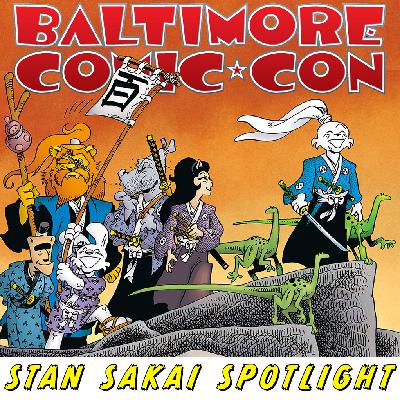
In this panel discussion Greg moderated from this year's Baltimore Comicon, renowned cartoonist Stan Sakai discusses his celebrated career, particularly focusing on his iconic creation, Usagi Yojimbo. The conversation covers various aspects of Sakai's journey, from his early inspirations and the development of the character, to his unique storytelling techniques and processes. He also shares anecdotes about his collaborations, his publishing journey, and the importance of maintaining control over his work. Sakai offers insights into his meticulous research trips to Japan and hints at future storylines, while reflecting on his relationships with industry peers. The episode provides a deep dive into the life and work of a creator who has become a legend in the world of comics. [This episode is number 823 in a series.] CHAPTERS 00:00 Preamble 00:00 Introduction and Panel Setup 01:23 Stan's Early Career and Inspirations 03:38 The Creation of Usagi Yojimbo 06:15 Research and Real-Life Inspirations 10:29 Balancing All-Ages Storytelling 15:31 Crafting Stories and Artistic Process 19:43 Favorite Samurai Movies and Influences 20:31 Supporting Characters and Spin-offs 21:39 Creators and Publishers: A Journey 22:15 Ownership and Control: The Power of Owning a Character 23:19 Editorial Freedom and Marvel Collaborations 24:04 The Long Storyline of Usagi 25:12 The Role of Editors: A Tribute to Diana Schutz 28:35 Color vs. Black and White: Publishing Decisions 30:04 Returning to Dark Horse: Reasons and Relationships 32:45 The Evolution of Publishing Rights 38:03 Favorite Collaborations and Characters 39:50 Future Storylines and Inspirations 41:32 Conclusion and Final Thoughts

In this panel moderated by Greg at HeroesCon 2024, veteran comic book letterers Rick Parker, John Workman, and Kevin Nowlan, as well as coloring guru and production master Steve Oliff share their experiences and techniques as cartoonists working in the art of lettering. Here's how the show described the panel: GREG MATIASEVICH (Multiversity Comics) sits down with letterers JOHN WORKMAN, KEVIN NOWLAN, and RICK PARKER to talk about a job that involves much more than just typing with a pen. Listen to them swap stories about balancing their own careers as cartoonists; while placing word balloons, drawing sound effects, and designing logos for some of the best books in comics. PLUS: A special guest appearance by colorist (and cartoonist in his own right) STEVE OLIFF for a different perspective on the demands of comics production work. [This episode is number 822 in a series.] CHAPTERS 00:00 Introduction and Panelist Introductions 00:45 Rick Parker's Journey in Lettering 03:09 John Workman's Lettering Insights 05:09 Kevin Nowlan's Perspective on Lettering 07:01 Steve Oliff's Experience and Contributions 09:10 Audience Q&A: Techniques and Tools 24:29 Critique of Winsor McCay's Lettering 26:20 Personal Experience with Lettering 27:23 Techniques and Tools for Lettering 28:13 Anecdotes and Industry Stories 31:54 The Importance of Lettering in Comics 39:12 Challenges in Comic Book Production 42:46 Outro
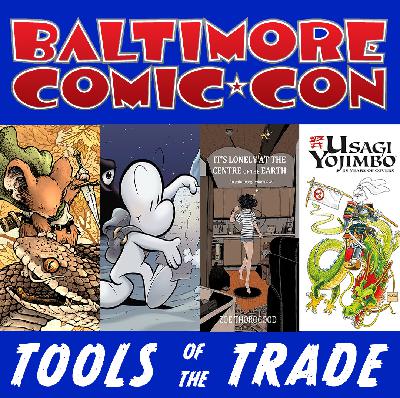
In this panel discussion Greg moderated from this year's Baltimore Comicon, cartoonists Zoe Thorogood, Jeff Smith, David Petersen, and Stan Sakai talk about the tools they use to bring their Eisner-winning comic book stories out of their heads and on to the page. From scouting art shops for discontinued pens to building architectural models to using school supplies and family members (two-legged or four-legged) and all points in-between, these four go far and wide with their advice on what helps them keep bringing the comic booking goodness to us all, page after page, and year after year. [This episode is number 821 in a series.] CHAPTERS 00:00 Preamble 02:17 Intro 03:36 Essential Tools for Comic Creators 06:20 Pencils vs. Inking: The Creative Process 11:05 Adapting to Changing Tools 17:45 Maintaining Consistency in Comic Settings 23:26 Setting the Scene: Drawing Techniques and Tools 24:20 Historical Research and On-Site Visits 25:16 Time Management Strategies for Artists 30:11 Balancing Creative and Business Responsibilities 35:54 Digital vs. Traditional Art: Making the Choice 37:20 Achieving Artistic Vision: Practice and Persistence 42:42 Emotional Challenges and Self-Care for Artists 47:08 Outro
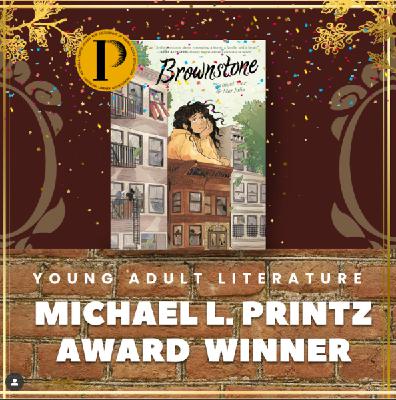
Writer Samuel Teer is back to finish out the RFT trilogy dedicated to Brownstone, his collaboration with cartoonist Mar Julia. Since his last visit, Brownstone won the prestigious Michael L. Printz Award for Excellence in Young Adult Literature, and Samuel goes into detail about the impact that accolade has had on his career and mental health. The discussion doesn't shy away from the darker aspects, including Samuel's tumultuous relationship with HarperCollins, the industry's shortcomings in supporting creators of color, and the emotional toll of navigating publisher gaslighting. Samuel also sheds light on his upcoming projects, like Castles to Cholos with Alex Moore and Pok-ta-Pok, a three-volume sports manga series with Abrams, as well as give some other recommended Latinx reads for Latino Heritage Month. Through it all, Samuel's resilience and dedication to improving the comics landscape shine through, making this a must-listen in-depth exploration of his fight to make his voice heard and make the comics world better than he found it. [This episode is number 820 in a series.] CHAPTERS 00:00 - Preamble 03:18 - Winning an Award But Leaving HarperCollins 09:24 - Printz Award Pedigree 10:18 - Challenges with HarperCollins 18:39 - The Printz Award Ceremony31:46 - The Speech 46:46 - ALA Conference, Post-speech 54:22 - Depression 55:38 - The Call 01:04:30 - Fallout and Support 01:06:26 - Mental and Physical Health Struggles 01:08:42 - Understanding Harper Collins' Structure01:09:45 - Larry Young Recharge01:12:32 - Latino Heritage Snub01:15:18 - Advice for Young Creators 01:23:39 - Creatives versus Labor01:34:28 - The Value of a Good Literary Agent01:39:47 - Book Recommendations and the Importance of Buying Books 01:42:09 - Outro
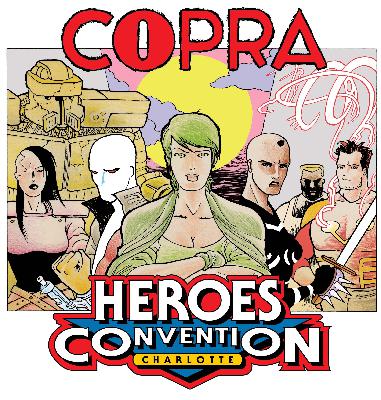
In this panel discussion that Greg moderated back in June from this year's HeroesCon, cartoonist Michel Fiffe reflects on finishing his acclaimed indie comic COPRA with the release of issue 50 earlier on the week. Fiffe discusses the emotional journey of concluding the series after 12+ years, his inspirations, his creative process, the X-Men and Ninja Turtle impact on the book, the challenges and rewards of being an independent creator, how close we came to having a Batman show up, and much, much more! [This episode is number 819 in a series.]
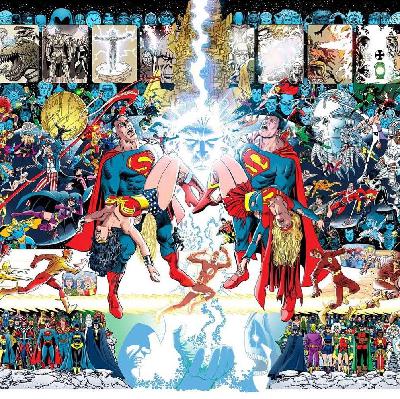
Greg welcomes DC3Cast's Brian Salvatore back to the show to help out with this Shelf Bound look at DC's 1985 blockbuster event CRISIS ON INFINITE EARTHS. After catching up on Brian's busy post-Multiversity life, balancing different passions including music, baseball, and family, and various podcasts, it's time for some CRISIS management to figure out the optimal way to tackle the monumental and sprawling story Marv Wolfman and George Perez unleashed. Do you stick to JUST the 12-issue maxiseries? Do you throw caution to the wind and read EVERY red sky tie-in? Do you go even further and include the various "Crisis" JLA/JSA precursors and the LEGENDS mini follow-up? What about Marvel's CRISIS parodies like MIGHTY MOUSE's "Mices on Infinite Earths"? It's a biiiiiig question, but these are the two lads willing to walk into the anti-matter to answer that question, and many more. [This episode is number 818 in a series.] CHAPTERS 00:00 Preamble 02:17 Brian's Busy Life Post-Multiversity 04:21 Rediscovering Comics as a Hobby 05:51 Missing the Multiversity Experience 07:01 The Churn of Comics and Baseball 09:44 Balancing Work and Passion Projects 17:47 The DC3 Cast and Patreon Experience 28:54 Crisis on Infinite Earths: A Deep Dive 39:36 Infinity Inc and Roy Thomas 41:49 Post-Crisis DC Universe 44:57 Defining a Crisis Event 49:52 Essential Crisis Experience 53:37 Collecting Crisis and Beyond 01:14:39 Final Thoughts on Crisis 01:15:54 Outro
There's an ecosystem to comics publishing, like everything else. You've got your Marvel & DC/Big Two on one end of things, your single cartoonist stapling their first minizines that they ran 20 copies off of the printer at their day jobs at the other, and many points in-between. And it's one of those intermediate options, Avery Hill Publishing out of South London, England, that is the focus of today's show. Going back to the earlier example, Avery Hill is probably much closer to the cartoonist than the corporations. And this makes sense when you look at their output. On their website, the publisher described itself as: "Helping aspiring creators reach their potential and … a home to the geniuses that the mainstream has yet to recognise ... Our canon includes psychogeographical mappings, eco-anarchist wizards, boat-shaped coffins, an all-female/non-binary construction crew (in space), a bad canine named Greasy, and much more." Avery Hill has positioned itself to be an option for up & coming creators, a model that has worked for them with many cartoonists, including Tillie Walden, who published the first works of an Ignatz- and Eisner-lauded career, THE END OF SUMMER and I LOVE THIS PART, at Avery Hill almost ten years ago. To find out more about Avery Hill's place in the comics landscape, what that landscape looks like for them in 2025 and beyond, and to talk about their newest release, Kit Anderson's sci-fi graphic novel SECOND SHIFT just out last month, today's episode is a chat with Avery Hill co-publisher Ricky Miller. [This episode is number 817 in a series.] CHAPTERS 00:00 - Preamble 01:37 - Early Days and Inspirations 05:50 - Transition to Publishing 09:15 - Discovering New Talent 18:05 - Kickstarter and Business Model 20:11 - Day-to-Day Operations at Avery Hill 22:30 - Balancing Creativity and Practicality 23:03 - Impact of the Internet on Talent Discovery 23:48 - Challenges of Social Media for Creators 24:37 - Finding New Talent in the Modern Era 27:52 - Kit Anderson's Journey with Avery Hill 30:19 - The Appeal of Sci-Fi in Comics 36:43 - Avery Hill's Editorial Approach 38:59 - Upcoming Projects and Future Plans 42:54 - Avery Hill at Comic Shows 44:46 - Outro
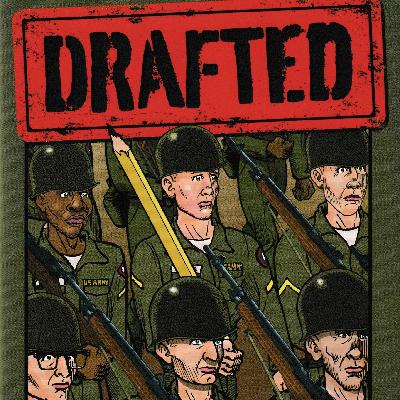
In his latest graphic novel Drafted, readers can see how math did cartoonist Rick Parker absolutely no favors in trying to stay out of the military during the height of the Vietnam War. The 256-page book, which is the first of Parker's career that he has written AND illustrated, covers that three year period of his time in the U.S. Army in autobiographical detail both funny and heartbreaking. After being honorably discharged, the cartoonist would eventually get a job at Marvel Comics as a letterer for such titles as G.I. Joe and the Spider-Man line for most of the 1980's. In 1994 he took on full cartooning duties for the Beavis & Butthead series for Marvel, producing 28 issues of humor in that particular vein until the title was unceremoniously cancelled in 1996. Later work ranged from books at Papercutz and work at the Morgan Stanley bank creative services department, among other spots in between. Today Greg is talking with cartoonist Rick Parker about his book Drafted, the career leading up to it, and hopefully a little bit about what's coming up next. Fingers crossed there will be no math. [This episode is number 816 in a series.] CHAPTERS 00:00 - Preamble 01:37 - When did you start thinking about the book? 08:38 - When did you start working on it officially? 13:38 - How did you go about researching the book? 16:39 - How much work does Rick Parker the writer do before Rick Parker the artist starts working? 30:26 - What did your time in the Army reveal to you about yourself? 41:20 - How did Drafted get from your drawing table to Abrams? 45:01 - What is the editor's role in a project like this? 49:34 - What's on your drawing table right now? 52:37 - Comics can be a lonely job and a communal job at the same time. Talk about maintaining industry connections over the length of your career. 54:46 - Outro
We live in troubling times. Turn on the news or your phone and that seems to be all there is: trouble. But according to John Lewis, the late U.S. Congressman from Georgia's 5th District, trouble… doesn't always HAVE to be bad. In fact, there can be GOOD trouble that helps you deal with all the bad. Carrying the Congressman's message of GOOD trouble into these times we find ourselves in, is the Congressman's former staffer, writing partner, and steadfast ally Andrew Aydin. Andrew's publishing venture Good Trouble Productions is built on the foundation of that message of GOOD trouble, and is the focus of today's episode. Good Trouble Productions, through its Appalachia Comics imprint, is running a Kickstarter campaign for ISLANDS IN THE SKY, a 112-page comics anthology to benefit the survivors of last year's Hurricane Helene that pairs actual survivors with comics writers like Brian Michael Bendis, Matt Fraction, Gene Leun Yang, Greg Pak, Alex Segura, and more to capture their own accounts on the storm and its aftermath. The Good Trouble Comics imprint is home to titles like the LGBTQ anthology RECOGNIZED, the historical reprint series COMICS OF THE MOVEMENT, and REGISTER! a new series about history and an extraordinary group of teens. And finally, talks swings back to Appalachia Comics for MONSTER APPRECIATION SOCIETY, where Andrew and artist Johnathan Marks Barravecchia delve into the horror genre with all manner of monsters lurking in the namesake mountains: Bigfoot, The Moon-Eyed People, and the worst monsters of them all: real estate developers! [This episode is number 815 in a series.] ****************************** CHAPTERS 00:00 – Preamble 00:46 – Intro 03:12 – ISLANDS IN THE SKY Kickstarter Campaign 04:04 – Pairing Survivors With Comics Writers To Tell Their Stories 10:57 – Hurricane Helene From Andrew's POV 17:06 – Getting The Word Out About Appalachia and Helene 22:25 – Alternate Distribution Models with Etsy & Kickstarter 28:33 – The Beginnings of Good Trouble Productions 33:16 – What Makes a Comic a Good Trouble Comic 38:07 – Register! (With An Exclamation Point) 40:20 – MONSTER APPRECIATION SOCIETY 47:07 – Outro ****************************** Go to the episode page at: https//robotsfromtomorrow.net/andrew-aydin-good-trouble

Today's episode comes directly from this year's HeroesCon in lovely Charlotte, NC. Greg had the opportunity to host a few panels this year; the first of which was this spotlight on cartoonist/illustrator Colleen Doran. As described in the show programing guide: Her work has garnered more nominations and awards than we have space to list here, but trust us, it's a looong list. Eisners, Bram Stokers, Harveys, Hugos, inclusion in the Best American Comics series… when discussing COLLEEN DORAN's career as a cartoonist and illustrator, there are so many highlights only the bravest of souls would try and host a panel looking to take stock of them all. Thankfully for HeroesCon, GREG MATIASEVICH (Multiversity Comics) has taken up the challenge. Come see how he does in conversation with one of the best artists working in comics, or any other field, today! [This episode is number 814 in a series.] ****************************** CHAPTERS 00:00 – Preamble 01:26 – Intro 02:52 – How has it been adapting Gaiman's prose work to comics? 08:41 – What's your process like when you're working from someone else's material? 21:48 – What is the status of A DISTANT SOIL, and how different do you think your career would have been if you hadn't had a creator-owned project like it to start your career with? 22:51 – Which word is more important for a creator to know – yes or no? 24:12 – What are some working tips from your freelance career that you think every creator should know? 39:53 – Remembering Keith Giffen 42:23 – Who was the last big art revelation you had? 44:06 – Is it possible to divorce illustration from storytelling? 45:19 – Do you think the American market will ever appreciate how much of comics 'writing' is done by the artist? 51:15 – Outro ****************************** Go to the episode page at: https//robotsfromtomorrow.net/colleen-doran-hc24
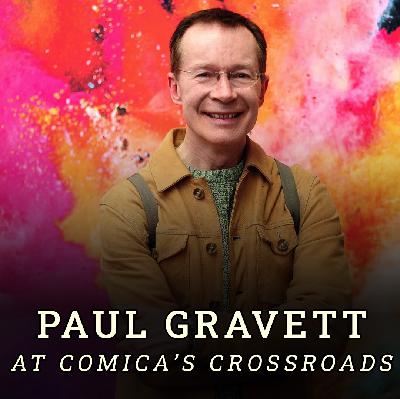
"The cycle of renewal in art is peddled by the periodic influx of stuff from somewhere else. That's why you need a man at the crossroads… He will be the purest, most fresh faced wee fellow you have ever met. His ingenuous enthusiasm will beam from his cheery countenance." -- Eddie Campbell on Paul Gravett, Alec: How To Be An Artist Today's guest is Campbell's Man at the Crossroads, and he has been observing, studying, and directing comics traffic for over 40 years. As this fellow's understanding of its ebbs and flows has grown over that time, so has his endeavors in making sense of it for himself. And thankfully, Comics fans around the globe. He's written at least seven books, including Mangasia: The Definitive Guide to Asian Comics, which has been transformed and translated into reality as the touring exhibition: ASIAN COMICS: EVOLUTION OF AN ART FORM. The Barbican website describes the exhibit at The Bowers Museum in Los Angeles, CA as "with a team of more than 20 international advisors, ASIAN COMICS features over 500 works, the largest selection of artworks from the continent, including Japanese woodblock prints, Hindu scroll paintings, digital media, printed comics, and contemporary illustrations. This unique exhibition is a gateway to an unexplored world of graphic storytelling and its artistic value." He's also an accomplished editor and anthology curator. Among the books he's assembled have been 2011's 1001 Comics You Must Read Before You Die, which is a fantastic title, and The Mammoth Book of Best Crime Comics. He's contributed to countless periodicals and documentaries about comics. He's published one of the best comics magazines of the 1980s, Escape, with partner Peter Stanbury, giving a platform to such creators as James Robinson, Dave McKean, and Neil Gaiman. He started Comica, the London International Comics Festival with John Harris Dunning in 2003. He gives lectures, he hosts panels, and he continues to be one of the most respected comics patrons of his generation. Frankly, it's been exhausting just narrowing down his endeavors to a reasonable summary for this blog post. He's Paul Gravett and he joins Greg today to talk about comics in all their wonderful forms and many varied locations. [This episode is number 815 in a series.] ****************************** CHAPTERS 00:00 - Preamble 02:50 - Intro 05:40 - "I want to know about everything…" 06:17 - What was the first thing you learned that gave you your paradigm shift of what comics could be? 08:28 - Shonen Magazine / Fishing Crazy Senpai 10:32 - "No nostalgia, no loyalties, no limits" 12 36 - How do you keep all these perpendicular lines of comics in your head? 17:52 - "An unlimited multiversity to comics" 19:53 - Photo comics & Gregory Crewdson 22:11 - Jayme Cortez 24:18 - Comics 1964-2024 27:20 - Sawwaf Collection 29:31 - Lusanne / Taiwan 32:27 - Lodz Poland 33:19 - Posy Simmonds 35:40 - ASIAN COMICS 37:10 - Talk about your growing understanding of Asian comics as you were working on the books and the exhibition. 41:38 - Is the diversity of Asian comics and inspiration to you about the future of comics? 44:05 - Comics preservation in the Philippines and Mexico 50:41 - How important is humility (or lack thereof) when putting together an anthology or exhibition? 57:25 - Talk about your working relationship with your partner Peter Stanbury. 1:02:25 - Comica 1:06:00 - Outro ***************************** Go to the episode page at: https://robotsfromtomorrow.net/paul-gravett-at-comicas-crossroads/
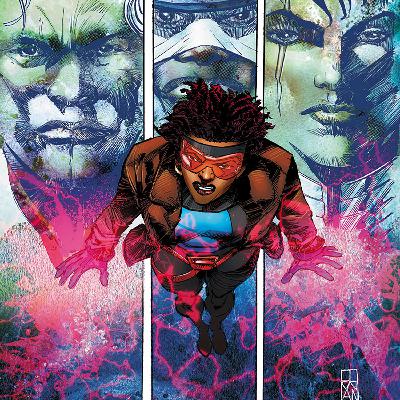
Today's guest is making his SIXTH appearance on the show, which means he's the most returned non-Multiversity guest in the history of the show. Previous episodes have had us talk about various aspects of his almost-30-year career in comics, from intern to editor at such publishers as Valiant, Humanoids, Heavy Metal, A Wave Blue World, and of course, DC Comics. But Joseph Illidge is here now as the writer of that company's Milestone Universe: The Shadow Cabinet #1, a four-issue limited series bringing him back to Milestone Comics, where his professional journey began. Issue #1 debuts on November 20th with art by Darryl Banks and Artigun Ilhan. [This is episode 814 in a series.] ****************************** CHAPTERS 00:00 - Intro 02:10 - The Shadow Cabinet Pitch 02:57 - The Shadow Cabinet Working on Shadow Cabinet 05:52 - What brought you back in the Milestone fold? 08:38 - What was it like being back? 13:27 - What kind of script / art collaboration do you prefer? 16:51 - How was working with editor Marquis Draper, aka your generational echo? 23:48 - For writing Rocket, how do you dial into her and speak for her? 28:27 - Anything you want to tease about the rest of the mini? 30:33 - Outro ****************************** Go to the episode page at: https://robotsfromtomorrow.net/joseph-illidge-on-the-shadow-cabinet/
Today we're talking about Copra, the indie comics darling that fuses 80s mainstream comic sensibilities with modern execution to give us an adventure story that looks familiar... up until it doesn't. In the 12 years since its inception, Copra has taken readers on a journey both on the page and off. This year saw the publication of Creating Copra, the definitive guide to making and self publishing comics. A 64-page reference guide to... well, you know. But all things must come to an end, and Copra is no exception. The four-issue limited series titled Death of Copra starts on January 8th of next year, with final order cut off on December 2nd. To cover this comic's beginning and probable end, we have cartoonist/creator Michel Fiffe in the studio to talk about all things Copra. [This episode is number 813 in a series.] ****************************** CHAPTERS 00:00 - Intro 01:48 - How do you pitch Copra? 04:08 - Are you done with the series yet? 11:44 - Have you always had this work ethic? 13:08 - How did working on other comics during Copra help? 15:06 - Who is Annie Koyama and how did she help Copra out? 23:03 - If someone else had published Copra singles, how do you think that would have changed your experience? 35:20 - How has having to engage with retailers directly helped you? Or has it? 39:29 - Lettering 43:47 - How do you keep your creative & publishing mindsets separate? 48:32 - What does life after Copra look like? 52:12 - Outro * * * * * * * * * * * * * * * * * * * * Go to the episode post at: https://robotsfromtomorrow.net/fiffe-copra/

Comments

Download from Google Play

Download from App Store
 United States