


 Claim Ownership
Kasterborous Classic TV: Exploring Doctor Who & Classic Sci-Fi
Subscribed: 80Played: 2,730
Subscribe

© Christian Cawley, James McLean, Brian A Terranova, 2007-2026
Description
Regular podcast featuring unique and in-depth discussions covering Doctor Who and other classic TV and movies, usually in the sci-fi and sci-fantasy fields.
Launched in 2007, we've lost count of how many episodes we've actually done. Special episodes include interviews with creatives, writers, actors, and notable commentators in the cult TV field.
Your regular hosts are Christian Cawley, James McLean, and Brian Terranova.
531 Episodes
Reverse
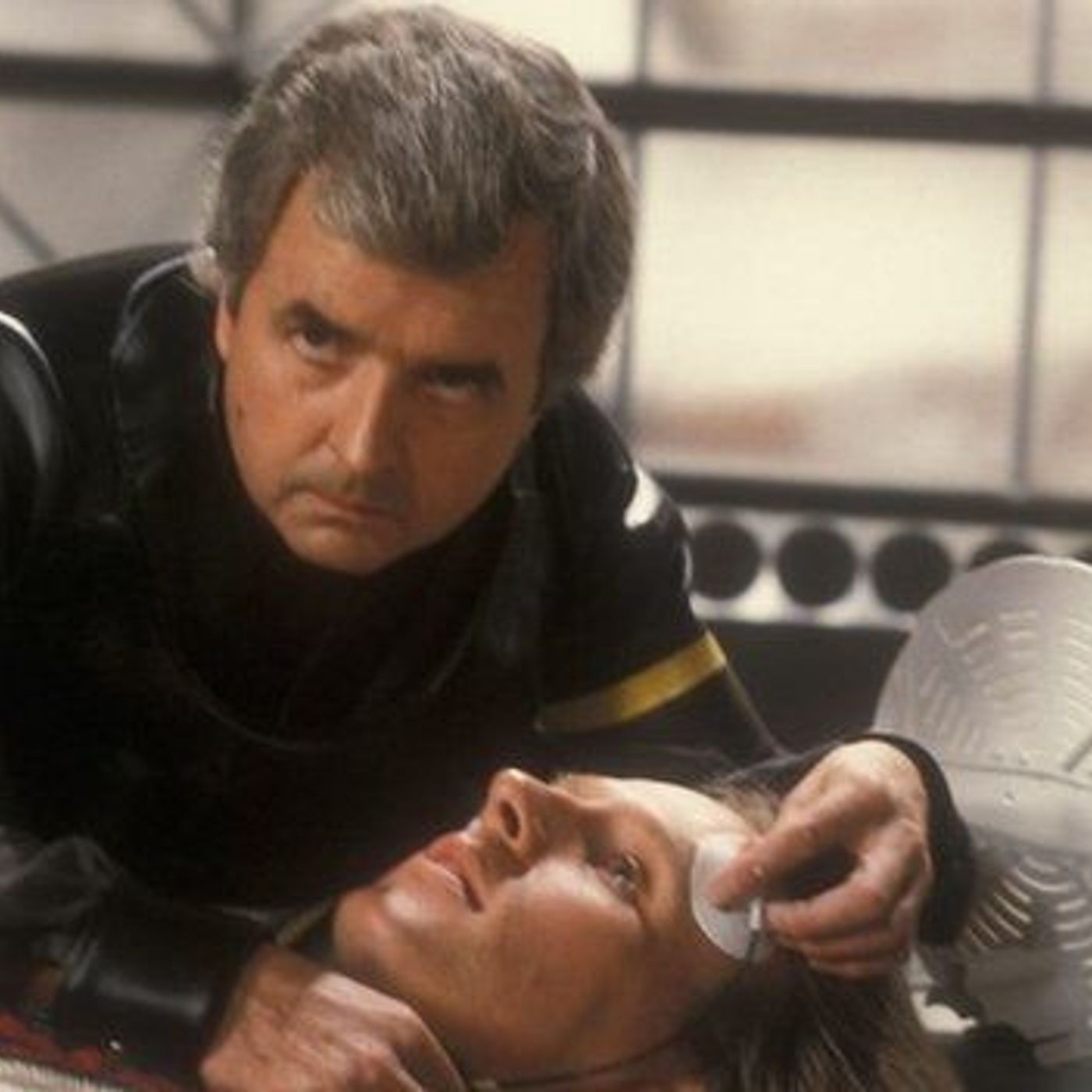
Hello! Another Kasterborous chat for you this week with the full team of Christian Cawley, James McLean, and Brian Terranova.This time, we're bringing together three conversations about television past and present — from the frustrations of streaming to Doctor Who edits and the decidedly different world of 1970s superheroes.First, has streaming actually made it harder to discover good television? With programmes scattered across an ever-growing collection of services, we look at how finding something to watch has changed — and whether we've lost something from the days when you could simply stumble across a great programme.Then we turn to Doctor Who. If you could go back to the original material and make your own edit, what would you change? Which stories could benefit from a little judicious cutting, rearranging or reconsideration?Finally, it's back to the 1970s and two very different attempts to bring Marvel superheroes to television: Spider-Man and The Incredible Hulk. Long before the MCU established what audiences expect from live-action superheroes, television had its own ideas about how these characters should work.Three conversations, one extended edition of Kasterborous.In this edition:
Has streaming killed the accidental discovery of great television?
The problem with programmes being scattered across multiple services
What would we re-edit in classic Doctor Who?
Looking back at television with the benefit of hindsight
The strange world of 1970s live-action Spider-Man
Bill Bixby, Lou Ferrigno and The Incredible Hulk
How superhero television changed long before the MCU
With Christian Cawley, James McLean and Brian A. Terranova. This edition is available as a video on our Patreon, with shorter videos on our YouTube channel.
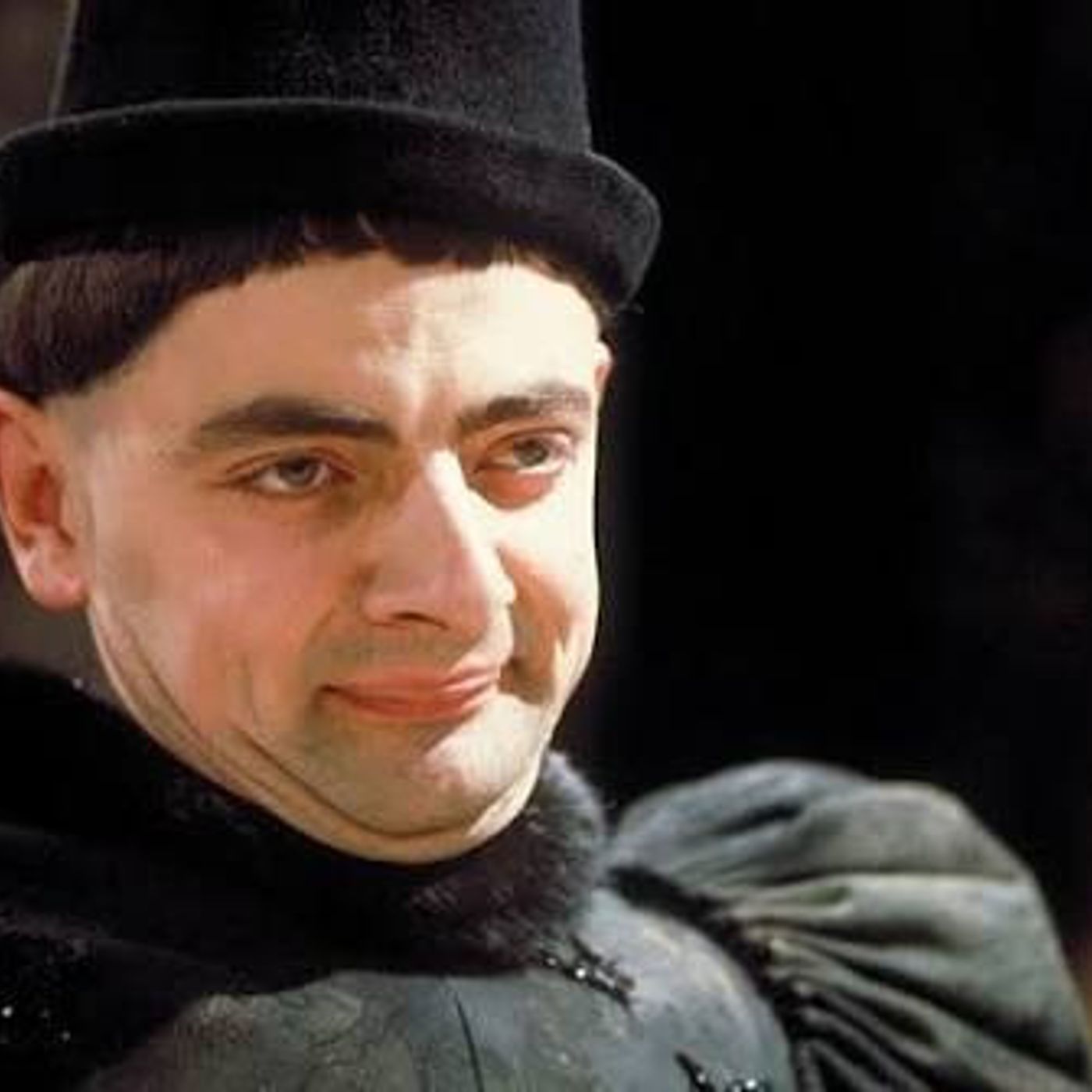
Why did radio drama and comedy remain such a strong part of British broadcasting — while largely disappearing from American radio?In this edition of Kasterborous, Christian Cawley and Brian A. Terranova start with the very different audio traditions on either side of the Atlantic. Along the way, they encounter The Hitchhiker's Guide to the Galaxy, Star Wars on radio, Big Finish, and some almost-forgotten Doctor Who radio productions.That leads to the peculiar British tradition of bringing television comedy to radio, including Dad's Army, Fawlty Towers and Blackadder.But why did The Black Adder change so dramatically after its first series? Christian and Brian discuss the huge scale of Rowan Atkinson's original medieval comedy, the reduced budget that helped reshape the programme, the transformation of Blackadder and Baldrick, and whether moving comedy into the studio actually made it better.There's also Red Dwarf, live studio audiences, Jeeves and Wooster, Not Going Out, Fawlty Towers, panel shows, and the question of why British and American sitcoms developed such different approaches to comedy.In this episode:
Why radio drama survived in Britain
Doctor Who before Big Finish
The British tradition of comedy on radio
The Black Adder vs Blackadder II
What happened when the budget disappeared
Do sitcoms need a live audience?
Red Dwarf: Back to Earth
British vs American sitcoms
When sitcoms start becoming dramas
Presented by Christian Cawley with Brian A. Terranova.Kasterborous: Doctor Who, classic television and science fiction conversation since 2007.

The BBC has formally begun looking for the production team that will take Doctor Who into its next era — and some of the details suggest the series could be made rather differently in future.This week, Christian Cawley and James McLean examine the BBC's new Invitation to Tender for Doctor Who, including its emphasis on high-concept science fiction, distinctively British storytelling and episodic writers — and the intriguing suggestion that the programme may no longer follow the traditional showrunner model.Does the tender represent a genuine fresh start for Doctor Who? What does the BBC's instruction not to consult previous BBC Studios or Bad Wolf production teams tell us about its intentions? And with a new production unlikely to reach television until 2028 or 2029, what happens in the meantime?That leads to something rather more controversial: Doctor Who Reboot, a fan project using generative AI to create an unofficial continuation of the series.Christian and James discuss the results, the potential intellectual-property problem, and the much bigger question of whether using AI to recreate Doctor Who is fundamentally at odds with the programme itself.After all, if the Doctor is a character who repeatedly champions human creativity, individuality and freedom over technological conformity, is AI-generated Doctor Who a particularly strange contradiction?Plus: the Master's latest trick may have nothing on the Kasterborous YouTube channel finally passing 200 subscribers.With Christian Cawley and James McLean.
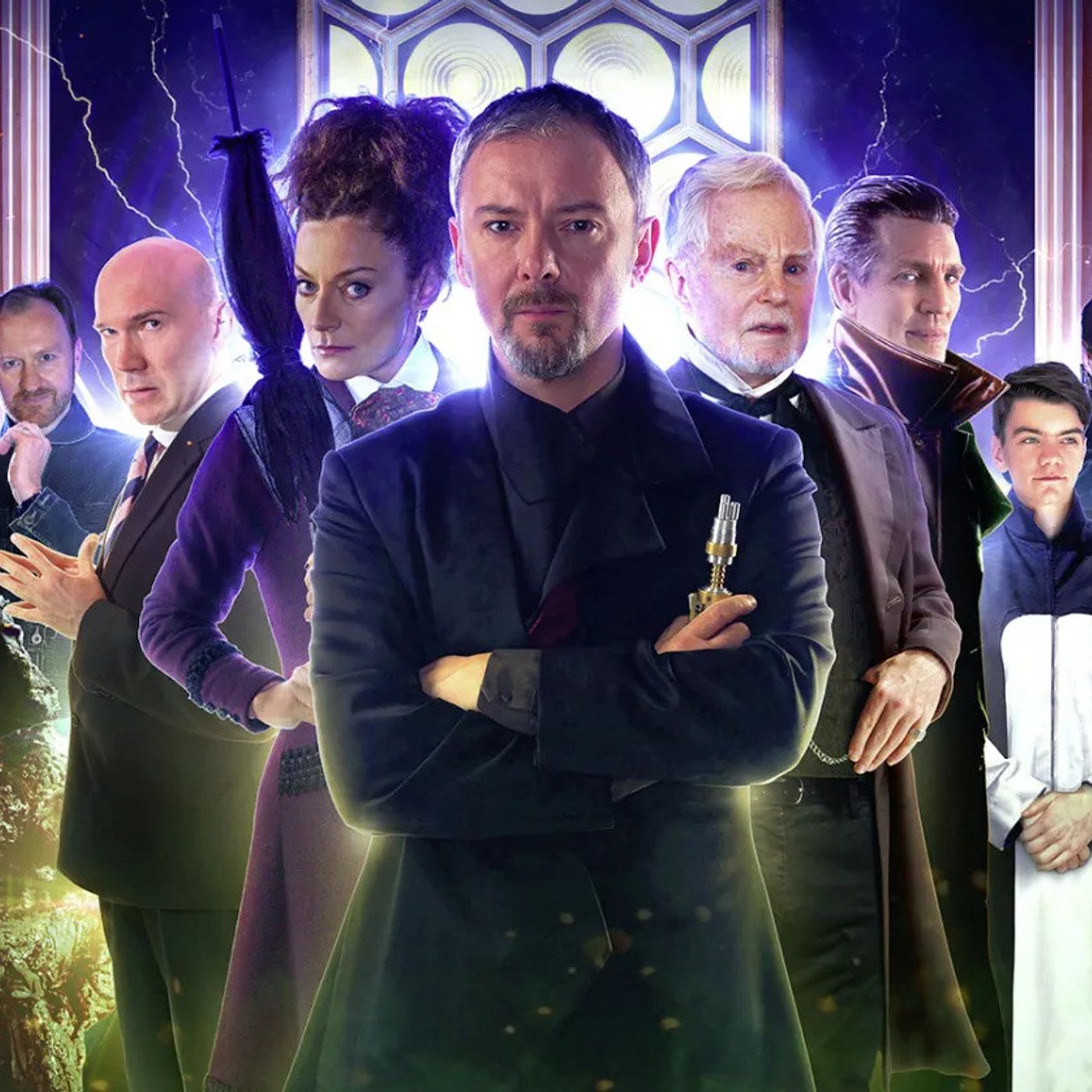
The Master has been cheating death almost as long as the Doctor has been saving the universe — but can all those different incarnations actually be fitted into a coherent timeline?Christian Cawley and Brian A. Terranova take a trip through the Master's complicated history, from Roger Delgado and the decaying Master to Anthony Ainley, Eric Roberts, Derek Jacobi, John Simm and Michelle Gomez.Along the way, they revisit an old theory connecting the Master of the 1996 Doctor Who TV Movie with The Deadly Assassin, examine Big Finish's rather more elaborate attempt to make sense of the Master's regenerations, and consider what Eric Roberts has brought to the role on audio.----------------------------------------------------------------You can watch this week's episode on YouTube: https://www.youtube.com/watch?v=UUCImw-B1Cc----------------------------------------------------------------But continuity is only half the story. Was Doctor Who robbed of a potentially definitive Master by giving Derek Jacobi so little screen time? How does his colder interpretation compare with Delgado's original? And did John Simm effectively get a second chance to play the Master when he returned opposite Peter Capaldi?It's an attempt to untangle one of Doctor Who's most complicated characters — and work out what actually makes a great Master.With Christian Cawley and Brian A. Terranova.

What happens next to Doctor Who — and who might actually make it?Christian Cawley and James McLean discuss the latest speculation surrounding the programme's future, including Netflix's apparent lack of interest and Amazon's much more welcoming response to the prospect of getting involved.Could Amazon do for Doctor Who what it once did for Ripper Street? Would moving further into the streaming world give the programme greater creative freedom, or would something important be lost along the way?Then there's the small matter of Billie Piper.With Mark Gatiss discussing the unresolved ending to the most recent series, Christian and James consider whether a future production team really needs to explain what happened — or whether Doctor Who should simply move forward.From Sherlock and Dallas to Blake's 7, Sapphire & Steel and the Seventh Doctor's final adventure, we look at the peculiar power of an unresolved ending — and wonder whether Doctor Who's controversial cliffhanger might actually be helping to keep the series alive in the public imagination.With Christian Cawley and James McLean.

Comments

Download from Google Play

Download from App Store
 United States