


 Claim Ownership
Land & Legacy - Habitat + Hunting
Subscribed: 507Played: 35,274
Subscribe

© Land & Legacy
Description
The Land & Legacy podcast brings expert advice each week on everything from habitat management, hunting, and recreational land investments. We unpack real world scenarios that we experience through consulting across the country to help you become a more productive landowner and hunter. If you own land, this is the podcast for you!
841 Episodes
Reverse
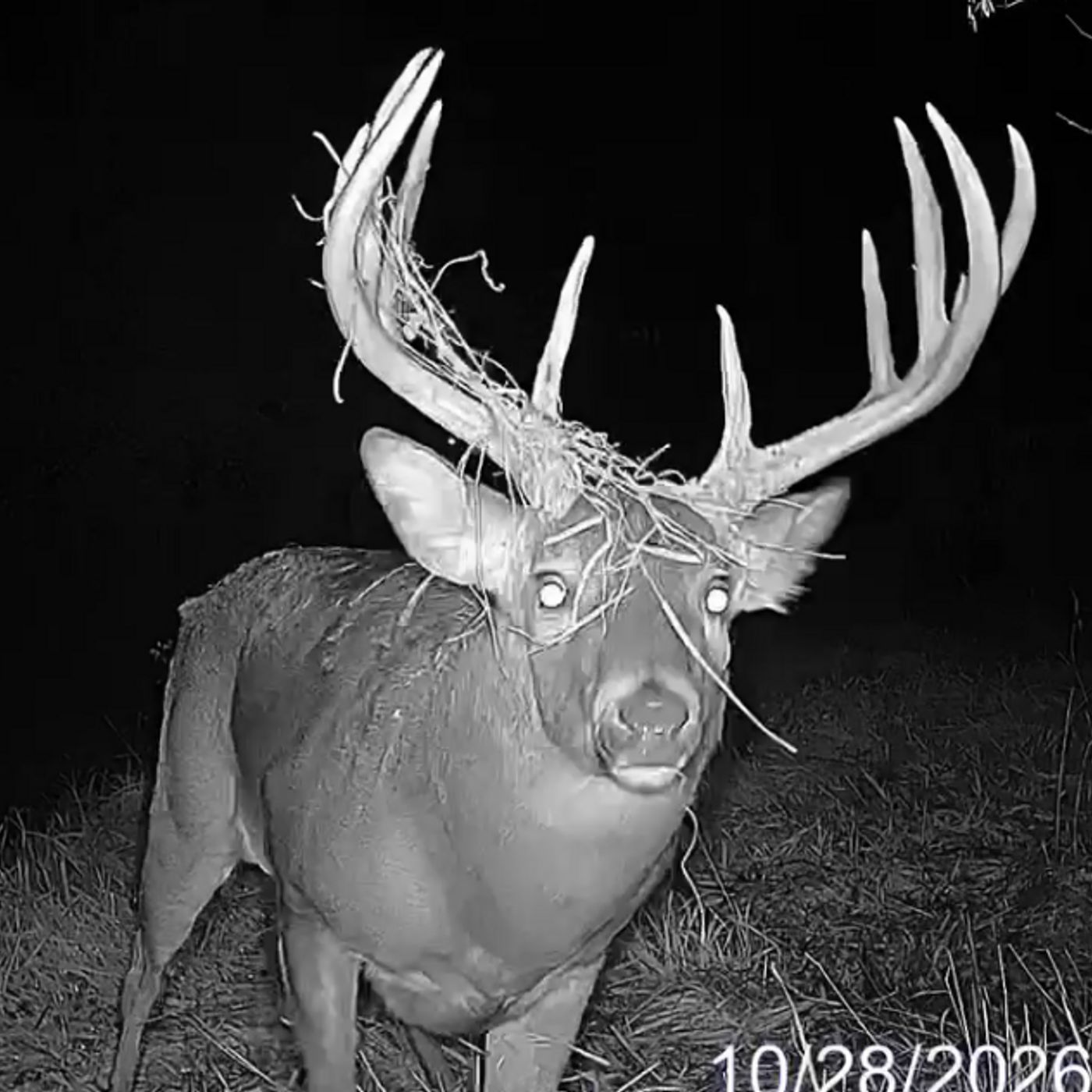
November is one of the most exciting times of the year to hunt whitetails, but success often comes down to understanding how deer are using your property. In this Land & Legacy podcast, Adam and Matt discuss the importance of hunting tight to bedding areas, focusing on food plots located close to cover, and taking advantage of the increased daylight movement that comes with the rut. As deer begin shifting their patterns and pressure increases, knowing where to hunt, when to make a move, and how to stay out of the wrong places can make all the difference. November is the time to be aggressive, hunt smart, and capitalize on the opportunities your property has to offer.
On this episode of the Land & Legacy Podcast, Adam Keith breaks down why it’s time to get in the woods and hunt. The moon is rising at the right time, barometric pressure is high, and even though the weather hasn’t changed much, the conditions are right to make a move. Don’t wait around for the perfect cold front or ideal forecast. Deer are moving, pressure is building, and sometimes the best opportunity comes when you quit waiting and start hunting. It’s time to get out there!
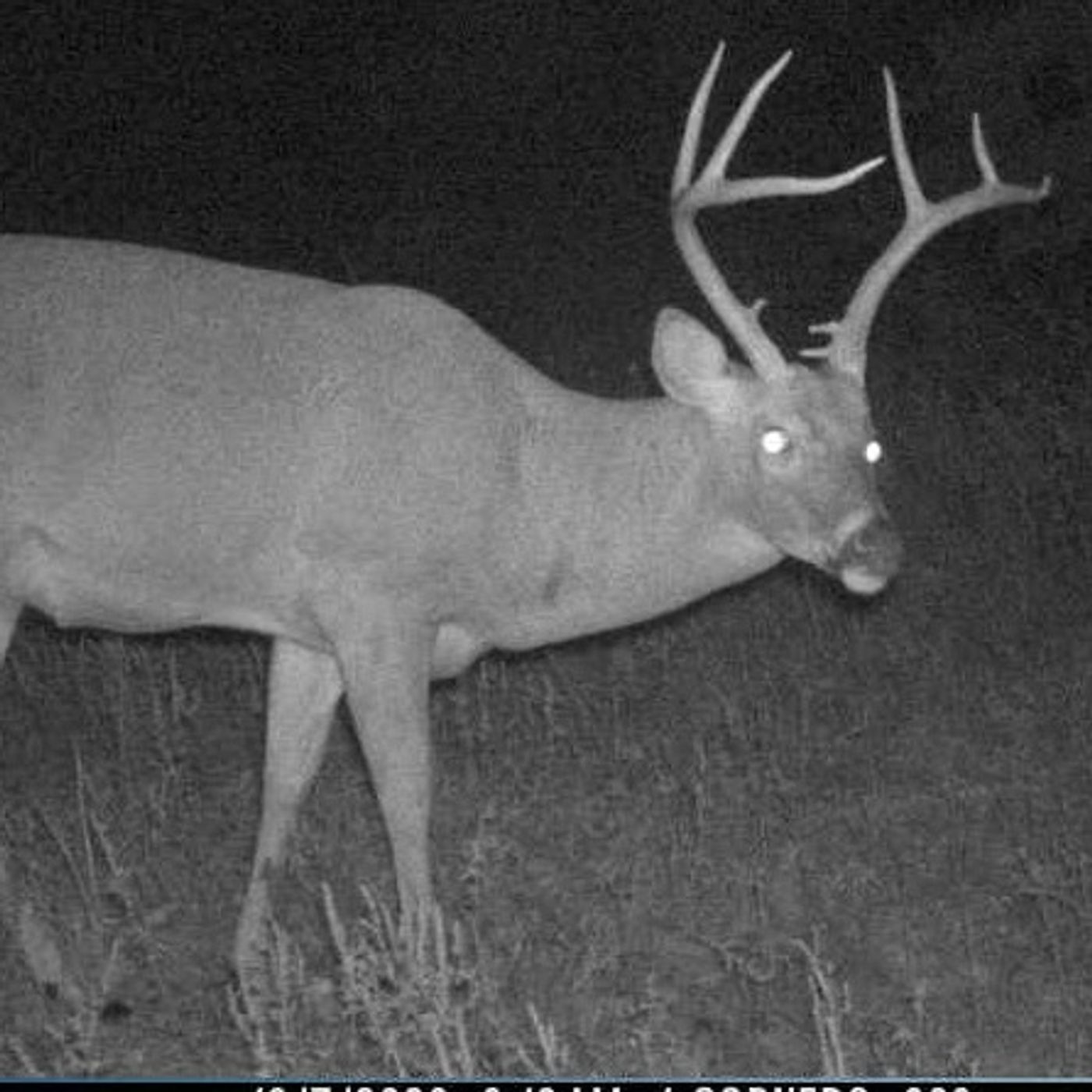
Matt and Adam dive into the social dynamics of a deer herd and how buck behavior can influence the age structure and quality of bucks on your property. From timid young bucks trying to establish their place to aggressive bully bucks that dominate an area, they discuss how these interactions shape deer movement, competition, and the overall hunting experience. They also explore how dominant bucks can pressure younger deer into leaving the property, potentially leaving landowners with a herd dominated by aggressive, inferior-antlered bucks. Understanding these behaviors can help land managers better evaluate the bucks using their property and make informed decisions about habitat management, hunting pressure, and long-term herd objectives.

Two weeks ago, Adam and Matt discussed how extreme heat, drought, and changing food sources created an unexpected opportunity during Missouri’s early archery season. In this episode, Adam shares the story of harvesting a 12-point buck and the decisions, observations, and habitat conditions that helped make the hunt come together. From understanding how deer shift their movement as agricultural crops are harvested to identifying pinch points between bedding cover and available food sources, this story highlights the importance of knowing your property and adapting to changing conditions. It’s another reminder that successful deer hunting is about more than trail camera pictures or sticking to a plan—it’s about understanding deer behavior, recognizing opportunities, and making the most of the conditions in front of you.

When Extreme Conditions Create OpportunityMissouri’s early archery season opened with some of the most challenging conditions imaginable—extreme heat, drought, dry soils, and very little available food. Yet those same conditions created a unique opportunity for Matt Dye, who was able to harvest a mature buck on the second evening of the season.In this episode, Adam and Matt break down the entire hunt and the history of a buck that seemingly disappeared for nearly two years. Matt first encountered the deer in 2024 around his home, where it was part of a bachelor group utilizing a strong alfalfa food plot. After disappearing from trail cameras and seemingly vanishing from the area, the buck unexpectedly reappeared in September 2026—right in the middle of an extreme drought.The conversation goes much deeper than the story of one successful hunt. Adam and Matt discuss how agricultural practices, harvested corn, neighboring alfalfa, drought, limited food sources, and a small brassica plot all combined to concentrate deer movement. They also break down why Matt chose a particular pinch point between cover and food, how he hunted the area cautiously, and why a lack of trail-camera pictures didn't necessarily mean deer weren't using the area.The episode also provides a great reminder that deer behavior is constantly changing based on available resources. In extreme conditions, properties and food sources that normally aren't important can suddenly become the most attractive areas in the neighborhood. Being able to recognize those changes—and anticipate where deer will go next—is a major part of becoming a better land manager and woodsman.Adam and Matt also discuss the challenges of growing fall food plots in the Ozarks, why rainfall timing can be more important than simply planting a food plot, and how harvested crops can become extremely valuable wildlife resources at exactly the right time.Finally, they look ahead at how the coming rain, falling acorns, changing temperatures, and shifting food sources could completely change deer patterns over the next few weeks.In this episode:Matt’s early-season Missouri buckThe two-year history of a mature deer that disappearedHunting through extreme heat and droughtHow harvested corn concentrated deer movementUsing agriculture and wildlife resources to identify hunting opportunitiesWhy trail cameras don't always tell the whole storyDesigning food plots to influence deer movementHunting pinch points between cover and foodThe challenges of growing fall food plots in the OzarksHow drought can shift deer within their existing home rangeWhy land managers need to anticipate changing food sourcesPreparing for the next major shift as rain, cooler temperatures, and acorns arriveSometimes the conditions that look like the worst hunting conditions can actually create some of the best opportunities—if you're paying attention to how the landscape is changing.

Comments

Download from Google Play

Download from App Store
 United States