


 Claim Ownership
Becoming Nature Podcast
Subscribed: 98Played: 1,390
Subscribe

© Carina Lyall
Description
This podcast explores roots and stories, belonging and becoming—a response to the times we live in. Through the lens of the human experience, we look to nature and the wild, to history's edges and future paths, to understand how we might walk more thoughtfully on this earth with all beings.
39 Episodes
Reverse
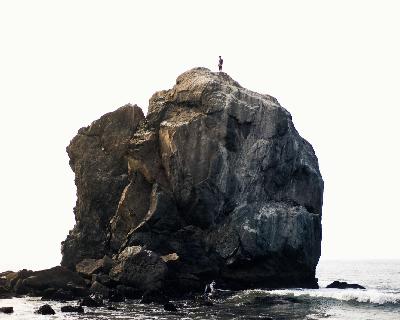
I sit down with Ruth Allen and we talk about her journey to writing 'Weathering', her insights into eco psychology, and the importance of relationality in therapy. We explore the complexities of nature connection, the role of language in articulating experiences, and the expectations surrounding nature therapy. We get into the need for humility in understanding our relationship with nature and the significance of staying present in both human and ecological relationships. We also get real about the act of commitment, the concept of weathering, and the relationship between decay and personal growth. Ruth shares how rocks can serve as a metaphor for understanding our own lives and the importance of being present in the moment, the challenges of facing decay and loneliness, while also emphasizing the value of commitment to living fully and authentically. And we dwell on the interconnectedness of life, death, and the natural world, encouraging listeners to embrace the complexities of existence. About Ruth Allen Ruth is a writer/author, embodied psychotherapist and writing facilitator and mentor. She has written two books Weathering (Penguin Random House, 2024) and Grounded(Hachette, 2021) and is currently writing her third book publishing with PRH in 2027. She also writes and illustrates zines which she self-publishes to explore ideas and preoccupations that arise 'between book projects' and which push the boundaries of genre and form. Combining her doctorate in geology with innovative body-based and creative techniques drawing on a multitude of psychological teachings and influences, she offers therapy, mentoring, workshops, classes and adventure retreats – all practical, slow magic – designed to help others connect with their bodies, their words, and the rest of nature through depth-full enquiry and practices that extend our capacity to listen and nurture deep resonance with the world around us.
In this conversation, Leora and I discuss the Earth Elementals volume, exploring themes of inheritance, responsibility, and the interconnectedness of life. Leora shares her journey as a geographer and poet, emphasizing the importance of understanding our relationship with the earth and its elements. The discussion highlights the diverse contributions of various authors, the intimacy of storytelling, and the significance of memory and history in shaping our future. They reflect on the power of poetry and the need for cooperation in addressing environmental challenges.We speak to the profound perspectives that emerge from the contributions to the Elementals volume. NOTE: THE SOUND IS AT TIMES A BIT 'CLICKY' DUE TO A FAULTY MICROFON. THIS COULD NOT BE FIXED DURING EDITING. WE DECIDED TO KEEP IT, AS LEORA HAS SO MANY VALID INSIGHT AND THOUGHT. Thank you for listening. Takeaways Inheritance is complex, involving responsibility and creativity. Research should focus on recovering relationships with nature. The earth is a living entity that teaches us about life. Storytelling creates intimacy and connection with the earth. Each author's voice in the volume offers unique perspectives. Understanding history is crucial for survival and thriving together. Indigenous knowledge holds valuable lessons for contemporary issues. Poetry can change consciousness and perspective. Cooperation is essential for learning from the earth.
This episode is the second of our podcast special, in a collaboration special with the Center for Humans and Nature. It is series that celebrates the Center's series 'Elementals' as well as a celebration of the many voices that contributed to the series. It is a great honor to finally shares these episodes with you. In this episode I'm joined by writer and friend Nicholas Triolo. We explore the multifaceted nature of air represented in the volume. We discuss its significance in both personal and societal contexts. We delve into the concept of air bars and the economic implications of commodifying air. The role of air in communication and connection. The discussion also touches on environmental justice, the importance of breath in existence, and the power of language and poetry to convey the essence of air. We speak to the profound perspectives that emerge from the contributions to the Elementals volume. He reads from his essay as well as Ross Gay's poem 'A small needless fact'. This was a rich conversation.

This episode is the second of our podcast special, in a collaboration special with the Center for Humans and Nature. It is series that celebrates the Center's series 'Elemental' as well as a celebration of the many voices that contributed to the series. It is a great honor to finally shares these episodes with you. Writers Lyanda Haupt and Hannah Close join me in a conversation about water. We go with the flow of it all, moving through thoughts on how water is essential for various life forms, emphasizing its role in sustaining ecosystems. Lyanda shares her story of the American dipper, a bird that thrives in aquatic environments. The dipper's health is directly linked to the quality of the water and the presence of salmon, which provide nourishment. Hannah expands on this idea by discussing the concept of Eros, describing how water is a unifying force that connects all life. She states, "Without the ocean and without the unifying integrative force of Eros, there would be no life." They both share insights into their work, which blends, poetry, creative non-fiction with scientific perspectives, emphasizing the importance of honor and wonder in connecting with the more-than-human world. Tune in to discover the profound perspectives that emerge from their contributions to the Elementals volume and to hear how water shapes our understanding of nature and ourselves. They both read from their work as well as share their perspectives on the importance of looking at the world through the lens of the elements. And please don't forget to subcribe, share and leave a review. Thank you.
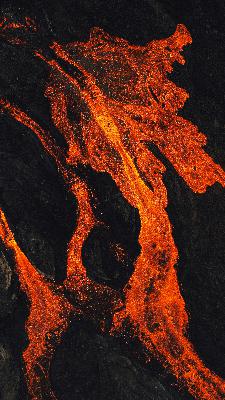
This episode is the first of 5 episode of a collaboration with the Center for Humans and Nature. It is a series to celebrate the Center's series 'Elemental' as well as a celebration of the many voices that contributed to the series. It is a great honor to finally shares these episodes with you. In this episode of our special, I sit down with nature writer Isaac Yuen and contributor Rina Garcia Cua. We delve into the theme of fire, exploring its multifaceted significance and the personal and collective narratives surrounding this elemental force. They both share insights into their work, which blends, poetry, creative non-fiction with scientific perspectives, emphasizing the importance of honor and wonder in connecting with the more-than-human world. Tune in to discover the profound perspectives that emerge from their contributions to the Elementals volume and to hear how fire shapes our understanding of nature and ourselves. They both read from their work as well as share their perspectives on the importance of looking at the world through the lens of the elements. with Isaac Yeun and Rina Garcia Chua If you enjoyed this episode please comment, share, rate and review. Thank you so much
In this episode of the Becoming Nature podcast, host we sit down to talk about the fifth volume of the Elementals series with editors Gavin Van Horn and Nickole Brown. We explore the themes of kinship, belonging, and the urgent need for awareness of the elemental forces that shape our lives. The conversation delves into the indifference of the elements, the cultural shifts needed to respect them, and the importance of community and gratitude in our relationship with nature. The episode concludes with reflections on the power of light and an invitation to engage more deeply with the natural world. Takeaways The Elementals series emphasizes the interconnectedness of all life. Community plays a crucial role in navigating environmental challenges. Gratitude is essential in our relationship with nature. The elements can be both life-giving and destructive. Cultural shifts are necessary to foster a deeper connection with the elements. Poetry serves as a powerful medium to express elemental experiences. The urgency of climate change calls for immediate action and awareness. We must learn to love and respect the elements as vital forces of life. Engagement with nature can lead to a sense of purpose and belonging.
The tables have turned in the episode. Last year my good friend Rich Skrein asked if he could interview me, for my own podcast. This became a deeply personal conversation through the themes I usually invites guests to explore. Rich and I have learned together as mentees, write together in our own little writing group and in May collabing around retreat in the Swedish Forest. It felt like the perfect interviewer to go deep into the why of it all. We had asked listeners for questions, Rich had asked mutual friends for some and he brought his own. I feel very moved by this conversation. For the opportunity to talk about my friend, who's passing started this whole thing. To talk about what shapes and forms us and the harder parts of life that become important thresholds. It feels raw and very honest to share this with you. Thank you to all of those who have listened and supported Becoming Nature until now. There is so much more to come. In this epsiode we talk about: Becoming Nature and how it started Becoming vs. we are nature Honoring teachers No BS as a superpower Belonging and cultural identity Practices for grief and connection Dying and the beauty of being alive The best way to support the podcast is to listen, share, leave a review, rate and comment. Thank you for your help keeping this show alive <3
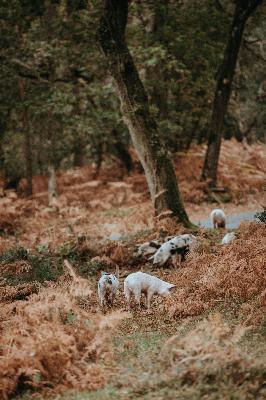
Land remembers. This is the heart of many rewilding activities happening across the globe, as people work to restore depleted ecosystems. My guest today, Jon Conradi, founder of Wild Mosaic, is one of those people, working to rewild parts of the UK. One of the important learnings from my conversation with Jon was that while human intervention in nature restoration is needed, we aren't nature's sole saviours. We also need to find ways of stepping back so that ecosystems can recover through their own 'remembering' of their natural state. What's more, Jon spoke about how we are a part of this remembering; we are part of these ecosystems, not separate from them! Rewilding nature is also about rewilding ourselves, as of nature. Through storytelling and reconnecting with wildness, we can remember alongside and with the land. And so, join us for this week's episode, and become a part of nature's 'remembering'. In this episode, we talk about: Reconnecting humans to 'wildness' Wildlife and humans co-existing What it takes to rewild and restore land The impacts of humans separating ourselves from nature Some of the legal constraints of land use Pigs! Please don't forget to subscribe, share and comment. This is how this podcast is kept alive.
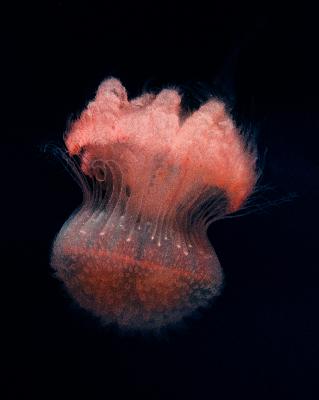
In this episode I sit down with author and professor Greg Wrenn. We dive into an engaging conversation about healing, childhood trauma and ayahuasca. I came to the this conversation with skepticism, but also curiosity and lack of experience with this approach to healing. As we navigate the complexities of healing, Greg reflects on the roots of his journey, tracing it back to childhood. Tune in for an insightful discussion that blends humor, vulnerability, and profound insights into the healing path. As a discretion, there is mention of un-detailed childhood abuse in this episode. In this episode we talk about: Childhood trauma and healing Ayahuasca as last resort medicine Trust and psychedelics in ceremony Personal and planetary healing Reciprocity in healing practices If you enjoyed this episode, please rate, comment, share. Find more information about Greg Wrenn in the show notes - www.carinalyall.com
My dear friend and mentor Stefana Serafina is our guest today. Her work has transformed my life. The way I live in my body and what I experience because of the intimate relationship with its language. It became a very rich conversation about body, culture body, deep body and listening to the language of. A conversation and reflection about how we can trust the information coming to us, what world we would have and live in, if body led was an option. I'm so excited to share her work with you! We would love to hear what you take away from this episode. In this episode we talk about: The body and cultural perceptions. The body speaking the truth. Body movement and self-expression. The intelligence of the body. Deep body intelligence and movement. Embodiment and Movement Facilitator/Educator Training October 2024-2025 https://www.deepbody.org/facilitator-training More about Stefana's work and all her offerings: www.deepbody.org
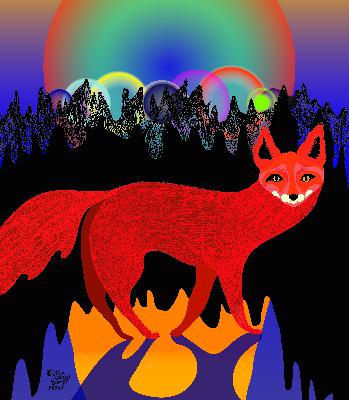
This week I speak to Danny Christensen, a hunter among many things. And also a man with a passion for nature, animal welfare and health. I learned a lot from my 1 and a half hour conversation. One that rolled with me for days after. New questions arrived, New threads and a real desire to have more conversations around the way we consume, produce and honor the food we eat. There are many questions still. We both want to keep this thread alive, as it is something we need to have a serious look at. As for hunting there are many opinions and feelings attached. Should we eat meat? Should we hunt as modern people. Or should we think differently about the system as a whole? Please listen in and bring your thoughts and questions! The illustration for this weeks podcast Is donated by beautiful artist Cille Vengberg IN THIS EPISODE WE TOUCH ON Food production and consumption. Rejecting the general food system. Consuming and harvesting wildlife. Ethical dilemmas in food consumption. Ethical consumption and environmental impact. Veganism and connection to nature. Environmental impact of avocados.
In this episode we explore the power of poetry and the thing about hope. This episode is a conversation with poet Tom Hirons. I first discovered Tom's poetry on Instagram and it has a certain way of grabbing me. We discuss hope, Whiskey, fires, love and activism. Tune in to the beauty of Tom Hirons' inspiring words and ways in a World, with hope not fueled by optimism but love. Known for 'In the Meantime' and 'Once a wild God' Tom writes in ways that brings you to far a way land and the earthly muddy 'here'. In this episode we touch on: The impact of poetry The reputation of poetry Poetry as expression of soul Poetry as activism The power of poetry The importance of love Unexpected occurrences and hope Whiskey and storytelling traditions
From nettle donuts to rose syrup, Tara's cookbook is a colorful journey into the world of plant-based cuisine. We talk about the magic of connecting with nature through food. Tara as she shares her insights on the ancient wisdom of plants. In this Episode we talk about: Connecting with nature through art. Plants as elders and allies. Connecting with Elderberries. Deep connection to plants. Chamomile tea's lasting power. The power of plants. Building connections through humility. Discovering nature in your backyard. Tara Lanich-LaBrie is a culinary herbalist, finding a love of cooking and plants at an early age, and after a series of health issues began farming, foraging and baking professionally. She created her business, The Medicine Circle, to share colorful, seasonal recipes, and to build a bridge between people and the natural world. Foraged & Grown: Healing, Magical Recipes for Every Season, is her first book. If you enjoyed this episode please leave a view, comment or share with your community, thank you.
We explore his work of collecting songs and time with traveller communities, and the honoring of elders. It became a deep look at bridging what was known once into the current. I had to go for a long walk after this conversation to just be in some of the magic of his words… and humor. He is an artist that can't help but pull you in, to listen, learn and be. About singing in the dark times and places. IN THIS EPISODE WE TALK ABOUT Singing with Nightingales. The importance of old traditions. Last of the Scottish Travellers. The urgency of preserving culture. Discovering elders from different communities. Unusual encounters and creativity. Sam Lee is a highly inventive and original singer, folk song interpreter, passionate conservationist, song collector and successful creator of live events. Alongside his organisation, The Nest Collective, Sam has shaken up the music scene breaking boundaries between folk and contemporary music and the assumed places and ways folksong is appreciated. Visit carinalyall.com for notes, bio and ways to deepen nature connection. Also, if you haven't done so already, follow the podcast, leave a review and share. It means the world.
In this episode, the I speak to Richard Skrein. He shares about his work with a charity called The Garden Classroom, which brings nature experiences to inner city communities. We also discuss storytelling, being a facilitator and parent. Rich's work focusses on training adults to use the outdoors as a space for growth, learning, and healing. Tune in to learn more about their work and the transformative experiences they aim to create.
We dive into the impact of consuming a constant stream of fear-based stories. From the overwhelming amount of news and information focused on fear and trauma that bombards us in today's world. But also the stories that are ancient. The ancient fear stories that we told, and heard, for many reasons. Erica is a writer and teacher based in her hometown of Portland, Oregon. Her essays appear in publications such as the Guardian, The New York Times, Yale Review, The Atlantic, and Orion, and her first book, Wolfish: Wolf, Self, and the Stories We Tell about Fear
In this episode, I speak with Woniya Thibeault who appeared on the show "Alone" and was the first woman to win a season. Woniya joined two seasons of the show. First lasting 73 days alone in the wild on the brink of starvation. And won the second season 'Frozen', as the first woman in 'Alone' show history. It felt even more special to speak to her, as she won the show on my birth land of Labrador. We talk about shares her experience in Labrador and the similarities and differences between that location and the Northwest Territories. Woniya reflects on the importance of self-care and the societal pressures around winning and money.
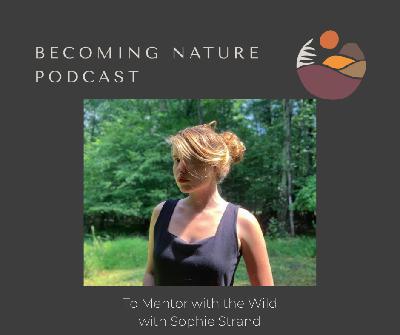
Sophie Strand is a writer based in the Hudson Valley who focuses on the intersection of spirituality, storytelling, and ecology. But it would probably be more authentic to call her a neo-troubadour animist with a propensity to spin yarns that inevitably turn into love stories. Her first book of essays The Flowering Wand: Lunar Kings, Lichenized Lovers, Transpecies Magicians, and Rhizomatic Harpists Heal the Masculine is forthcoming in 2022 from Inner Traditions. Her eco-feminist historical fiction reimagining of the gospels The Madonna Secret will also be published by Inner Traditions. She is currently researching her next epic, a mythopoetic exploration of ecology and queerness in the medieval legend of Tristan and Isolde.
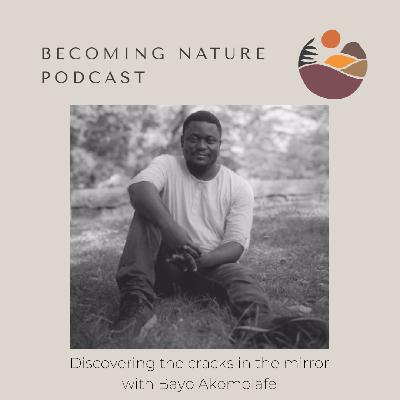
This conversation has invited me to look at those in my mirror. Where I try to polish and where I accept the invitation. In the broader scale where we in West are so busy polishing that our arms are falling off. It takes some breathing deeply and a commitment to not turn away. About Bayo Bayo Akomolafe (Ph.D.), rooted with the Yoruba people in a more-than-human world, is the father to Alethea and Kyah, the grateful life-partner to Ije, son and brother. A widely celebrated international speaker, posthumanist thinker, poet, teacher, public intellectual, essayist, and author of two books, These Wilds Beyond our Fences: Letters to My Daughter on Humanity's Search for Home (North Atlantic Books) and We Will Tell our Own Story: The Lions of Africa Speak, Bayo Akomolafe is the Chief Curator of The Emergence Network and host of the online postactivist course, 'We Will dance with Mountains'.
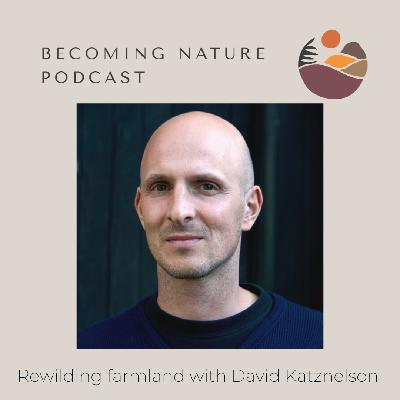
How easy is it to buy farmland and give it back to nature. This is what we are talking about today. David Katznelson was born and brought up in Denmark, David specialised in Cinematography at the National Film & Television School in the UK. Since graduating in 2000, he has lived in London, and shot a number of feature films, TV pilots, TV series and won several awards including an EMMY, a BAFTA and an RTS He has now bought a huge piece of land in Denmark and wants to create a national park. Listen in on his journey.


Download from Google Play

Download from App Store
 United States
Would that you do another interview with Stephen