


 Claim Ownership
Global Innovators in Business
Subscribed: 4Played: 12
Subscribe

© Christopher Rathbun
Description
The Global Innovators in Business discovers innovators who have challenged the status quo. We invite some of the most successful leaders to share their thoughts and advice to the younger generation.
36 Episodes
Reverse
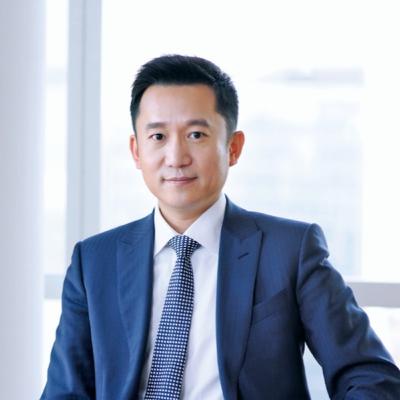
YeePay is a leading payment service provider that delivers payment solutions for enterprises across industries, including airline & travel, new retail, fintech, administration & education, and cross-border transactions.Prior to founding YeePay, Chen held various roles at Oracle, John Deere Health Care, and AT&T Bell Labs, and served as a director at the Silicon Valley enterprise SVC Wireless. He also co-founded NetVan, a nonprofit promoting internet adoption in traditional industries, and advised China Central Television’s documentary The Internet Age, where he interviewed leaders such as Elon Musk, Mark Zuckerberg, Peter Thiel, Reid Hoffman, Jerry Yang, Vint Cerf, and Kevin Kelly.In this episode, you will hear about: The entrepreneurial landscape in China in the early 2000s: challenges and opportunities of building a startup at that time.How YeePay evolved its business model as WeChat Pay and Alipay entered the market.Broader insights on Web3, cross-border transactions, globalization, and the growing role of AI in the future of the payment industry.
Join us for a conversation with Sam Obletz, co-founder and CEO of Claim. Claim is a marketplace that benefits both customers and merchants: customers get real cash back on food, beverages, fitness products and more, while merchants gain actual or potentially long-term customers at a lower marketing cost. Claim recently raised a $12 million Series A led by VMG Partners, with participation from previous leads at Sequoia Capital and Susa Ventures, as well as new partners, Lightback and Metalab. In this episode, you will hear about:🌟 What inspired Sam to start Claim?💸 How does Claim work and the value it brings to both sides of the marketplace? ‼️ The journey of building Claim from scratch and Sam’s biggest takeaway as a founder.🔆 Sam’s advice to young professionals.💬 What’s next for Claim?
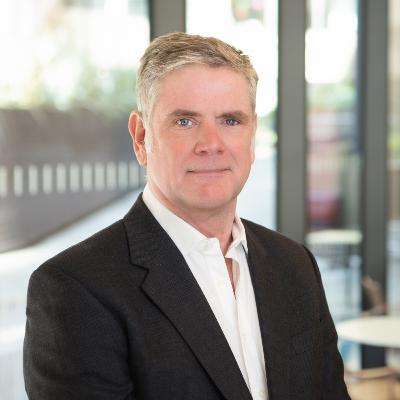
Nick Johnston, a former biotech banker and entrepreneur, founded Alis Biosciences to solve one of the biggest challenges that every biotech might face on its road – how to maximize shareholders' value when a public-listed company loses market confidence? Alis creates a safety net for shareholders by giving the trapped capital back and supporting the company with promising science to get back on track. Since its launch in 2025, Alis has identified over 300 small-cap biotech companies representing nearly $30 billion in underutilized capital, and is looking to complete successful take-private deals that can deliver well over 95% of uncommitted cash back to investors - faster and more efficiently than traditional liquidation processes.In this episode, you will hear about:Why Nick started Alis Biosciences, and how his background in healthcare banking shaped the model.How stagnation in capital markets leaves early-stage biotech companies in limbo and how Alis offers an innovative path forward.Why it still makes sense to invest in new science, and how Alis distinguishes between value traps and scientific opportunity.

Imagine transforming a simple text prompt into a fully produced song—within seconds. That’s exactly what Udio does. Founded in December 2023 by a team of former Google DeepMind researchers, including CEO David Ding, Conor Durkan, Charlie Nash, Yaroslav Ganin, and Andrew Sanchez, Udio is reshaping how music is made. Backed by industry giants like a16z, will.i.am, Common, Tay Keith, and Steve Stoute’s UnitedMasters, Udio is at the forefront of AI-driven music creation.💡 Noticed our new intro music? That’s right! It was created simply by entering a text prompt into Udio.In this episode, we sit down with David Ding and AndrewSanchez to dive into their journey of building Udio and explore:🎵 David and Andrew’s journey of creating Udio. 🎵 What will AI bring to the music industry? Is Udio a supplement or replacement for the music creation process?🎵 What was the initial funding experience and takeaways? 🎵 Interesting feedback from Udio’s users?🎵 The biggest lesson learned from the past year building Udio.🎵 The biggest opportunity in the music industry. 🎵 Career advice for those still finding their path.
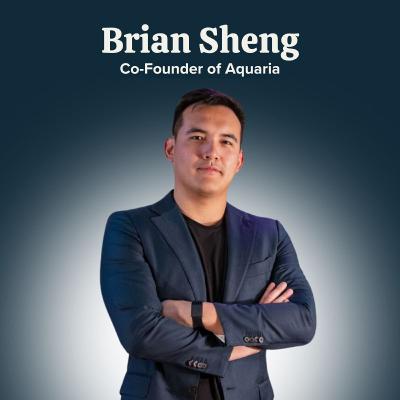
Aquaria, co-founded in 2021 by Brian Sheng, is dedicated toaddressing the growing global water scarcity problem. Using its cutting-edge Atmospheric Water Generation technology, Aquaria’s products extract water from the air, purify it, and make it suitable for human consumption. This breakthrough provides an alternative water source, especially in regions where traditional methods like desalination or large-scale water treatment are not feasible.In this episode:Brian’s story – from D1 varsity football athlete at Princeton to entrepreneur.What Aquaria does and why it is important in the fightagainst global water scarcity? Why choose “Atmospheric Water Generation” over other ways (desalination) to unlock the alternative water sources for humans?The challenges of starting a business?Brian’s advice to anyone seeking to make an impact on the world.

Ron Gura is the co-founder and CEO of Empathy. Founded in 2020, Empathy aims to provide bereaved families with holistic support, such as emotional guidance through grief, estate settlement, benefits and probate, etc. Empathy partners with employers, life insurance, health plans, and consultants to help people who have lost loved ones through the darkest of their lives. Prior to founding Empathy, Ron was a senior executive at WeWork and eBay, and founded The Gifts Project, a social e-commerce platform for group gifting.In this episode, you will hear about:What does Empathy do and why need Empathy?What inspired Ron to build Empathy? Before Empathy: The Journey with The Gifts Project.Ron's advice to the young generation?
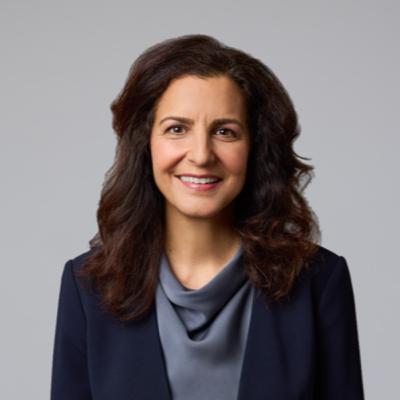
Dr. Ansari started to lead The Permanente Medical Group (TPMG) in 2023 as the first female CEO of the organization. With over 11,000 physicians and 44,000 staff, TPMG provides care to over 5.4 million Kaiser Permanente members. Dr. Ansari is passionate about addressing physician burnout, improving team-based care, and fostering innovation in healthcare delivery. In this episode, you will hear about: What are Kaiser Permanente and The Permanente Medical Group? What is Value-Based Care? Why is the American healthcare system broken? The biggest challenge in scaling Value-Based Care model in the United States and how to tackle it? Dr. Ansari’s journey in the healthcare industry and her advice for women transitioning into leadership roles. Current AI applications in Value-Based Care system? The future of the Telehealth? Advice for people who are interested in becoming a healthcare practitioner.
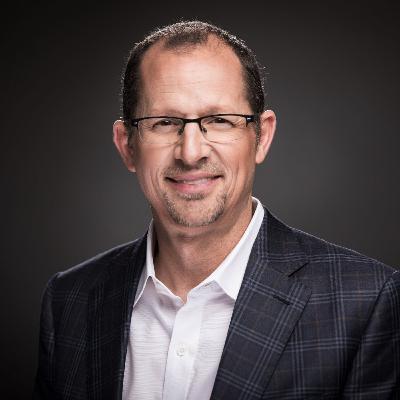
In this interview with Jeff Maggioncalda, CEO of Coursera, we dive into the inner workings of Jeff to understand how he sees driving impact. Since joining Coursera in 2017, Jeff has helped grow the platform to over 148 million learners worldwide, partnering with morethan 7,000 institutions. He became a CEO for the first time at 27, leading Financial Engines, after graduating from Stanford MBA In this episode, we’ll explore:• How to become a CEO at 27? And the lessons he learned by taking on the role at such a young age. • Hear Jeff’s thoughts on how effort, luck, and privilege have influenced his career path.• What about Coursera aligned with what Jeff hoped to achieve in the world?• Get an insider’s view on how Coursera is expanding education globally, including exciting AI applications like personalized tutors and course-building tools foreducators.• Jeff will also share his top course recommendations on Coursera and advice for those interested in the educational technology field.
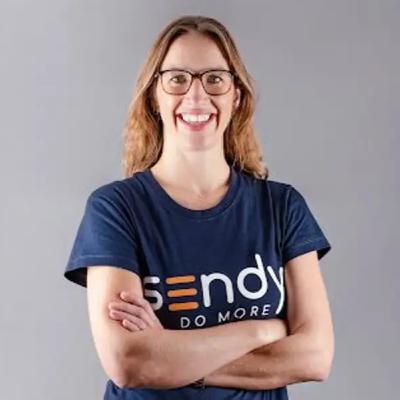
Malaika Judd, an entrepreneur, angel investor, and previous co-founder of Sendy. Sendy was a one-stop logistics platform for enterprises and merchants, covering delivery needs in the region to help small businesses/side hustles reach their customers more efficiently and cost-effectively.In this episode, you will hear about:🚚 What does Sendy do? 📱 Challenges of Social Commerce (selling local goods online), a rapidly growing branch of e-commerce, and how Sendy helps to solve it?📦 How does Sendy improve efficiency? 💼 What led Malaika to start Sendy? 👩💼 Female Entrepreneurship in Developing Markets.🚀 Malaika’s advice to the young generation!
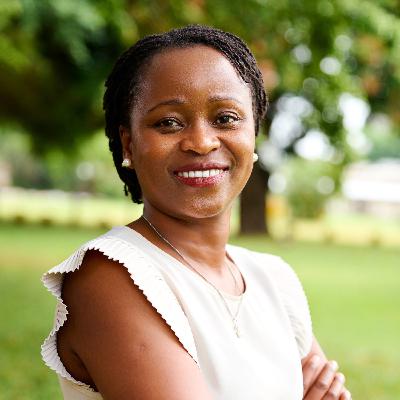
Andreata is a partner at TLcom Capital, a leading tech VC firm based in Nairobi. Locally rooted and globally connected, TLcom has managed in excess of $300M and is currently investing from its TIDE Africa fund, which invests in early to growth-stage companies in Sub-Saharan Africa. TLcom is also famous for its initiatives in building strong technology and entrepreneur-centric ecosystems.🌟 What led Andreata to who she is today?🏢 What does TLCOM do?😮 What has been the biggest shock working with startups in Africa?📈 Major shifts going on in the African economy that could jumpstart other innovators in Africa?👥 TLCOM talent strategy?🛣️ For countries that TLCOM hasn’t focused on, what are the hurdles they need to cross to demonstrate their potential?🌍How does Andreata see the capital flow into Africa?🔮 What’s Andreata’s vision of how Africa will look with new technology in the future?💡 Andreata’s advice to the young generation.

Francis Dufay, CEO of Jumia, a leading e-commerce platform in Africa. With proprietary logistics Jumia Logistics and JumiaPay fintech platforms, Jumia is able to seamlessly deliver the widest range of genuine products at low prices to the customer. Juia is also the first African startup that went public in NYSE. Today, it is active in 11 countries across Africa. 🎯 How did Francis transition from a seasoned e-commerce consultant to joining Jumia? ✨ How is Jumia transforming lives across Africa, especially in smaller cities, by providing better goods at better prices?📈 How does Francis determine the best growth opportunity for the company? 💸 What are the most popular products on Jumia? 🌱 Is Africa ready for e-commerce revolution?
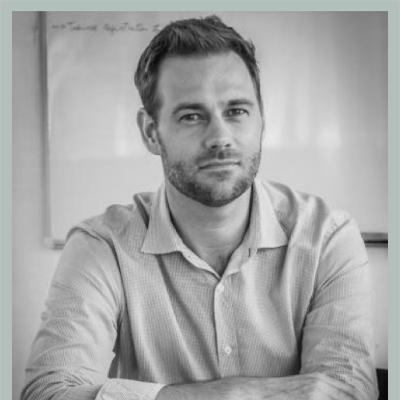
Jesse Moore, the CEO and co-founder of M-KOPA. M-KOPA, a leading technology startup in Kenya, helps underbanked low-income African households unlock essential products and services that improve their life qualities with fair and flexible financial choices. M-KOPA has built one of the world’s most advanced connected financing platforms, deploying $1 billion in products and credit to 3 million customers. Since 2011, M-KOPA has raised $250 million in equity funding.In this episode, you will hear about: 💡 What problem is M-KOPA solving? 🚀 The development of M-KOPA – stemmed from the advancements in mobile payment technology in Kenya, M-KOPA’s journey from its first product, solar system with pay-as-you-go capabilities, to smartphones, motorcycles, etc.💸 How does M-KOPA successfully handle situations when customers can’t keep up with payments?🌍 Non-profit V.S. Profit Organization: for-profit beats non-profit organizations in terms of…🌱 Jesse’s journey that led him to start M-KOPA. 💵 How does M-KOPA navigate through the difficult fundraising environment? 📈 The future of M-KOPA!✨Jesse’s advice for the young generation on finding careers that drive impact.Check out more of our previous episodes and our new book INNOVATING THROUGH IMPACT at: https://www.innovator.media/books
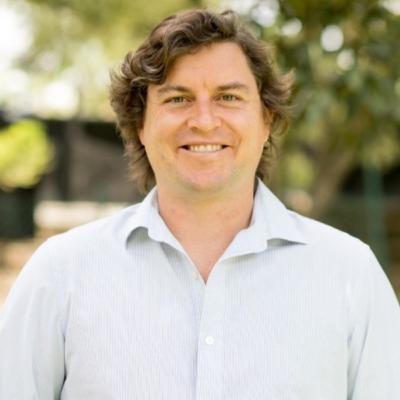
Joseph Rehmann is the Founder & Group CEO of Victory Farms. By rebuilding the fish value chain from scratch, Victory Farms drastically reduced the cost of protein in Africa. Through this journey, Joe and his team have built one of the first truly regenerative aquaculture farms in the world: all while improving biodiversity, sinking carbon, and supporting jobs and local communities in Kenya and beyond.In this episode, you will hear about:🔍 What is the problem that Victory Farms is solving for Africa: the persistent protein deficit issue and the stagnant aquacultural techniques that have stayed the same for the last 4,000 years.🌟 What breakthroughs has Victory Farms achieved: recirculatory aquaculture system, large-scale cage system, a full spectrum of talents, etc.🚀 Starting as an investment banker, how did Joe find himself building one of the most impactful businesses in Africa?🙌 Joe’s take on what it needs to start a good business:build your fundamental skillsets and find co-workers with diversified backgrounds…💡 Joe’s advice to the young generation!
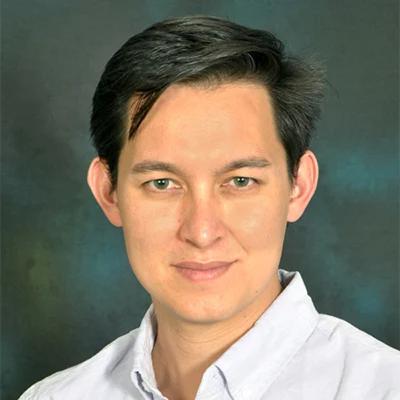
Daniel Yu is the Founder and CEO of Wasoko. Wasoko aims to unleash African commerce from various aspects. Using Wasoko’s services, shopkeepers and suppliers are more efficiently connected. By simply ordering products via the mobile app, shopkeepers can receive deliveries at their doorstep. Additionally, Wasoko has been able to support and finance small retailers. Daniel is also conversant in more than 8 languages and has taken the founder's pledge to transfer 70% of his proceeds to effective interventions in reducing suffering.In this episode, you will hear about: 💡 Daniel’s inspiring story of how he explored the world at a young age and found his passion: applied to a music major but later changed minds, dropped out of college to start a business in Africa…🌍 What pain points does Wasoko solve and how does Wasoko address it?🚀 What is the biggest challenge of building Wasoko in Africa, a developing market, compared to if Wasoko was built in a more developed market?💼 For-profit enterprises V.S. Nonprofit enterprises, which one is more needed in the developing market?🎓 Daniel’s advice to the young generations?
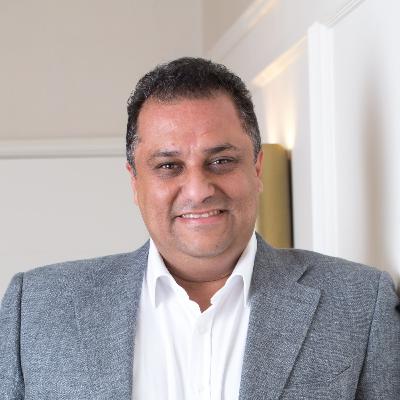
Basil Moftah, the General Partner at Nclude, a venture capitalist fund and Fintech innovation engine with a core focus on the Middle East and North Africa. As an influential force in the venture capital space, Basil is at the forefront of the Fintech revolution in Egypt, a country experiencing a quantum leap forward in its Fintech ecosystem. In this episode, you will learn:📚From a student with an engineering degree in Cairo to a venture capitalist in San Fransisco, what led Basil to where he is today?📈Differences in the business lifecycle of a startup in an emerging market V.S. a startup in a well-developed market. 🤝Why financial inclusion is the key issue in the Middle East and Africa and what are possible ways that can improve the current financial inclusion situation?🚀What development phase is the Middle East Fintech market, especially the Egyptian market, in right now? 🌟Why creating a “sandbox for growth” is important for business in the developing Fintech market? 🌾What is the most undervalued sector in the Egyptian economy?❤️What about being a VC does Basil love the most? 🔍Basil’s advice to the young generation.
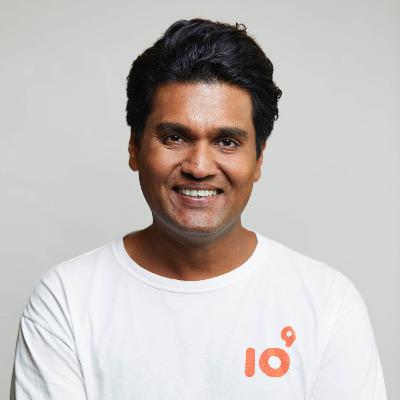
Vikas is the Founder & CEO of abillion. abillion is a social media platform focused on helping people create better daily habits and rituals, starting with what they eat and buy. abillion’s mission is to become the definitive global ecosystem for everything sustainable.In this episode, you will hear about:💼What’s the motivation for founding abillion?💡 How did Vikas make plans for his early career path?🥩 What’s the future of cultivated meat?🌍 How to pick the right ecosystem for your business?👨🏫 Advice for young entrepreneurs: Start with a big name V.S. Start your own business right away.
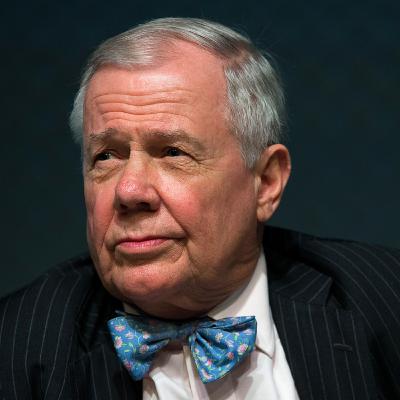
Jim Rogers, a well-known investor, author, and financial commentator. He is the co-founder of the Quantum Fund, a hedge fund that achieved an impressive record of returns, and the author of “The Investment Biker”.
In this episode, you will learn:
🎓 Jim’s early life journey from Yale to Oxford
💼 The Quantum Fund – how it beat the S&P by nearly 4200% in 1970s?
📈 Jim’s way of thinking about investments in today’s volatile market
🏍️ What has Jim learned from his travel around the world on his motorcycle?
🌍 How does Jim see the US-China relationship?
💡 One investment advice - How catastrophes can lead to huge opportunities
👨🏫 If Jim could only choose one advisor, who would it be?
💰 Jim’s take on the future of cryptocurrency?
📚 Advice for students and the young generations
This interview is dedicated to Helen Keller International, an organization that provides critical nutrition to children around the world at risk for vitamin A deficiency - a condition that can lead to blindness and death (https://www.hki.org/).
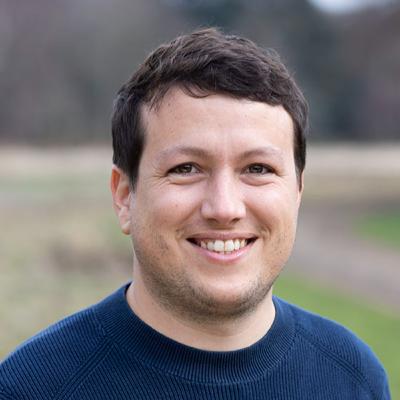
Pierre Paslier is the co-founder and co-CEO of Notpla, a leader in the sustainable packaging and container manufacturing industry.Notpla is replacing the use of plastic in packaging with seaweed and plants that biodegrade in weeks to make our world more sustainable.In this episode, you will hear about:🌱 How do biodegradable plants, especially seaweed, make food takeaway boxes more sustainable?💼 How did Pierre find his way into the packaging industry and finally start his own business?🚀 How did Notpla grow from scratch?💡 Pierre’s advice on how to find innovative ideas and make it happen.🏆 Pierre’s thoughts on how to think about the competition a start-up faces when entering the market as well as other insights on how to manage a start-up.This interview is dedicated to 5 Gyres, a non-profit organization focusing on reducing plastic pollution by focusing on primary research (https://www.5gyres.org/).
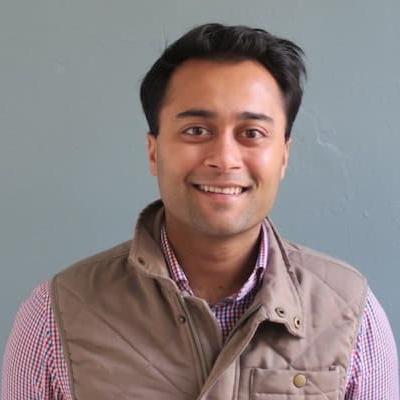
Atish Davda is CEO and Co-Founder of EquityZen, a company working on bringing private markets to the public. Atish talks about his journey to starting EquityZen and what this company means to the future of investing in innovation.The interview is dedicated to PennPAC. PennPAC works with nonprofit organizations to help solve their business challenges through the engagement of Penn alumni who serve as pro bono consultants for short-term projects. (https://pennpac.org/about/)
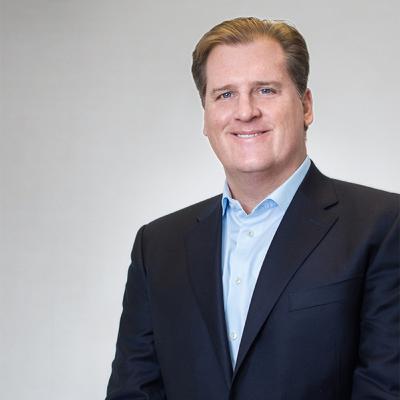
Rick Bates, CEO and Co-Founder of RxSense. RxSense is a healthcare technology company that provides advanced cloud-based enterprise solutions. RxSense also contracts with the nation's largest pharmacies (including CVS, Walmart and Walgreens) to deliver consistently low prices directly to consumers on prescription drugs through its SingleCare (www.singlecare.com) prescription savings services.Tune in to learn how Rick entered the drug industry and what led his way to start his own company, how RxSense improves transparency in the healthcare industry, and his advice onhow to navigate through challenges in the career. The episode is dedicated to Heading Home, Boston's leading provider of emergency shelter, transitional, and permanent housing for low-income families and individuals, (https://www.headinghomeinc.org/).

Comments

Download from Google Play

Download from App Store
 United States