



 Claim Ownership
CG Garage
Subscribed: 460Played: 13,240
Subscribe

Description
Since 2014, CG Garage has brought lively, informal conversations with Oscar-winning legends, visionary artists, and the innovators driving the industry's biggest technological leaps. From in-depth interviews to spirited roundtable discussions, hosts Chris Nichols and Daniel Thron explore the art, craft, and future of filmmaking. With Hollywood in the middle of a major revolution, we talk to the filmmakers who are making that transformation possible, covering everything from behind-the-scenes stories on iconic movies to the cutting-edge tools reshaping the industry.
541 Episodes
Reverse

Most filmmaking tools are built by engineers who have never made a film. Ashay Javadekar has done both. A PhD chemical engineer who directed two internationally awarded independent features on shoestring budgets, he approaches filmmaking the way he approaches any hard system: find the broken process, understand it from first principles, and build something better. Eagle Slate, his iPad-based smart production slate, is the direct result of that instinct. It creates a unique audio-visual fingerprint for every take, embedding metadata directly into camera and audio files with no extra hardware, no cloud upload required, and no handwritten take sheet that someone has to reconcile in post. What makes the conversation with Chris worth your time is the reasoning behind the tool, not just the tool itself. Ashay traces the problem back to where the clapperboard actually came from, why it worked beautifully in the film era, and how the digital transition silently turned a solved problem into a metadata nightmare no one properly fixed. He also explains how Eagle Nest, the companion media-scanning platform, builds a writable metadata lake that connects on-set data directly to NLEs (non-linear editors) and MAMs (media asset management systems), and why he sees this as the opening move in a much larger mission: removing the technical ceiling that stops capable storytellers from iterating fast enough to get good. Links: Ashay Javadekar > Ashay on IMDb > Eagle Studio / Eagle Slate > Ashay's film "DNA" (2019) > This episode is sponsored by: Center Grid Virtual Studio Kitbash 3D (Use promocode "cggarage" for 10% off)

There's a Tuesday night writers group that has quietly shaped the careers of some seriously talented people working in Hollywood right now, and CG Garage is slowly pulling back the curtain on it. Sean Rourke is the second member of that group to come on the show, following Andy Cochrane, and his path through the industry is one of the more unlikely and instructive ones you'll hear. He spent 12 years as Head of Editorial at The Third Floor, the previz studio behind some of the biggest films in production, and he got there by being the only person in the building who remembered how to unjam a three-quarter-inch tape deck. What followed was a career built on dying technology, accidental promotions, and a consistent instinct for being exactly where the creative work was happening. Co-host Daniel Thron and Sean dig into what previz editorial actually is and why it attracts the kind of people who want to direct, how audiences have been quietly rewired by streaming into expecting 10-hour stories and now feel cheated by a 2-hour film, and what AI tools actually look like inside a working production pipeline versus the buzzword version that investors keep funding. Sean also teaches Comic-Con Film School, a four-day filmmaking fundamentals class he has run every year for 20 straight years, and makes a sharp case for why film school still matters even when every specific tool it teaches goes obsolete. And if you follow vampire cinema at all, he runs a YouTube channel called The Vampire's Castle, just scored an interview with Jason Patric about The Lost Boys that has apparently never happened before, and is very pleased about recent awards-season developments. Links: Sean Rourke / The Vampire's Castle YouTube > Sean Rourke > The Third Floor (Previz) > Andy Cochrane on CG Garage > Ben Hansford (AI educator, USC) on CG Garage > This episode is sponsored by: Center Grid Virtual Studio Kitbash 3D (Use promocode "cggarage" for 10% off)

Most people who end up in VFX spent years obsessing over frames and film. Ryan Kelsey spent 13 years in telecom in Cincinnati, selling fiber and managed IT services, before stumbling into an industry where studios win Oscars and go bankrupt in the same month. That collision of worlds turns out to be exactly the perspective the business needs right now. Ryan is VP of Sales at Center Grid Virtual Studio, and his outsider's eye cuts through a lot of the noise around cloud infrastructure for creative studios. Why are small VFX shops still running overheating GPU racks in their back offices? Why does a freelancer getting a big render job have nowhere obvious to turn? Why does everyone talk about AI compute without knowing what they're actually doing with it? This conversation, recorded live at the HPA (Hollywood Professional Association) Tech Retreat, ranges from the broken economics of fixed-bid VFX work to what a genuinely boutique cloud partner looks like compared to the AWS-sized behemoths, to Chris's teenage son dragging his friends to see Chainsaw Man while the industry insists nobody goes to the movies anymore. Links: Ryan Kelsey LinkedIn > Center Grid Virtual Studio > HPA Tech Retreat > Scott Ross book > This episode is sponsored by: Center Grid Virtual Studio Kitbash 3D (Use promocode "cggarage" for 10% off)

Jess Loren has built one of the most-followed voices in the entertainment technology space on LinkedIn, and she has earned it by calling industry shifts before they become consensus. Her read on Gaussian splats as a genuine production tool, not a novelty, is proving correct. As co-founder of Global Objects and a board member of the Visual Effects Society, Jess has spent the last year turning that conviction into working pipelines: partnering with XGrid as California's media and entertainment distributor, building Go Scout for collaborative splat-based location scouting, and installing a virtual production wall inside ISS (Independent Studio Services) where filmmakers can shoot a full day on LED for $6,000, props included. Recorded live at the HPA (Hollywood Professional Association) Tech Retreat in Palm Springs, this conversation covers why polygons are giving way to splats, how AI is quietly restructuring VFX workflows, the uncomfortable reality of synthetic actors and deepfake-flooded social feeds, and what happens when a research lab asks you to find 40,000 random objects for training data and you realize the answer is a prop house. Jess also breaks down Global Objects' partnership with ISS to digitize the world's largest prop library, creating 3D assets destined for Fab, Turbo Squid, and eventually, robot training sets. //links// Jess Loren on LinkedIn > Global Objects > Independent Studio Services (ISS) > XGrid > Visual Effects Society > HPA Tech Retreat > This episode is sponsored by: Center Grid Virtual Studio Kitbash 3D (Use promocode "cggarage" for 10% off)

Here is a radical idea: what if you rehearsed the movie before you shot it? Not storyboards. Not an animatic. Live actors, real cameras, and actual creative decisions being made in the room. That is what Chris Nichols and Daniel Thron have been doing on June July, and cinematographer Richard Crudo, ASC joined them to find out if it actually works. Richard brings perspective from the Coen Brothers' dime-store ingenuity on Raising Arizona (yes, an Arri 2C strapped to a two-by-four), decades navigating the film-to-digital transition, and a long-standing argument that the industry has built a priesthood around tech complexity that actively gets in the way of the story. What he found in the VidViz sessions was the opposite: a blue screen, a rough key in OBS, and a team moving fast enough to make creative breakthroughs that quietly rewrote the arc of the entire film. One actor's performance changed the screenplay without changing a single line of dialogue. That kind of discovery does not happen in a pipeline. It happens in a room. Links: Monstrous Moonshine > Richard Crudo's website > Chaos Vantage > Chaos Arena > This episode is sponsored by: Center Grid Virtual Studio Kitbash 3D (Use promocode "cggarage" for 10% off)

Why are we still waiting for a green light from people who do not understand our craft? This reality is at the heart of our conversation with Andy Cochrane, a creative who has spent twenty years navigating the collapsing bridges of the entertainment industry. Andy takes us through the trenches of his career, from the grueling 70-hour weeks as a runner on CSI: Miami to the high-stakes visual effects world of Asylum and Terminator Salvation. We discuss the hard realization that being a "button pusher" in a massive pipeline is no longer a safe bet, and why the most vital work is now happening in the "weird stuff" between traditional film and immersive technology. The future of storytelling belongs to the tactical generalists who are willing to build their own labs rather than wait for a studio to discover them. We look at how Markiplier bypassed the traditional, expensive studio marketing machine by leveraging his own fanbase to bring Iron Lung to life, and why artist-driven projects like Everything Everywhere All at Once have become the new blueprint for success. Andy breaks down his current mission in Santa Monica, where he is bypassing traditional distribution models to create "Loud Movies," an open-source medium that prioritizes human experience over corporate commodification. It is a deep dive into why the most important tool in your kit isn't a new piece of software, but the willingness to keep moving while the building collapses around you. The CG Pro Show > Andy Cochrane on LinkedIn > Andy Cochrane on IMDB > Mark Duplass: The Cavalry is not Coming > This episode is sponsored by: Center Grid Virtual Studio Kitbash 3D (Use promocode "cggarage" for 10% off)
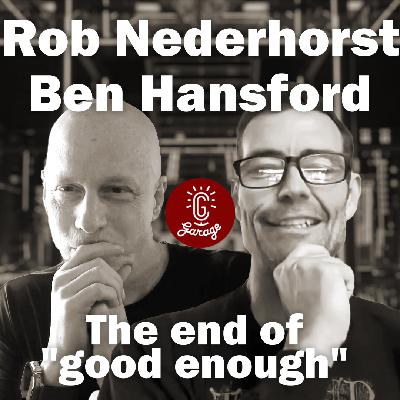
The "good enough" era of streaming is hitting a wall, and a new rebellious streak in Hollywood is reclaiming the theater as the primal source of the cinematic experience. We are joined by two veterans navigating this shift: Rob Nederhorst, a VFX supervisor who has shaped the visceral worlds of John Wick 3 and The Conjuring, and Ben Hansford, a prolific commercial director now leading the charge in AI filmmaking at USC. They are not just talking about tech for tech's sake. They are discussing how to move past the "lens test" phase of AI, where everyone is just showing off what the tool can do, and getting back to the actual discipline of telling a story that makes an audience physically flinch. The conversation pivots from the "all-or-nothing" marketing hype of AGI to the practical, gritty reality of modern production budgets. As Netflix-style algorithms push for "dumbed down" content designed for second-screen scrolling, these creators are using tools like VidViz (being championed by Monstrous Moonshine) to fight back. We explore how AI is fundamentally altering the landscape of what is affordable and accessible, allowing independent filmmakers to compete with massive studio footprints. Ultimately, it is a breakdown of why a $35 million set and a toilet paper roll prop are both just tools, and why the only metric that matters at the end of the day is finishing a film that carries a human fingerprint. Monstrous Moonshine's VidViz for June July > "Another" by Dave Clark | AI Horror Film - Rob Nederhorst, Producer and VFX Supervisor > Ben Hansford's website > Rob Nederhorst's website > Ben Hansford on IMDB > Rob Nederhorst on IMDB > This episode is sponsored by: Center Grid Virtual Studio Kitbash 3D (Use promocode "cggarage" for 10% off)
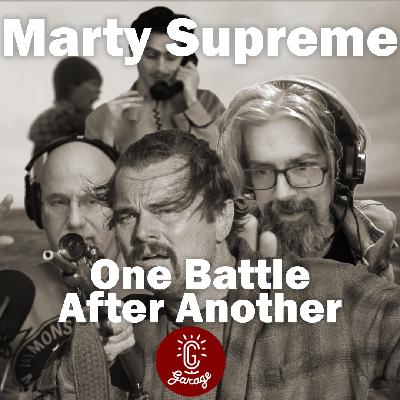
If the movies you're seeing lately feel like they were assembled by a committee rather than a creator, you're looking at the wrong side of the lens. We are dusting off a classic format today, leaning into the kind of raw film breakdowns we used to live for. The spotlight is on two heavyweights: Josh Safdie's Marty Supreme and Paul Thomas Anderson's One Battle After Another. Both of these pictures have just locked in Best Picture nominations for the 2026 Academy Awards, and it feels like a signal fire. After years of franchise fatigue and focus-tested safety, we are looking at a lineup that suggests great, uncompromising cinema is finally clawing its way back to the center of the frame. Fair warning: we aren't holding anything back here, so consider this a total spoiler warning. We are going deep into the structure, the endings, and the technical magic tricks that make these films work: from the anxiety-inducing rhythm of Safdie's 1950s ping pong subculture to Anderson's mastery of the long-lens Mojave car chase. This year's nominations feel like a turning point, a collective realization that the audience is hungry for movies that challenge them rather than just pat them on the back. It's a look at why the "cavalry isn't coming" for Hollywood, and why that might be the best news we've heard in decades for anyone who actually cares about the craft of visual storytelling. //links// Monstrous Moonshine > Marty Supreme Trailer > One Battle After Another Trailer > Original Ending of Marty Supreme > This episode is sponsored by: Center Grid Virtual Studio Kitbash 3D (Use promocode "cggarage" for 10% off)

Long before he was codifying the industry in the VES Handbook, Jeff was a kid in Los Angeles pouring ketchup on his friends to stage fake street fights for a hidden camera. His journey into the heart of cinema began under the mentorship of graphic design icon Saul Bass, where he learned that pushing the right buttons could lead to miraculous results. This foundation in precision and storytelling propelled him from a midnight gopher to the primary "fix-it guy" for landmark projects like The Last Starfighter and Stargate, ultimately leading to his pivotal role in founding the Visual Effects Society Awards. Beyond the technical wizardry and stories of killing Samuel L. Jackson on screen, Jeff offers a raw look at the systemic struggles within the visual effects industry. He explores the "kerfuffle" of 2013, the complexities of global unionization, and the rising tide of AI in the creative process. By advocating for a heist mentality where every shot is planned with surgical precision before a single frame is captured, he provides a roadmap for a more sustainable and respected future for artists in a "fix it in post" world. Jeff Okun on IMDB > The Visual Effects Society page > Press release announcing VFX Handbook > VFX Handbook order page > Press release announcing special honorees for upcoming VES Awards > Press release announcing nominees for upcoming VES Awards > Press release announcing new VES Board Executive Committee leaders > This episode is sponsored by: Center Grid Virtual Studio Kitbash 3D (Use promocode "cggarage" for 10% off)
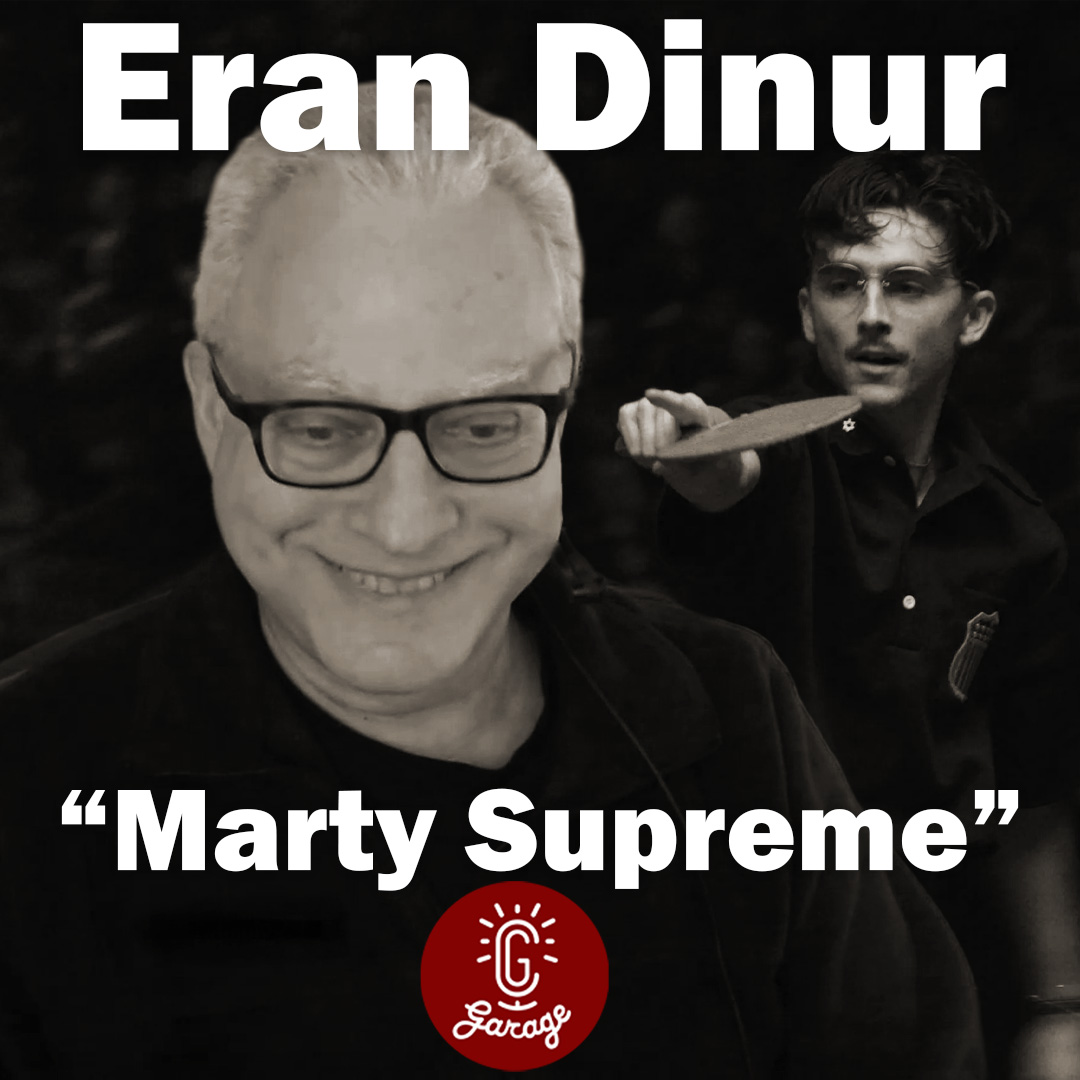
Josh Safdie's Marty Supreme transports audiences to a vibrant 1950s world of professional ping pong, yet many viewers remain unaware that the film contains over 500 visual effects shots. Eran Dinur, the film's VFX Supervisor, reveals how his team meticulously recreated period accurate crowds in Tokyo and Wembley while keeping the digital work entirely "invisible." He views his role as a bridge between the filmmaker's vision and the technical reality on set, ensuring that every digital element supports the story without drawing attention to itself. For Eran, the ultimate compliment is a viewer who walks out of the theater believing every single frame was captured in camera. The transition into high end visual effects was an unlikely one for Eran, who spent fifteen years as a classical music composer before a random software download steered him toward ILM and eventually the Safdie Brothers. This musical background provides a unique perspective on the rhythm and "choreography" of effects, whether he is timing CG ping pong balls to Timothée Chalamet's performance or animating the surreal openings of Uncut Gems. Beyond the technical craft, he addresses the current industry backlash against CGI and the marketing trends that prioritize "practical only" narratives. He also offers a practical look at the future of AI in cinema, arguing that tools are only as good as the control an artist has over them. Eran Dinur on IMDB > Eran Dinur's website > Marty Supreme Trailer > Marty Supreme Wikipedia > The Filmmaker's Guide to Visual Effects: The Art and Technique of VFX for Directors, Producers, Editors and Cinematographers by Eran Dinur > The Complete Guide to Photorealism for Visual Effects, Visualization and Games: For Visual Effects, Visualization and Games by Eran Dinur > This episode is sponsored by: Center Grid Virtual Studio Kitbash 3D (Use promocode "cggarage" for 10% off)

What happens when a filmmaker abandons a studio career on Saving Private Ryan and a PhD in history to create a film so challenging it is rejected by both Israeli and Arab film festivals? Michael Moshe Dahan joins the podcast to discuss Yes, Repeat, No, a meta-fictional deep dive into the life of actor-activist Juliano Mer-Khamis. By casting Palestinian, Israeli, and Lebanese actors to play different facets of the same man within a "rehearsal as performance" framework, Dahan explores the fluidity of identity and the tragedy of hardened political stances. This episode navigates the delicate "middle ground" of the Middle East conflict, focusing on the human friction that exists before ideologies take hold. Technically, Dahan breaks down the "weird and technical" mechanics of the shoot, including a four-camera multi-cam setup on a rotating stage where the cameras never stopped rolling. The discussion covers the sonic syncopation of sharp heels and metronomes, the influence of Freud's screen memories, and the philosophy of teaching the "history of the future" rather than the past. We also explore the future of independent cinema in an algorithm-driven world and Dahan's "AI curiosity," as he looks toward new tools to recapture the audience's imagination and bypass traditional studio gatekeepers. Yes Repeat No official website > Where to watch Yes Repeat No > Michael Dahan on IMDB > Synecdoche, New York (2008) Trailer > The Little Drummer Girl (1984) Trailer > This episode is sponsored by: Center Grid Virtual Studio Kitbash 3D (Use promocode "cggarage" for 10% off)
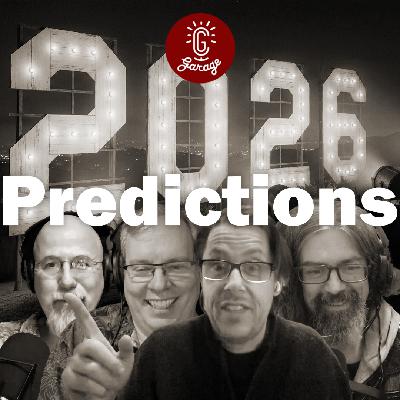
Will 2026 be the year of the ultimate industry reckoning or a digital renaissance? Hosts Chris and Daniel are joined by guests James Blevins and Erick Geisler for a deep dive into the "mild, medium, and spicy" predictions that will define the next year. As the dust settles on early AI experiments, the group moves past the "Will Smith eating spaghetti" era of novelty to discuss the professionalization of tools, the massive consolidation of legacy studios, and the survival of the traditional theatrical experience. The conversation pushes boundaries, exploring everything from the rise of personal AI creative agents to the outlandish possibility of data centers orbiting in space. By examining the potential collapse of current tech giants alongside the emergence of AGI, the panel maps out a world where the lines between science, religion, and storytelling are permanently blurred. This episode isn't just a look at what's coming, it's a high-stakes debate on who will lead the charge in the collision of Hollywood and high-tech. Netflix's Acquisition of Warner Bros. Discovery > Flawless AI: DeepEditor & Ethical Reshoots > Starcloud: The First NVIDIA-Powered Space Data Center > NantWorks: Converging Biotech and AI > This episode is sponsored by: Center Grid Virtual Studio Kitbash 3D (Use promocode "cggarage" for 10% off)
From disrupting the print industry with the original Macintosh to building bespoke tech for Premier League teams, Ivan Reel has always lived at the bleeding edge of media. Now the Head of Studio Technology at StradaXR, Reel traces his evolution from graphic designer to virtual production leader, sharing insights from his time managing Sony's pivot to digital workflows and his inspiring choice to return to film school later in life to master modern VFX. This convergence of deep technical experience and fresh artistic training has placed him at the forefront of optimizing LED stages for the next generation of filmmaking. The discussion digs into the technical and economic forces reshaping the industry, drawing parallels between the current AI explosion and the democratization of digital video. Ivan details how StradaXR utilizes Chaos Vantage to introduce real-time ray tracing to the volume , offering a superior alternative to standard game engine pipelines. The episode wraps with a compelling argument for the future of indie film, suggesting that the true power of virtual production lies not in big budgets, but in its ability to empower efficient, high-quality genre storytelling. Ivan Reel on LinkedIn > StradaXR > Ivan Reel's website > Chaos Arena > Hammer Film Productions > This episode is sponsored by: Center Grid Virtual Studio Kitbash 3D (Use promocode "cggarage" for 10% off)
Why does the superhero spinoff Gen V often look more visceral and grounded than its blockbuster feature film counterparts? The answer lies in the unique philosophy of Visual Effects Supervisor Karen Heston, who joins Chris and Daniel to reveal the analog soul beating beneath the show's digital surface. Heston traces her journey from the chemical smells of a black-and-white darkroom to the high-pressure world of "Flame" compositing in New York, where she learned to be a "finisher" capable of managing clients and pixels simultaneously, a skill set that eventually propelled her to lead major projects like Arthur Christmas and Beasts of No Nation. The conversation pulls back the curtain on the gory, creative success of Gen V. Heston explains that the show's secret isn't an over-reliance on CGI, but a fierce commitment to practical filmmaking, using giant props for shrinking characters and silicone "blood darts" to anchor the digital effects in reality. She discusses the intense collaboration required between stunts, prosthetics, and VFX to pull off "blood powers" that feel weighty rather than cartoony, and concludes with a forward-looking discussion on how AI might reshape the industry by bringing back the era of the "generalist" artist. Karen Heston on IMDB > Karen Heston on LinkedIn > Gen V on Prime > This episode is sponsored by: Center Grid Virtual Studio Kitbash 3D (Use promocode "cggarage" for 10% off)
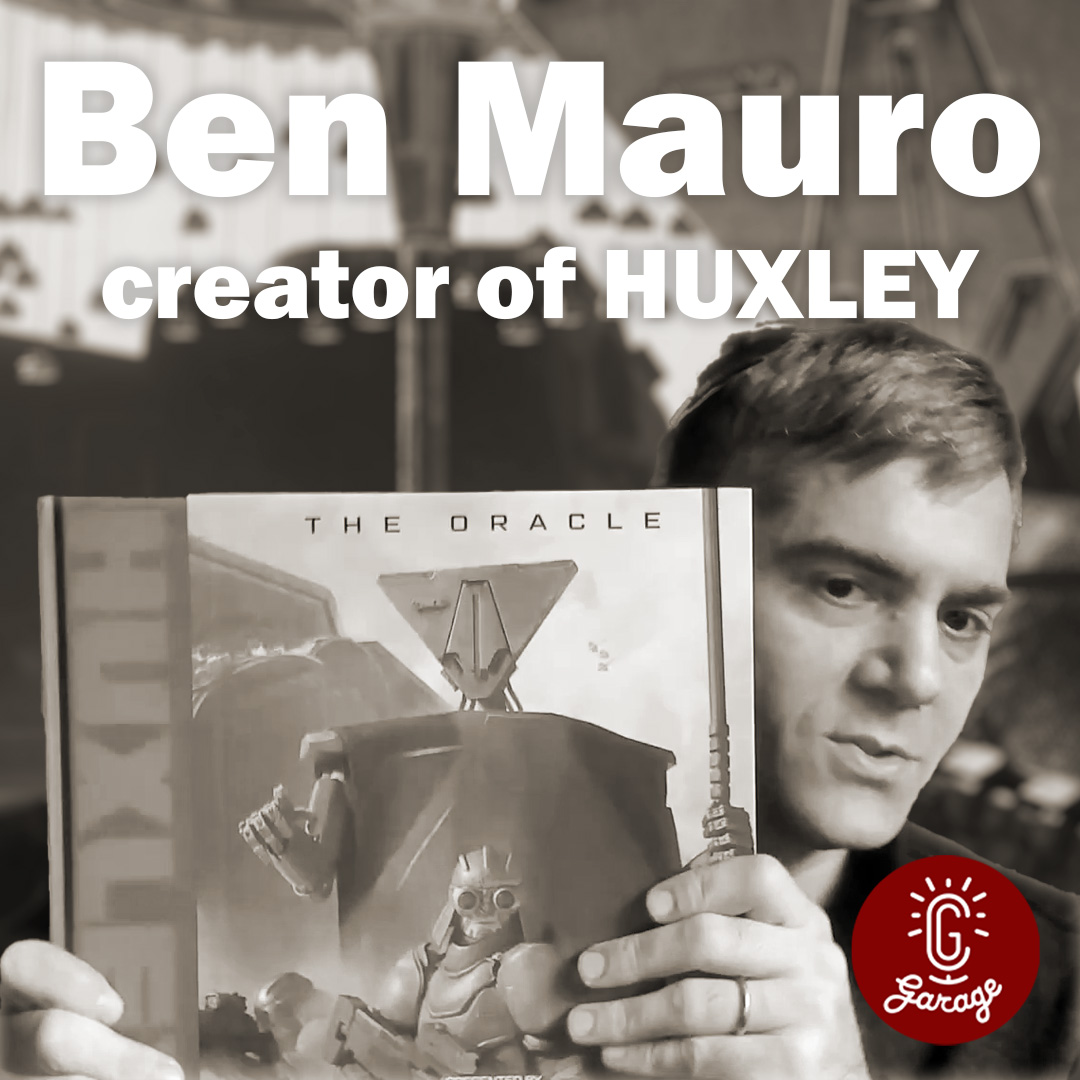
Ben Mauro is one of the industry's most respected concept artists, known for defining the look of blockbusters like Halo Infinite, but his latest venture is a masterclass in how artists can successfully build and own their own intellectual property. Ben returns to the podcast to break down the journey of expanding his independent sci-fi universe, Huxley, from a passion project into a high-end graphic novel series published by Thames & Hudson. He shares the creative and business roadmap for launching his new prequel, The Oracle, and explains why maintaining full creative control is essential for building a lasting legacy in a committee-driven industry. Beyond the logistics of publishing, the discussion dives deep into the philosophical necessity of physical media in an age of fleeting digital licenses. Ben, Chris, and Daniel explore the "pride of ownership" that comes with tangible art, whether it's a collector's edition Blu-ray or a deluxe graphic novel, and how this tactile connection anchors the audience to the story. They also touch on the "Roman Empire" of machines within Huxley's lore and the vital lesson of creating art for oneself, proving that the most personal work is often what resonates most with the world. Ben Mauro's "HUXLEY: The Oracle" > Ben Mauro's "HUXLEY: The Oracle" deluxe edition > Ben Mauro's "HUXLEY: The Oracle" - on Amazon > Ben Mauro Design > Ben Mauro on Instagram > Ben Mauro on IMDB > This episode is sponsored by: Center Grid Virtual Studio Kitbash 3D (Use promocode "cggarage" for 10% off)

AI is revolutionizing cinematic lighting control with Beeble AI's Switchlight. Founder Hoon Kim explains how his tool, originally a general AI concept, became a powerful VFX asset by tackling the difficult process of relighting. Switchlight "unlights" any video footage to figure out the fundamental physical properties, like the shape (normals) and texture (metalness/roughness) of objects, and then uses this data to apply new, photo-realistic lighting instantly and securely. The desktop application is quickly becoming indispensable for both small production teams and major studios who need precise creative control over their shots. The conversation reaches a pivotal point when host Chris, an expert in real-time rendering, mentions his work with the real-time ray tracer Vantage, leading to mutual excitement about integrating their technologies. Switchlight provides the control that other generative AI tools lack, and Hoon sees its PBR data as a perfect control signal for future generative video models. They agree the tool's true value is creating "relightable footage" that can be manipulated layer by layer, just like in professional compositing software. This technical precision promises to blend the creative freedom of AI with the consistency and detail demanded by professional filmmaking. Beeble AI Official Website > Hoon Kim's LinkedIn Profile > Google Research Total Relighting paper > Paul Debevec's Parthenon project (2004) > Chaos Vantage (real-time ray tracing) > This episode is sponsored by: Center Grid Virtual Studio Kitbash 3D (Use promocode "cggarage" for 10% off)
Visual effects veteran Dennis Berardi joins the podcast to discuss the resurrection of his legendary studio, Mr. X, and his latest collaboration with Guillermo del Toro on Frankenstein. Dennis shares the technical and artistic challenges behind the film, detailing how his team blended massive physical builds with digital artistry to create the film's "invisible" effects. From creating expansive Arctic icescapes in a Toronto parking lot to blowing up 20-foot "bigature" miniatures for the climactic tower sequence, Dennis explains how they achieved an operatic scale while maintaining the emotional intimacy of Del Toro's father-son narrative. The conversation also navigates the complex business of visual effects, as Dennis recounts the dramatic story of selling Mr. X to Technicolor and his subsequent fight to reclaim the brand and IP after the parent company's collapse. He outlines his philosophy for rebuilding Mr. X as a boutique, filmmaker-focused studio that values artistry over volume. Finally, Dennis, Chris, and Daniel speculate on the future of the industry, discussing the impact of AI, the fracturing of the VFX market, and why relationship-driven, smaller shops may be the key to sustainable high-end filmmaking. Mr. X Website > Dennis Berardi bio > Dennis Berardi on IMDB > Frankenstein on Netflix > The Empty Man Trailer > This episode is sponsored by: Center Grid Virtual Studio Kitbash 3D (Use promocode "cggarage" for 10% off)

The anonymous "VFX soldier in the trenches" who took on the studios is back, and the fight he started is far from over. Two legends of the VFX labor rights movement, Daniel Lay (the formerly VFX Soldier) and veteran exec Scott Ross, join Chris and Daniel Thron to revisit the pivotal moment their fight began. The conversation goes back 10+ years to when the VFX Soldier blog became the rallying cry for an industry in crisis, detailing why Lay started it, his reasons for anonymity, and how he and Ross ultimately "merged forces" to fight for artists. The group dives deep into the history of their legal battle, revealing how their "Jedi Knight" law firm nearly won a tariff war against the studios, a fact later confirmed by the 2014 Sony hack. They also connect this past fight to the present, discussing the new Trump administration tariff proposal, the disruptive force of AI, and whether the collapse of the studio tentpole model finally creates an opportunity to rebuild the industry. Original VFX Soldier Blog > Scott Ross on LinkedIn > "Leaked Sony E-mails Reveal Execs Feared "VFX Soldier" (Cartoon Brew) > VFX Grunt on YouTube > This episode is sponsored by: Center Grid Virtual Studio Kitbash 3D (Use promocode "cggarage" for 10% off)
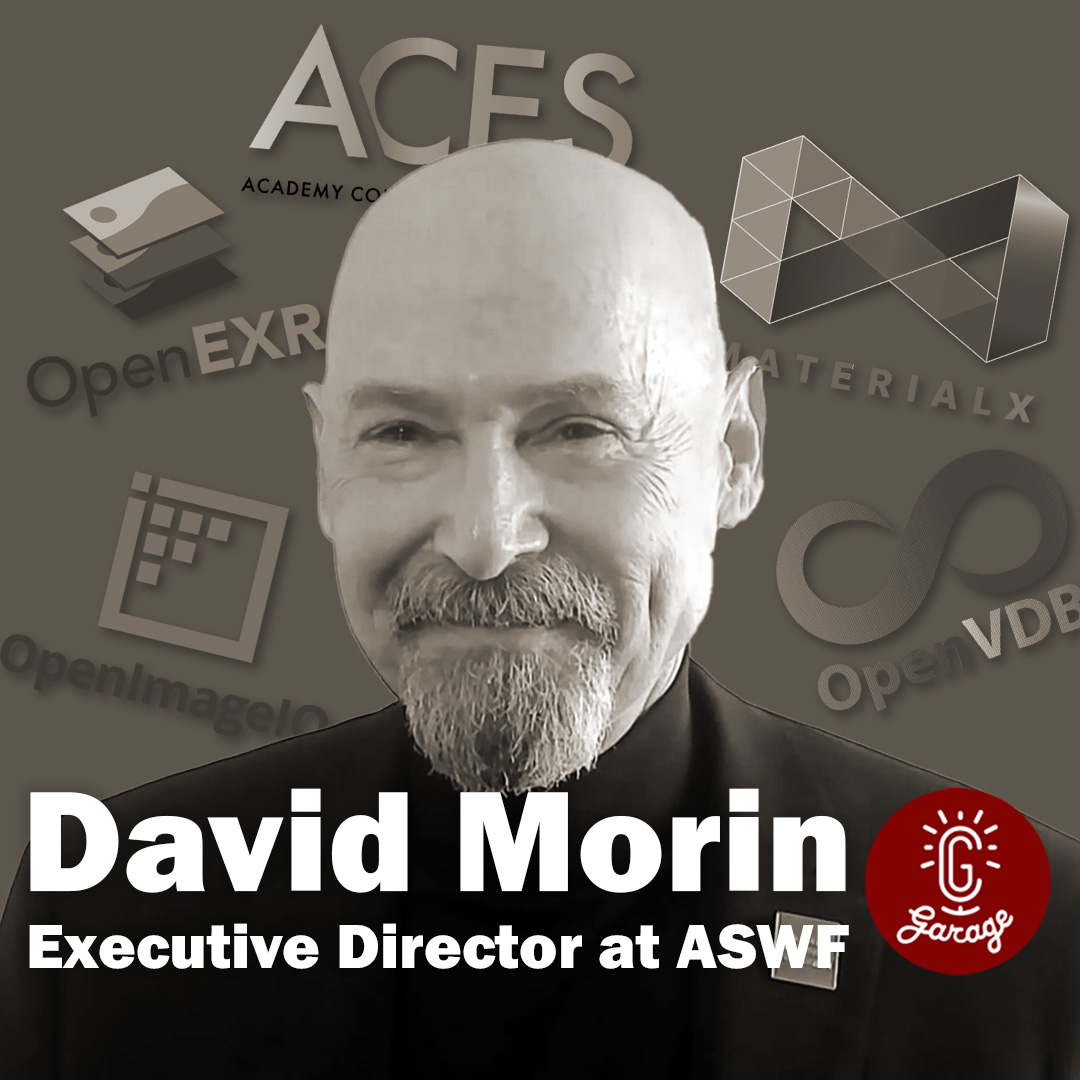
What was it like to be inside Softimage during the Microsoft acquisition? How did Bill Gates' "big pivot" to the internet change everything overnight? Industry veteran David Morin joins Chris to share his fascinating origin story, from programming with punch cards and an 8-year art detour to working with ILM on Jurassic Park and navigating the seismic shifts at Softimage, Microsoft, Avid, and Autodesk. Today, David leads the Academy Software Foundation (ASWF), and he details its crucial mission: providing a permanent, secure home for the industry's most vital open-source software. He discusses the importance of the foundation's "stamp of approval," the massive recent addition of ACES, and how open source works with commercial tools to democratize filmmaking, enabling independent, Oscar-winning animated films like Float to be created with tools like Blender. Academy Software Foundation > Join the ASWF > David Morin on LinkedIn > History of Softimage > This episode is sponsored by: Center Grid Virtual Studio
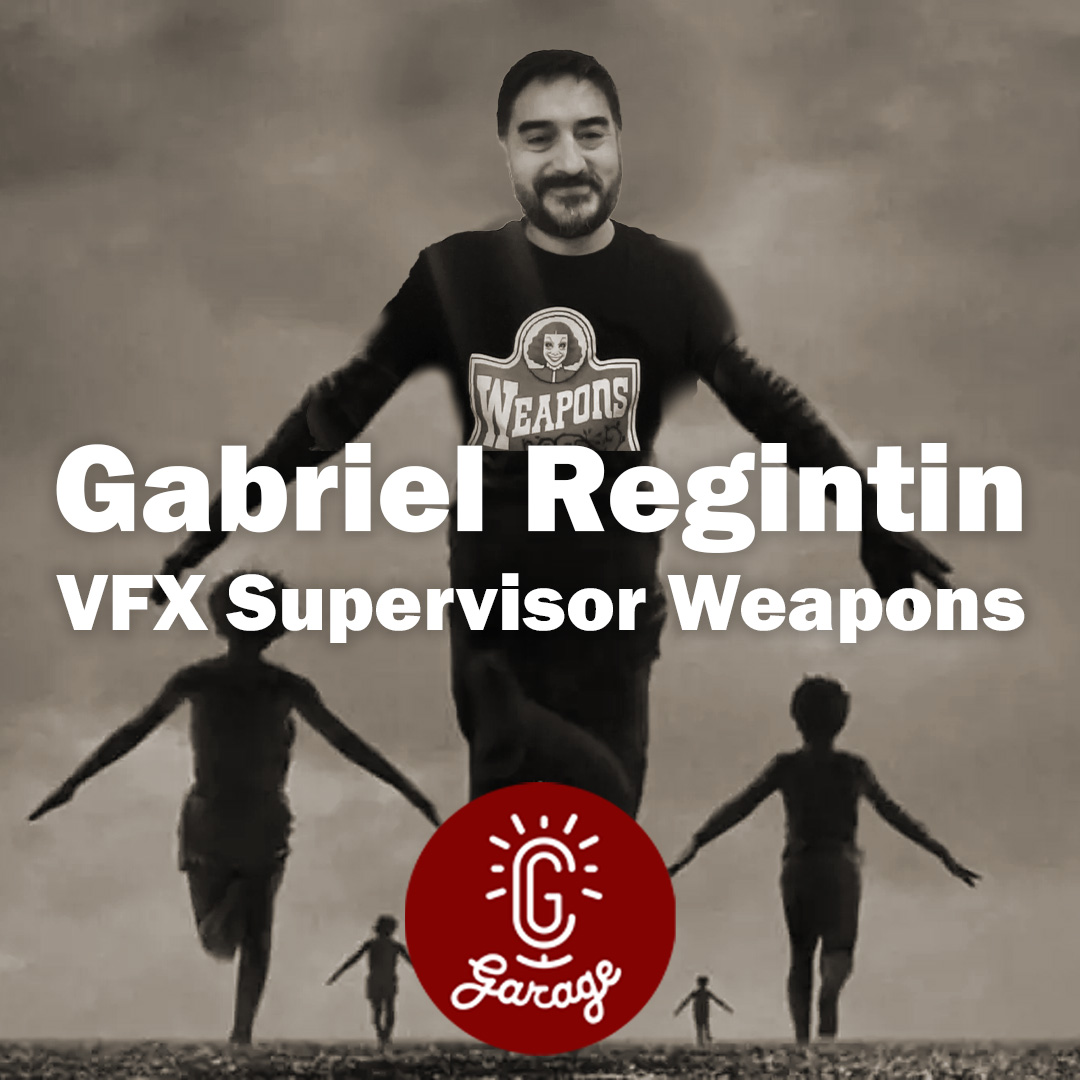
For our special Halloween episode, we sit down with VFX Supervisor Gabriel Regentin to discuss his work with Ingenuity Studios on the smash-hit horror film, Weapons. Gabriel details his close collaboration with director Zach Cregger, whose primary goal was to ensure every visual effect felt 100% "in-camera" and unquestionably real. He shares the challenge of creating the film's signature terrifying effects and how Ingenuity Studios was brought in early to develop the look for such a massive, director-driven vision. Gabriel also walks us through his fascinating "origin story," from studying Performing Arts Technology in Michigan to navigating the 90s dot-com boom in New York with Macromedia Director and After Effects. He recounts his big break on The Secret Life of Walter Mitty, where he earned the nickname "Gatlin Gabe" for his rapid temp comps and created a shot so good it became the benchmark for the final vendor, landing him a job at Framestore and launching his career in feature films. Ingenuity Studios > Weapons on HBO Max > Gabriel Regentin on IMDB > Gabriel Regentin on LinkedIn >


Download from Google Play

Download from App Store
 United States
asdss
sadsd
Amazing episode! Both Mike's design/film work and his analysis are extremely inspiring and give me hope for the future of film. Keep up the great work!
Great talk