


 Claim Ownership
The Articulate Fly
Subscribed: 106Played: 8,109
Subscribe

© The Articulate Fly LLC
Description
The Articulate Fly Fly Fishing Podcast regularly releases interviews with national and regional personalities covering fly fishing, fly tying and fly fishing travel. We also regularly release fishing reports for the novice and experienced fly angler. Whether you just loved a River Runs Through It or you are a streamer junkie, a dry fly addict, a swinger or a nymph head, we have you covered!
To learn more, visit www.thearticulatefly.com.
To learn more, visit www.thearticulatefly.com.
1041 Episodes
Reverse
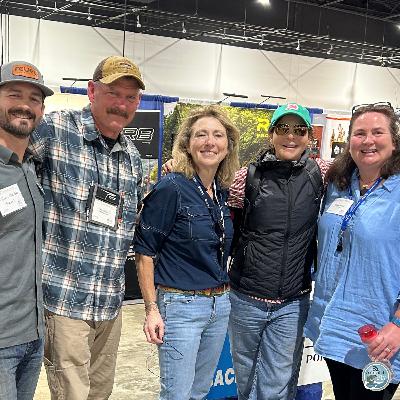
Episode OverviewIn this episode of The Articulate Fly, host Marvin Cash sits down with Master Casting Instructor Mac Brown for another installment of Casting Angles — a wide-ranging conversation on the philosophy of continuous improvement in fly fishing and fly casting. Recorded just before the Lancaster Fly Fishing Show, the episode centers on one of the most practical yet underappreciated principles in skill development: approaching your craft with a beginner's mind, no matter how many years you've been on the water. Mac draws on feedback from students at recent west coast events — including anglers with 30 to 40 years of experience who received their first structured casting instruction — to illustrate how long-held assumptions can silently ceiling growth. The conversation touches on Mac's "four stages of learning" framework, the infinite circle of knowledge and the parallels between fly casting mastery and elite performance in any discipline. Practical spring fishing news also surfaces in the second half: listeners get actionable intel on early-season Quill Gordon dry fly hatches on wild Appalachian freestone streams, the ideal nymph sizing window as hatches begin (sizes 12–16) and emerging activity of little black stones and blue winged olives on Tennessee tailwaters. Mac and Marvin also preview their respective Lancaster show appearances and detail upcoming guide schools and casting classes at macbrownflyfish.com for anglers planning their spring season.Key TakeawaysHow adopting a beginner's mindset — staying open to new information regardless of experience level — is the single most reliable driver of improvement in fly casting and fishing.Why intermediate anglers stagnate: the false belief that years of time on the water equates to skill development, which shuts down active learning before it can happen.How Mac's four stages of learning framework maps the path from novice to expert, and why most anglers get stuck at stage two.When Quill Gordon dry fly hatches arrive on wild Appalachian freestone streams, they represent one of the season's best dry fly windows because the adult floats for 15–20 minutes while hardening its wings.Why early-season nymphs (sizes 12–14) are as large as they'll be all year, making this the optimal window to fish bigger nymph patterns before successive hatches progressively reduce insect size.How structured instruction — rather than YouTube, books or show demos alone — accelerates skill acquisition in ways self-directed learning rarely can.Techniques & Gear CoveredThe episode is primarily instructional and conceptual rather than gear-heavy, but several practical fishing frameworks emerge. Mac references his own book Casting Angles — a fly casting handbook endorsed by the ACA and FFI — as the source material for the four stages of learning discussion, and directs listeners to the article on his website for a deeper read. The conversation touches on the comparative limitations of self-directed learning via YouTube and books versus structured in-person instruction, particularly for developing proper casting mechanics. On the dry fly fishing side, Mac recommends dry fly presentations targeting Quill Gordons on freestone streams in size 12, with the extended float window (15–20 minutes) making these hatches unusually productive for surface takes. Marvin notes that pairing size 14 and 16 nymphs during this same early-season window takes advantage of the year's largest nymph profiles before they diminish through the season. Mac also promotes two-day casting schools through macbrownflyfish.com as the highest-value instructional investment for anglers who want to advance their skills heading into spring.Locations & SpeciesThe episode references wild freestone streams in the Western North Carolina / Great Smoky Mountains region — Mac's home water around Bryson City — as the primary context for the early Quill Gordon hatch discussion, with these streams producing active trout as water temperatures begin to rise. Tennessee tailwaters are also noted as waters where little black stoneflies and blue winged olives are already appearing, signaling the beginning of productive surface-feeding windows. The target species throughout is wild trout, with Mac's commentary on Quill Gordon hatches specifically framed around waking large fish that have been dormant through winter. The seasonal framing is early spring, a transition period characterized by warming daytime temperatures, emerging hatches and increasingly active trout — one of the most productive dry fly windows of the year in the Southern Appalachians.FAQ / Key Questions AnsweredHow does a beginner's mindset improve fly casting and fishing skills?Beginners enter instruction with no preconceptions to dismantle, which makes them highly receptive to new technique and feedback. Mac argues that anglers who believe they are already proficient — after years of fishing without formal instruction — unknowingly stop absorbing new information, effectively stalling their development at the intermediate stage.What are the four stages of learning in fly casting?Mac's framework progresses from stage one (open absorption of fundamentals) through stage two (recognizing a problem exists but not knowing how to fix it — where most intermediate anglers stall) to stages three and four, where skills become internalized and self-correcting. He recommends reading the full article on his website for a detailed breakdown of each stage.When is the Quill Gordon hatch and why is it such a good dry fly opportunity?The Quill Gordon is an early-season mayfly that emerges on wild Appalachian freestone streams, typically before most other major hatches of the year. The adults float on the surface for 15–20 minutes while hardening their wings — an unusually long window that gives trout ample time to key on them and gives anglers sustained dry fly fishing action. Size 12 patterns are appropriate at peak emergence.Why should anglers fish larger nymph patterns in early spring?Nymph size follows a seasonal arc: early in the year, aquatic insects are at or near maximum size before the first hatches reduce their populations and successive generations emerge progressively smaller. Sizes 14 and 16 are particularly effective in this early window, as they match the naturals more accurately than the smaller patterns that will dominate later in the season.What does Mac Brown recommend for anglers who want to improve most efficiently?Mac consistently points to in-person structured instruction — particularly his two-day casting school — as the highest-leverage investment for improvement. He contrasts this with YouTube and book-based learning, which lack the real-time feedback loop required to correct ingrained errors and build proper mechanics into muscle memory.Related ContentS7, Ep 16 - Simplifying Complexity: Effective Teaching Strategies in Fly Fishing with Mac BrownS7, Ep 20 - Practice Makes Perfect: Mac Brown on Mastering Casting TechniquesS7, Ep 28 - Warming Waters and Active Fish: A Spring Fishing Update with Mac BrownS6, Ep 10 - Casting Angles with Mac BrownS6, Ep 141 - Mastering Cold Weather Fly Fishing with Mac BrownConnect with Our GuestFollow Mac on Facebook, Instagram and Twitter.Follow the ShowFollow The Articulate Fly on Facebook, Instagram, a...
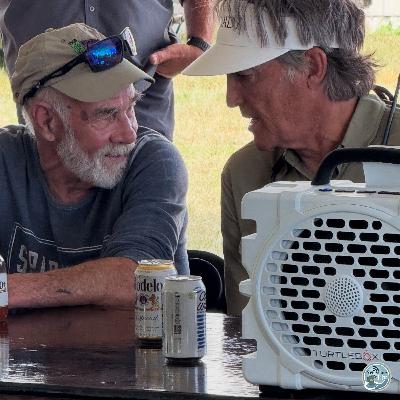
Episode OverviewIn this Chocklett Factory episode of The Articulate Fly fly fishing podcast, host Marvin Cash sits down with legendary fly designer and guide Blane Chocklett for a wide-ranging conversation covering two central topics: the mechanics and design philosophy behind Chocklett's support disc and spreader dam system, and the upcoming Lefty Kreh's Tie Fest conservation event in Vero Beach, Florida. Blane explains how his support discs — available in round and oval profiles ranging from 6mm to over 20mm — create the water diversion that drives the serpentine, side-to-side swimming action that defines Game Changer articulated flies. Rather than relying solely on fiber tips to generate movement, the supports actively redirect water flow around the body of the fly, producing a realistic fish-like swimming motion that passive designs cannot replicate. Blane also walks through the practical tying advantages: faster construction, easier material distribution, built-in profile tapering and greater fly longevity. The second half of the conversation turns to Lefty Kreh's Tie Fest, a conservation-focused event benefiting the American Saltwater Guides Association (ASGA), set for March 21 in Vero Beach at Carter Andrews's property. Blane shares the vision behind the event — honoring legends like Lefty Kreh and Bob Popovics while cultivating the next generation of anglers — and previews an intimate lineup that includes Andy Mill, Rob Fordyce, Hillary Hutcheson, Carter Andrews, Chase Smith and Fletcher Sams, among others.Key TakeawaysHow water diversion around the body of an articulated fly — not just fiber-tip movement — produces a true serpentine swimming action that triggers more strikes.Why Chocklett support discs in graduated sizes (6mm through 20mm+) allow tiers to build precise, tapered profiles for different baitfish silhouettes without excess material.How to choose between round disc supports (cylindrical/sucker profiles) and oval supports (taller, narrower bunker or shad profiles) to match specific forage.Why the Lefty Kreh's Tie Fest model — small, intimate, conservation-focused — delivers meaningful angler access to fly fishing legends that larger industry shows cannot replicate.How supporting ASGA through events like Tie Fest funds the fisheries science that policymakers need to protect saltwater species populations long term.Techniques & Gear CoveredThe core technical discussion centers on Chocklett's support disc and spreader dam system as a mechanism for achieving active water diversion and realistic swimming action in articulated flies. Blane explains that while Bobby Popovics' reverse-tie bucktail approach relied on fiber tips for passive movement, inserting support discs into the body of a Beast-style or Game Changer fly forces water to divert around the structure, initiating true left-to-right serpentine motion. The system uses two disc geometries — round supports for cylindrical profiles (suckers) and oval supports for taller, narrower silhouettes (bunker, shad) — in graduated sizes from 6mm to over 20mm, allowing tiers to stair-step profile width from tail to shoulder for a natural taper. Practically, the supports eliminate the need to reverse-tie bucktail and guess fiber length, dramatically simplifying the tying process while also extending fly longevity by preventing bucktail collapsing and thinning out over time. Materials referenced include bucktail, synthetic fibers and TFO rods (Blane is a TFO brand ambassador).Locations & SpeciesThe episode's fishing-specific travel content focuses on the Alabama Gulf Coast, which Blane describes as a highly underrated saltwater destination where clear Florida-influenced water meets the nutrient influence of the Mississippi Delta. He fished this area out of FlyWay Charters with guide Sam (based near the Community Fly Supply shop), targeting redfish, black drum, tripletail, jack crevalle and sheepshead. The Lefty Kreh's Tie Fest event at Vero Beach, Florida, adds another saltwater context — the Indian River Lagoon and Treasure Coast area known for tarpon, snook and permit, ecosystems that ASGA's conservation work is specifically designed to protect. The episode's conservation framing extends to the broader health of saltwater species populations across coastal fisheries, with Blane connecting healthy fisheries to the long-term viability of saltwater fly fishing as both a sport and a guiding profession.FAQ / Key Questions AnsweredHow do Chocklett support discs create a serpentine swimming action in articulated flies?When a support disc is placed inside the body of an articulated fly, it forces water to divert around the structure rather than flowing straight through the fibers. That diversion initiates a side-to-side, serpentine movement that mimics the natural swimming motion of a baitfish — something fiber-tip movement alone cannot produce. The key mechanism is active water redirection, not passive fiber flutter.What is the difference between round and oval Chocklett support discs?Round supports create a cylindrical cross-section ideal for sucker or cigar-shaped baitfish profiles. Oval supports produce a taller, narrower shape suited to bunker, shad or other laterally-flattened forage. By selecting the appropriate geometry and stepping up through graduated sizes from tail to shoulder, tiers can build a precise taper that matches the specific baitfish they are trying to imitate.How do support discs improve fly durability and ease of tying?Traditional reverse-tie bucktail construction tends to collapse and thin out over time, degrading fly performance. Support discs maintain the shape and fiber position for the life of the fly. They also eliminate the need to reverse-tie and guess at fiber length, making even distribution around the hook much easier and faster — a meaningful benefit for tiers who don't spend hours at the bench every week.What is Lefty Kreh's Tie Fest and why does it matter for fly fishing conservation?Lefty Kreh's Tie Fest is an annual event — revived after Lefty Kreh's passing — held at Carter Andrews's property in Vero Beach, Florida, that combines a day-long outdoor festival with a benefit dinner. Proceeds support the American Saltwater Guides Association (ASGA), which funds fisheries science and advocacy needed to influence policy protecting saltwater species. Blane frames it as both a celebration of the sport's legends and an investment in its future.What makes the Alabama Gulf Coast a worthwhile saltwater fly fishing destination?The Alabama coastline sits at a confluence of clear, Florida-influenced water and the productive, nutrient-rich influence of the Mississippi Delta, producing diverse species opportunities in a relatively uncrowded setting. Target species include redfish, black drum, tripletail, jack crevalle and sheepshead across multiple seasons. Blane characterizes it as highly overlooked and a strong destination for anglers seeking variety outside of better-known Gulf and Atlantic coastal fisheries.Related ContentS7, Ep 42 – Celebrating Legacy and Conservation with The Chocklett FactoryS7, Ep 61 – The Chocklett Factory Unleashed: New Flies and Other Goodies with Blane ChocklettS7, Ep 73 – The Chocklett Factory: Sneak Peek at New ProductsS6, Ep 144 – The Chocklett Factory: Conservation, New Products and a Legacy RememberedS2, Ep 114 – All Things Game Changer with Blane ChocklettConnect with Our GuestFollow Blane on Facebook...
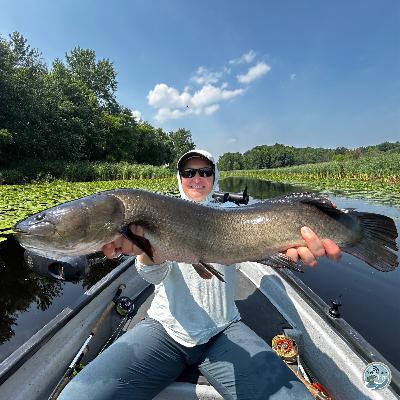
Episode OverviewDrew Price of Master Class Angling returns to The Articulate Fly fly fishing podcast to deliver a season debrief from Lake Champlain and discuss the release of his debut book, Favorite Flies for Vermont: 50 Essential Patterns from Local Experts (Stackpole Books). For anglers curious about multi-species fly fishing in the Northeast or the fly patterns that actually produce on Vermont's diverse waters, this episode covers both with depth and specificity.The 2025 season on Champlain was defined by record-low water levels — a rarity that revealed structure Drew had never seen and produced drone footage that will inform future guiding. Bowfin fishing was among the best he's seen in years, and November lake trout fishing exceeded expectations, reflecting growing demand for Laker guide trips. Drew brings that same multi-species perspective to the book, which covers 53 patterns ranging from pragmatic brook trout dries and blue-line streamer patterns to bowfin, gar and bass flies — including Drew's own glow-in-the-dark Clouser Minnow variation for lake trout and Chocklett-influenced bowfin patterns he's adapted for Champlain conditions. The conversation also covers the production process in candid detail: Drew's self-directed macro fly photography, his phone-interview approach to wrangling 50-plus tiers across Vermont and the editorial relationship with Jay Nichols at Stackpole. The historical dimension is a highlight — patterns like the Governor Aiken Bucktail, the Spirit of Pittsford Mills and a tribute to the late Rhey Plumley place Vermont's fly fishing culture in a lineage that goes back to Mary Orvis Marbury's early commercial tying work in Manchester.Key TakeawaysHow a record-low water year on Lake Champlain exposed bottom structure and shifted Drew's understanding of fish-holding spots in ways that will pay off for seasons to come.Why Vermont fly tiers skew pragmatic — tying quickly and in volume over aesthetics — and why beat-up flies often outfish perfect ones.How to properly attribute pattern variations to their originators, and why that intellectual honesty matters for the sport's tying culture.When to expect outstanding lake trout fishing on Lake Champlain, with November emerging as a peak window for fly rod Lakers.Why Lake Champlain's combination of world-class bass fishing, exceptional bowfin populations (including multiple IGFA tippet-class records) and 88 resident species makes it an underappreciated destination for fly anglers.How Tom Rosenbauer's CDC Rabbit's Foot Emerger became a standout pattern in the book, and what the story behind its development reveals about matching emerger behavior in the surface film.Techniques & Gear CoveredThe episode touches on a range of techniques tied to Champlain's multi-species fishery rather than a single tactical deep dive. Sight fishing in the shallows — push-pole work targeting bowfin, gar and carp — is central to Drew's guiding approach, and several flies in the book were designed specifically for those conditions. For lake trout, Drew discusses his glow-in-the-dark Clouser Minnow variation, a deep-November pattern that he describes as producing an unmistakable visual trigger as the fly returns to the boat in the dark. Variations on Blane Chocklett's patterns adapted for bowfin fishing also feature in the book, illustrating how Game Changer-platform thinking has crossed over into the warm-water exotic-species world. The book's fly photography (all shot by Drew himself using a macro setup he developed during the writing process) includes both hyper-realistic imitative patterns — like Thomas Ames's emerging caddis, designed to capture a specific stage of insect emergence — and intentionally rough, high-production guide flies built for Vermont's blue-line brook trout water. The trolling application of the Governor Aiken Bucktail for landlocked salmon rounds out the technique coverage, reflecting the lake's migratory salmonid fishery that intensifies in fall.Locations & SpeciesThe episode centers on Lake Champlain and the broader Vermont fly fishing ecosystem, with the lake positioned as a legitimate destination fishery for bass, bowfin, lake trout, pike, gar, carp and landlocked salmon — as well as brown trout and brook trout in the tributary streams. Drew notes that Champlain has ranked among the top five bass lakes in the country according to Bassmaster for three decades, and that it holds records across IGFA tippet classes for bowfin. The book also addresses Vermont's blue-line brook trout fishery, acknowledging the state's honest limitations as a trout destination (no super-consistent hatches, less predictable than Pennsylvania or Colorado tailwaters) while pointing readers to the wild brook trout corridors that define summer fly fishing in Vermont. Historically notable waters referenced include Furnace Brook in Pittsford — President Eisenhower's favorite trout stream — and the Northeast Kingdom, the setting for an archival photo tied to the Governor Aiken Bucktail chapter. November is flagged as a particularly productive window for lake trout on fly, with record-low 2025 water conditions adding context for why structure knowledge carries outsized importance on Champlain.FAQ / Key Questions AnsweredWhat made the 2025 fishing season on Lake Champlain unusual?The lake hit near-record low water levels in 2025, a sharp contrast to the high-water years immediately prior. The low water exposed bottom structure Drew had never seen, allowing him to understand exactly why fish hold in certain locations. Drone footage from the season is now part of his ongoing location research.What types of flies are featured in Favorite Flies for Vermont?The book covers 53 patterns, with roughly 40 trout flies and the remainder targeting warm-water and exotic species including bowfin, gar and bass. Patterns range from simple Tenkara-style CDC dries to hyper-realistic emerger caddis imitations from Thomas Ames. Several historically significant Vermont patterns are included, such as the Governor Aiken Bucktail and the Spirit of Pittsford Mills dry fly, with full attribution and historical context for each.How does Drew Price approach pattern attribution in his book?Drew is deliberate about crediting the originators of any pattern he's adapted, even when his modifications are significant. Variations on Blane Chocklett's warm-water patterns and a riff on Bob Clouser's minnow design for lake trout are both attributed explicitly in the text. He extends the same standard to historical patterns, tracing variations back through the tying lineage rather than presenting adaptations as entirely original work.When is the best time to fish for lake trout on Lake Champlain with a fly?November stands out as the peak window, based on Drew's guide experience. The season saw strong late-year Laker fishing and a notable uptick in guided Laker trip requests, which Drew describes as a welcome surprise. A glow-in-the-dark Clouser Minnow variation is his go-to pattern for night-time and low-light Laker sessions on the lake.Why does Drew Price consider Lake Champlain an underrated fly fishing destination?Champlain holds 88 species, roughly 30 of which are realistic fly rod targets — Drew has personally caught 15 different species in a single day on fly. The lake consistently ranks among the top five bass lakes in the U.S. and has produced IGFA tippet-class records for bowfin across nearly all classes. Despite those credentials, it remains well below the radar of most traveling fly anglers, which Drew is actively trying to change through the book and continued guiding.SponsorsThanks to TroutRoutes for sponsoring this episode. Use ARTFLY20 to get 20% off of your TroutRoutes Pro membership.Related ContentS7, Ep 27 – Master Class Angling: The Art of Fishing Exotic Species with Drew PriceS7, Ep 8 – Fly Tying Mastery: Tim Cammisa's New Book and Euro Nymphing AdventuresS2, Ep 114 – All Things Game Changer with Blane ChocklettConnect with Our GuestFollow Master Class Angling on Instagram.Follow the ShowFollow The Articulate Fly on Facebook, a...
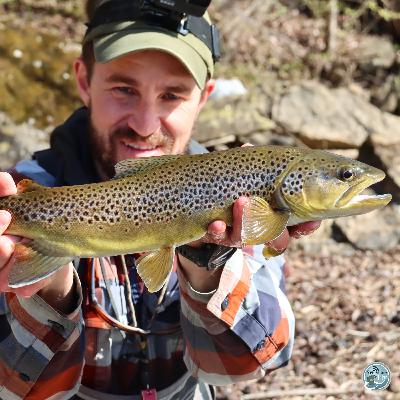
Episode OverviewEast Tennessee guide Ellis Ward joins host Marvin Cash on The Articulate Fly fly fishing podcast for a late-winter fishing report covering the South Holston River and surrounding tailwaters. In this episode, Ellis breaks down how unpredictable dam generation schedules and fluctuating flows are the primary drivers of inconsistent fishing windows — more so than weather — and why that reality demands a fundamentally different mental approach from serious anglers. With BWO hatches failing to materialize on days that should produce blizzard conditions, and streamer eat windows compressing to brief, unpredictable pulses, Ellis and Marvin draw a direct parallel between the relentless focus required for post-spawn brown trout streamer fishing and the mental discipline musky anglers already understand. The conversation covers the critical tactical mindset of hunting specific, quality fish rather than grinding for numbers, how to stay locked in through hours of blank water, and why the angler who stays mentally present from first cast to last is the angler who converts when a big brown finally commits. Looking ahead, Ellis previews the approaching caddis hatch and the narrow pre-spawn musky window before the fish pull off into their spawning cycle — a brief but high-opportunity period for anglers willing to position now.Key TakeawaysHow flow variability on Tennessee tailwaters — more than weather or barometric pressure — controls streamer bite windows and hatch activity, and why monitoring generation schedules is the first step in trip planning.Why the mental framework musky anglers already bring to the water is the correct lens for post-spawn brown trout streamer fishing, where long blank stretches between eats are the rule rather than the exception.How to maintain cast-to-cast focus through low-feedback hours by loading your brain with data that supports your confidence in the water type and technique, rather than drifting toward easier or more visible options.When to pivot between top-run and bottom-run tailwater zones based on current flow constraints, and why reading the release schedule lets you prioritize water before you ever launch the boat.How Ellis Ward's newsletter gives subscribers first access to grade-one and grade-two bucktails before they sell out, making sign-up through elliswardflies.com the only reliable way to secure top-shelf material.Techniques & Gear CoveredThe episode centers on streamer fishing for post-spawn brown trout on tailwaters, with Ellis emphasizing that successful execution is less about pattern selection in the moment and more about willingness to grind through extended non-productive stretches with the same intensity you brought to the first cast. He describes the challenge of top-run versus bottom-run water selection under constrained flows, highlighting how generation schedules completely restructure where holdable current and soft edges exist. Ellis also touches on the early-season caddis hatch approaching within a week or two, noting that small caddis coming off will begin to offer aggressive dry fly opportunities for fish that, under current windy and unsettled conditions, are largely unreachable on top.Locations & SpeciesThe episode focuses primarily on the Watauga River and the South Holston River in East Tennessee, tailwater systems whose fishing quality is directly tied to TVA generation schedules rather than ambient weather. Ellis notes the South Holston is currently sluicing approximately 200 CFS as a result of a scheduled generator outage lasting two to three months. Brown trout are the primary target species throughout — specifically large fish in the 20-plus-inch class that are accessible via streamer presentations during the brief windows of stable, consistent flow that punctuate the current uncertainty. Musky are the secondary species, with Ellis confirming both fish and conditions have been similarly variable; however, the late-winter/early-spring period preceding the spawn represents a high-value window before the fish cycle off and become largely unavailable for several weeks.FAQ / Key Questions AnsweredWhy aren't the BWO hatches producing consistent rising fish on the Watauga right now?Ellis attributes the inconsistency primarily to flow variability from TVA generation schedules rather than weather. Trout on tailwaters calibrate their feeding behavior to consistent hydraulic conditions, and when releases are irregular — hour-long pulses, for example — fish that should be rising during prime BWO conditions simply aren't. He notes he's been on the water five to six days a week for a month and has seen days that should produce blizzard hatches with zero risers.How should an angler approach post-spawn brown trout streamer fishing mentally?Both Ellis and Marvin agree that the correct mental model is the one musky anglers already operate with: accept that the eat may come once every several hours, load your brain with data supporting why the water type and presentation are correct, and maintain the same level of focus and deliberate presentation on cast 100 as you brought to cast one. Letting down after long blank periods — drifting toward nymphing or watching for risers — is precisely what reduces the probability of converting when the opportunity finally appears.What's the difference between hunting big fish and accidentally catching big fish?Marvin frames this directly and Ellis affirms it: intentional hunting means committing to the technique, the water and the mindset required for a specific category of fish, accepting low frequency as the cost of quality. The alternative — spreading effort across multiple easier techniques — increases the odds of catching something but dramatically reduces the odds of connecting with a true trophy. Ellis makes this point from the guide's perspective, noting he has extensive data on which approach produces the fish his most dedicated repeat clients come back for.How do you get access to Ellis Ward's bucktail drops before they sell out?Sign up for the newsletter at elliswardflies.com. Ellis sends email notification one day before the public drop, which is when grade-one and grade-two tails — and most grade-threes — sell out. No other access tier exists; the newsletter is the sole early-access channel. He can also be reached directly by phone at 513-543-0019 or on Instagram at @elliswardguides.Related ContentS8, Ep 5 – Frosty Mornings and Musky Pursuits: January Fishing Insights with Ellis WardS7, Ep 14 – The Streamer Playbook: Tips and Tactics for Targeting Big Trout in East Tennessee with Ellis WardS7, Ep 45 – Navigating the Waters: Streamers and Strategies in East Tennessee with Ellis WardS6, Ep 37 – Streamer Secrets and Dry Fly Dreams with East Tennessee's Ellis WardS6, Ep 142 – Winter Musky Adventures and Streamer Tactics with Ellis WardConnect with Our GuestFollow Ellis and Flyzotics on Instagram.Follow Ellis on YouTube.Follow the ShowFollow The Articulate Fly on Facebook, Instagram, Threads and YouTube.Follow our Substack newsletter for episode updates, tips and resources.Support the ShowShop through our
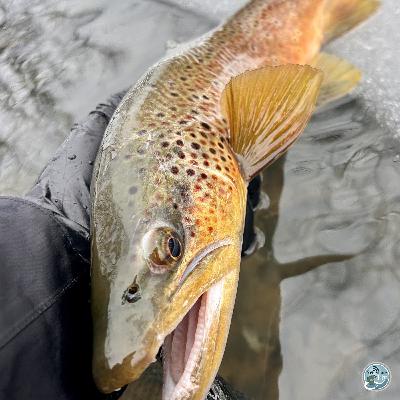
Episode OverviewIn this Central PA Fishing Report on The Articulate Fly fly fishing podcast, host Marvin Cash checks in with George Costa of TCO Fly Shop in State College, Pennsylvania for a late-winter conditions update. George covers current water levels and clarity across several iconic Centre County streams — including the Juniata River, Spring Creek, Fishing Creek and Penns Creek — as heavy snowmelt pushes flows up and drops visibility. Despite the off-color, elevated conditions, George is optimistic: a few Blue-Winged Olives have already been spotted, nymphing has been consistent and a full late-winter/early-spring insect emergence looks imminent in the next two to three weeks. Anglers planning trips to Central PA trout water should temp the streams before wading — air temps in the mid-40s can be deceiving when snowmelt is actively cold-charging the system. The conversation also covers TCO's upcoming presence at the Lancaster Fly Fishing Show, a packed class schedule across all shop locations through early spring and a first look at the new Grundéns Rock Armor wading boots, which TCO is among the first retailers to stock before they're even live on the Grundéns website.Key TakeawaysHow to set expectations for Central PA streams in late winter when heavy snowmelt is elevating flows and dropping clarity across multiple watersheds.Why water temperature can be unusually cold even when air temps feel mild, and why checking water temp before wading is essential during active snowmelt events.When to plan your Central PA dry fly trips: George signals the Blue-Winged Olive hatch is weeks away from breaking wide open.How to use the pre-season window productively by attending TCO's late-winter fly fishing classes across their Pennsylvania shop locations.Why the new Grundéns Rock Armor boots are worth watching, with TCO among the earliest retailers to have them in stock.Techniques & Gear CoveredNymphing is the dominant tactic for Central PA trout during the current late-winter/snowmelt window, with George noting it has been consistent despite not yet reaching its seasonal peak. The conversation anticipates a shift toward dry fly fishing as water temperatures rise and the Blue-Winged Olive hatch accelerates over the next few weeks — a classic late-winter to early-spring transition for Pennsylvania limestone streams. On the gear side, the notable mention is the new Grundéns Rock Armor wading boots, which TCO Fly Shop in State College is stocking ahead of the general retail release; no other specific rod, reel or fly patterns were discussed in this report segment.Locations & SpeciesThis episode focuses entirely on Central Pennsylvania limestone and freestone trout streams in late winter. The primary waters discussed are the Juniata River (elevated and off-color from snowmelt), Spring Creek, Fishing Creek and Penns Creek — all experiencing increased flows and reduced clarity as the snowpack drains into the watershed. Target species are wild brown trout and rainbow trout, consistent with the Central PA catch-and-release freestone and limestone spring creek fisheries. Conditions reflect a classic late-February snowmelt transition: still cold, flows running above seasonal averages, but with early insect activity signaling the imminent arrival of prime spring fishing.FAQ / Key Questions AnsweredWhat are current Central PA stream conditions in late winter?Multiple key streams including the Juniata River, Spring Creek, Fishing Creek and Penns Creek are running elevated and off-color due to heavy snowmelt. George Costa describes conditions as typical late-winter, with flows expected to continue rising over the following days as the snowpack drains.Why should anglers check water temperature before fishing during snowmelt?Even when air temperatures are in the mid-40s°F, active snowmelt introduces very cold water into streams, suppressing fish metabolism and activity. George recommends tempering expectations and checking actual water temp before committing to a wade, as the water can be significantly colder than the air suggests.When will dry fly fishing pick up on Central Pennsylvania trout streams?George spotted the first Blue-Winged Olives of the season just before the report and anticipates the hatch breaking open meaningfully within two to three weeks as water temperatures rise. Anglers should keep calendars clear for late-February into March.How has nymphing been performing during the late-winter period in Central PA?Nymphing has been consistent but not exceptional, which is normal for the late-winter pre-hatch window. George expects a significant improvement in fishing across the board as conditions warm and bug activity increases.Where can anglers take fly fishing classes at TCO Fly Shop before the spring season?TCO Fly Shop has classes running through early spring at their State College location and all other Pennsylvania stores. Details and registration are available at tcoflyfishing.com, and TCO will also have a presence at the upcoming Lancaster Fly Fishing Show.Related ContentS6, Ep 30 - Central Pennsylvania Fishing Report with TCO Fly ShopS6, Ep 48 - Rain or Shine: Central PA's Fishing Report with TCO Fly ShopS7, Ep 36 - Central PA Fishing Report with George Costa of TCO Fly ShopS5, Ep 145 - Central Pennsylvania Fishing Report with TCO Fly ShopConnect with Our GuestFollow TCO on Facebook, Instagram and Twitter.Follow the ShowFollow The Articulate Fly on Facebook, Instagram, Threads and YouTube.Follow our Substack newsletter for episode updates, tips and resources.Support the ShowShop through our Amazon link to support the podcast.Join our Patreon community to support the show.If you are in the industry and need help getting unstuck, learn more about our consulting options.Subscribe & AdvertiseSubscribe to the podcast in your favorite podcast app.Think our community is a good fit for your brand? Advertise with us.
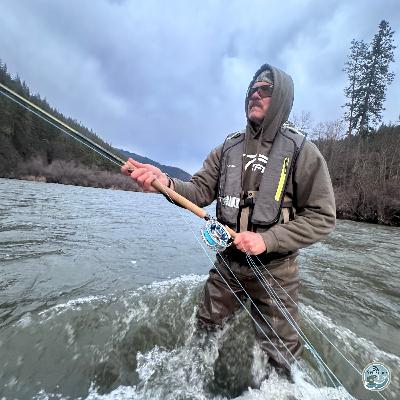
Episode OverviewIn this episode of The Articulate Fly podcast, host Marvin Cash catches up with master casting instructor Mac Brown for another installment of Casting Angles — a recurring segment dedicated to fly casting education and the business of fly fishing instruction. Recorded just after Mac returned from back-to-back appearances at the Denver and Bellevue stops of the Fly Fishing Show, the conversation covers his experience on the road, a spontaneous three-day steelhead spey fishing trip squeezed between shows and what's ahead on the Fly Fishing Show calendar. Mac and Marvin dig into the practical value of two-handed casting techniques on single-handed rods — particularly for tight Appalachian streams and summertime smallmouth fishing on rivers like the Little Tennessee, Pigeon and Tuckaseegee. Mac makes a compelling case that mastering the roll cast and a module of switch/spey casts (snake roll, snap T, snap C, Z cast, A cast) transforms an angler's ability to present flies on any water, not just big steelhead rivers. The episode wraps with late-winter fishing observations, a teaser about the upcoming Lancaster Fly Fishing Show and a reminder that Mac's guide schools, casting schools and specialty classes are bookable on his website.Key TakeawaysHow to expand your presentation options on tight Appalachian streams by adding spey and switch casts to your single-handed rod repertoire.Why the roll cast is the essential foundation of all two-handed casting, and why building it first unlocks the entire spey/switch toolkit.How to use two-handed delivery moves — snake rolls, snap Ts, Z casts and others — for summertime smallmouth fishing.When to capitalize on late-winter warmup windows by monitoring water temperatures, even when air temps feel comfortable for trout fishing.Why fishing from the tail of a long pool with two-handed casting techniques gives you a longer drift, better positioning and keeps big fish unaware of your presence.Techniques & Gear CoveredMac Brown covers the full spectrum of spey and switch casting moves applicable to single-handed rods, including the roll cast, snake roll, snap T, snap C, Z cast and A cast — what he describes as a "module of eight or nine" setup-and-deliver sequences that, once internalized, become intuitive rather than mechanical. A key theme is translating techniques typically practiced on grass into real fishing scenarios: managing 50–60 feet of shooting line in your fingers, reading pool geometry and making decisions about river-left vs. river-right presentations coming out of winter. Mac also references the two-day and three-day specialty casting schools he runs throughout the season — focused formats on wet fly and dry fly specifically — available through his website under specialty classes. No specific fly patterns or rod brands are mentioned in this episode, keeping the focus squarely on casting mechanics and tactical decision-making.Locations & SpeciesThe episode references several western North Carolina rivers as prime proving grounds for switch and spey techniques on single-handed rods, including Deep Creek, the Davidson River, the Little Tennessee ("Little T"), the Pigeon River and the Tuckaseegee River. These waters illustrate how Appalachian freestone and tailwater streams — often dismissed as "small water" — actually demand long presentations across pools that run 60–70 feet from tail to head. Target species include trout (primarily late-winter/early-spring tailwater trout as conditions warm) and summertime smallmouth bass on the region's larger freestone rivers. Marvin also mentions fishing for steelhead on "the Alley" (the Lake Erie tribs in Ohio, Pennsylvania and New York) en route to the Lancaster Fly Fishing Show, adding a steelhead context that reinforces Mac's recent spey fishing experience in the Pacific Northwest.FAQ / Key Questions AnsweredHow can two-handed casting techniques improve my fishing on small Appalachian streams?Mac Brown explains that many classic Appalachian pools run 60–70 feet from tail to head, which requires longer casts than most anglers expect. By learning spey and switch casts on a single-handed rod, you can position yourself at the tail of a pool, cover the entire pool with precise presentations, gain a longer natural drift and keep large trout unaware of your presence — all without back-casting room.What is the best starting point for learning spey and switch casting?According to Mac, the roll cast is the foundational "get out of jail free card" of fly casting and the essential gateway to all spey and switch moves. Anglers often underestimate the roll cast because their overhead cast feels stronger, but once the roll cast is dialed in, the setup-and-deliver logic of the full spey/switch toolkit becomes accessible and rewarding.When is the right time to fish late-winter trout in the southern Appalachians?Marvin and Mac both note that warming air temperatures in late winter don't automatically mean fish are active — water temperature is the real indicator. The advice is to take advantage of warmer days (40–65°F air temps) that follow prolonged cold snaps, check water temps before committing and expect elevated fish activity when a genuine warmup follows an extended deep freeze.How do two-handed casting techniques translate to smallmouth bass fishing?Mac confirms that spey and switch casts are highly effective for summertime smallmouth fishing on rivers like the Little Tennessee, Pigeon and Tuckaseegee. Figure-of-eights, snake rolls and snap Ts are all applicable, particularly where overhanging trees and river bends limit back-cast room — exactly the conditions that characterize southern Appalachian smallmouth water.What casting programs does Mac Brown offer for serious anglers?Mac offers a range of programs through Mac Brown Fly Fish, including five-day guide schools, two- and three-day weekend casting schools (including specialty formats focused exclusively on wet fly or dry fly) and single-session casting lessons. Weekend scheduling is intentional — designed for anglers who can't take weekday time off work — and upcoming show appearances (Pleasanton, CA and Lancaster, PA) include all-day casting classes as well.Related ContentS7, Ep 16 – Simplifying Complexity: Effective Teaching Strategies in Fly Fishing with Mac BrownS7, Ep 20 – Practice Makes Perfect: Mac Brown on Mastering Casting TechniquesS6, Ep 141 – Mastering Cold Weather Fly Fishing with Mac BrownS7, Ep 54 – Chasing Smallmouth: Topwater Tactics for Summer Success with Jake VillwockS7, Ep 28 – Warming Waters and Active Fish: A Spring Fishing Update with Mac BrownConnect with Our GuestFollow Mac on Facebook, Instagram and Twitter.Follow the ShowFollow The Articulate Fly on Facebook, Instagram, Threads and YouTube.Follow our Substack newsletter for episode updates, tips and resources.Support the ShowShop through our a...
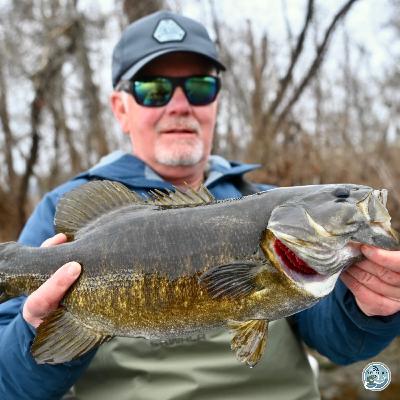
Episode OverviewIn this Southwest Virginia Fishing Report from The Articulate Fly podcast, guide Matt Reilly discusses late January/early February winter conditions on the New River and tactical considerations for musky anglers navigating frozen water and seasonal transitions. Reilly details how 6 to 9 inches of snowfall combined with sub-freezing temperatures have kept the New River frozen for nearly two weeks, creating challenging access conditions while fish hold in predictable winter lies. The report covers ice safety protocols for anglers working from boats during breakup periods, identifies which river sections will thaw first based on gradient and sun exposure and explains how snowmelt from the western North Carolina headwaters will buffer water temperature rises even as air temperatures climb into the upper 40s and low 50s. Reilly also provides booking updates for the tail end of musky season extending into early March, pre-spawn smallmouth opportunities in March and April, the spring striper run and post-spawn musky fishing, emphasizing that winter downtime offers anglers ideal conditions for planning technical trips targeting these species throughout the New River system.Key TakeawaysHow to navigate ice safety when fishing from a boat during river breakup, including avoiding large ice sheets and maintaining situational awareness for floating ice hazards.Why lower New River sections near Claytor Lake thaw first due to wider channels, direct sun exposure and lower elevation compared to shaded upper watershed areas.When snowmelt from 6 to 9 inches of accumulated snow in the western North Carolina headwaters will create increased flows that buffer water temperature rises during early February warm-ups.How to identify productive open water during marginal freezing conditions by targeting faster gradient sections and areas with warm water influence.Why late winter offers optimal planning windows for booking pre-spawn smallmouth trips in March and April, spring striper runs and extended musky season dates into early March.Techniques & Gear CoveredThis report focuses on tactical decision-making for winter musky fishing and seasonal transitions rather than specific presentation techniques. Reilly discusses how fish remain in predictable winter holding locations during prolonged freezing periods, requiring anglers to understand hydrological patterns and ice coverage to access productive water safely. The conversation emphasizes reading watershed dynamics during thaw periods, identifying which river sections will open first based on gradient, sun exposure and proximity to warm water sources like dam releases. Anglers targeting the late musky season extending into early March will need to adapt to post-freeze conditions where snowmelt increases flows while moderating temperature rises, creating transitional windows that precede pre-spawn smallmouth opportunities in the same system.Locations & SpeciesThe report centers on the New River in Southwest Virginia, particularly sections from the western North Carolina headwaters near Mount Rogers through the lower New River approaching Claytor Lake. Primary target species include musky during the extended late winter season through early March and smallmouth bass during the pre-spawn period beginning in March and continuing through April. Reilly also mentions spring striper runs and post-spawn musky fishing as key seasonal opportunities. The late January/early February conditions feature frozen water throughout most of the river, with lower sections near Claytor Lake expected to thaw first due to wider channels and greater sun exposure, while upper watershed areas remain icebound longer because of higher elevation, narrower channels and increased shading from surrounding mountains.FAQ / Key Questions AnsweredHow do you stay safe when fishing around ice during river breakup?Avoid fishing when large ice sheets are moving downstream with no clear path around them. By the time water is fishable, ice should be broken into smaller pieces that can be circumnavigated, but remain alert because anchored boats can be struck unexpectedly by floating ice. If conditions seem risky during late winter, they usually are a bad idea, and jet boats face additional hazards from ice impacts.Which sections of the New River thaw first after prolonged freezing?Lower New River sections closer to Claytor Lake generally open first because wider channels receive direct sun exposure for longer periods throughout the day, while upper watershed areas remain frozen longer due to higher elevation, narrower channels and increased shading from taller surrounding mountains. Faster gradient sections with quickly moving water also tend to freeze last and thaw first.How does snowmelt affect fishing conditions during late winter warm-ups?When 6 to 9 inches of accumulated snow begins melting from the western North Carolina headwaters near Mount Rogers, it creates increased river flows while simultaneously buffering water temperature rises because cold melt water mixes with warming conditions. This creates a transitional period where anglers must account for higher flows and moderated temperatures even as air temperatures reach the upper 40s and low 50s.When does pre-spawn smallmouth fishing begin on the New River?Pre-spawn smallmouth opportunities typically begin in March and continue through early April, with Matt Reilly transitioning from extended musky season trips by approximately March 10th.What booking opportunities are available for musky fishing after severe winter weather?Matt Reilly extends musky season into early March when severe cold weather in late January/early February pushes trips out of the normal season window. Late winter downtime when guides are off frozen water provides ideal conditions for planning and booking trips, as response times are fast and detailed trip configurations can be discussed thoroughly.Related ContentS6, Ep 146 - Musky Mysteries: Winter Tactics and Fly Tying Tips with Matt ReillyS7, Ep 1 - Winter Fly Tying and Pre-Spawn Tips with Matt ReillyS7, Ep 19 - Weathering the Winds: March Fishing Insights and Pre-Spawn Strategies with Matt ReillyS6, Ep 33 - Southwest Virginia Fishing Report with Matt ReillyAll Things Social MediaFollow Matt on Instagram.Follow us on Facebook, Instagram, Twitter and YouTube.Support the Show Shop on AmazonBecome a Patreon PatronSubscribe to the PodcastSubscribe to the podcast in the podcatcher of your choice.Advertise on the PodcastIs our community a good fit for your brand? Advertise with us.In the Industry and Need Help Getting Unstuck?Check out our consulting options!
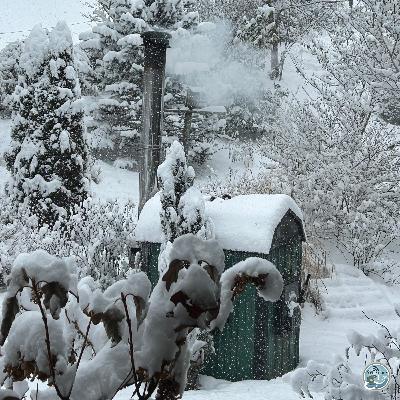
Episode OverviewMac Brown joins host Marvin Cash for this Casting Angles episode of The Articulate Fly, a fly fishing podcast focused on practical instruction and technique refinement. With winter weather keeping many anglers off the water across the mid-Atlantic and southern Appalachians, Mac and Marvin discuss how to use this downtime productively by organizing gear and preparing equipment for the upcoming season. The conversation covers essential off-season maintenance tasks including line cleaning, wader re-treating, fly box reorganization and boot cleat maintenance. Mac shares his custom tippet management system that prevents fumbling for tippet in freezing conditions and emphasizes the importance of getting fly weight systems dialed in before prime fishing returns. The discussion also touches on the transition from winter's deep freeze to early spring fishing opportunities, with Quill Gordon hatches beginning as early as mid-February on National Park streams and post-spawn streamer fishing on tailwaters like the South Holston and Watauga. This episode provides a comprehensive checklist for serious anglers to ensure their gear is ready when weather breaks and fishing conditions improve.Key TakeawaysHow to organize fly boxes by weight and technique during the off-season to streamline on-water efficiency when the season begins.Why washing and re-treating waders now prevents cutting into prime fishing time during peak spring hatches.How to create a reliable tippet management system using elastic and clear tubing so you never struggle to find the tippet end in cold conditions.When to expect the earliest hatches in the southern Appalachians, with Quill Gordons appearing in mid-February on National Park streams.Why the first warm day after extended cold spells consistently produces excellent fishing as water temperatures rise from the mid-30s.Techniques & Gear CoveredMac emphasizes moving away from traditional split shot systems because mashing lead onto tippet significantly weakens the tippet when wet, instead favoring organized weight systems built into flies. The discussion covers comprehensive line cleaning protocols for multiple setups, particularly for lake fishing applications where having several lines ready prevents last-minute scrambling. Mac details his custom tippet management method using elastic and clear tubing (similar to New Zealand strike indicator material) that keeps 2 inches of tippet exposed and prevents the frustrating search for the tippet end when fingers are numb. Boot maintenance receives attention with the recommendation to install fresh 5/8-inch sheet metal screws using an eighth-inch driver to maintain traction. The episode also addresses seasonal gear rotation, including moving chemical hand warmers, nitrile gloves and other cold weather gear in and out of fishing kits as conditions change.Locations & SpeciesThe episode references winter conditions across Charlotte, Swain County and western North Carolina, where snow and single-digit temperatures have kept guides off the water for nearly two weeks. Marvin mentions an upcoming post-spawn brown trout streamer trip on the South Holston and Watauga Rivers near Johnson City, taking advantage of warming trends with temperatures reaching 60 degrees. Mac discusses early-season opportunities on National Park streams in the Smokies, where Quill Gordon hatches begin in the second or third week of February—some of the earliest dry fly action in the country. The conversation also touches on Mac's upcoming winter steelhead trip to swing flies on Oregon's Klamath River. Target species focus primarily on trout, with musky mentioned in the context of mid-Atlantic guides being unable to fish due to harsh winter conditions.FAQ / Key Questions AnsweredHow should anglers organize their fly boxes during the off-season?Mac recommends organizing by both technique and weight, creating separate boxes for small nymphs, large nymphs, streamers, small dries and large dries. He emphasizes incorporating weight into the flies rather than relying on split shot, which weakens tippet when clamped on. This winter reorganization ensures boxes are ready for March and April fishing without last-minute scrambling.What's the best tippet management system for cold weather fishing?Mac developed a system using elastic and clear tubing (like New Zealand strike indicator material) that keeps the tippet end extended about 2 inches from the spool. This prevents the common problem of losing the tippet inside the spool when fingers are cold and numb. The tippet is always accessible and the spool revolves smoothly, eliminating frustration in freezing conditions.When do the earliest dry fly hatches begin in the southern Appalachians?According to Mac, Quill Gordons start appearing in the second and third week of February on National Park streams in the Smokies—some of the earliest hatches in the country. These size 10 mayflies emerge when temperatures return to the 40s and 50s after winter cold snaps, often appearing much earlier than anglers expect.Why is the first warm day after extended cold weather so productive for trout fishing?Mac explains that when water temperatures drop to the mid-30s during prolonged cold spells, the first day that warms up "really wakes the fish up" and consistently produces excellent fishing. This pattern has proven reliable over his 44 years as an outfitter. The warming trend triggers feeding activity after the metabolic slowdown caused by frigid water.What off-season maintenance tasks should anglers prioritize?Beyond fly box organization, Mac and Marvin recommend washing and re-treating waders, cleaning all fly lines, installing fresh sheet metal screws in boots, checking leader and tippet inventories and rotating seasonal items like chemical hand warmers and nitrile gloves. This preparation prevents maintenance tasks from cutting into prime fishing time when hatches begin.Related ContentS6, Ep 141 - Mastering Cold Weather Fly Fishing with Mac BrownS6, Ep 145 - Navigating Winter Waters: Unconventional Strategies with Mac BrownS7, Ep 16 - Simplifying Complexity: Effective Teaching Strategies in Fly Fishing with Mac BrownS7, Ep 41 - Navigating High Water: Strategies for Success with Mac BrownAll Things Social MediaFollow Mac on Facebook, Instagram and Twitter.Follow us on Facebook, Instagram, Twitter and YouTube.Support the Show Shop on AmazonBecome a Patreon PatronSubscribe to the PodcastSubscribe to the podcast in the podcatcher of your choice.Advertise on the PodcastIs our community a good fit for your brand? Advertise with us.In the Industry and Need Help Getting Unstuck?Check out our consulting options!
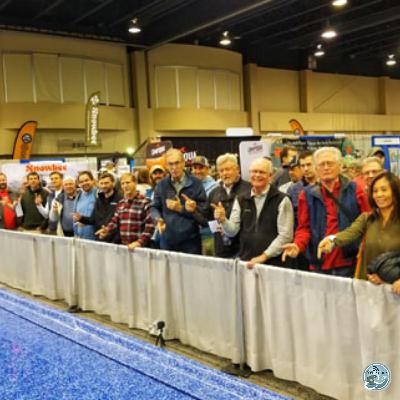
Episode OverviewCasting instructor Mac Brown joins host Marvin Cash on The Articulate Fly for another Casting Angles conversation, this time focused on the upcoming Edison Fly Fishing Show and the casting education landscape. This episode offers serious fly anglers essential insights into proper casting fundamentals, debunking common myths about distance casting and the overemphasis on double hauling in favor of loop control and efficiency. Mac and Marvin discuss their collaborative teaching approach at major fly fishing shows including Marlborough and Edison, where Mac teaches alongside legends like Gary Borger and Glenda Powell. The conversation emphasizes foundational casting mechanics that can eliminate 85-90% of common casting problems, the critical importance of systems thinking in fly fishing and the distinction between efficient movement patterns versus exhausting casting movements. Whether you're preparing for saltwater fishing or simply want to cast more efficiently with less effort, this episode provides the framework for building a solid casting foundation that makes learning advanced techniques far easier.Key TakeawaysHow to eliminate up to 90% of your casting problems by mastering foundational mechanics rather than chasing advanced techniques like the double haulWhy loop control and loop efficiency are the true keys to distance casting, with proper technique often outperforming hauling attemptsWhen to prioritize learning line shooting and efficient loop formation over the overrated double haulHow to cast more efficiently by incorporating full arm movement instead of relying on wrist-only casting that leads to fatigue and other issuesWhy having a systematic process framework prevents anglers from collecting unrelated data points from videos and demos that create more problems than solutionsTechniques & Gear CoveredThis episode focuses entirely on casting fundamentals and educational methodology rather than specific gear. Mac and Marvin emphasize loop control, loop efficiency and proper line shooting as the foundation of effective casting. They discuss the importance of power, path and pause, full arm incorporation versus wrist casting and the efficiency of movement patterns. The conversation challenges the American obsession with double hauling, noting that proper roll casting technique can achieve greater distance than poor hauling attempts. For saltwater applications where most fish are caught at 55 feet and closer, mastering these fundamentals proves far more valuable than advanced techniques built on a weak foundation.Locations & SpeciesWhile this episode doesn't focus on specific fisheries or waters, Mac references saltwater fishing applications where understanding realistic casting distances matters most. The discussion acknowledges that the majority of saltwater fish are caught at 55 feet and closer, making efficient short to medium-range casting far more practical than extreme distance work. The conversation takes place in the context of major East Coast fly fishing shows (Marlborough, Massachusetts and Edison, New Jersey) where anglers from across the region gather to improve their skills. Mac's upcoming teaching schedule spans coast to coast, including stops at Bellevue and Lancaster, reflecting the national scope of casting education needs.FAQ / Key Questions AnsweredWhat's more important for distance casting than the double haul?Loop control and loop efficiency are the true foundations of distance casting. Mac emphasizes that the double haul is overrated in America, with anglers believing it's the "Holy Grail" they're missing. In reality, proper roll casting with efficient loops can outperform average hauling attempts. The key is learning when to shoot line and form efficient loops first, with the double haul only benefiting anglers once those foundational skills are mastered.How can I cast more efficiently without getting fatigued?Incorporate your entire arm instead of relying solely on wrist movement. Mac notes that wrist-only casting leads to fatigue, carpal tunnel issues and exhaustion on the water. The efficiency of movement, once anglers understand proper mechanics, makes casting smoother and less physically demanding. Marvin emphasizes letting the rod do the work rather than trying to overpower the cast.Why do so many anglers struggle despite watching videos and attending demos?The fly fishing community has failed to provide anglers with complete systems and frameworks. Instead, people collect unrelated data points from internet snippets, YouTube videos and demos without understanding how everything fits together. Mac and Marvin stress the importance of process-oriented thinking with a framework that covers everything from gear preparation to landing fish, rather than isolated techniques that don't connect to a larger system.What distance should I really be focused on for saltwater fly fishing?Most saltwater fish are caught at 55 feet and closer. Rather than obsessing over extreme distance casting, anglers should focus on efficient, accurate casts at realistic fishing ranges. This shifts the priority from learning advanced techniques to mastering foundational loop control and line shooting that work effectively at practical distances.Related ContentS7, Ep 20 - Practice Makes Perfect: Mac Brown on Mastering Casting TechniquesS7, Ep 16 - Simplifying Complexity: Effective Teaching Strategies in Fly Fishing with Mac BrownS6, Ep 10 - Casting Angles with Mac BrownS6, Ep 141 - Mastering Cold Weather Fly Fishing with Mac BrownAll Things Social MediaFollow Mac on Facebook, Instagram and Twitter.Follow us on Facebook, Instagram, Twitter and YouTube.Support the Show Shop on AmazonBecome a Patreon PatronSubscribe to the PodcastSubscribe to the podcast in the podcatcher of your choice.Advertise on the PodcastIs our community a good fit for your brand? Advertise with us.In the Industry and Need Help Getting Unstuck?Check out our consulting options!
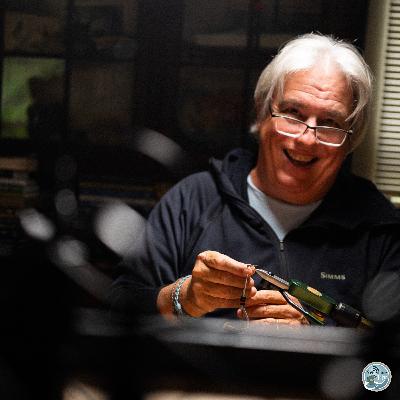
Episode OverviewIn this episode of The Articulate Fly, host Marvin Cash sits down with Tim Flagler to explore his lesser-known culinary journey and preview his extensive 2026 hosted travel schedule. While most fly fishers recognize Tim from his renowned tying videos and work at Tightline Productions, this conversation reveals his parallel passion for cooking and food that parallels his fly tying expertise. The discussion traces Tim's evolution from childhood family meals at the Jersey Shore through his mother's and grandmother's influence to his current fascination with Asian cooking techniques, particularly Japanese, Chinese and Thai cuisine. Tim shares cooking philosophy centered on sourcing quality ingredients, constant tasting during preparation and proper knife skills while detailing his upcoming 2026 adventures including golden dorado fishing on Argentina's Ibera Marsh, trophy brown trout on the Limay River, northern pike and bull trout in British Columbia's Northern Rockies and steelhead on Lake Erie. The conversation also touches on Tim's ongoing fly tying innovations focused on creating mottled, natural-looking patterns that better imitate the mottled appearance of living aquatic insects.Key TakeawaysHow Tim's family food traditions at the Jersey Shore mirror the collaborative, process-driven approach he brings to fly tying and teachingWhy sourcing the best possible ingredients and tasting constantly throughout preparation are the two most critical elements of successful cookingHow to book Tim's 2026 hosted trips to Argentina for golden dorado and trophy brown trout, British Columbia for northern pike and bull trout or Lake Erie for winter steelheadHow Tim is incorporating mottled, multi-colored patterns in his fly designs to better imitate the natural mottled appearance of living aquatic insects that signals protein to feeding troutTechniques & Gear CoveredTim discusses his ongoing fly tying evolution focused on creating mottled appearances in patterns rather than solid single colors, based on close observation and video documentation of living aquatic macroinvertebrates. He explains how blotches of different colors signal life and protein to feeding fish, making these techniques potentially more effective than traditional solid-colored flies. The conversation touches on trout spey casting as one of Tim's seminar topics at upcoming Fly Fishing Shows. Tim also draws parallels between cooking and fly tying, emphasizing that both crafts require quality materials, proper tools (sharp knives in cooking, quality hackle and partridge in tying) and understanding fundamental techniques before attempting complex work.Locations & SpeciesTim's 2026 hosted travel schedule spans diverse fisheries across multiple continents targeting various species. In Argentina, he hosts trips to the Ibera Marsh for golden dorado, classic Patagonia rivers including the Chimehuin, Collon Cura and Limay for trout, and a six-day camping float on the Limay River targeting trophy brown trout. His North American destinations include Spruce Creek in Pennsylvania, the Kootenai River in northwest Montana for rainbows, British Columbia's Northern Rockies for northern pike, bull trout, lake trout, rainbows and grayling with four fly-outs during the week, and Lake Erie tributaries for steelhead during winter. These trips span April through late fall, offering opportunities from early season trout through late-season steelhead in varied water types from spring creeks to wilderness rivers.FAQ / Key Questions AnsweredHow did Tim develop his culinary skills beyond basic family cooking?Tim's mother was an intuitive cook who didn't rely on recipes but understood ingredient combinations and seasoning, providing his foundational training. His older brother worked as a chef at Jersey Shore seafood restaurants and became a major influence, along with the brother's chef friends. Tim spent summers as a teenager cooking collaboratively with friends at the Jersey Shore, experimenting with whatever ingredients were available and learning through trial and constant tasting.What cooking philosophy does Tim recommend for anglers wanting to improve their skills?Start simple with repeatable recipes rather than attempting overly complex dishes, similar to learning a pheasant tail nymph before a full-dressed Atlantic salmon fly. Focus on sourcing the best possible ingredients, use proper sharp knives for different applications, taste constantly throughout the cooking process and avoid non-stick cookware in favor of carbon steel, stainless or cast iron. Tim emphasizes that getting quality ingredients and trying not to mess them up is the key to great cooking.What fly tying innovations is Tim currently developing?Tim is incorporating mottled color patterns in his flies based on close observation and video documentation of living aquatic macroinvertebrates. He noticed that natural insects display blotches of different colors rather than solid single hues, and this mottled appearance signals life and protein to feeding fish. He's developing techniques to create this mottled look in his patterns, which he believes represents the next evolutionary step toward more natural and effective fly designs.What hosted travel opportunities does Tim offer for 2026?Tim has limited openings remaining for April golden dorado fishing on Argentina's Ibera Marsh and a six-day Limay River camping float for trophy brown trout. His trips also include classic Patagonia trout rivers, Spruce Creek Pennsylvania throughout the season, Montana's Kootenai River, two weeks in British Columbia's Northern Rockies for pike, bull trout, lake trout and grayling with wilderness fly-outs, and five-day Lake Erie steelhead trips. Most trips are substantially booked but interested anglers should contact Tightline Productions for current availability.SponsorsThanks to TroutRoutes for sponsoring this episode. Use artfly20 to get 20% off of your TroutRoutes Pro membership.Related ContentS6, Ep 132 - Fly Tying and Destination Travel with Tim FlaglerS7, Ep 2 - Nomadic Waters and the Allure of Amazonian Peacock BassS6, Ep 97 - Fly Fishing Wisdom and Industry Pet Peeves with Greg SenyoS4, Ep 4 - Matt O'Neal of Savage FliesAll Things Social MediaFollow Tim on Facebook, Instagram and YouTube.Follow us on Facebook, Instagram, Twitter and YouTube.Support the Show Shop on AmazonBecome a Patreon PatronSubscribe to the PodcastSubscribe to the podcast in the podcatcher of your choice.Advertise on the PodcastIs our community a good fit for your brand? Advertise with us.In the Industry and Need Help Getting Unstuck?Check out our consulting options!Helpful Episode
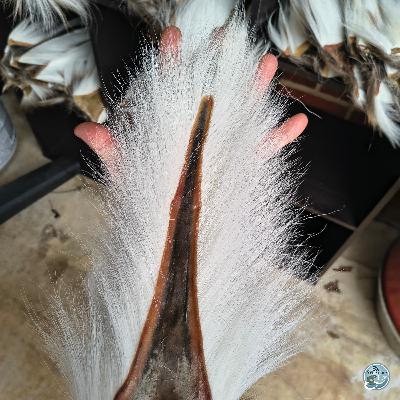
Episode OverviewEast Tennessee guide Ellis Ward delivers his first fishing report of 2026 on The Articulate Fly podcast, covering winter tactics for both post-spawn trout and low-water musky fishing. Ward breaks down strategic adaptations required for fishing extremely low and clear water conditions that have dominated the region through early January, affecting both tailwater trout fisheries and musky rivers like the French Broad. The episode emphasizes post-spawn trout streamer fishing opportunities in late January and February, when trophy fish are feeding aggressively to recover after the fall spawn. Ward also discusses current musky conditions under challenging low and clear water, requiring downsized presentations and pinpoint casting to specific holding pockets, with the transition to pre-spawn musky anticipated in March. Additionally, Ward covers his intensive bucktail processing operation, having accumulated over a thousand deer tails for custom musky flies following the end of deer season. With water levels dictated by minimal tailwater releases and fish becoming increasingly spooky in gin-clear conditions, Ward explains timing windows for visiting anglers looking to capitalize on prime post-spawn trout streamer fishing and upcoming pre-spawn musky opportunities.Key TakeawaysHow to capitalize on post-spawn brown trout streamer fishing in late January through February when trophy fish are feeding heavily to recover after the fall spawnWhy low and clear water musky fishing requires downsizing presentations and focusing on precision casts to specific structure rather than covering water broadlyWhen to book trips around optimal moon phases and weather windows during the transitional period between post-spawn trout streamer fishing and March pre-spawn musky activityHow to execute sidearm casts to tight cover and confined holding areas when backcast limitations and spooky fish demand tactical adjustments in extreme low waterTechniques & Gear CoveredWard emphasizes post-spawn brown trout streamer tactics as prime winter opportunities, with late January and February offering some of the highest ceilings for trophy fish on streamers as they feed aggressively after the fall spawn. For musky fishing under current low and clear conditions, Ward discusses downsized fly presentations that facilitate better casting opportunities to tight cover with limited backcasts. The conversation details targeted approaches to four-by-four pockets, requiring anglers to identify specific holding structure rather than covering expansive zones. Ward discusses his extensive bucktail processing operation, managing approximately a thousand tails stored in two chest freezers and working through the dyeing and preparation process during winter. Equipment discussion includes the practical considerations of fishing in extreme cold with nitrile gloves and hand warmers while maintaining the dexterity needed for presentations in sub-30-degree weather, particularly important for anglers targeting post-spawn trout during early morning sessions.Locations & SpeciesThe French Broad River serves as the primary musky water, with Ward noting how extremely low and clear conditions require tactical adjustments throughout the winter period. East Tennessee's tailwater systems are emphasized for post-spawn brown trout streamer fishing, with Ward specifically noting that late January and February represent prime months when the ceiling is quite high for trophy trout that have completed their fall spawn and are feeding heavily. The interconnected nature of water management affects both systems, as minimal dam releases on tailwaters correlate with low water on musky rivers. Target species include brown trout during the post-spawn period and musky, with Ward noting the transition to pre-spawn musky fishing anticipated in March. Winter conditions feature fluctuating temperatures from the high 20s to occasional 50-60 degree days, with recent rainfall helping water levels but clarity remaining exceptionally high throughout the low-flow period.FAQ / Key Questions AnsweredWhy is late January through February considered prime time for post-spawn brown trout streamer fishing?These months represent the post-spawn period for brown trout, which spawn in fall and early winter. After the spawn, trophy brown trout feed aggressively to recover, creating exceptional streamer fishing opportunities. Ward specifically notes that January and February are prime post-spawn brown trout streamer months where the ceiling is quite high for catching large fish. Anglers willing to fish in cold conditions with nitrile gloves and hand warmers can encounter fish that are actively feeding and responding well to streamers.How should anglers adjust musky tactics when fishing extreme low and clear water conditions?Downsize fly presentations and focus on precision over coverage. In very low water, target specific four-by-four pockets rather than working entire banks, as fish concentrate in limited holding areas. Use sidearm casts to get under branches and tight to banks where limited backcasts restrict traditional presentations. Slow everything down and be prepared to make multiple casts to productive zones. While fish are still moving and following flies, the challenging conditions require tactical patience even when hookups remain inconsistent.When is the optimal time to target different species in East Tennessee during winter and early spring?Late January through mid-February targets post-spawn brown trout on streamers, with the second half of February offering prime dates around favorable moon phases. March shifts focus to pre-spawn musky as water temperatures begin rising, presenting different tactical opportunities. Ward emphasizes booking trips during these transitional windows when weather variability creates both challenges and rewards, noting that anglers fishing in 28-degree weather during the post-spawn trout period may encounter exceptional opportunities they wouldn't see later in the season.Why does bucktail processing happen during winter and what's involved in the operation?Deer season ends January 4th, creating an annual surge of raw material that must be processed before spoilage. Ward manages approximately a thousand tails across two chest freezers, working through skinning, cleaning and dyeing operations during winter when guide trips slow and fly tying season peaks. Efficient processing requires several hours per session to maintain quality control while balancing family commitments and remaining guide availability.Related ContentS6, Ep 142 - Winter Musky Adventures and Streamer Tactics with Ellis WardS7, Ep 14 - The Streamer Playbook: Tips and Tactics for Targeting Big Trout in East Tennessee with Ellis WardS6, Ep 139 - Exploring East Tennessee's Changing Waters with Ellis WardS7, Ep 50 - The Art of the Follow: Streamer Strategies and Fishing Tales from East TennesseeAll Things Social MediaFollow Ellis and Flyzotics on Instagram.Follow Ellis on YouTube.Follow us on Facebook, Instagram, Twitter and YouTube.Support the Show Shop on AmazonBecome a Patreon PatronSubscribe to the PodcastSubscribe to the podcast in the podcatcher of your choice.Advertise on the PodcastIs our community a good fit for your brand? Advertise with us.In the Industry and Need Help Getting Unstuck?Check out our consulting options!
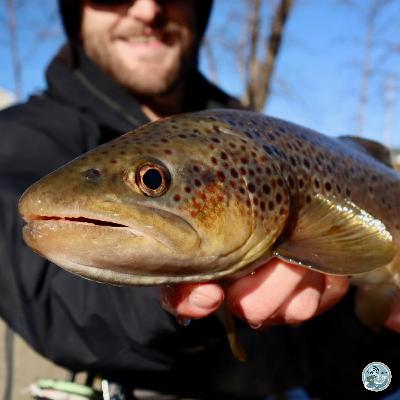
Episode OverviewIn this first Central Pennsylvania Fishing Report of 2026 on The Articulate Fly podcast, host Marvin Cash checks in with George Costa for a winter conditions update across the region's premier trout waters. George breaks down the technical nymphing and streamer tactics that are producing fish in low, clear flows as cold temperatures settle into central Pennsylvania. With snow in the forecast and a significant cold snap ahead, George covers current conditions on the Juniata River, Spring Creek, Penns Creek and Fishing Creek, explaining why the J is fishing at seasonal flows with good color while Spring, Penns and Fishing Creek remain challenging with low, clear water. The conversation reveals where trout are concentrating in deeper pools, how to adjust presentations for winter conditions and what anglers should expect over the coming weeks. George also previews upcoming winter fly tying classes at TCO shops and the Edison Fly Fishing Show, making this episode essential listening for Pennsylvania anglers planning their winter outings or looking to sharpen their skills indoors.Key TakeawaysHow to adjust nymphing presentations for low, clear winter water by keeping bugs down deep and moving them slowly through concentrated holding areas.Why the Juniata River is currently the best bet for Pennsylvania winter trout fishing with seasonal flows and good color compared to other regional waters.When to use streamers in winter conditions by fishing them low and slow rather than with aggressive retrieves.How technical winter fishing requires proper layering and thermal gear to stay comfortable during long sessions in deeper pools where fish are holding.Techniques & Gear CoveredThe primary techniques discussed are technical winter nymphing and low-slow streamer fishing tailored to challenging low-clear water conditions. George emphasizes getting nymphs down deep into the pools where trout concentrate during cold weather, maintaining slow drifts that match the fish's lethargic winter metabolism. Streamers are producing when fished deep and slow rather than stripped aggressively, with George noting his recent success moving decent fish on this approach. The conversation touches on the importance of proper winter layering—thermals, multiple sock layers and cold-weather gear—to fish effectively during extended nymphing sessions in frigid conditions.Locations & SpeciesThis report covers central Pennsylvania's top trout fisheries including the Juniata River (locally called "the J"), Spring Creek, Penns Creek and Fishing Creek. The Juniata is fishing at seasonal flows with good color, making it the standout winter destination, while Spring Creek and Fishing Creek remain low and clear, requiring more technical approaches. Winter trout are holding in deeper pools across all waters as temperatures drop and snow moves into the region. The low-clear conditions make these Pennsylvania limestone and freestone streams more challenging but rewarding for anglers who dial in proper depth and presentation.FAQ / Key Questions AnsweredWhat are current water conditions on central Pennsylvania trout streams in early January 2026?The Juniata River has seasonal flows and good color, making it the best current option. Spring Creek and Fishing Creek remain low and clear, requiring more technical presentations. A cold snap with snow is forecast, which will push water temperatures down and concentrate trout in deeper holding water.What techniques work best for winter trout fishing in low, clear water?Technical nymphing is the primary approach, focusing on getting flies deep into pools where fish concentrate and moving them slowly through the drift. Streamers can also produce when fished low and slow rather than stripped aggressively. Dry fly opportunities will be minimal over the coming weeks.Where should anglers focus when fishing central Pennsylvania waters in winter conditions?Concentrate on deeper pools where trout hold during cold weather. With low, clear water, fish are less distributed and more concentrated in prime lies. The Juniata's better flows and color make it easier to approach fish compared to the ultra-clear conditions on Spring Creek, Penns Creek and Fishing Creek.How should anglers prepare for fishing in upcoming winter conditions?Layering is critical—wear thermals, multiple socks and proper cold-weather gear to stay comfortable during technical nymphing sessions. With temperatures dropping into the low range and snow forecast, proper preparation allows you to fish effectively when presentations require patience and extended time on the water.Related ContentS6, Ep 138 - Central PA Fishing Report with George CostaS7, Ep 70 - The Dog Days of Summer: Trico Tactics in Central PA with George CostaS7, Ep 36 - Central PA Fishing Report with George Costa of TCO Fly ShopS6, Ep 30 - Central Pennsylvania Fishing Report with TCO Fly ShopAll Things Social MediaFollow TCO on Facebook, Instagram and Twitter.Follow us on Facebook, Instagram, Twitter and YouTube.Support the Show Shop on AmazonBecome a Patreon PatronSubscribe to the PodcastSubscribe to the podcast in the podcatcher of your choice.Advertise on the PodcastIs our community a good fit for your brand? Advertise with us.In the Industry and Need Help Getting Unstuck?Check out our consulting options!
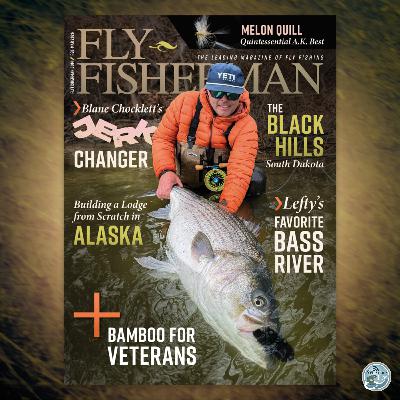
Episode OverviewBlane Chocklett joins The Articulate Fly for the first Chocklett Factory of 2026, covering his latest innovations in predator fly design and upcoming event schedule. In this fly fishing podcast episode, Blane discusses his recent Fly Fisherman magazine cover featuring the Jerk Changer, a game-changing articulated streamer designed for trophy predator species including smallmouth bass and musky. The conversation explores Blane's 2025 season highlights, including record-breaking fish on the TFO Moment rod and his emotional Cuba trip honoring the late Flip Pallot. Blane unveils his 2026 product line including new popper and slider heads, finishing heads for streamers, articulated terrestrial patterns and a collaboration with AHREX on Game Changer hooks. He also previews his appearances at Bobbin the Hood in late January and Lefty Kreh's Tie Fest in March, emphasizing the community-focused nature of both events. This episode provides serious predator anglers with insights into cutting-edge fly design, new rigging options and opportunities to learn directly from one of fly fishing's most innovative tiers and designers.Key TakeawaysHow the Jerk Changer's unique articulation and triggers make it effective for virtually every predatory fish species from smallmouth to musky.Why Blane's new finishing heads (shovel heads, realistic heads) give streamers different water-pushing actions while remaining lighter and more castable.When to use popper and slider head variations for top water presentations targeting smallmouth, saltwater species and other predators.How Blane's new realistic body parts and support discs allow tiers to match exact baitfish profiles like shad, bunker, glass minnows and chubs.Why events like Bobbin the Hood and Lefty Kreh's Tie Fest offer unique opportunities for intimate learning and celebration of fly fishing legends while supporting conservation through ASGA.Techniques & Gear CoveredThis episode focuses heavily on predator fly design innovations rather than on-water techniques. Blane discusses the Jerk Changer articulated streamer pattern, which differs from the standard Game Changer platform by incorporating additional triggers and articulation points that attract large predatory fish. He mentions fishing the Jerk Changer with the TFO Moment rod and catching trophy smallmouth bass and record-size fish in 2025. The conversation covers upcoming product releases including popper and slider heads for top water fishing, various finishing heads (shovel heads and realistic heads) that create different streamer actions, articulated stonefly and terrestrial patterns using new bug heads and a collaboration with AHREX on Game Changer hooks. Blane also references developing new SA fly lines optimized for casting large articulated patterns. For tiers, he emphasizes modular design kits that allow creation of heads from scratch or use of pre-molded components.Locations & SpeciesWhile this episode is primarily product and event-focused rather than location-specific, Blane mentions his Mad River Musky School. He references his smallmouth bass fishing where the Jerk Changer has proven effective on trophy-size fish. His recent Cuba trip emphasized saltwater species in Caribbean waters, though specific targets aren't detailed in this conversation. The techniques and flies discussed—particularly the Jerk Changer, top water poppers and sliders and articulated streamers—are designed to work across diverse predator fisheries from freshwater bass and musky to saltwater species like tarpon, snook and various predatory gamefish.FAQ / Key Questions AnsweredWhat makes the Jerk Changer different from the standard Game Changer?The Jerk Changer incorporates different triggers and articulation than the regular Game Changer platform. Blane developed it to add movement and visual triggers not traditionally found in fly patterns. It has proven effective across virtually all predatory species and was featured in Fly Fisherman magazine after Blane caught multiple bucket-list record-size fish on the pattern in 2025.What new products is Blane releasing for 2026?Blane's 2026 product line includes popper and slider heads in multiple variations for top water fishing, finishing heads (shovel heads and realistic heads) that give streamers different actions in the water, new bug heads for articulated stoneflies and terrestrial patterns, realistic body parts and support discs for matching exact baitfish profiles and a collaboration with AHREX on Game Changer hooks. Products will be showcased at Bobbin the Hood and rolled out throughout the year.What is the atmosphere like at Lefty Kreh's Tie Fest?Tie Fest is intentionally designed as an intimate, laid-back social gathering rather than a traditional trade show. It's more of a celebration and party atmosphere where attendees can have extended conversations with saltwater fly fishing legends, hear roundtable stories about how mentors like Lefty Kreh and Flip Pallot influenced the sport, watch instructional demos and participate in conservation fundraising for ASGA. The event takes place March 21 at Carter Andrews' property in Vero Beach.How can fly tiers customize Blane's new finishing heads?Blane's new products are designed with modularity in mind—tiers can purchase pre-molded heads for convenience or use component kits to build heads from scratch. This "made it myself" option maintains the satisfaction of complete DIY construction while still benefiting from Blane's engineered shapes and forms. The kits include realistic body parts that shape flies to match exact baitfish profiles, allowing tiers to dial in specific forage like shad, bunker, glass minnows or chubs.Related ContentS2, Ep 114 - All Things Game Changer with Blane ChocklettS7, Ep 61 - The Chocklett Factory Unleashed: New Flies and Other Goodies with Blane ChocklettS7, Ep 9 - Inside The Chocklett Factory: New Fly Tying Products, Bobbin and More with Blane ChocklettS7, Ep 73 - The Chocklett Factory: Sneak Peek at New ProductsAll Things Social MediaFollow Blane on Facebook and Instagram.Follow The Chocklett Factory on Instagram.Follow us on Facebook, Instagram, Twitter and YouTube.Support the Show Shop on AmazonBecome a Patreon PatronSubscribe to the PodcastSubscribe to the podcast in the podcatcher of your...
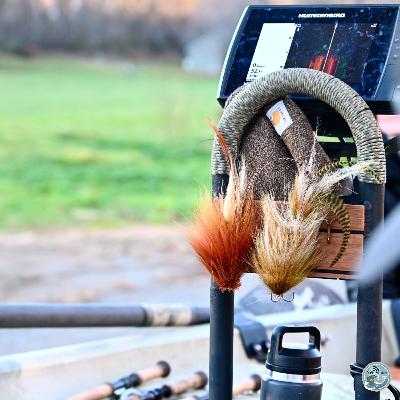
Episode OverviewThe Articulate Fly kicks off 2026 with the first Southwest Virginia Fishing Report featuring guide Matt Reilly, who breaks down winter musky strategies for navigating January's unpredictable conditions in Southwest Virginia's river systems. Matt explains how musky concentrate in specific locations during cold water periods (upper 30s to low 40s) and why cloudy, warm days create ideal winter fishing opportunities. The conversation covers tactical approaches for fishing through temperature swings, managing variable weather fronts and the concentrated fish behavior that makes winter musky fishing productive when anglers fish intentionally. Matt also discusses his 2026 booking calendar, upcoming smallmouth pre-spawn season and his appearance at the Buckeye United Fly Fishers show in Cincinnati. This report delivers practical insight for serious predator anglers targeting musky during the challenging but rewarding winter season, with additional perspective on spring striper opportunities and the year ahead without periodical cicada hatches.Key TakeawaysHow to locate winter musky by understanding that colder water temperatures concentrate fish into specific, predictable locations rather than spreading them throughout a system.Why cloudy, warm days with water temperatures in the upper 30s to low 40s create optimal winter musky conditions despite variable January weather patterns.When to adjust your approach for cold water musky fishing by being more intentional about location selection rather than avoiding winter conditions altogether.Techniques & Gear CoveredMatt Reilly emphasizes the importance of intentional, location-focused fishing during winter musky conditions. The discussion centers on tactical approaches for cold water periods when fish are concentrated rather than dispersed, requiring anglers to be strategic about where they invest their time and energy. Matt explains how water temperature fluctuations between the low 30s and low 40s influence fish behavior and how managing frontal systems and variable weather conditions factors into successful winter musky pursuits. The report also touches on Matt's smallmouth fly patterns and his approach to pre-spawn smallmouth tactics as the calendar moves toward late winter and early spring transitions.Locations & SpeciesThis Southwest Virginia Fishing Report focuses on Matt Reilly's home waters in Southwest Virginia, primarily targeting musky during the winter season. The discussion covers river systems experiencing variable January conditions, with water temperatures ranging from the low 30s (with ice) to the low 40s during warming trends. Matt also discusses upcoming opportunities for pre-spawn smallmouth bass in late winter and early spring and striper fishing scheduled for April and May. The region's fisheries demonstrate the characteristic boom-and-bust weather patterns of mid-Atlantic winters, where 70-degree days can give way to frozen conditions within a week, making day-by-day assessment critical for successful winter fishing.FAQ / Key Questions AnsweredHow do cold water temperatures affect winter musky location and behavior?Matt explains that cold water and ice don't necessarily shut down musky fishing but rather concentrate fish into very specific locations. The colder conditions are, the more packed fish tend to be in predictable spots. When water temperatures start warming up during comfortable weather windows, these concentrated fish can become quite active while remaining in those same predictable locations, making winter fishing productive for anglers who understand where to focus their efforts.What are the ideal weather conditions for winter musky fishing in Southwest Virginia?The sweet spot for winter musky is cloudy, warm weather combined with water temperatures in the upper 30s to low 40s. Matt describes these conditions as "just money" for musky fishing. While January and early February are wild cards due to variable weather patterns that can swing from 70-degree days to frozen rivers within a week, understanding these temperature and weather combinations helps anglers capitalize on the best winter windows.Why does intentional fishing matter more during cold water periods?During cold conditions, musky are packed into specific places rather than spread throughout the river system. This concentration requires anglers to be more deliberate about their location choices and approach rather than covering water randomly. Managing time and energy efficiently becomes easier when you know exactly where fish are going to be, and this predictability is part of what makes winter fishing effective despite the challenging conditions.Related ContentS6, Ep 146 - Musky Mysteries: Winter Tactics and Fly Tying Tips with Matt ReillyS7, Ep 1 - Winter Fly Tying and Pre-Spawn Tips with Matt ReillyS7, Ep 19 - Weathering the Winds: March Fishing Insights and Pre-Spawn Strategies with Matt ReillyS6, Ep 112 - Smallmouth Transitions and Musky Prep: Matt Reilly's Southwest VA UpdateAll Things Social MediaFollow Matt on Instagram.Follow us on Facebook, Instagram, Twitter and YouTube.Support the Show Shop on AmazonBecome a Patreon PatronSubscribe to the PodcastSubscribe to the podcast in the podcatcher of your choice.Advertise on the PodcastIs our community a good fit for your brand? Advertise with us.In the Industry and Need Help Getting Unstuck?Check out our consulting options!
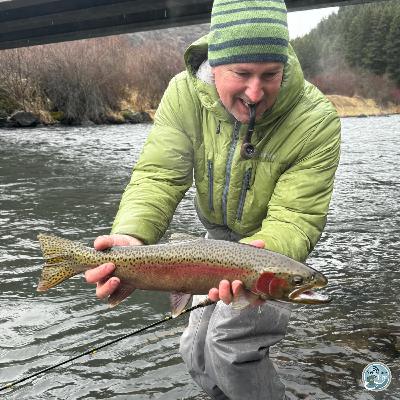
Episode OverviewIn this Casting Angles episode of The Articulate Fly, host Marvin Cash and casting instructor Mac Brown discuss strategies for maximizing educational value at fly fishing shows nationwide. With the 2026 show season approaching, they share tactical advice on how to approach casting and tying demonstrations, turning entertainment into genuine skill development. Mac Brown, who teaches at major shows from Marlborough to Lancaster, explains why focusing on the caster's hand movements—rather than the mesmerizing fly line—unlocks the secrets to better casting technique. The conversation covers practical methods for recording demonstrations with smartphones, the importance of high frame rate video for slow-motion analysis and how to build practice habits that translate classroom learning into on-water performance. They also introduce a new foundational casting system designed to eliminate 85-90% of common casting problems, along with Marvin's process-driven approach to fishing that emphasizes building systematic habits from gear preparation through reading the water.Key TakeawaysHow to record casting demonstrations effectively by zooming in on the instructor's hand and arm movements rather than watching the fly line, capturing both the visual technique and audio explanation for later review.Why developing a show attendance plan before arriving—including which classes and demonstrations to prioritize—transforms passive entertainment into active skill development for serious anglers.When to use high frame rate smartphone settings and inexpensive tripods to create slow-motion practice footage that reveals what you're actually doing versus what you think you're doing.How building systematic habits and foundational casting technique creates space to solve on-water problems and provides the baseline needed to learn advanced variations and specialty casts.Why tension control connects fly tying and casting technique, making both skills more accessible when you understand the underlying principles that the best practitioners master.Techniques & Gear CoveredThe episode centers on video analysis and deliberate practice methods for casting improvement. Mac and Marvin emphasize recording demonstrations with smartphones, specifically filming the caster's hand movements, rate of acceleration and body mechanics rather than the fly line's path. They recommend using inexpensive tripods with phone mounts and adjusting iPhone settings to shoot at high frame rates, enabling clear slow-motion playback for self-analysis. The discussion introduces a foundational casting system that Mac and Marvin have developed, designed to address the majority of casting faults before progressing to advanced techniques. They also touch on the parallel between tension control in fly tying and casting.Locations & SpeciesWhile this Casting Angles episode focuses on educational methodology rather than destination fishing, Mac Brown references his upcoming teaching schedule at major fly fishing shows across the country, including Marlborough, Massachusetts; Edison, New Jersey; Denver, Colorado; Bellevue, Washington; Pleasanton, California; and Lancaster, Pennsylvania. The conversation touches on Mac's home waters in the Southeast, where warm January weather in the 60s has allowed for T-shirt fishing conditions. The episode's insights apply universally to any water or target species, as the casting fundamentals and learning strategies discussed translate across all fly fishing scenarios from trout streams to saltwater flats.FAQ / Key Questions AnsweredHow should you watch a casting demonstration to actually learn the technique?Instead of watching the fly line, focus on recording the instructor's hand and body movements with your smartphone. Position yourself close enough to capture the casting arm from shoulder to hand, ensuring the audio picks up their explanations. The fly line provides feedback about what the body did, but the caster's movements—their rate of acceleration, amount of movement and timing—contain the actual teachable information. Later review of this footage, especially in slow motion using high frame rate settings, reveals the mechanics that create good casting.What's the most effective way to prepare for attending a fly fishing show?Create a plan before the show by visiting the event website and identifying specific classes, demonstrations and topics aligned with your skill development goals. Distinguish between entertainment value and educational opportunities (hands-on instruction and technique demonstrations). Sign up for classes early, as popular sessions with top instructors often fill weeks before the show opens. Approach the show with specific questions or techniques you want to learn rather than wandering randomly through the venue.Why is practicing with video feedback more effective than just repeating casting motions?People rarely do what they think they're doing until they've internalized correct technique through repeated practice with feedback. Recording yourself practicing and comparing your movements to demonstration footage reveals the gap between perception and reality. Using your smartphone to film practice sessions provides immediate, objective feedback that accelerates skill development. This self-coaching method works because you can see exactly what needs adjustment rather than relying on feel alone, which often misleads beginners and intermediates.What is the foundational casting system Mac and Marvin have developed?The system establishes a foundational cast that addresses 85-90% of common casting problems, providing the baseline needed to diagnose issues and learn variations. Without solid fundamentals, it's difficult to understand why advanced techniques work or how to vary from the foundation appropriately. The approach emphasizes systematic development, similar to building a structure on a sound foundation—attempting advanced casts without mastering basics creates persistent problems. The system serves as a prerequisite for more advanced instruction, creating efficiency in learning specialty casts and adapting technique to different fishing situations.How does building systematic habits improve your overall fishing success?Creating repeatable systems for gear preparation, approaching water and problem-solving frees mental capacity to focus on tactical decisions while fishing. When fundamental tasks become habits like brushing your teeth, you avoid forgetting critical steps and can dedicate attention to reading water, selecting flies and adapting to conditions. The most effective anglers follow highly efficient systems they've refined through repetition, not because they've found a magic fly or rod, but because their systematic approach consistently puts them in position to succeed. Developing these habits takes time and intentional practice but provides compounding returns throughout your fishing career.Related ContentS7, Ep 28 - Warming Waters and Active Fish: A Spring Fishing Update with Mac BrownS6, Ep 10 - Casting Angles with Mac BrownS7, Ep 16 - Simplifying Complexity: Effective Teaching Strategies in Fly Fishing with Mac BrownS6, Ep 132 - Fly Tying and Destination Travel with Tim FlaglerAll Things Social MediaFollow Mac on Facebook, Instagram and Twitter.Follow us on Facebook, Instagram, Twitter and YouTube.Support the Show Shop on AmazonBecome a Patreon PatronSubscribe to the PodcastSubscribe to the podcast in the podcatcher of your choice.Advertise on the PodcastIs our community a good fit for your brand? a...
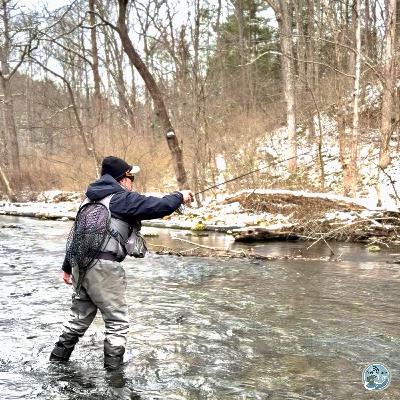
The Articulate Fly wraps up 2025 with the final Central PA Fishing Report featuring George Costa from TCO Fly Shop in State College. In this fly fishing podcast episode, George breaks down post-spawn winter trout behavior and current conditions across Central Pennsylvania's streams as anglers navigate the holiday season. With streams running low and clear following recent rain and snowmelt, George explains why deep nymphing is producing the best results right now, targeting winter lies where trout are holding tight to the bottom in deeper pools. Streamer fishing remains hit or miss given the low, clear conditions, though the recent water bump may get fish moving, while dry fly action is minimal with scattered midge activity. George delivers practical winter fly fishing tactics for working challenging conditions and shares insights on trout positioning during the post-spawn period when fish are conserving energy. The episode also covers TCO Fly Shop's holiday hours (open 9-3 on Christmas Eve and New Year's Eve, closed both holidays), last-minute gift ideas for fly fishers and upcoming 2026 show appearances at Edison, New Jersey, and Lancaster, Pennsylvania. Whether you're planning to escape the in-laws for some winter fishing or stocking up on gear and classes at TCO, George's seasonal report provides the local intelligence Central PA anglers need to make the most of late-season opportunities.Related ContentS7, Ep 36 - Central PA Fishing Report with George Costa of TCO Fly ShopS6, Ep 138 - Central PA Fishing Report with George CostaS6, Ep 129 - TCO Fly Shop's George Costa Discusses Prime Fall Fishing ConditionsS5, Ep 145 - Central Pennsylvania Fishing Report with TCO Fly ShopAll Things Social MediaFollow TCO on Facebook, Instagram and Twitter.Follow us on Facebook, Instagram, Twitter and YouTube.Support the Show Shop on AmazonBecome a Patreon PatronSubscribe to the PodcastSubscribe to the podcast in the podcatcher of your choice.Advertise on the PodcastIs our community a good fit for your brand? Advertise with us.In the Industry and Need Help Getting Unstuck?Check out our consulting options!
In this episode of The Articulate Fly, host Marvin Cash welcomes Robbie Kroger, founder and Executive Director of The Origins Foundation, for an in-depth conversation about hunting advocacy, wildlife conservation and the sustainable use model that's shaping the future of global conservation efforts.Guest Expertise: From Wetland Scientist to Conservation AdvocateRobbie Kroger brings an unconventional background to hunting advocacy. With a PhD in wetland ecology and aquatic biogeochemistry from the University of Mississippi, six years as a professor in the Wildlife Fisheries Department at Mississippi State and over 100 peer-reviewed publications, Robbie served as chief scientist for the BP oil spill restoration framework. His science-based, measured approach to communication sets The Origins Foundation apart in the hunting advocacy space.What You'll Learn: Reframing the Conservation ConversationDiscover how The Origins Foundation communicates with non-hunters (not anti-hunters) using honesty, respect and scientific reasoning rather than emotional arguments. Robbie explains why sustainable use of wildlife isn't a silver bullet but rather one of only seven critical tools in the limited conservation toolbox. Learn why value-based wildlife management - whether protecting elephant habitat in Africa or managing wolf populations in the American West - creates incentives for local communities to coexist with wildlife rather than eliminate it.Featured Conservation Projects: Global Impact Through ActionRobbie details the world's largest cheetah relocation project, having moved 17 cheetahs into 500,000 acres of Mozambique habitat buffered by 10 million acres of protected land, with three more relocations planned for 2026. Hear about upcoming documentaries including "Sauvons Bambi" (debuting June 2026 in Paris) about European hunters using thermal drones to save roe deer fawns from farm equipment and "In My Footsteps" profiling the first scholarship recipient from a South African hunting charity who became a successful architect. The Foundation is also building schools and clinics in South Africa and Zambia while working on rhino and lion conservation initiatives.Public Lands and Management Philosophy InsightsDrawing on his experience growing up under South Africa's private wildlife ownership model, Robbie contrasts it with America's revolutionary public trust doctrine where wildlife belongs to everyone. He discusses the chronic underfunding of agencies like USFS, USFWS and BLM, arguing that public-private partnerships, biodiversity credits and creative funding models could dramatically improve stewardship. The conversation explores complex topics like fair chase ethics, social media responsibility for hunters and anglers, wolf management controversies and why both sides being upset with you often means you've found the right position.Join the ConversationThe Origins Foundation actively engages with supporters across all social media platforms, typically with Robbie responding personally to messages. Whether attending major hunting shows from Wild Sheep Foundation to Safari Club International or meeting supporters for roadside coffee in Australia, the Foundation maintains an accessible, ego-free approach focused on lifting up the entire conservation community rather than self-promotion.SponsorsThanks to TroutRoutes for sponsoring this episode. Use artfly20 to get 20% off of your TroutRoutes Pro membership.Related ContentS7, Ep 98 - The Fight for Our Future: Land Tawney on Grassroots Advocacy and Public LandsS6, Ep 97 - Fly Fishing Wisdom and Industry Pet Peeves with Greg SenyoS7, Ep 2 - Nomadic Waters and the Allure of Amazonian Peacock BassAll Things Social MediaFollow The Origins Foundation on Facebook, Instagram, LinkedIn, TikTok, Twitter and YouTube.Follow us on Facebook, Instagram, Twitter and YouTube.Support the Show Shop on AmazonBecome a Patreon PatronSubscribe to the PodcastSubscribe to the podcast in the podcatcher of your choice.Advertise on the PodcastIs our community a good fit for your brand? Advertise with us.In the Industry and Need Help Getting Unstuck?Check out our consulting options!Helpful Episode Chapters00:00 Introduction04:50 A Non-Conventional Advocate08:33 Understanding the Public Land Model12:10 The Birth of Blood Origins19:14 Engaging Non-Hunters21:40 Management Philosophy Explained25:16 Reaching the Persuadable Middle33:48 Balancing Perspectives on Wildlife38:08 Upholding Ethical Standards43:40 Upcoming Documentaries and Projects51:41 Managing Public Lands59:07 Engaging with The Origins Foundation
The Articulate Fly's final Casting Angles segment of 2025 delivers essential cold weather fly fishing strategies from host Marvin Cash and fly fishing expert Mac Brown, owner of Mac Brown Fly Fish in the Great Smoky Mountains. As winter conditions settle across the country, Mac shares decades of hard-earned wisdom on layering techniques and gear selection that keep anglers comfortable and effective on the water when temperatures drop into the 20s and below. Learn Mac's counterintuitive footwear approach of wearing boots 1-2 sizes larger to accommodate heavy wool socks without restricting circulation, preventing the painful cold that results from compressed feet. Discover the complete layering system using silk weight Capilene base layers, expedition weight mid-layers and quality Gore-Tex outer shells, plus Mac's ingenious shower cap trick for superior heat retention under toboggans. The discussion covers critical hand protection using poly or nitrile food service gloves that maintain full casting sensitivity and strike detection while keeping hands warm through wet line handling. Mac and Marvin also share tactical tips including why your jacket should always go over your waders, the value of Hot Hands and vintage hand warmers and how carrying a simple backpacking stove for hot beverages can extend your productive fishing time when temperatures drop. Whether you're pursuing winter trout in neoprene waders or preparing for your first cold weather outing, this episode provides the complete blueprint for staying warm, dry and fishing effectively all winter long.Related ContentS6, Ep 141 - Mastering Cold Weather Fly Fishing with Mac BrownS6, Ep 145 - Navigating Winter Waters: Unconventional Strategies with Mac BrownS6, Ep 130 - Casting in Color: Mac Brown's Fall Fly Fishing StrategiesS7, Ep 20 - Practice Makes Perfect: Mac Brown on Mastering Casting TechniquesAll Things Social MediaFollow Mac on Facebook, Instagram and Twitter.Follow us on Facebook, Instagram, Twitter and YouTube.Support the Show Shop on AmazonBecome a Patreon PatronSubscribe to the PodcastSubscribe to the podcast in the podcatcher of your choice.Advertise on the PodcastIs our community a good fit for your brand? Advertise with us.In the Industry and Need Help Getting Unstuck?Check out our consulting options!
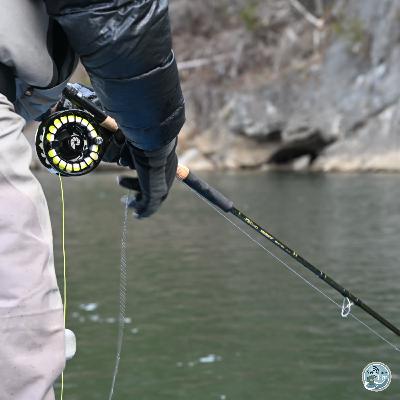
The Articulate Fly wraps up 2025 with the final Southwest Virginia Fishing Report featuring New River musky guide Matt Reilly, who shares essential winter musky fishing strategies and cold weather survival tactics in this fly fishing podcast. As water temperatures drop to the critical 42-43°F threshold post-Thanksgiving, Reilly explains how musky transition into the deepest, slowest-moving winter holes on Southwest Virginia rivers. Learn a proven technique for locating winter musky by observing carp and suckers, which congregate in the same deep-water structures as muskies during cold months. Reilly provides detailed cold weather fishing gear recommendations including his layered glove system (latex gloves under fingerless insulated gloves), Simms Challenger insulated bibs, cold weather Buffs and chemical hand warmers that keep anglers comfortable in freezing conditions. With low, clear water conditions and fluctuating temperatures between snow and 50-degree days, understanding these winter musky patterns and prioritizing comfort over fishing are keys to success.To learn more about Matt, check out our full length interview.All Things Social MediaFollow Matt on Instagram.Follow us on Facebook, Instagram, Twitter and YouTube.Support the Show Shop on AmazonBecome a Patreon PatronSubscribe to the PodcastSubscribe to the podcast in the podcatcher of your choice.Advertise on the PodcastIs our community a good fit for your brand? Advertise with us.In the Industry and Need Help Getting Unstuck?Check out our consulting options!
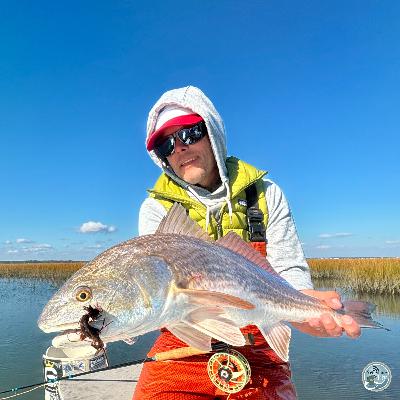
In this episode of The Articulate Fly, host Marvin Cash sits down with legendary streamer innovator Blane Chocklett to discuss his groundbreaking new hook line with Ahrex, designed specifically for modern articulated fly patterns and the Game Changer platform.Blane Chocklett's Hook Design RevolutionBlane Chocklett reveals how he completely reimagined hook sizing and design to solve the challenges fly tiers face when building articulated streamers. Rather than continuing to adapt existing hooks to his platforms, Chocklett collaborated with Ahrex to create hooks optimized for gap, shank length and wire gauge from the ground up.What You'll Learn About Hook SelectionDiscover why traditional hook sizing creates problems for articulated patterns and how Chocklett's millimeter-based system (8mm to 80mm) eliminates the guesswork. Learn how proper hook gap prevents interference from brush bodies and bucktail and maintains optimal hookup ratios. Blane explains the critical relationship between shank length, vertebrae systems and the three-dimensional swimming action that makes Game Changers so effective.Extreme Testing on Saltwater PredatorsChocklett shares firsthand testing results from jack fishing expeditions where he locked down 100-pound backing on 35-42 inch fish to test the hooks' tensile strength. The forged construction proved its mettle under maximum pressure, giving confidence for everything from trout to tarpon.The Chocklett Factory Golden Ticket PromotionLearn about the special promotion running through January 1st, where purchases over $100 enter you for prizes from Nautilus, TFO, SA, Costa and more. Blane discusses his dealer-first philosophy and upcoming appearances including Bear's Den, Lefty's Tie Fest and his 2026 teaching schedule.Ready to upgrade your streamer tying? These hooks are available now through The Chocklett Factory, Chocklett Factory dealers and Hareline nationwide.All Things Social MediaFollow Blane on Facebook and Instagram.Follow The Chocklett Factory on Instagram.Follow us on Facebook, Instagram, Twitter and YouTube.Support the Show Shop on AmazonBecome a Patreon PatronSubscribe to the PodcastSubscribe to the podcast in the podcatcher of your choice.Advertise on the PodcastIs our community a good fit for your brand? Advertise with us.In the Industry and Need Help Getting Unstuck?Check out our consulting options!


Download from Google Play

Download from App Store
 United States
The Silver Fox does have amazing food and service, and the bacon knots are worth the trip Casper. The fishing may become secondary for some.