


 Claim Ownership
USSC Live
Subscribed: 6Played: 241
Subscribe

© United States Studies Centre
Description
Catch up with events produced by the United States Studies Centre at the University of Sydney with USSC Live. These events offer new insights and perspectives on topics including American foreign policy, economics, politics and culture.
229 Episodes
Reverse
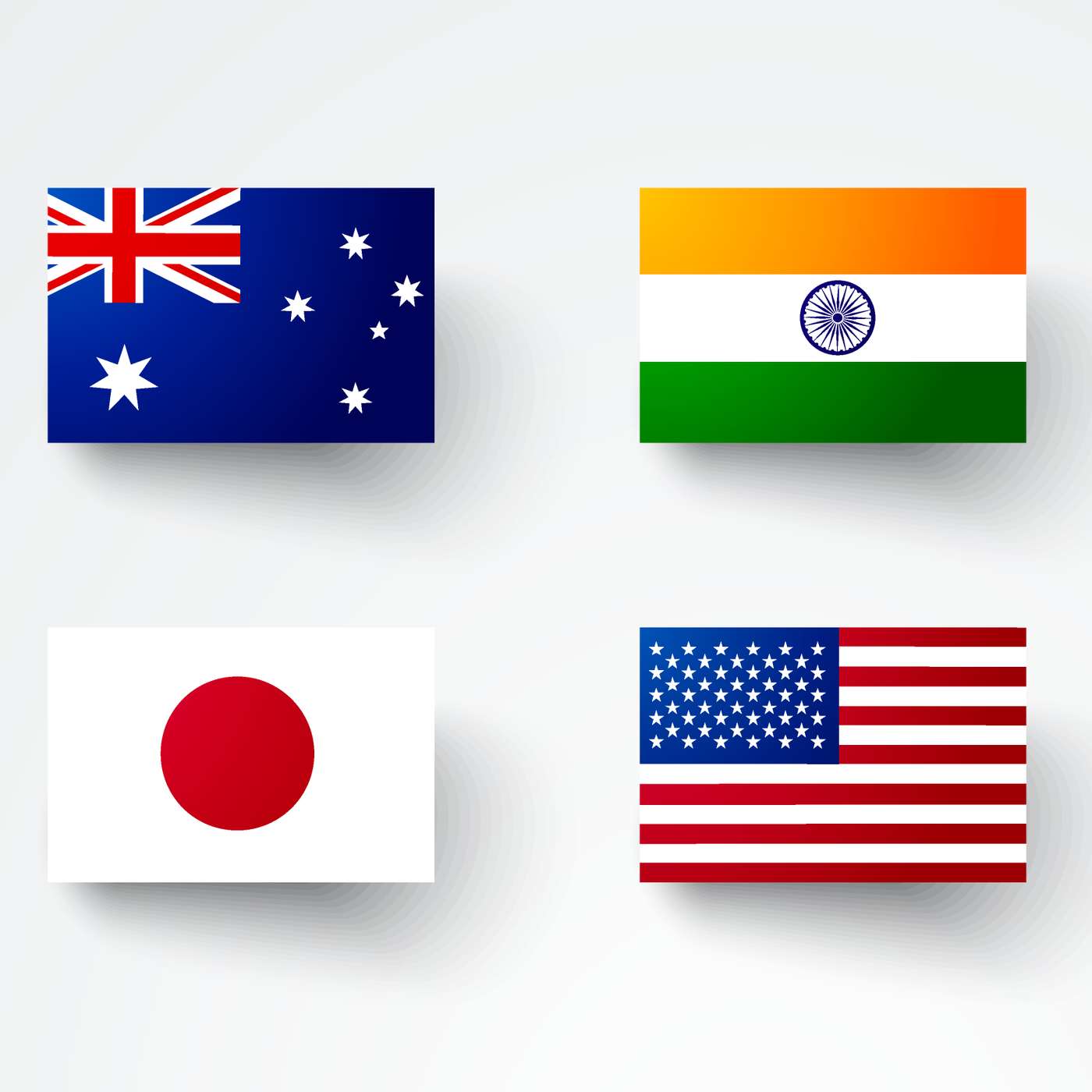
The Quad partnership between Australia, India, Japan and the United States has emerged as major pillar of diplomatic architecture in the Indo-Pacific with a sweeping agenda from maritime cooperation to economic security and disaster relief. In 2025, two Quad Foreign Ministers Meetings helped consolidate a refreshed agenda between the four countries. However, the lack of a leaders-level summit under the second Trump administration and lingering challenges in the relationship between the US and Indian governments has left some observers uncertain about the future of the Quad in a new era of geopolitical upheaval.The United States Studies Centre hosted this public event following a day of closed-door discussion at the second Quad Leadership Track-1.5 Dialogue. The panel discussed the regional challenges facing the four Quad countries and outlined key areas for cooperation, including on economic security, transnational security and critical technologies — as well as how to deepen the agenda beyond the Quad amongst other regional partners.Panel of experts:USSC CEO Dr Michael GreenUSSC Director of Foreign Policy and Defence Dr Lavina LeeCenter for Strategic and International Studies Senior Advisor and Australia Chair Dr Charles EdelObserver Research Foundation America Executive Director Dhruva JaishankarModerated by Sydney Morning Herald Foreign Affairs and National Security Correspondent Matthew Knott.
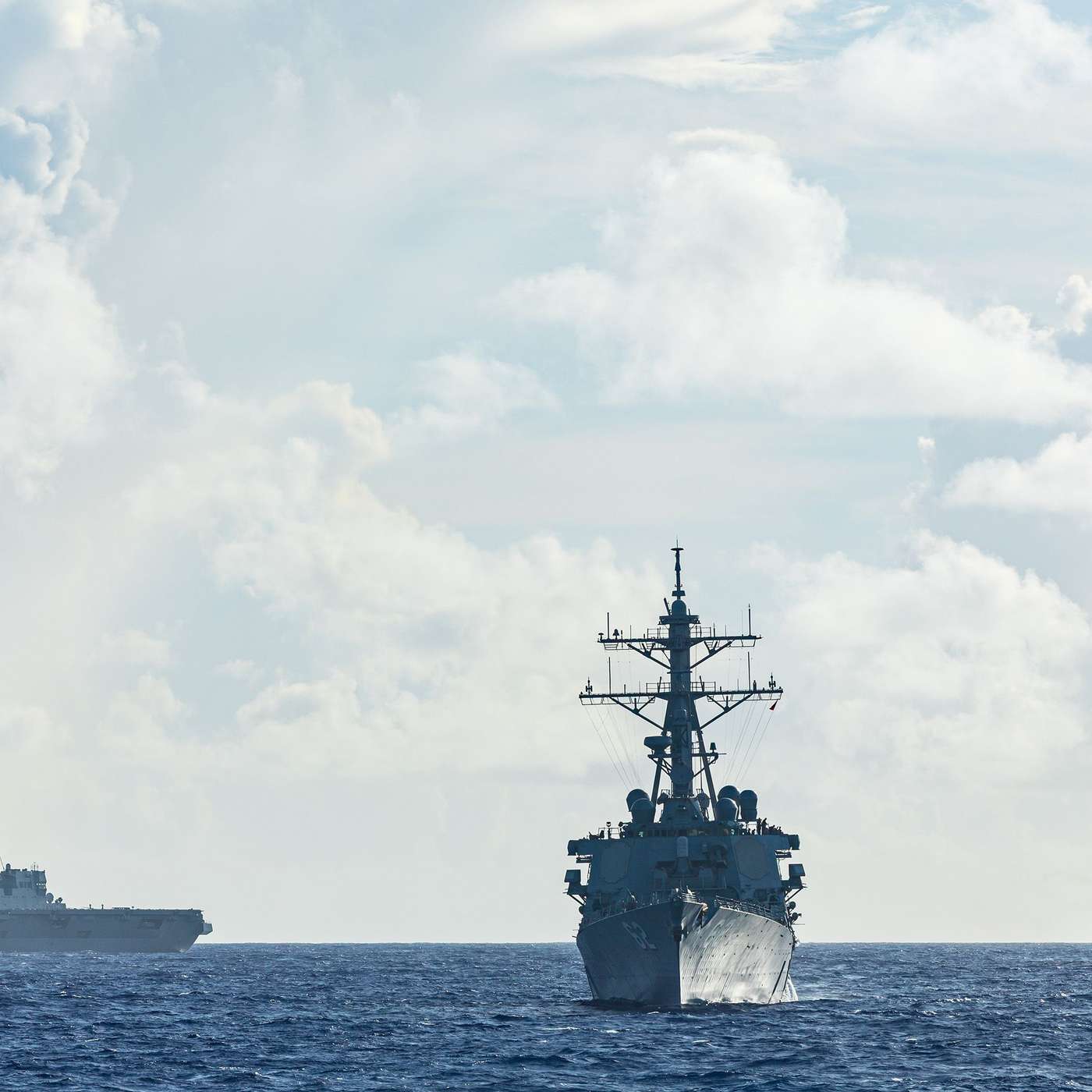
The Indian Ocean is fast becoming one of the world’s most geo-strategically contested maritime arenas. The region’s littoral and island states are grappling with how to respond to this strategic competition but also face multi-dimensional maritime security challenges. These, in turn, are exacerbated by climate change and other economic and social vulnerabilities.As the two largest maritime democracies in the Indian Ocean Region, Australia and India share a stake — and responsibility — in its stability and resilience. Both countries are well-positioned to assist littoral and island states in building their governance capacities to address common maritime security challenges. They can accomplish more by working together than alone, but this is easier said than done. Key questions to address include:What are the most pressing maritime security challenges facing the Indian Ocean region?How well are India and Australia currently engaging with littoral and island states and for what purpose?What practical steps can they take to help partners build sustainable governance capacity?And ultimately, what would a truly well-coordinated India-Australia capacity-building partnership look like?To unpack these issues, the United States Studies Centre hosted a fireside chat with Rushali Saha, USSC Maitri Fellow and Dr Lavina Lee, Director of Foreign Policy and Defence at the United States Studies Centre.
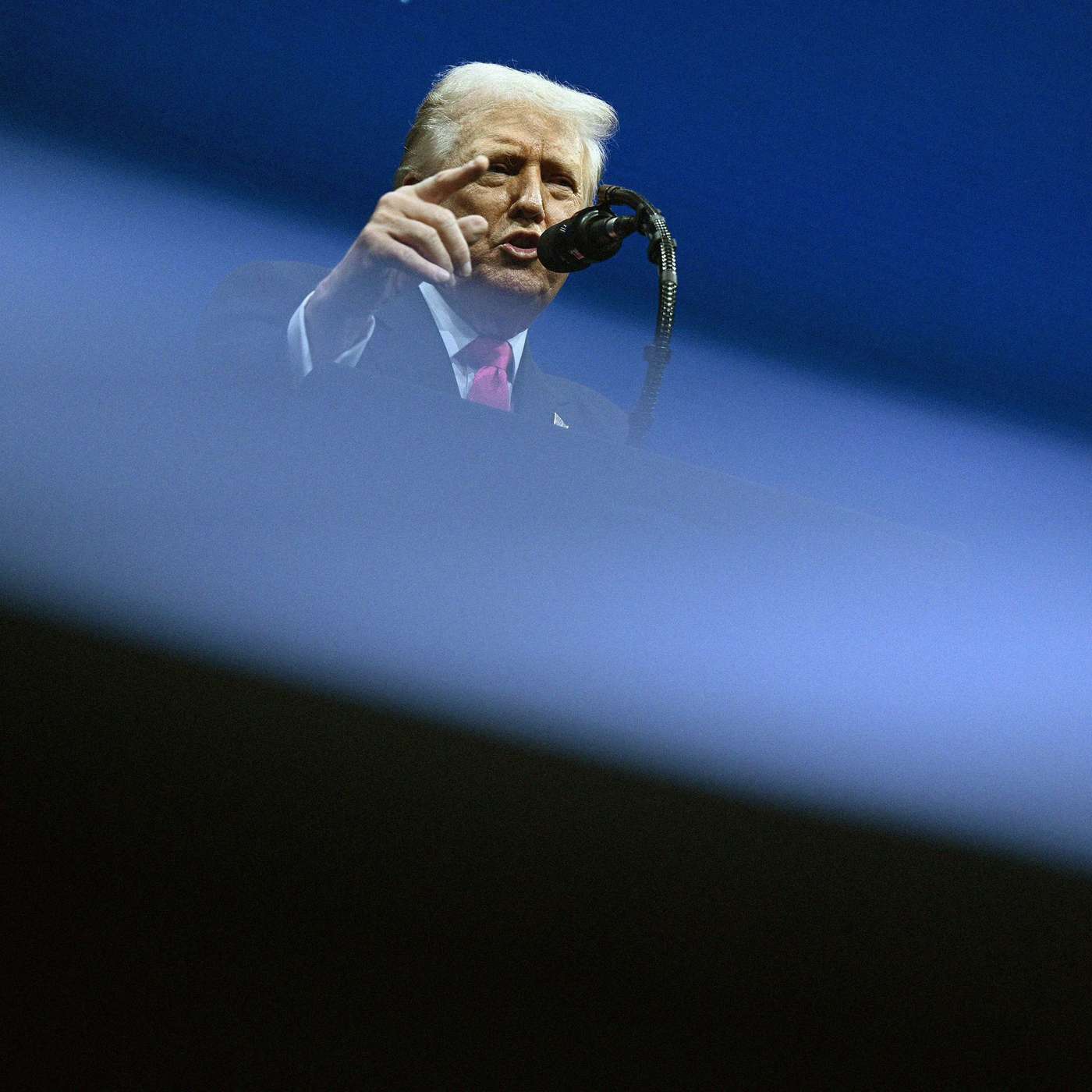
The last 10 months have seen the longest federal government shutdown in US history, the highest levels of US tariffs imposed in nearly a century, unprecedented actions by US Immigration and Customs Enforcement, and a dramatic reshaping of federal government departments. Meanwhile, USSC polling ahead of the successful Albanese-Trump summit showed that Australians had negative views of President Trump but still didn’t want to walk away from the Australia-US alliance. Additional USSC polling was released ahead of this event.After a historic year in US politics, Australia faces key questions about its most important ally.What have we learned from the year in US politics?How has the second Trump administration measured up to expectations?Which of the administration's actions matter most for the future?To answer these questions and to discuss the full results of the 2025 Allies and partners poll, USSC hosted a panel of experts: Chas Licciardello, co-host of “Planet America” on ABC TV, USSC Lecturer in American Studies Dr Kathryn Robison and Director of Research Jared Mondschein, in conversation with Director of Engagement and Impact Mari Koeck.
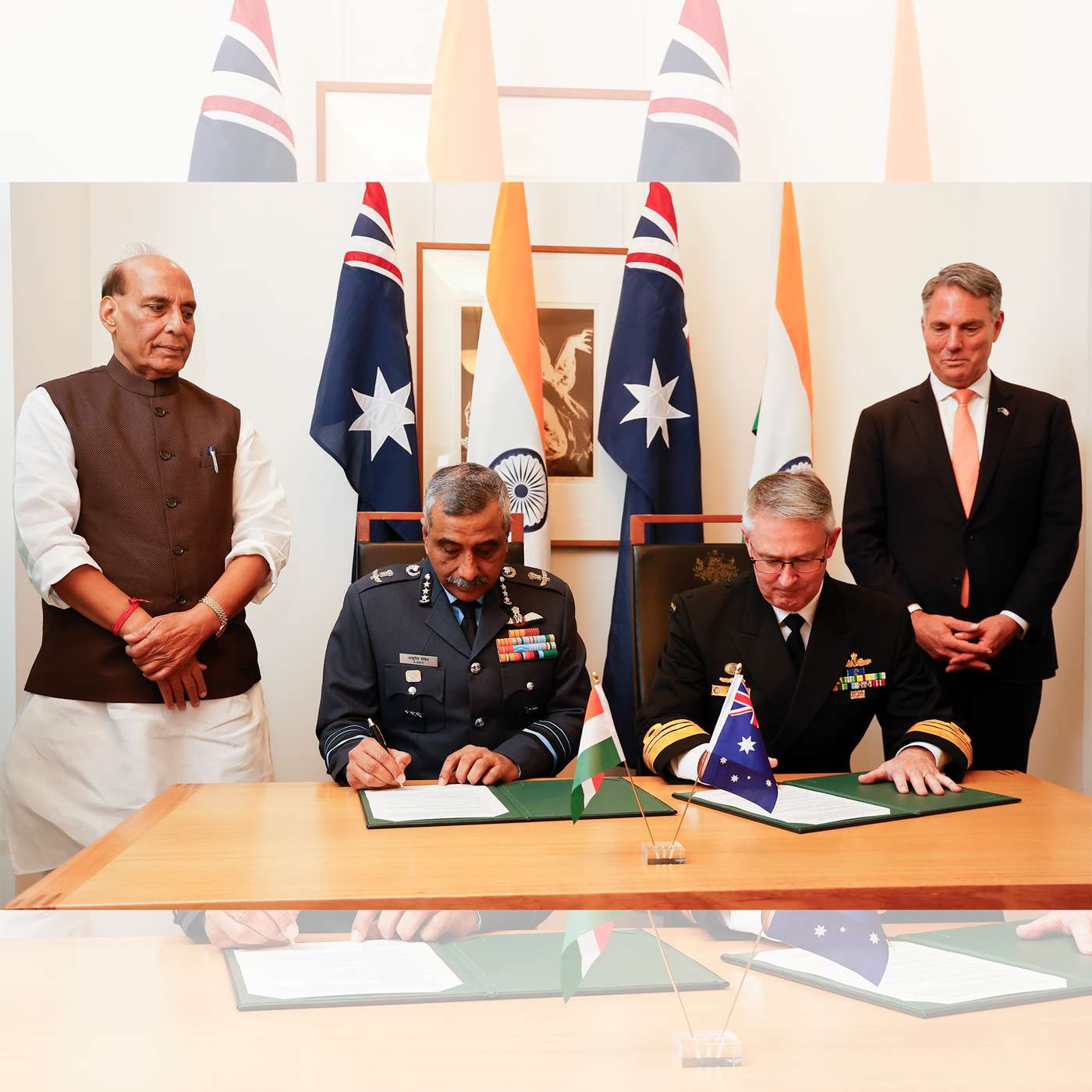
In the wake of recent Australia-India Defence and Foreign Ministers’ meetings, the United States Studies Centre and the Observer Research Foundation (ORF) co-hosted a webinar to explore this evolving bilateral relationship.Moderator Dr Lavina Lee, Director of Foreign Policy and Defence at the USSC, was joined by leading voices from India and Australia, including ORF’s Sayantan Haldar and Pratnashree Basu, USSC’s Maitri Fellow Rushali Saha, and ANU National Security College’s Dr David Brewster.The panel explored the progression of the Australia-India relationship towards increased operational maritime cooperation, including in areas such as maritime domain awareness, undersea cable security and the role of the Quad in shaping regional outcomes.The discussion also considered where deeper collaboration may be needed to support a stable, resilient Indian Ocean region.
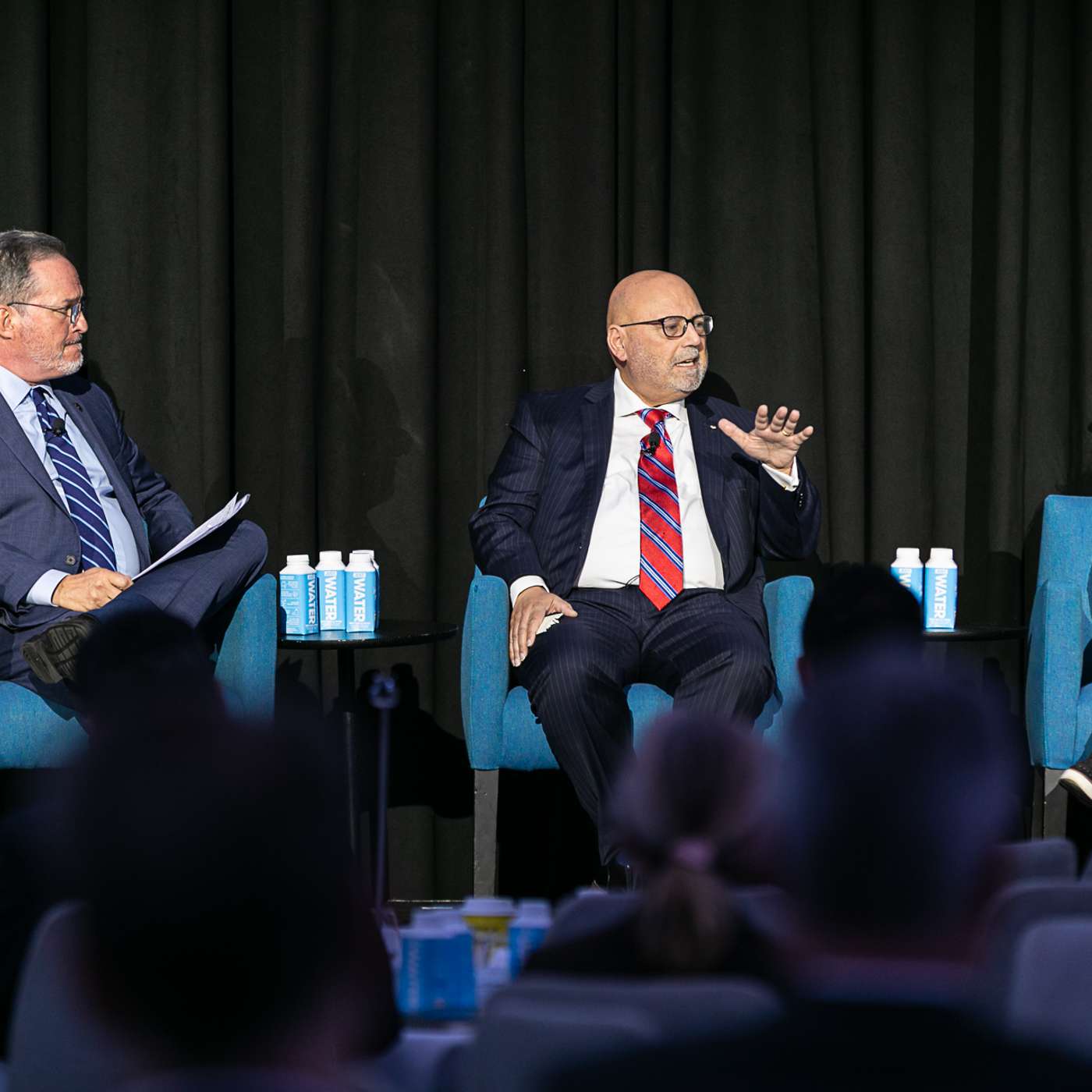
Panel discussion at the Sydney International Strategy Forum featuring Dr Kori Schake, Senior Fellow and Director of Foreign and Defense Policy Studies at the American Enterprise Institute, General David Berger (Ret’d), former Commandant in the US Marine Corps, Takashi Yamashita, Member of the Japanese House of Representatives, and The Hon Arthur Sinodinos AO, Chairman of the United States Studies Centre. Moderated by Dr Michael Green, Chief Executive Officer of the United States Studies Centre.About the Sydney International Strategy ForumPresident Donald Trump’s first 100 days featured norm-breaking policies at a breakneck pace, often to be overturned days or weeks later. At the same time, the wars in Ukraine and Gaza have entered new eras with high-level negotiations, on-again off-again fighting and a new world order forming in real time to adapt to a changing strategic landscape. The 2024 trend of turfing incumbents has given way to foreign elections that many perceive to be a referendum on US politics.What is the future of the United States’ role in the world? How can governments and businesses plan in the midst of constant change? How should allies and partners approach security challenges in 2025 and beyond?These are the questions we tackled with international experts across government, business and academia at SISF 2025. They shared their insights on the discussions happening in Washington, Canberra and Tokyo, and what they meant for US allies and partners around the world.https://www.ussc.edu.au/sydney-international-strategy-forum-2025
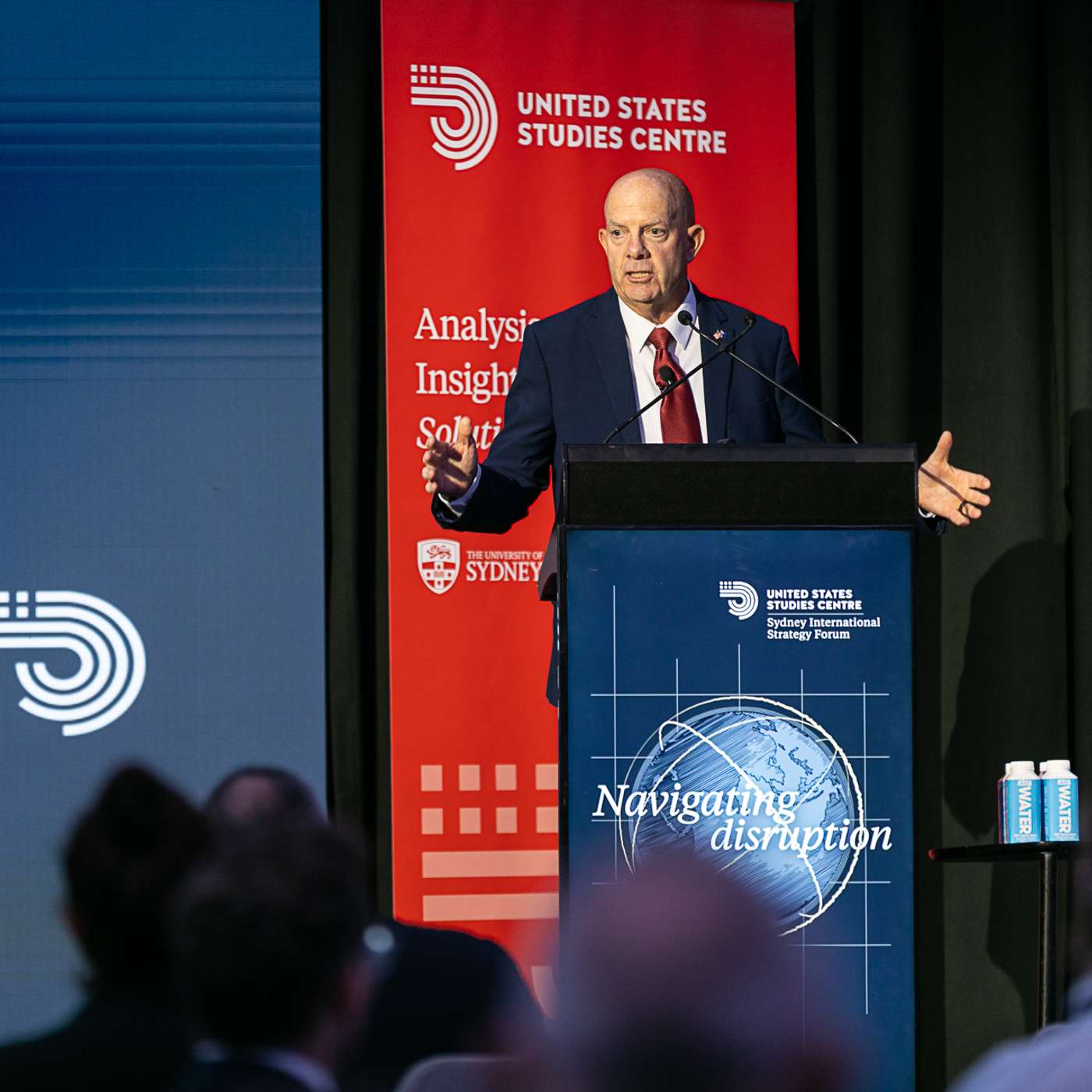
Keynote address at the Sydney International Strategy Forum from General David Berger (Ret’d), former Commandant of the US Marine Corps on the topic of "Can allies shape US strategy?"About the Sydney International Strategy ForumPresident Donald Trump’s first 100 days featured norm-breaking policies at a breakneck pace, often to be overturned days or weeks later. At the same time, the wars in Ukraine and Gaza have entered new eras with high-level negotiations, on-again off-again fighting and a new world order forming in real time to adapt to a changing strategic landscape. The 2024 trend of turfing incumbents has given way to foreign elections that many perceive to be a referendum on US politics.What is the future of the United States’ role in the world? How can governments and businesses plan in the midst of constant change? How should allies and partners approach security challenges in 2025 and beyond?These are the questions we tackled with international experts across government, business and academia at SISF 2025. They shared their insights on the discussions happening in Washington, Canberra and Tokyo, and what they meant for US allies and partners around the world.https://www.ussc.edu.au/sydney-international-strategy-forum-2025
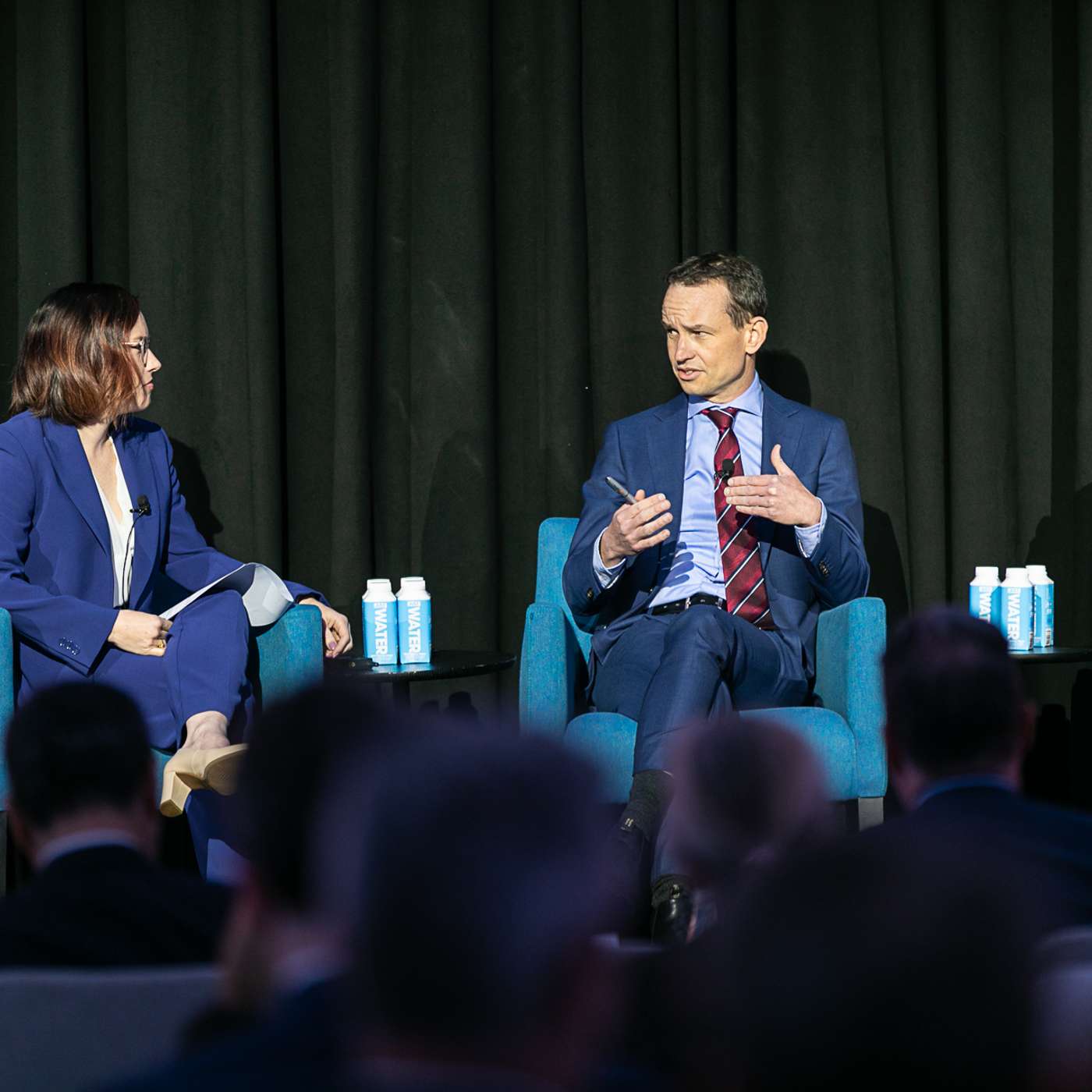
Panel discussion at the Sydney International Strategy Forum featuring Dr Jeffrey Wilson, Director of Research and Economics at the Australian Industry Group, Yoshiaki Wada, former Representative (2016–24) in the Japanese House of Representatives, and Olivia Shen, Director, Strategic Technologies at the United States Studies Centre. Moderated by Hayley Channer, Director, Economic Security, United States Studies Centre.About the Sydney International Strategy ForumPresident Donald Trump’s first 100 days featured norm-breaking policies at a breakneck pace, often to be overturned days or weeks later. At the same time, the wars in Ukraine and Gaza have entered new eras with high-level negotiations, on-again off-again fighting and a new world order forming in real time to adapt to a changing strategic landscape. The 2024 trend of turfing incumbents has given way to foreign elections that many perceive to be a referendum on US politics.What is the future of the United States’ role in the world? How can governments and businesses plan in the midst of constant change? How should allies and partners approach security challenges in 2025 and beyond?These are the questions we tackled with international experts across government, business and academia at SISF 2025. They shared their insights on the discussions happening in Washington, Canberra and Tokyo, and what they meant for US allies and partners around the world.https://www.ussc.edu.au/sydney-international-strategy-forum-2025

Panel discussion at the Sydney International Strategy Forum featuring Dr John Kunkel, Senior Economics Adviser at the United States Studies Centre, Bilahari Kausikan, former Permanent Secretary at the Ministry of Foreign Affairs in Singapore, Jo Masters, Chief Economist at Barrenjoey Capital Partners, and Ziad Haider, Partner and Global Director of Geopolitics at McKinsey & Company. Moderated by John Kehoe, Economics Editor at The Australian Financial Review.About the Sydney International Strategy Forum President Donald Trump’s first 100 days featured norm-breaking policies at a breakneck pace, often to be overturned days or weeks later. At the same time, the wars in Ukraine and Gaza have entered new eras with high-level negotiations, on-again off-again fighting and a new world order forming in real time to adapt to a changing strategic landscape. The 2024 trend of turfing incumbents has given way to foreign elections that many perceive to be a referendum on US politics. What is the future of the United States’ role in the world? How can governments and businesses plan in the midst of constant change? How should allies and partners approach security challenges in 2025 and beyond? These are the questions we tackled with international experts across government, business and academia at SISF 2025. They shared their insights on the discussions happening in Washington, Canberra and Tokyo, and what they meant for US allies and partners around the world.https://www.ussc.edu.au/sydney-international-strategy-forum-2025
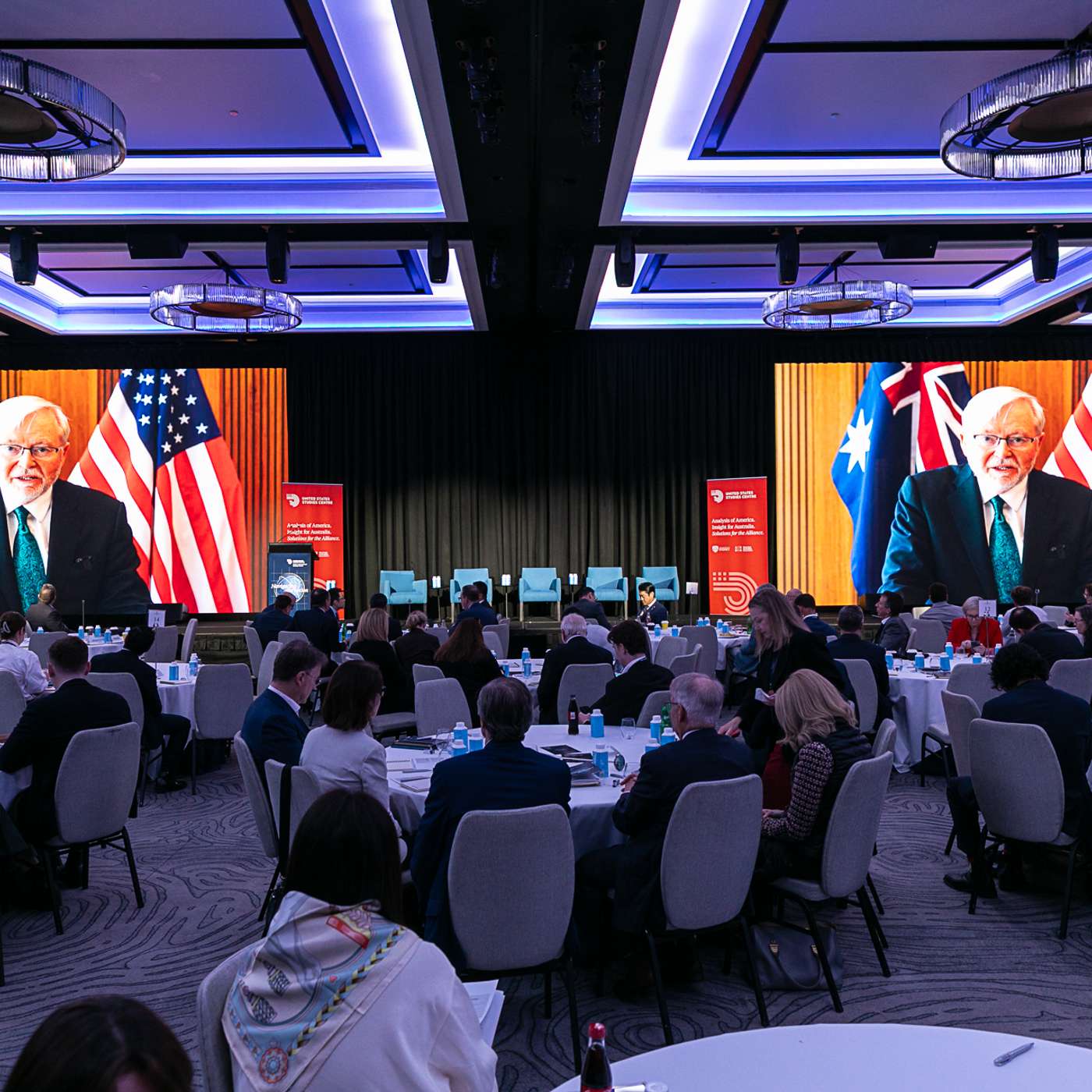
A keynote address at the Sydney International Strategy Forum from His Excellency the Hon Dr Kevin Rudd AC, Australia’s Ambassador to the United States.About the Sydney International Strategy Forum President Donald Trump’s first 100 days featured norm-breaking policies at a breakneck pace, often to be overturned days or weeks later. At the same time, the wars in Ukraine and Gaza have entered new eras with high-level negotiations, on-again off-again fighting and a new world order forming in real time to adapt to a changing strategic landscape. The 2024 trend of turfing incumbents has given way to foreign elections that many perceive to be a referendum on US politics. What is the future of the United States’ role in the world? How can governments and businesses plan in the midst of constant change? How should allies and partners approach security challenges in 2025 and beyond? These are the questions we tackled with international experts across government, business and academia at SISF 2025. They shared their insights on the discussions happening in Washington, Canberra and Tokyo, and what they meant for US allies and partners around the world.https://www.ussc.edu.au/sydney-international-strategy-forum-2025
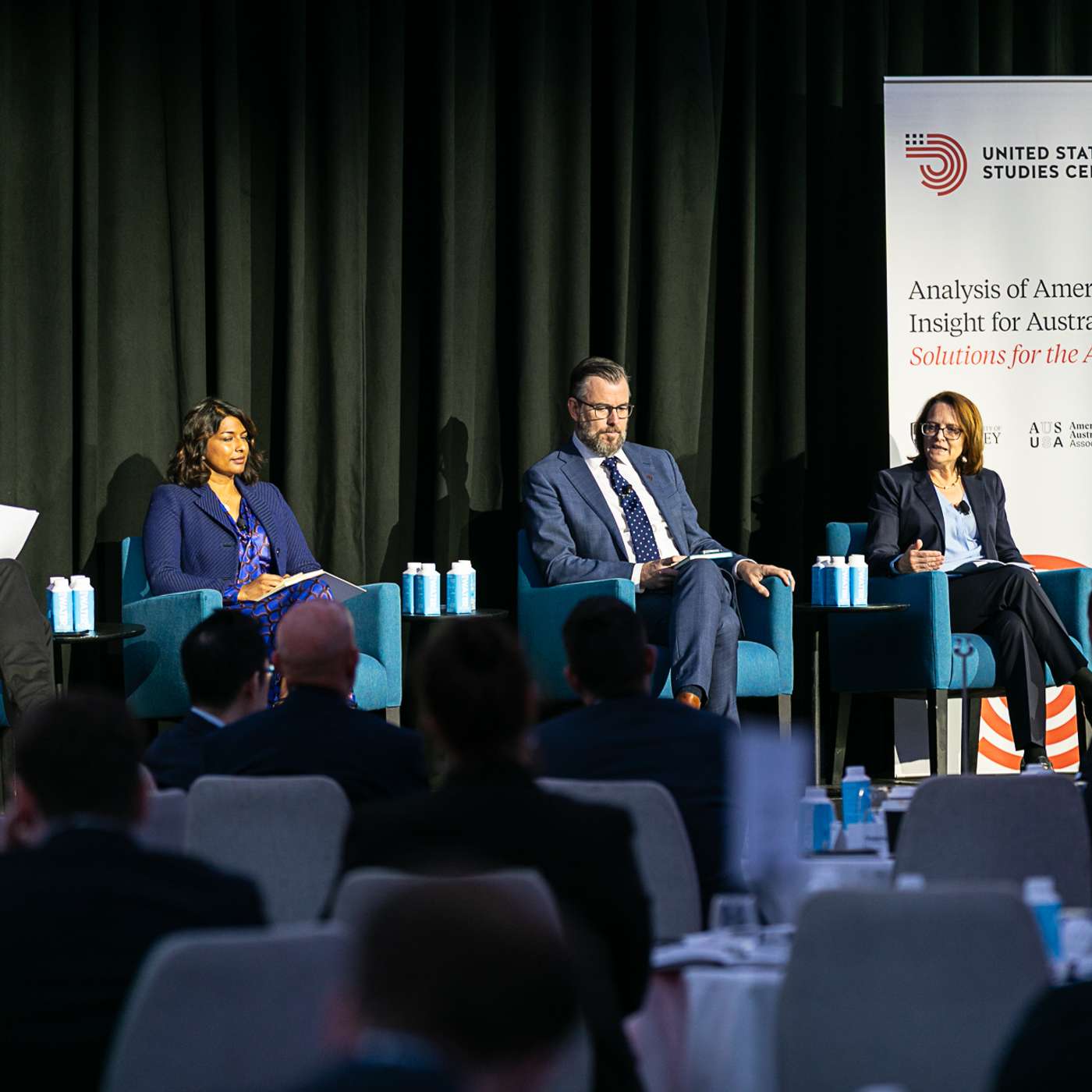
Panel discussion at the Sydney International Strategy Forum featuring Dr Lavina Lee, Director of Foreign Policy and Defence at the United States Studies Centre, Lisa Curtis, Director of the Indo-Pacific Security Program at the Center for a New American Security, and Professor Peter Dean, Senior Adviser for Defence Strategy at the United States Studies Centre. Moderated by Cameron Stewart, Chief International Correspondent at The Australian. About the Sydney International Strategy Forum President Donald Trump’s first 100 days featured norm-breaking policies at a breakneck pace, often to be overturned days or weeks later. At the same time, the wars in Ukraine and Gaza have entered new eras with high-level negotiations, on-again off-again fighting and a new world order forming in real time to adapt to a changing strategic landscape. The 2024 trend of turfing incumbents has given way to foreign elections that many perceive to be a referendum on US politics. What is the future of the United States’ role in the world? How can governments and businesses plan in the midst of constant change? How should allies and partners approach security challenges in 2025 and beyond? These are the questions we tackled with international experts across government, business and academia at SISF 2025. They shared their insights on the discussions happening in Washington, Canberra and Tokyo, and what they meant for US allies and partners around the world.https://www.ussc.edu.au/sydney-international-strategy-forum-2025
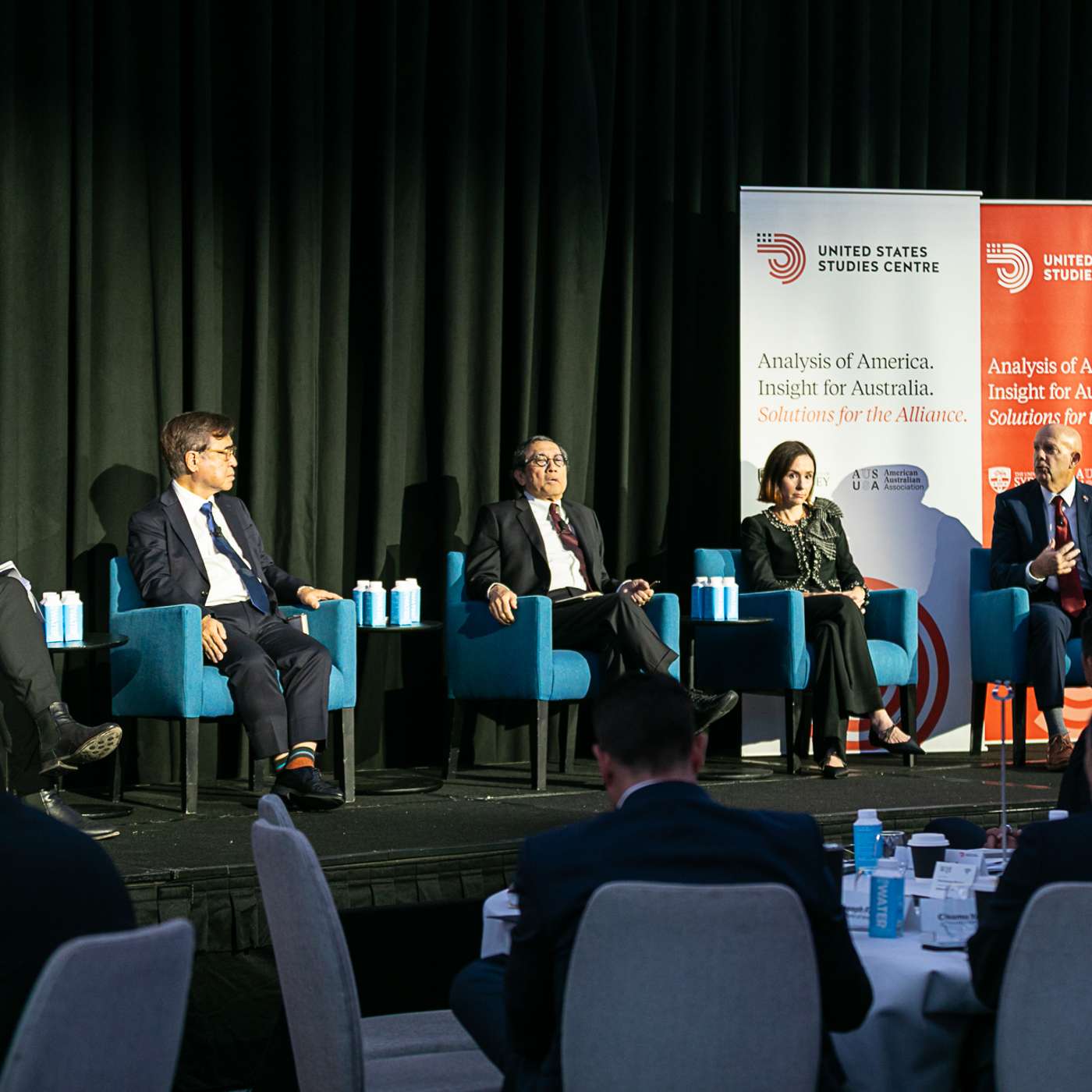
Panel discussion at the Sydney International Strategy Forum featuring General David Berger (Ret’d), former Commandant of the US Marine Corps, Dr Mira Rapp-Hooper, Partner at The Asia Group, Bilahari Kausikan, former Permanent Secretary at the Ministry of Foreign Affairs in Singapore, and Professor Nobukatsu Kanehara, Executive Director of the Sasakawa Peace Foundation. Moderated by Matthew Knott, Foreign Affairs and National Security Correspondent at The Sydney Morning Herald and The Age.About the Sydney International Strategy ForumPresident Donald Trump’s first 100 days featured norm-breaking policies at a breakneck pace, often to be overturned days or weeks later. At the same time, the wars in Ukraine and Gaza have entered new eras with high-level negotiations, on-again off-again fighting and a new world order forming in real time to adapt to a changing strategic landscape. The 2024 trend of turfing incumbents has given way to foreign elections that many perceive to be a referendum on US politics.What is the future of the United States’ role in the world? How can governments and businesses plan in the midst of constant change? How should allies and partners approach security challenges in 2025 and beyond?These are the questions we tackled with international experts across government, business and academia at SISF 2025. They shared their insights on the discussions happening in Washington, Canberra and Tokyo, and what they meant for US allies and partners around the world.https://www.ussc.edu.au/sydney-international-strategy-forum-2025
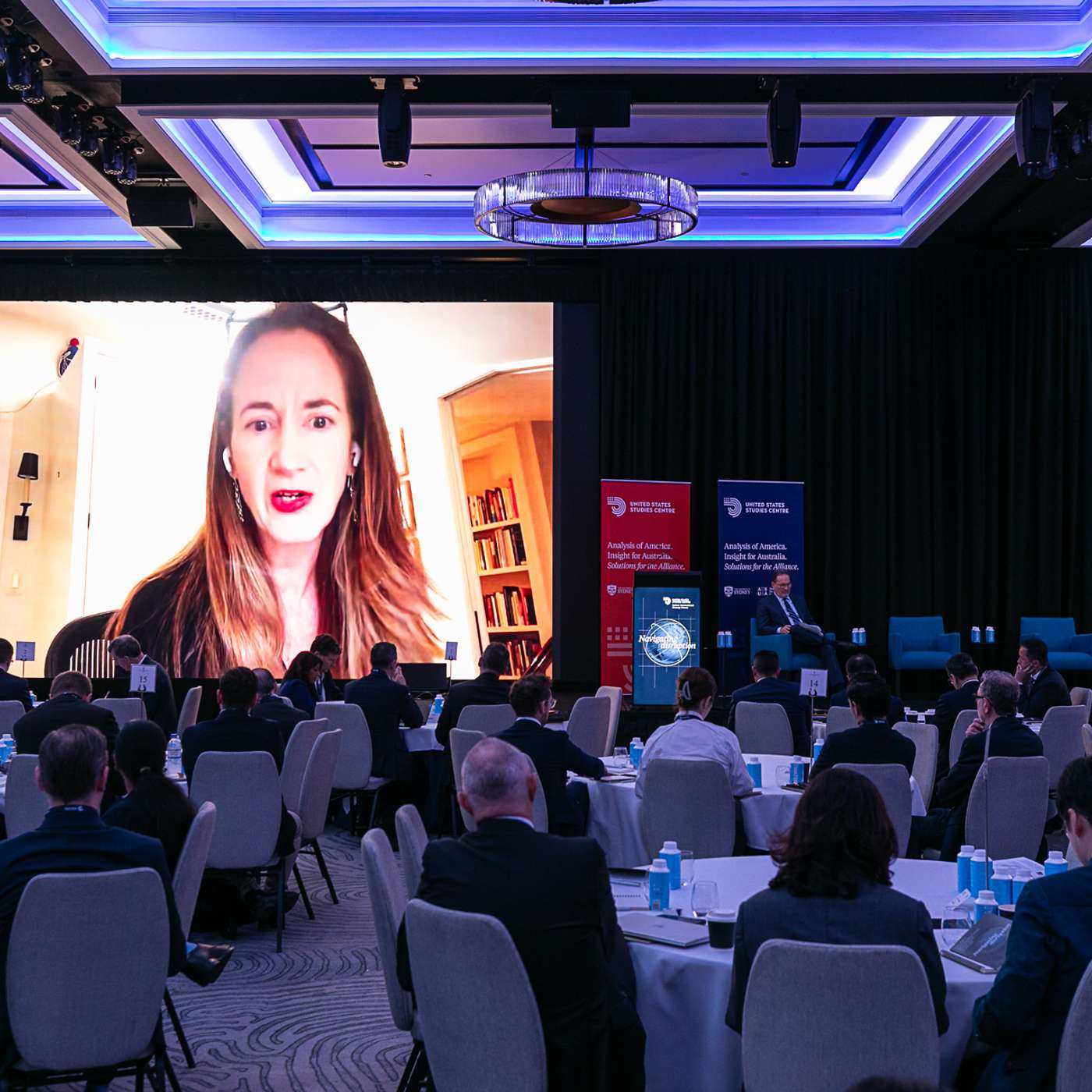
Former Director of National Intelligence Avril Haines joined the Sydney International Strategy Forum live by video link to discuss with Chief Executive Officer of the United States Studies Centre, Dr Michael Green, the topic, "Is China winning in the Indo-Pacific?" About the Sydney International Strategy Forum President Donald Trump’s first 100 days featured norm-breaking policies at a breakneck pace, often to be overturned days or weeks later. At the same time, the wars in Ukraine and Gaza have entered new eras with high-level negotiations, on-again off-again fighting and a new world order forming in real time to adapt to a changing strategic landscape. The 2024 trend of turfing incumbents has given way to foreign elections that many perceive to be a referendum on US politics. What is the future of the United States’ role in the world? How can governments and businesses plan in the midst of constant change? How should allies and partners approach security challenges in 2025 and beyond? These are the questions we tackled with international experts across government, business and academia at SISF 2025. They shared their insights on the discussions happening in Washington, Canberra and Tokyo, and what they meant for US allies and partners around the world.https://www.ussc.edu.au/sydney-international-strategy-forum-2025
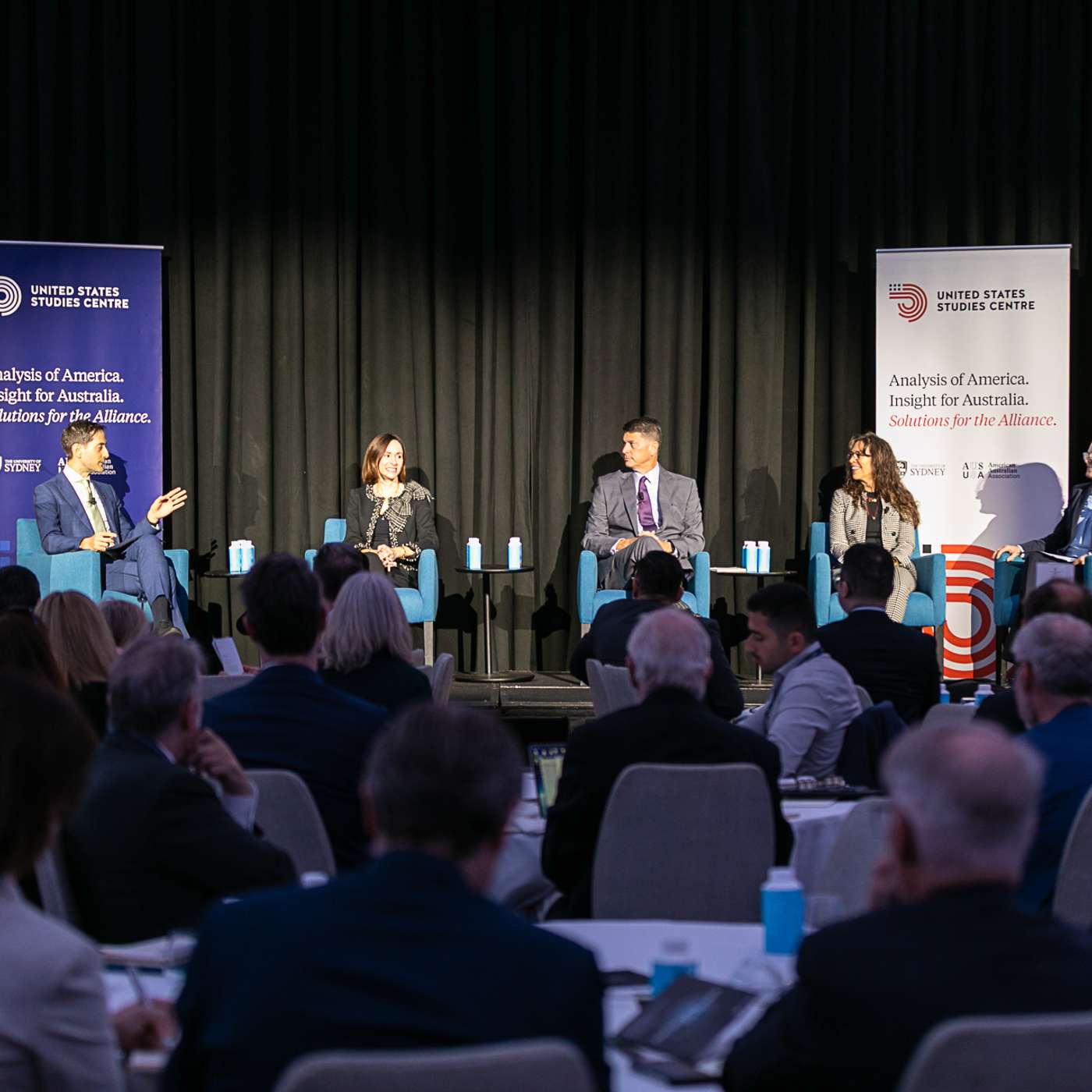
Panel discussion featuring Lisa Curtis, Director of the Indo-Pacific Security Program at the Center for a New American Security, Dr Mira Rapp-Hooper, Partner at The Asia Group, Dr Kori Schake, Senior Fellow and Director of Foreign and Defense Policy Studies at the American Enterprise Institute, and Clay Lowery, Executive Vice President for Research and Policy at the Institute of International Finance. Moderated by Jared Mondschein, Director of Research, United States Studies Centre. About the Sydney International Strategy Forum President Donald Trump’s first 100 days featured norm-breaking policies at a breakneck pace, often to be overturned days or weeks later. At the same time, the wars in Ukraine and Gaza have entered new eras with high-level negotiations, on-again off-again fighting and a new world order forming in real time to adapt to a changing strategic landscape. The 2024 trend of turfing incumbents has given way to foreign elections that many perceive to be a referendum on US politics. What is the future of the United States’ role in the world? How can governments and businesses plan in the midst of constant change? How should allies and partners approach security challenges in 2025 and beyond? These are the questions we tackled with international experts across government, business and academia at SISF 2025. They shared their insights on the discussions happening in Washington, Canberra and Tokyo, and what they meant for US allies and partners around the world.https://www.ussc.edu.au/sydney-international-strategy-forum-2025
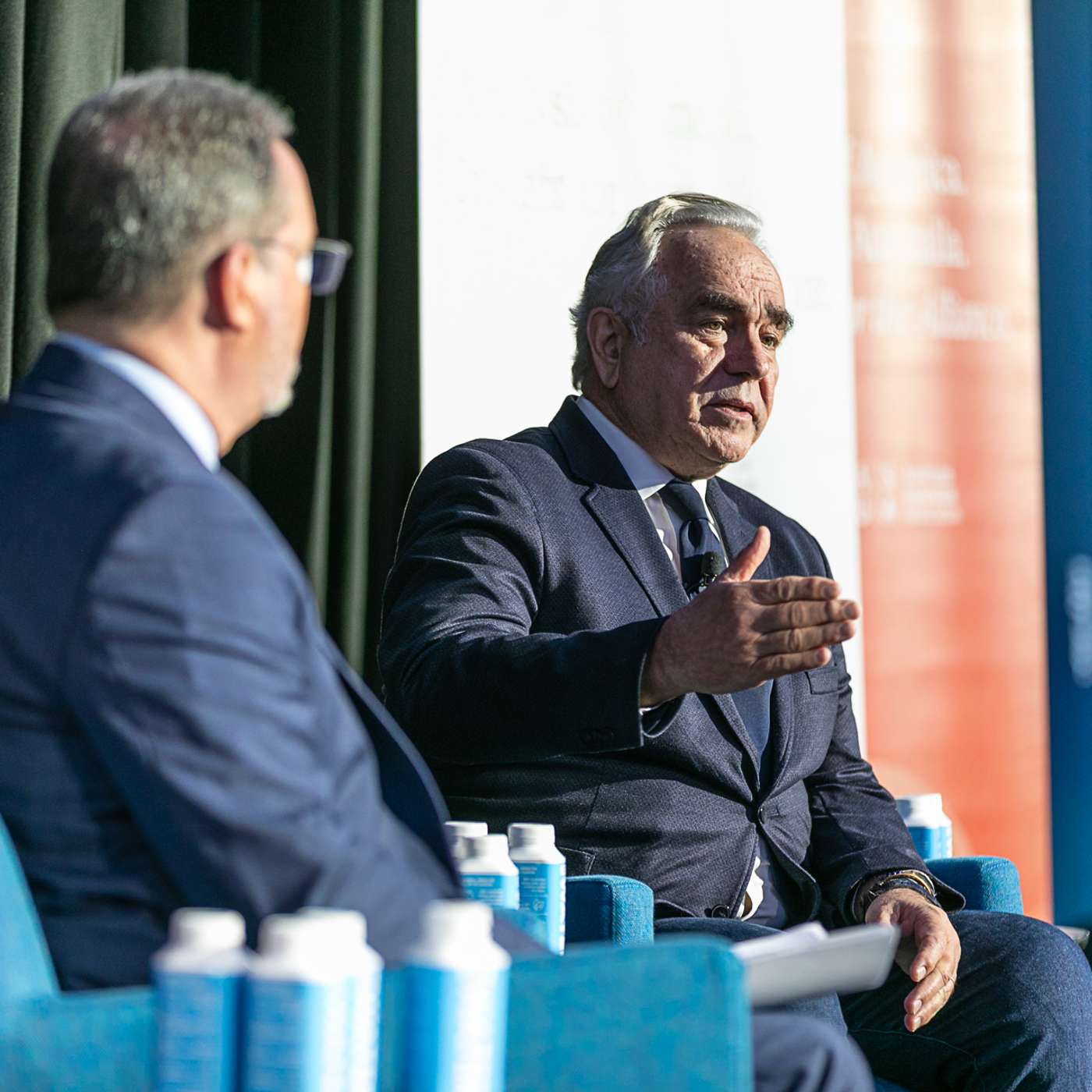
To open the 2025 Sydney International Strategy Forum, former US Deputy Secretary of State, Chairman and Co-Founder, The Asia Group, Dr Kurt Campbell, spoke with Chief Executive Officer of the United States Studies Centre, Dr Michael Green. About the Sydney International Strategy ForumPresident Donald Trump’s first 100 days featured norm-breaking policies at a breakneck pace, often to be overturned days or weeks later. At the same time, the wars in Ukraine and Gaza have entered new eras with high-level negotiations, on-again off-again fighting and a new world order forming in real time to adapt to a changing strategic landscape. The 2024 trend of turfing incumbents has given way to foreign elections that many perceive to be a referendum on US politics. What is the future of the United States’ role in the world? How can governments and businesses plan in the midst of constant change? How should allies and partners approach security challenges in 2025 and beyond? These are the questions we tackled with international experts across government, business and academia at SISF 2025. They shared their insights on the discussions happening in Washington, Canberra and Tokyo, and what they meant for US allies and partners around the world.https://www.ussc.edu.au/sydney-international-strategy-forum-2025

Russian disinformation and foreign influence campaigns have increasingly become defining features of today’s information landscape. Their reach extends beyond Ukraine, shaping debates around the globe, including in the United States, Southeast Asia, and Australia.With democratic trust and resilience under increasing strain, this event will explore:The tactics and narratives commonly used in Russian disinformation campaigns.The impact of these campaigns across different regions.How governments, civil society, and communities can strengthen resilience against foreign influence.To discuss these questions, USSC hosted an expert discussion featuring Ukrainian Ambassador to Australia, His Excellency Vasyl Myroshnychenko, ex-career diplomat and strategic communications specialist, Natalia Solieva, and University of Sydney Senior Lecturer in Digital Cultures, Dr Olga Boichak, moderated by USSC Director of Strategic Technologies, Olivia Shen.
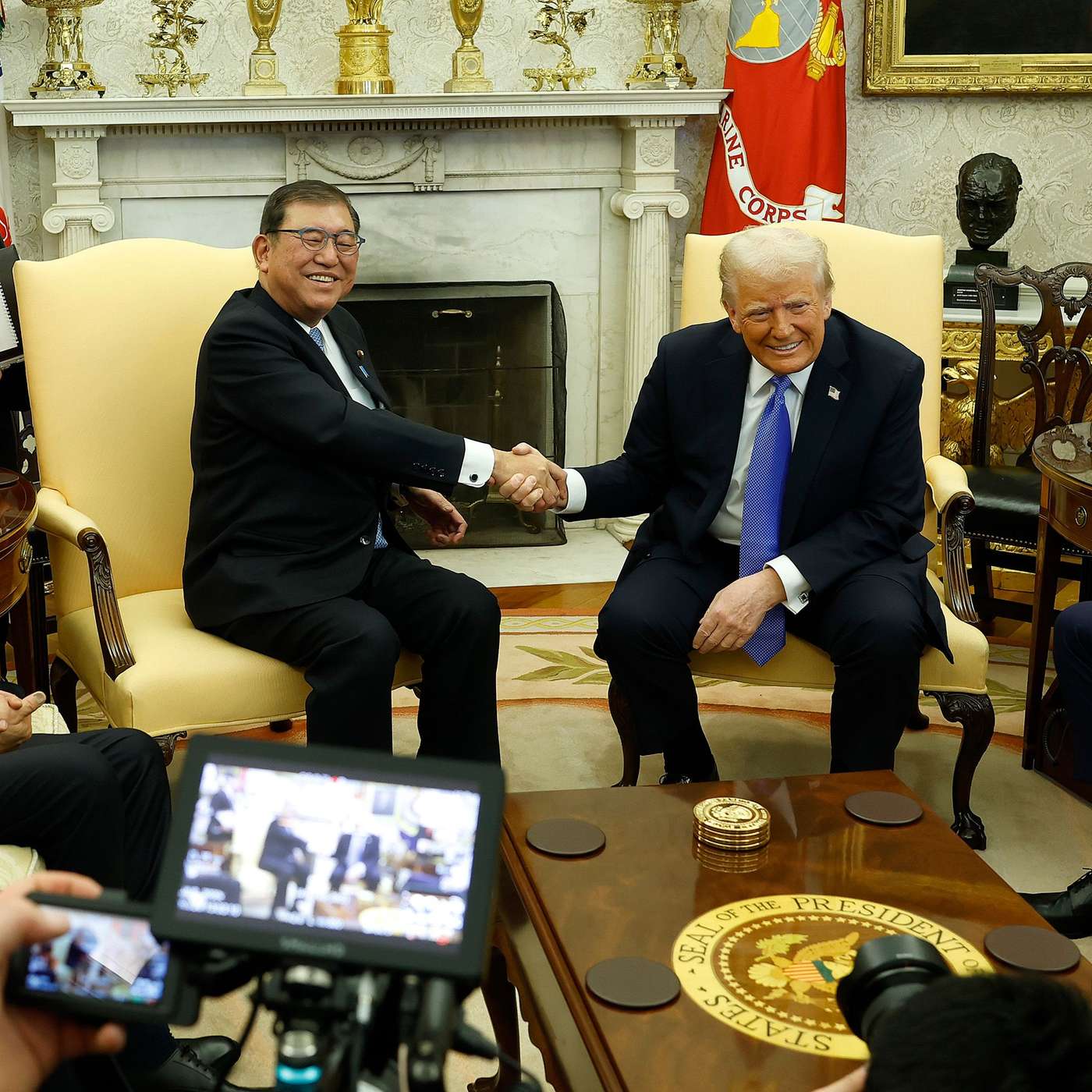
A panel of experts unpacked Japan’s National Security Strategy and explored the opportunities and challenges for Australia-Japan-US trilateral strategic cooperation under Trump 2.0. The panel featured two prominent strategic thinkers from the US and Japan.Few countries have done more to reorganise themselves for a new era of strategic competition in the Indo-Pacific than Japan. Building on the strategic vision of former Prime Minister Shinzo Abe, Japan’s 2022 National Security Strategy, National Defense Strategy, and Defense Build-Up Plan provided a new framework for Japan to assume a more active and assertive role in regional security affairs. Since then, successive Japanese leaders have introduced new pieces of legislation, strengthened key national security institutions, increased national defence spending, and expanded Japan’s defence partnerships with the United States and Australia, including trilaterally, to address an increasingly volatile regional and global security environment.The logic of such cooperation remains sound even with the second coming of Donald Trump. Yet even trusted US allies like Japan and Australia are facing difficulties and uncertainty in their relationships with Washington. The threat of tariffs, demands for increased defence spending, reviews of marquee initiatives like AUKUS, and the dismantling of key US national security and diplomatic agencies all pose challenges to Australia, Japan and trilateral cooperation.How have Japan’s security policies developed in recent years? What more must be done to fully implement those changes? How are Australia and Japan navigating their relationships with Trump 2.0? Where is the trilateral defence partnership headed?To discuss these questions, USSC hosted a panel discussion featuring Yuki Tatsumi, Senior Director at the Institute for Indo-Pacific Security; Hirohito Ogi, Senior Research Fellow with the Institute of Geoeconomics at the International House of Japan, and Tom Corben, Research Fellow in the Foreign Policy and Defence Program at the USSC, moderated by USSC Professor and CEO Dr Michael Green.This event was part of the United States Studies Centre’s Assessing Implementation of Abe’s National Security Strategy supported by the Smith Richardson Foundation.
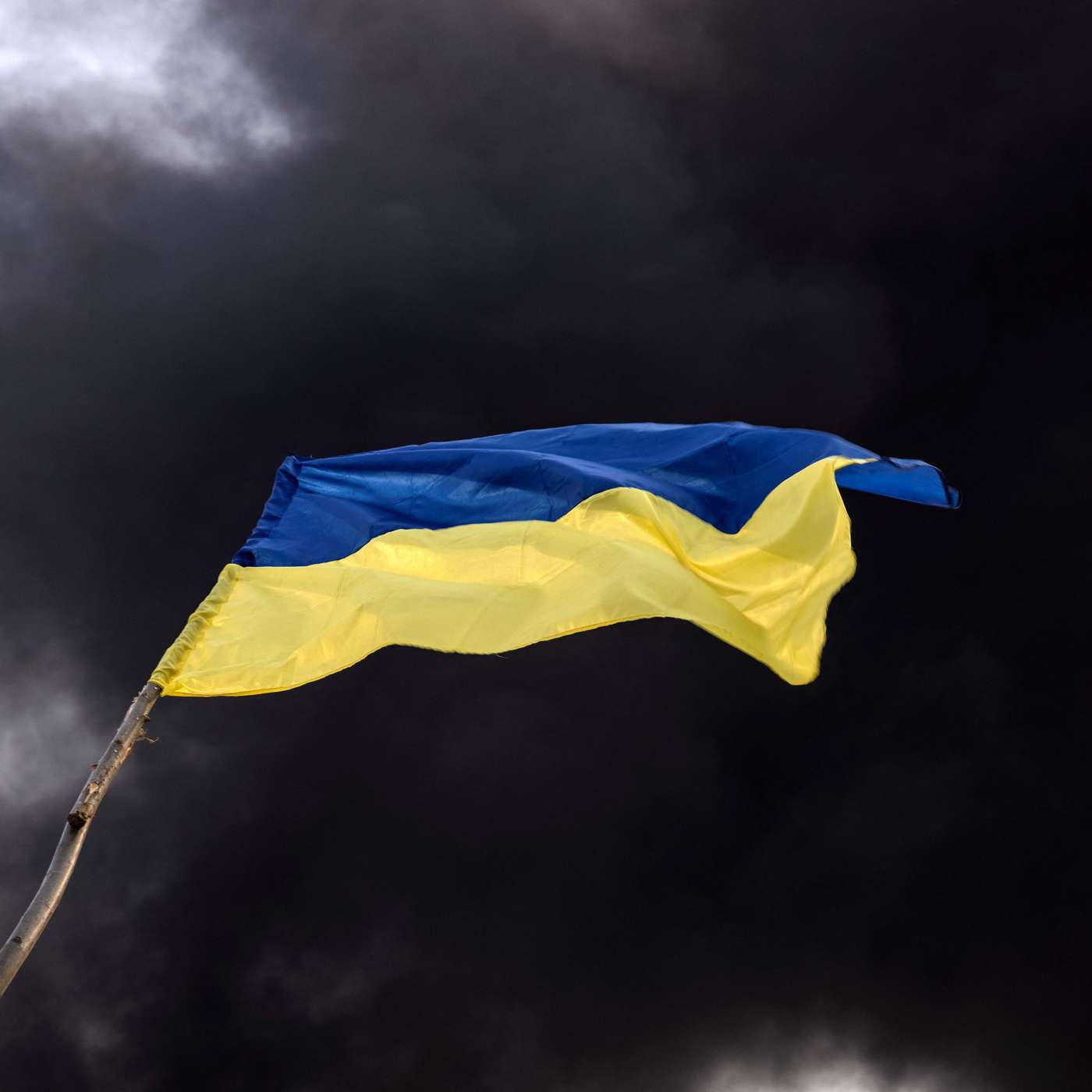
Three years since Russia’s invasion of Ukraine, the second Trump administration has made sweeping changes to US foreign policy priorities and moved to limit US support for Ukraine. In the last six months, the world has seen an explosive Oval Office meeting between President Trump and President Zelenskyy, NATO states pledging to increase their defence spending to as much as 5% of GDP, and continued Russian attacks on Ukraine. With future US support for Ukraine appearing to be uncertain, key questions about Ukraine’s future arise:Beyond budget pledges, how will European states respond to US demands for them to step up their defence contributions to Ukraine?What role should Australia play in the ongoing conflict?What will the second Trump administration mean for Ukraine’s future?To discuss these questions, the USSC hosted a panel discussion featuring USSC Senior Lecturer Dr Gorana Grgić, University of Sydney Senior Lecturer Dr Olga Boichak, and Griffith Asia Institute Associate Professor (Adjunct) Dr Matthew Sussex, moderated by USSC Director of Research Jared Mondschein.The event began with a virtual address by Ukrainian Ambassador to Australia His Excellency Vasyl Myroshnychenko.
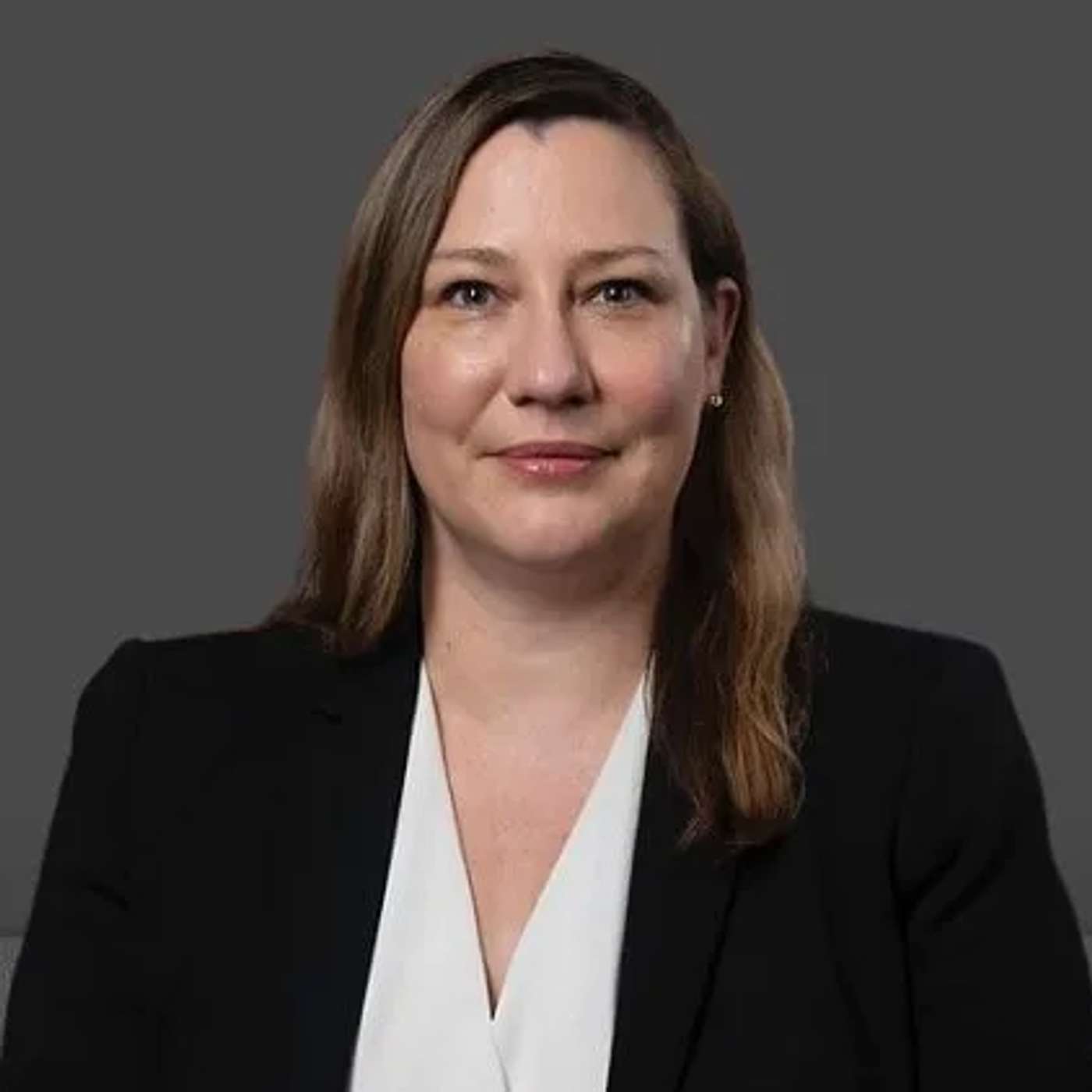
The transition to a new US Administration has sharpened Washington’s focus on the Indo-Pacific, while also exposing deep strategic and political tensions shaping the future of American foreign and defence policy.Competing pressures — between isolationism and interventionism, reassurance and burden-sharing with allies, and fiscal restraint versus demands for force modernisation and advanced capabilities like ‘Golden Dome’ — are creating uncertainty around how the US will deter what Secretary of Defense Pete Hegseth has called China’s “imminent threat” to Taiwan.These tensions raise urgent questions: How has (and hasn’t) the US approach to deterrence in the Indo-Pacific changed under the new Administration? Are US forces adequately postured to support US regional interests and alliance commitments? Where are the major fault lines in US regional strategy, and what do they mean for the future of regional security and US influence in the Indo-Pacific?To unpack these issues, the United States Studies Centre hosted a fireside chat with Kelly Magsamen, former Chief of Staff to Secretary of Defense Lloyd Austin and Senior Advisor at The Asia Group. The conversation was moderated by Professor Peter Dean, Director of Foreign Policy and Defence at the United States Studies Centre.This event is part of the United States Studies Centre's ‘Next Generation Leaders in the Australia-US Alliance’ project which is supported by funding from the US State Department.

For more than five decades following the 1972 rapprochement between the United States and China, the two countries seemed to be steadily building a sound relationship, even accounting for periodic setbacks like the Tiananmen Square massacre.The last decade, though, has seen a sharp increase in tensions and a complete reorientation of US policies toward China — from “engagement” to “competition.” Australia, too, has changed its approach to its largest trading partner.What happened? Where is strategic competition heading? And what should US allies like Australia know?This United States Studies Centre event featured Professor David Shambaugh, a world-renowned China scholar and author of “Breaking the Engagement: How China Won and Lost America”.
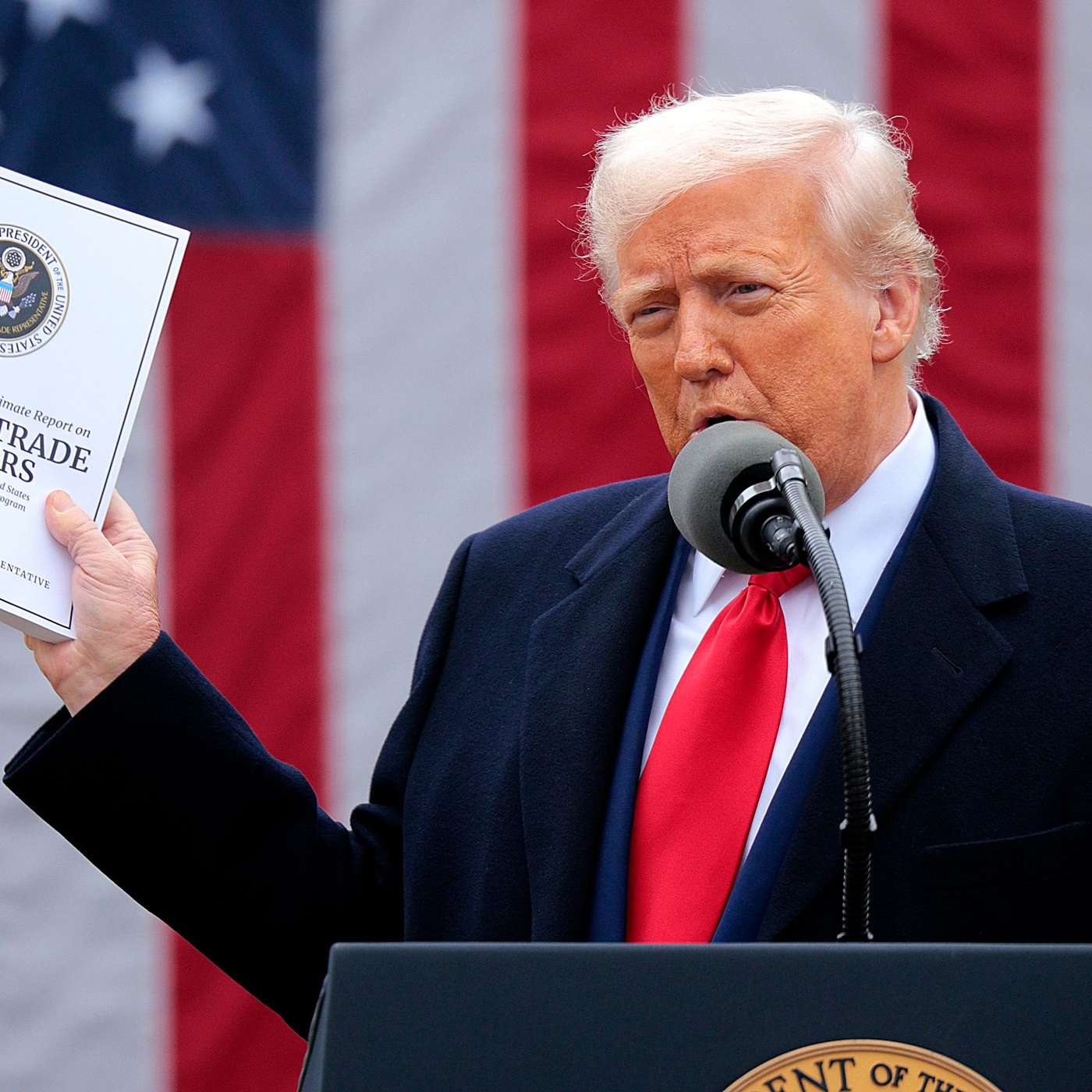
The future of the global economic order is in flux. Beijing's coercive economic policies, President Trump’s unprecedented tariffs, and the embrace of industrial policies around the world have cast doubt on the future of international economic rules. Globally, countries like Australia are being forced to contend with a more fragmented economic landscape that is affecting trade and technology flows, supply chains, multilateral institutions, and relations with the major powers.In this era of unpredictability, critical questions arise:Where are Trump's tariffs heading and how will they impact US economic relations and the United States as a place to do business?Are the US and China heading for economic decoupling?How should countries like Australia, Japan, South Korea, and India navigate great power competition and economic pressure?What is the impact on alliance relations?What role will minilateral and regional groups play in shaping a post-tariff global order?These questions were discussed by leading expert in diplomacy and economic affairs in East Asia, Ambassador Kurt Tong and USSC CEO, Dr Michael J. Green, at a public event moderated by USSC Director of Economic Security Hayley Channer.

Comments

Download from Google Play

Download from App Store
 United States