


 Claim Ownership
18 Questions, 40 Mystics
Subscribed: 61Played: 1,737
Subscribe

© Copyright 18Forty
Description
18 Questions, 40 Mystics is a new podcast and video series by 18Forty and Share interviewing the leading rabbis, teachers, kabbalists, and artists immersed in the world of Jewish mysticism.
Join Rabbi Benji Levy as he asks 18 of the most existential questions to 40 mystics from around the world. If you are looking to dive into the world of spirituality, inspiration, and pnimiyut, then this is the podcast for you.
Have questions or comments? Shoot us an email at info@18forty.org.
Join Rabbi Benji Levy as he asks 18 of the most existential questions to 40 mystics from around the world. If you are looking to dive into the world of spirituality, inspiration, and pnimiyut, then this is the podcast for you.
Have questions or comments? Shoot us an email at info@18forty.org.
62 Episodes
Reverse

What does it mean to experience God as lived reality? Suri Weingot reframes spirituality not as something hidden or elite, but as something pulsing through every blade of grass, every Hebrew letter, and every human relationship.Suri Weingot is a senior educator in TMM high school and gives classes and lectures to women across the community. She runs a community mentoring program that enables women and teens to contribute their time and heart by impacting the lives of the next generation.At its heart, this is a conversation about love—of Torah, of life, and of every person. Suri joins us to answer 18 questions on Jewish mysticism, including the closeness of redemption, godliness, and education. Here are our questions: What is Jewish mysticism?How were you introduced to Jewish mysticism?In an ideal world, would all Jews be mystics?What do you think of when you think of God?What is the purpose of the Jewish people?How does prayer work?What is the goal of Torah study?Does Jewish mysticism view men and women the same?Should Judaism be hard or easy?Why did God create the world? Can humans do something that is against God’s will?What do you think of when you think about Moshiach?Is the State of Israel part of the final redemption?What is the greatest challenge facing the world today?How has modernity changed Jewish mysticism?What differentiates Jewish mysticism from the mysticism of other religions? Does one need to be religious to study Jewish mysticism?Can mysticism be dangerous?How has Jewish mysticism affected your relationships with yourself and with others?What is a Jewish teaching that you always take with you?

In order to study Kabbalah, argues Rav Moshe Weinberger, one must approach it with humility, holding their hands out in the form of a cup, as though they are ready to receive. Rav Moshe Weinberger has served as mashpia at Yeshiva University since 2013, and is the founding rabbi of Congregation Aish Kodesh in Woodmere, NY.Today, he joins us to answer 18 questions on Jewish mysticism, including the smallness of man, prayer as dialogue, and his transformative introduction to the world of Kabbalah. Here are our questions: What is Jewish mysticism?How were you introduced to Jewish mysticism?In an ideal world, would all Jews be mystics?What do you think of when you think of God?What is the purpose of the Jewish people?How does prayer work?What is the goal of Torah study?Does Jewish mysticism view men and women the same?Should Judaism be hard or easy?Why did God create the world? Can humans do something that is against God’s will?What do you think of when you think about Moshiach?Is the State of Israel part of the final redemption?What is the greatest challenge facing the world today?How has modernity changed Jewish mysticism?What differentiates Jewish mysticism from the mysticism of other religions? Does one need to be religious to study Jewish mysticism?Can mysticism be dangerous?How has Jewish mysticism affected your relationships with yourself and with others?What is a Jewish teaching that you always take with you?

As a Chabad Hassid, Zevi Slavin’s formative years were spent immersed in the rich traditions of Chassidus and Kabbalah. This upbringing provided him with a unique lens through which he continues to learn, study and connect with others. Drawing on his background, Slavin created “Seekers of Unity,” a Youtube channel dedicated to exploring the philosophy and history of mysticism across diverse traditions. He founded this channel with the goal of forming a community focused on creating a more intimate world, together. Now, he joins us to answer 18 questions on Jewish mysticism, including people’s inherent divinity, tapping into the potential of modernity, and the perpetual experience of Har Sinai. Here are our questions: What is Jewish mysticism?How were you introduced to Jewish mysticism?In an ideal world, would all Jews be mystics?What do you think of when you think of God?What is the purpose of the Jewish people?How does prayer work?What is the goal of Torah study?Does Jewish mysticism view men and women the same?Should Judaism be hard or easy?Why did God create the world? Can humans do something that is against God’s will?What do you think of when you think about Moshiach?Is the State of Israel part of the final redemption?What is the greatest challenge facing the world today?How has modernity changed Jewish mysticism?What differentiates Jewish mysticism from the mysticism of other religions? Does one need to be religious to study Jewish mysticism?Can mysticism be dangerous?How has Jewish mysticism affected your relationships with yourself and with others?What is a Jewish teaching that you always take with you?

Sarah Yehudit Schneider believes meditation is the entryway to understanding mysticism. She highlights that traditional Kabbalah often focuses on mystical realms associated with the masculine, and in her current work, she is actively exploring and articulating the Kabbalah of the feminine. Sarah Yehudit Schneider is the founding director of A Still Small Voice, a correspondence school that provides weekly teachings in Jewish wisdom to subscribers around the world. She is the author of several books, most recently Dark Matters of the Soul: The Kabbalah of Shame (2024). Here, she joins us to answer 18 questions on Jewish mysticism, including growth through joy in the Messianic era and how to reconcile God’s all-knowingness with free will.Here are our questions: What is Jewish mysticism?How were you introduced to Jewish mysticism?In an ideal world, would all Jews be mystics?What do you think of when you think of God?What is the purpose of the Jewish people?How does prayer work?What is the goal of Torah study?Does Jewish mysticism view men and women the same?Should Judaism be hard or easy?Why did God create the world? Can humans do something that is against God’s will?What do you think of when you think about Moshiach?Is the State of Israel part of the final redemption?What is the greatest challenge facing the world today?How has modernity changed Jewish mysticism?What differentiates Jewish mysticism from the mysticism of other religions? Does one need to be religious to study Jewish mysticism?Can mysticism be dangerous?How has Jewish mysticism affected your relationships with yourself and with others?What is a Jewish teaching that you always take with you?
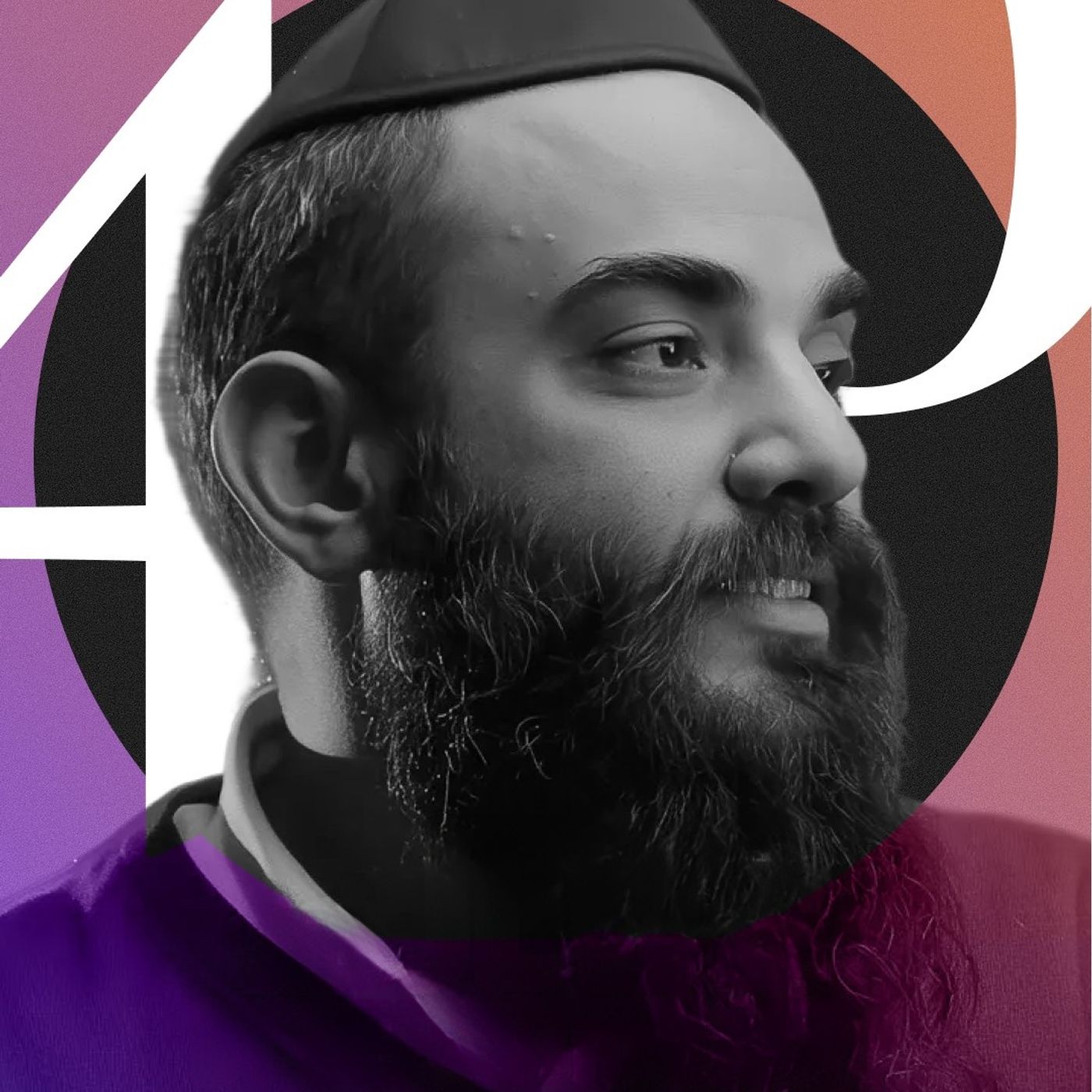
Rav Joey Rosenfeld’s entryway into mystical thought began with the writings of Franz Kafka and Albert Camus. Discussing Jewish mysticism with Rav Joey is not just a conversation about ancient texts and ideas, but it is a journey into the soul, wherein he describes how mystical principles can transform relationships, heal trauma, and guide us in a modern world. Rav Joey Rosenfeld is a practicing psychotherapist in the field of addiction, focusing on the interface between philosophy, spirituality, and psychology. He regularly gives shiurim on Jewish philosophy, Kabbalah, and the inner workings of the human soul.Here, he sits down to discuss 18 questions on Jewish mysticism, including the various dimensions of redemption and the paradoxical nature of God. Here are our 18 questions: What is Jewish mysticism?How were you introduced to Jewish mysticism?In an ideal world, would all Jews be mystics?What do you think of when you think of God?What is the purpose of the Jewish people?How does prayer work?What is the goal of Torah study?Does Jewish mysticism view men and women the same?Should Judaism be hard or easy?Why did God create the world? Can humans do something that is against God’s will?What do you think of when you think about Moshiach?Is the State of Israel part of the final redemption?What is the greatest challenge facing the world today?How has modernity changed Jewish mysticism?What differentiates Jewish mysticism from the mysticism of other religions? Does one need to be religious to study Jewish mysticism?Can mysticism be dangerous?How has Jewish mysticism affected your relationships with yourself and with others?What is a Jewish teaching that you always take with you?

Join Rabbi Benji Levy as he asks 18 existential questions to 40 mystics from around the world.Series launches Monday, Dec. 8.Visit 40mystics.com to learn more.A partnership between Share and 18Forty.

Do you have more hope or fear for Israel and the Jewish People?We asked this question to 40 Israeli Thinkers over the last year. For the first time, come behind the scenes to Sruli Fruchter's favorite answers and the secret behind the question.Here are our top 5 answers from:5. Gadi Taub4. Shani Taragin3. Rachelle Fraenkel2. Yossi Klein Halevi1. Anshel Pfeffer18Forty launched its new website! This is your address for today’s biggest Jewish questions. Please enjoy rummaging through our trove of podcasts, essays, videos, and more. Happy searching!

Do you think peace between Israelis and Palestinians will happen within your lifetime?We asked this question to 40 Israeli Thinkers over the last year. For the first time, come behind the scenes to Sruli Fruchter's favorite answers and the secret behind the question.Here are our top 5 answers from:6. Yakov Nagen5. Netta Barak Corren4. Mikhael Manekin3. Nechumi Yaffe2. Rula Daood1. Yoav Heller18Forty launched its new website! This is your address for today’s biggest Jewish questions. Please enjoy rummaging through our trove of podcasts, essays, videos, and more. Happy searching!
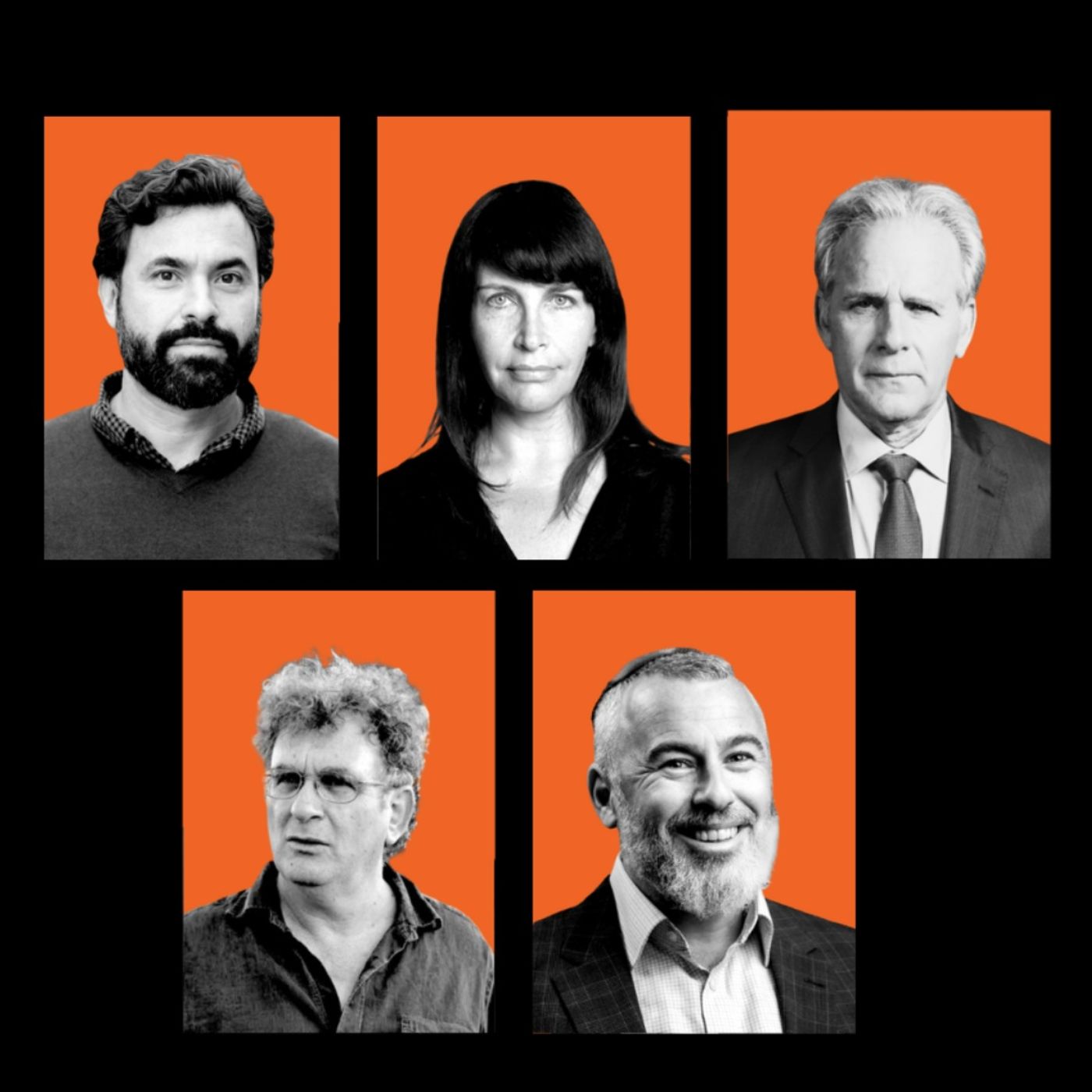
What is the most legitimate criticism leveled against Israel today?We asked this question to 40 Israeli Thinkers over the last year. For the first time, come behind the scenes to Sruli Fruchter's favorite answers and the secret behind the question.Here are our top 5 answers from:5. Benny Morris4. Uri Zaki3. Einat Wilf2. Yishai Fleisher1. Michael Oren18Forty launched its new website! This is your address for today’s biggest Jewish questions. Please enjoy rummaging through our trove of podcasts, essays, videos, and more. Happy searching!
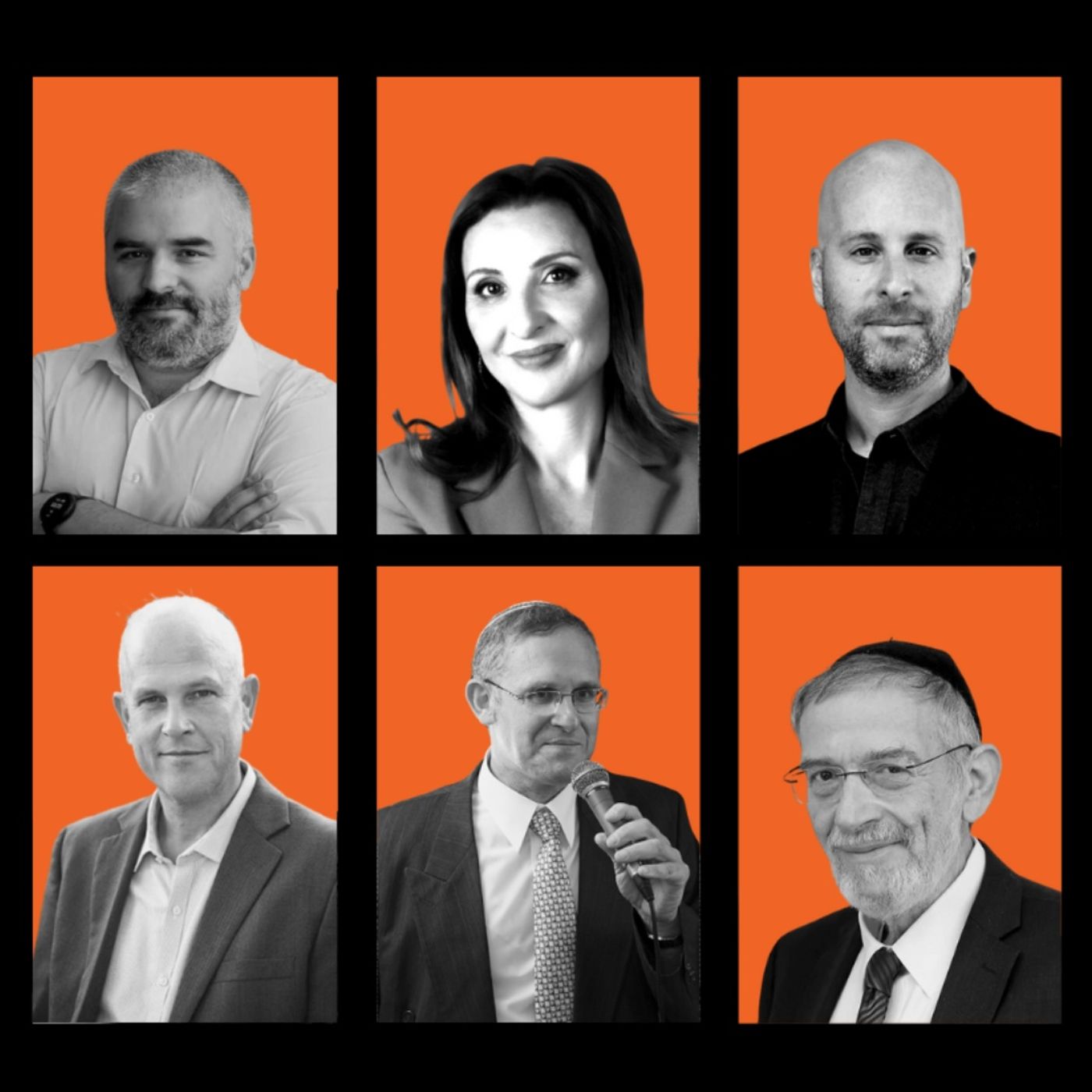
What has been Israel's greatest success, and greatest mistake, in its war against Hamas?We asked this question to 40 Israeli Thinkers over the last year. For the first time, come behind the scenes to Sruli Fruchter's favorite answers and the secret behind the question.Here are our top 6 answers from:6. Fleur Hasan-Nahoum5. Haviv Rettig-Gur4. Yaakov Katz3. Michael Melchior2. Micah Goodman1. Mosheh Lichtenstein18Forty launched its new website! This is your address for today’s biggest Jewish questions. Please enjoy rummaging through our trove of podcasts, essays, videos, and more. Happy searching!
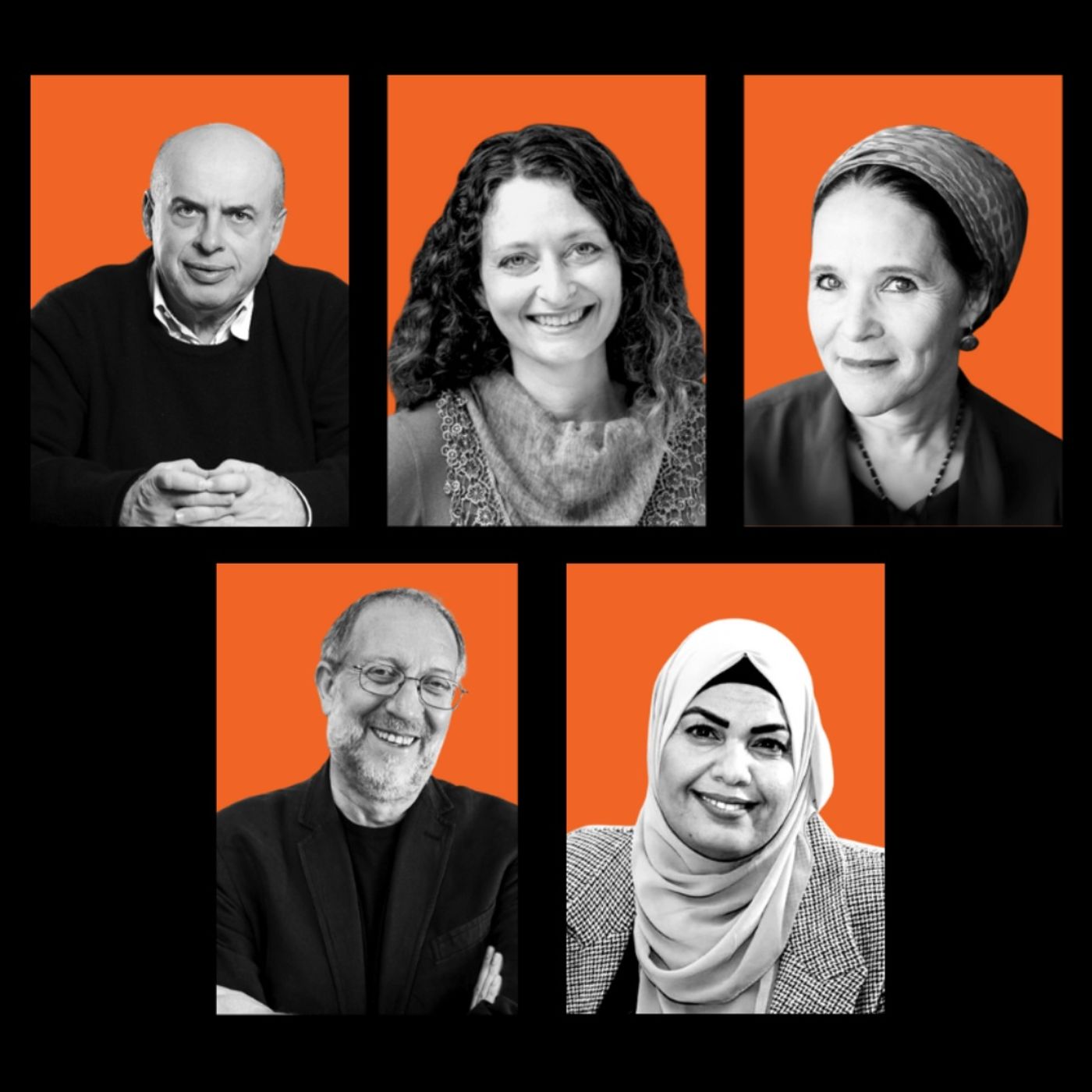
As an Israeli, and as a Jew, how are you feeling at this moment in Israeli history?We asked this question to 40 Israeli Thinkers over the last year. For the first time, come behind the scenes to Sruli Fruchter's favorite answers and the secret behind the question.Here are our top 5 answers from:5. Natan Sharansky4. Netta Barrak Corren3. Yossi Klein Halevi2. Rachelle Fraenkel1. Khitam Abu Bader18Forty launched its new website! This is your address for today’s biggest Jewish questions. Please enjoy rummaging through our trove of podcasts, essays, videos, and more. Happy searching!

Israel is a heroic country, Michael Oren believes—but he concedes that it is a flawed heroic country.Michael Oren—our 40th Israeli thinker—served as Israeli ambassador to the U.S. from 2009-2013 under Prime Minister Benjamin Netanyahu, while former U.S. President Barack Obama was in office. A diplomat, writer, historian, veteran, and political thinker, Michael worked extensively in all fields of defending the Jewish state. He is the bestselling and award-winning author of several fiction and non-fiction books, including Ally: My Journey Across the American-Israeli Divide and Six Days of War: June 1967 and the Making of the Modern Middle East. Michael is working on a book on October 7. Now, this unapologetic Israel advocate joins us to answer 18 questions on the war in Gaza, the IDF's morality, and satanic accusations against Jews.This interview was recorded on July 10.
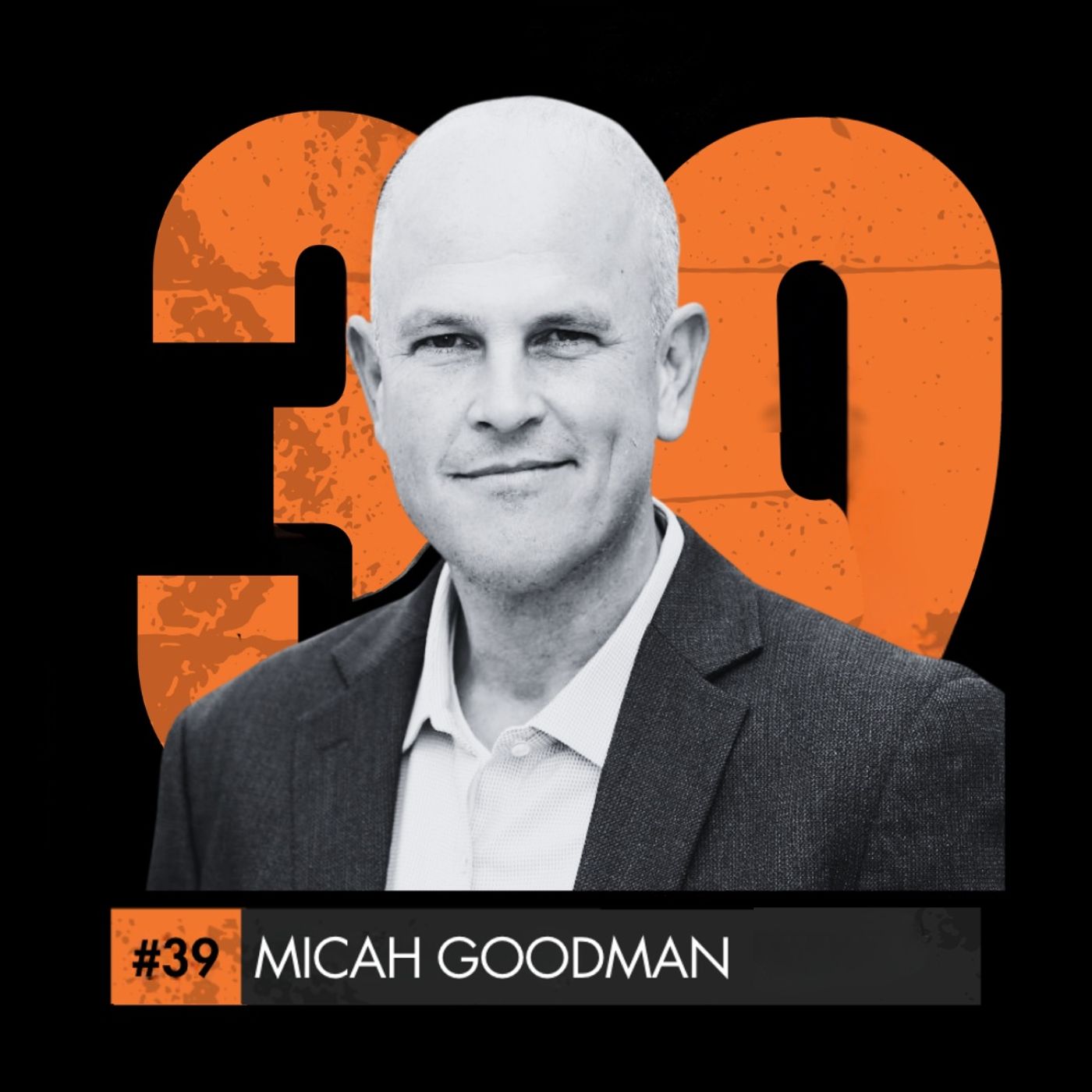
Micah Goodman doesn't think Palestinian-Israeli peace will happen within his lifetime. But he's still a hopeful person.Named by the Jerusalem Post as one of the 50 most influential Jews, Micah is a public intellectual, writer, and author whose voice is central to the moral, political, and religious debates raging within Israel.He is the author of several best-selling books — including The Wondering Jew, Catch 67, The Dream of the Kuzari, and The Last Words of Moses — and co-host of the popular Israeli podcast Mifleget Hamachshavot.Now, he joins us to answer 18 questions on criticizing Israel, resettling Gaza, and Jewish democracy.This interview was recorded on July 6.
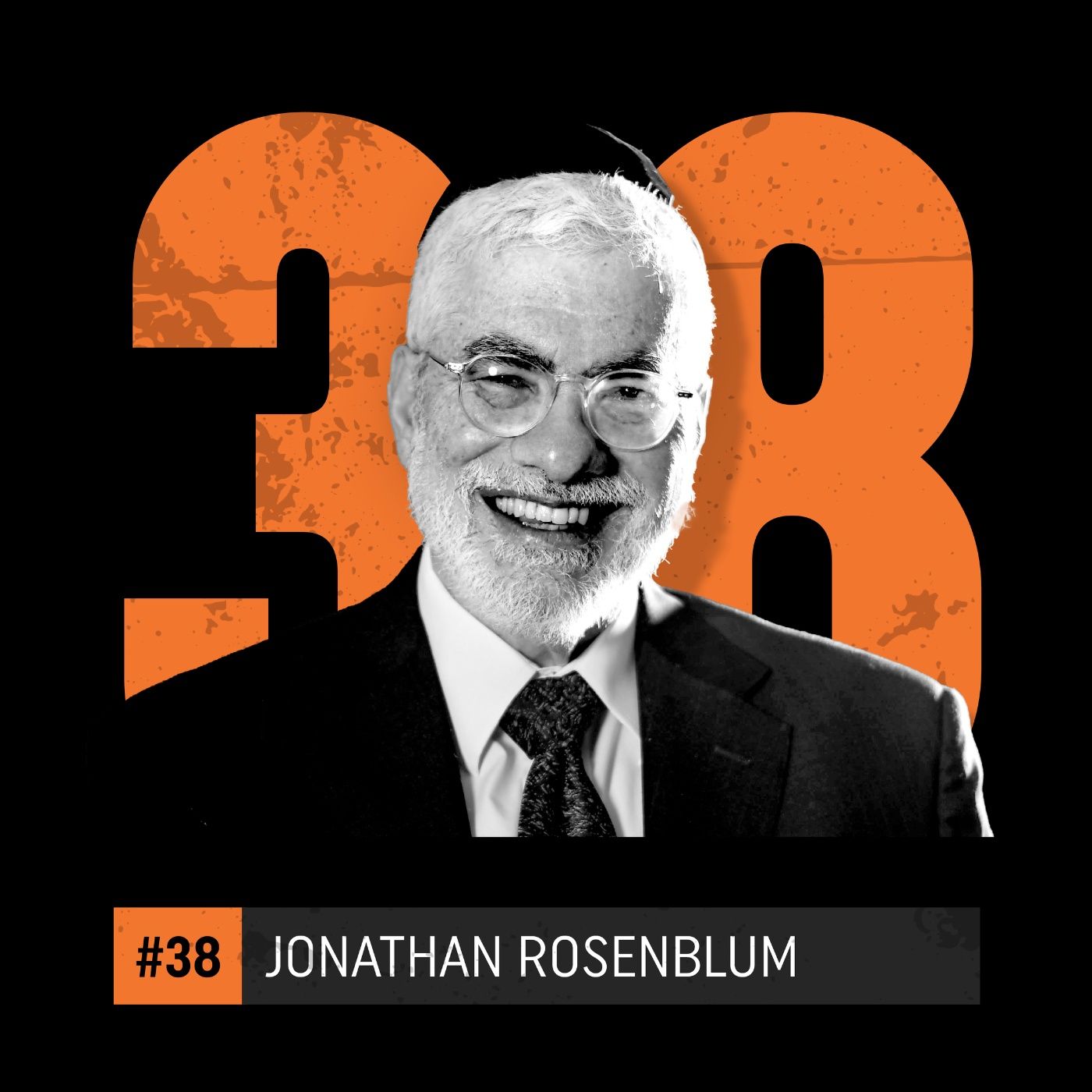
Talking about the "Haredi community" is a misnomer, Jonathan Rosenblum says, and simplifies its diversity of thought and perspectives.A Yale-trained lawyer turned journalist, Jonathan has been a prolific Haredi columnist for the last few decades. He helped found the English-language Haredi publication Yated Ne’eman, wrote extensively for The Jewish Observer, and writes weekly for Mispacha magazine.Jonathan is also the author of over 10 biographies of Orthodox rabbinic leaders and was the first Haredi columnist to write regularly for the Jerusalem Post.Now, he joins us to answer 18 questions on the Haredi draft, Zionism, and Israel as a religious state.This interview was held on June 23.
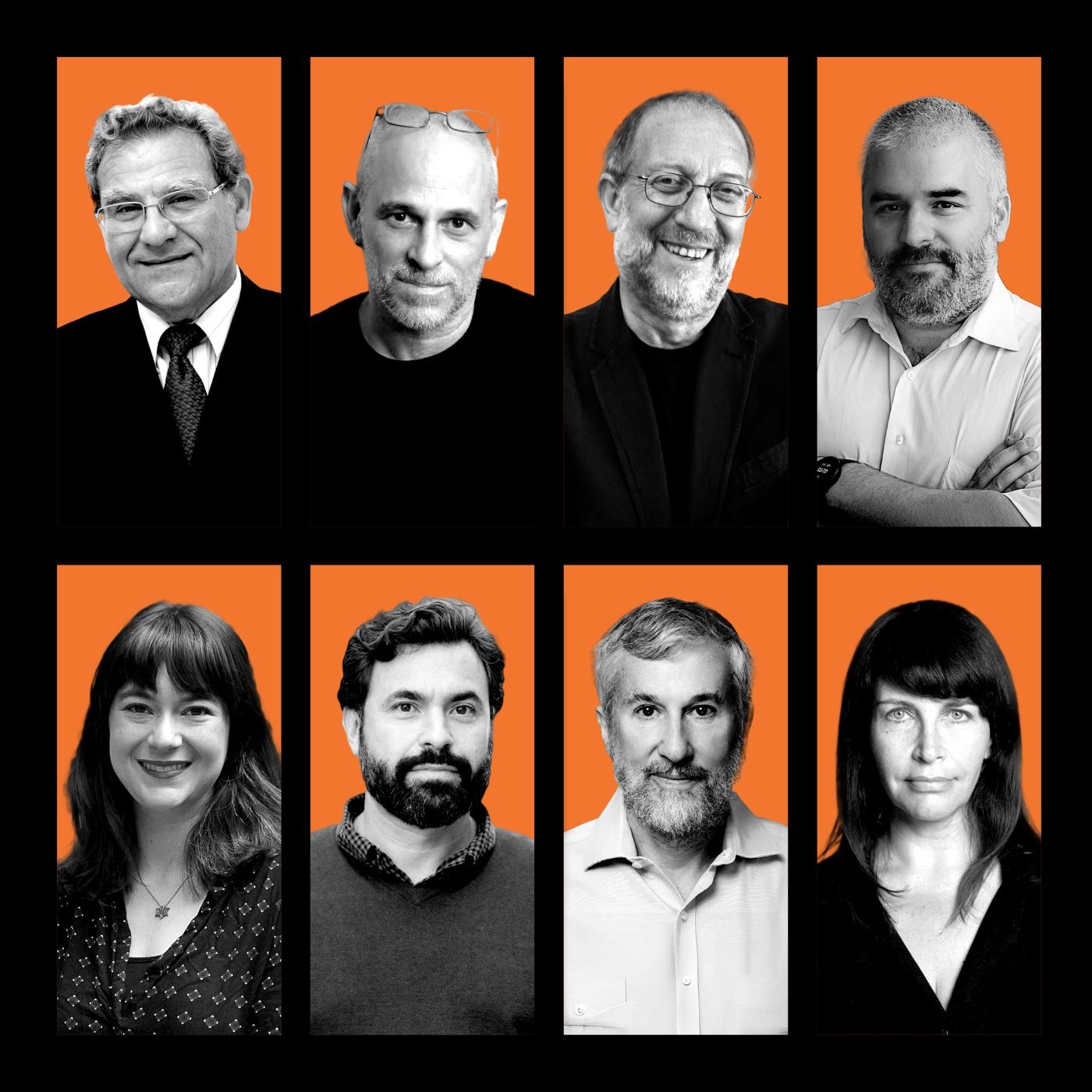
Two weeks ago, Israel struck Iran's nuclear facilities, military sites, and leaders. Iran launched a barrage of missiles into Israel. Now, the war has only intensified.Today's episode features eight Israeli thinkers discussing the Iranian threat from weeks and months ago. We hear from:Efraim InbarLahav HarkovYossi Klein HaleviGadi TaubUri ZakiEinat WilfHaviv Rettig-GurMoshe KoppelWho got it right? Who got it wrong? And who do you think is onto something?
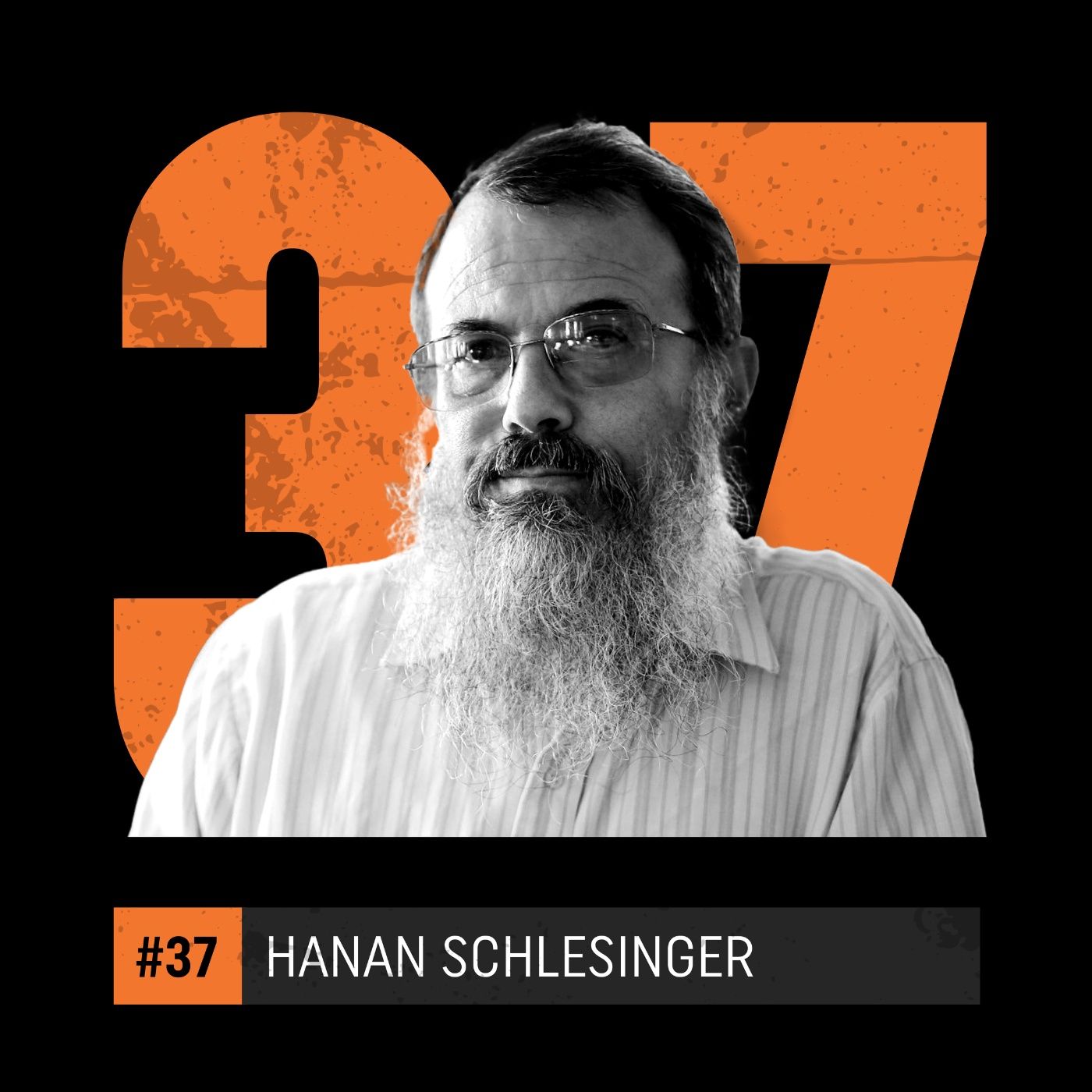
Zionism asked the Jewish People if they could wield power properly, Rabbi Hanan Schlesinger says. The answer, according to him, is now clear: They cannot.Before co-founding the Palestinian-Israeli dialogue center Roots/Shorashim/Judur, Hanan had never met a Palestinian before. 2013 changed that. Inspired by his interfaith experience decades prior, Hanan threw himself into peace work and is now Roots’ Director of International Relations. Hanan is a member of the Rabbinical Council of America and the International Rabbinic Fellowship, as well as Beit Hillel, an Israeli rabbinical association. He is a Rabbis Without Borders fellow, and was honored in 2013 and again in 2014 as the Memnosyne Institute Interfaith Scholar.Now, he joins us to answer 18 questions, including Jewish power, coexistence, and Palestinian-Israeli peace.This interview was held on June 4.

Hamas has isolated Israel diplomatically. Fleur Hassan-Nahoum is scared that, in 20 years, it might be completely isolated.Fleur is a British-born Israeli politician who served as Deputy Mayor of Jerusalem from 2018 until 2024, and she recently joined the Misgav Institute for National Security and Zionist Strategy as a senior fellow and sits on the international advisory council. A seasoned politician still involved in Jerusalem affairs today, Fleur studied law at Kings College nearly three decades ago, and worked as a lawyer and nonprofit official before joining politics.Now, she joins us to answer 18 question on Israel, including Hasbara, Israel's international isolation, and how the Jewish state will survive this media firestorm.This interview was held on May 26.

The Torah wants Israel to be a religious state, Rabbi Elli Fischer says. Just, maybe, not right now. A historian, writer, translator, and educator, Elli Fischer extensively explores the relationship between Jewish law and the Jewish state, in the past, present, and future. Elli was a previous guest on 18Forty's Zionism series and a 3-Month Book Journey Leader. A founding editor of The Lehrhaus, Elli was ordained by Israel’s Chief Rabbinate and is working toward a doctorate in Jewish History at Tel Aviv University; his work has appeared far and wide.Now, he joins Sruli Fruchter to answer 18 questions on Israel, including messianism, democracy, and the future of religion in the Jewish state.This interview was held on May 14.

Twice in its history, Jewish sovereignty collapsed in the last quarter of its first century. Yoav Heller believes Israel must heed this warning.Chairman of the Wingate Institute and a Holocaust historian, Yoav Heller is also chairman of the Fourth Quarter movement—a grassroots movement seeking to repair Israel's civil divides and secure the Jewish state's future.Yoav has been immersed in Israeli society, previously CEO of the Maoz Network and a founder of the Ynet website. Yoav has also served as an officer in reserves in the Strategic Planning Division.Now, he joins Sruli Fruchter to answer 18 questions on Israel, including ending the war, bringing the hostages home, and securing Israel's future.This interview was held on May 4.
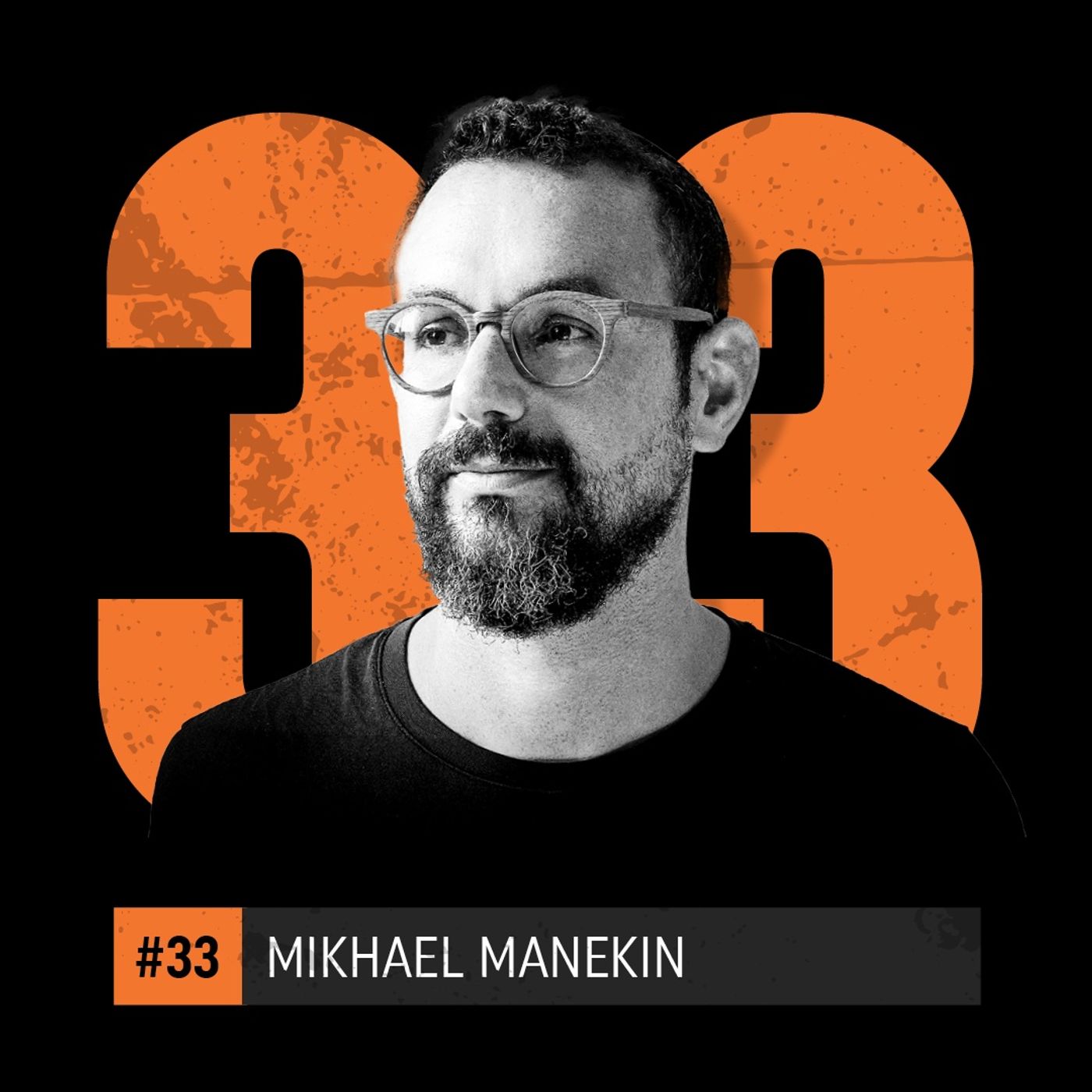
Wishing Arabs would disappear from Israel, Mikhael Manekin says, is a dangerous fantasy.One of the leaders of Israel's Hasmol Haemuni (Faithful Left) movement, Mikhael is a vocal religious activist for equality and peace. He is the director of the Alliance Fellowship program, an Arab-Jewish political network in Israel, and has authored two books, End of Days Ethics, Tradition, and Power in Israel and Sermons from the Abyss.Mikhael was previously the executive director of Breaking the Silence, an Israeli military veterans’ group that seeks "to expose the public to the reality of everyday life in the Occupied Territories." Now, he joins us to answer 18 questions on Israel, including peace, the IDF, and ending the war in Gaza.This interview was held on April 28. Here are our 18 questions:As an Israeli, and as a Jew, how are you feeling at this moment in Israeli history?What has been Israel’s greatest success and greatest mistake in its war against Hamas?How have your religious views changed since Oct. 7? What do you look for in deciding which Knesset party to vote for?Which is more important for Israel: Judaism or democracy?Now that Israel already exists, what is the purpose of Zionism?Is opposing Zionism ever antisemitic?Should Israel be a religious state?If you were making the case for Israel, where would you begin?Should all Israelis serve in the army?Is the IDF the world’s most moral army?Can questioning the actions of Israel’s government and army — even in the context of this war — be a valid form of love and patriotism?What do you think is the most legitimate criticism leveled against Israel today?Do you think the State of Israel is part of the final redemption?Do you think peace between Israelis and Palestinians will happen within your lifetime?What should happen with Gaza and the Palestinian-Israeli Conflict after the war?Where do you identify on Israel’s political and religious spectrum, and do you have friends on the “other side”?Do you have more hope or fear for Israel and the Jewish People?

Comments

Download from Google Play

Download from App Store
 United States