


 Claim Ownership
Uninvisible Pod with Lauren Freedman
Subscribed: 56Played: 2,061
Subscribe

© Uninvisible Media, LLC
Description
An award-winning podcast about invisible conditions and chronic invisible illness, featuring interviews with survivors, their loved ones, advocates, and experts in varied healing modalities, from medical to holistic. Hosted by Lauren Freedman, a health coach and patient advocate, who lives with Hashimoto’s disease and sleep disorders, Uninvisible uncovers real stories of survival and humanity – complete with laughter. In truth and with candor, we offer solutions – and challenge the world to change.
chroniccoachlauren.substack.com
chroniccoachlauren.substack.com
157 Episodes
Reverse

Hi everyone,If you follow me on social media, you might have seen my recent post where I shared one of my absolute favorite stress relief techniques: the 4-7-8 breathing technique. This simple yet powerful practice, developed by Dr. Andrew Weil, has been a lifesaver for me in moments of stress. While I’m not usually one to advocate for over-regulating breath, this technique stood out for its immediate calming effect, and I’ve been using it ever since I was introduced to it.For those of you who haven’t tried it yet, the 4-7-8 technique is super accessible. Here’s a quick breakdown:1. Exhale completely through your mouth, making a whoosh sound.2. Inhale quietly through your nose for a count of 4.3. Hold your breath for a count of 7.4. Exhale completely through your mouth, with a whoosh sound and rounded lips, for a count of 8.Dr. Weil recommends starting with four breath cycles, then gradually increasing to eight cycles over time, practicing twice a day for the best results. You can read more about it in my recent Instagram post here.Why Stress Relief Matters When Living with Chronic IllnessStress has a profound impact on the body, particularly for those of us living with chronic illness. If you’ve been following my journey, you know that learning how to manage stress has been a huge part of my healing. Stress activates the body’s sympathetic nervous system, triggering the fight-or-flight response, which can increase inflammation, worsen fatigue, and make symptoms of chronic illness more severe.That’s why I’m so excited to share this practice and many others at our upcoming Masterclass on Overcoming Chronic Illness Burnout, which I’m co-hosting with Jayci Gibbs, a Millennial Burnout Coach, on October 30th at 4 p.m. PT / 7 p.m. ET. This masterclass is designed to provide both immediate stress-relief tools and long-term strategies to help you better manage the ongoing pressure that can come with chronic conditions.What to Expect from the MasterclassIn this 1-hour masterclass, we’re going to cover the intersection of chronic stress, burnout, and chronic illness in depth. Here’s a sneak peek of what you can expect:• Understanding the Neuroscience of Stress: We’ll walk you through how stress affects the nervous system, especially in individuals with chronic illness. This will help you better understand the stress cycle and how it impacts your body physically, emotionally, and mentally.• Practical Tools for Stress Management: You’ll learn a variety of accessible techniques—including the 4-7-8 breathing exercise—that can be used to reduce stress in both the short and long term. These include breathwork, meditation, and other mindfulness practices.• Building Nervous System Resilience: Nervous system regulation is key to managing chronic stress and reducing symptom burden. We’ll show you how to strengthen your nervous system over time, making it more resilient to stressors.• Creating Space for Healing: Whether it’s through stress management, setting boundaries, or making space for rest, we’ll explore how to prioritize yourself and create a healthier relationship with your body and mind.• Increased Confidence: One of the outcomes of this masterclass is that you’ll walk away feeling more confident in using these stress reduction strategies. Techniques like the 4-7-8 breath can feel intimidating at first, but with hands-on guidance and practice, you’ll feel empowered to integrate them into your daily life.Who This Masterclass is ForThis masterclass is designed for:• Anyone living with chronic illness who feels burnt out, overwhelmed, or stuck in a stress cycle.• Individuals seeking practical tools to reduce stress and inflammation, and improve overall energy levels.• People curious about nervous system regulation and how it can help manage chronic illness symptoms.• Those looking for accessible, easy-to-incorporate techniques for both immediate stress relief and long-term resilience.• Anyone wanting to create more space for healing by learning how to balance stress management with self-care and rest.Tickets are still $25 until October 25th—grab yours now before the price goes up! The link is here and below, and I encourage you to reserve your spot ASAP before they’re all gone.I can’t wait to see you there and share these amazing practices with you. If you’ve ever been curious about how to manage burnout and chronic illness in a holistic way, this is the perfect opportunity to learn and grow in a supportive community. Feel free to reply to this email if you have any questions!With love,Lauren xTICKETS: https://www.eventbrite.com/e/overcoming-chronic-illness-burnout-masterclass-registration-1041689450187?aff=ebdssbdestsearch Get full access to Chronic Coach Notes at chroniccoachlauren.substack.com/subscribe

OverviewLast episode as of Dec 2023Emily Ana Levy is a distinguished social impact entrepreneur, renowned patient advocate, healthcare Key Opinion Leader, and acclaimed international public speaker. Emily's journey led her to co-found Mighty Well in 2016. It’s a startup driven by her personal experiences as a patient grappling with chronic neurological Lyme disease and autoimmune conditions, along with the challenges of managing vascular access devices. Mighty Well's direct-to-patient brand offers innovative medical products and comprehensive digital learning on vascular access, empowering patients to confidently navigate their health journey. With an unwavering commitment, Levy and her team have successfully launched seven adaptive medical products, notably the Class 1 FDA-registered PICCPerfect® Pro. Emily and Mighty Well's impact has been featured across various media outlets such as The New York Times, The Wall Street Journal, Who What Wear, The Boston Globe, PBS, Forbes, and more. In 2021, inspired by her transformative healing journey in the Amazon and stepping into her gifts as a seer, medium, and deathwalker, Emily established Hamsa Healing. In her practice, she is dedicated to facilitating clients in experiencing profound healing practices from the Amazon and the spiritual realm — practices that played a vital role in saving her life and putting her chronic illnesses into remission. Currently residing in Providence, the heart of the Ocean State of Rhode Island, Emily finds solace in cold water plunges that invigorate her senses and ground her in the present moment. She cherishes moments at home with her two adopted poodles, a warm blanket, and a cup of tea; valuing introspection over bustling networking events. Emily remains devoted to self-discovery, eager to share her insights with folks who, like her, have felt marginalized within a business and medical system that often overlooks their needs for visibility, understanding, and validation. What started as an entrepreneurial journey to 'turn sickness into strength' has now become one of learning strength from sickness.Key LinksMighty WellDr. Casey Kelley on UP - Ep 118TakeawayTune in as Emily shares:* that she’d blocked out a memory of being bitten by a tick at the age of six; she was bitten again at the age of 12, alongside having confirmed EBV* what her initial symptoms were like* how she was overlooked because of her age and gender — and initially put on birth control to control her “hormones”* that she finally found a Lyme-literate NP in her home state when in college — and received the diagnosis of Lyme and tick-borne illnesses at the age of 19* her additional diagnoses: POTS/dysautonomia, Hashimoto’s disease, CIDP (chronic inflammatory demyelinating neuropathy), C-PTSD, and Gilbert’s syndrome* that she went to see Dr. Casey Kelley after hearing her episode of the show!* how her lived experience informs the creation of adaptive devices and wearables for Mighty Well* how she was able to embody her identity as a disabled person — coming from a family of athletes* that she had a lot of Lyme support in college, but also felt “othered” in the sense that she had to advocate for her health for the first time* what a typical day was like for her before remission* her rumination on the invisibility of her diagnoses — and their few visible signifiers, which included her PICC line and chest port, as well as her occasional use of a cane* how exhausting it can be to tell people your life story when you live with invisible illness and have to provide validation to others* the epidemic affecting women in healthcare: acute infections, especially those presenting with multiple and varied symptoms — and how important it is to listen to and include women, both in treatment and in research* how her family background in textiles informed the Mighty Well product line* her advice for fellow spoonies and entrepreneurs* why living near the water is so important for her* that she has trained her dog, Olive, as a medical alert service animal* her belief that ketamine therapy saved her life, with regard to the diagnosis of C-PTSD* her endorsement of plant medicines and herbs, and why she has moved in that direction where her ongoing treatment is concerned Get full access to Chronic Coach Notes at chroniccoachlauren.substack.com/subscribe
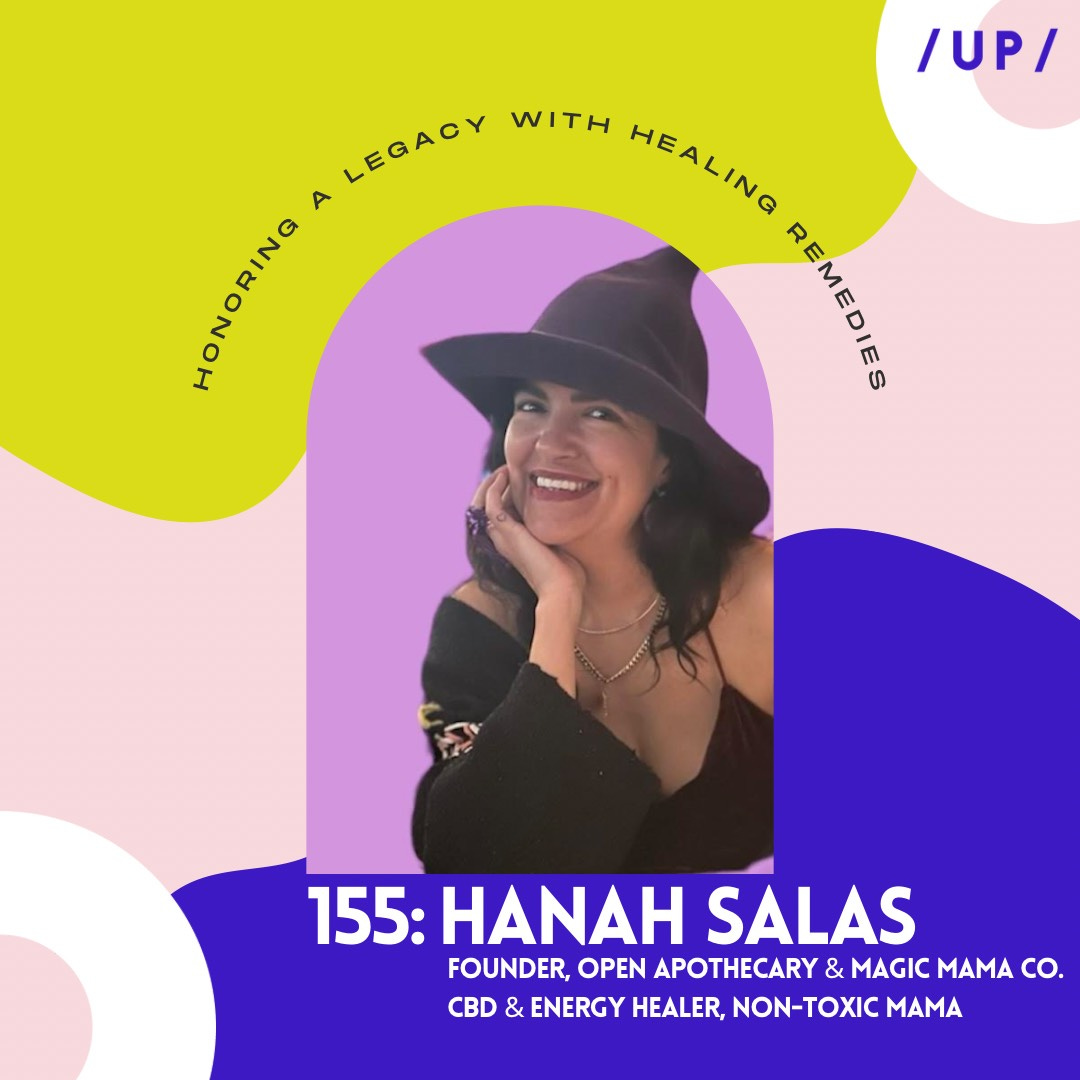
OverviewHanah Salas is the magic mama of three littles; an energy worker and maker, she is the founder of the first and only CBD wellness company that offers sliding scale pricing on its goods: Open Apothecary/Magic Mama Co.! She started consciously making herbal remedies when she was pregnant with her first child, out of the need to use healthy, natural, safe products for her whole family. Then her mom was diagnosed with Lyme disease and fibromyalgia, while at the same time, one of her twin daughters was born with a heart defect. Her intentions and need to create stronger, more magical remedies was born. She started infusing her products with more love; Reiki, prayers, and high vibrations to aid in healing. Her goal now is to make these products more accessible and affordable. The more she sells on her platform, the more she is able to donate products and services to those in need who cannot afford it.Key links mentioned in this episode:Open Apothecary/Magic Mama Co.Buenqamino/Christina Kantzavelos on UP (Episode 119)Brujitxs del Barrio Collective@magicmamaco on Instagram@openapothecary on InstagramLauren’s favorite products:CBD Salve 150mgCBD 50mg Pain Bath BombTune in as Hanah shares:* how and why she first started creating natural products* that her mom likely contracted Lyme disease as a child, and was diagnosed with late-stage Lyme when Hanah herself was an adult* that the one natural remedy that gave her mom any relief from the chronic pain she experienced was cannabis* how complex it was for her mother to get her Lyme diagnosis* that her mom had over 50 diagnoses and was on multiple prescription drugs before being diagnosed with Lyme* how her mom struggled to receive pain medication — and later ended up with opioid addiction* how CBD helped Hanah’s mom, and also contributed to Hanah’s product line* how Hanah has built her business with ethics at the forefront — giving away certain plant medicines to those in need, as well as teaching Reiki and sharing her expertise for free* how her mom’s treatments hit her family financially — and why it’s so important for her that her products be accessible* why she believes that healing — and access to said healing — are our birthrights* what Reiki is, and how accessible it can be as a healing modality* why she also began to access the Akashic records, and how it helped with her daughter’s healing* why she prioritizes BIPOC, indigenous, and LGBTQIA+ clients in her business* why she formed a collective to support communities most impacted by historical underrepresentation and marginalization in her healing work* the importance of addressing grief and trauma in healing work Get full access to Chronic Coach Notes at chroniccoachlauren.substack.com/subscribe

OverviewAt the age of 16, doctors diagnosed Carlos Alvarez as completely blind in his right eye; the sight in his left eye had deteriorated to 73% as a result of congenital glaucoma. When Carlos was 19 years old, he went through eye surgery — but the operation was not successful. He lost all remaining sight, leaving him with permanent sight loss. A person of deep faith, he constantly reframed this experience of loss into one of abundance, telling himself: “sometimes God removes something you never thought you'd lose, to provide you with something you never thought you'd have.” Before losing his sight, Carlos had responded to school bullying by learning Brazilian Jiu Jitsu (known as BJJ by those who practice the sport), a martial art with similarities to Judo. Despite the onset of his disability, and at the encouragement of his cousin, he continued to learn BJJ…and now competes (frequently winning!) as a black belt. He also became passionate about teaching others living with sight loss, helping them improve their quality of life and confidence in their abilities. He now provides BJJ lessons to the blind community through Gama Filho Martial Arts in Miami, Florida, and reminds us that he knows first-hand what it's like to live with a feeling of defenselessness after losing one’s sight; with a fear of falling, getting lost, or the vulnerability of potentially being robbed, struggling to find employment, or being abandoned. In his own way, Carlos has given back to his community through his teaching of the Blind Warriors, and inspires others to take their destinies into their own hands, no matter what level of ability they start from.Key LinksKey links mentioned in this episode:Carlos AlvarezGama Filho Martial ArtsTakeawayTune in as Carlos shares:* that despite vision problems growing up, he didn’t know he had glaucoma until he was 16 years old* the day he completely lost vision in his right eye — and how this led to the discovery that he had been born with congenital glaucoma* his emotional reaction to his diagnosis* that despite his deep faith, he questioned it when he was first diagnosed* how martial arts helped him to regain his happiness and confidence* why Brazilian Jiu Jitsu (BJJ) is particularly adaptable to sight loss: there is no striking in the art, but it’s more of a grappling experience — and, as Carlos tells us, “your hands become your eyes”* that disability care in his home country of Ecuador is not widely distributed* the stigma and misconceptions about blindness that he strives to shift in his work* the importance of independence to him, as a person living with sight loss* how he is leveraging his skill in BJJ to help others with visual impairment to face their fears* how his work has taught him to break through his own limited mindset* that he has a wonderful guide dog to aid him in his independence* instances of prejudice that he’s encountered when out with his service dog* his hope for the future of inclusion in his sport Get full access to Chronic Coach Notes at chroniccoachlauren.substack.com/subscribe
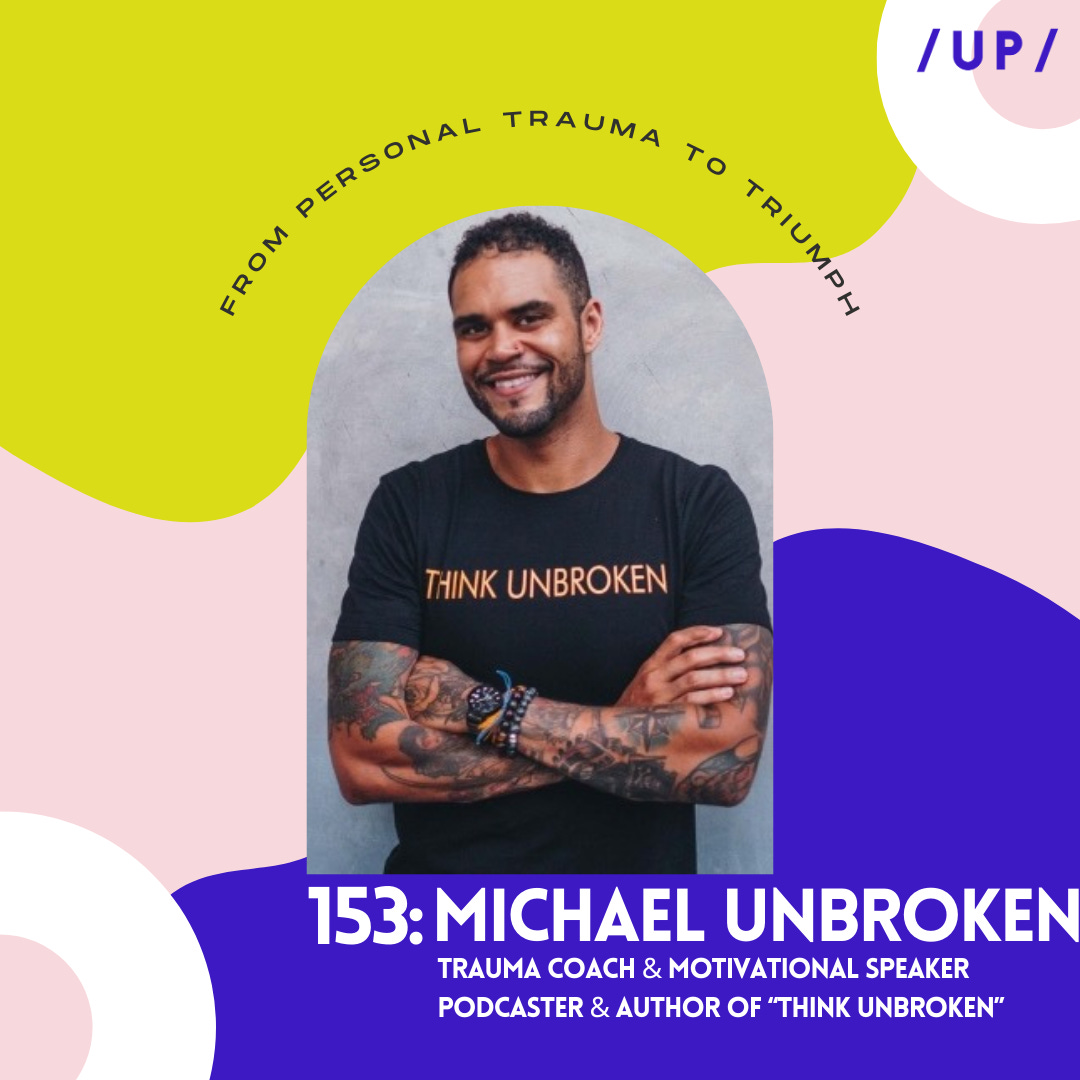
CW/TW: this episode includes discussion of violence, both physical and gun-related, as well as in-depth conversations about abuse, trauma, suicide, drugs, and alcohol addiction. It also includes mention of adoption and body weight, and contains some strong language.OverviewMichael was born to a hyper-abusive, drug-addicted mother who cut his finger off at four years old…lived with what he calls “a step-father you pray you never have,” and was frequently houseless and living in poverty. A member of the Mormon Church, he was also molested by a fellow parishioner. At the age of 13, he ended up in the custody of a racist grandmother who pushed him into an identity crisis — and quickly turned to drugs and alcohol to survive continuing abuse. “Between the guns, drugs, crime, and poverty…I was facing life as just another statistic,” he shares. Despite being diagnosed with multiple learning disabilities and not graduating high school on time, he found success in corporate America in his early 20s. But the success only made things worse: Michael found himself “morbidly obese,” high and drunk daily, experiencing debilitating panic attacks, rage, and even attempting suicide. And then, he had his Mirror Moment: he found his inner power and chose to do whatever it took to work through his childhood trauma. He says that this is when his life really began. Michael is now the author of the best-selling book Think Unbroken and is a coach, mentor, and educator for adult survivors of child abuse. He spends his time helping other survivors get out of "The Vortex" to become the hero of their own story and take their lives back. Michael hosts the Think Unbroken podcast, teaches at Think Unbroken Academy, and is on a mission to create positive change in the world.Key LinksKey links mentioned in this episode:Think UnbrokenMichael’s bookMichael’s podcastTakeawayTune in as Michael shares:* that he first got high at 12 years old* that at 15, he was kicked out of school and put into a “last chance” education program* that his family and friends — and he himself — had been to prison and arrested* his rock bottom moment: putting a gun in his mouth — and not pulling the trigger* how his Mirror Moment took shape: that he realized he was living the stories that others had told him about himself, and moved out of his breakdown* why he got serious about therapy and healing his trauma — both personal and generational* how he got into self-development and writing* that as he sees it, there are two kinds of people: those who are kind to themselves, and those who aren’t* how to shift the pendulum from thought and action into self-actualization* that the idea of healing all starts with action — and making the choice to lead a more fruitful life* why he doesn’t believe that compassion and forgiveness are mutually exclusive — and why he believes forgiveness needs to be earned* why it’s important for him to lead with what he can actually control in his life each day* what “self-care” looks like for him* that he lives with an autoimmune condition (postural orthostatic tachycardia syndrome, or POTS), and has to be mindful of it as he moves through the day* that he has also experienced SIBO (small intestinal bacterial overgrowth), which at one stage contributed to intense brain fog* how physical and mental health are intertwined, and how he counteracts inflammation and stress in his body to be his best* how he’s found freedom in releasing himself from what others think of him* what authenticity means to him* that you are not responsible for the things that happened to you — but you have to acknowledge that they happened* the importance of community, connection, and commitmentUninvisible Pod is a listener-supported publication. To receive new posts and support my work, consider becoming a paid subscriber. Get full access to Chronic Coach Notes at chroniccoachlauren.substack.com/subscribe
OverviewGigi Robinson: if you don’t already know her, then welcome to the party! From making history as a finalist in the Sports Illustrated Swim Search, to her advocacy in the chronic illness and body positivity spheres, all the way to NFT research and navigating life as a small business owner — she truly does it all. With features in Bustle, Business Insider, Forbes, and Vogue Business, Gigi combines beauty and brains as GenZ’s forefront thought leader in the content creation space. Having been diagnosed with Ehlers Danlos Syndrome (EDS) at the age of 11 (and more recently diagnosed with endometriosis), Gigi knows how hard it is to be different. However, her lively spirit, positive demeanor, and elevated work ethic have made her and her Spotify Live Podcast “Everything You Need Is Within” an instant hit. Listeners of her podcast have the opportunity to learn how to become their own advocates, challenge the status quo, and dominate in professional settings. When she is not working on her podcast or posing for national campaigns, Gigi can be found working on her newsletter, “The Creator Chronicles.” Her latest project is aimed at documenting life as a young woman with a chronic illness and unlocking behind-the-scenes tips and tricks for rising content creators. With so much more on the horizon including an upcoming speaking tour, creative production for brands, advising brands and a recently-released book, A Kid’s Book About Chronic Illness, Gigi is just getting started.Key LinksKey links mentioned in this episode:Gigi on InstaGigi’s podcastGigi’s websiteGigi’s bookGigi in SI SwimWEGO HealthCalm AppOura RingTakeawayTune in as Gigi shares:* how she was originally diagnosed with EDS, and how it’s shaped her life* the role that therapy has played in her healing* how and why she developed disordered eating behaviors* how her EDS diagnosis dashed her hopes of pursuing a career as a competitive swimmer* a discussion about the fear that comes up for her around exercise: both because she fears hurting herself (either in the exercise itself, or during recovery), but also because of her history of body dysmorphia* how body image ties into the diagnosis of a chronic condition — and how it inspired her to get into the public discussion of body positivity* some of the holistic practices that have soothed her nervous system and helped her reduce stress* what it means to be an influencer with chronic illness — and what it might mean if remission occurs* why it takes time to learn how to communicate with your loved ones about what you need for living well with a chronic condition* how living with a chronic condition directly impacts mental health* what it’s been like for her to navigate the pressures of being a full-time Master’s student with the realities of living with a chronic condition — and what the accommodations process was like* what her career path has looked like as a result of her physical needs* why she loves water aerobics* what practices she invests in daily for her physical and mental health* a gut check on evolution and acceptance* why it’s important to track your symptomsTranscriptTranscript coming soon! Get full access to Chronic Coach Notes at chroniccoachlauren.substack.com/subscribe
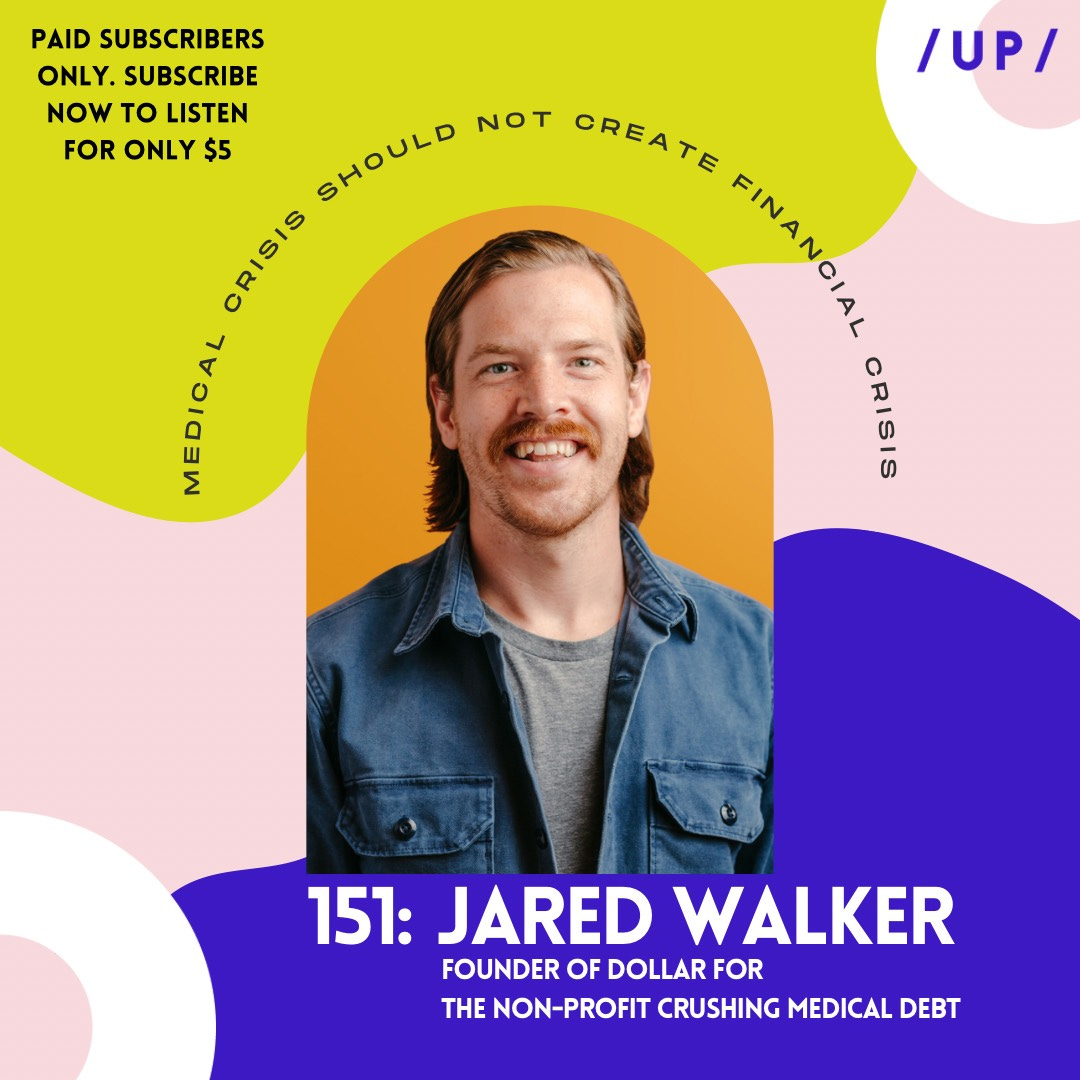
OverviewJared Walker founded Dollar For in 2012 in Portland, Oregon. Now a national non-profit crushing medical bills and making charity care known, easy, and fair, the organization was born out of a desire to help folks in medical crisis after Jared witnessed his own family's experience with — you guessed it — crushing medical debt. Dollar For eliminates said medical debt by empowering patients and advocating on their behalf, because, as they believe: a medical crisis should not lead to a financial crisis. The organization helps patients check if they are eligible for financial assistance at their hospital, prepares and submits applications, and eliminates those medical bills — for free, no strings attached. Jared is on a mission to pulverize as many medical bills as he can while educating patients and empowering patient advocates.Key LinksKey links mentioned in this episode:Dollar ForInstagramTikTokTwitterTakeawayTune in as Jared shares:* why he founded Dollar For in 2012, after his own family underwent crushing medical debt* why he thinks it’s truly ridiculous that medical crises in America usually also bring financial crises along with them — and how this doesn’t serve patients at all* how he learned about charity care programs (enforceable as a result of the adoption of the Affordable Care Act, or ACA)* what charity care is — and why enforcing this program can save patients MILLIONS* how medical debt can negatively impact our credit and force many into bankruptcy* why he took to social media to spread the message about charity care* why he thinks charity care flew under the radar for so long — and why it continues to do so* why federal minimum income thresholds are different from state-to-state, and how this can affect access to charity care* what the federal threshold limit is on the use of charity care (how much time patients have to utilize this bill payment option — 240 days!)* what accountability looks like between state and federal agencies and hospitals — and how Dollar For often stands in as an intermediary* that putting hospitals on blast on social media has often been a more effective tool to enforce charity care than letters from legal sources* why social media patient activism makes Jared hopeful for the future* his estimate that 30% of Americans would qualify for charity care based on income alone* where Dollar For’s bill forgiveness tally was at in April of 2022: $16 million (as of this episode release, they’ve surpassed $28 million!)* how he works to match his volunteers’ strengths with patient needs* the demographics of the patients Dollar For works with: largely the elderly, and individuals who speak English as a second language* how so many hospitals game the system to hide charity care from patients in need* Jared’s take on medical PTSD — and how medical debt contributes to the experience* how Jared sees the future of healthcare costs in America — and that the solution is to empower patients* practical tips for asking hospitals to consider your bill for forgiveness under charity care: write a letter!* Jared’s advice on NOT becoming complacent about large medical bills as they arrive* why NOT to put your hospital bill on a credit card* that if you’ve paid bills on a payment plan and later find out your bill was eligible for charity care — you are eligible for a FULL REFUND* how Dollar For was first invited to the White House by Vice President Kamala Harris (they continue to be invited to this day, and are working with stakeholders to enforce and create awareness of charity care programs on a broader level)SponsorsThis episode is sponsored by Gena Chieco Coaching. Get 10% off Executive & Life Coaching using code INVISIBLE! With a background in psychology and law, Gena inspires clients to step into their best lives by helping them access their inner strengths, clear the cobwebs holding them back, and cultivate a dream-big, growth mindset.TranscriptComing soon! Get full access to Chronic Coach Notes at chroniccoachlauren.substack.com/subscribe

Izabella Wentz, PharmD, FASCP, is an internationally acclaimed thyroid specialist and a licensed pharmacist who has dedicated her career to addressing the root causes of autoimmune thyroid disease after being diagnosed with Hashimoto’s thyroiditis in 2009. She is the author of three books on Hashimoto’s: Hashimoto’s Thyroiditis Lifestyle Interventions for Finding and Treating the Root Cause, Hashimoto’s Food Pharmacology, and Hashimoto’s Protocol, which became a #1 New York Times bestseller. Her latest book, Adrenal Transformation Protocol, was released on April 18th, 2023. The book focuses on resetting the body’s stress response through targeted safety signals and features a 4-week program that has already helped over 3,500 individuals. The program has an impressive success rate, with over 80% of participants improving their brain fog, fatigue, anxiety, irritability, sleep issues, and libido. Dr. Wentz currently lives in Austin and Los Angeles with her husband, Michael, and their son, Dimitry.Tune in as Dr. Wentz shares:- how she became interested in thyroid health- what symptoms she experienced when she was diagnosed with Hashimoto’s- how she applied her pharmacological knowledge to reverse her own Hashimoto’s- how lifestyle changes (especially nutrition shifts) supported her healing- how the concept of adrenal dysfunction became a new focus for her — and allowed her to reverse sleep and anxiety issues- that if you have a thyroid issue, you’re likely also experiencing adrenal dysfunction- what adrenal dysfunction means: that your body is stuck in a chronic stress response- what a cortisol rollercoaster feels like- how ME/CFS and fibromyalgia patients can also experience adrenal dysfunction- why the adrenal response to stress makes sense biologically — even if it doesn’t feel like it’s serving us- where the term “adrenal dysfunction” came from — and why it’s an oh so real biological response, despite the naysayers- why so many people who identify as female live with adrenal dysfunction- why it’s so important to balance our blood sugars and eat more protein in order to begin to treat adrenal dysfunction- the success rates of her Adrenal Transformation Protocol, and how it works- suggestions for supplementation (which should always be reviewed with your MD!)Key links mentioned in this episode:The Thyroid PharmacistBooks Get full access to Chronic Coach Notes at chroniccoachlauren.substack.com/subscribe
Chris Armstrong, PhD was first introduced to Myalgic Encephalomyelitis/Chronic Fatigue Syndrome (ME/CFS) through research into metabolomics at the University of Melbourne, Australia. As he delved deeper into his work, he discovered its connection to ME/CFS patients, and empathized so much with their plight – and the lack of resources, funding, and research available to both patients and clinicians – that he made it his mission to continue research in this field in the hope of finding a cure. Since publishing his first ME/CFS metabolomics study in 2015, he has continued research into the disease, spurred on by patients whose stories have moved him. As the Open Medicine Foundation’s Science Liaison, Chris works on collaborative studies with their partner organizations and helps to translate scientific language for the public. He is also a Visiting Scholar at Stanford University.Key links mentioned in this episode:Open Medicine FoundationOMF on FacebookOMF on TwitterOMF on InstagramTune in as Chris shares...- how he got involved in ME/CFS research- his main area of expertise: metabolomics- that ME/CFS outbreaks can be traced back as far as the mid-19thC, with symptoms commonly related to significant concerns with fatigue, sleep, pain, brain fog, and a 50% loss of general function- a description of PEM – post-exertional malaise – which is the main component of ME/CFS- that there are up to 50 symptoms associated with ME/CFS, but the main five are: PEM, fatigue, unrefreshing sleep, cognitive impairment, and pain- that ME/CFS is highly comorbid with fibromyalgia and other invisible illnesses- that ME/CFS was originally described as a flu- or polio-like illness; and was first properly explained by the Ramsay definition and given the moniker of “Myalgic Encephalomyelitis”- that patients need to have ME/CFS for 6+ months in order to receive a diagnosis- one of the major schools of thought with regard to ME/CFS: that it stems from a dysfunction of stress response in the body; it’s possible, however, that bacteria and other pathogens may also play a role in onset- that 1 in 200-300 people has ME/CFS- that ME/CFS is NOT categorized as a rare disease; but it’s treated by the medical community as such – creating stigma through lack of research and understanding- that ME/CFS has been commonly misdiagnosed as a form of hysteria – both in the past and in the present- that very few clinicians dig in deep enough with their patients in order to give them an ME/CFS diagnosis – but that burden is not just on doctors, as diagnostics and treatment guidelines need to be standardized in order to support their work- that the Open Medicine Foundation was built to provide effective treatments for ME/CFS patients- that meeting patients has inspired him in his work, even from the very beginning- the desperate need for funding for continued research into ME/CFS- the politics of funding medical research- that ME/CFS is often considered to be more a psychological than a physiological illness- that the National Institutes of Health (NIH) has been more receptive than some Aussie governing bodies when it comes to research into ME/CFS- the biggest bright spot in ME/CFS: the momentum of funding for research- OMF’s collaborative research initiatives with Harvard, Stanford, and others- that ME/CFS could be a collection of several diseases, and not one disease in and of itself- the importance of specifics in diagnostics- why medicine needs to be patient-centered- the importance of pacing in order to avoid a crash related to PEM Get full access to Chronic Coach Notes at chroniccoachlauren.substack.com/subscribe

Andrew Gurza is an award winning Disability Awareness Consultant and the Chief Disability Officer and Co-founder of Bump’n, a sex toy company for and by disabled people. Andrew uses they/he pronouns and identifies proudly as disabled. Their work has been featured on BBC, CBC, Daily Xtra, Gay Times UK, Huffington Post, The Advocate, Everyday Feminism, Mashable, Out.com, and several anthologies. He was the subject of an award-winning National Film Board of Canada Documentary, Picture This. Andrew has guested on a number of podcasts, including Dan Savage’s Savage Love and Cameron Esposito’s Queery. He has spoken all over the world on sex, disability and what it means to be a Queer Cripple. He is also the host of Disability After Dark: The Podcast Shining a Bright Light on Disability Stories, which won a Canadian Podcast Award in 2021, was a Queerty Award nominee, and was chosen as an Honoree at the 2020 Webby Awards. The show is available on all platforms. Andrew is also the creator of the viral hashtag #DisabledPeopleAreHot. You can find out more about Andrew by going to www.andrewgurza.com and connecting via social media @andrewgurza_. Tune in as Andrew shares: how they were diagnosed with cerebral palsy (CP) at the age of one and a half their more recent diagnosis of IBS, and how it has presented its own challenges how COVID has affected their sex life, and why they hire sex workers where they can see room for disability discourse to grow how they emotionally process ableism from day-to-day the nuances of caregiving, and how bad management can lead to dehumanizing experiences for patients how care management can be improved from the top-down how they have cultivated their mindset — and how their #1 advocate, their mom, was key in encouraging them to develop a thick skin and a sense of humor a nuanced conversation about accessibility — and why it’s more difficult for disabled creators to create accessible content, even if we’d like to how we can work to get out of the public health crisis of bias in healthcare: by hiring those of us who are historically excluded to positions of power, to reshape the system from the top-down why and how they were inspired to create Bump’n — the world’s first disability-driven sex toy Get full access to Chronic Coach Notes at chroniccoachlauren.substack.com/subscribe

Dailyn Santana is a first-generation Cuban-American actress, keynote speaker, spoken word poet, and mental health advocate. Her work focuses on eradicating mental health stigma and her personal experience of living with bipolar 1 disorder, depression, and anxiety. Her mission is to be an example that those living with mental illness CAN live a happy, fulfilling life. She believes that living in your truth is the most powerful tool you can have, and performs her spoken word poetry at events and schools/universities across the country. Her work has been featured on or at The Dr. Oz Show, ALL DEF Poetry, Nuyorican Poets Cafe, Swaay Magazine, I and I Outfitters, We All Grow Latina, and Spiritú, and she has collaborated with Mitú, the BeVocal SpeakUp for Mental Health initiative, BeRemarkable Foundation, The Womens Empowerment Network, the American Foundation for Suicide Prevention, and the National Alliance for Mental Illness. Tune in as Dailyn shares: when she first experienced mania and psychosis — but that she lived without diagnosis for at least a decade how she was haunted by stigma and shame from the early days of her diagnosis how her diagnosis affected her relationship to her creative outlet: poetry the role her cultural background played in her relationship to her diagnosis and care why she came out of her “bipolar closet” how she interviews potential practitioners, and her tips for others looking for a new therapist why her diagnosis doesn’t define her how she became a mental health advocate what a “warm line” is, and how helpful it can be (see the links in show notes for some directories!) why asking for help is a sign of strength Get full access to Chronic Coach Notes at chroniccoachlauren.substack.com/subscribe

Phoebe Lapine is a food and health writer, gluten-free chef, culinary instructor, recipe developer, wellness blogger, Hashimoto's advocate and speaker, and the voice behind the award-winning blog Feed Me Phoebe. Named by Women’s Health Magazine as the top nutrition read of 2017, Phoebe’s debut memoir, The Wellness Project, chronicles her journey with the autoimmune disease, Hashimoto’s thyroiditis. She is the host of the SIBO Made Simple podcast and author of the new book by the same name which helps those newly diagnosed or chronically fighting small intestinal bacterial overgrowth. Phoebe’s work has appeared in Food & Wine, Marie Claire, SELF, Glamour, Cosmopolitan and Mind Body Green, who named her one of 100 Women to Watch in Wellness. She was born and raised in NYC — where she continues to live and eat. Tune in as Phoebe shares: how she was first diagnosed with Hashimoto’s thyroiditis how her health has impacted her relationship with food how much work it takes to be well, especially when one is impacted by chronic illness what SIBO is, and how she was diagnosed how the symptoms of SIBO can manifest in the body about the state of SIBO research and clinical practice what it was like to humble herself with her own advice after writing The Wellness Project how big a role stress can play as a root cause in chronic illness about the close correlation between IBS, SIBO, and autoimmune disease what a low-FODMAP diet is all about how she accesses and optimizes her own wellness what she thinks the next frontier of gut health will be Get full access to Chronic Coach Notes at chroniccoachlauren.substack.com/subscribe

Nikita Williams is a mindset business coach and the host of the podcast, She’s Crafted to Thrive. She was diagnosed with endometriosis in 2009 and fibromyalgia in 2010. These diagnoses inspired her to use the training she received from previous jobs to jump-start her career as a business coach. Nikita learned that having a chronic illness did not limit her potential. In fact, it helped her to see the possibilities for herself and for her clients. Her aim is to help all creative women — especially those who live with chronic illness — to go from feeling limited to limitless so that they can create a life and business that thrives, in their unique way. Tune in as Nikita shares: that she first noticed debilitating pain on her honeymoon, but noticed irregularities in her cycle from its appearance at the age of 15 the learning curve of “not knowing what you don’t know” that she’s been additionally diagnosed with PCOS (polycystic ovarian syndrome), adenomyosis, IC (interstitial cystitis), and vestibulitis (which she now has as a result of medical trauma caused by a healthcare provider) why she decided to take a year off all medications that she has never been offered mental health support for her conditions how she discovered she was a highly sensitive person (HSP) why she only sees female doctors how seeing a urogynecologist was a life-changing experience for her why self-advocacy is so vitally important why finding a way to cope with her pain has always been her first priority — and yes, even before the question of her fertility that the depth of her chronic pain and surgical intervention forced her to face her mortality how essential oils and EFT (Emotional Freedom Technique) have helped her manage her pain and anxiety why her hysterectomy triggered depression and anxiety how sharing about her chronic illnesses helped her find healing why she chooses to be intentional with her energy that in order to embrace your future, you have to face your past Get full access to Chronic Coach Notes at chroniccoachlauren.substack.com/subscribe

Originally launched as a means of sharing her craft projects, Kendall Rayburn’s namesake blog has since evolved into her passionate full-time occupation: a place to pour her heart into content across the lifestyle spectrum (see: plus-size fashion, family-friendly travel and activities, home decor, recipes, and more). It has also become a powerful vehicle for sharing her struggles with endometriosis — all with the token contagious positivity that’s garnered her a devoted following. Add to that her candid takes on being a Spoonie mom to son Wyatt, who lives with autism, and you’ve got an oasis of advocacy and lifestyle like no other. We dare you not to fall in love with the happy, hectic world of Kendall! Tune in as Kendall shares: how she was gaslighted from an early age to believe her period pain was normal that she became aware her son was on the autism spectrum when he was 18 months old that she also lives with anxiety, depression, and PTSD following adverse childhood experiences that she was diagnosed with endometriosis at 22, and told by her doctors that she was so far advanced in her disease that she needed to consider starting a family immediately if she ever wanted to have one that the pain of her diagnosis forced her to finish college online that after her second child, she was offered a hysterectomy for her pain — and that by the age of 26, she was undergoing menopause that to this day, she has had eight surgeries for her pain — and it is still debilitating why she regrets her hysterectomy that she was never offered therapy as she navigated both her diagnosis and her son’s — and why it plays such an important role in her life now how medical research has failed her as a woman living with stage IV endometriosis how she manages her pain now what her son has taught her about resilience her advice for others living with chronic pain and/or advocating for others Get full access to Chronic Coach Notes at chroniccoachlauren.substack.com/subscribe

Dr. Akilah Cadet is the Founder and CEO of Change Cadet consulting firm, which offers a broad array of anti-racism and diversity services including strategic planning, crisis rebuilding, advising, executive coaching, and facilitation. Cadet (her last name) is a French term that means soldier. As it's often an uphill battle for BIPOC, women, and historically excluded communities to achieve success and equity in the workplace, Change Cadet prepares soldiers of change to overcome these continuous battles so individuals and companies can thrive. Akilah has 15+ years of experience working in various organizations, with both private and public sector companies. She literally has all the degrees (Bachelor of Science in Health Education in Community Based Public Health, a Master of Public Health, and a Doctorate of Health Sciences in Leadership and Organizational Behavior), lives in Oakland, CA, has a rare heart condition, and is a proud Beyoncé advocate…and has just been diagnosed with hypermobile Ehlers-Danlos Syndrome (hEDS). And on top of all that, she’s the host of the Change Cadet Podcast! Tune in as Dr. Cadet shares: how her early symptoms first manifested the truth about accurate diagnosis: “in order to be diagnosed, you have to be misdiagnosed” how she was diagnosed with coronary artery spasms, or Prinzmetal’s angina; as well as inappropriate sinus tachycardia, pre-atrial contractions (irregular heartbeat), and orthostatic hypertension how she faced her own mortality during the process of being diagnosed what her long-term care looks like with regard to heart health: ER visits and the risk of heart attack the criteria she holds her care providers to why she is still waiting for genetic testing to determine her hEDS type how she manages her symptoms day-to-day — and how so much of that management involves clear communication what true energy management looks like for her why the “ER is nothing but trauma for [her]” — and why healthcare in America is such a mess a conversation about the concepts of intersectionality and inspiration in chronic illness and disability identities her advice for Spoonies and their loved ones Get full access to Chronic Coach Notes at chroniccoachlauren.substack.com/subscribe

Faith Crittenden, MD MPH is a recently-graduated pediatric resident with her Doctorate of Medicine from the University of Connecticut School of Medicine. While a student, she was an active member of the Student National Medical Association (SNMA) and the American Medical Association (AMA). In 2016, she was appointed as the national liaison for SNMA to AMA — Medical Student Section. She has helped the progression of organized medicine in many ways — most recently is a co-author on several historic policies passed through the AMA House of Delegates, such as: Racism is a Public Health Threat, Racial Essentialism, and Combating Police Brutality. This year, she also added Combating Natural Hair and Cultural Headwear Discrimination in Medical Professionalism to this list. Faith was also the Deputy Editor for the Yale Journal of Biology and Medicine March 2021 preventative medicine issue. This TedX alumna has also landed coverage around the country through op-eds and articles featured in Health Affairs, Hartford Courant, CT Mirror, Yale Daily, and In-training.org. Faith knows that in order to change the culture of medicine, we must evaluate and critique the health policies of the past, present, and future. In April 2020, she launched a podcast called Coloring Health Policy which focuses on how health policy impacts minority communities, both domestically and internationally. Faith holds a Bachelor of Science degree in chemistry, Minor in molecular cell biology with Honors from the University of Connecticut, and Masters of Public Health in Health Policy from Yale University. Tune in as Faith shares: how she has confronted trauma-informed services in healthcare, and how her early experience shaped her interest in medicine the importance of prioritizing mental health care about her historic role in having racism declared a public health crisis by the AMA how hard she and her team worked to have this policy passed by the AMA her hope that more BIPOC train as physicians in the future — and that these recent policy declarations can help pave the way how to get involved in activism locally, to support ongoing work in racial justice and healing the role of Black men in healthcare reform in America where her advocacy work is headed next: to addressing natural hair and cultural headwear discrimination Get full access to Chronic Coach Notes at chroniccoachlauren.substack.com/subscribe

Pooja C. Danay is a South Asian mental health advocate who lives with obsessive-compulsive disorder (OCD). An actor, entrepreneur, and dancer who specializes in Bollywood dancing (been doing it since she was 5 years old!), she loves traveling and spending time with family and friends. Born and raised in New Jersey and currently living in NYC with her husband, she attended Pace University and the Lubin School of Business. She is proud of her culture: where her family comes from (India) and its rich traditions. She is a huge believer in advocating for what you believe in, and hopes that speaking up and sharing her story can help others and inspire hope. Tune in as Pooja shares: that she was diagnosed with OCD at the age of 13, but recognized symptoms earlier than that that her symptoms manifested with obsessive thoughts, compulsions, depression, and anxiety that OCD is an anxiety disorder, and the compulsions are usually designed to give someone a sense of control when they don’t feel they have it how her background influenced her approach to mental health care — because mental health and illness can be a taboo topic in South Asian cultures one of the biggest challenges of her diagnosis: finding an appropriate therapist how her diagnosis affected her relationships, especially as a teen why dealing with mental illness is such a lonely experience, especially early on why support and community is as vital as finding the right care providers what ERP (Exposure and Response Prevention) is, and how it has helped her mitigate the negative aspects of her disorder how stress can influence her symptoms how OCD affected her in the workplace early in her career, and how it influences her treatment of employees now what we most desperately need to change about American healthcare in order to best serve patients in need her thoughts on using medication to manage her illness her advice for others living with chronic and/or mental illness why we need to destigmatize conversations about mental health and illness Get full access to Chronic Coach Notes at chroniccoachlauren.substack.com/subscribe

Nthabeleng Ramoeli was born in the small southern African country of Lesotho. At the age of 12, she began to experience chronic pain and subluxation of her joints, in addition to extreme skin elasticity, GI and lung issues, and anapyhlaxis. These symptoms persisted through her admittance to university, where test after test came back inconclusive. So, she began her own research…and stumbled upon Ehlers-Danlos syndrome (EDS). While her diagnosis was eventually confirmed, none of the practitioners in her region knew what EDS was — or how to treat it. She found herself arguing with doctors every time she had contact with the medical system, as most couldn’t admit the limit of their own skills and knowledge. In 2014, she was in an accident in which she sustained over 10 broken bones down her spine, among other injuries. A spinal specialist informed her that EDS had saved her life: her joints were so hypermobile, the impact hadn’t shattered her spinal cord…and while she spent close to a year in rehabilitation, she can walk again today. In 2017, she founded Rare Diseases Lesotho Association (RDLA) in order to serve others living with rare disease in her corner of the world — by raising awareness, providing care and education services, and bringing those who feel alone into community. In 2020, this led to the creation of the Rare Diseases African Alliance, which also includes the Rare Diseases Namibian Alliance. As an activist and advocate for EDS and other rare diseases, Nthabeleng has found ways to cope with her diagnosis despite the hardships she faces — and is fueled by helping others live as comfortably and fully as possible with rare disease. Tune in as Nthabeleng shares: when she first started experiencing symptoms of EDS, and how she was diagnosed how she struggled with doctors who didn’t understand her diagnosis and treatment how her constellation of symptoms finally made sense when she discovered EDS in her research her experience in a psychiatric hospital, which further proved her diagnosis was not in her head the degree to which her organs are involved in her EDS type how her diagnosis has impacted her relationships how and why she founded RDLA how disability has transformed her presence in the world how you can support RDLA’s efforts her advice for others living with invisible disability Get full access to Chronic Coach Notes at chroniccoachlauren.substack.com/subscribe

The idea behind non-profit community support organization Bolus Maximus began in late 2017 when Matt Tarro and Brandon A. Denson started having weekly discussions about their lives with type 1 diabetes (T1D). Coming from completely different backgrounds, the two actually had a lot in common — and recognized they both wanted to change the narrative around men’s freedom to express their emotions. Brandon has taken the helm of this movement in an effort to address the sheer lack of Black faces on organizational boards. A stand-out linebacker and walk-on at Michigan State, Brandon has played football at the highest level while living with diabetes (and earned a Bachelor’s degree in Criminal Justice while he was at it). His devotion to community, specifically working with young Black diabetics, is nothing short of inspiring — and his career in the AFL, CFL, and NFL has allowed him to connect with more and more young people living with his condition. Extreme sports suit Brandon’s counter-part, Matt, who grew up in a medical family and spent 10 years in digital advertising, media, and marketing. With a background in creative design and brand development, their work together is just getting started. Fun fact: Brandon was the first Black man with T1D to compete on an aired episode of American Ninja Warrior! As Matt & Brandon say, “Remember: it’s OK to ask for help, show emotions, or have bad days. Let’s talk about tough stuff.” Tune in as Brandon & Matt share: when and how they were both diagnosed with T1D that when they were diagnosed, there was not support for teenage males with T1D how technology advancements in diabetes care has changed their lives how they were inspired to start giving back to their community why chronic illness diagnoses can be so taxing — beyond the physical the impact of Matt’s diabetic alert dog, Forest, on his life how their diagnoses have impacted their relationships what inspires them every day why mental health support is so vital to survival with a chronic illness when and why Matt began to address substance use a discussion of ADA compliance in addressing individuals who work with service animals (and the animals themselves) a discussion of access issues with regard to medical care and equipment for diabetes management why money matters in the healthcare system their advice for living well with T1D Get full access to Chronic Coach Notes at chroniccoachlauren.substack.com/subscribe

Morgan Greene is a chronic illness and holistic wellness blogger and content creator at Is Was Will Be blog. After being diagnosed with rare chronic illness Myasthenia Gravis (MG), Morgan started writing to process her experience — “serving as both therapy and accountability” for her, as she so aptly puts it. As her journey progressed, she found solace in putting into words what many of her fellow Spoonies were experiencing. What started as a hobby has turned into a passion, as Morgan continues to spread awareness about living with chronic illness and inspiring women to live their illest lives. As she details on her blog, “I challenge you not only to share the journey with me, but also to start one of your own. It is my hope that through my words, you will find the fuel to ignite your own personal revolution. That you will finally start living according to your own…happiness. There’s no easy button. It’s not going to happen tomorrow, next week, or even next month. But if you just start, one day you will be able to wake up to a life you made happen.” Tune in as Morgan shares: how her symptoms started, and how she was initially diagnosed the importance of working with a specialist for your condition what her MG treatment looked like — and how a thymectomy brought her MG into remission what MG is: a neuro-autoimmune condition why seeking support and community is vital as a Spoonie how her diagnosis helped her strengthen her self-love practices how MG has changed her approach to exercise how MG has shaped the way she sees her life now how reducing toxins in her daily life has improved her health why holistic wellness has become a major interest for her her top tips for thriving with chronic illness Get full access to Chronic Coach Notes at chroniccoachlauren.substack.com/subscribe


Download from Google Play

Download from App Store
 United States
Do you have a link to the Fight Like A Warrior website?