


 Claim Ownership
California Sun Podcast
Subscribed: 47Played: 1,033
Subscribe

Description
The California Sun presents conversations with the people that are shaping and observing the Golden State
317 Episodes
Reverse
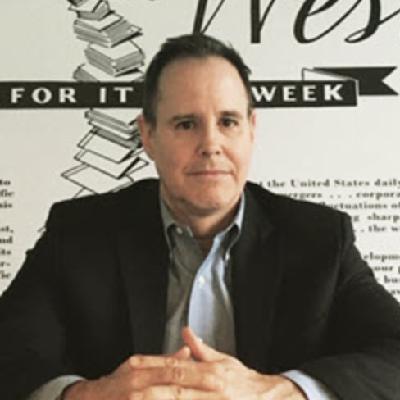
Joe Flint, a media reporter for the Wall Street Journal, joins us as Hollywood heads into Oscar weekend — a moment when the world celebrates the glamour of the movies even as the business faces deep uncertainty. Flint looks at the industry's economic upheaval: mergers, mounting debt, streaming disruption, and the growing question of whether the Hollywood model that built California's cultural and economic identity can survive the digital age.
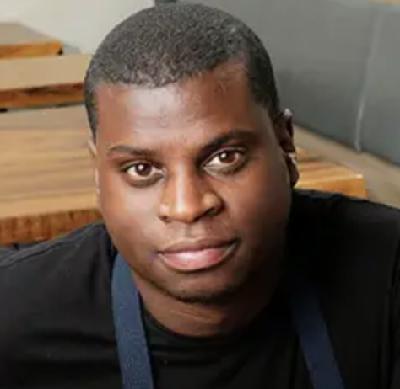
Chef Geoff Davis opened Burdell in Oakland to cook the soul food his grandmothers made — a distinct American cuisine rooted in migration and adaptation rather than Southern tradition. In 2024, Food & Wine named it the "Restaurant of the Year." But it was a 20% service fee at the bottom of Burdell's receipts that recently started a national conversation about labor, class, and whether we've ever really reckoned with the history of tipping.
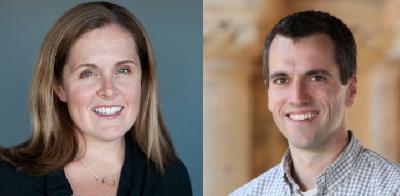
Valerie Ziegler, a high school teacher in San Francisco, and Joel Breakstone, executive director of Stanford's Digital Inquiry Group, talk about digital literacy in the classroom. Many self-described "screenagers," they say, can no longer tell real from fake. Together, Ziegler and Breakstone are at the forefront of a movement to prepare young people for a world of influencers, algorithmic manipulation, and artificial intelligence, an effort recently profiled in the New York Times.
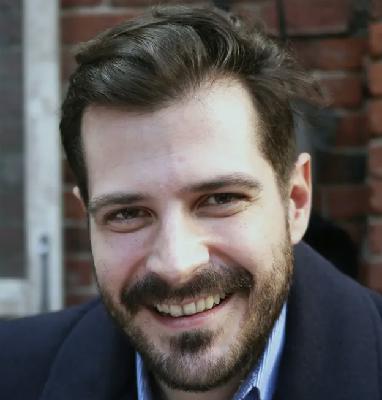
When California legalized recreational cannabis, Silicon Valley envisioned a new Gold Rush. Tushar Atre — a tech entrepreneur, surfer, and disruptor — thought he could bridge two worlds: venture capital and the black market. On Oct. 1, 2019, he was shot execution-style on his own property, hands bound. Investigative journalist Scott Eden, author of the new book "A Killing in Cannabis," spent four years unraveling what happens when ambition meets an industry that never forgot its outlaw roots.
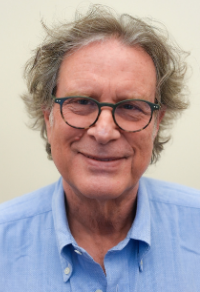
Danny Goldberg, author of the new book "Liberals with Attitude: The Rodney King Beating and the Fight for the Soul of Los Angeles," was there in 1991 when an unlikely Los Angeles coalition fought to hold the city's police department accountable for the beating of Rodney King. Thirty-four years later, after George Floyd and the recent events in Minneapolis, Goldberg wonders whether the sort of cross-ideological cooperation that happened in the 1990s is still possible today.
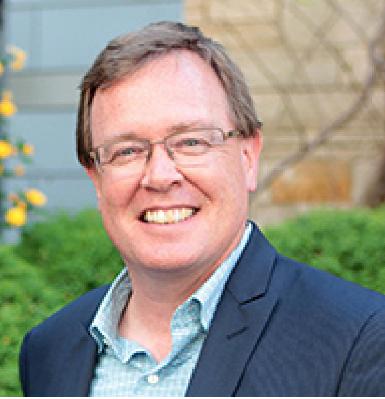
David McCuan, a professor of political science at Sonoma State University, discusses the findings of a recent Los Angeles Times exposé that showed how California's beloved county fairs, which generate $400 million annually, have become hotbeds of corruption where bookkeepers steal, officials rig bids, and governor-appointed boards feast on lobster and cabernet. With governance structures frozen since the 1880s and no state audits for years, one-third of these fairs are now plagued by fraud — even as they've become critical staging grounds for disaster response worth tens of millions in real estate.

The Los Angeles-based artist Laurie Lipton shares why she's drawn obsessively since age four, how she invented her "insane" cross-hatching technique studying Dutch Masters in Europe, and how waitressing paid the rent so she could draw. After 36 years abroad, she says she returned to Los Angeles to find America rolled back to 1955. She discusses why drawing is her drug, how stepping aside lets the work flow, and why political art struggles to find gallery walls.

Esther Mobley, a wine critic for the San Francisco Chronicle, talks about California's wine industry crisis — nearly 5,000 wineries competing for declining demand, 38,000 vineyard acres removed in 2025, mounting closures. She discusses why younger generations aren't drinking wine, what happens to tourism-dependent communities when vineyards close, and whether California wine's romance can survive its greatest challenge yet.
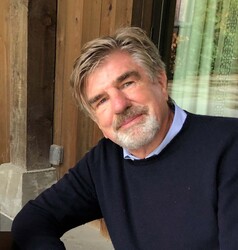
Last week, MTV officially shut down, ending an era that revolutionized music, video, and shaped California's youth culture. Tom Freston co-founded the television channel 44 years ago, building a creative empire on principles that seem impossible today: hiring people with no experience, protecting creatives from corporate pressure, valuing disorientation over data, and treating loyalty as strategy. His memoir "Unplugged" chronicles how adventure became business, and what we lost when Silicon Valley replaced joy with efficiency.
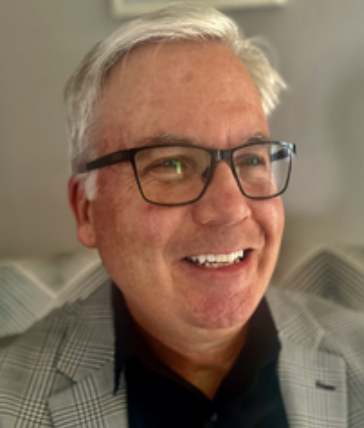
Scot Danforth, author of the new biography "An Independent Man," talks about the life of Ed Roberts, who founded the Independent Living Movement. In the revolutionary 1960s, Roberts and his fellow Berkeley activists pioneered the disability rights fight. He later led change in Sacramento as California's Director of Rehabilitation, advocating for state legislation years before the federal Americans with Disabilities Act. But, as current threats show, hard-won gains like these can be taken away.

Photographer Matthew Scott captures Los Angeles through his lens, revealing stories hidden in plain sight. His projects include "Concrete River," an ongoing exploration of the 51 miles of channelized waterway where nature stubbornly persists, along with intimate studies of L.A.'s palm trees and Normandie Avenue. His work asks what our built environment becomes beyond its intended purpose, and what it reveals about who we are. Find his work at MathewScott.com.
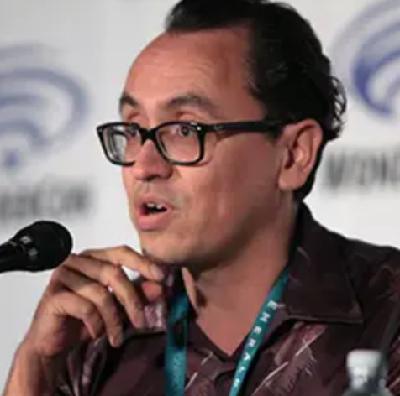
Gustavo Arellano reports from California's ground zero of President Trump's deportation crackdown. The Los Angeles Times columnist explains why many Latino voters who supported Trump now feel betrayed, how Southern California's "suburban apathy" toward immigration raids contrasts with Chicago's whistle-led resistance, and how the dynamics of 1994's the anti-immigrant Proposition 187 — which radicalized a generation of California Latinos — have echoed in current debates over immigration.
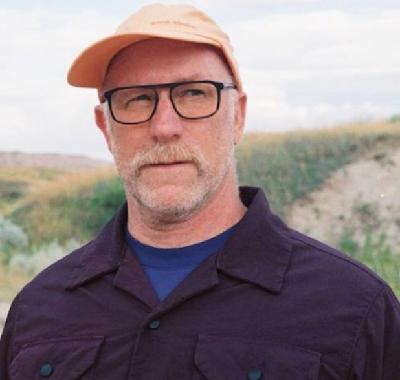
Roddy Bottum, a founder of the alternative metal band Faith No More, chronicles 1980s and '90s San Francisco — a dark, overlooked era between the Summer of Love and the tech boom. His memoir, "The Royal We" recalls a vanished city of bicycle messengers and punk rock in the shadow of the AIDS crisis. It's a poetic testament to community, loss, and the creative rebellion that defined pre-tech San Francisco.
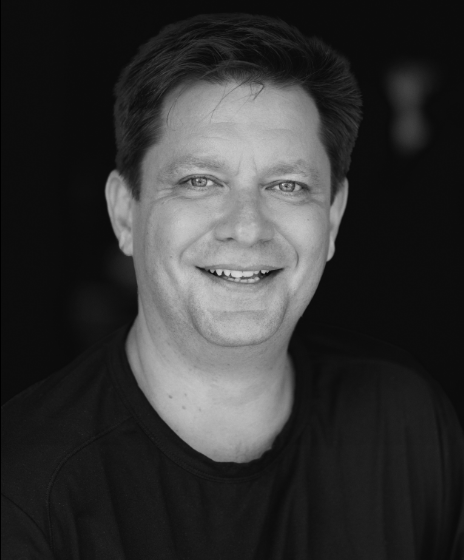
Ashlee Vance reports from San Francisco's underground robot fight clubs, where humanoid machines controlled by virtual reality pilots battle in steel cages before roaring crowds. China dominates the hardware, America provides the spectacle, and artificial intelligence makes the robots increasingly lethal. The technology is advancing at breakneck speed — raising questions about entertainment, military applications, and what happens when these machines become truly intelligent.

Todd S. Purdum, veteran journalist and author of the new book "Desi Arnaz: The Man Who Invented Television," explains how a Cuban refugee revolutionized Hollywood from his adopted home in Los Angeles. Though underappreciated as a showbiz entrepreneur, Arnaz pioneered the three-camera sitcom format, shifted television production from New York to Los Angeles, and created the business model that would sustain the industry and TV production for seven decades.
John Freeman, author of "California Rewritten: A Journey Through the Golden State's New Literature," talks about how California has become America's new literary center, challenging New York's dominance. He discusses the pandemic book club that sparked his journey, the state's evolving mythology, and how diverse voices are redefining what it means to imagine America's future.
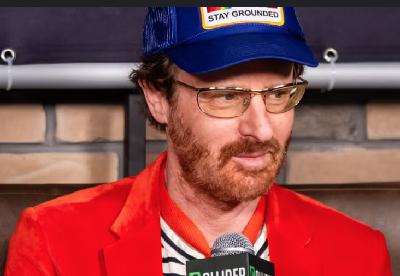
Filmmaker Ari Gold turns the camera on his own family in "Brother Verses Brother," an ambitious one-shot musical that follows him and his identical twin brother searching for meaning through the streets of San Francisco's North Beach, alongside their 99-year-old novelist father, Herb. Gold explains how this experimental work, executive produced by Francis Ford Coppola and generating serious buzz on the festival circuit, blurs the line between documentary and fiction, asking uncomfortable questions about art, family, and what we're willing to expose in pursuit of truth.
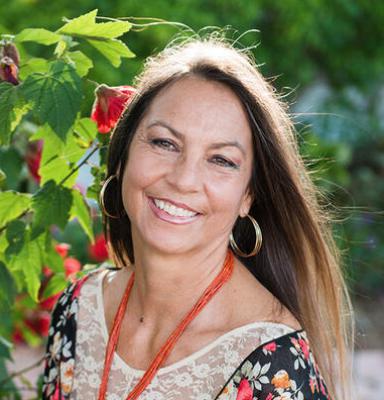
Dina Gilio-Whitaker, author of the new book "Who Gets to Be Indian?" explores how California became ground zero for Native American identity fraud — from Hollywood's early film lots to today's casino capitalism and tribal disenrollment crisis. The state's confluence of entertainment industry, counterculture movements, federal relocation programs, and gaming wealth created perfect conditions for "Indianness" to become commodified, challenging authentic tribal sovereignty and belonging across the nation.
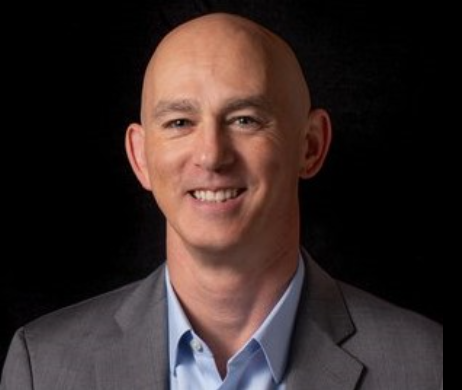
Mike Magee is the president of Minerva University, which has earned the No. 1 ranking in the World University Rankings for Innovation for four consecutive years. Founded in San Francisco in 2012, Minerva reimagined higher education — eliminating campuses, lectures, and tenure while sending students to live and study across seven global cities. Magee discusses how Minerva, with only a 4% acceptance rate and students from more than 100 countries, is preparing the next generation of leaders for an interconnected world.
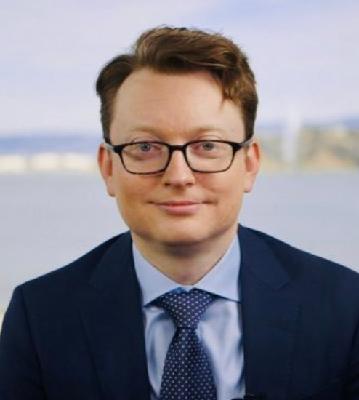
Tim Higgins discusses his new book "iWar," examining how one of California's corporate crown jewels, Apple, faces an unprecedented rebellion. Tech leaders such as Spotify's Daniel Ek and Epic's Tim Sweeney are waging a legal war over what they have portrayed as a shakedown operation — the 30% App Store cut that generates massive profits for Apple while stifling competition. As this battle imperils Apple's hold on the mobile world, the rise of artificial intelligence is threatening to potentially displace the smartphone era altogether.

Comments

Download from Google Play

Download from App Store
 United States