


 Claim Ownership
Real Things Living
Subscribed: 6Played: 13
Subscribe

© Brigitte Cutshall
Description
Discover the real things that matter in life.
Real Things Living explores resilience, connection, and navigating life’s challenges. Host Brigitte Cutshall shares her journey of surviving cancer twice and a rare brain tumor, offering insights to help you focus on what’s important and find strength. Each episode features practical tips and inspiring stories from Brigitte and her guests to help you overcome adversity, build resilience, and create a meaningful life.
Real Things Living explores resilience, connection, and navigating life’s challenges. Host Brigitte Cutshall shares her journey of surviving cancer twice and a rare brain tumor, offering insights to help you focus on what’s important and find strength. Each episode features practical tips and inspiring stories from Brigitte and her guests to help you overcome adversity, build resilience, and create a meaningful life.
259 Episodes
Reverse

Everyone is creative in their own way.In this episode of Real Things Living, Brigitte Cutshall speaks with Ali Hall, a contemporary fine artist whose abstract and nature-inspired works bring calm and joy to those who experience them. Ali shares her journey—from discovering painting as a child, to rediscovering it after a decade-long pause and major life challenges. They explore how creativity fosters resilience, connects us to nature, and helps us navigate life’s noise.🌟 Three Takeaways(1) Creativity is for everyone: it’s not just painting or writing; even cooking or fixing things can be powerful creative outlets.(2) The art of play builds resilience: allowing yourself to experiment and “be imperfect” creates space for joy and healing.(3) Stillness fuels creativity: taking just 5–15 minutes a day to pause, doodle, or reflect can bring calm and new perspective.Discover more of Ali's work at https://alihall.art and on Instagram @alihall.artAnd if you enjoyed this episode, please share Real Things Living with someone who could use a reminder to embrace creativity in their own life.
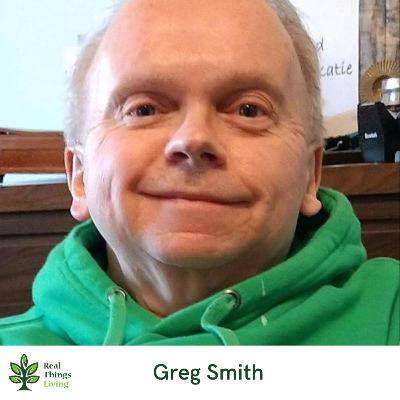
Doctors said he wouldn't survive childhood. At 69, Greg Smith is believed to be the oldest living person in the world with his condition...and he's got a book to prove the odds wrong.Greg Smith was diagnosed with osteogenesis imperfecta (brittle bone disease) before his second birthday and given a life expectancy of 25 years. In this conversation with Brigitte Cutshall, Greg opens up about growing up in an inaccessible world, the parents who refused to give up on him, and how he went on to earn a social work degree, build a 30-year career serving others, and write his memoir "Stronger Than Bone" — one of the only first-person accounts of living with this rare condition that affects fewer than 50,000 people worldwide.3 Takeaways:(1) Persistence is Vital: Don’t let "bad days" define you; focus on taking life one day at a time to build mental and spiritual strength.(2) Value Your Support System: Success is a collective effort fueled by "angels"—the caregivers and friends who provide essential support and compassion.(3) Seek Daily Joy: Cultivating passions like music, sports, or writing is therapeutic and prevents your circumstances from putting you in a "box".Grab "Stronger Than Bone" in e-book format or audiobook. It's a listen worth making time for on your next long drive. https://www.amazon.com/dp/B0FRNPJCRXConnect with Greg on Facebook, Instagram, Twitter, and Bluesky as @wheelingreg or reach him directly by email (gapsmith1@verizon.net)
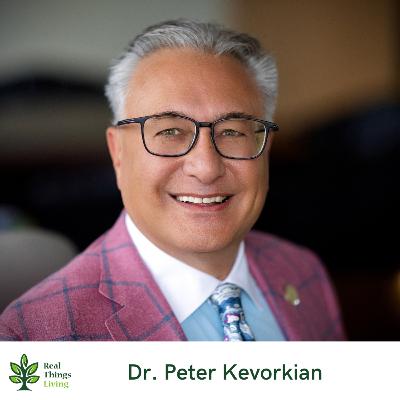
The conventional view of healthcare often starts with a problem, but Dr. Peter Kevorkian believes the true essence of health begins with removing the interference to your body’s own brilliance. As a renowned chiropractor and the President of Life Chiropractic College West, Dr. Peter joins Brigitte Cutshall to discuss why optimizing the spine is about much more than "cracking backs"—it’s about unlocking the potential of the human spirit.Key Takeaways:(1) The Nervous System as a Bridge: Your nervous system acts as the conductor, translating thoughts, sensations, and emotions into physical manifestations.(2) Intimate Relationship: Physiology and psychology are two sides of the same coin; an issue in one will always echo in the other.(3) Reclaiming Harmony: Understanding this connection is the first step toward clearing the "static" and allowing your body to function at its highest frequency.Ready to clear the static and tune into your body's natural frequency? You can connect with Dr. Peter Kevorkian at pkevorkian@lifewest.edu or explore more about his leadership and philosophy at https://lifewest.edu
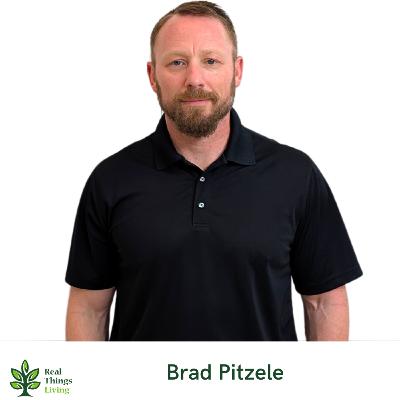
"I walked out of that appointment freaked out... no one seemed to see it but me". Brad Pitzele was a young father losing his functionality to what doctors called "minor" issues—until it became a fight for his life. Brad Pitzele, CEO of 1000 Roads, shares his harrowing journey through "medical gaslighting," a $500 test that changed everything, and why he ultimately built his own medical-grade oxygen system in his garage. Discover how 15 minutes of "hijacking" your physiology can do more for your cells than hours in a traditional hyperbaric chamber.3 Takeaways:(1) The 1% Rule: Our oxygen levels drop 1% every year after age 25; learn how to reverse this "energy leak".(2) The "Third Path": Why you should never accept a binary choice in healthcare and how to stay curious enough to find a better way.(3) Mitochondrial "Feeding": How oxygen and red light therapy work together to "power up" your cells.Ready to be your own health advocate? Download Brad’s free protocol guide at https://BradTalksHealth.com
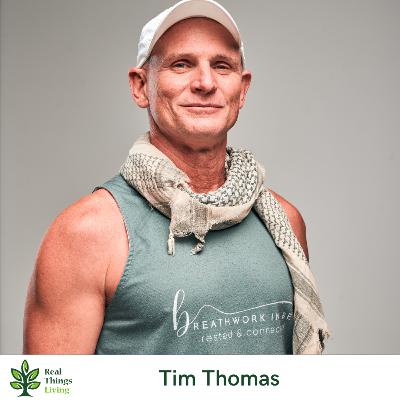
A decorated Special Forces veteran nearly lost everything to the system that was supposed to save him—until he discovered the one tool the body has always had.In this episode, Brigitte Cutshall speaks with Tim Thomas, an ex-Australian Special Forces member dedicated to helping people reclaim their sense of self and energy. Drawing from his combat experience and his own journey with PTSD, Tim discusses the vital importance of breaking isolation and overcoming fatigue. He challenges the "economy of dysfunction" in mainstream medicine, advocating instead for natural healing modalities that integrate the body and mind to achieve permanent results.3 Key Takeaways:(1) The Power of Presence: Anxiety often stems from the mind traveling forward or backward in time; true power and "totality" are found by connecting the mind 100% to the current moment.(2) Breaking the Isolation Cycle: Intense physical or emotional pain often transforms into secret loneliness and isolation, which are the opposite of how humans are built to function.(3) The "P Test" for Success: Effective healing must be Powerful, Positive, and most importantly, Permanent—ensuring that the progress made actually sticks long-term.Connect with Tim Thomas and explore his resources below:https://breathworkinbed.com.au/https://www.instagram.com/breathworkinbed/https://www.facebook.com/breathworkinbedhttps://www.tiktok.com/@breathworkinbedhttps://www.linkedin.com/in/bettersleepbetterworld/
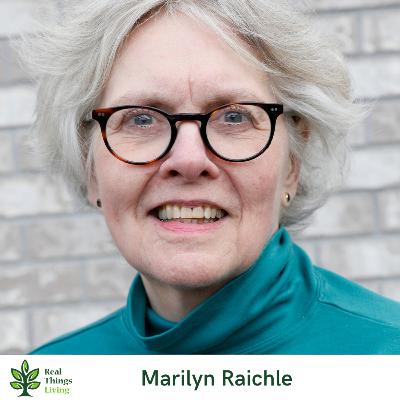
Instead of a long goodbye, imagine a nine-year journey filled with newfound creativity, laughter, and deep connection. In this episode of Real Things Living, Brigitte Cutshall talks with Marilyn Raichle, author of "Don't Walk Away: A Care Partner’s Journey." Marilyn shares how her mother’s late-life discovery of painting transformed their relationship from one of "caregiver and patient" to true "care partners".KEY DISCUSSION POINTS(1) Art as an Anchor: Marilyn discovered that while Alzheimer’s is scary, art is not; it allows the person living with dementia to be present and their true self to emerge.(2) The Power of Listening: Marilyn shifted from "being raised to win" to learning the art of listening, discovering that her mother always had something left to teach.(3) Living vs. Suffering: A central theme of the conversation is the importance of saying a person is "living with" dementia rather than "suffering from" it, acknowledging their ongoing value and humanity.(4) Innovation in Care: As Executive Director of the Maudes Awards, Marilyn highlights how they provide $100,000 in annual gifts to individuals and organizations finding innovative ways to bring joy to those with memory loss.Insights for Care Partners:(1) The Five-Minute Rule: If you are struggling to connect, find one simple thing you both enjoy—a walk, a song, or a sunset—and do it for just five minutes.(2) Emotional Memory: Even if a loved one cannot remember the specifics of a visit, they retain the positive emotion and "joy" that the interaction provided.ResourcesWebsite: https://dontwalkaway.net The Maude's Awards: https://maudesawards.org
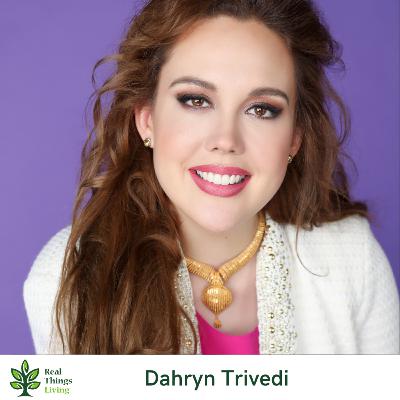
Is your life running on an outdated operating system? Brigitte Cutshall sits down with enlightened master Dahryn Trivedi to challenge the modern definition of resilience. Backed by 6,000+ scientific experiments, they explore why "coping" is actually a sign of failure and how to move into a state of effortless flow and "spiritual immunity."Key Takeaways:Why the $4 trillion wellness industry indicates a lack of true healing.Data-backed results: How consciousness affects everything from crop yields to inflammation.Moving from survival mode to authentic transformation.Visit https://divineconnection.org/realthingsliving for an exclusive discount to try a divine blessing for the first time.If this episode helped you rethink your own resilience, hit the 'Follow' button and share this with a friend who's tired of just 'coping'.
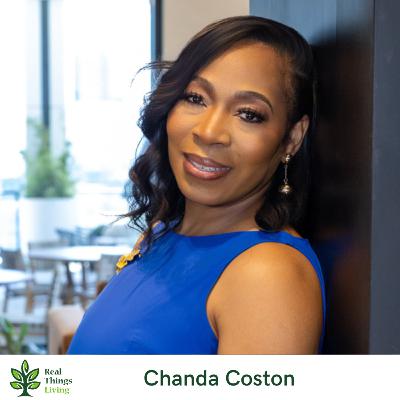
You've poured into everyone else — your career, your family, your community. Now it's your turn. But where do you even start?Brigitte Cutshall sits down with Chanda Coston, a business coach and strategist who helps women in midlife build businesses that actually fit their lives. Chanda shares how losing her brother to gun violence led her to discover her passion for mentoring, and why she believes women in their 40s, 50s, and 60s are uniquely positioned — and urgently ready — to bet on themselves. From overcoming overwhelm to building personal brands, Chanda brings both military discipline and heartfelt coaching to help women stop waiting and start living.3 Key Takeaways:(1) Structure and boundaries are the cure for overwhelm. If you're constantly saying yes to everyone else, there's nothing left for your own dreams — and that has to change first.(2) All of your experiences are your greatest asset. Nothing was wasted. Your career, your seasons of life, even your failures are human capital that no employer will ever fully compensate you for.(3) Accountability is a multiplier. Telling someone your goal makes you 65% more likely to achieve it — having someone hold you to it pushes that to 95%.Stop waiting for the "perfect" moment to prioritize your dreams. Visit https://Chanda-co.com to explore how a 12-week strategic plan can help you scale your business without sacrificing your well-being. https://www.instagram.com/chanda__co/
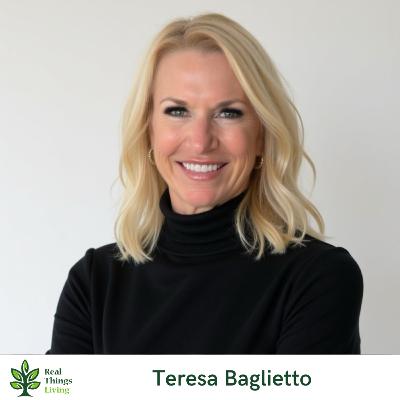
Four cancers, three strokes, two brain aneurysms, a divorce, and 27 surgeries — and she came out on the other side with a book, a podcast, and a whole lot of laughter.Teresa Baglietto joins Brigitte Cutshall on Real Things Living for a raw and deeply relatable conversation about surviving the unsurvivable. From her first cancer diagnosis in 2008 through a decade of medical crises, Teresa shares how she leaned on her faith, her village of friends, and her sense of humor to keep going. She opens up about raising three boys through it all, writing her book, The Ripple Effect, and launching her podcast In Shock — both rooted in the belief that our hardest moments don't have to define us, but they can absolutely shape us.Takeaways:(1) Laughter is medicine. Teresa credits her community of funny, loving friends as one of her most powerful healing tools. Giving yourself permission to laugh — even in the darkest moments — releases stress, shifts your energy, and brings moments of joy when you need them most.(2) Suppression creates disease. Teresa and Brigitte both emphasize that keeping your struggles hidden can catch up with you. Being vocal and open about what you're going through isn't weakness — it's a survival strategy.(3) Your anchors matter. Rather than just talking about resilience, Teresa's book, The Ripple Effect, focuses on the anchors — the specific habits, people, and mindsets that actually carry you through. Resilience is the outcome; the anchors are the practice.Check out Teresa's book "The Ripple Effect" - https://www.amazon.com/Ripple-Effect-Teresa-Baglietto/dp/B0G2SXSLXGHer podcast "In Shock" on YouTube and all major platforms https://www.youtube.com/@inshock.podcast Connect with her on Instagram https://www.instagram.com/inshock.podcast/Visit her website at https://teresabaglietto.com And if you loved this episode, share it with someone who needs a reminder that joy is always worth fighting for.
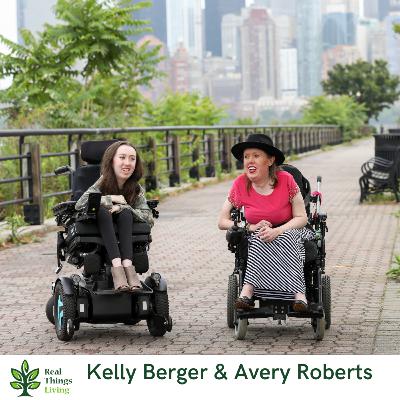
Congenital Muscular Dystrophy (CMD) is an ultra-rare diagnosis that often requires a long, complex journey toward answers.In this episode, Brigitte Cutshall sits down with Kelly Berger and Avery Roberts, hosts of the Wheel Talk with Kelly & Avery Podcast, to explore their lives with the same rare subtype of CMD. From meeting on a Zoom call to becoming close friends and collaborators , they share how they navigated the transition to mobility devices for independence and safety , the frustrations of a world not built for them , and their mission to amplify disabled voices through female empowerment.3 Key Takeaways(1) Diagnosis is a Spectrum: Avery was diagnosed at age seven after extensive testing , while Kelly lived with a misdiagnosis until her late 20s ; their experiences highlight that CMD is a spectrum disorder where every individual's journey is unique(2) The Difference Between Compliance and Access: The ADA provides only a "bare minimum" for public spaces , but many private or older venues, such as New York theaters, remain inaccessible , forcing those with disabilities to perform exhausting "pre-planning" just to run basic errands.(3) The Power of Allyship and Unlearning: Being a supportive ally starts with a willingness to "unlearn" misconceptions and assumptions about the disability community , understanding that there is power in collective action to enact meaningful, lasting change.Action items: - Support and listen to people with disabilities- Advocate for accessible environments- Stay informed about genetic testing and healthCheck out Kelly and Avery’s stories on the Wheel Talk with Kelly & Avery Podcast—available on Apple, Spotify, and YouTube—and follow their mission to uplift and empower rare voices.
"I was in robot mode: high productivity, zero emotional connection." Kevin Rice built a company from his garage to 250 employees and $40M in revenue, but the "success" felt hollow. In this episode, we dive into how to break out of survival mode, redefine "balance" through intentionality, and lead your family with the same passion you bring to your career.Key Takeaways(1) Move from Balance to Intentionality: True work-life balance may be unrealistic for high performers, but intentionality is achievable by planning family time with the same focus and purpose as a business meeting.(2) Beware of "Robot Mode": Leaders often default to "robot mode"—a state of high productivity without emotional connection—during intense stress. While this helps business survival, it prevents you from feeling the joys and highs of your achievements.(3) Lead by Example, Not Compliance: Parenting is less about enforcing chores and more about modeling values like grit and initiative. Children are more likely to contribute to the household naturally when they see their parents working for something they believe in.Visit the CEO's and ABC's podcast - https://www.ceosandabcs.com/Connect with Kevin on LinkedIn - https://www.linkedin.com/in/kmrice/
The journey to finding your true self often requires leaving behind the stories that no longer serve you. In this episode of Real Things Living, host Brigitte Cutshall sits down with Robin Ferguson—an executive leader, coach, and author of "The Phoenix Effect."Robin shares how her background as a nurse and minister shaped her understanding of resilience and self-acceptance. They discuss the "Phoenix Effect," a transformative process of breaking down old personas to ignite a more authentic version of yourself, and how "positive disruptors" can help anyone break free from a stagnant routine.3 Takeaways:(1) Self-Awareness is a Superpower: Understanding the stories and cultural messages that shaped your history allows you to consciously choose who you want to be today.(2) Embrace Positive Disruptors: Stepping into uncomfortable territory—whether by taking a new class or simply changing your commute—breaks rote patterns and opens the door to new possibilities.(3) The Power of Curiosity: Staying endlessly curious keeps the mind young, aids in navigating change, and serves as the heart of creativity.Pick up a copy of Robin’s book, The Phoenix Effect, available on Amazon https://bit.ly/3Md4lkN Barnes & Noble https://bit.ly/4rgLuUXConnect with her at https://robin-ferguson.com

If you think your past defines your future, this story of Ivy League success, 20 years of homelessness, and ultimate redemption will change your mind.Ken Miller joins Brigitte Cutshall to share his powerful journey from being a National Merit Scholar at Dartmouth to spending two decades battling addiction, homelessness, and incarceration. Now 21 years sober and a successful business owner, Ken discusses the "internal problem" behind addiction, the courage required to face childhood trauma, and how he transitioned from a life of "negative secrets" to becoming a kind, gentle mentor for the next generation.3 Key Takeaways(1) Own Your Truth, Lose the Power: Healing begins by "turning the lights on" in the rooms of your past. By speaking his "big secrets" aloud, Ken stripped them of their power to cause him pain or shame.(2) The Myth of the "Why": While trauma and environment are factors (antecedents), Ken emphasizes that rationalizing bad behavior through past pain prevents true recovery. Accountability is the first step toward change.(3) Service as Self-Care: One of the fastest ways to build self-worth is to get "outside of yourself." Helping others—whether through formal mentoring or simply calling a lonely relative—creates the value you might feel you're lacking.Grab a copy of Ken Miller’s book, Becoming Ken, on Amazon - https://amzn.to/4tDHdwA

"I don't think I had a choice—this is just how my river runs."In this episode of Real Things Living, host Brigitte Cutshall talks with Yousef Benhamida, the systems-driven entrepreneur behind the national brand Humboldt’s Secret. Yousef shares his journey from childhood "hustles" to bootstrapping a national empire. He explains why he values a "clean house" and organized systems over raw hustle, and how a relentless refusal to lose drives his success.3 Key Takeaways:(1) Systems are the Wings: Radical organization is the only way to scale. You must eliminate chaos to make a business light enough to "fly."(2) The Habit of Winning: Yousef trades the word "discipline" for a strategic focus on avoiding the habits that lead to losing.(3) The Draft Moment: Success is years of quiet preparation meeting one massive opportunity. You have to be positioned to perform when the big contract appears.Connect with Yusuf Benhamida - https://yousefbenhamida.com/Humboldt’s Secret Supplies - https://humboldtssecretsupplies.com/Instagram - https://www.instagram.com/yousefbenhamida/LinkedIn - https://www.linkedin.com/in/yousefbenhamida/
Imagine working your entire life for a retirement you never reach. Engineering leader, Jossie Haines, shares how a family tragedy transformed her perspective on ambition, burnout, and the urgent need for human-centric leadership in the age of AI.After reaching the heights of Silicon Valley as a VP of Engineering and working on iconic products like Siri, Jossie realized that the traditional "up and to the right" career path often leads to burnout rather than fulfillment. She discusses the systemic reasons why 50% of women leave tech by age 35, how to leverage AI as a leadership tool rather than a replacement for human judgment, and why true success must be defined on your own terms.3 Key Takeaways:(1) The "Next Step" Philosophy: Avoid the paralysis of trying to map out a massive goal from A to Z. Focus exclusively on the immediate next step—whether it's a phone call or a brainstorm—to gain clarity without the overwhelm.(2) Inclusion is a Product Feature: Diverse teams aren't just a metric; they build better tech. Jossie highlights how a lack of diverse testers can lead to products (like voice assistants) that fail to recognize women's voices or various accents.(3) AI is a Change Management Challenge: Integrating AI into a team isn't just about the software; it’s a leadership task. Success with AI requires human oversight to determine what "good" looks like and to ensure it solves the right problems.Connect with Jossie Haines on LinkedIn - https://www.linkedin.com/in/jossiemann/Check out her website - https://JossieHaines.com to learn about her upcoming workshops and coaching programs.
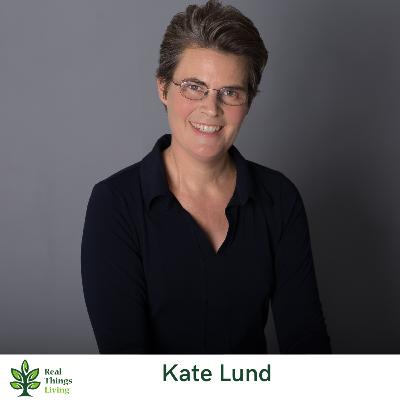
"We need to focus on who we are." The secret to raising resilient children starts with the parent stepping away to find their own calm in the chaos.In this episode of the Real Things Living Podcast, Brigitte Cutshall explores the essentials of Parental Resilience with psychologist and author Dr. Kate Lund. Dr. Lund introduces her "Step Away" book, which focuses on the psychology of parenting and why resilient parenting requires us to prioritize our own well-being first.They dive into the comparison trap of social media, the importance of mindfulness for parents, and practical strategies for overcoming parental stress. By shifting from a "crisis mode" to a "resilient lifestyle," moms and dads can find better work-life balance for families and improve overall mental health for moms and dads.3 Key Takeaways(1) Manage the Baseline: Resilience isn't just for emergencies; it’s a daily practice. Using tools like the "relaxation response" helps parents start their day at a lower stress level so they can ride life's challenges like a wave.(2) The "Step Away" Philosophy: Stepping away isn't about checked-out parenting; it’s about putting on your own oxygen mask first. By prioritizing self-awareness and personal joy, parents can "step back in" more robustly for their families.(3) Context Over Comparison: High stress often stems from comparing our "messy" reality to curated digital lives. True resilience comes from optimizing within your own unique context and focusing on authentic human connection.To find more of Dr. Kate Lund’s resources and pick up a copy of her new book, Step Away, visit her website at https://KateLundSpeaks.com Connect with her on: LinkedIn https://www.linkedin.com/in/kate-lund/Instagram https://www.instagram.com/dr_kate_lund/
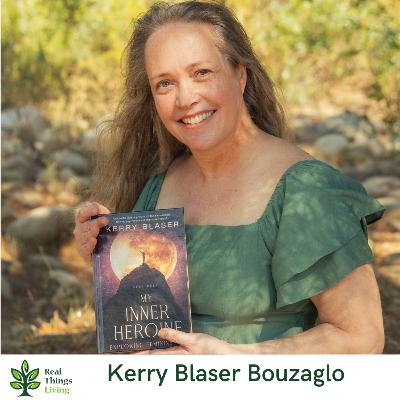
Your chronic physical pain might be more than a medical diagnosis—it could be your body’s only way of screaming for emotional rescue.Author and Shaman, Kerry Blaser Bouzaglo, joins Brigitte Cutshall to share her journey from a traumatic childhood and debilitating back pain to a life of "psychic gifts" and radical health, revealing how women can stop "popping pills" and start listening to the wisdom of their own biology.3 Key Takeaways:(1) The Body as a Mirror: Chronic physical ailments—specifically lower back and "womb" pain—often serve as physical manifestations of repressed emotional trauma, guilt, and shame.(2) The "Hills and Valleys" of Growth: Using a physics-based metaphor, Keri explains that the "valleys" of life provide the momentum and speed necessary to reach higher levels of wisdom; without the lows, we cannot reach the "Everest" of enlightenment.(3) Recalibrating the Nervous System: Healing is the process of shifting the body’s resonance from fear-based frequencies to the frequencies of love and compassion (measured at $500\text{ Hz}$ and above).Are you ready to stop ignoring what your body is trying to tell you? Download Kerry's new book, My Inner Heroine. https://www.amazon.com/dp/B0F2SJZ1B6Visit her website to explore your own origin story and begin your healing journey today. https://kerryblaser.com/
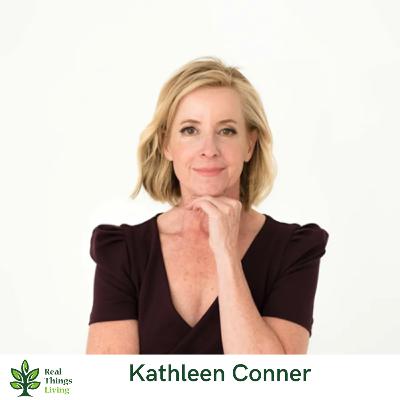
Are you living for everyone else but yourself? Kathleen Conner, the founder of Chasing Purpose, joins Brigitte Cutshall to discuss the "Aha" moment that saved her life and how women can stop being "fine" and start being seen. Drawing from her experience as a high-level corporate executive and a lifetime of service, Kathleen reveals the "box methodology"—the labels like "The People Pleaser," "The Perfect Mother," and "The Invisible Woman" that keep us trapped.Key highlights:(1) The 100-Yard Wake-Up Call: Why a moment of physical exhaustion forced Kathleen to re-evaluate her life’s direction(2) The Power of the Pause: How taking two seconds to breathe before reacting can keep you in control of your own identity.(3) The "Fine" Trap: Why saying you’re "fine" often means "Feelings I Never Express" and how to break the habit of repressing your needs.(4) 1% Better Every Day: Practical advice for shifting your internal "emotional baseline" without the burnout of massive, sudden changes.Visit https://chasingpurpose.com to take Kathleen’s free Emotional Baseline Assessment or book a discovery session.

Ditch the idea that you need natural-born talent and discover how curiosity, bread-making, and even a "neutralized" paintbrush can become your most powerful tools for emotional healing.In this episode of Real Things Living, host Brigitte Cutshall sits down with Grace Esther, the heart behind Healing with Grace. Grace shares her journey into creativity, which began in 2006 and took a significant turn during the isolation of the pandemic. She discusses how her time alone allowed her to break free from people-pleasing tendencies and embrace her own passions, particularly baking and painting. Grace recounts her experiences with fasting, which led her to discover her love for baking, and how she transitioned into painting through paint-by-numbers kits, ultimately developing her unique style.Takeaways:- Creativity is a healing tool.- Embrace your passions without fear of judgment.- Start with simple projects to build confidence.- Experimentation is key to finding your style.- Sustainable changes are what stick.Learn more about Grace:TikTok - https://www.tiktok.com/@livingwithgrac3 Substack - https://open.substack.com/pub/simplyspectacular40 Days to Transformation Through Drawing, Notes and Guided Journal Entries - https://a.co/d/18w6P06
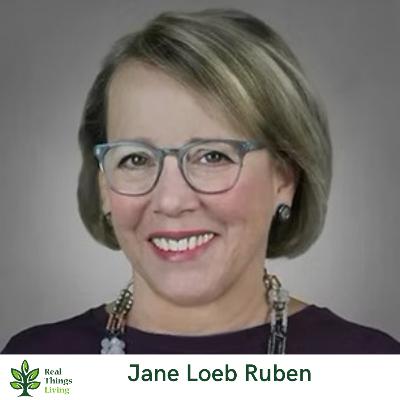
A life-altering cancer diagnosis after a 30-year career in healthcare administration led Jane Rubin to find her voice—and her ancestors—through the power of historical fiction.In this episode of Real Things Living, host Brigitte Cutshall connects with two-time cancer survivor and author Jane Rubin. Jane opens up about her journey with the BRCA gene mutation, explaining how a breast cancer diagnosis actually saved her life by revealing a high genetic risk for other cancers. This health battle ignited a passion for tracing her family history, leading her to discover "Tilly Mathilda," a relative who died of a "woman's disease" in 1925 and whose name had been forgotten by time.Jane transformed these discoveries into the Gilded City trilogy, blending meticulous medical history—from the "golden window" of WWI ambulance services to the early days of reproductive rights—with the emotional resilience of the women who lived through it. Learn more about Jane Rubin and the "Gilded City Trilogy" at https://janeloberubin.comhttps://www.instagram.com/janeloebrubin/Support ovarian cancer research through the Mathilda Fund - https://www.janeloebrubin.com/mathilda-fund

Comments

Download from Google Play

Download from App Store
 United States