


 Claim Ownership
Culinary Medicine Recipe
Subscribed: 56Played: 312
Subscribe

© Alternative Food Network Inc.
Description
If you've ever been told to "eat healthier" and want healthy food to be delicious but struggle to achieve this, Dr. Sabrina Falquier delivers the diced and delectable details with evidence-based culinary medicine for real-life wellbeing.
Guest interviews about food as medicine with top chefs, doctors, healthcare visionaries and food service professionals publish on the first Wednesday of the month. As an added bonus, the podcast includes short practical "bite-size" episodes with the host in her kitchen sharing nutrition tips and easy healthy food recipes that taste good.
Tune in to learn why your food choices matter and be inspired to turn great food into powerful medicine to address issues including inflammation, gut health, blood sugar and longevity.
Elevating the impact of Food as Medicine, Culinary Medicine is a new evidence-based field that blends the art of food and cooking with the science of medicine to prevent and treat disease.
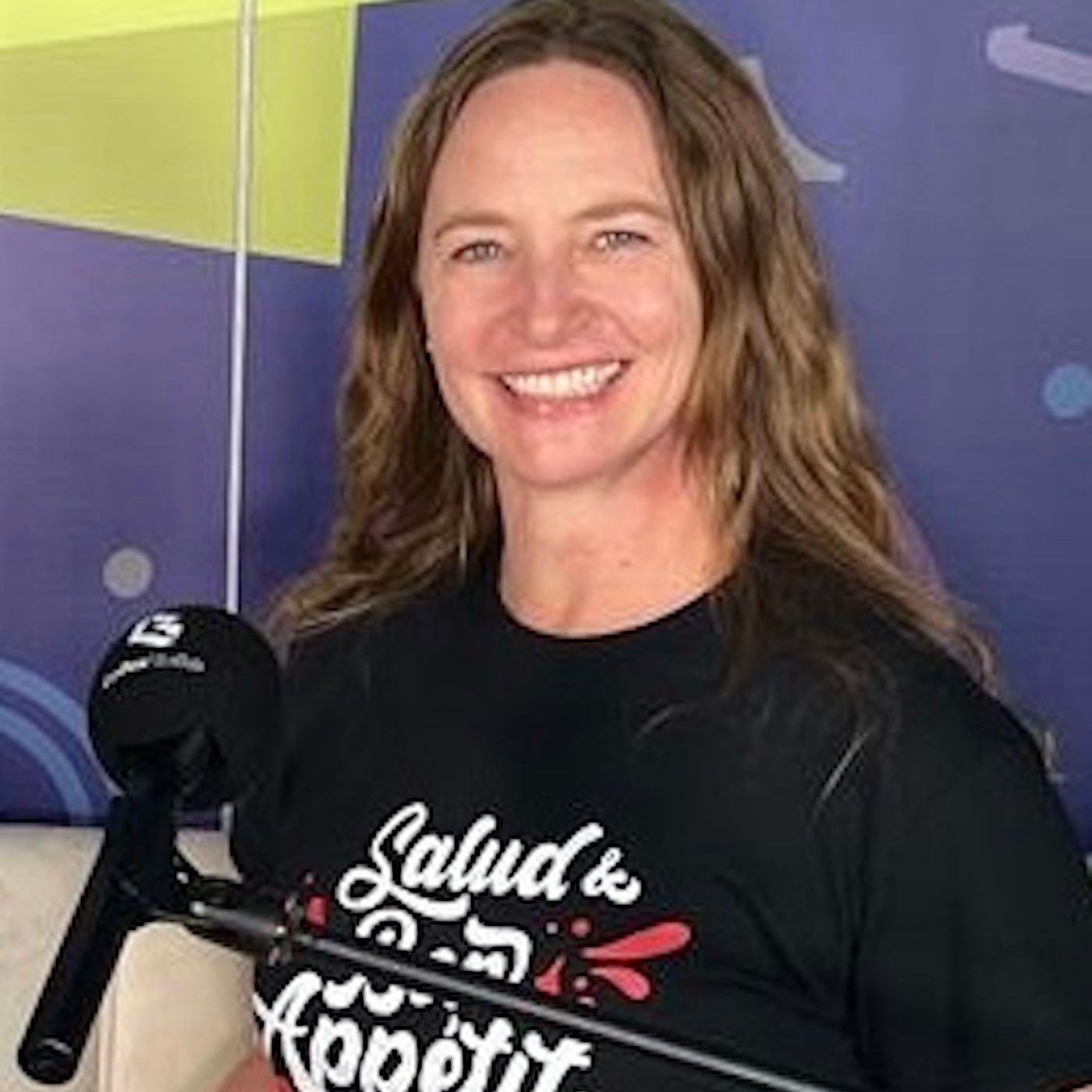
Host, Dr. Sabrina Falquier, is a triple board-certified physician and leading culinary medicine expert. She is also bilingual in Spanish and English.
New to the show? Subscribe now and start with one of our most downloaded episodes, Episode 28 about reducing inflammation in the body, then move to Episode 3 for practical food tips on creating a balanced meal for short and long term health.
For Spanish speakers, find Medicina Culinaria on your favorite podcast platform also hosted by Dr. Falquier.
Guest interviews about food as medicine with top chefs, doctors, healthcare visionaries and food service professionals publish on the first Wednesday of the month. As an added bonus, the podcast includes short practical "bite-size" episodes with the host in her kitchen sharing nutrition tips and easy healthy food recipes that taste good.
Tune in to learn why your food choices matter and be inspired to turn great food into powerful medicine to address issues including inflammation, gut health, blood sugar and longevity.
Elevating the impact of Food as Medicine, Culinary Medicine is a new evidence-based field that blends the art of food and cooking with the science of medicine to prevent and treat disease.
Host, Dr. Sabrina Falquier, is a triple board-certified physician and leading culinary medicine expert. She is also bilingual in Spanish and English.
New to the show? Subscribe now and start with one of our most downloaded episodes, Episode 28 about reducing inflammation in the body, then move to Episode 3 for practical food tips on creating a balanced meal for short and long term health.
For Spanish speakers, find Medicina Culinaria on your favorite podcast platform also hosted by Dr. Falquier.
72 Episodes
Reverse
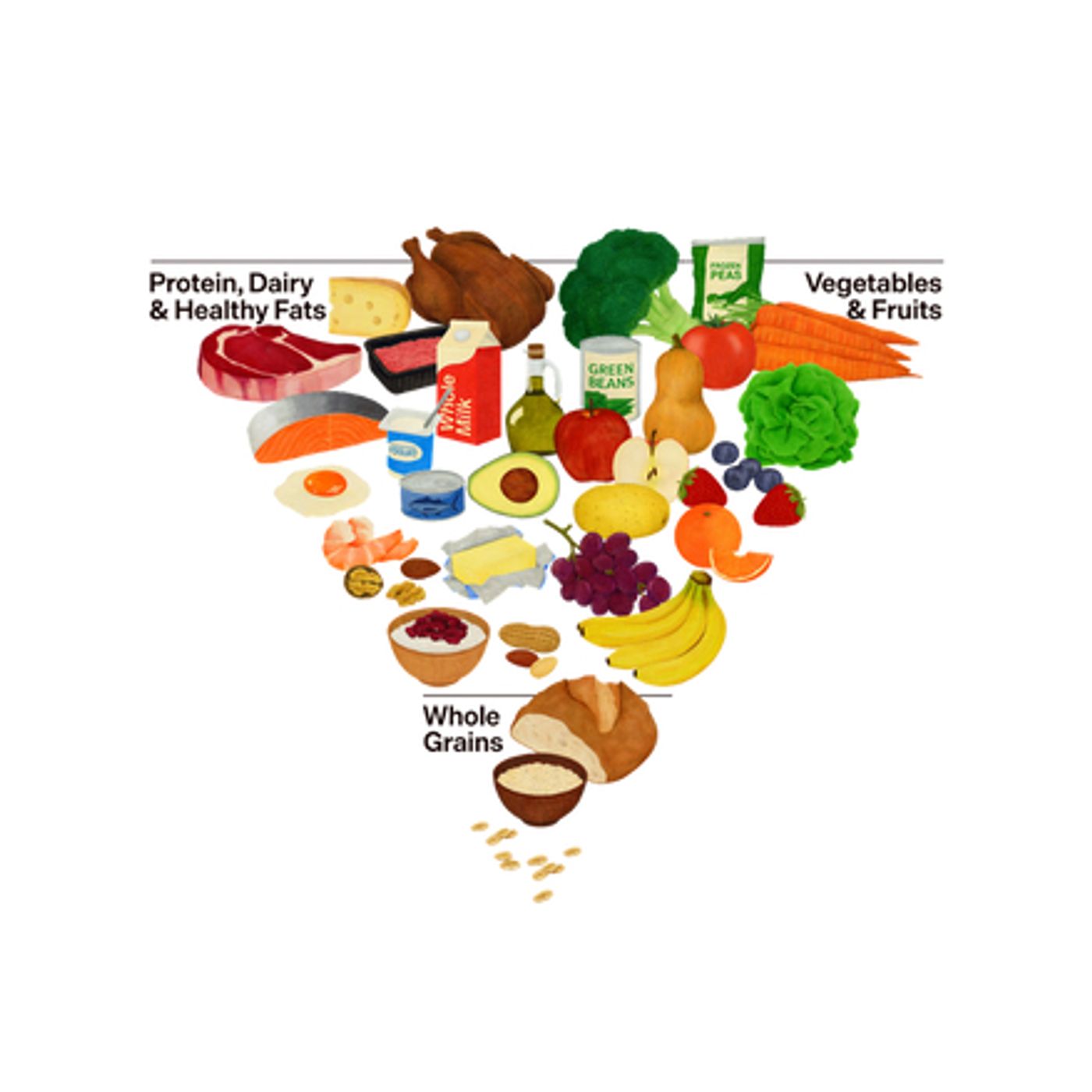
The new 2025-2030 Dietary Guidelines for Americans are finally here. In this episode, Dr. Sabrina Falquier breaks down what they actually mean for real kitchens, real lives and metabolic health.Are the new guidelines a win for real food and nutrient density, or do they leave us with more questions than clarity? Join Dr. Sabrina Falquier on Culinary Medicine Recipe as she shares her expert perspective on what’s helpful, what’s missing and what deserves a closer look in the federal government’s latest nutrition guidance.Rather than rehashing food pyramids or plate graphics, this episode looks at how topics like Ultra-Processed Foods (UPF), protein prioritization, added sugars, and full-fat dairy are showing up in the conversation, and where confusion often creeps in.Dr. Falquier offers a practical, evidence-based take on the good, the bad and the messy realities of translating national guidelines into everyday eating.In this episode you’ll hear:01:50 - When were the first dietary guidelines for Americans?03:50 - 2025-2030 Dietary Guidelines04:30 - Why are dietary guidelines important?05:15 - What Dr. Falquier likes about the new Dietary Guidelines.06:10 - Dr. Falquier’s concerns about the new Dietary Guidelines.06:35 - Protein prioritization and the fiber gap concern09:40 - What are the Dietary Guidelines for full-fat dairy?10:10 - Gut health and the microbiome 11:15 - Why are whole grains at the bottom of the food pyramid?11:45 - Sugar, alcohol and sodium recommendations13:30 - Sustainability and planetary health14:35 - Do the new Dietary Guidelines actually empower people to use Food as Medicine?Resources & Links:Official 2025-2030 Dietary Guidelines Document: https://www.dietaryguidelines.gov/Why It's Important for Your Body to be Hydrated, Episode 5, Culinary Medicine RecipeEverything You Need to Know About Electrolytes, Episode 33, Culinary Medicine RecipeThree Easy Mocktail Recipes from Dr. Falquier, Episode 35, Culinary Medicine RecipeCredits:Host – Dr. Sabrina Falquier, MD, CCMS, DipABLMSound and Editing – Will CrannExecutive Producer – Esther Garfin©2026 Alternative Food Network Inc.Dr. Sabrina Falquier is a board-certified physician and a leader in Culinary Medicine. She specializes in bridging the gap between scientific evidence and the actual food on your plate, empowering listeners to use the kitchen as a place of wellness and healing.Show Topics Include: Nutrition, Food as Medicine, Microbiome, Metabolism, Weight loss, Gut health, Healthy recipes, Health, Inflammation, Longevity, Blood sugar, Protein, Magnesium, Sleep quality, Immunity, Hormone balance, Sunday meal prep, Medically tailored meals (MTM), Produce Prescription (PRx), Prevention, Teaching kitchen, Health equity, Evidence-based nutrition
Are you struggling with low energy, unexpected weight gain, or a frustrating weight plateau? Chances are, you think you have a "slow metabolism." But the truth is, your metabolism isn't broken. It just needs a reset! Dr. Falquier reveals proven, sustainable strategies to fire up your internal engine for long-term fat loss and better energy. From the best time to eat to boost metabolism to how much protein to eat daily, this episode provides the practical, science-backed metabolic healing plan you need with simple recipes to help you succeed.In this episode you’ll hear:1:00 - Welcome to season 3 of Culinary Medicine Recipe1:15 - Fixing a slow metabolism2:05 - What is metabolism?2:45 - Metabolic health and the effect of different foods 3:45 - How to boost metabolism4:00 - Spices as metabolic allies5:00 - What is the best time to eat for metabolism?5:30 - Is intermittent fasting actually good for you?6:00 - Balanced meals with protein, fiber, healthy fats & color variety7:00 - More muscle mass, faster metabolism7:50 - How much protein should I eat daily?9:00 - Easy protein recipes for a balanced meal13:00 - Metabolism-boosting drinks13:30 - Mindful eating14:00 - Stress and sleep pillars of lifestyle medicine14:50 – 7 principles to fix your metabolism ResourcesHealthy Eating Plate: Your Guide to Balanced Meals· Culinary Medicine Recipe podcast, Episode 3· Alternative Food Network Youtube video with Dr. Falquier Why It’s Important for Your Body To be Hydrated · Culinary Medicine Recipe podcast, Episode 5· Alternative Food Network Youtube video with Dr. Falquier Lifestyle Medicine for a Healthier You· Culinary Medicine Recipe podcast, Episode 13· Alternative Food Network Youtube video with Dr. FalquierSpices to Reduce Inflammation in the Body· Culinary Medicine Recipe podcast, Episode 19 · Alternative Food Network Youtube video with Dr. Falquier Thinking of trying Dry January or decreasing your alcohol consumption throughout the year, find a substitute non-alcoholic drink at the sober superstore & marketplace for non-alcoholic beverages, proofnomore.Alternative Food Network gets a commission if you decide to make a purchase using this link.Click here to sign up for our free newsletter. To become a podcast supporter, click here.Dr. Sabrina Falquier is a board-certified physician and a leader in Culinary Medicine. She specializes in bridging the gap between scientific evidence and the actual food on your plate, empowering listeners to use the kitchen as a place of wellness and healing.Show Topics Include: Nutrition, Food as Medicine, Microbiome, Metabolism, Weight loss, Gut health, Healthy recipes, Health, Inflammation, Longevity, Blood sugar, Protein, Magnesium, Sleep quality, Immunity, Hormone balance, Sunday meal prep, Medically tailored meals (MTM), Produce Prescription (PRx), Prevention, Teaching kitchen, Health equity, Evidence-based nutrition
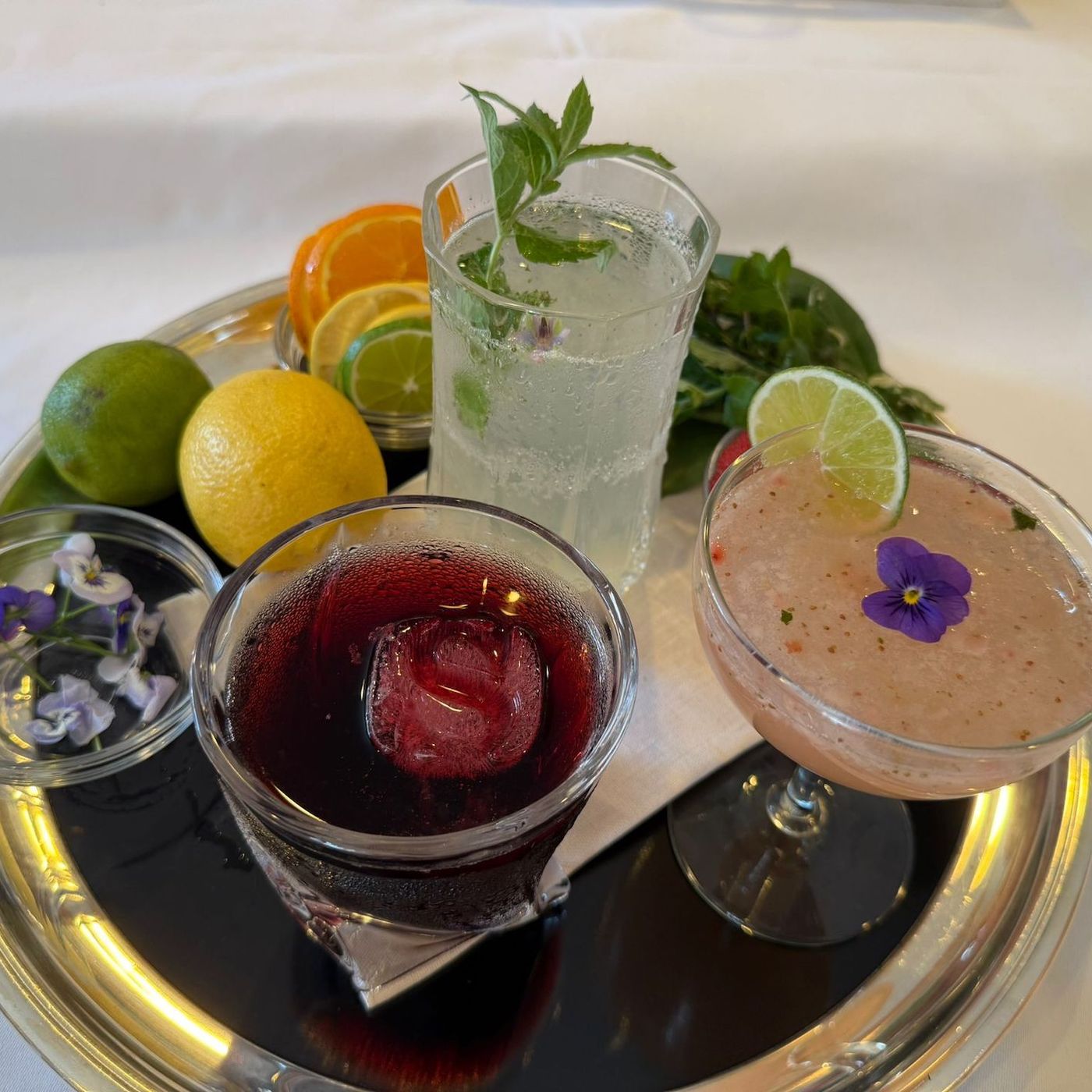
Ready to sip something delicious and good for you? Dr. Falquier explains how to make three healthy mocktails that are full of flavor and natural ingredients: a Jamaica (Hibiscus) Lime Spritzer, Strawberry Basil Sparkler and Mint Mojito Refresher. These refreshing non-alcoholic drinks are perfect for holiday entertaining, Dry January, or anytime you want to feel great while you sip. This episode is also available in video on the Alternative Food Network Youtube channel.For ready-made non-alcoholic beers, wines, spirits and cocktails, check out ProofNoMoreAlternative Food Network gets a commission if you decide to make a purchase using this link.Credits:Host – Dr. Sabrina Falquier, MD, CCMS, DipABLMSound and Editing – Will CrannExecutive Producer – Esther Garfin©2025 Alternative Food Network Inc.Dr. Sabrina Falquier is a board-certified physician and a leader in Culinary Medicine. She specializes in bridging the gap between scientific evidence and the actual food on your plate, empowering listeners to use the kitchen as a place of wellness and healing.Show Topics Include: Nutrition, Food as Medicine, Microbiome, Metabolism, Weight loss, Gut health, Healthy recipes, Health, Inflammation, Longevity, Blood sugar, Protein, Magnesium, Sleep quality, Immunity, Hormone balance, Sunday meal prep, Medically tailored meals (MTM), Produce Prescription (PRx), Prevention, Teaching kitchen, Health equity, Evidence-based nutrition
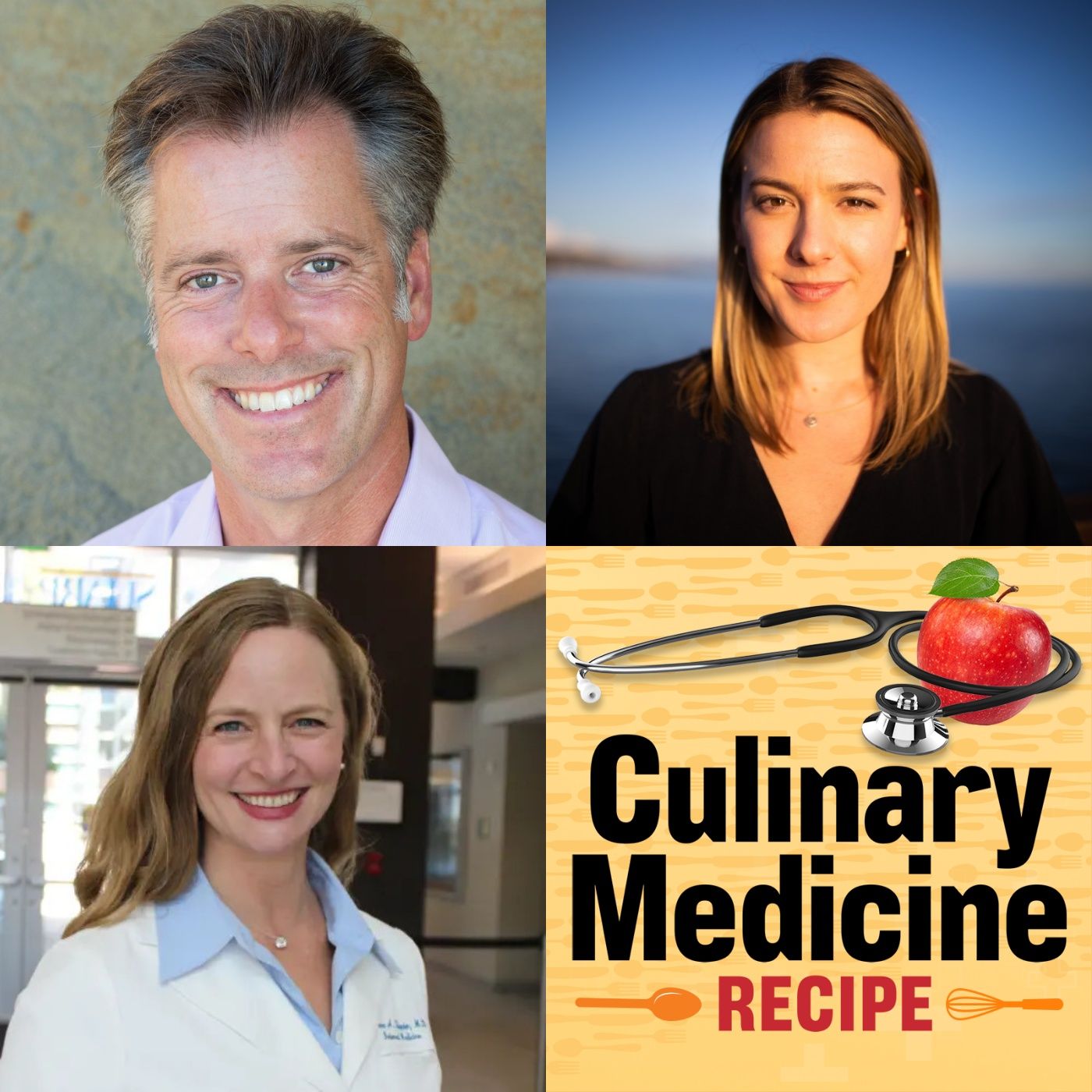
Did you know most doctors receive almost no formal training in nutrition? In this eye-opening episode, Dr. Sabrina Falquier sits down with internal medicine specialist, Dr. Thomas Carter, and third year medical student, Megan Roach, for an honest conversation about how much nutrition has been taught in medical school and what that means for patient care. Together, they compare experiences, share insights from both generations of medicine, and discuss why culinary medicine is helping bridge the knowledge gap. In this episode you’ll hear:1:00 – How much nutrition is taught in medical school?8:20 – Why Dr. Carter agreed to be a guest on this episode10:00 – Nutrition education in medical school: Megan Roach’s perspective as a medical student13:00 – Culinary medicine workshops in medical school14:20 – Food as medicine15:00 – What every medical student should learn about nutrition17:00 – The challenge of speaking with patients about nutrition19:30 – What Dr. Carter wishes he knew about nutrition21:00 – How do you talk to a patient about nutrition?26:45 – How to give nutrition advice in short appointments31:30 – Nutrition training: The hope for future doctorsReferenced in the episode:Proposed Nutrition Competencies for Medical Students and Physician TraineesMedicina Culinaria podcast in SpanishBuy Me a CoffeeCredits:Host – Dr. Sabrina Falquier, MD, CCMS, DipABLMSound and Editing – Will CrannExecutive Producer – Esther Garfin©2025 Alternative Food Network Inc.Dr. Sabrina Falquier is a board-certified physician and a leader in Culinary Medicine. She specializes in bridging the gap between scientific evidence and the actual food on your plate, empowering listeners to use the kitchen as a place of wellness and healing.Show Topics Include: Nutrition, Food as Medicine, Microbiome, Metabolism, Weight loss, Gut health, Healthy recipes, Health, Inflammation, Longevity, Blood sugar, Protein, Magnesium, Sleep quality, Immunity, Hormone balance, Sunday meal prep, Medically tailored meals (MTM), Produce Prescription (PRx), Prevention, Teaching kitchen, Health equity, Evidence-based nutrition
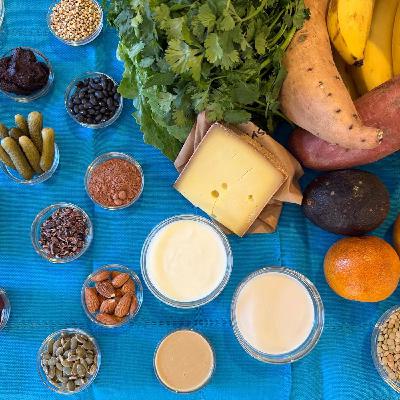
From hydration to nerve function, discover the crucial role electrolytes play in keeping us healthy and energized. Dr. Sabrina Falquier breaks down what electrolytes are, how they work, and why they're essential for our bodies. Plus learn what foods contain electrolytes and how to make your own simple electrolyte drink at home. Whether you're an athlete, constantly on the go, or just someone looking to improve your overall well-being, this is for you!In this episode you’ll hear:0:40 – What are electrolytes?1:00 – How do we lose electrolytes?1:45 – What’s in electrolyte powder and drinks?2:35 - Who can benefit from added electrolytes?3:15 – What foods have electrolytes?4:30 – How to make electrolyte water?Credits:Host - Dr. Sabrina Falquier, MD, CCMS, DipABLMSound and Editing - Will CrannExecutive Producer - Esther Garfin©2025 Alternative Food Network Inc.Dr. Sabrina Falquier is a board-certified physician and a leader in Culinary Medicine. She specializes in bridging the gap between scientific evidence and the actual food on your plate, empowering listeners to use the kitchen as a place of wellness and healing.Show Topics Include: Nutrition, Food as Medicine, Microbiome, Metabolism, Weight loss, Gut health, Healthy recipes, Health, Inflammation, Longevity, Blood sugar, Protein, Magnesium, Sleep quality, Immunity, Hormone balance, Sunday meal prep, Medically tailored meals (MTM), Produce Prescription (PRx), Prevention, Teaching kitchen, Health equity, Evidence-based nutrition
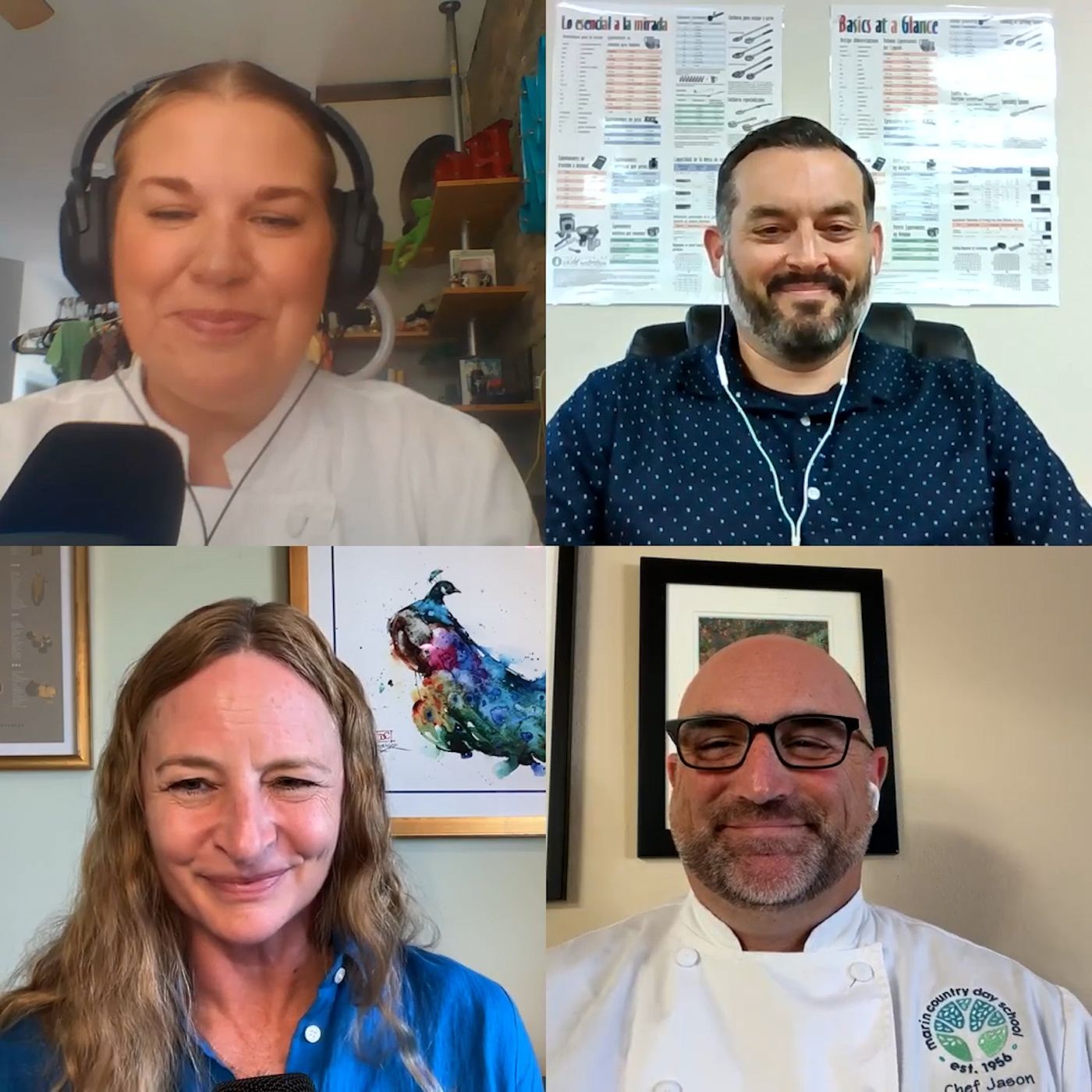
In the U.S., nearly one in five children are living with obesity, and over a quarter of adolescents aged twelve to nineteen are prediabetic. Shockingly, only two percent of children meet the daily recommended intake of fruits and vegetables, and over thirteen million children live in food insecure households. This means that school meals are often the most reliable and nutritious food they get each day. In this episode, we hear from three innovative chefs working in school nutrition who are transforming the school cafeteria. They share what goes into creating delicious and nutritious school lunch programs that set children up for success, even under tight budgets and strict guidelines. This is a must listen if you’re in school nutrition or are curious about school lunch programs. In this episode you’ll hear:1:20 – Why are school food programs so important?3:30 – Chef Rebecca Polson’s story4:20 – Chef Jason Hull’s story6:15 – Chef Taylor Thompson’s story8:30 – What criteria are used to create school lunch recipes?12:10 – What is the National School Lunch Program in America?16:00 – Scratch cooking, speed scratch cooking and heat & serve21:35 – What are the chefs’ biggest challenges?22:40 – Where do schools source their food?30:30 – School food policy31:45 – K-12 recipe development with Pacific Coast Producers34:10 – Surprise favorite recipes for the kids36:30 – Food tips for busy familiesThank you to our sponsor, Pacific Coast Producers.References:Culinary Institute of America’s Healthy Kids CollaborativeNational School Lunch ProgramCredits:Host - Dr. Sabrina Falquier, MD, CCMS, DipABLM Sound and Editing - Will CrannExecutive Producer - Esther Garfin ©2025 Alternative Food Network Inc.Dr. Sabrina Falquier is a board-certified physician and a leader in Culinary Medicine. She specializes in bridging the gap between scientific evidence and the actual food on your plate, empowering listeners to use the kitchen as a place of wellness and healing.Show Topics Include: Nutrition, Food as Medicine, Microbiome, Metabolism, Weight loss, Gut health, Healthy recipes, Health, Inflammation, Longevity, Blood sugar, Protein, Magnesium, Sleep quality, Immunity, Hormone balance, Sunday meal prep, Medically tailored meals (MTM), Produce Prescription (PRx), Prevention, Teaching kitchen, Health equity, Evidence-based nutrition
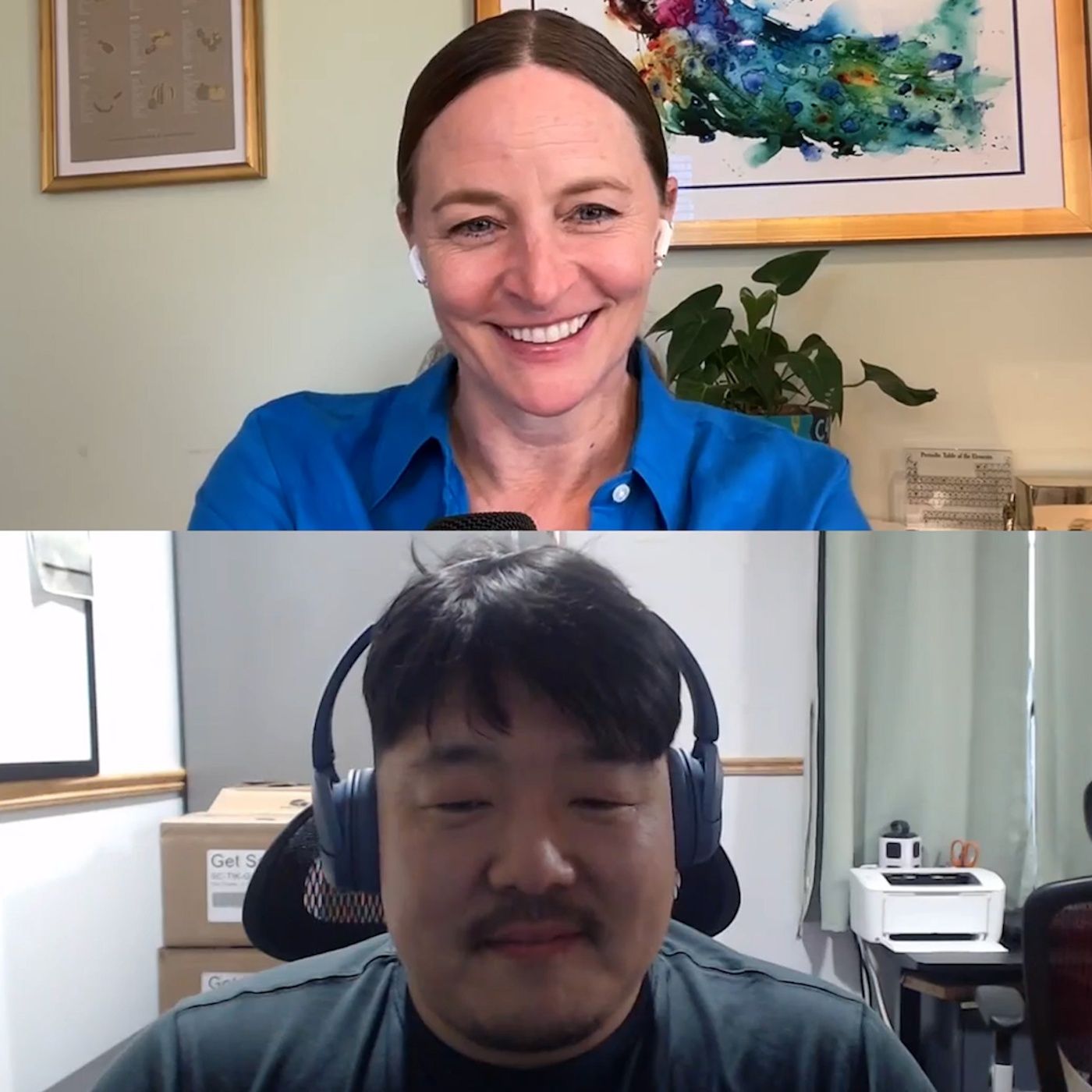
In this inspiring episode, Dr. Falquier is joined by Chef Suhan Lee, whose incredible journey takes us from his injuries in the Marine Corps to his creativity in the kitchen. Chef Suhan turned his passion for health and healing IBS into the creation of allergen friendly sauces. His story is one of transformation, innovation and purpose. In this episode you’ll hear:2:00 – What happened to Chef Suhan after he was injured in the Marine Corps?4:30 – How do antibiotics affect the microbiome?6:15 – From being in the military to becoming a chef7:30 – The health story behind Get Saucy9:30 – How Chef Suhan created an allergen friendly Tikka Masala13:15 – Save time in the kitchen15:30 – What is an auto-immune protocol?17:10 – The goal of culinary medicineWebsite link: https://getsaucy.com/Credits:Host - Dr. Sabrina Falquier, MD, CCMS, DipABLMSound and Editing - Will CrannExecutive Producer - Esther Garfin ©2025 Alternative Food Network Inc.Dr. Sabrina Falquier is a board-certified physician and a leader in Culinary Medicine. She specializes in bridging the gap between scientific evidence and the actual food on your plate, empowering listeners to use the kitchen as a place of wellness and healing.Show Topics Include: Nutrition, Food as Medicine, Microbiome, Metabolism, Weight loss, Gut health, Healthy recipes, Health, Inflammation, Longevity, Blood sugar, Protein, Magnesium, Sleep quality, Immunity, Hormone balance, Sunday meal prep, Medically tailored meals (MTM), Produce Prescription (PRx), Prevention, Teaching kitchen, Health equity, Evidence-based nutrition
Chef and PhD Public Health Nutritionist, Dr. Deborah Kennedy, joins Dr. Falquier to explore the evolving role of food as medicine programs in healthcare, what current financial structures support these programs and what funding mechanisms need to change. Whether you’re a healthcare professional, policymaker, or simply passionate about nutrition and wellness, this episode offers valuable insights into what systemic shifts are necessary to make nutrition-based healthcare more accessible and sustainable.In this episode you’ll hear:2:50 – Difference between food as medicine and culinary medicine5:45 – What happens when medically tailored meals or produce prescriptions come to an end?6:45 – How can culinary medicine outcomes be measured to show clinical and cost effectiveness? 11:00 – Who’s funding food prescriptions, medically tailored meals and nutrition education?16:45 – Are there food as medicine programs outside the U.S.?23:00 – Who pays for culinary medicine coaching?24:30 – The future of culinary medicine28:00 – Book series: Culinary Medicine From Clinic to Kitchen31:00 – Dr. Kennedy’s Food Coach AcademyResourceHealth Affairs Journal, April 2025 I Food, Nutrition & HealthCredits:Host – Dr. Sabrina Falquier, MD, CCMS, DipABLMSound and Editing – Will CrannExecutive Producer – Esther Garfin©2025 Alternative Food Network Inc.Dr. Sabrina Falquier is a board-certified physician and a leader in Culinary Medicine. She specializes in bridging the gap between scientific evidence and the actual food on your plate, empowering listeners to use the kitchen as a place of wellness and healing.Show Topics Include: Nutrition, Food as Medicine, Microbiome, Metabolism, Weight loss, Gut health, Healthy recipes, Health, Inflammation, Longevity, Blood sugar, Protein, Magnesium, Sleep quality, Immunity, Hormone balance, Sunday meal prep, Medically tailored meals (MTM), Produce Prescription (PRx), Prevention, Teaching kitchen, Health equity, Evidence-based nutrition
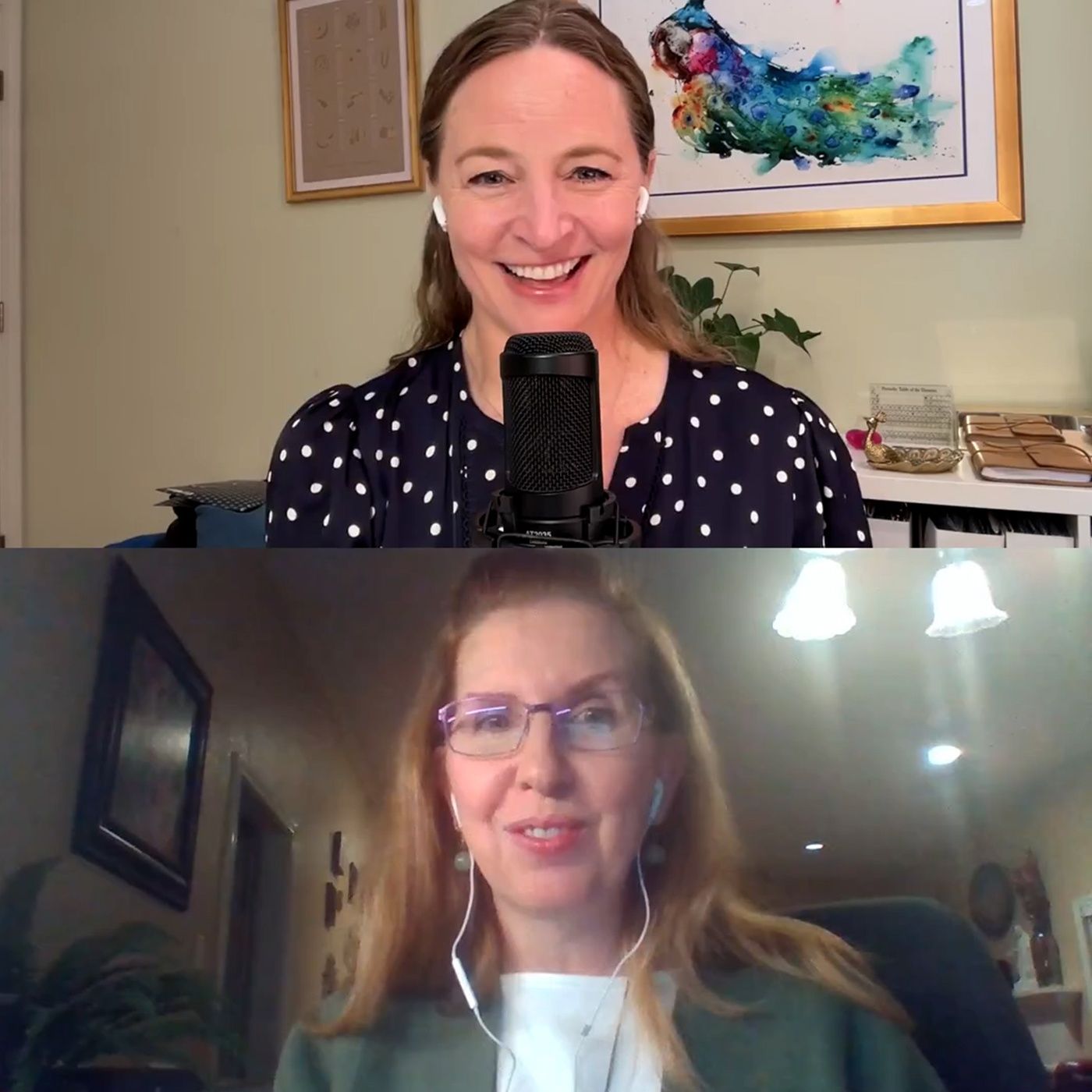
What if everyday pantry staples could help you eat healthier and more affordably, and also free up your time in the kitchen? In this episode, registered dietitian Milette Siler shares why food is medicine is a powerful tool for improving health alongside traditional medicine and pharmacotherapy, and how ingredients like canned tomatoes and canned fruits can play a nutritious role in your meals. Whether you’re aiming to improve your own health or help others do the same, this conversation highlights how smart food choices, even from a can, can support a healthy, balanced diet. In this episode you’ll hear:2:45 – Why does food as medicine matter?7:30 – About Teaching kitchens10:15 – Nutrients in fresh vs. canned and frozen foods15:30 – How to store fresh herbs16:10 – Fiber in canned tomatoes and canned fruits19:00 – Are canned fruits healthy?21:15 – Should you drain canned fruit?25:15 – What to avoid when buying canned fruit26:10 – Is there a concern with BPA in canned foods?27:30 – Smoothies and satiety30:45 – How to build a healthy pantry32:30 – What does a dietitian do?35:30 – “It’s what we don’t eat that gets us into trouble.” Thank you to our sponsor, Pacific Coast Producers.Resource:https://scijournals.onlinelibrary.wiley.com/doi/abs/10.1002/jsfa.5849CREDITS:Host – Dr. Sabrina Falquier, MD, CCMS, DipABLMSound & Editing – Will CrannExecutive Producer – Esther Garfin©2025 Alternative Food Network Inc.Dr. Sabrina Falquier is a board-certified physician and a leader in Culinary Medicine. She specializes in bridging the gap between scientific evidence and the actual food on your plate, empowering listeners to use the kitchen as a place of wellness and healing.Show Topics Include: Nutrition, Food as Medicine, Microbiome, Metabolism, Weight loss, Gut health, Healthy recipes, Health, Inflammation, Longevity, Blood sugar, Protein, Magnesium, Sleep quality, Immunity, Hormone balance, Sunday meal prep, Medically tailored meals (MTM), Produce Prescription (PRx), Prevention, Teaching kitchen, Health equity, Evidence-based nutrition
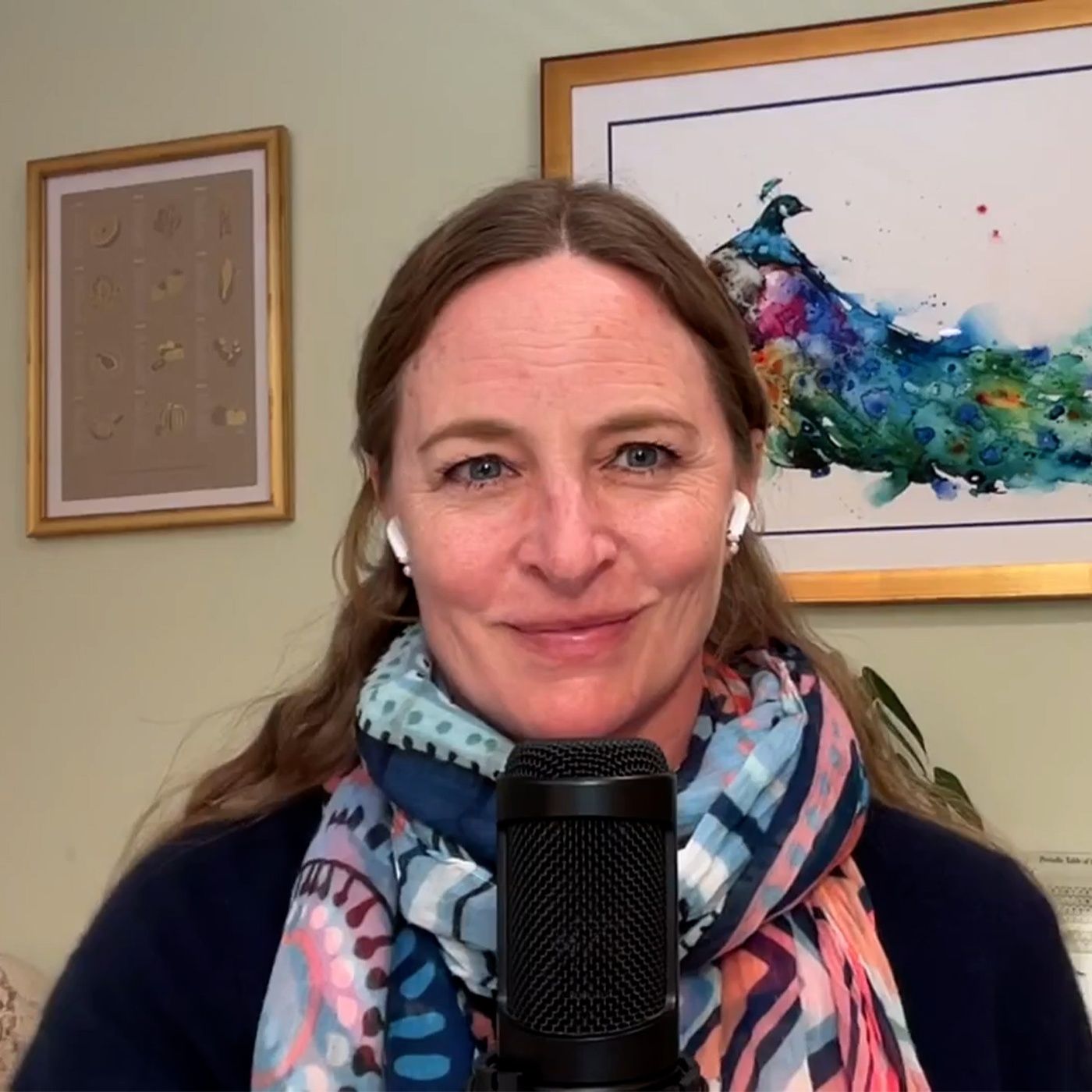
These seventeen minutes about inflammation are not to be missed. Inflammation is a natural defense mechanism, but chronic inflammation can contribute to heart disease, diabetes, autoimmune conditions, and more. In this episode, Dr. Falquier breaks down the science of inflammation, exploring why it’s essential for healing, how it can be harmful, and what you can do to keep it in check.In this episode you’ll hear:1:25 - Chronic inflammation statistics2:30 - What is acute inflammation?3:10 - Healing acute inflammation4:30 - Chronic inflammation causes6:10 - Daily cell damage that needs repair7:40 - Examples of health problems resulting from cell damage and inflammation8:20 - Signs of chronic inflammation9:20 - Can you test for chronic inflammation?12:30 - Anti-inflammatory foods14:50 - How to reduce inflammation in the body recap: a holistic approachAs referenced in the episode:Audio - Healthy Eating Plate: Your Guide to Balanced Meals Video - What's On Your PlateCredits:Host - Dr. Sabrina Falquier, MD, CCMS, DipABLMSound and Editing - Will CrannExecutive Producer - Esther Garfin ©2025 Alternative Food Network Inc.Dr. Sabrina Falquier is a board-certified physician and a leader in Culinary Medicine. She specializes in bridging the gap between scientific evidence and the actual food on your plate, empowering listeners to use the kitchen as a place of wellness and healing.Show Topics Include: Nutrition, Food as Medicine, Microbiome, Metabolism, Weight loss, Gut health, Healthy recipes, Health, Inflammation, Longevity, Blood sugar, Protein, Magnesium, Sleep quality, Immunity, Hormone balance, Sunday meal prep, Medically tailored meals (MTM), Produce Prescription (PRx), Prevention, Teaching kitchen, Health equity, Evidence-based nutrition
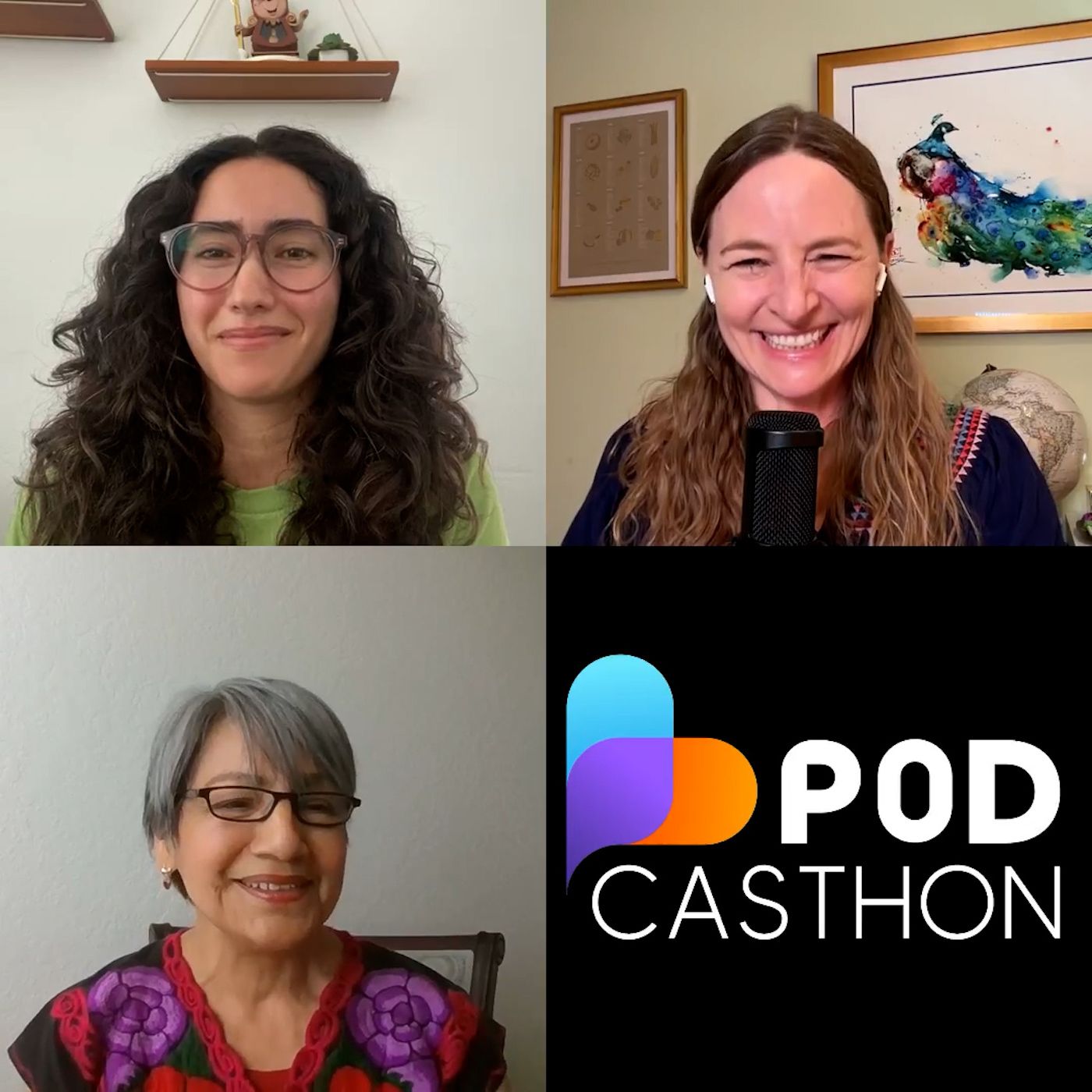
What if a garden could change lives? As part of Podcasthon, we’re spotlighting Olivewood Gardens & Learning Center, a non-profit dedicated to inspiring youth and adults to be healthy and active citizens through organic gardening, environmental stewardship, and nutrition education. In this episode you’ll hear:1:40 – About Olivewood Gardens & Learning Center.2:15 – The journey to becoming a Kitchenista.8:45 – How Olivewood Gardens began.9:45 – Opportunities for Kitchenistas post-graduation.17:00 – Giving back to the Olivewood community.Referenced in the episode:Olivewood Gardens & Learning CenterPodcasthon Credits:Host - Dr. Sabrina Falquier, MD, CCMS, DipABLMSound and Editing - Will CrannExecutive Producer - Esther Garfin ©2025 Alternative Food Network Inc.Dr. Sabrina Falquier is a board-certified physician and a leader in Culinary Medicine. She specializes in bridging the gap between scientific evidence and the actual food on your plate, empowering listeners to use the kitchen as a place of wellness and healing.Show Topics Include: Nutrition, Food as Medicine, Microbiome, Metabolism, Weight loss, Gut health, Healthy recipes, Health, Inflammation, Longevity, Blood sugar, Protein, Magnesium, Sleep quality, Immunity, Hormone balance, Sunday meal prep, Medically tailored meals (MTM), Produce Prescription (PRx), Prevention, Teaching kitchen, Health equity, Evidence-based nutrition
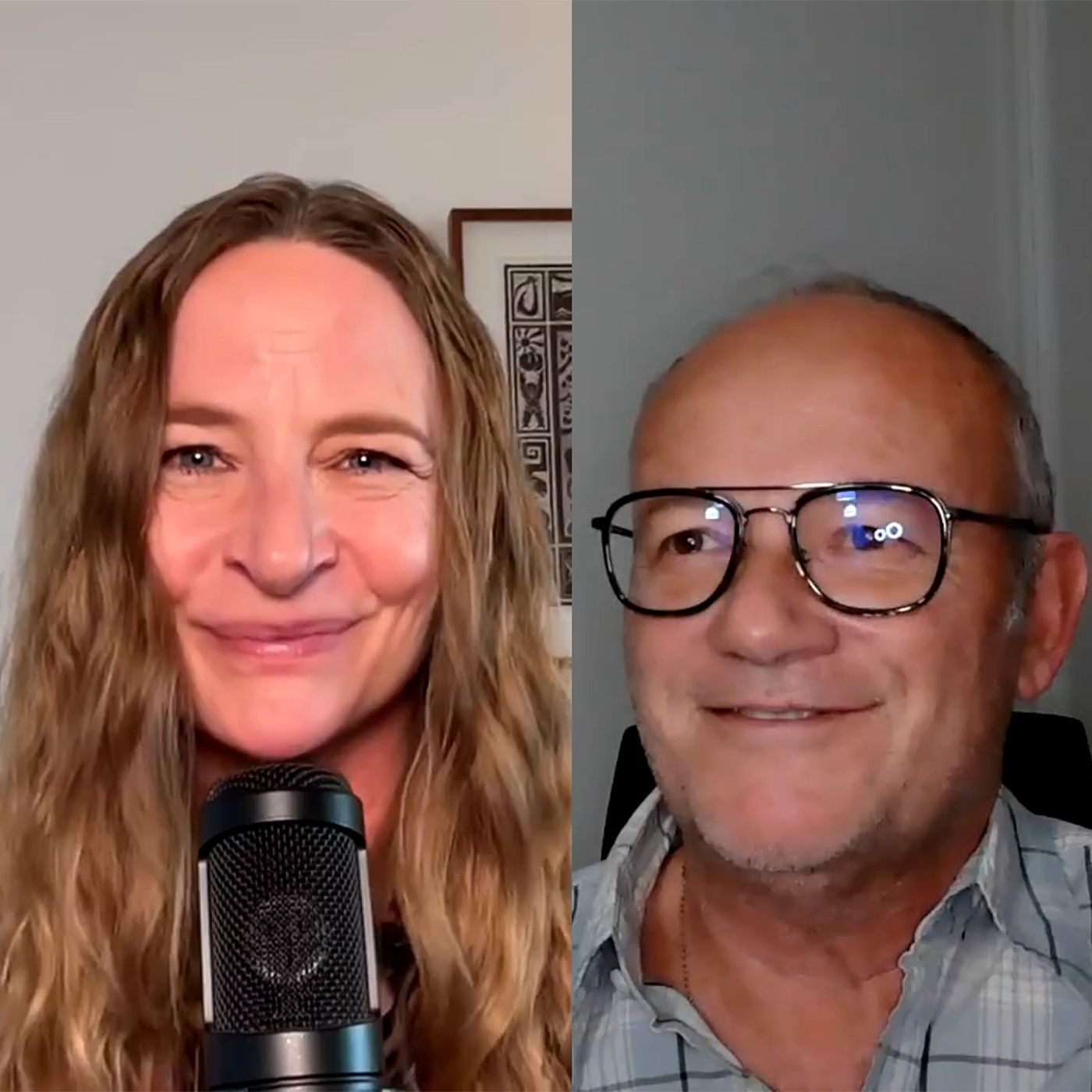
Why can some people eat gluten in Europe but struggle with it in the U.S.? With the help of Werner Forster, the co-founder and CEO of Revival Einkorn, Dr. Falquier delves into the fascinating history of wheat, and the nutritional benefits of einkorn wheat. Did you know that einkorn wheat is considered the original wheat, dating back over 10,000 years? Whether you’re gluten-sensitive, a history buff or simply curious about real food and traditional grains, this episode is packed with insights into the past, present and future of wheat.In this episode you’ll hear:2:00 – Why can some people eat gluten in Europe and not in the U.S.?3:00 – What happened to our wheat?4:40 – Difference between natural fermentation and using yeast?6:30 – The Werner Forster and Revival Einkorn story.11:00 – Einkorn vs. modern wheat.12:45 – Einkorn wheat history.14:40 – Einkorn wheat benefits.16:15 – Can someone with Celiac Disease eat einkorn wheat?17:10 – Can someone gluten sensitive (non-celiac) eat einkorn wheat?18:00 – How is einkorn wheat grown?23:00 – Revival Einkorn products. Guest link: https://revivaleinkorn.com/ResourcesDelicious Einkorn Pasta Recipe You Need to Try Now!Receta Deliciosa de Einkorn pasta que tienes que probar ahoritaCredits:Host - Dr. Sabrina Falquier, MD, CCMS, DipABLMSound and Editing - Will CrannExecutive Producer - Esther Garfin ©2025 Alternative Food Network Inc. Dr. Sabrina Falquier is a board-certified physician and a leader in Culinary Medicine. She specializes in bridging the gap between scientific evidence and the actual food on your plate, empowering listeners to use the kitchen as a place of wellness and healing.Show Topics Include: Nutrition, Food as Medicine, Microbiome, Metabolism, Weight loss, Gut health, Healthy recipes, Health, Inflammation, Longevity, Blood sugar, Protein, Magnesium, Sleep quality, Immunity, Hormone balance, Sunday meal prep, Medically tailored meals (MTM), Produce Prescription (PRx), Prevention, Teaching kitchen, Health equity, Evidence-based nutrition
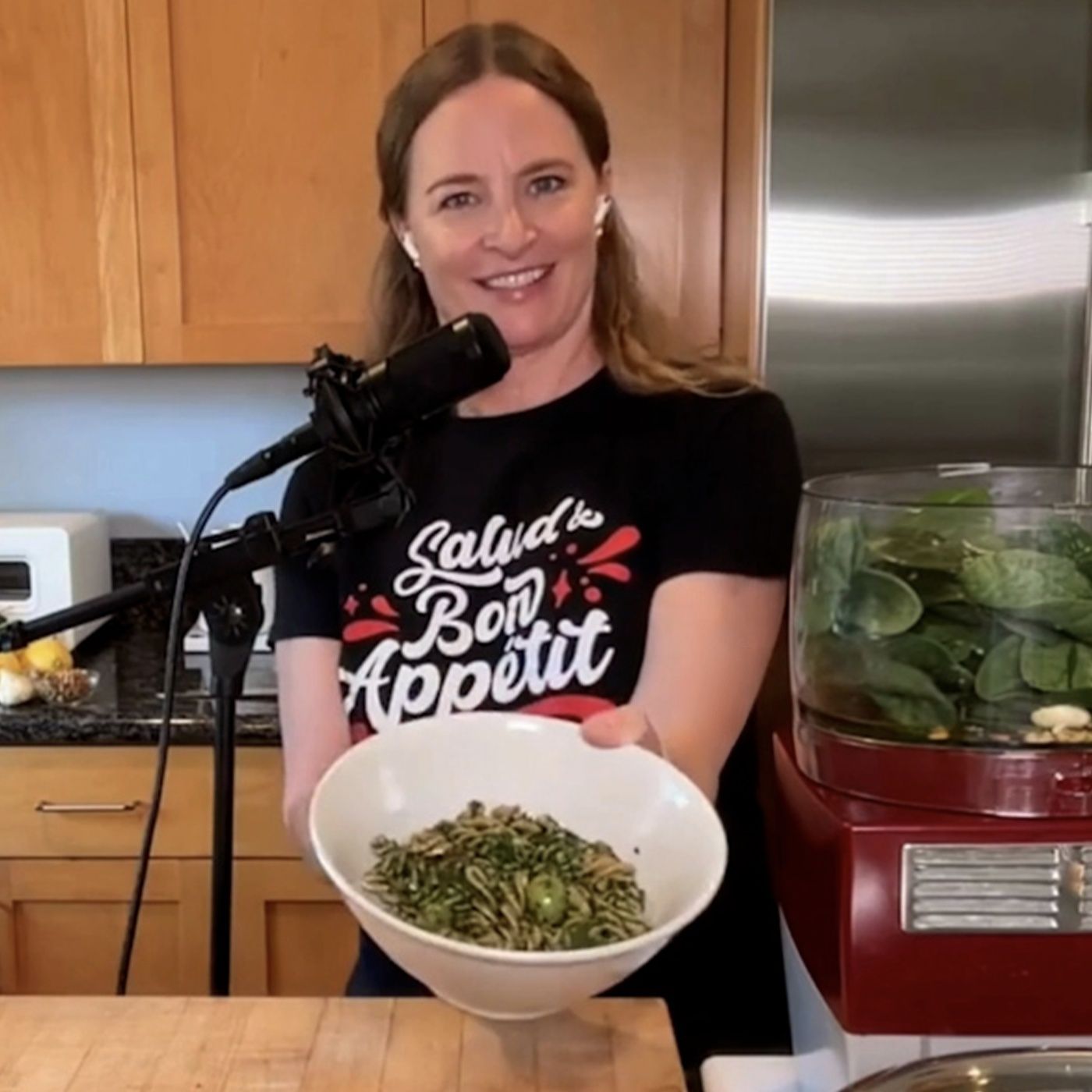
Love pasta but looking for a more nutritious alternative that’s also easier on your stomach? This episode explores the taste and health benefits of einkorn wheat, an ancient grain known for its nutty flavor and rich texture. Dr. Falquier walks you through a delicious, easy-to-make einkorn fusilli pasta recipe, made with a vibrant spinach and basil pesto inspired green sauce that’s packed with flavor and nutrients. Thank you to our episode sponsor, Revival Einkorn. A video version of this episode is available on the Alternative Food Network Youtube channel. This episode is also available in Spanish audio and video. Credits:Host - Dr. Sabrina Falquier, MD, CCMS, DipABLMSound and Editing - Will CrannExecutive Producer - Esther Garfin ©2025 Alternative Food Network Inc.Dr. Sabrina Falquier is a board-certified physician and a leader in Culinary Medicine. She specializes in bridging the gap between scientific evidence and the actual food on your plate, empowering listeners to use the kitchen as a place of wellness and healing.Show Topics Include: Nutrition, Food as Medicine, Microbiome, Metabolism, Weight loss, Gut health, Healthy recipes, Health, Inflammation, Longevity, Blood sugar, Protein, Magnesium, Sleep quality, Immunity, Hormone balance, Sunday meal prep, Medically tailored meals (MTM), Produce Prescription (PRx), Prevention, Teaching kitchen, Health equity, Evidence-based nutrition
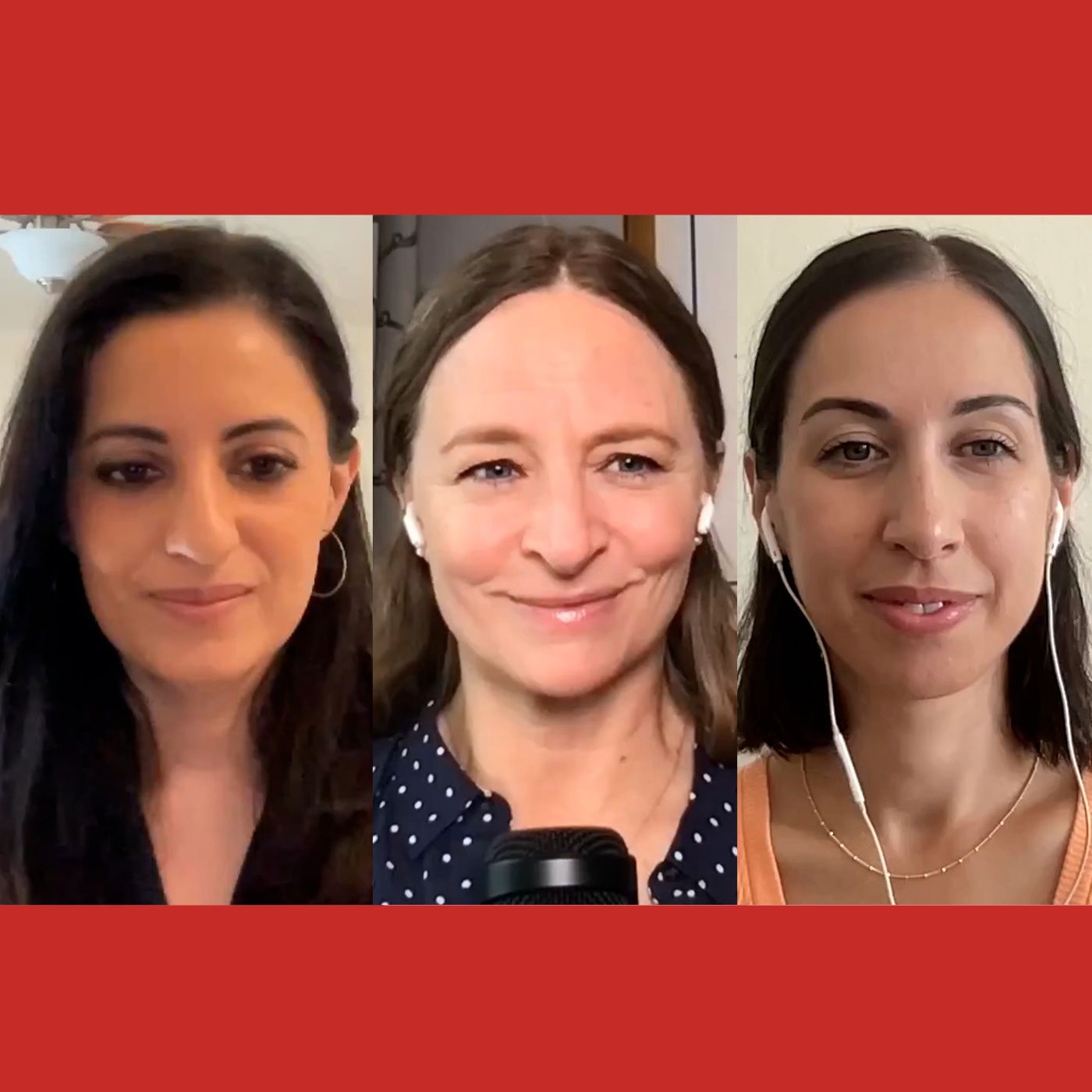
Are you looking for anxiety relief or sleep problem solutions? Your gut health might hold the key. Dr. Falquier is joined by Integrative Psychiatrist, Dr. Nishi Bhopal, and Clinical Nutritionist, Ailar Poonian, who work together to address mental well-being from the inside out. They chat about the powerful connection between the gut microbiome and mental health, sharing expert insights to improve your gut health and mental well-being.In this episode you’ll hear:2:15 – What is a whole body approach to mental health and sleep issues?4:35 – How an integrative psychiatrist and clinical nutritionist work together.8:15 – The gut-brain connection and the gut microbiome.12:40 – SIBO (Small Intestinal Bacterial Overgrowth)13:30 – Foods for gut health.17:15 – Why are we now talking so much about the gut microbiome?20:30 – Testing your microbiome for better mental health.26:40 – How quickly can a person feel improvements in anxiety and sleep?32:30 – Should microbiome testing be repeated?34:45 – Should you eat food or take supplements for prebiotics and probiotics?37:10 – Dr. Bhopal’s approach to supplements.38:40 – Navigating the often confusing nutrition landscape.Thank you to our sponsor, Auguste Escoffier School of Culinary Arts.Guest link: https://pacificintegrativepsych.com/CREDITS:Host – Dr. Sabrina Falquier, MD, CCMS, DipABLMSound & Editing – Will CrannExecutive Producer – Esther Garfin©2025 Alternative Food Network Inc.Dr. Sabrina Falquier is a board-certified physician and a leader in Culinary Medicine. She specializes in bridging the gap between scientific evidence and the actual food on your plate, empowering listeners to use the kitchen as a place of wellness and healing.Show Topics Include: Nutrition, Food as Medicine, Microbiome, Metabolism, Weight loss, Gut health, Healthy recipes, Health, Inflammation, Longevity, Blood sugar, Protein, Magnesium, Sleep quality, Immunity, Hormone balance, Sunday meal prep, Medically tailored meals (MTM), Produce Prescription (PRx), Prevention, Teaching kitchen, Health equity, Evidence-based nutrition
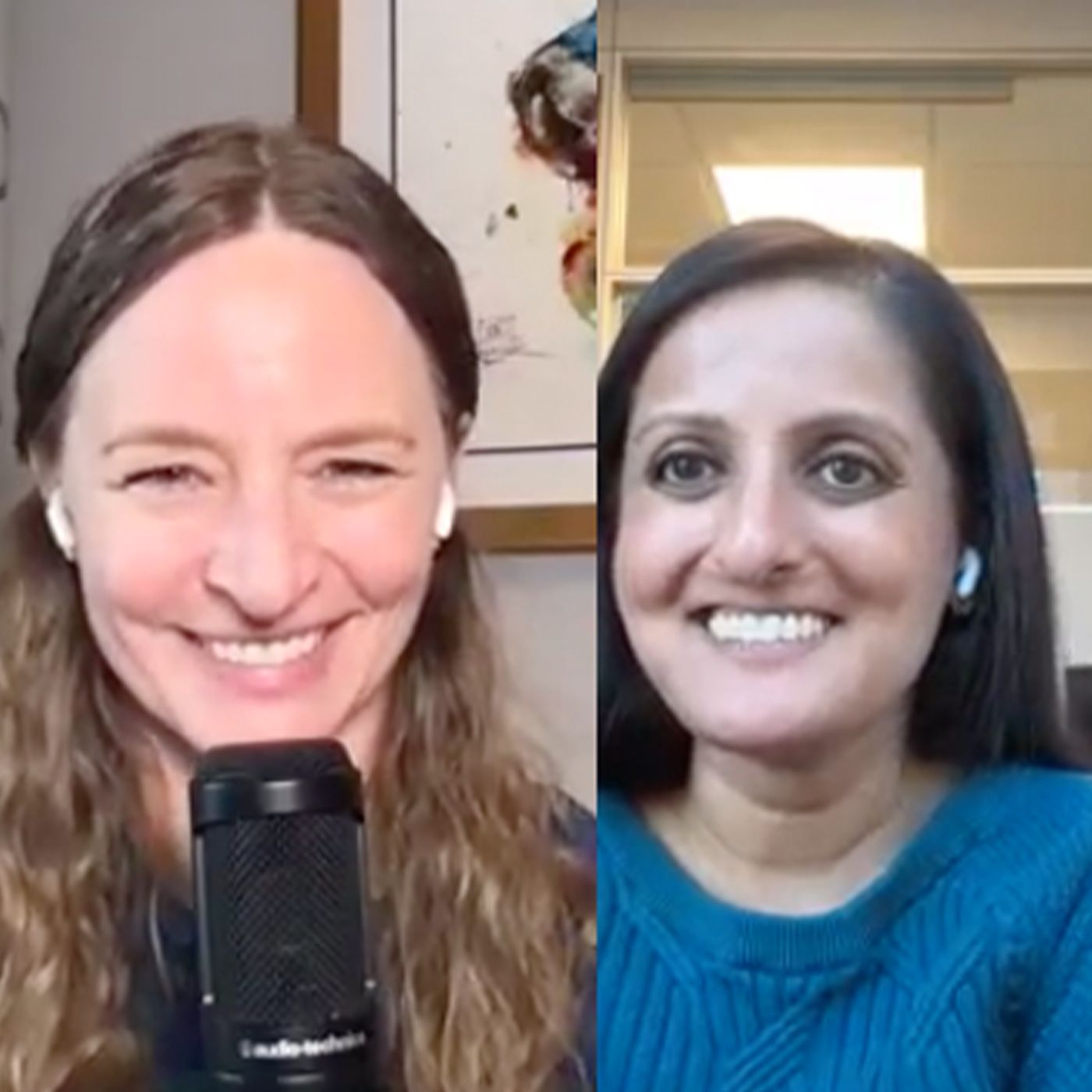
Dr. Falquier chats with obesity medicine specialist, Dr. Nisha Patel, who is also certified in culinary medicine, about the latest tools and strategies for sustainable weight management. From the rising use of GLP-1 medications to the powerful role of culinary medicine, Dr. Patel breaks down the science of how these medications function, whether they’re to be taken long term, and why what we eat still matters. If you’ve been wondering if medication for weight management is right for you, this episode is a must listen! In this episode you’ll hear:3:00 – Medication and lifestyle changes for weight loss.5:30 – What is a GLP-1?8:50 – The effects of GLP-1 Receptor Agonists on appetite regulation and cravings.12:45 – Weight management dream team.15:15 – How culinary medicine fits into Dr. Patel’s practice?18:00 – Are GLP-1 medications taken for the long term?25:45 – Negative side effects of GLP-1 medications.29:40 – What we eat still matters with medication.34:10 – Thoughts on RFK Jr. leading the Department of Health and Human Services.35:40 – Health and wellbeing beyond the number on the scale.Thank you to our episode sponsor, Auguste Escoffier School of Culinary Arts. Credits:Host - Dr. Sabrina Falquier, MD, CCMS, DipABLMSound and Editing - Will CrannExecutive Producer - Esther Garfin ©2025 Alternative Food Network Inc.Dr. Sabrina Falquier is a board-certified physician and a leader in Culinary Medicine. She specializes in bridging the gap between scientific evidence and the actual food on your plate, empowering listeners to use the kitchen as a place of wellness and healing.Show Topics Include: Nutrition, Food as Medicine, Microbiome, Metabolism, Weight loss, Gut health, Healthy recipes, Health, Inflammation, Longevity, Blood sugar, Protein, Magnesium, Sleep quality, Immunity, Hormone balance, Sunday meal prep, Medically tailored meals (MTM), Produce Prescription (PRx), Prevention, Teaching kitchen, Health equity, Evidence-based nutrition
The holidays are here, and with them come festive gatherings, family meals and treats at every turn! In this special holiday edition, Dr. Falquier helps you navigate the holiday season with tips for staying on track with your health goals while still enjoying the season’s flavors and celebrations. Plus, she shares a delicious, festive recipe that’s easy to make and packed with nutrients to keep you feeling good throughout the holidays (written recipe in show notes).In this episode you’ll hear:1:50 - What to put on your plate2:20 – Managing alcohol consumption & keeping hydrated3:25 – Pillars of lifestyle medicine5:50 – Self-care6:25 – Recipe: Roasted vegetables with a green sauce & festive topping As referenced in the episode: Alternative Food Network Newsletter Sign-UpRoasted Vegetables with Green Sauce RecipeRecipe by: Sabrina A. Falquier, MD, CCMS, DipABLMPhysician, Professor, Culinary Instructor, Speaker, Consultant, Podcast HostCulinary Medicine, Lifestyle Medicine, Internal MedicineFounder & Owner, Sensations Salud®Yield: 4 cups roasted vegetables, and 1 cup green sauceServings: 4, Portion: 1 cup Vegetables and 1-4 Tbsp green sauceIngredients: For Roasted Vegetables• 4 cups roughly chopped vegetables of your choice. These are examples, yet choices are endless. • brussel sprouts: cut off tough end and cut in half • bell peppers: cut into chosen pieces; discard pith and seeds • cauliflower: cut into 1/2 inch slices - OK if you have small pieces and larger pieces and even crumbs • carrots: cut on diagonal about 1/2 inch slices • tomatoes: cut in half if large and put flat side down, if cherry - leave whole • purple cabbage: cut off tough end only and slice roughly 1/2 inch slices • onions: any color, stem and root end removed, quartered and peeled • summer and winter squash, peeled if needed and 1/2 inch slices• 1/4 - 1/2 tsp Kosher salt• 1/4 tsp pepper• 1 - 2 tsp Olive OilFor Green Sauce:• 4 pressed cups washed greens and hard stems/veins removed (cilantro, kale, parsley, spinach, arugula as examples.• 3/4 cup olive oil• 2 tsp lemon zest (from about 2 lemon)• 2 Tbsp lemon juice (from about 2 lemons)• 1 Tbsp red or white wine vinegar• 1/4 - 1/2 tsp Kosher saltFor topping (optional)• 1/2 cup Pomegranate seedsMethod:Heat oven to 425FPlace all vegetables in a large bowl. Drizzle vegetables with measured Olive Oil and rub with hands to make sure well coated. Sprinkle with 1/4 tsp salt and pepper. For roasting: Place vegetables on baking sheets lined with aluminum foil or parchment paper, single layer Roast for 10 minutes, and then set timer at 5-minute intervals until desired doneness (goal is some brown bits/caramelization, and heartier vegetables such as cauliflower, cabbage, carrots, winter squash and brussel sprouts to be fork tender on inside.) Roast times will vary depending on vegetable.Optional to flip vegetables at 5-minute interval.For green sauce:In food processor or blender - place your chosen greens, 3/4 cups olive oil, 2 tsp lemon zest, 2 Tbsp lemon juice, 1 Tbsp red wine vinegar, and 1/4 tsp salt.Pulse to desired consistency from textured to smooth. Taste and adjust by adding additional lemon zest, lemon juice, vinegar or salt (1/8 tsp at a time).For plating: Choose your serving platter.Place vegetables in attractive manner on platter - warm or room temperature.Top with dollops of green sauce.Sprinkle with pomegranate seeds (if using). ENJOY!notes:Vegetables can be eaten cold, room temperature or warm.Double or triple green sauce recipe and freeze, for up to 3 months, in small containers or freezer trays, to easily thaw for later use.Store in airtight container in fridge up to 7 days.More Resources: Episode 4, Healthy Eating Plate: Your Guide to Balanced Meals Episode 7, Why It’s Important for Your Body to be Hydrated Episode 19, Lifestyle Medicine for a Healthier You Credits:Host - Dr. Sabrina Falquier, MD, CCMS, DipABLMSound and Editing - Will CrannExecutive Producer - Esther Garfin©2024 Alternative Food Network Inc. Dr. Sabrina Falquier is a board-certified physician and a leader in Culinary Medicine. She specializes in bridging the gap between scientific evidence and the actual food on your plate, empowering listeners to use the kitchen as a place of wellness and healing.Show Topics Include: Nutrition, Food as Medicine, Microbiome, Metabolism, Weight loss, Gut health, Healthy recipes, Health, Inflammation, Longevity, Blood sugar, Protein, Magnesium, Sleep quality, Immunity, Hormone balance, Sunday meal prep, Medically tailored meals (MTM), Produce Prescription (PRx), Prevention, Teaching kitchen, Health equity, Evidence-based nutrition
In this episode, learn how to make garlic-infused olive oil and use it to cook flavorful vegetables. This easy recipe is perfect for adding flavor to your meals while staying gentle on your gut. The recipe is also Low FODMAP. Garlic is often a no-go for people managing IBS or digestive issues, but with this garlic-infused oil, you can enjoy the taste without the FODMAPs. Plus, learn which vegetables are FODMAP-friendly.This episode is also available in Spanish.To learn more about a Low FODMAP diet and how it can provide lasting relief for those suffering with IBS, check out our “Culinary Medicine Recipe” podcast episode with Registered Dietician, Kelsey Moore. To watch a video of this episode, check out Alternative Food Network's YouTube Channel.Credits:Host - Dr. Sabrina Falquier, MD, CCMS, DipABLMSound and Editing - Will Crann ExecutiveProducer - Esther Garfin©2024 Alternative Food Network Inc.Dr. Sabrina Falquier is a board-certified physician and a leader in Culinary Medicine. She specializes in bridging the gap between scientific evidence and the actual food on your plate, empowering listeners to use the kitchen as a place of wellness and healing.Show Topics Include: Nutrition, Food as Medicine, Microbiome, Metabolism, Weight loss, Gut health, Healthy recipes, Health, Inflammation, Longevity, Blood sugar, Protein, Magnesium, Sleep quality, Immunity, Hormone balance, Sunday meal prep, Medically tailored meals (MTM), Produce Prescription (PRx), Prevention, Teaching kitchen, Health equity, Evidence-based nutrition
Struggling with bloating and stomach discomfort? Tired of running to the toilet? Dr. Falquier chats with Registered Dietitian, Kelsey Moore, about the Low FODMAP Diet and how it can provide lasting relief for those suffering with Irritable Bowel Syndrome (IBS). From learning about which foods to eat and avoid, to how to manage in restaurants, these thirty minutes could change your quality of life forever. In this episode you’ll hear:1:30 – What is the Low FODMAP Diet?2:00 – Difference between Irritable Bowel Syndrome (IBS) and Irritable Bowel Disease (IBD).3:00 – Sub-types of IBS and their symptoms.4:00 – The importance of getting diagnosed by a healthcare provider.4:45 – What does FODMAP mean?6:30 – How to implement a low FODMAP diet?9:15 – Low FODMAP foods and what foods to eliminate initially?12:00 – Re-introduction phase13:30 – How to make it easier to implement a low FODMAP diet?16:15 – Garlic-infused oil17:30 – Onion alternative18:30 – Improvements in work life, social life, travel.20:50 – Eating out with IBS.22:50 – Working with a healthcare provider on a low FODMAP diet.24:50 – What if you’re on medication?26:30 – Canadian Digestive Health Foundation29:00 – What to do if your child has IBS? Referenced in the episode: https://cdhf.ca/en/https://www.monashfodmap.com/ibs-central/i-have-ibs/get-the-app/ Credits:Host - Dr. Sabrina Falquier, MD, CCMS, DipABLMSound and Editing - Will CrannExecutive Producer - Esther Garfin©2024 Alternative Food Network Inc. Dr. Sabrina Falquier is a board-certified physician and a leader in Culinary Medicine. She specializes in bridging the gap between scientific evidence and the actual food on your plate, empowering listeners to use the kitchen as a place of wellness and healing.Show Topics Include: Nutrition, Food as Medicine, Microbiome, Metabolism, Weight loss, Gut health, Healthy recipes, Health, Inflammation, Longevity, Blood sugar, Protein, Magnesium, Sleep quality, Immunity, Hormone balance, Sunday meal prep, Medically tailored meals (MTM), Produce Prescription (PRx), Prevention, Teaching kitchen, Health equity, Evidence-based nutrition
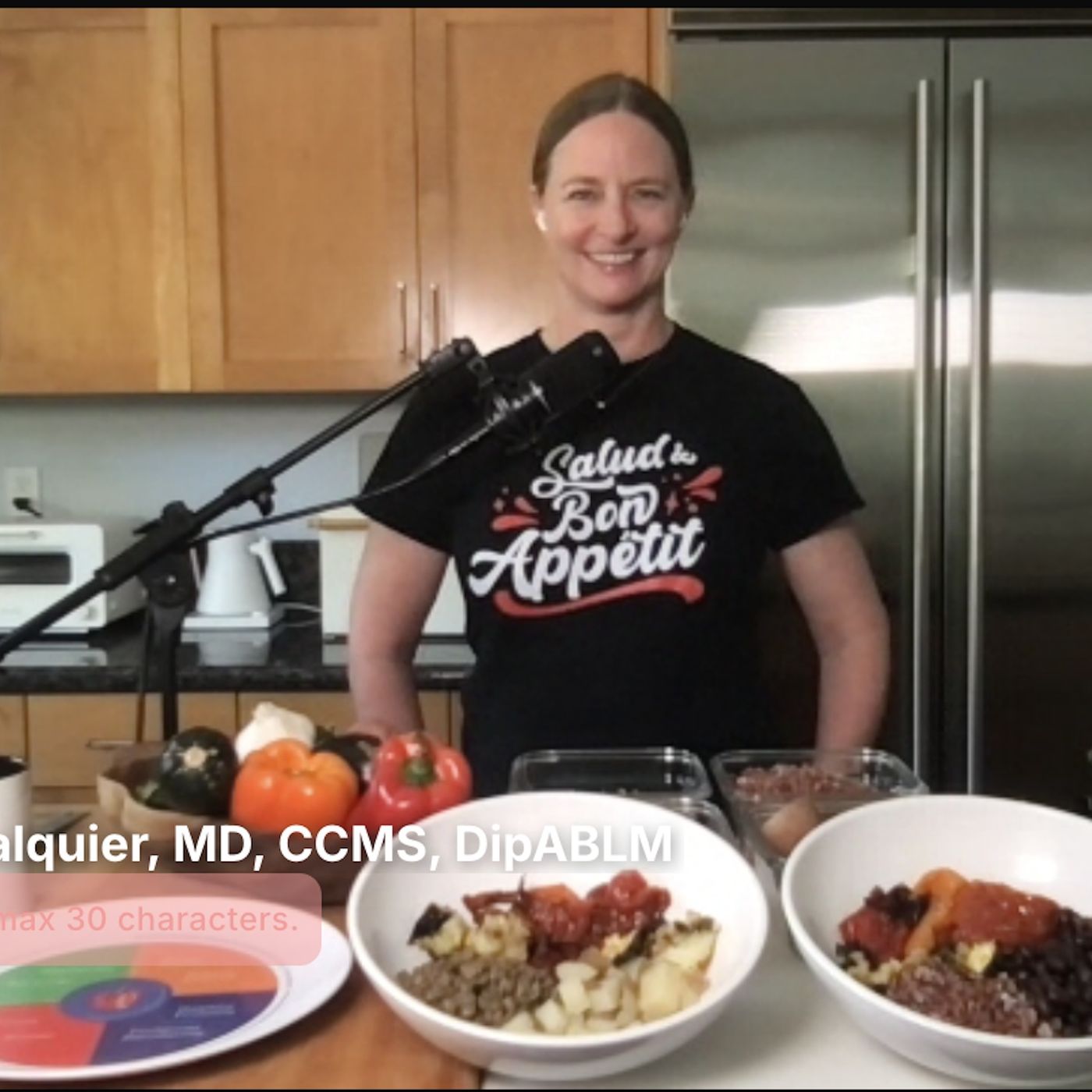
Dr. Sabrina Falquier reveals the secrets to fighting inflammation naturally with the power of spices! Listen as she guides you step-by-step through the creation of two powerful anti-inflammatory spice blends – one inspired by the rich flavors of India and the other by the bold tastes of Mexico. These blends are easy to incorporate into your daily meals, adding both flavor and health benefits to your cooking.Referenced in the episode:Healthy Eating Plate: Your Guide to Balanced MealsCook Smarter, Not HarderReducing Inflammation in the Body with FoodTurmeric to Reduce Inflammation & Pain with Dr. Shivani GuptaThis episode is also available in Spanish.To watch a video of this episode, check out Alternative Food Network's Youtube Channel.Credits:Host - Dr. Sabrina Falquier, MD, CCMS, DipABLMSound and Editing - Will CrannExecutive Producer - Esther Garfin©2024 Alternative Food Network Inc.Dr. Sabrina Falquier is a board-certified physician and a leader in Culinary Medicine. She specializes in bridging the gap between scientific evidence and the actual food on your plate, empowering listeners to use the kitchen as a place of wellness and healing.Show Topics Include: Nutrition, Food as Medicine, Microbiome, Metabolism, Weight loss, Gut health, Healthy recipes, Health, Inflammation, Longevity, Blood sugar, Protein, Magnesium, Sleep quality, Immunity, Hormone balance, Sunday meal prep, Medically tailored meals (MTM), Produce Prescription (PRx), Prevention, Teaching kitchen, Health equity, Evidence-based nutrition

“We are all inflamed at some level”, says guest expert Dr. Shivani Gupta. Why does this matter? Most chronic diseases are tied to chronic inflammation. In this episode, discover how turmeric and curcumin can help reduce inflammation and alleviate pain, and support overall health and wellness. Dr. Gupta breaks down the science behind turmeric and curcumin, revealing ways to incorporate them into your diet for maximum benefits. In this episode you’ll hear:2:20 – Dr. Gupta’s PhD focus on curcumin5:30 – Difference between acute and chronic inflammation7:45 – Toxic burden and daily detox practices11:00 – The food-inflammation connection13:15 – Turmeric’s effect on inflammation15:50 – Difference between turmeric and curcumin17:45 – How to use turmeric and curcumin?19:25 – Using black pepper or a healthy fat with turmeric19:45 – Can you cook with a turmeric supplement?22:00 – Can you use turmeric instead of Ibuprofen for acute pain?24:00 – Curcumin in Orthopedics and Neurology26:40 – Who should not use curcumin?27:15 – What are telomeres and curcumin’s role in longevity and health span?28:20 – Health benefits of spices29:40 – Discount CodeReferences:Discount Code AFN for 15% off your turmeric order at Fusionary Formulas. Alternative Food Network gets a commission if you decide to make a purchase using discount code AFN.Reducing Inflammation in the Body with Food, Culinary Medicine Recipe podcast, Episode 13 Credits:Host - Dr. Sabrina Falquier, MD, CCMS, DipABLMSound and Editing - Will CrannExecutive Producer - Esther Garfin©2024 Alternative Food Network Inc. Dr. Sabrina Falquier is a board-certified physician and a leader in Culinary Medicine. She specializes in bridging the gap between scientific evidence and the actual food on your plate, empowering listeners to use the kitchen as a place of wellness and healing.Show Topics Include: Nutrition, Food as Medicine, Microbiome, Metabolism, Weight loss, Gut health, Healthy recipes, Health, Inflammation, Longevity, Blood sugar, Protein, Magnesium, Sleep quality, Immunity, Hormone balance, Sunday meal prep, Medically tailored meals (MTM), Produce Prescription (PRx), Prevention, Teaching kitchen, Health equity, Evidence-based nutrition

Comments

Download from Google Play

Download from App Store
 United States