


 Claim Ownership
The Glossy Beauty Podcast
Subscribed: 280Played: 7,673
Subscribe

© 3cf86e00-eb15-11f0-b690-47a1cf307d27
Description
The Glossy Beauty Podcast is the newest podcast from Glossy. Each episode features candid conversations about how today’s trends, such as CBD and self-care, are shaping the future of the beauty and wellness industries. With a unique assortment of guests, The Glossy Beauty Podcast provides its listeners with a variety of insights and approaches to these categories, which are experiencing explosive growth. From new retail strategies on beauty floors to the importance of filtering skincare products through crystals, this show sets out to help listeners understand everything that is going on today, and prepare for what will show up in their feeds tomorrow.
412 Episodes
Reverse
With its first store opening 62 years ago in New Orleans, Sally Beauty is one of the oldest beauty retailers in the U.S. It’s also one of the biggest, with 2,300 stores across the U.S. and Canada.
“Sally started back in 1964, pre-Amazon, pre-everything, and we were that place where everybody could come for anything they needed [in beauty],” said Denise Paulonis, Sally Beauty CEO, president, and board director. “Right now, we're really migrating to be a true specialty beauty retailer [that can] deliver experiences, new brands, innovation [and] a much more fun, truly modern experience.”
Sally Beauty also owns CosmoProf, which has 1,300 stores in North America that serve beauty professionals, and will soon launch a new consumer-focused retail concept called Happy Beauty into 14 malls across the U.S. this winter.
Paulonis joined Glossy editor-in-chief Jill Manoff on stage last week at Glossy’s annual Beauty & Wellness Summit to discuss the retailer’s current playbook. This includes partnerships with DoorDash, Uber Eats and the Dallas Cowboys Cheerleaders; a college campus awareness tour; and category expansion into value-focused fragrance and press-on nails.
Last week, Sally Beauty reported $3.73 billion in net sales, up just under 1% compared to the prior year, with growth in its digital e-commerce sales up 26%. It marks the company’s fifth quarter of growth as it rolls out a new strategy, a focus on attracting new customers and a mission to refresh its stores.
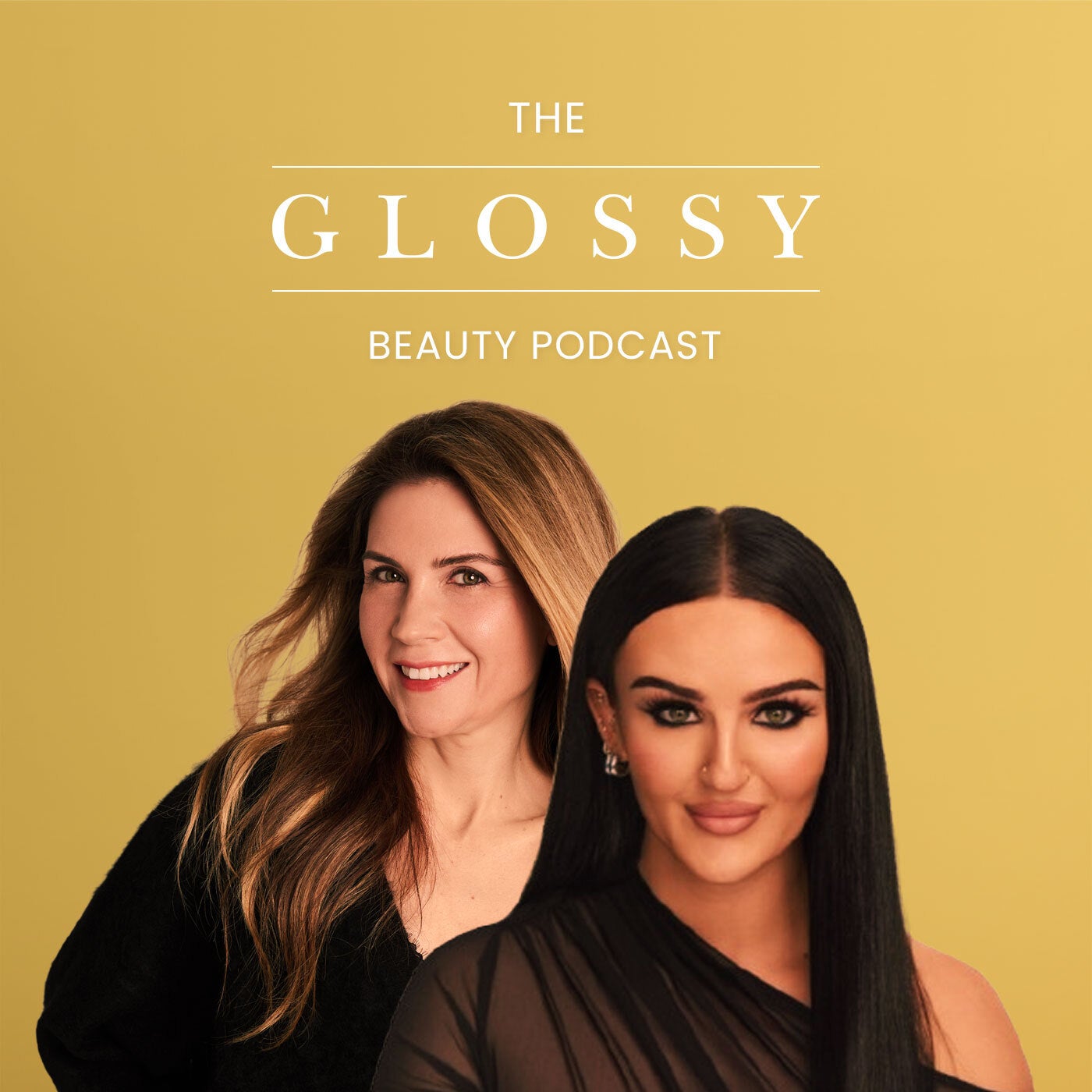
In this special episode of the Glossy Beauty Podcast, we are taking you directly to the main stage of Glossy's annual Beauty & Wellness Summit for a conversation between POV Beauty founder Mikayla Nogueira, POV Beauty CEO and co-founder Ani Hadjinian, and Glossy editor-in-chief Jill Manoff.
The trio dug into the tentpole strategy behind POV Beauty, which launched in 2025 and entered every Sephora store in the U.S. and Canada earlier this year. The brand sells skin prep and complexion products with big ambitions to expand into new categories.
Built off Nogueira’s experience, which includes a start in special effects makeup, years in retail sales at Ulta Beauty and a prolific career on TikTok as a beauty creator, the brand leverages its online community in several ways.
“I always love to just ask my community, ‘What are you looking for? What are you craving in the beauty world? What can we create?,'" Nogueira said during the live fireside chat. “Something I'm trying to balance as a brand founder is creating a brand [that] product-wise is authentic to the way I do makeup and products that I would actually use. … But also creating products that the community is seeking.”
Nogueira launched and built the brand alongside co-founder and CEO Ani Hadjinian, whose CV includes Bobbi Brown, Estée Lauder, Tom Ford Beauty and Augustinus Bader. Together, Nogueira and Hadjinian walked the audience through its brand playbook.
One of the biggest beauty industry headlines over the past few weeks has surrounded an unexpected lawsuit filed by indie makeup darling Patrick Ta Beauty over which retailers can, and cannot, sell its products.
Last month, Patrick Ta Beauty filed a lawsuit against CVS and Canadian distributor Akstrom for the "unauthorized" sale of its cosmetics in CVS’ newly-launched off-price section called "fresh beauty finds."
The lawsuit highlights ongoing friction between beauty brands and product diversion into the gray market, best described as the trade of authentic goods through unintended or unauthorized channels.
It comes during a time when off-price is becoming a dominant retail channel for beauty and wellness. Not only do consumers crave a deal, but the quick sale of products to off-price stores can have meaningful financial benefits for beauty brands in need of cash infusion.
Off-price leader TJX — which operates TJ Maxx, Marshalls and Home Goods — grew its revenue by 3.95% in 2025 to reach net sales of $56 billion. While CVS generated $400 billion in revenue during fiscal 2025, the brick-and-mortar leader is not immune to industry challenges facing pharmacy retail. Its new "fresh beauty finds" section is a strategic way to boost revenue through competitive categories.
CVS and Patrick Ta Beauty declined to comment on the lawsuit, and Akstrom did not reply to Glossy’s request for comment.
There’s much we don't know about Patrick Ta Beauty's lawsuit, including how Akstrom obtained the Patrick Ta Beauty products, how CVS will proceed with its intended sales and how this may impact beauty’s growing gray market. While early, the lawsuit comes with many valuable lessons that demand analysis.
In today’s episode, Glossy Beauty Podcast host Lexy Lebsack is joined by Julie Zerbo, lawyer, legal analyst and founder of The Fashion Law, where she unpacks the legal cases impacting the fashion and beauty industries. Also on today’s episode is Ian Ginsberg, president of iconic Greenwich Village apothecary C.O. Bigelow Chemists and distribution arm Bigelow Trading, which encompasses its private beauty line and a USA wholesale distribution arm that imports brands like Marvis toothpaste for sale across domestic retailers.
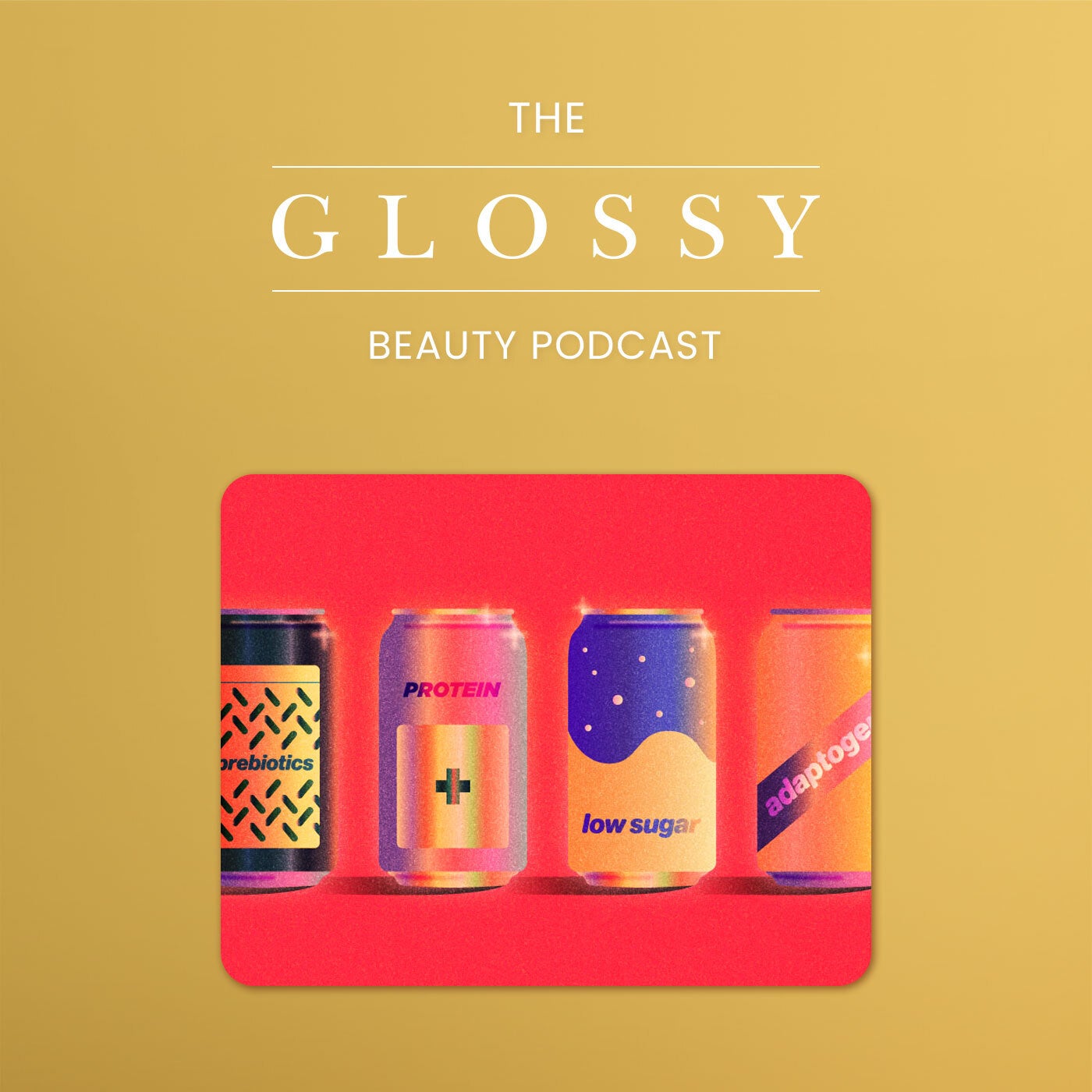
As the wellness category swells in size, many insiders are wondering the same question: What should be called ‘wellness’ in 2026?
In today’s special crossover episode with Glossy’s sister publication Modern Retail, West Coast correspondent Lexy Lebsack joins Modern Retail senior editor Gabi Barkho and Rachel Hirsch, founder and managing partner at Wellness Growth Ventures, to discuss the products and categories that should, and shouldn’t, be considered wellness in 2026.
The trio walks through a variety of categories, from better-for-you food and protein sodas to skin care, oral care, sleep aids and tools for optimized breathing, among others.
As previously reported by Glossy, wellness consumers are overwhelmed with the sheer size of the assortment available today, which has bred a growing strategy toward evocative launches and campaigns that "stop the scroll." Think: soda-flavored toothpaste and wellness brands turning into entertainment companies to sell supplements, fiber gummies and beauty peptides.
Today’s conversation is rooted in the guests' diverse specialties: Barkho covers food, beverage and wellness for Modern Retail; Lebsack reports on beauty and wellness for Glossy; and Hirsch’s seed fund is dedicated to advancing the wellness sector through investments in brands like Cure Hydration, BelliWelli, Liquid Death, Flaus and Tia.
Don’t forget to follow the Modern Retail Podcast for more topics like this.
In a lot of ways, supplement company Cymbiotika has perfected the form factor and distribution of modern-day vitamins.
The San Diego-based company launched in 2018 and quickly found its footing in the marketplace with single-serving pouches of Liposomal supplements. So far, the company has sold more than 200 million individual packets and grown its revenue 3,000% over the past 3 years to reach $150 million in annual revenue, according to the company.
Cymbiotika sells across mass, online and grocery retail in boxes and individual pouches at point of sale. It entered Target in 2025, Ulta Beauty in March, and Walmart last week. Now, the brand is making a big bet on a new category by launching its first beauty supplement for hair, skin, and nails.
Called Liposomal Beauty Peptide Complex, the launch is being promoted with the brand's biggest campaign to date. "The investment was a big one in the sense that we've never really done anything on this level,” said Cymbiotika co-founder Durana Elmi. “I think you're starting to see a shift in the consumer's approach toward beauty, and being there in the forefront of that today is something we're really, really proud of.”
The new product will be sold at retailers like Ulta Beauty, Walmart and Target. Elmi joined Glossy Beauty Podcast host Lexy Lebsack to walk through the brand’s strategy to win in the notoriously competitive world of beauty supplements. This includes the brand’s biggest campaign to date, starring model Amelia Gray and made with OBB Media, the content company owned by Rhode co-founder Michael D. Ratner.

Comments

Download from Google Play

Download from App Store
 United States