


 Claim Ownership
The Defender Podcast
Subscribed: 90Played: 2,671
Subscribe

© 2026 Lifeline Children's Services
Description
The Defender Podcast collection is a ministry of Lifeline Children's Services where we seek to equip the body of Christ to manifest the gospel to vulnerable children and families. We hope this collection will provide encouragement, inspiration, and ways to connect with others who have a heart for the orphan.
602 Episodes
Reverse
Content note: This episode includes discussion of self-harm and suicide. When parents discover their child is self-harming, the first question is almost always the same: are they suicidal? In this episode of Well, That Escalated, Angela Mains and Melanie Villalta welcome Morgan Johnson, a fellow Lifeline Children’s Services clinician based in Huntsville, to untangle two topics that are often confused. Morgan explains why self-harm is usually an attempt to cope rather than a wish to die, and why meeting it with curiosity instead of fear opens the door to real help. Together they explore the needs underneath the behavior, why a good safety plan does more than lock things away, how parents can tend to their own fear and shame, and why a setback months later doesn’t erase the progress. They also tackle common myths, including whether asking about suicide puts the idea in a child’s head. You don’t have to walk this road alone, and neither does your child. If you or someone you love is in crisis, call or text 988 to reach the Suicide & Crisis Lifeline, available 24/7 in the U.S.
Is it dysregulation or disrespect? In the heat of the moment, the two can look exactly alike. On this episode of Well, That Escalated, Lifeline Children’s Services clinicians Angela Mains and Melanie Villalta welcome adoptive dad Dr. Rick Morton, author of The Long Game, to bring a father’s perspective to one of the toughest questions in foster and adoptive parenting. Together they unpack why perceived disrespect hits so hard (especially for dads), how fear of what the world will demand of our kids can push us to clamp down, why some children pick a fight because calm feels unfamiliar, and why jumping in to defend mom is often the least protective thing a dad can do. Along the way, they put three common parenting assumptions to the test, share honest stories of getting it wrong and making repair, and close with something you can try at home tonight. The real win isn’t winning the moment; it’s playing the long game.
On the premiere of Well, That Escalated, Lifeline Children’s Services clinicians Angela Mains and Melanie Villalta introduce themselves and the honest, hope-filled conversations ahead. Melanie, a clinical social worker and adoptive mom, shares how a friend’s question over girls’ night led to fostering and adopting her youngest daughter, and how her family’s journey shaped her work in adoption competency and fetal alcohol spectrum disorder. Angela recounts her path from youth pastor to building Lifeline’s outpatient therapy program from scratch, all while her house flooded and a teenage girl moved in. Along the way, they dismantle the “blank slate” myth, name the isolation many foster and adoptive families feel, and share the parenting hills they’ll die on. Whether you’re parenting, supporting, or just starting to consider this journey, you’ll leave feeling seen.
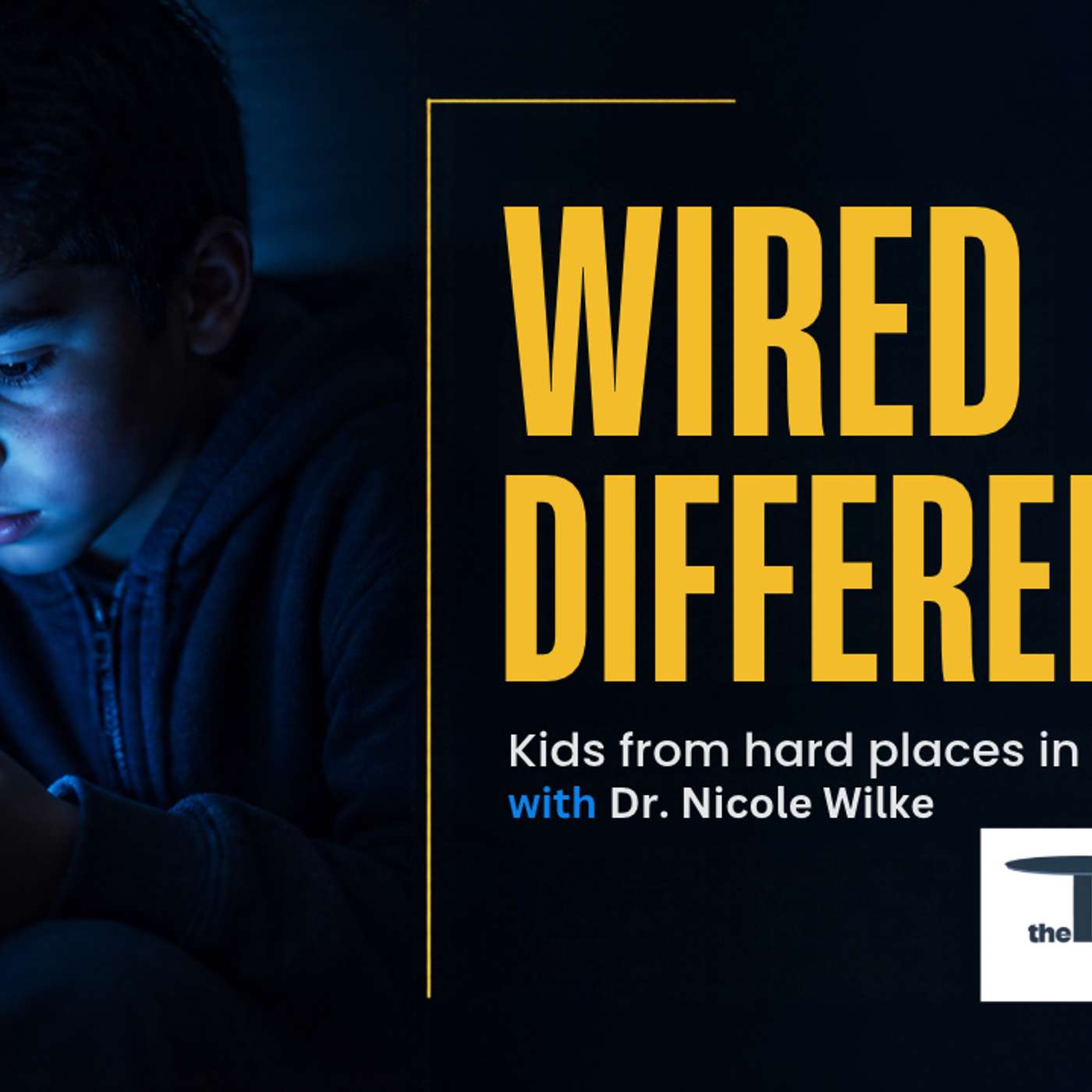
Rick, Chelsea Sobolik, and Herbie Newell sit down with Dr. Nicole Wilke, director of CAFO’s Center on Applied Research for Vulnerable Children and Families and author of Vulnerable Children in a Digital Age. Nicole grew up as a bio kid alongside 70 foster siblings, and when an adoptive mom asked her why so many kids from hard places were hooked on gaming, social media, and pornography, she found no research at all. So she and Dr. Mandy Howard did the first studies, which show that early adversity primes kids for problematic tech use and a downward spiral. The panel covers why impulsivity and attachment wounds make screens especially risky, why cold turkey backfires (Rick shares his own family’s experience bringing home a 14-year-old daughter from Ukraine with a phone), what AI may do to developing brains, and how to set clear expectations with grandparents and caregivers. Nicole grounds it all in Romans 12:2 and neuroplasticity: it is never too late to be transformed, and God has ordained these kids and these parents for this moment.
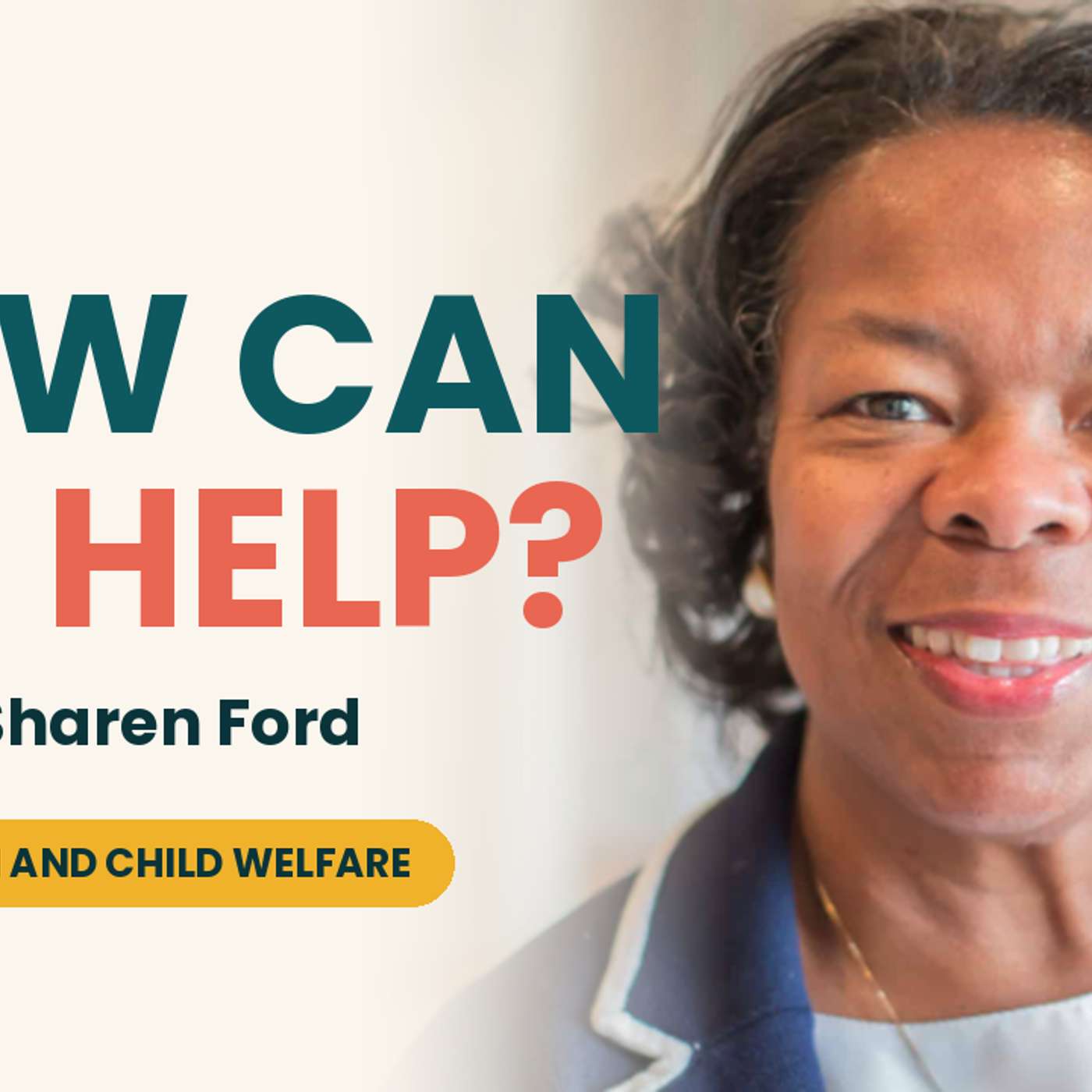
Rick Morton and Herbie Newell sit down with Dr. Sharen Ford, director of foster care and adoption at Focus on the Family, who spent 30 years in Colorado's state child welfare system. Sharen describes her calling and what real collaboration between the church and government requires. She offers practical ways to encourage overworked caseworkers, and ways to get involved, from CASA volunteering to transporting children and preparing visitation rooms. She explains how churches can accidentally hurt the system, why humility, listening, and following through matter, and why foster care is about reunification rather than adoption first. The conversation closes with a call to build relationships with local agencies before a crisis, to walk alongside birth families, and to trust God with the next step.

Comments

Download from Google Play

Download from App Store
 United States