


 Claim Ownership
From The Front To The Films: A World War II Podcast
Subscribed: 19Played: 480
Subscribe

© Tim Gray
Description
A Unique Podcast Focused on Interviews with World War II Veterans, Authors, Actors, Filmmakers and Those Who Are Telling and Sharing the Stories of World War II in Print, Television and in the Movies, both Past and in the Present.
136 Episodes
Reverse

A veteran of the horrific fight on Iwo JIma returns to the island eight decades later to make peace with the carnage that happened here in 1945. He's joined by the son of a fellow Marine who is trying to dig deeper into his own father's time here on this ugly island of death.

Jean Claude Guiet was recruited into the top-secret OSS in World War II, only to be sent to England to join the British equivalent of the American Spy and Espionage agency, the SOE. He jumped into France with a team following D-Day to organize factions of the French Resistance to keep the Germans away from the landing beaches in Normandy, France in June of 1944.
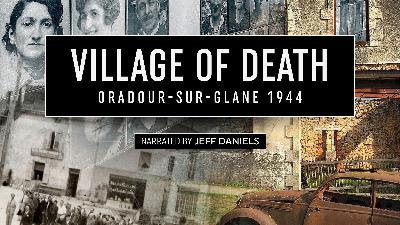
The German SS massacred a small French village in World War II in one of the worst atrocities to take place in Europe during the war.
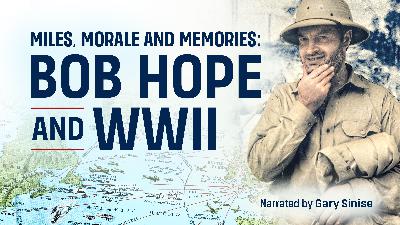
During World War II, Bob Hope and his troupe of Hollywood performers traveled over 80,000 miles to entertain troops in the United States, Alaska, North Africa, Europe, and the Pacific.
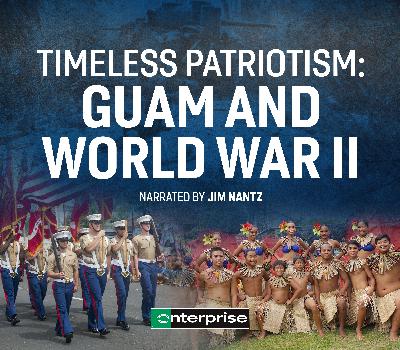
A documentary chronicling the lesser-known story of the American Territory of Guam's role in World War II. Attacked on the same day as Pearl Harbor (December 8th across the International Date Line), Guam was occupied for almost three years by the Japanese. Hear from many who survived the occupation and meet a United States Marine who helped liberate the island in 1944.
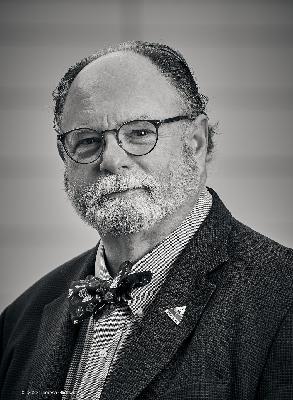
In our latest episode of Front to the Films, we had the honor of hosting John Slemp, a distinguished photographer, author, and veteran, whose work shines a light on the stories of World War II through an unexpected yet deeply meaningful lens. His book, Bomber Boys: WWII Flight Jacket Art, is a visual masterpiece that celebrates the airmen of World War II by showcasing the artistry and stories behind their iconic flight jackets. Through this engaging conversation with our host, Colonel Tom Rendall (USA, Ret.), John takes us behind the scenes of his groundbreaking project, sharing his passion for history, the collaborative journey with world-class museums, and the inspiration he draws from his personal connection to the Greatest Generation. Key Takeaways from the Episode The Creation of Bomber Boys: WWII Flight Jacket Art John shared the motivation behind his book, which started with a desire to honor the men and women of World War II in a way that would resonate with younger generations. By focusing on flight jacket art, he uncovered a unique way to tell their stories—through symbols of identity, camaraderie, and bravery. Collaborating with Prestigious Institutions To bring his vision to life, John worked with renowned institutions, including the Smithsonian Air & Space Museum, the 390th Memorial Museum, and the National Museum of the U.S. Air Force. These partnerships provided access to rare artifacts and allowed John to capture the authenticity and emotional depth of these historical treasures. The Stories Behind the Art Each jacket featured in the book tells a story—of missions flown, comrades lost, and the enduring spirit of those who served. John revealed some of the most compelling stories he uncovered during his research, offering listeners a glimpse into the personal lives of the airmen and their families. Education and Inspiration for Future Generations John's work is about preserving history through his exceptional photography—but it's also about using it to inspire and educate. Bomber Boys: WWII Flight Jacket Art serves as a powerful teaching tool for schools and museums, connecting young people to the values and sacrifices of the Greatest Generation. Looking to the Future During the podcast, John hinted at exciting future projects, including a potential documentary based on the extensive research and stories gathered for the book. His commitment to ensuring these stories are never forgotten continues to drive his work. Why This Episode Matters John Slemp's work center's around the importance of preserving the personal stories of World War II. By focusing on something as unique as flight jacket art, he brings history to life in a way that is both accessible and deeply moving. This episode of Front to the Films reminds us that history is much more than accounts of battles—it's about people, their experiences, and the lessons they leave behind for us. Get Your Copy of Bomber Boys: WWII Flight Jacket Art Experience the artistry and history for yourself. Order your copy of Bomber Boys: WWII Flight Jacket Art today and delve into the personal stories of the airmen who helped shape the outcome of World War II. Purchase the Book Here If you're visiting our International Museum of World War II (344 Main St, South Kingstown, RI 02879), we may still have some copies there for you to look at and purchase! Listen Now Don't miss this inspiring conversation with John Slemp. Tune in to the full episode and discover how one man is using his talent and passion to ensure the stories of the Greatest Generation endure. Have thoughts about the episode? Join the conversation in the comments or share your reflections on social media using #FrontToTheFilms. Let's keep these stories alive, together.

Narrated by Jim Nantz. Some of the most intense fighting of World War II took place in the northern mountains of Italy in the closing days of the battle for Europe. Bob Dole, a young Lieutenant from Kansas, was caught up in the brutal fight. Dole's time in the northern Apennine mountains, along what military planners and strategists call the 'Gothic Line", was life-changing in many ways and shaped who Dole became as a Congressman, Senator, and Presidential candidate. A fight outside a small village in Italy shaped Bob Dole's life in public service. A village that still honors Senator Dole and the famed 10th Mountain Division today.

Narrated by Dan Aykroyd. From the Holocaust to the dropping of the Atomic bombs, this film tells the story of an individual who owned the largest private collection of World War II artifacts in the world. Over 50 interviews with veterans and survivors of the war help tell the story of the meaning of the over 7,000 individual items in the collection of Kenneth W. Rendell. From the rise of Hitler and Nazism to the Holocaust and the war in Europe and the Pacific, this film marries the artifacts of WWII with the personal stories of those who were there. Narrated by Dan Aykroyd (Blues Brothers, Ghostbusters, Coneheads).

Narrated by Darius Rucker. The Tuskegee Airmen were all black pilots who flew heroic missions for the United States in Europe in World War II. Their base in Ramitelli, Italy, was a proving ground for these pilots, who were segregated at home and overseas but became household names for their courage and bravery in World War II.
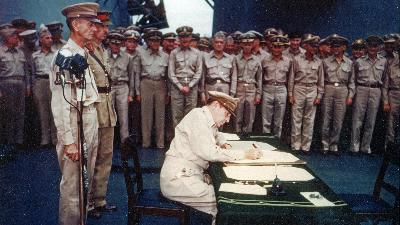
Narrated by Country Music's number one recording star, Luke Bryan. On September 2nd, 1945, World War II came to its official end aboard a legendary battleship anchored in Tokyo Bay. Some seventy million people had died during the war, but now the fighting would end not with a rifle shot but rather with the swift stroke of a ceremonial pen. The USS Missouri hadn't been in the fight long, heading into the Pacific theater of war in 1944, but she would become one of the most famous military ships in history when all was said and done. "Mighty Mo" had been involved in the vicious fight at Iwo Jima and then headed for Okinawa, where she dodged suicidal Kamikaze air attacks during World War II's last great battle. Missouri then would bomb Japan before being told to leave the coast for no apparent reason. The reason turned out to be two Atomic bombs that were set to be dropped on Hiroshima and Nagasaki. The official surrender ceremony on the USS Missouri would attract a world-wide radio audience with famous Pacific commanding General Douglas MacArthur handling the Instrument of Surrender proceedings. Over 3,000 soldiers and dignitaries looked on from every inch of Missouri's decks, including a small delegation of conquered Japanese. World War II was finally over. Peace. Why was the USS Missouri chosen as the ship the formal surrender would take place? President Harry S. Truman had something to do with that. What happened immediately after the signing that left so many in complete awe? What is Mighty Mo's legacy today at Pearl Harbor, where she rests not far from another famous battleship, the USS Arizona? Are there veterans still alive who were there to witness the Japanese surrender ending the war? Surrender on the USS Missouri answers those questions and more. As General MacArthur famously said at the end of the surrender ceremony: "These proceedings are now closed." However, the story of the USS Missouri never really ended and is still being told today.
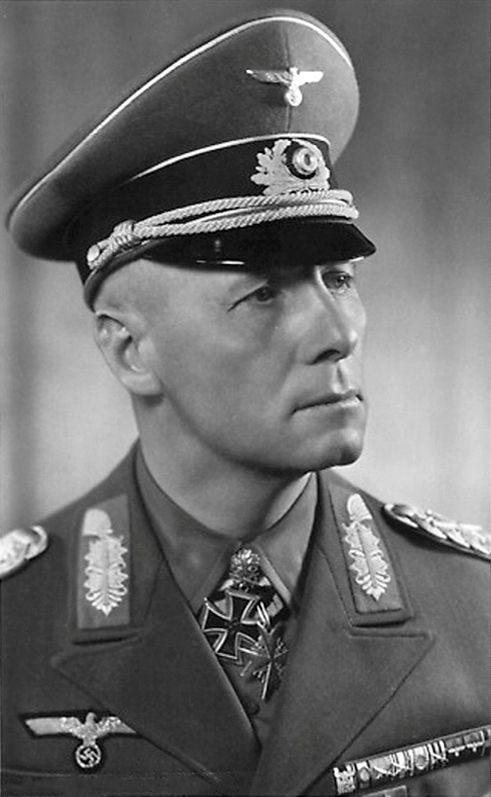
Narrated by Greg Kinnear. Germany's most famous commander of World War II, Field Marshal Erwin Rommel, had one fatal flaw: He always spoke his mind to Adolf Hitler. Rommel would pay for voicing the truth to his Fuhrer with his life. An earlier hero of World War I, Erwin Rommel was many things. A career soldier, a loyal German, one of the most successful generals of World War II on either side of the conflict and above all, a caring father to his son Manfred and loving husband to wife, Lucie. Field Marshal Erwin Rommel was also a realist. Highly decorated and one of Hitler's favorite commanders in the early years of World War II, the "Desert Fox" as his British adversaries labeled him, was somewhat of an enigma. Never a member of the Nazi party, Rommel detested the blending of politics and war. He would discover quickly both were always in play in Hitler's Germany. Rommel was somewhat naïve to the ways of Hitler until the latter days of the Afrika Korps defeat in North Africa in 1943. By then, Rommel started to surmise that Germany's fate was sealed. Put in charge of the famed and flawed Atlantic Wall in western Europe in late 1943, Rommel tried his best to prepare France for the coming Allied invasion. In the end, it would not be enough. D-Day's success only reinforced Rommel's belief that Adolf Hitler should sue for peace in the west. Something Hitler found treasonous. Was Rommel in on the plot to assassinate Adolf Hitler in 1944? If not, why did Germany's Fuhrer force his top general to commit suicide? In a rare interview with the World War II Foundation, Erwin Rommel's late son Manfred lends his personal thoughts to his father's military story, revealing what happens when an honest career soldier confronts a Dictator named Adolf Hitler. Manfred was there and saw it all play out.
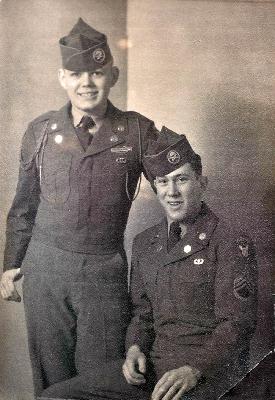
Narrated by Liev Schreiber. Social Media is an essential tool in telling the real-life stories of World War II's Greatest Generation. For Alaskan teenager Henry De Hoop, social platforms such as Facebook have proven to be an incredible resource in sharing his grandfather, James Schmidt's story, with a global audience. Jim Schmidt, like 16 million others of his generation, served in World War II. But the war journey of Henry's granddad is anything but routine. It's unlike anything most of us have ever heard or even thought possible. Jim Schmidt was keeping a big secret from the military and from his family too. This incredible journey begins in a movie theater in 1942 with the film Parachute Battalion playing on the big screen in San Rafael, California. The United States is now at war on two fronts. The story continues after World War II in Korea at the infamous frozen Chosin Reservoir. It ends in the sweltering jungles of Vietnam more than two decades after WWII is over. To use a 21st Century expression: Grandpa's War Story is About to Go #Viral thanks to Jim Schmidt's social media savvy grandson Henry De Hoop. And what an amazing story it is!

Narrated by Jim Nantz. Their motto in World War II was "We Build. We Fight." This is the story of the United States Navy Construction Battalions in World War II, especially in the Pacific, where these hardened and, many times older men, made up construction teams helped win the war against the Japanese.
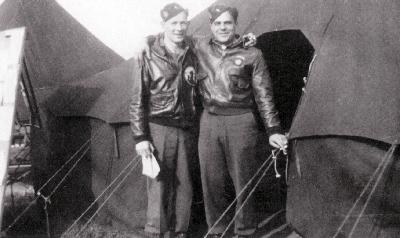
We follow 82nd Airborne veteran James "Maggie" Megellas from Wisconsin to Europe, where he fought in some of the most savage battles of World War II. "Maggie" is the most decorated officer in the history of the famed 82nd Airborne Division. Narrated by Tom Kane.
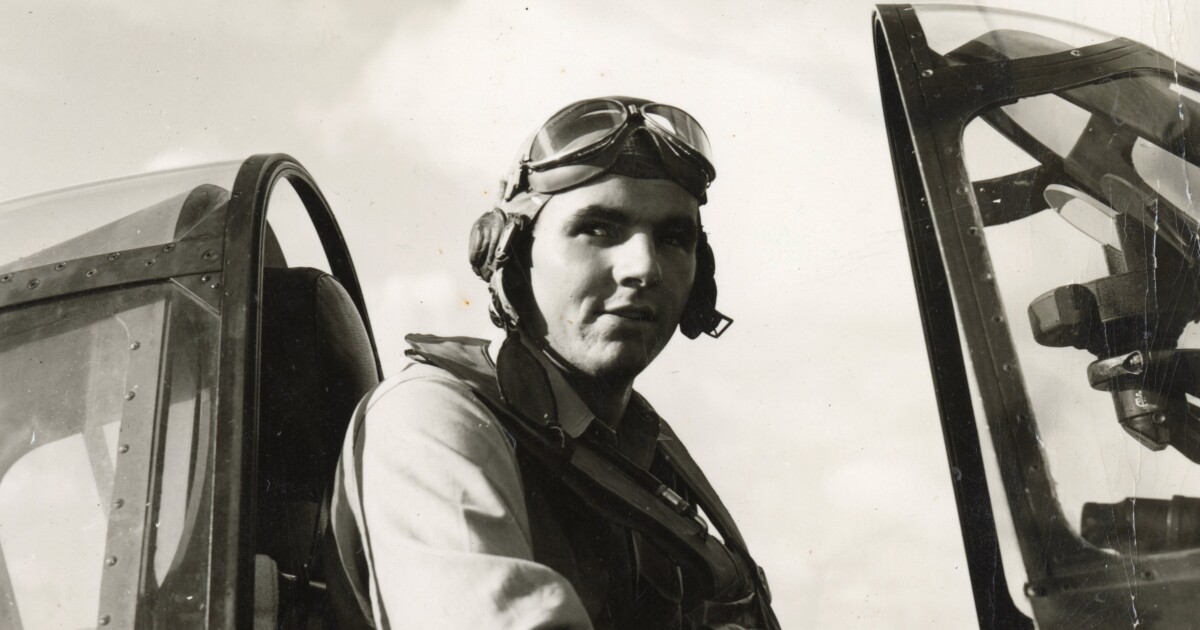
Narrated by Gary Sinise. Jack Taylor was born in St. Louis, Missouri, in 1922. Jack heeded his country's call after the attack on Pearl Harbor drew the United States into World War II. In 1942, he enlisted and served as a decorated Navy Hellcat pilot in the skies over the South Pacific. Then, like so many others of the "Greatest Generation," Jack returned home to raise his family and start a business. Lessons learned in the Navy – including the values of integrity, hard work, team spirit, and simply doing the right thing – helped shape his personality. They also made their mark on the company he founded in 1957, Enterprise Rent a Car. He named his new business after the aircraft carrier he served on, the USS Enterprise, the most decorated American ship in WWII. The incredible story of a World War II veteran utilizing his lessons home from war to establish one of America's most successful post-war companies.
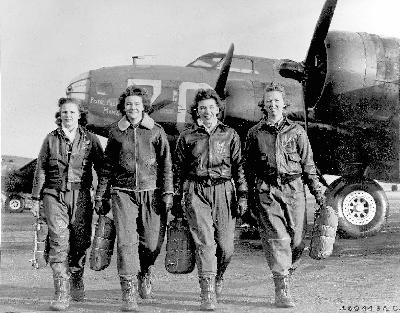
Narrated by actress Jane Lynch. The individual stories of more than two dozen women caught up in World War II, from the American Home Front to Auschwitz Concentration Camp in Poland. Included in this hour-long film are also the personal stories of the incredible women who served in uniform in the military or were "Rosie the Riveters" at home building the tools of war, whether they were black or white. This documentary focuses on the role of women in history's most violent conflict, from the perspective of those who served, witnessed or were caught up in a war that proved women were the equal of men when it came to patriotism, service or in some cases, self-preservation during watershed moments which called for steadfastness.
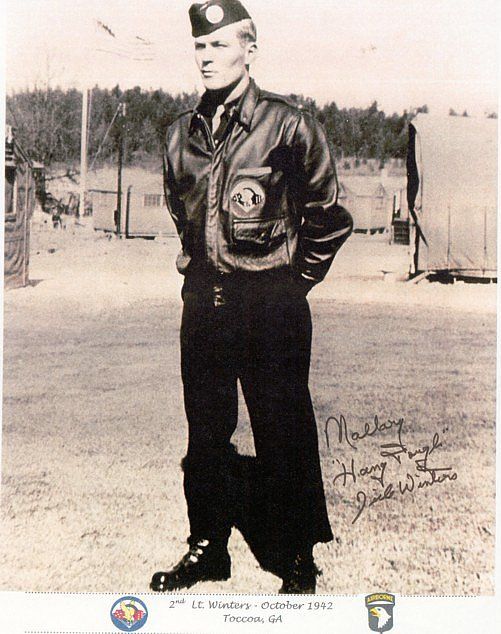
Narrated by actor Damian Lewis ("Dick Winters" in Band of Brothers). In 2012, a statue was dedicated in Normandy, France recognizing American Junior Officer leadership on D-Day. Thanks to the HBO series Band of Brothers, the figure depicts one of the war's most famous officers, Richard "Dick" Winters of the "Band of Brothers." Hear how the statue came together and how Dick Winters's legacy still resonates in Normandy today.

They comprised World War II's famous Easy Company of the 506th Parachute Infantry Regiment. They were the "Band of Brothers." However, not all who fought were featured in the favorite HBO series. This is the story of the other men of "Easy" who fought alongside their more famous "brothers."

Nattared by Jim Nantz with Kyle Chandler. Elvis Presley had a crucial role in helping to get the USS Arizona Memorial at Pearl Harbor completed. It's a little-known story you should know about if you're a fan of the "King of Rock and Roll."

On June 6, 1944, a teenager from Michigan helped steer a flat-bottomed Navy vessel toward the shores of Normandy. His name was Myles Isbell. His ship: LST-540. He was 17. In this special episode of Front to the Films, we tell the extraordinary story of Myles Isbell—Gunner's Mate Third Class, World War II veteran, and eyewitness to some of the most pivotal naval operations of the 20th century. To bring Myles' story to life in full, we've seamlessly interwoven his final recorded interview—conducted just three months before his death—with archival audio from an earlier oral history he gave to the Library of Congress' Veterans History Project. 🎖️ Access that full interview here » Together, these sources form a complete portrait of a quiet American hero—told in his own words. 🎧 In His Own Voice You'll hear how Myles: Watched a troop train roll past and decided to join the Navy at 17. Survived a ship explosion in port and later navigated through U-boat-infested waters. Helped land Canadian forces on D-Day and returned to the beaches 38 more times. Witnessed the fallout of war in Japan and later delivered food to starving civilians. Built a legacy as a husband, father, business owner, and man of faith. 🏅 A Life of Service Myles Walter Isbell passed away on February 12, 2025—just three months after this interview was recorded. He served in both the European and Pacific theaters and earned multiple military honors, including two battle stars, the Naval Commendation Medal, and the World War II Victory Medal. After the war, he returned to Michigan and built a life grounded in work, service, and family—raising three sons and witnessing five generations of descendants grow up in the peace he helped protect. 📌 Why This Episode Matters This episode is intended to preserve memory, honor sacrifice, and remind us what courage sounds like. By combining present-day interview footage with material from the Library of Congress, our hope is that we've built a seamless narrative that lets Myles tell his own story—powerfully and completely. Join us in honoring his legacy. Listen. Reflect. Share.

Comments

Download from Google Play

Download from App Store
 United States