


 Claim Ownership
The New Kind
Subscribed: 2Played: 41
Subscribe

© 2023 Podcast by Uncommon Folk
Description
We go behind the scenes and uncover the person and journey behind the successful modern creative brands, services and concepts we see today. Discovering just what it takes to go from an idea to scaling to a well-known creative venture.
We find out how these innovators got their unique idea off the ground, the challenges faced along the way, and learn more about the niche creative industry they work in. From these personal accounts, we learn real-life advice from the valuable lessons learnt, and hope the journey inspires and helps you to carve your own lifestyle-driven, creative path.
We find out how these innovators got their unique idea off the ground, the challenges faced along the way, and learn more about the niche creative industry they work in. From these personal accounts, we learn real-life advice from the valuable lessons learnt, and hope the journey inspires and helps you to carve your own lifestyle-driven, creative path.
32 Episodes
Reverse
Coming Soon
Coming soon
Coming soon
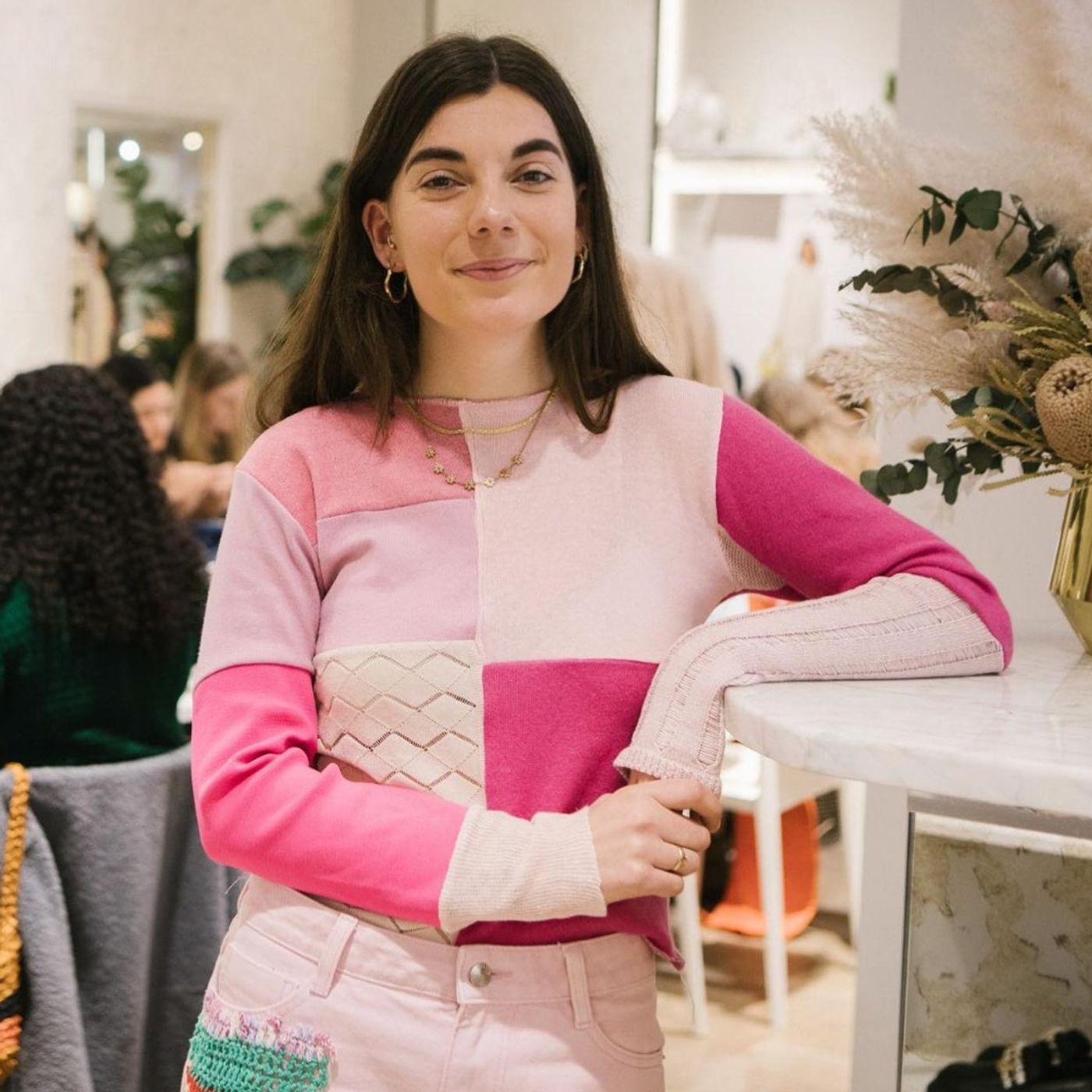
LinksLydia Bolton About this episodeWe were honoured to welcome Lydia Bolton into the Club to share her incredible founder story during this very special live episode of the podcast.From realities of working in the industry as a fresh fashion grad, to the moment she realised she had a responsibility as a founder to create the designs and changes in the industry that she want's to see.Since this moment Lydia has taken the industry by storm and become a leading force for upcycling movement. Not only creating her own sell out line, but making huge changes by collaborating with major fashion brands (such as as Nike) create real impact at the core of the industry.This journey really showcases the real and raw realities of growing a business, with the need to balance various roles to make ends meet and the need to learn the business skills to turn your passion into a successful venture. Included in this episode: Lydia's realisation after leaving University that it wasn't going to be easy to secure a job in the industry.The reality of taking the first steps in the fashion industry by having to work full time in a pub every evening and all day in an internship in the day.The moment she realised she needed to follow her values and make a change in the industry "as a designer it's your responsibility to create what you believe in".Leaving her internship to focus on growing her own brand whilst still working full time in the pub. Seeing starting a business a her own internship in business.After completing a sustainability in fashion course she discovered exactly what she wanted to you. She focused on giving life to the clothes in charity shops that people didn't want to buy. Contacted Trade and gathered the textiles they knew wouldn't sell, and offered a donation.After seeing Lydia's University final year showcase, Lydia was contacted by an Artist who was playing at Glastonbury and asked for Lydia to create a piece for her to wear.Learning how to make it into a business. Lydia soon realised she needed to up-skill and learn how to sell if she was going to make it successful.Core lesson during lockdown that she needed to create pieces that people wanted, rather than just created lines for her own pleasure.She needed to become a brand, rather than be seen as a hobbiest.As she worked more on her brand identity she was approach by Nike for a collaboration in store. This snowballed into being approached by many more brands. Lydia puts this down to being clear on her purpose and communicating it clearly.Lydia's passion for working with bigger fashion brands as she knows she can reach new audiences of those who are less sustainably minded and make a bigger impact.Lydia's thoughts on the future of sustainable fashion: Creative thinking around serious issues and the need to lean towards transparency.

Discover more about Jenna O'KeefeFollow Jenna on Instagram.Discover Uncommon folk.In this episode:More about Jenna and get journey to become a leading confidence coach, including understanding her own mindset blocksCreative motivation and what’s at the core of losing your sparkTools and tips to stop being demotivated:Tip: Take the emotion and shame out of it. We often make ourselves feel worse as we are in a society where we always need to be productive.Tip: Set the bar low. Stop trying to start at the end and do it all (e.g. if you haven't been going to the gym, go once, don't set out to go every day)Tip: Understand your body and your productivity (Cyclical productivity). Stop trying to push through.Tip: Zoom out - look at the bigger picture. Stop letting the small things stop you. Practice patience.Build resilience /confidence. - Learn from failures and don't hide away if you fail.
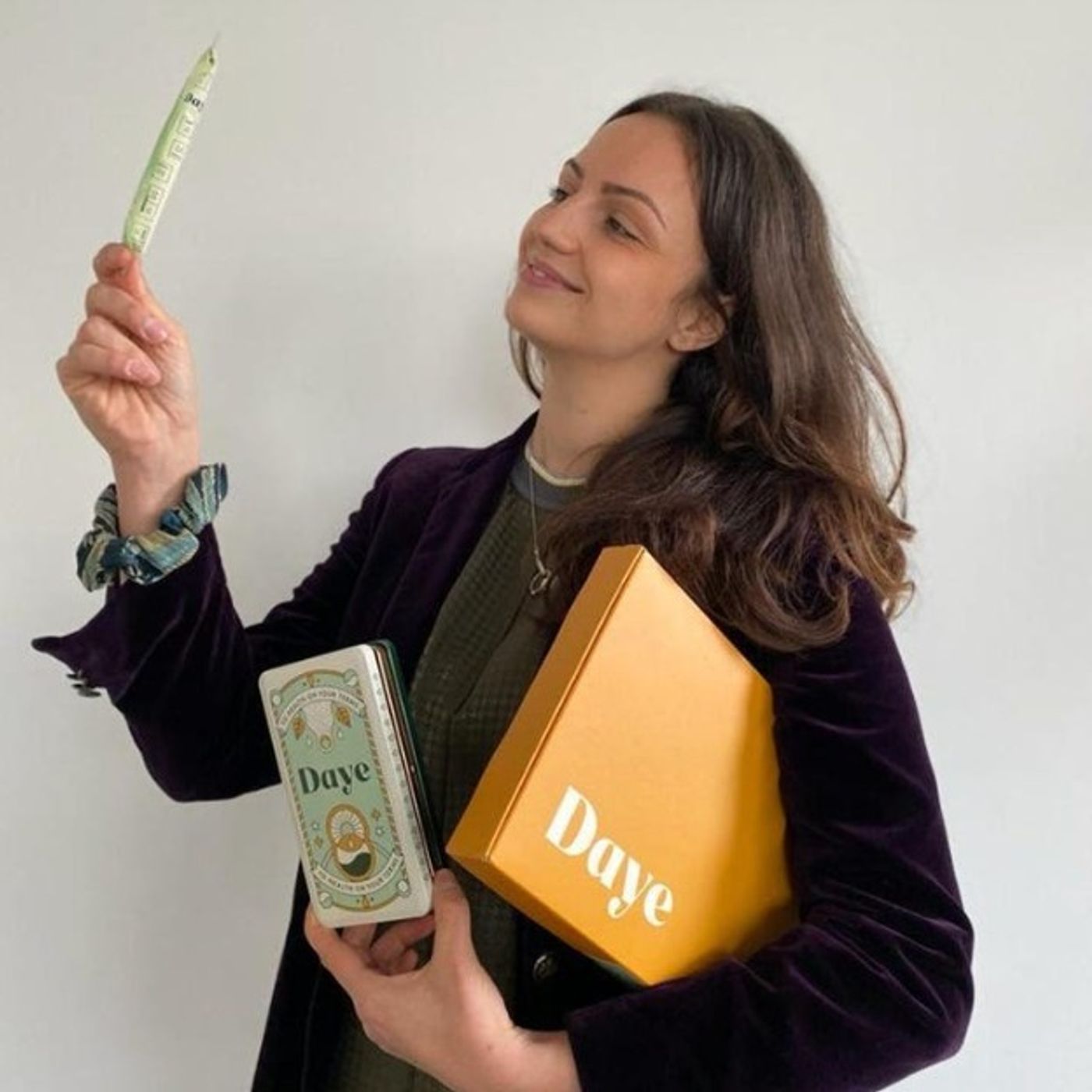
Explore Daye: https://yourdaye.com/Follow Daye: https://www.instagram.com/meetdaye/Want to join live podcast episodes? Explore Uncommon Club.Included in this episode:The purpose behind Daye and why Valentina wanted to make a change in women's health.The first steps Valentina took to build the innovative CBD tampons.How Valentina built the prototypes on her kitchen tableHow she funded the first prototypes and business at the beginningA real look into securing seed funding, including how she built her pitch, who she approached and a behind the scenes.The reality of investment of females. Only 1.8% of all funding goes to female founders.Securing 4.2 million in seed funding and the next steps in building the brand.Putting a team together (including operations, brand, design engineering)How Valentina started marketing the brand. Finding what worked (SEO/organic through a value-added blog, influencers) and what didn't (PR). Going against investor opinion and taking on an artists to build the brand and making a change in women's health product branding. Launching with a subscription model.The reality of launching a purpose-led brand that hasn't been done so far. Battling the many barriers of women and working so hard (high levels of stress) that Valentina developed quite serious physical health conditions.Learning how to manage stress of being a founder.Highs, lows, and lessons learnt from the journey.
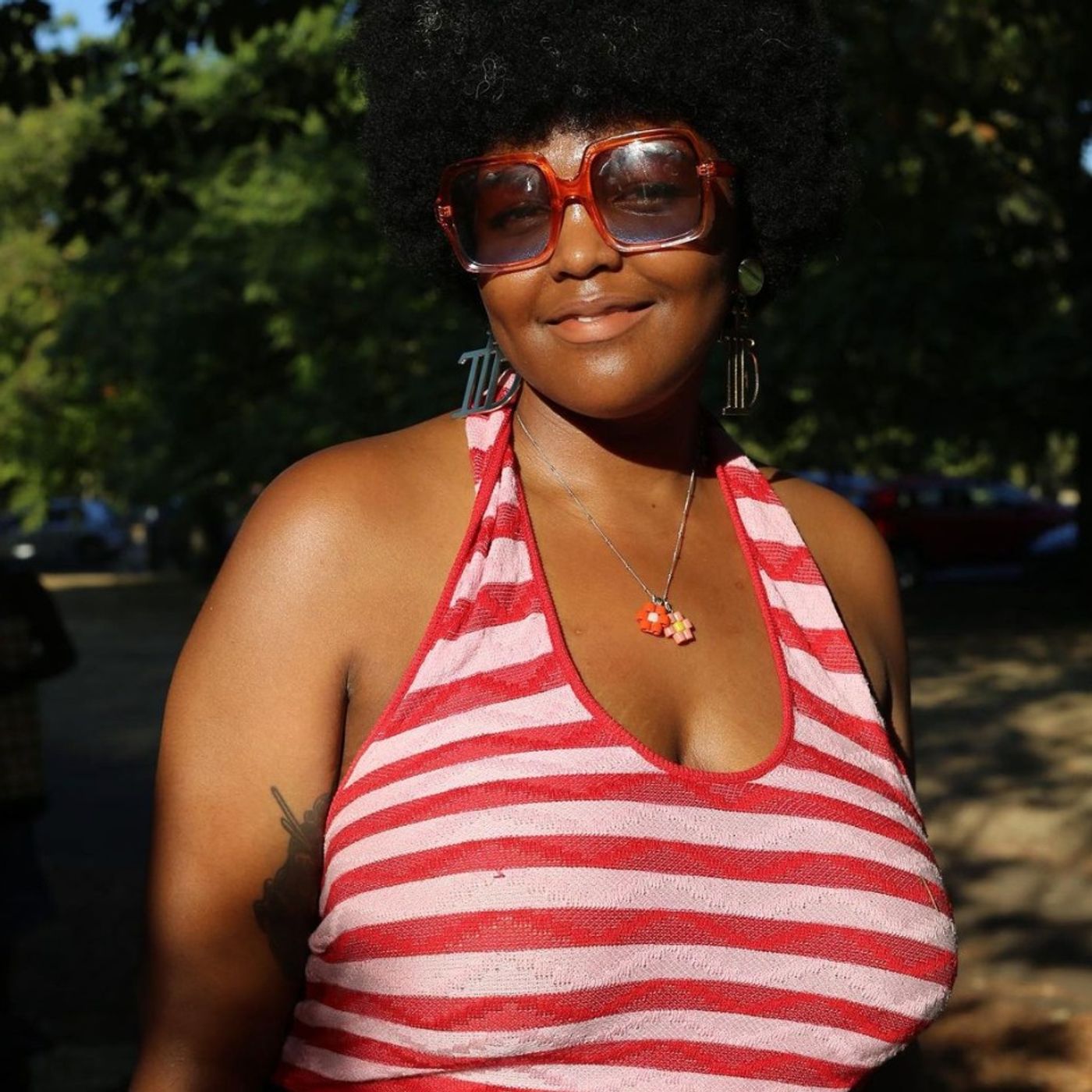
Episode links:Kira's website: https://www.kiramatthews.com/Kira's Instagram: https://www.instagram.com/kirathebold/Future self 90 day journal: https://www.kiramatthews.com/shop/p/the-future-self-guide-bookEpisode overview:Introduction to Kira Matthews and her missionConfidence as a founder, including:- How it doesn't have to be something you hold all the time- Confidence of being yourself - find your unique strengths and don't try and embody someone else's confidence.- Sometimes confidence doesn't even matter, it's about taking steps in fear and growing.Why journalling is so importantThree journal prompts that may help you scale, including:- write 7 wins and acknowledge your part in it- how can the challenges you are facing now help you in achieving your goal- how is your product/service the best option for your customer - write down 10 reasons
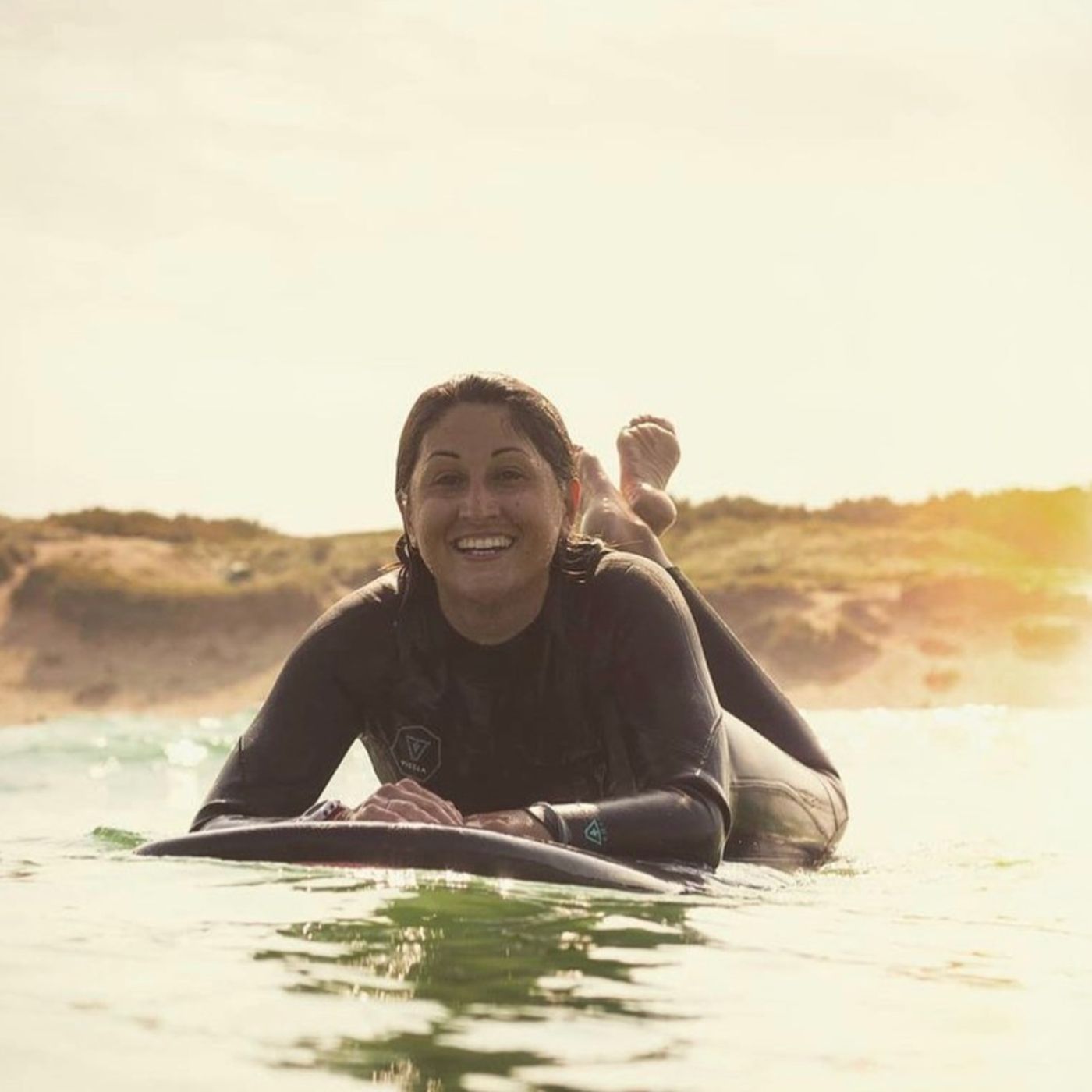
Episode linksWomen + Waves: https://womenandwavessociety.com/Women + Waves Instagram: https://www.instagram.com/womenandwaves/Uncommon Folk: https://uncommon-folk.com/What to expect in this episode:How it all began - defying tradition and following your true passionThe start of the community - how to build a really engaging community online and off lineThe H&M collaboration - how it happened and what it's like to work with a major brandWhen Covid hit - how they continued the community through a global pandemicDealing with imposter syndrome int eh lifestyle industryThe challenges as a founderHer top tips for other founders
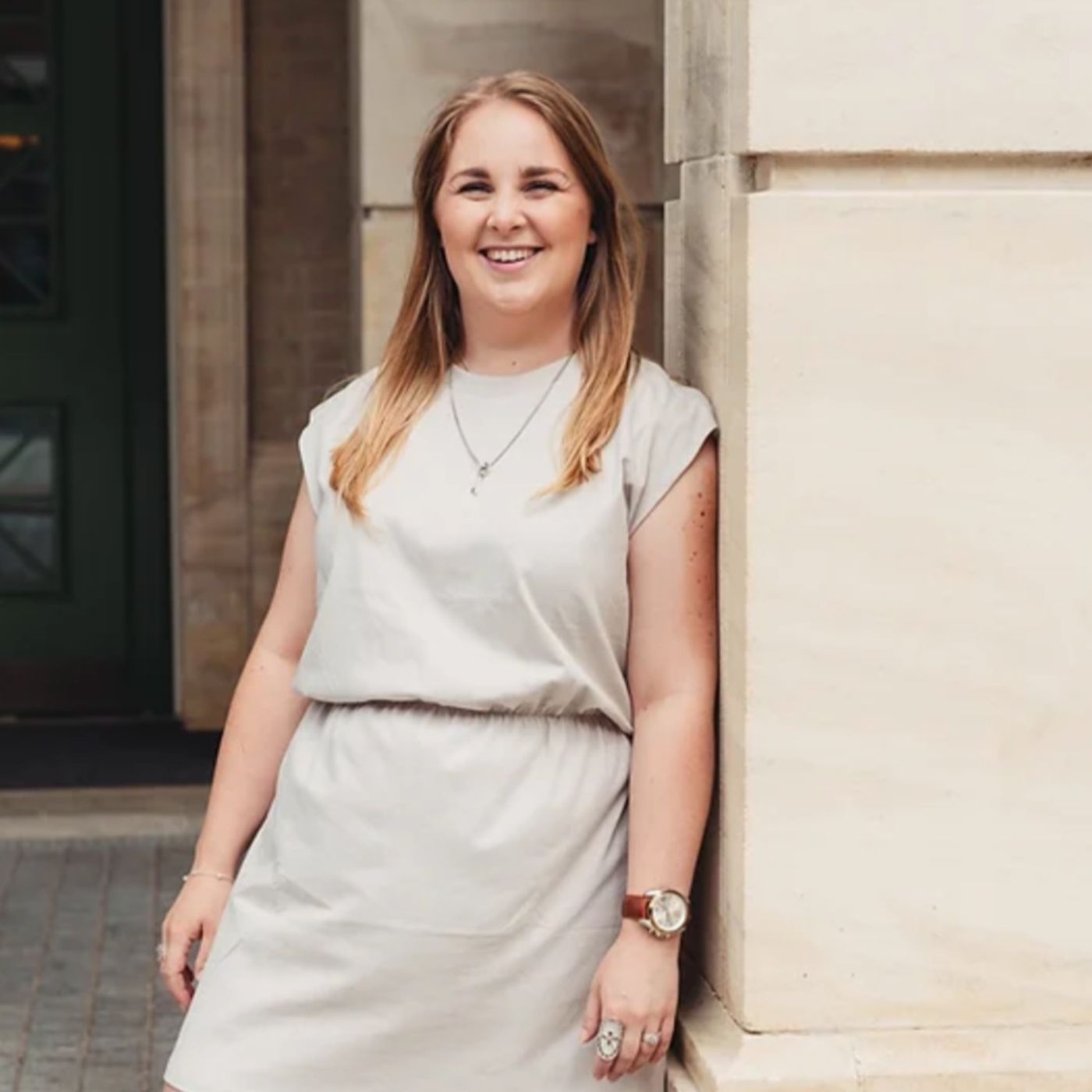
Be gone are the glory days of scaling an Instagram at pace with relatively minimal effort. Now it feels like you can spend hours in crafting exceptional content, just for it to land straight in the abyss.In this episode we are joined by Instagram and overall marketing specialist to understand how we can get the spice back in the platform and get some home her top three tips to nail Instagram for business.We discuss:The mindset shift needed. The platform has changed in purpose, we need to start meeting how it can field our business.Top three tips.Choose your lane - go for A grade content and post a few times a week or C grade and keep it regular.Treat Instagram like a Facebook community. Treat followers like potential leads.I would love to hear your thoughts. Drop us a DM @un.common.folk.
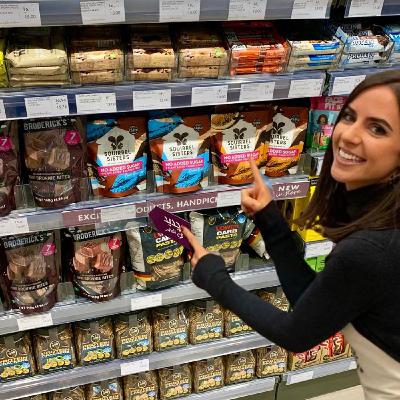
From cacao brownie to peanut raspberry, if you have managed to grab a Squirrel Sisters snack, you will know exactly why they have become an award winning food brand. But it goes beyond this, although they have seen great success, they are on a mission to educate and offer truly healthy options to consumers.From co-founding the company at home with her sister Sophie, you will now see the Squirrel Sisters range in over 2000 leading stores (from Waitrose to Selfridges), but there really has been one hell of a journey to get there. In this *live* recording we have an open and honest conversation with Gracie to get a behind the scenes on what it really takes to go from your kitchen table to the supermarket shelves. The episode is jam packed with insights, tips and advice on scaling a purpose-led brand and what it's really like to see your brand on the shelves of major stockists. Included in the episode:How the company started and why their mission is so important to the sistersHow they approached their first retailers, and the clever tactic they used to stand out against the crowdTips and advice on branding and what works in the food industryTheir biggest marketing success that you can use in your own businessThe realities of being stocked in major retailers and the underlying costs.
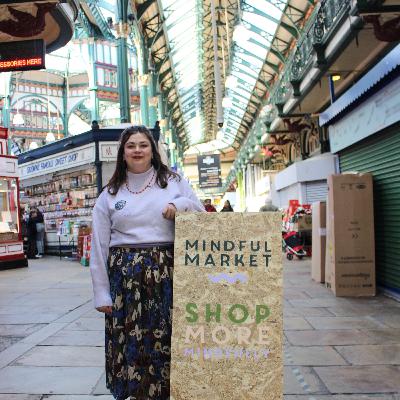
Join the brilliant Bianca Cross, founder of Mindful Market as we have an open conversation on consumerism, how we go here and Bianca's expert tips on how you can be a huge part of the change to more mindful and sustainable shopping habits.
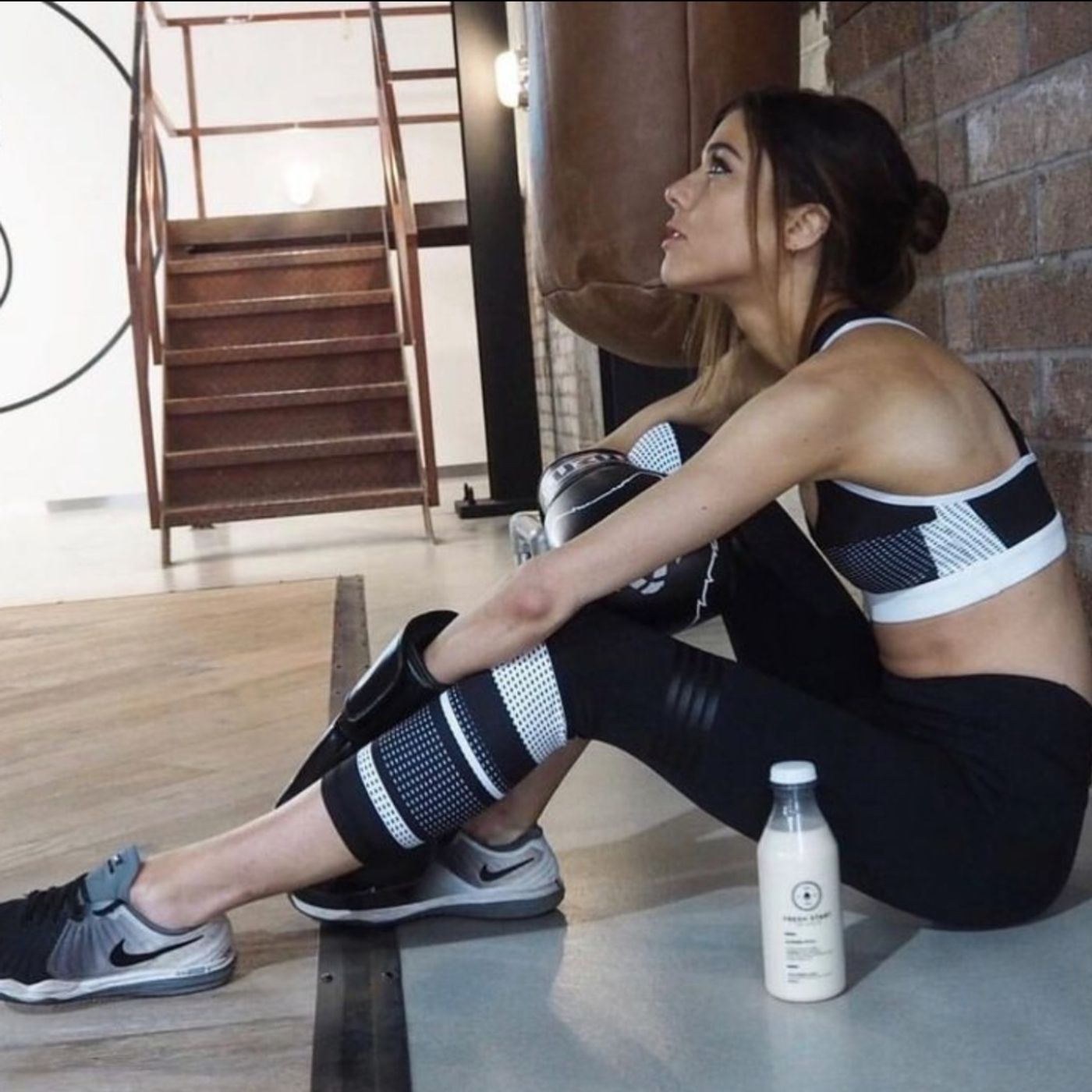
Join the live episode (hosted by Gemma) as we hear the exceptional story of how Kat Pither has grown the iconic wellness brand, Yogi Bare. Embedded in deep purpose, Yogi Bare not only offers innovative wellness accessories, but has created a welcoming, connected space for all. Kat shares her how she scaled the brand and give invaluable advice for those looking to start a purpose-led brand.
Has the noise and demand of social media meant you have skipped PR and traditional methods (think TV, radio, digital & print publications) in your strategy and solely focused on other channels to gain brand awareness?Does even the thought of gaining PR and putting yourself out there give you an absolute fear fest which makes you avoid it even more?!We hear you. We’ve all been taught that the media is scary. A place for celebrities to get shamed and outed.It also seems a little dated, right?Well, it’s time to change these thoughts.Traditional marketing methods are still at the forefront of brand awareness and one of the best ways to get in front of your ideal audience.Just like any other marketing channel, you just have to approach it strategically and confidently. You are interesting and you do have a story to tell, people want to hear about your journey and business purpose.We first met Charlie (Founder of Seafoam PR) during our COVID lockdown (1.0) support sessions over in The Hangout. Charlie kindly offers 1-2 coaching sessions for group members to open the conversation on communication and traditional media. We quickly found that most, if not all, of the business owners we connected with were not considering traditional media/marketing within their strategy. So we thought it was about time we started the conversation.This podcast does just that. We hope it sparks those initial thoughts of introducing traditional media methods into your overall marketing strategy.
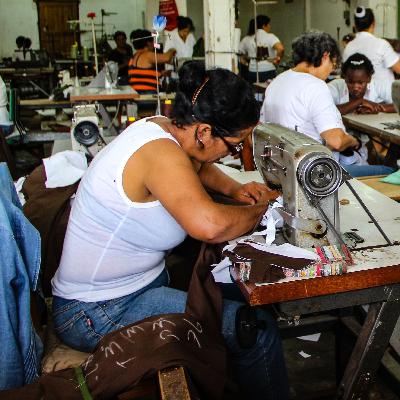
The final part of our four part sustainability series, we cover ethical and social practices.
We have a really open, honest conversation understanding the cultural differences when seeking a manufacturer abroad. Demi shares how you can discover if the factory is adhering to local guidance, and how you as a customer can help improve conditions and pressures for workers.
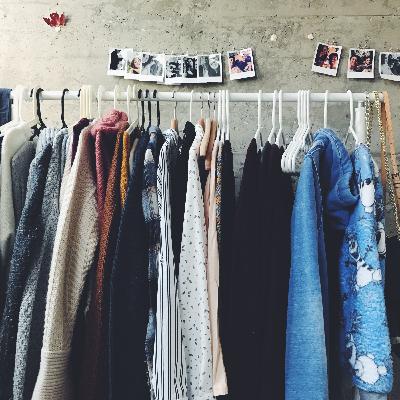
Following on from our four part sustainability mini series, this episode covers environmental footprint and lifecycle of products. We cover the impact that your product has at every stage from inception, to the customer
receiving their order, to the longevity of the product, right through to when the product reaches the end of its use (lifecycle).
Demi offers some great tips and examples of how other small businesses are approaching this subject.
With special guest Demi Johnson (Expert Apparel Consultant and Founder of Get Stuff Made) we open the conversation on what it takes to create a sustainable product. This series is broken into four parts, including; This introduction and discussion of the changing need for sustainability within your brand; materials; environmental footprint and product lifecycle; social and ethical practice.
In this episode, Demi offers her expert knowledge on sustainable material choices.
With special guest Demi Johnson (Expert Apparel Consultant and Founder of Get Stuff Made) we open the conversation on what it takes to create a sustainable product. This series is broken into four parts, including; This introduction and discussion of the changing need for sustainability within your brand; materials; environmental footprint and product lifecycle; social and ethical practice.
This episode starts the conversation. Discussing the changing need for introducing more sustainable options into your brand, and how to reduce overwhelm when approaching the ever expanding sustainable options.
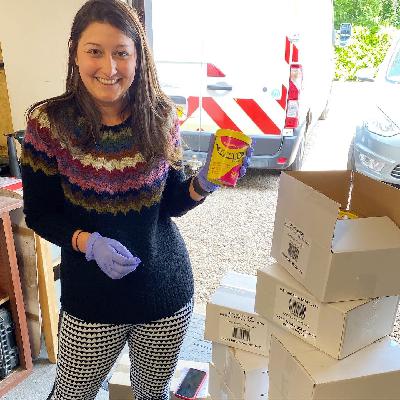
In February 2019, Banana Scoops was just an outrageously innovative concept that Jess had been thinking about whilst working her “normal job”. A concept that created “nice cream” from bananas and other natural ingredients to make a “healthy” alternative to our favourite chilled treat.Fast forward to just a year later and tubs of delicious Banana Scoops can now be seen in the freezer aisle in major retailers such as Ocado, Planet Organic and As Nature Intended.What’s so outstanding about this achievement is that Jess managed to do all of this on her own. No team, no huge budget, just a lot of hard work and a strong want to create the highest quality product.We chat to Jess to see just how she has managed to do all this on her own and what it’s like to connect with such major national brands. How she managed the many barriers and lessons thrown her way, and what advice she can offer to anyone looking to grow a start up to such a scale in one year without a team behind them.Here’s just a snippet of the advice Jess offered during our chat….Retailers won’t chase you, you have to put yourself out there, grab hold of opportunities (even if it’s slightly terrifying!) and push for your brand to be noticed.When chasing suppliers, don’t follow up with a “just chasing the previous email” type of email. Always add additional value. Offer new developments, press articles, social engagement and just general good news pieces. You need to grab their attention and offer increased value on every touchpoint.Don’t let a lack of funds/human resource/skill set stop you. Jess put together a basic brand design herself to get going, she then pulled upon connections to get where she is now. Branding is vital in standing out as a food product, but you can add to your brand with a really quality product, an innovative product, and your passion. You can then pay an expert when you have the funds.Jess offers SO many more valuable insights as to how she has managed to achieved such a major milestone so early on. It is also so interesting to hear the process that goes behind meeting and getting the go ahead from a major brand.
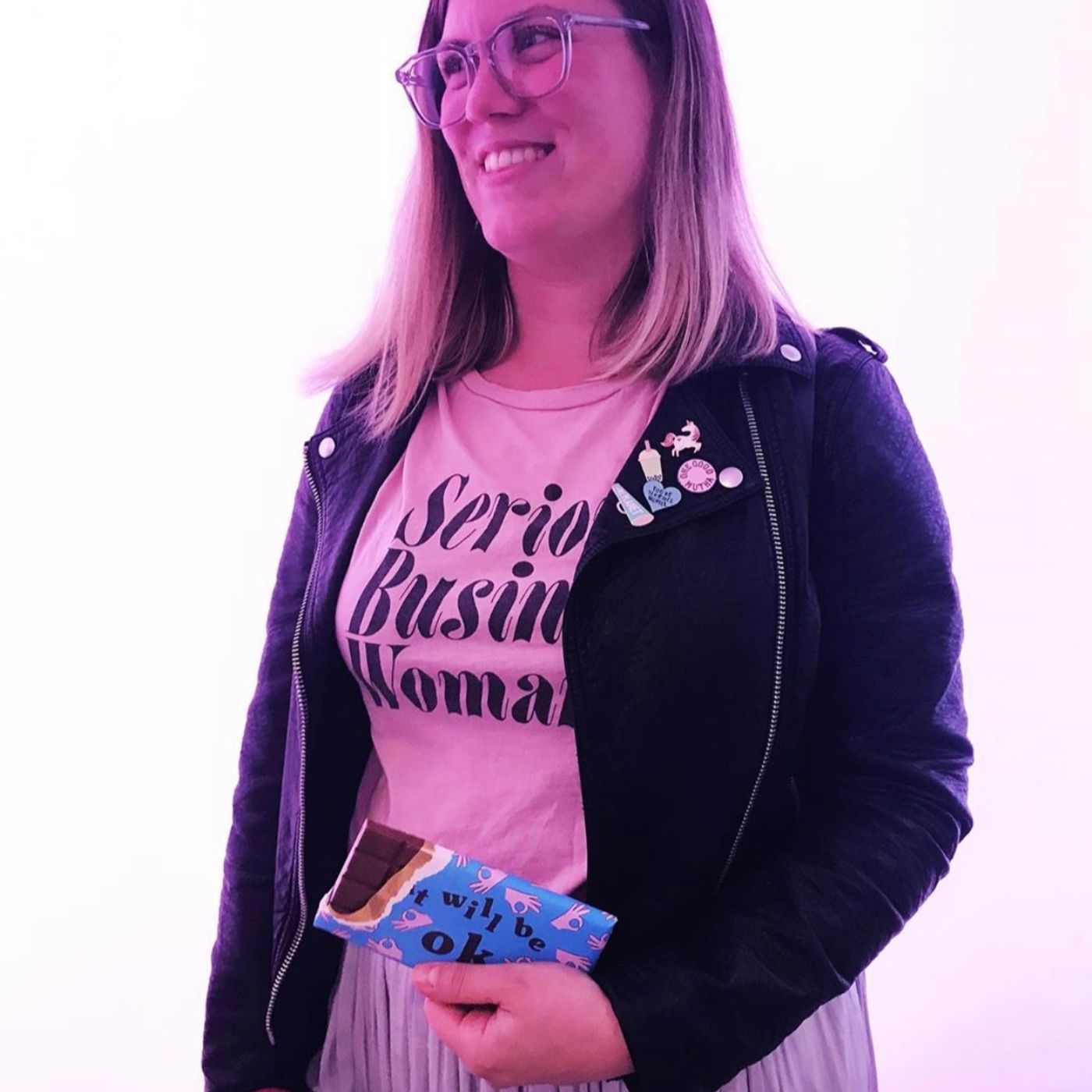
These special footnote episodes are additional to our usual Journals, as we open up the discussion on a particular topic faced by creatives caring their own path. Even though this episode seems like the perfect start, it’s also a slightly unusual start as we are discussing the very end of a business, and open up on the realities of closing a successful business. More so, when is it right to push through when you feel that niggle to give it up, or do you follow your gut and close when the passion and energy for the business fades.If you managed to catch the last episode, you would have heard my chat with Lucy Elliott, and how she ditched the London life to grow a large-scale chocolate business, Creighton’s Chocolaterie.Even though that was only recorded at Christmas last year, things have changed quite dramatically for Lucy. I won’t go into the specifics now, as you’ll hear all about it in the episode, but the conversation went beyond the actual aspects of closing a company down. We discuss that horrible niggling feeling when the passion starts to die; when the fun creative elements of a business turn into business realities of balancing the books, paying those massive VAT bills; and the constant pressure to evolve and stay relevant. These feelings come and go in all of us, but when do you know when it’s time to make a change?We also discuss why there is SUCH a huge pressure on the self-employed to keep going. Why is closing a business always seen as negative? It doesn’t always mean the business is failing, it might just mean that you want to change, to pivot, and to explore your options as you move into different stages of your life. I am so grateful for Lucy’s honesty during this chat. We cover so many important topics that many, if not all of us face, and really open up on making these big decisions. I must add, this is not a negative episode, even if we do have a good rant at times. It’s about listening to your own intuition, really reflecting and making the best decision for you. Also taking away the element that closing a business doesn’t mean your business hasn’t been successful, far from it in Lucy’s case. Let me know what you think, I’d love to know if you’ve encountered any of these feelings in your journey.
I have lusted after Lucy’s divine chocolate for a long while now. If the insanely beautiful packaging doesn’t get you, then the completely unique flavours will. I mean, choosing between ramen noodles and a breakfast bar was one of the biggest decisions I have ever made.We were so interested in hearing Lucy’s story and how she’d dragged the chocolate scene into the 21st century at such a rapid pace.We managed to grab a chat with Lucy just before Christmas last year (how did lockdown manage to make half a year whizz by without us really even knowing). It was obviously a really busy time for Lucy to take a moment out (sorry Lucy!), but what the next few months would bring couldn’t have been predicted by any of us. More on that at the end of this blog (little cliff hanger for you there).Out of interest of learning more about the art of chocolate (after running a food blog on the side of a retail job), Lucy and her Mum enrolled on a chocolate making course. Little did they know that within 6 months they would be handed the keys to their first shop and they would be at the start of building the Creighton’s brand.In our chat with Lucy, we discover more about those early days that led to the creations of Creighton’s, and more importantly, how they grew from that single shop in Leighton Buzzard to stocking in over 200 stores across the globe. Alongside product collaborations with huge brands such as TeaPigs.We are obsessed with the brand that Lucy has developed through pure creative innovation. She utilised her small business status to move fast in the industry and stand out against the huge competitors.So, I mentioned that there was a twist. Well, it’s a big one.With the impact of COVID-19 and a few other reasons, Lucy has decided to close Creighton’s Chocolaterie. This isn’t a negative, far from it. Lucy is closing the business to pivot her focus (we know you’ll all love it!). We’ll be revealing all very soon!In the meantime, we really hope you love this journey. Lucy is FULL of business wisdom from almost 10 years of growing Creighton’s to the huge success it has seen today (all whilst becoming a Mother, closing shops, opening factories, the list goes on!).For more creative entrepreneurial success stories, check out https://www.create-collective.com.

Comments

Download from Google Play

Download from App Store
 United States