


 Claim Ownership
Write On SC
Subscribed: 12Played: 55
Subscribe

Description
By writers, for writers, a weekly discussion of writing craft lead by South Carolina Writers Association members and guests.
247 Episodes
Reverse
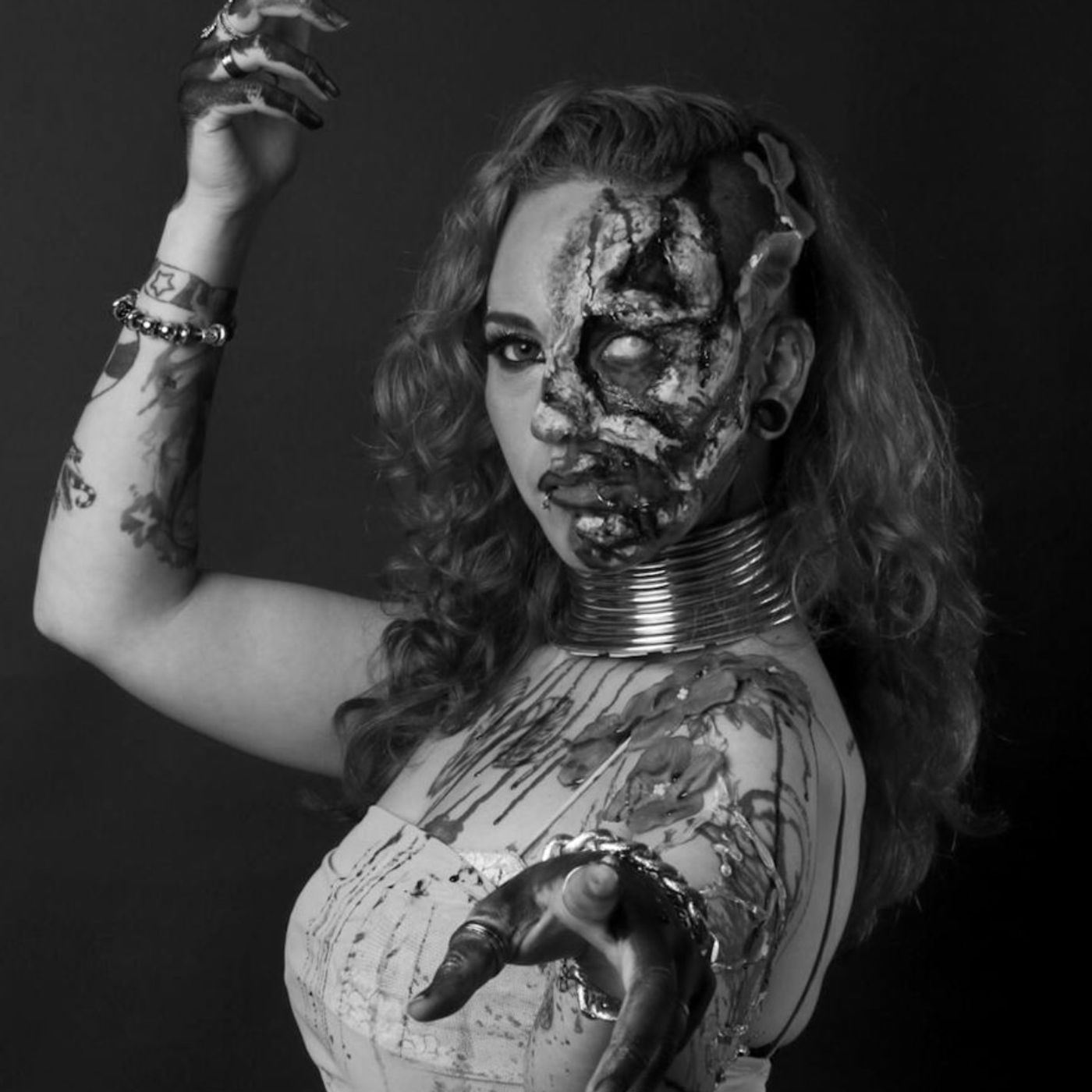
So in keeping with our spooky season October theme, we’re gonna focus on monsters this episode. And we’ve done this a few different ways in the past. With Thaddeus Jones on Episode 199 when Rex was gone and I invited filmmaker and horror fan Dr. Thad Jones into the studio. That was two years ago! So we’ll borrow some of that. But then, even earlier than that in our first pass at the Seven Deadly Sins on Episode 153, we took the “rage” sin to the monster level. In Episode 232 we looked at human monsters: mafia, gangsters, thugs, and monsters we see on TV. They’re often fueled by the same rage and revenge of our monster monsters. Lastly, in Episode 230 and 231 we took on writing in existing lore and all the pre-existing monster conditions you’re bound to if you choose to write werewolves, vampires, fairies, mermaids, or any other mythical creature. So this episode will be a little bit (best of?) all those. Capiche? We’re justice calling it “Monsters” because we haven’t actually done an episode focused on monsters.Let’s start with the factors that make monsters compelling in a story:Get the blood pumping – there’s adrenaline in monsters: what will they do? How do we defeat them? Can we defeat them? Will they give chase? Will they be violent?Make the protagonist work for it – every monster has a vulnerability, but the heroine has to figure out what it is and that work is compelling.Exploit characters’ stupidity – every protagonist has a dumbstreak, monsters won’t let you get by with making dumb choices, the protagonist will fail. That’s compelling.Monsters scare everyone in the film – even the bravest hero (looking at you, Buffy) doubts their ability against a progressively-evil monster. That’s compelling.Why do we love monster stories? This blog attempts to explain: “We have a way of organizing the world into predictable categories for easy understanding, cognition, and manipulation.” But monsters disrupt those neat definitions and confuse our sensibilities. As neuroscientist Mark Miller explained on the podcast The Gray Area, horror movies and monster stories give our brains a chance to rehearse (while not in danger) what we would do, feel, see, think, say, if we were in danger. Read more on the blog

We’re back to October which means back to Spooky Season. We’re going to spend some time on horror, goth, and suspense this month. These notes are from Episode 205, just a year ago. While the notes may be the same, ya’ll know the conversation never is. Enjoy!Stephen King claims there are three levels: Gross-out, Horror, and Terror. Gross-out: the “ew” reaction – a severed head falling down the stairs, blood, gore.Horror: graphic portrayal of the unbelievable, something that strikes genuine fear – a child’s toy becomes a murderer, spiders the size of bears, the dead waking up and walking around.Terror: where the induction of fear is fully caused by the imagination itself; the author suggests something and the reader fills in the blanks – the lights go out and you feel something behind you, its breath on your neck, its stink in your nose, but when you turn around, there’s nothing there.This Neil Chase blog suggests five elements of horror:SuspenseFearViolenceGoreSupernaturalAnd goes on to offer these 9 tips:Create relatable horror-genre characters – true of every genre, but in horror the characters should be cut off from the world in some way (mentally, physically); in Scream, Sydney is awkward because her mom was murdered and the whole town knows it, in Stranger Things, Will Byers isn’t quite ready for girls and other high-school-level pursuits.Find out what scares others – the people around you are good source material; what creeps them out? What makes them scared?Watch the news – it’s full of horrifying things, circumstances people can’t escape, terrible acts of inhumanityTry using family in some way – most people relate to family and can understand the inherent dynamics there; People are protective of family, so imagine one in danger – how do the characters react?Use fear to drive their choices – loss of a job, income, or fear of bullies or crime, these simple situations can turn horrific if the character makes terrible choices in response to themUse the fear of impending doom – superstition, bad prophecies, a sense that things just aren’t going to work out can drive people to do irrational things to protect themselves, their family, or their property; let the character’s imagination go to the worst possible outcome, always.Use darkness – it’s just the absence of light, but darkness has at its core the uncertainty of what lurks within, what threatens us, what could overcome or overtake us. It’s a primal fear, something most of us never truly outgrow.Use the sense of being “out of control.” – things have to happen that the character cannot prevent, we have access to technology and we know so much, and yet there are ways to isolate your character, keep them helpless, give them some kind of disadvantage that makes the circumstances worse; characters need to have agency, so their choices should drive the plot, but the choice between two bad options is also out of control.Don’t be afraid to add depth – it’s not just genre fiction full of jump scares and gore, horror can be disturbing, chilling, or twisted and live in your imagination like a kind of seed, never sure how it’ll root and sprout.Read more on the blog

This week I’m not flying solo (like the last two weeks). I’ve wrangled Dr. Anna Fitch Courie, author, speaker, and health and wellness specialist. She’s the author of six books, two children’s books and four inspirational non-fiction books. Writing for Anna is an outlet, a way to process what she’s experiencing and to help others put their experiences into context and find hope on the other side of struggle.Learn more about Anna Courie here. Anna's new book, Walking with God: The 40-Day Fitness Program and Biblical Journey goes on sale January 14, 2025.Anna will tell us about her writing journey, how she came to authorhood, whether it’s become a defining characteristic for her, and what she’s working on now. There’s a new book!The writing process is usually taught in a four-step summary: 1) Drafting, 2) Revising, 3) Editing/proofreading, and 4) Publishing.But we know there are several other stages. Like … Ideating - where do the ideas come from? And Self-Doubt - Can I even do this? And frustration - I’m never going to finish this book! And Blind Optimism - I’m going to sell SO MANY copies! And Paralyzing Disappointment - No one showed up to my book signing.But, from a writing perspective, the most important stages are probably ideating, drafting, and revising. So we’ll start there.How do you get through the editing process? What does that look like for someone heading toward publication?Should you hire a professional editor? In what capacity? What do you expect of them?What other professionals should you bring to the writing process? What professionals do you expect your publisher to bring/provide?Read more on the blog

In this week’s Morning Brew was a story titled, “NaNoWriMo didn’t condemn AI. Writers revolted.” The story concerns the organizers of the annual internet event saying it was “classicist and ablest to condemn AI” (link). The program, a 30-day frenzi of drafting that asks writers to produce 50,000 words to “win,” issued a statement that amounted to saying anyone who condemns AI is ablest and classicist. Bad things, apparently. The statement caused outrage, lost the organization two board members and a sponsor and made semi-national news in the community.Let’s unpack it.According to the Authors Guild, these are best practices regarding authors and AI:Use AI for brainstorming, editing, and revisingRewrite any AI-generated text in your own voice before incorporating it in your pieceDisclose to both your publisher and the reader the extent to which you’ve used AI and incorporated its outputs in your workRespect others’ work - do not use AI to copy style, and understand AI my be using others’ work verbatim which could lead to accusations of plagiarismThoroughly review and fact-check all AI-generated work - honestly, this step is probably harder than just writing it yourselfShow solidarity with other creatives in the conversation related to AI - illustrators, etc.You should learn to recognize AI. It’s got the markings of a classic novice work. Check out this AI-generated blog post:As technology evolves, AI tools have become invaluable for writers, offering everything from grammar checks to brainstorming sessions. Read more on the blog

So I saw The Crow this week and the reviewer had said it was boring and I went anyway and he was right. But he didn’t say WHY it was boring. I’ll tell you. The action is good – fight scenes, murder, violence, lots of gore and suchness – that was good. But between the action was just conversations. BORING conversations.People just talking stuff over. And it reminded me of some early criticism Rex gave me about the vampire novel. He said, it’s just people talking about stuff, not actually DOING stuff. So, if your story seems boring or other people tell you it is (they won’t but they should) it could be because your characters are just talking. Not DOING.We’re going to use this Reedsy video as the basis for this.“Rising Action” is all the stuff that happens between inciting incident and climax of the story. But what is the “action” part of this?Read more on the blog

Comments

Download from Google Play

Download from App Store
 United States