


 Claim Ownership
Reality Check Nation Radio Show
Subscribed: 1Played: 13
Subscribe

© Copyright 2023 Reality Check
Description
We cover the hard issues that people like to candy coat...
22 Episodes
Reverse

Teens are not one hundred percent of our population, but they are one
hundred percent of our future. The statistics on poor choices some teens
make are staggering. The solutions to the problems our teens face are not
necessarily difficult to implement, but parents need to know how to access
them and get support to follow through. And teens need to know they are
loved regardless of those poor choices.
Each week hosts Sean Mulroney and John Martin interview parents, teens,
celebrities, sports stars, and experts who have been affected by the
dangerous consequences of bad choices. Sean and John cover the
issues that people often candy coat, not by just revealing the problem, but
by focusing on pursuing a solution. They strive to care and make a
difference in every listener’s life. Tune in every Monday from eleven a.m
until two p.m. to Reality Check Nation, here on Westplex News Talk 1280.

Women set the temperature of society, culture, community, and homes
The role of women in community development can be crucial to the health of a society. According to some sociologists, women make many of the decisions that determine a household's participation in the community, including healthcare, educational, and cultural decisions.
In many families, women often decide where the family will shop, what schools and activities children will attend, and the extent to which the family will participate in community events. As a powerful decision-making force, women are often well acquainted with the pros and cons of their community, and may be in a good position to analyze how best to improve society. As members of community development organizations such as outreach programs, parent-teacher associations, cultural societies, and city planning boards, women can use the knowledge they garner from household decisions to make a substantive contribution to the future of their city or town.
Some sociologists also claim that the way women process information, prioritize, and plan, may be highly beneficial to community development. In general, women may be likely to consider community development as a holistic process, in which the goal is the improvement of society for everyone. Furthermore, some studies suggest that many women work better as collaborators and teammates, making them ideal candidates for community organizations in which decisions must be made together. While these tendencies are far from universal, increasing the role of women in community development can lead to more cooperative organizations that seek to improve life for all citizens.

Why do today's teens answer the question, "What is character?" with good looking? Since when did physical appearance become a character trait?
Society and pop culture send messages like:
It's all about me.
Sex outside of marriage is the norm.
Girls must dress sexy to be attractive.
What's at stake with this kind of thinking? Our culture's moral compass — and our sons and daughters' future.
Can we help our teens reclaim Christian values so their lives make an impact? Yes. Our influence still matters.
The teenage years are a time of self-discovery for most people, and that stage of life can be difficult to navigate for some people. Teenagers can be quite self-absorbed, so it is good to show them that there are other things in life that are important.
Character-building is planned & doesn't happen by accident.
It is up to us as adults to instill character in the next generation whether they are your children or your students, so that they can learn some important life lessons.

Times have changed, but teens still need someone on their side.
Today’s teenager is said to love luxury, have bad manners, have no respect for elders, don’t take school seriously and have contempt for authority. “Times have changed,” it has been said, and today’s teenagers have changed to reflect the changing times.
Before we take a look at today’s teenagers, let’s look at the influences acting on the adolescent stage perhaps since the beginning of the human race. These influences were present on our grandparents and parents when they were teenagers. Times have not
changed the following observation:
Adolescence seems to be a time of seeking status as an individual, an attempt to
emancipate the youth from childish submission to parental authority. It is during this time that the teenager is asking in a serious manner, “who am I and how am I different from my parents and perhaps from every other teenager?”
Adolescence tends to be a time when group relationships become of major importance. The adolescent is very anxious to attain status with and recognition by his age mates. He tends to desire intensely, to conform to the actions and standards of his peer group. There is much security in conformity.
Adolescence is a time of rapid physical development and growth. Teenagers must adjust to changes in body image, primary and secondary sexual development, coordination, increases and decreases in appetite, quick shifts in need for rest and physical activity. Much physical and psychic energy is spent trying to cope with school, with peers, and with parents. School is viewed as a very artificial environment for the teenager. It is physically restrictive and unnatural to their desires for activity. Of course, they must also accept pubertal changes and adjust to psycho-sexual needs within the framework of societal expectations.
Adolescence seems to be a time for complex intellectual and cognitive development. Believe it or not, teenagers are capable of mental functions equal to most adults, and better than some adults. They lack experience, however, to go with their new found intellectual capacity. Unfortunately, they often reject the experience offered by adults. Within the development of thought and thinking, many adolescents lack immediate motivation for academics, studying and performing “up to their capacity in school.”
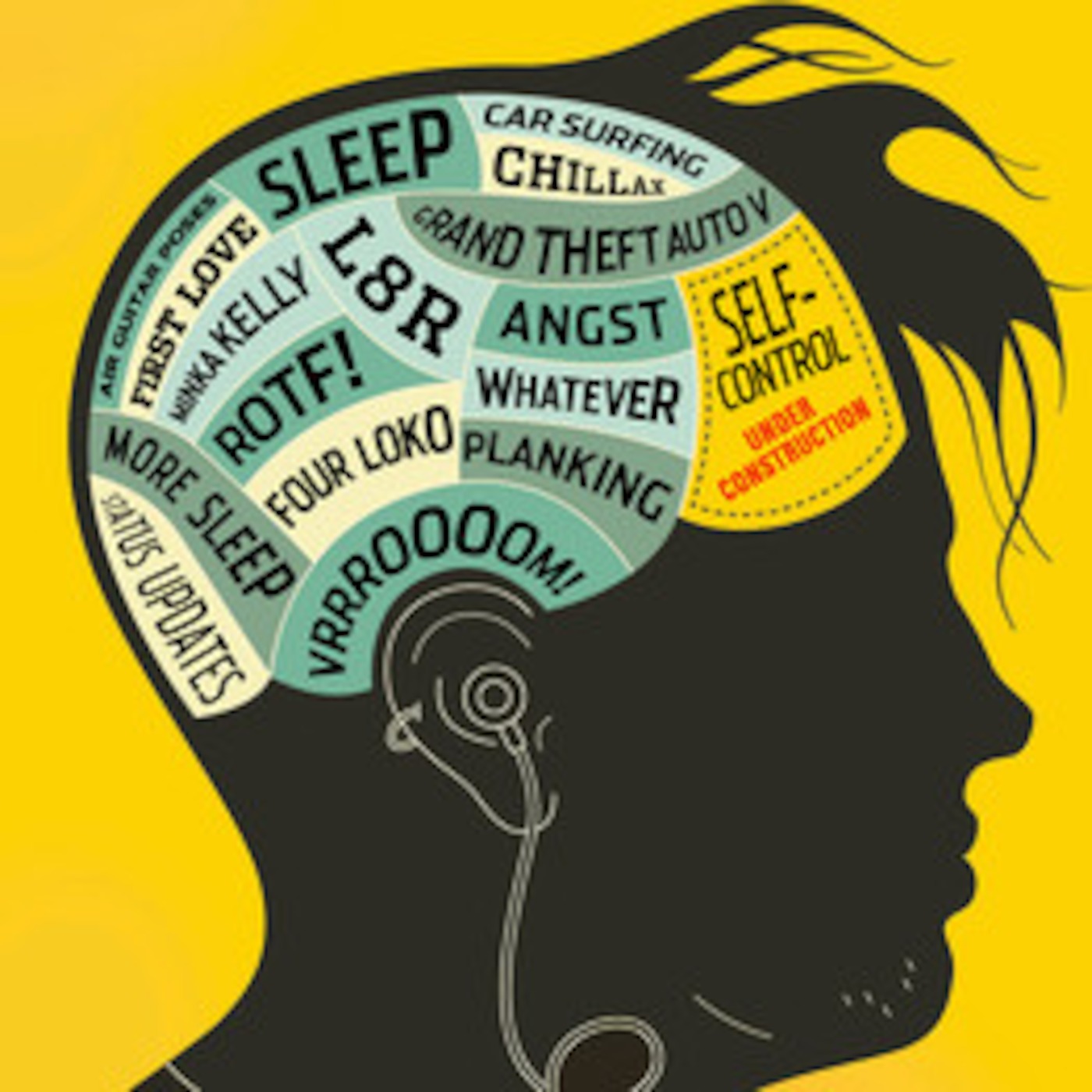
The best way for a parent and adult to understand a teenager is to hear what they have to say. They know what's going on in their culture. Teens have a built in lie detector, they know if an adult is genuine or not. So, in this episode you will hear what they have to say. Plus we have John Berlin who made a video plea to Facebook to make the Facebook movie in honor of his son Jesse who passed away.

Comments

Download from Google Play

Download from App Store
 United States