


 Claim Ownership
The Broadcasters Podcast
Subscribed: 3Played: 69
Subscribe

© Copyright Broadcasters Podcast
Description
Are you tired of a media landscape dominated by corporate narratives and shifting cultural tides? Join @KingOfPodcasts on The Broadcasters Podcast, your essential guide through the complex world of entertainment and media.
With decades of frontline media experience, our host acts as your seasoned watchdog, dissecting how digital disruption is radically reshaping movies, TV, music, and radio. We don't just report the changes; we critically examine the corporate influences, the nuances of PC culture, and the myriad social and cultural forces that either champion or choke creativity, both in front of the camera and behind the scenes.
If you want to understand what's really happening to the content you consume, from your cable box to your streaming feeds, and how it impacts what you see, hear, and believe, this is the podcast for you.
Become a supporter of this podcast: https://www.spreaker.com/podcast/the-broadcasters-podcast--3684131/support.
With decades of frontline media experience, our host acts as your seasoned watchdog, dissecting how digital disruption is radically reshaping movies, TV, music, and radio. We don't just report the changes; we critically examine the corporate influences, the nuances of PC culture, and the myriad social and cultural forces that either champion or choke creativity, both in front of the camera and behind the scenes.
If you want to understand what's really happening to the content you consume, from your cable box to your streaming feeds, and how it impacts what you see, hear, and believe, this is the podcast for you.
Become a supporter of this podcast: https://www.spreaker.com/podcast/the-broadcasters-podcast--3684131/support.
440 Episodes
Reverse
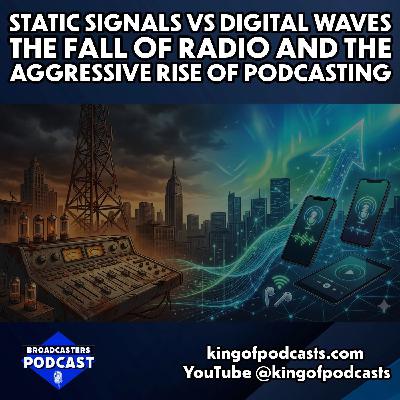
The traditional airwaves are experiencing a seismic shift as the era of terrestrial dominance gives way to a digital-first reality. Recent Chapter 11 bankruptcy filings from major entities like Spanish Broadcasting System and other national radio giants underscore a mounting financial crisis, signaling that the legacy broadcasting model is struggling to stay afloat under the weight of massive debt and dwindling terrestrial ad revenue. While companies like Cumulus and iHeartMedia scramble to restructure executive pay and local sales departments to survive, international bodies such as the U.K. government are launching formal reviews to determine the very future of the industry. In stark contrast, the digital frontier is booming; streaming platforms are aggressively pivoting toward **podcasting**—now dubbed the "new daytime television"—to capture the attention spans of a mobile-first audience. This transition is fueled by massive monetization milestones, such as Patreon podcasters earning over $600 million in 2025, and a frantic acquisition market where "everyone is for sale."As **radio** stations desperately experiment with AI tools to convert live broadcasts into on-demand podcasts, the data suggests a permanent decoupling from the tower: while the static of traditional broadcasting continues to fade, the aggressive expansion of streaming is redefining the economics of sound.Become a supporter of this podcast: https://www.spreaker.com/podcast/the-broadcasters-podcast--3684131/support.Contact KOP for professional podcast production, imaging, and web design services at http://www.kingofpodcasts.comSupport KOP by subscribing to his YouTube channel and search for King Of PodcastsFollow KOP on X and TikTok @kingofpodcasts (F Meta!)Listen to KOP’s other programs, Podcasters Row… and the Wrestling is Real Wrestling Podcast and The Broadcasters Podcast.Buy KOP a Coffee https://buymeacoffee.com/kingofpodcastsDrop KOP a PayPal https://www.paypal.com/donate?hosted_button_id=3TAB983ZQPNVLDrop KOP a Venmo https://account.venmo.com/u/kingofpodcastsDrop KOP a CashApp https://cash.app/$kingofallpodcasts
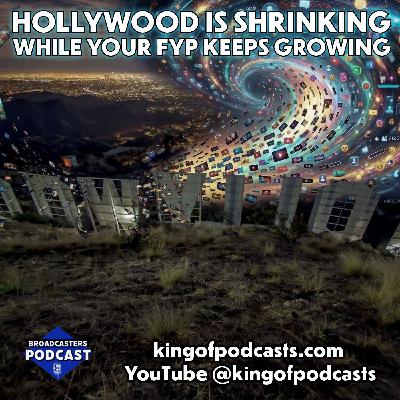
The landscape of Hollywood is undergoing a radical and painful transformation, where the traditional "blockbuster" model is being systematically dismantled by a new economy of fragmented, short-form consumption. While global streaming revenue has tripled in just five years and is on a trajectory to surpass $200 billion by 2030, this financial windfall for major platforms has not translated into stability for the industry’s workforce. Instead, Hollywood is facing a devastating employment collapse, with a 30% drop in jobs from its 2022 peak as studios pivot toward profitability by slashing production volume and moving shoots to lower-cost regions. In this void, "clipping" has emerged as a powerhouse industry; what was once a fan-driven hobby has become a multi-million-dollar business where professional "clippers" are paid thousands to slice longer works into viral, 60-second snippets. This shift has fundamentally rewired how content is valued, as algorithms now prioritize these bite-sized, often controversial highlights over cohesive storytelling. Consequently, while the digital ecosystem thrives on "clip farming" and record-breaking subscription fees, the creative middle class—the set builders, production managers, and local craftspeople—is being "clipped" out of the picture, leaving behind a industry that is wealthier at the top but increasingly hollowed out at its core. Become a supporter of this podcast: https://www.spreaker.com/podcast/the-broadcasters-podcast--3684131/support.Contact KOP for professional podcast production, imaging, and web design services at http://www.kingofpodcasts.comSupport KOP by subscribing to his YouTube channel and search for King Of PodcastsFollow KOP on X and TikTok @kingofpodcasts (F Meta!)Listen to KOP’s other programs, Podcasters Row… and the Wrestling is Real Wrestling Podcast and The Broadcasters Podcast.Buy KOP a Coffee https://buymeacoffee.com/kingofpodcastsDrop KOP a PayPal https://www.paypal.com/donate?hosted_button_id=3TAB983ZQPNVLDrop KOP a Venmo https://account.venmo.com/u/kingofpodcastsDrop KOP a CashApp https://cash.app/$kingofallpodcasts
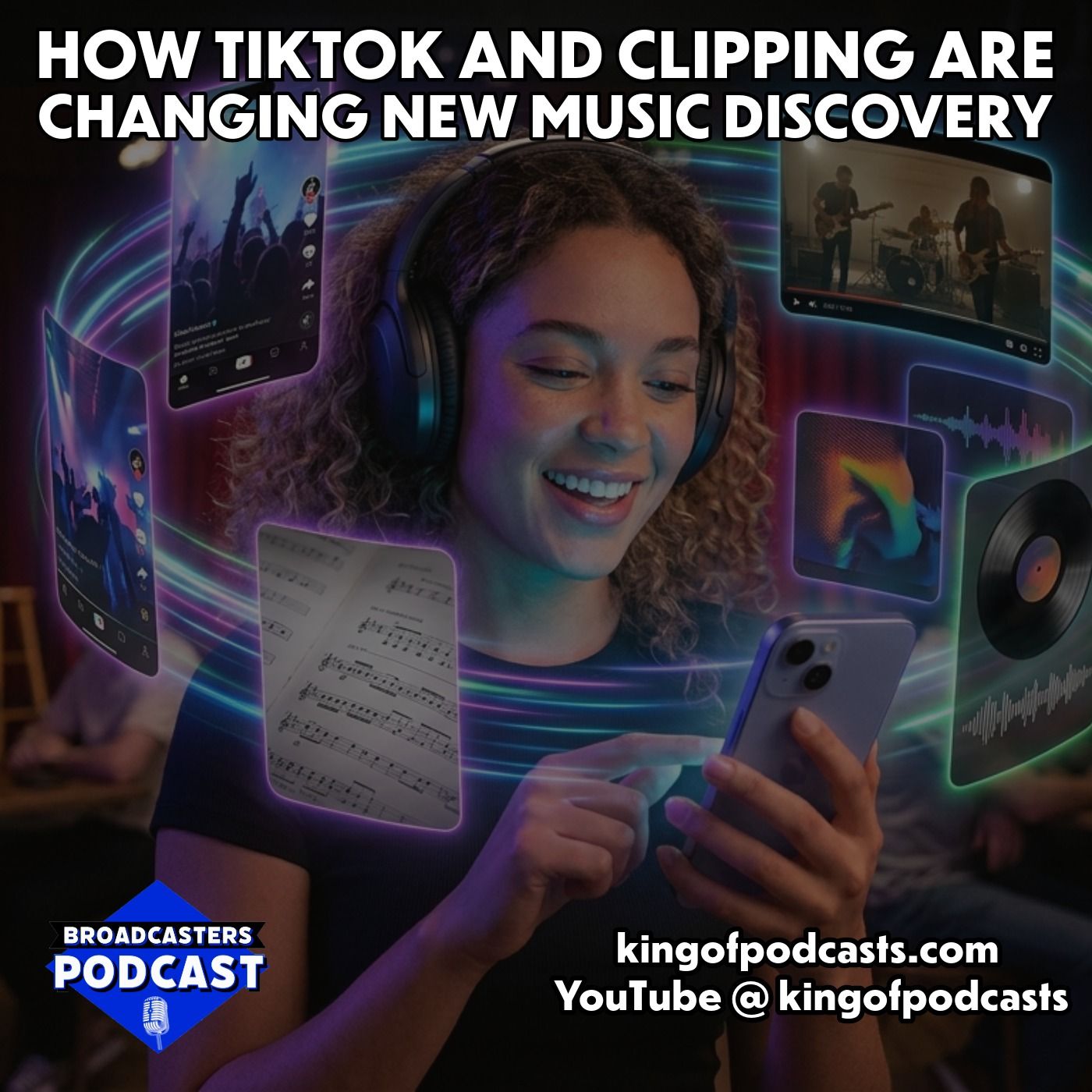
The traditional, passive model of dropping an album and hoping for the best has been replaced by a high-octane, interactive strategy that blends legacy broadcast power with modern viral mechanics. As highlighted by the partnership between iHeartMedia and TikTok, the industry is moving toward "cultural moments" rather than simple distribution. This was best exemplified by Bruno Mars’ The Romantic campaign, which utilized a live, multi-platform "Album Preview" to turn a release into a massive event, generating over 3 billion impressions. Central to this new era is the rise of "clipping"—a viral marketing strategy where marketers pay a fleet of "clippers" to flood social media with short, engaging snippets of an artist’s content. These clippers, often operating through decentralized communities on Discord, act as a "shotgun blast" of promotion, creating an illusion of organic ubiquity that triggers platform algorithms. Complementing this is the expertise of agencies like Chaotic Good, who argue that the secret to TikTok virality lies in "frictionless participation." By focusing on emotional storytelling, raw behind-the-scenes footage, and "7-second hooks," labels are no longer just selling songs; they are building immersive digital worlds that invite fans to become active participants in an artist's rise.Become a supporter of this podcast: https://www.spreaker.com/podcast/the-broadcasters-podcast--3684131/support.Contact KOP for professional podcast production, imaging, and web design services at http://www.kingofpodcasts.comSupport KOP by subscribing to his YouTube channel and search for King Of PodcastsFollow KOP on X and TikTok @kingofpodcasts (F Meta!)Listen to KOP’s other programs, Podcasters Row… and the Wrestling is Real Wrestling Podcast and The Broadcasters Podcast.Buy KOP a Coffee https://buymeacoffee.com/kingofpodcastsDrop KOP a PayPal https://www.paypal.com/donate?hosted_button_id=3TAB983ZQPNVLDrop KOP a Venmo https://account.venmo.com/u/kingofpodcastsDrop KOP a CashApp https://cash.app/$kingofallpodcasts
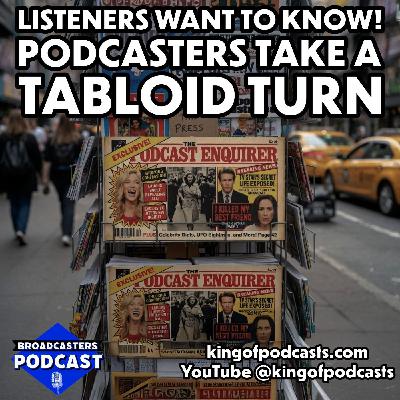
In just two decades, podcasting has morphed from a haven for thoughtful, long-form storytelling into a high-stakes arena where sensationalism, personal scandals, emotional showdowns, and "must-hear" revelations drive massive engagement—and massive revenue. This pivot isn't random; it's fueled by ruthless digital economics—algorithms that reward shock value, cliffhangers, and raw confessions to boost completion rates, shares, downloads, and ad impressions in a crowded market. The result: a medium once celebrated for intimacy and depth now mirrors the tabloid playbook that transformed print magazines, TV news magazines, and daytime talk shows from the 1970s through the 2000s.Back then, fierce competition pushed *National Enquirer* and *People* to lurid celebrity exposés and emotional hooks for skyrocketing circulation; shows like *A Current Affair*, *Hard Copy*, and *Inside Edition* leaned on dramatic reenactments and hidden-camera scandals to spike ratings; and hosts from Jerry Springer to Maury Povich turned family feuds, surprise paternity results, and onstage meltdowns into must-watch spectacle for syndication dollars. Each era's shift prioritized voyeuristic "infotainment" over measured reporting because drama delivered eyeballs—and ad revenue.Today's podcasts follow the same script for survival and scale. True-crime series amp up emotional narration and speculation bait; celebrity interviews dive deep into breakups, betrayals, and unfiltered rants; cultural commentary pods thrive on heated personal takes and hot-button confessions. Video versions on YouTube and platforms like Spotify echo 1990s talk-show staging—close-ups, reactions, extended runtime—while episode titles tease "shocking confessions" or "the truth they didn't want you to hear," just like old tabloid covers and TV teases.The economic thread ties it all together: when audience metrics become currency, content evolves to feed emotional demand—shock, outrage, empathy—for stickier listening and higher monetization through stacked sponsorships, dynamic ads, subscriptions, merch, and live events. As the industry eyes billions in ad growth (with reports highlighting untapped potential locked behind measurement hurdles), the pattern remains clear across half a century of media: accessibility and competition reward the sensational, turning intimate formats into high-drama engines. Podcasting's "tabloid turn" isn't a betrayal of its roots—it's the latest chapter in a timeless story of how the market shapes storytelling.Become a supporter of this podcast: https://www.spreaker.com/podcast/the-broadcasters-podcast--3684131/support.Contact KOP for professional podcast production, imaging, and web design services at http://www.kingofpodcasts.comSupport KOP by subscribing to his YouTube channel and search for King Of PodcastsFollow KOP on X and TikTok @kingofpodcasts (F Meta!)Listen to KOP’s other programs, Podcasters Row… and the Wrestling is Real Wrestling Podcast and The Broadcasters Podcast.Buy KOP a Coffee https://buymeacoffee.com/kingofpodcastsDrop KOP a PayPal https://www.paypal.com/donate?hosted_button_id=3TAB983ZQPNVLDrop KOP a Venmo https://account.venmo.com/u/kingofpodcastsDrop KOP a CashApp https://cash.app/$kingofallpodcasts
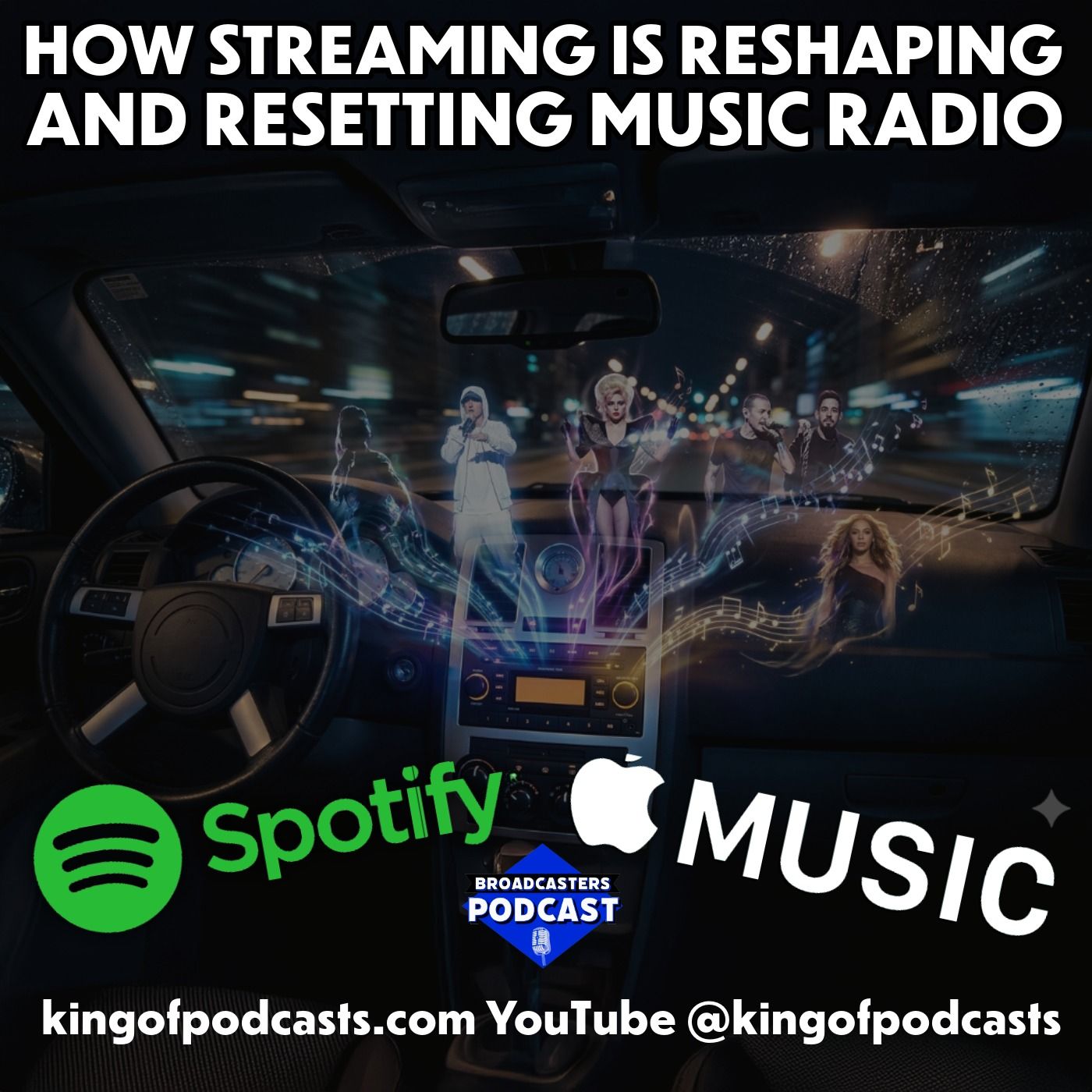
As traditional radio fights to stay relevant with younger listeners, the "gut feeling" of local DJs is being replaced by the cold hard data of Spotify and Apple Music charts. Major broadcasting conglomerates are now using real-time streaming metrics as a risk-avoidance tool, effectively turning the FM dial into a curated mirror of digital playlists. While this "safe" programming ensures national consistency and high skip-resistance, it has come at a steep cost: the death of localism and the homogenization of music across the country. This shift reveals a industry at a crossroads, trading its unique human connection for algorithmic efficiency in a desperate bid to capture a generation that grew up on the "skip" buttonBecome a supporter of this podcast: https://www.spreaker.com/podcast/the-broadcasters-podcast--3684131/support.Contact KOP for professional podcast production, imaging, and web design services at http://www.kingofpodcasts.comSupport KOP by subscribing to his YouTube channel and search for King Of PodcastsFollow KOP on X and TikTok @kingofpodcasts (F Meta!)Listen to KOP’s other programs, Podcasters Row… and the Wrestling is Real Wrestling Podcast and The Broadcasters Podcast.Buy KOP a Coffee https://buymeacoffee.com/kingofpodcastsDrop KOP a PayPal https://www.paypal.com/donate?hosted_button_id=3TAB983ZQPNVLDrop KOP a Venmo https://account.venmo.com/u/kingofpodcastsDrop KOP a CashApp https://cash.app/$kingofallpodcasts
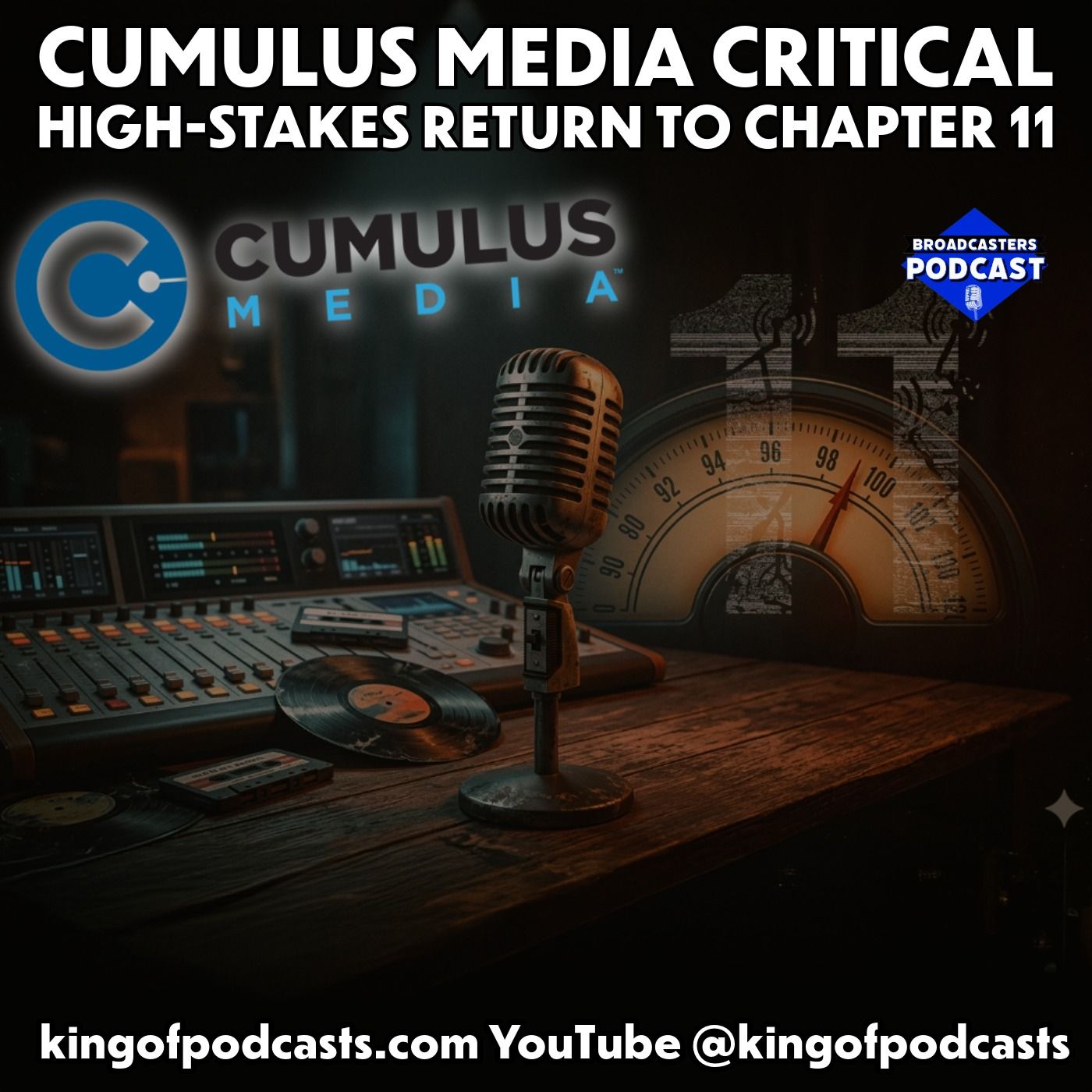
For the second time in less than a decade, Cumulus Media—the nation’s third-largest commercial radio operator—has filed for Chapter 11 bankruptcy, signaling a critical struggle to survive in a rapidly evolving digital landscape. As of March 5, 2026, the company entered a "prepackaged" restructuring plan in a Texas court to eliminate approximately $600 million in debt. This move follows a previous 2017 filing where the company shed over $1 billion in debt by transferring ownership to its lenders. Between these two filings, Cumulus attempted to stabilize its finances by aggressively pivoting to digital marketing, expanding the Cumulus Podcast Network, and selling off major assets like its corporate headquarters and key station towers to pay down its high-interest loans. Despite these efforts and a significant 2024 liability management exercise that pushed back maturity dates, the company cited "unrelenting" macroeconomic pressures—including the loss of major talent like Dan Bongino and a costly legal battle with Nielsen—as the primary drivers for this second collapse. Under the new 2026 plan, lenders will once again take the reins, receiving 100% of the company's equity in exchange for canceling the remaining debt, a move CEO Mary Berner insists is necessary to finally clear the "static" from their balance sheet and allow for long-term investment in digital-first content.Become a supporter of this podcast: https://www.spreaker.com/podcast/the-broadcasters-podcast--3684131/support.Contact KOP for professional podcast production, imaging, and web design services at http://www.kingofpodcasts.comSupport KOP by subscribing to his YouTube channel and search for King Of PodcastsFollow KOP on X and TikTok @kingofpodcasts (F Meta!)Listen to KOP’s other programs, Podcasters Row… and the Wrestling is Real Wrestling Podcast and The Broadcasters Podcast.Buy KOP a Coffee https://buymeacoffee.com/kingofpodcastsDrop KOP a PayPal https://www.paypal.com/donate?hosted_button_id=3TAB983ZQPNVLDrop KOP a Venmo https://account.venmo.com/u/kingofpodcastsDrop KOP a CashApp https://cash.app/$kingofallpodcasts
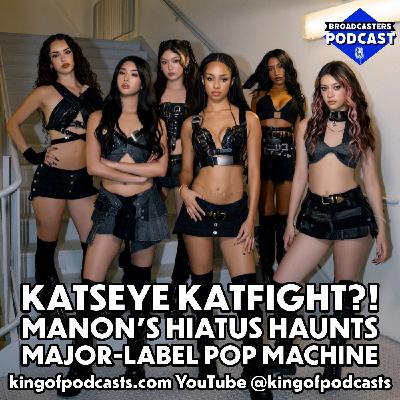
Manon Bannerman's sudden temporary hiatus from KATSEYE, announced on February 20, 2026, by HYBE and Geffen Records, has ignited fierce debate across fan communities and industry circles. Officially framed as a step back to prioritize her "health and wellbeing" after "open and thoughtful conversations," the move quickly spiraled into speculation about deeper tensions. Manon herself posted on Weverse affirming she's "healthy... okay, and... taking care of myself," while noting that "sometimes things unfold in ways we don’t fully control." Yet, her social media activity—like liking (and reportedly unliking) posts about racism and mistreatment of Black women in girl groups—fueled the narrative of a "Katfight," with fans pointing to patterns of tokenism, unequal visibility, and extra scrutiny on her as the group's only Black member.The drama taps into longstanding criticisms of assembled pop groups under major-label control. KATSEYE, forged through the 2023 survival show The Debut: Dream Academy (later documented on Netflix), embodies the high-stakes, manufactured model: intense training, relentless schedules, and a focus on global branding over organic bonds. Critics argue this system often isolates minority members, with Manon facing stereotypes like being labeled "lazy" during pre-debut scrutiny—echoing broader industry patterns where Black women in girl groups endure disproportionate pressure, racism, death threats, and sidelining to maintain "optics" of diversity. Supporters, including Normani and Leigh-Anne Pinnock, rallied with messages of solidarity ("We need to protect each other"), highlighting how the lone Black member frequently becomes the "test" subject for failure in these setups. As the group shifts to five-piece promotions for upcoming festivals like Coachella, questions linger about whether this is truly temporary or the start of a familiar unraveling.This friction isn't isolated to KATSEYE—it's baked into the major-label pop star system since the rock-and-roll era. From The Monkees' battles over creative control to Spice Girls' Geri Halliwell's abrupt exit amid exhaustion and clashes, One Direction's Zayn Malik citing friendship strains and image restrictions, and Destiny's Child's early departures over favoritism, assembled acts often fracture under mismatched dynamics, burnout, and unequal spotlight. These groups, built by producers or shows, prioritize commercial viability over personal harmony, turning members into "products" rather than collaborators.In stark contrast, today's streaming era has diminished the dominance of teen pop idols and manufactured groups. Industry insiders note that platforms like TikTok and Spotify enable niche, grassroots discovery, where artists build slowly from community to community rather than exploding via centralized TV exposure. Breaking a star now takes years, not months, amid mental-health concerns and the lack of monoculture. Viral finds often struggle with follow-ups without the label machinery's support, but they avoid the intense control and interpersonal pitfalls of assembled acts. KATSEYE's turmoil underscores why grassroots paths—organic, self-driven, and less rigidly managed—may offer healthier longevity, even if slower fame, while major-label experiments continue risking the human cost for polished perfection.Become a supporter of this podcast: https://www.spreaker.com/podcast/the-broadcasters-podcast--3684131/support.Contact KOP for professional podcast production, imaging, and web design services at http://www.kingofpodcasts.comSupport KOP by subscribing to his YouTube channel and search for King Of PodcastsFollow KOP on X and TikTok @kingofpodcasts (F Meta!)Listen to KOP’s other programs, Podcasters Row… and the Wrestling is Real Wrestling Podcast and The Broadcasters Podcast.Buy KOP a Coffee https://buymeacoffee.com/kingofpodcastsDrop KOP a PayPal https://www.paypal.com/donate?hosted_button_id=3TAB983ZQPNVLDrop KOP a Venmo https://account.venmo.com/u/kingofpodcastsDrop KOP a CashApp https://cash.app/$kingofallpodcasts
The podcasting landscape has fractured into a "Hybrid Era," where the medium is no longer defined by the file format, but by the platform it inhabits. Apple has finally shed its audio-only skin with the launch of HLS-powered video, allowing listeners to switch between watching and listening seamlessly within a single feed. Meanwhile, the Spotify-Netflix alliance has effectively turned top-tier podcasts into "prestige TV," moving shows like The Bill Simmons Podcast into the living room to compete directly with late-night talk shows. This shift has ignited a fierce debate: purists argue that the "production creep" of video destroys the low-barrier, portable intimacy that made podcasting unique, while modern creators contend that in 2026, a podcast without a face is invisible to the visual algorithms that drive discovery.Become a supporter of this podcast: https://www.spreaker.com/podcast/the-broadcasters-podcast--3684131/support.Contact KOP for professional podcast production, imaging, and web design services at http://www.kingofpodcasts.comSupport KOP by subscribing to his YouTube channel and search for King Of PodcastsFollow KOP on X and TikTok @kingofpodcasts (F Meta!)Listen to KOP’s other programs, Podcasters Row… and the Wrestling is Real Wrestling Podcast and The Broadcasters Podcast.Buy KOP a Coffee https://buymeacoffee.com/kingofpodcastsDrop KOP a PayPal https://www.paypal.com/donate?hosted_button_id=3TAB983ZQPNVLDrop KOP a Venmo https://account.venmo.com/u/kingofpodcastsDrop KOP a CashApp https://cash.app/$kingofallpodcasts
The rapid ascent of generative artificial intelligence is no longer a distant theoretical threat; it has become an immediate, disruptive force triggering a sense of existential panic across the entire media landscape. From the historic backlots of Hollywood to the high-pressure newsrooms of global publishers, the traditional pillars of content creation are facing a transformation so radical it may lead to the total extinction of legacy professions. As AI matures from a novelty tool into a primary producer of high-fidelity media, the industry is witnessing a shift where human participation is increasingly being viewed as an optional, high-cost luxury rather than a fundamental necessity.In Hollywood, the film and TV industry is currently grappling with a "point of no return" as the barrier between reality and synthesis dissolves. The recent viral success of AI-generated videos featuring icons like Tom Cruise and Brad Pitt has served as a grim milestone, leading top industry writers and creatives to warn that "it’s likely over for us."McKinsey’s analysis reinforces this sentiment, detailing how AI is moving beyond simple post-production efficiency to challenge the core roles of screenwriting and physical performance. As studios explore the potential to generate high-quality scripts and photorealistic human likenesses without the logistical hurdles of unions or filming schedules, the very future of the human workforce in entertainment remains in serious jeopardy.The outlook for the news industry is perhaps even more dire, as media executives increasingly brace for what some describe as the "end of the journalism industry." AI-generated content is beginning to saturate digital spaces, making it nearly impossible for traditional outlets to compete with the sheer volume and velocity of automated reporting. This creates a dual-threat: not only is the business model crumbling as AI models scrape and summarize news—stripping original publishers of their traffic—but the erosion of human-led investigative reporting leaves a void easily filled by high-speed, algorithmically generated misinformation.The music industry is attempting a different strategy by leaning into the chaos, though it still signals a fundamental loss of artistic control. Spotify is currently developing "derivative" technology that allows fans to use AI to remix and cover existing tracks, framing it as a novel revenue stream for artists. However, this shift effectively transforms the musician from a primary creator of finished works into a provider of "source data" for a modular remix culture. By inviting fans to manipulate an artist's voice and style through AI, the industry is moving away from the concept of a definitive artistic vision toward a consumer-driven, automated experience that devalues the original creator's intent.Finally, the way we consume daily information is being upended by generative video that is poised to disrupt the social media landscape entirely. According to reports from Deloitte and the Wall Street Journal, generative AI is creating a "creative explosion" that populates feeds with hyper-personalized content designed to capture attention more efficiently than human creators ever could. This flood of synthetic content not only competes for eyes but also presents a massive security risk, as platforms struggle to distinguish between genuine human expression and deepfakes. This saturation suggests that the era of the human "influencer" or content creator may soon give way to an automated attention economy, marking the end of social media as a purely human-centric space.Become a supporter of this podcast: https://www.spreaker.com/podcast/the-broadcasters-podcast--3684131/support.Contact KOP for professional podcast production, imaging, and web design services at http://www.kingofpodcasts.comSupport KOP by subscribing to his YouTube channel and search for King Of PodcastsFollow KOP on X and TikTok @kingofpodcasts (F Meta!)Listen to KOP’s other programs, Podcasters Row… and the Wrestling is Real Wrestling Podcast and The Broadcasters Podcast.Buy KOP a Coffee https://buymeacoffee.com/kingofpodcastsDrop KOP a PayPal https://www.paypal.com/donate?hosted_button_id=3TAB983ZQPNVLDrop KOP a Venmo https://account.venmo.com/u/kingofpodcastsDrop KOP a CashApp https://cash.app/$kingofallpodcasts
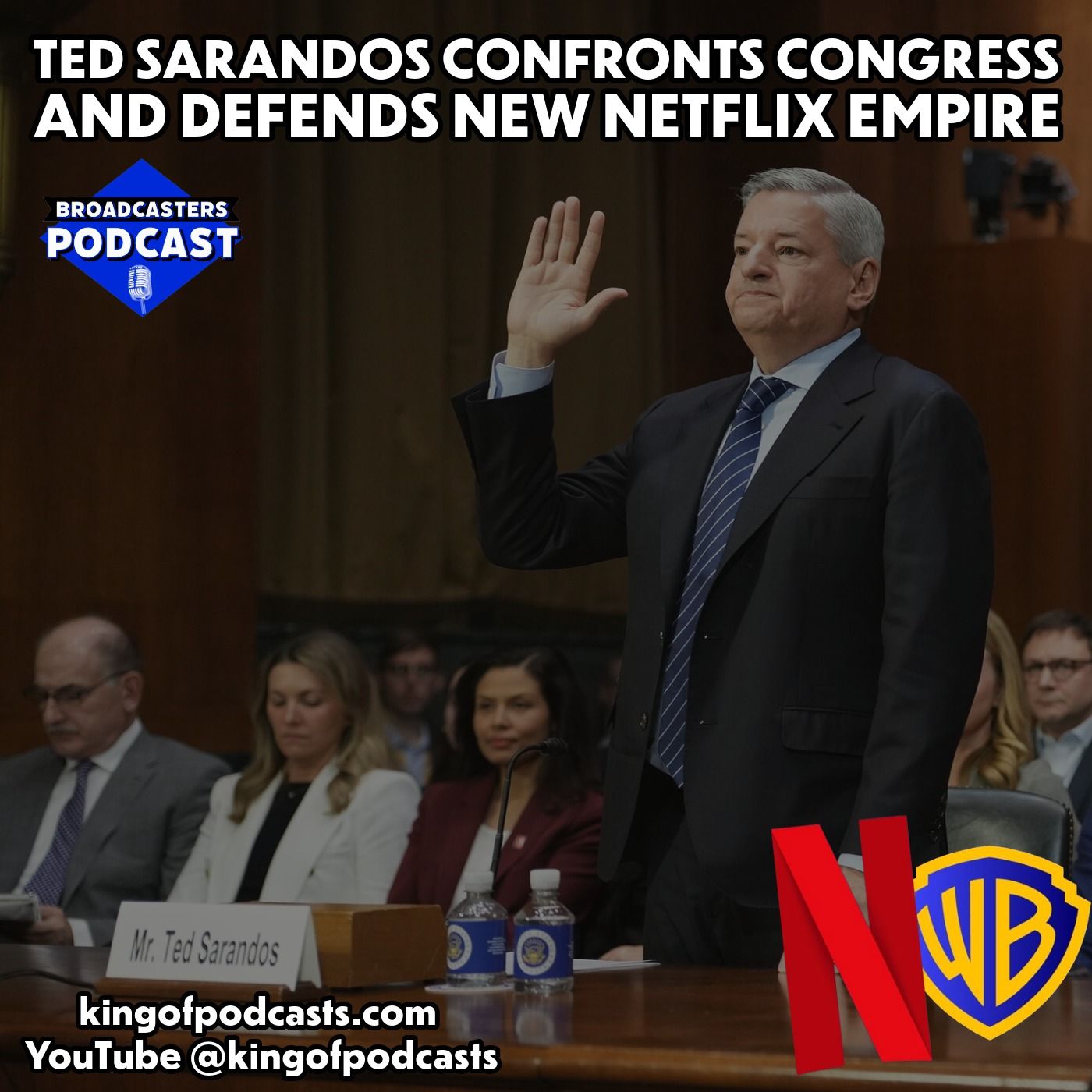
Ted Sarandos offers Empty Promises and Evasive Tactics Ignite Fury The Netflix Empire Faces Senate Fire in High-Stakes Defiance for Warner Bros. Control Netflix co-CEO Ted Sarandos’ appearance before the Senate Antitrust Subcommittee was less a defense of innovation and more a masterclass in corporate gaslighting, Sarandos, as the Netflix co-CEO struggled to justify an $83 billion acquisition that threatens to cannibalize the remnants of the traditional studio system, attempted to play the victim by pointing toward YouTube’s dominance, his testimony was riddled with non-answers and calculated vagueness that left lawmakers and Hollywood guilds outraged. By refusing to provide a "yes or no" on the fundamental issue of fair residual payments, Sarandos signaled that a Netflix-owned Warner Bros. would likely double down on the streamer’s notoriously opaque "black box" accounting, further stripping creators of their livelihoods. Even his olive branch of a 45-day theatrical window was widely panned as a cynical, superficial gesture that fails to provide the long-term guarantees of distribution and marketing spend required to sustain a healthy cinema ecosystem. Ultimately, Sarandos’ "more for less" mantra rings hollow to an industry that sees this merger for what it truly is: a predatory consolidation designed to crush competition, silence labor demands, and ensure that the future of storytelling is dictated solely by a Silicon Valley algorithm.In a historic Capitol Hill showdown that could fundamentally redraw the map of the entertainment industry, Netflix co-CEO Ted Sarandos took the stand to defend the streamer’s audacious $83 billion bid for Warner Bros. Discovery.Facing a barrage of skepticism from the Senate Antitrust Subcommittee, Sarandos reframed the narrative of a "monopoly," arguing that the true competitive threat comes not from traditional studios, but from the unyielding growth of tech giants like YouTube and TikTok. While he promised that the merger would benefit consumers by delivering "more content for less," lawmakers and Hollywood guilds remained unconvinced. The testimony became particularly fraught as Sarandos dodged definitive answers regarding the "black box" of residual payments, refusing to commit to a transparent system for creators. Simultaneously, the Producers Guild and industry analysts sounded the alarm over Netflix’s late-game pledge of a 45-day theatrical window—a move many dismissed as a hollow concession that fails to address how a streaming-first titan would protect the cultural and financial sanctity of the big screen. As the guilds warn that this consolidation could stifle creative competition and erode labor standards, Sarandos’s calculated defense has left Washington—and Hollywood—grappling with whether this deal is a necessary evolution for Netflix or the final curtain call for the traditional studio system.Become a supporter of this podcast: https://www.spreaker.com/podcast/the-broadcasters-podcast--3684131/support.Contact KOP for professional podcast production, imaging, and web design services at http://www.kingofpodcasts.comSupport KOP by subscribing to his YouTube channel and search for King Of PodcastsFollow KOP on X and TikTok @kingofpodcasts (F Meta!)Listen to KOP’s other programs, Podcasters Row… and the Wrestling is Real Wrestling Podcast and The Broadcasters Podcast.Buy KOP a Coffee https://buymeacoffee.com/kingofpodcastsDrop KOP a PayPal https://www.paypal.com/donate?hosted_button_id=3TAB983ZQPNVLDrop KOP a Venmo https://account.venmo.com/u/kingofpodcastsDrop KOP a CashApp https://cash.app/$kingofallpodcasts
KOP focuses on two opposing survival strategies: the hyper-niche agility of music versus the monopolistic consolidation of video. According to the Splice x MIDiA Sounds of 2026 report, the music industry is thriving on "micro-trends," driven by creator-led tools and a resurgence in genres like House music that prioritize community over mass-market appeal. This decentralized growth is fueled by a healthy financial backbone, with Spotify reporting a record $11 billion payout in 2025, bringing its all-time industry contributions to over $70 billion. Conversely, Hollywood is entering a "cannibalization phase" where Netflix is effectively eating its competitors to sustain growth. As Netflix maneuvers to potentially acquire or absorb assets from Warner Bros. Discovery, the shift signals a move away from creative diversity toward a singular, algorithmic powerhouse. While music creators leverage platforms like Splice to win through specialized, granular sounds, the film and TV industry is bracing for a future where even prestige brands like HBO must adapt to the standardized "content engine" of a dominant Netflix hegemony. Become a supporter of this podcast: https://www.spreaker.com/podcast/the-broadcasters-podcast--3684131/support.Contact KOP for professional podcast production, imaging, and web design services at http://www.kingofpodcasts.comSupport KOP by subscribing to his YouTube channel and search for King Of PodcastsFollow KOP on X and TikTok @kingofpodcasts (F Meta!)Listen to KOP’s other programs, Podcasters Row… and the Wrestling is Real Wrestling Podcast and The Broadcasters Podcast.Buy KOP a Coffee https://buymeacoffee.com/kingofpodcastsDrop KOP a PayPal https://www.paypal.com/donate?hosted_button_id=3TAB983ZQPNVLDrop KOP a Venmo https://account.venmo.com/u/kingofpodcastsDrop KOP a CashApp https://cash.app/$kingofallpodcasts
The entertainment industry is locked in a high-stakes standoff that pits digital expansion (Netflix buying Warner Bros.) against federal oversight (FCC Equal Opportunities).Netflix has intensified its bid to dominate the global media landscape with an all-cash $83 billion offer for Warner Bros. Discovery (WBD)—a move that trade groups like Cinema United warn is an "existential threat" to the theatrical business. By potentially shortening theatrical windows to a mere 45 days and consolidating "must-have" franchises like Dune and Godzilla under a streaming-first banner, Netflix risks dismantling the traditional movie theater economy.However, this consolidation is colliding head-on with a newly aggressive FCC. On January 21, 2026, the FCC’s Media Bureau issued a landmark guidance effectively "resurrecting" the Equal Opportunities Rule for late-night and daytime talk shows. By stripping the "bona fide news" exemption from popular programs like Jimmy Kimmel Live! and The View, the FCC is forcing broadcasters to provide comparable airtime to opposing political candidates. This creates a complex paradox: while Netflix seeks to build an unprecedented "mega-library" to cure consumer subscription fatigue, federal regulators are simultaneously tightening the leash on how that very content—specifically political discourse on talk shows—is distributed.For Netflix, acquiring Warner Bros. means inheriting a massive broadcast and talk-show infrastructure that is now under the intense microscope of an FCC determined to ensure that no single media titan can "put its thumb on the scale" of public opinion without offering a balanced stage.Become a supporter of this podcast: https://www.spreaker.com/podcast/the-broadcasters-podcast--3684131/support.Contact KOP for professional podcast production, imaging, and web design services at http://www.kingofpodcasts.comSupport KOP by subscribing to his YouTube channel and search for King Of PodcastsFollow KOP on X and TikTok @kingofpodcasts (F Meta!)Listen to KOP’s other programs, Podcasters Row… and the Wrestling is Real Wrestling Podcast and The Broadcasters Podcast.Buy KOP a Coffee https://buymeacoffee.com/kingofpodcastsDrop KOP a PayPal https://www.paypal.com/donate?hosted_button_id=3TAB983ZQPNVLDrop KOP a Venmo https://account.venmo.com/u/kingofpodcastsDrop KOP a CashApp https://cash.app/$kingofallpodcasts
Spotify is currently navigating a complex era defined by massive financial growth, aggressive monetization, and a mounting crisis of confidence among its core user base. On one hand, the streaming giant is celebrating significant commercial achievements, most notably marking a staggering $10 billion milestone in payouts to the podcast industry and expanding its Podcast Partner Program to further dominate the spoken-word market.However, these financial triumphs are being met with resistance from consumers as the platform implements across-the-board price hikes for all U.S. subscribers in 2026, forcing users to pay more for a service that many feel is declining in quality. The primary source of this dissatisfaction lies in the explosion of AI-generated content; as the total number of tracks on streaming platforms swells to an unprecedented quarter of a billion, Spotify’s once-beloved discovery algorithms are reportedly being "flooded" with AI music. This influx has led to a breakdown in user trust, particularly regarding the "Discover Weekly" feature, as subscribers express fury over being forced to sift through synthetic tracks to find genuine artists. As the platform grapples with an oversaturated library and a shift toward AI-prioritization, Spotify stands at a crossroads: it is more profitable and expansive than ever, yet it risks alienating the very music fans who built its empire.Become a supporter of this podcast: https://www.spreaker.com/podcast/the-broadcasters-podcast--3684131/support.Contact KOP for professional podcast production, imaging, and web design services at http://www.kingofpodcasts.comSupport KOP by subscribing to his YouTube channel and search for King Of PodcastsFollow KOP on X and TikTok @kingofpodcasts (F Meta!)Listen to KOP’s other programs, Podcasters Row… and the Wrestling is Real Wrestling Podcast and The Broadcasters Podcast.Buy KOP a Coffee https://buymeacoffee.com/kingofpodcastsDrop KOP a PayPal https://www.paypal.com/donate?hosted_button_id=3TAB983ZQPNVLDrop KOP a Venmo https://account.venmo.com/u/kingofpodcastsDrop KOP a CashApp https://cash.app/$kingofallpodcasts
The audio landscape in 2026 is being defined by a widening chasm between booming commercial tech and struggling public media. As Spotify pivots aggressively toward a "Hollywood" model—opening a dedicated studio, slashing monetization thresholds for video podcasters, and claiming a $10 billion contribution to the industry—the platform is doubling down on creator growth and platform diversification. However, this expansion has sparked debate over whether music payouts should be further throttled to fund this podcasting gold rush. Conversely, NPR is facing a dire inflection point; following the closure of the Corporation for Public Broadcasting (CPB), the network is battling internal rifts and a desperate funding vacuum. While Spotify looks toward a lucrative future of creator-led video content and "bigger deals," NPR is left fighting to preserve the very future of independent, non-profit journalism in a market increasingly dominated by high-gloss, algorithm-driven entertainment.Become a supporter of this podcast: https://www.spreaker.com/podcast/the-broadcasters-podcast--3684131/support.Contact KOP for professional podcast production, imaging, and web design services at http://www.kingofpodcasts.comSupport KOP by subscribing to his YouTube channel and search for King Of PodcastsFollow KOP on X and TikTok @kingofpodcasts (F Meta!)Listen to KOP’s other programs, Podcasters Row… and the Wrestling is Real Wrestling Podcast and The Broadcasters Podcast.Buy KOP a Coffee https://buymeacoffee.com/kingofpodcastsDrop KOP a PayPal https://www.paypal.com/donate?hosted_button_id=3TAB983ZQPNVLDrop KOP a Venmo https://account.venmo.com/u/kingofpodcastsDrop KOP a CashApp https://cash.app/$kingofallpodcasts
King of Podcasts joins host Lou Pate on WPHT 1210AM in Philadelphia to unpack the biggest shifts in the 2025 media landscape, specifically movies and TV.We dive into the "boom and bust" of the modern box office, noting that while blockbusters like Avatar continue to dominate with near-billion-dollar runs, smaller prestige films like Marty Supreme struggle to find footing in a world dominated by streaming. Beyond the silver screen, the conversation tackles the official end of MTV's sub-channels, the questionable "NFL-fueled" ratings of network hits like Tracker and 60 Minutes, and a explosive whistleblower scandal involving Trinity Broadcasting Network (TBN).Become a supporter of this podcast: https://www.spreaker.com/podcast/the-broadcasters-podcast--3684131/support.Contact KOP for professional podcast production, imaging, and web design services at http://www.kingofpodcasts.comSupport KOP by subscribing to his YouTube channel and search for King Of PodcastsFollow KOP on X and TikTok @kingofpodcasts (F Meta!)Listen to KOP’s other programs, Podcasters Row… and the Wrestling is Real Wrestling Podcast and The Broadcasters Podcast.Buy KOP a Coffee https://buymeacoffee.com/kingofpodcastsDrop KOP a PayPal https://www.paypal.com/donate?hosted_button_id=3TAB983ZQPNVLDrop KOP a Venmo https://account.venmo.com/u/kingofpodcastsDrop KOP a CashApp https://cash.app/$kingofallpodcasts
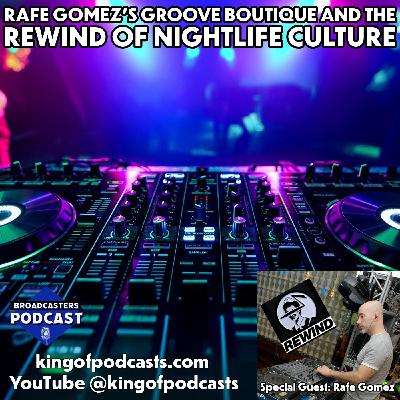
Syndicated Radio host and Twitch Streamer Rafe Gomez explores the contrasting worlds of radio, music, and digital content creation. Gomez recounted his non-traditional entry into professional radio, where his mix show concept, deemed too "lively" for smooth jazz, found syndicated success on Sirius and later on WQCD as The Groove Boutique by providing an essential "solution" to plummeting weekend listenership.This success is contrasted with his harsh critique of terrestrial radio as a "shittiest business enterprise" for its failure to prioritize listeners. The conversation pivoted to his highly successful, buyer-focused Twitch show, Danceteria Rewind, which resurrects the diverse sound and creative environment of the early 80s Danceteria nightclub with remastered, superior sound quality.We also discussed the decline of traditional nightlife, the influence of analog-recorded music on new generations, and the importance of Latin rhythms in dance music, with Gomez ultimately advising new creators to focus on enduring, "evergreen songs" for lasting value.Become a supporter of this podcast: https://www.spreaker.com/podcast/the-broadcasters-podcast--3684131/support.Contact KOP for professional podcast production, imaging, and web design services at http://www.kingofpodcasts.comSupport KOP by subscribing to his YouTube channel and search for King Of PodcastsFollow KOP on X and TikTok @kingofpodcasts (F Meta!)Listen to KOP’s other programs, Podcasters Row… and the Wrestling is Real Wrestling Podcast and The Broadcasters Podcast.Buy KOP a Coffee https://buymeacoffee.com/kingofpodcastsDrop KOP a PayPal https://www.paypal.com/donate?hosted_button_id=3TAB983ZQPNVLDrop KOP a Venmo https://account.venmo.com/u/kingofpodcastsDrop KOP a CashApp https://cash.app/$kingofallpodcasts
In a major coordinated escalation, the National Association of Broadcasters (NAB) and a coalition of leading radio groups have launched a high-stakes pressure campaign demanding that the FCC immediately abolish local ownership caps.Branding the current regulations as "economic anchors" forged in the 1990s, the industry's latest filings argue that the Commission is willfully ignoring a market dominated by unregulated tech titans like Spotify and YouTube. This isn't just a request for "modernization"—it is an ultimatum. Broadcasters are warning that if they aren’t granted the scale to compete for local ad dollars, the very survival of local journalism and community emergency services is at risk. By framing the issue as a "one-way street" under the Telecommunications Act—which mandates the repeal of unnecessary rules—the industry is signaling that it is prepared to take this fight from the halls of the FCC to the federal courts to force a total overhaul of the media landscape.Become a supporter of this podcast: https://www.spreaker.com/podcast/the-broadcasters-podcast--3684131/support.Contact KOP for professional podcast production, imaging, and web design services at http://www.kingofpodcasts.comSupport KOP by subscribing to his YouTube channel and search for King Of PodcastsFollow KOP on X and TikTok @kingofpodcasts (F Meta!)Listen to KOP’s other programs, Podcasters Row… and the Wrestling is Real Wrestling Podcast and The Broadcasters Podcast.Buy KOP a Coffee https://buymeacoffee.com/kingofpodcastsDrop KOP a PayPal https://www.paypal.com/donate?hosted_button_id=3TAB983ZQPNVLDrop KOP a Venmo https://account.venmo.com/u/kingofpodcastsDrop KOP a CashApp https://cash.app/$kingofallpodcasts
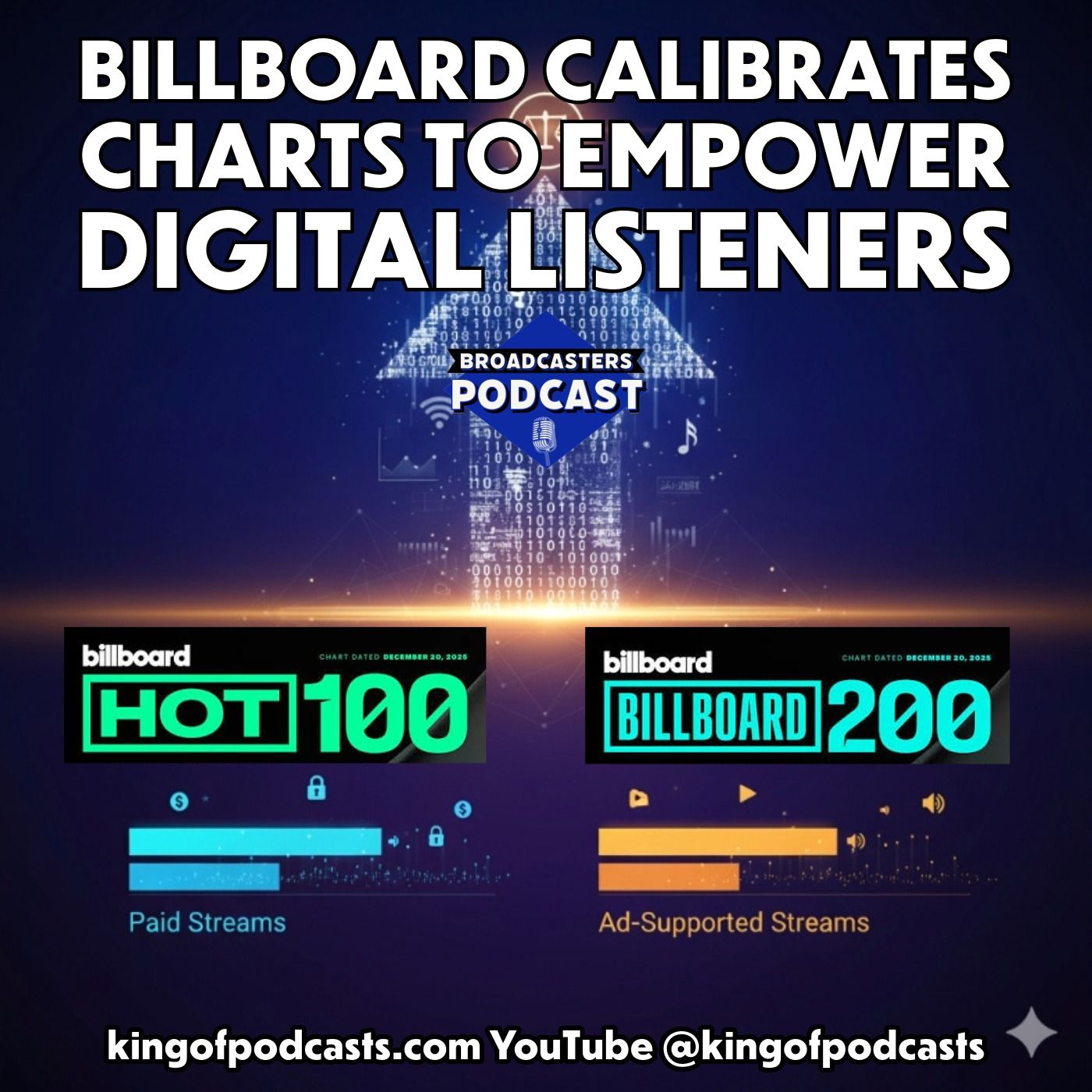
The landscape of music success is bracing for a seismic shift as Billboard prepares to implement a major methodology update to the Billboard 200 albums chart in 2026.This recalibration is designed to mirror the music industry’s evolving financial reality, where streaming has moved from a secondary format to the primary driver of global revenue. By significantly lowering the number of streams required to equal one "album unit," Billboard is effectively increasing the "buying power" of the average listener. Under the new rules, paid subscription streams (Tier 1) will gain 20% more value, dropping from 1,250 to 1,000 streams per unit, while ad-supported streams (Tier 2) will see a massive 33% increase in weight, moving from 3,750 down to 2,500 streams per unit.This adjustment serves as a double-edged sword within the industry. On one hand, it legitimizes the massive scale of modern streaming consumption and gives a significant boost to artists whose fanbases rely on "free" platforms. On the other hand, the change has already ignited a high-stakes standoff with major industry players; notably, YouTube has voiced opposition to how these tiers are balanced, leading to the dramatic decision to pull its data from Billboard’s calculations entirely. As pure sales of physical CDs and digital downloads continue to wane, these new ratios solidify a future where chart dominance is dictated almost exclusively by digital engagement. For labels and artists, the 2026 update means that capturing the attention of the streaming public—whether through premium subscribers or ad-supported listeners—is now more valuable than ever before.Become a supporter of this podcast: https://www.spreaker.com/podcast/the-broadcasters-podcast--3684131/support.Contact KOP for professional podcast production, imaging, and web design services at http://www.kingofpodcasts.comSupport KOP by subscribing to his YouTube channel and search for King Of PodcastsFollow KOP on X and TikTok @kingofpodcasts (F Meta!)Listen to KOP’s other programs, Podcasters Row… and the Wrestling is Real Wrestling Podcast and The Broadcasters Podcast.Buy KOP a Coffee https://buymeacoffee.com/kingofpodcastsDrop KOP a PayPal https://www.paypal.com/donate?hosted_button_id=3TAB983ZQPNVLDrop KOP a Venmo https://account.venmo.com/u/kingofpodcastsDrop KOP a CashApp https://cash.app/$kingofallpodcasts
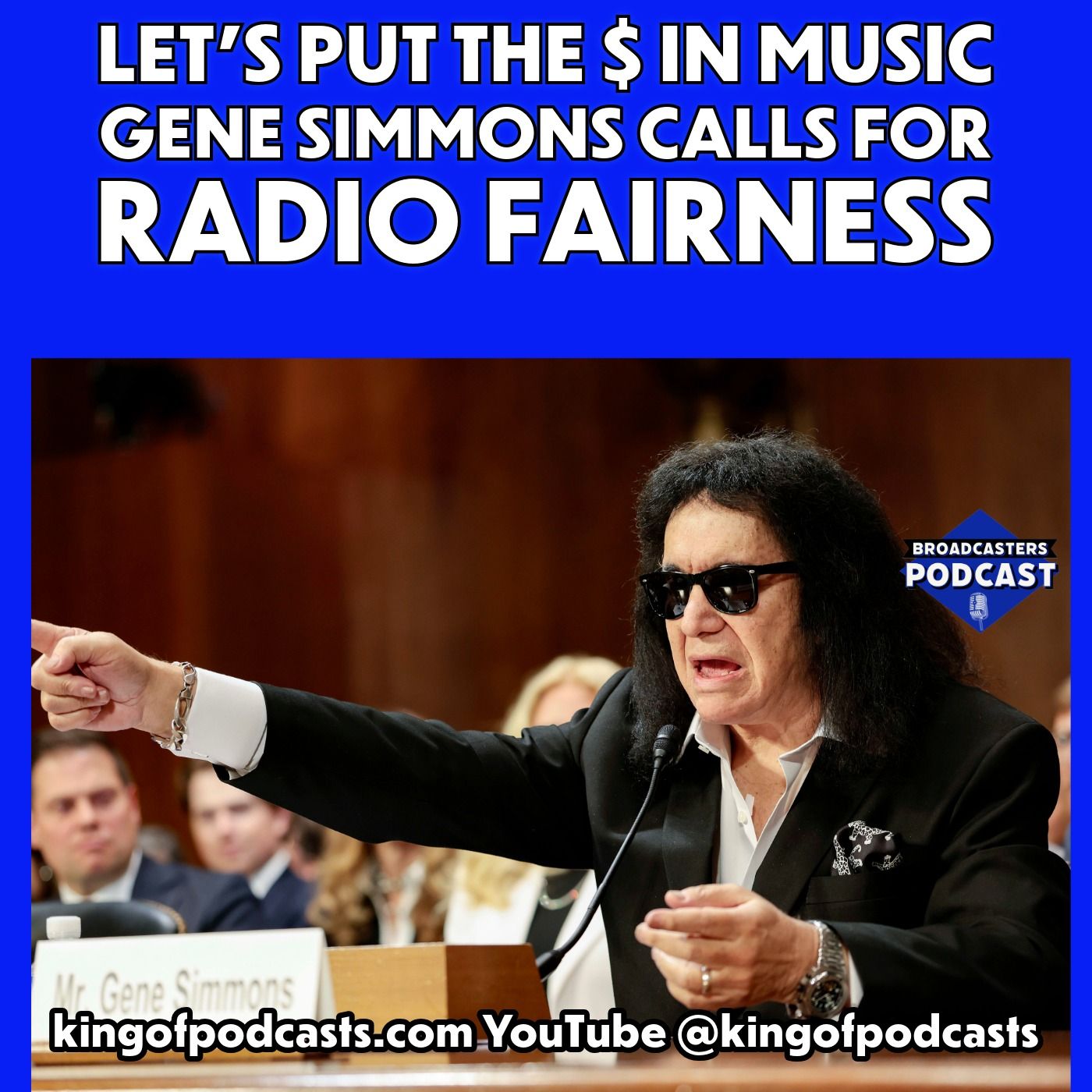
Lick It Up (Or Pay Up) as KISS frontman Gene Simmons Delivers a Fiery, Unfiltered Testimony Supporting the American Music Fairness Act.KISS co-founder Gene Simmons and SoundExchange President and CEO Michael Huppe testified before Congress in support of the American Music Fairness Act (AMFA), aiming to end the century-old loophole that allows AM/FM radio stations to play music without paying performers and sound recording owners. Simmons delivered a passionate plea, stating that American artists receive "not one cent" from terrestrial radio airplay despite the industry earning billions, labeling the practice "robbery." Huppe reinforced this argument, noting that the United States is uniquely grouped with countries like North Korea and Iran for failing to pay performance royalties, a policy failure that causes American artists to lose millions in reciprocal royalties overseas. The AMFA proposes to close this gap by requiring terrestrial broadcasters to pay for music, a move strongly opposed by broadcasters who argue the new fees would create undue financial burdens, especially on small local stations, as the Senate revives the radio royalty fight.Gene Simmons' high-profile testimony before Congress on the American Music Fairness Act (AMFA) echoes Frank Zappa's famous 1985 appearance by bringing a distinctly outspoken rock star persona directly into the halls of power to tackle a core issue of artist rights and economic freedom.Become a supporter of this podcast: https://www.spreaker.com/podcast/the-broadcasters-podcast--3684131/support.Contact KOP for professional podcast production, imaging, and web design services at http://www.kingofpodcasts.comSupport KOP by subscribing to his YouTube channel and search for King Of PodcastsFollow KOP on X and TikTok @kingofpodcasts (F Meta!)Listen to KOP’s other programs, Podcasters Row… and the Wrestling is Real Wrestling Podcast and The Broadcasters Podcast.Buy KOP a Coffee https://buymeacoffee.com/kingofpodcastsDrop KOP a PayPal https://www.paypal.com/donate?hosted_button_id=3TAB983ZQPNVLDrop KOP a Venmo https://account.venmo.com/u/kingofpodcastsDrop KOP a CashApp https://cash.app/$kingofallpodcasts
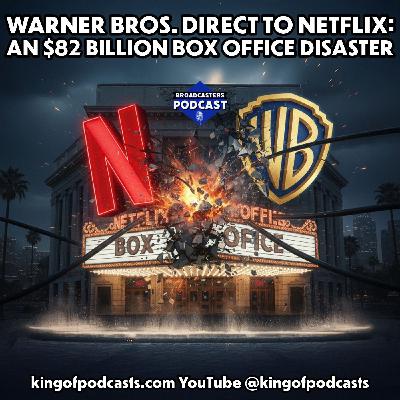
The entertainment industry looks to be reshaped if Netflix's acquisition of Warner Bros. Discovery (WBD) for an enterprise value of approximately $82.7 billion closes. This monumental deal, which was officially agreed upon in late 2025, sees the streaming giant gain control of Warner Bros.' film and television studios, its extensive content library, HBO, and HBO Max.Comprehensive Summary of the AcquisitionNetflix won a bidding war against competitors like Paramount and Comcast to secure the historic acquisition, which is expected to close in the third quarter of 2026, pending regulatory and shareholder approval.Deal Specifics * Total Enterprise Value: Approximately $82.7 billion. * Structure: A cash and stock transaction, valued at $27.75 per WBD share, after WBD first spins off its Global Networks division (including CNN and TNT) into a separate publicly traded entity called Discovery Global. * Strategic Rationale: The merger is a strategic move for Netflix to eliminate a major streaming competitor (HBO Max) and immediately acquire one of Hollywood's most prestigious studios with decades of premium, globally recognized intellectual property (IP).New Content PowerhouseThe deal creates an unparalleled content catalog, merging Netflix's own successful titles like Stranger Things and Wednesday with Warner Bros.' iconic franchises and storied libraries. This trove of newly acquired content includes: * Film Franchises: Harry Potter, the DC Universe (Superman, Batman, etc.), The Matrix. * Television Series: Game of Thrones, The Sopranos, The Big Bang Theory, Friends, and The White Lotus. * Classic Films: Timeless titles like Casablanca and Citizen Kane.Industry & Regulatory BacklashThe announcement was met with immediate and intense backlash from U.S. lawmakers, industry guilds, and Hollywood figures, who fear the creation of a media giant with monopolistic power in the streaming market. * Antitrust Concerns: Critics, including politicians like Senator Elizabeth Warren, called the deal an "anti-monopoly nightmare," warning that the combined company would control close to half of the U.S. streaming market. This concentration of power could lead to higher subscription prices, fewer consumer choices, and a reduction in content diversity. * Worker Impact: Both the Writers Guild of America (WGA) and the Directors Guild of America (DGA) released statements calling for the merger to be blocked, arguing that the outcome would eliminate jobs, push down wages, and worsen working conditions for entertainment workers by consolidating control into fewer hands.Ted Sarandos and the "Outdated" Movie IndustryA central point of controversy following the acquisition has been the past and present comments of Netflix Co-CEO Ted Sarandos regarding the traditional movie industry model, which is feared to be undermined by the deal.Sarandos' Controversial StanceSarandos has long been a proponent of the streaming-first model, and his comments about the theatrical experience have been perceived as dismissive and a threat to cinema: * "We're saving Hollywood": When asked if Netflix was destroying Hollywood, Sarandos stated, "No, we're saving Hollywood." He framed Netflix as an innovator creating a new business model for filmmaking. * The "Outdated Concept": He has famously called the traditional theatrical release, where a film plays exclusively in a cinema for two months, an "outdated concept" and "outmoded." He argued that the desire for audiences to watch a movie on a giant screen with strangers for an extended, exclusive window "just doesn't happen very much" anymore and is out of step with consumer demand for at-home viewing. * Focus on Access: Sarandos maintains that the shift is "pro-consumer" because it provides greater access, especially for those who don't live near a multiplex or can't afford expensive movie tickets.The Acquisition's Impact on Theatrical WindowsDespite the backlash and Sarandos's past comments, Netflix quickly tried to reassure the industry by stating that it would "continue to support" a life cycle that includes a movie theater release for Warner Bros. films.However, critics and filmmakers remain highly skeptical. They fear that Netflix's acquisition of a major theatrical studio signals the ultimate end of robust, exclusive theatrical windows. The expectation is that even if Warner Bros. films continue to be released in theaters, they will be pulled quickly onto the combined streaming platform (Netflix/HBO Max) to satisfy Sarandos's push for "consumer-friendly" immediate access, thereby diminishing the box office revenue and cultural significance of the theatrical experience. James Cameron was among the high-profile directors who criticized the purchase, calling it "a disaster."Become a supporter of this podcast: https://www.spreaker.com/podcast/the-broadcasters-podcast--3684131/support.Contact KOP for professional podcast production, imaging, and web design services at http://www.kingofpodcasts.comSupport KOP by subscribing to his YouTube channel and search for King Of PodcastsFollow KOP on X and TikTok @kingofpodcasts (F Meta!)Listen to KOP’s other programs, Podcasters Row… and the Wrestling is Real Wrestling Podcast and The Broadcasters Podcast.Buy KOP a Coffee https://buymeacoffee.com/kingofpodcastsDrop KOP a PayPal https://www.paypal.com/donate?hosted_button_id=3TAB983ZQPNVLDrop KOP a Venmo https://account.venmo.com/u/kingofpodcastsDrop KOP a CashApp https://cash.app/$kingofallpodcasts

Comments

Download from Google Play

Download from App Store
 United States