



 Claim Ownership
Next Africa
Subscribed: 871Played: 10,818
Subscribe

© 2026 Bloomberg
Description
Each week, Jennifer Zabasajja provides a deep dive into the business stories that shape Africa. Join Jennifer and our Bloomberg reporters as they lift the lid on the news driving the continent.
141 Episodes
Reverse
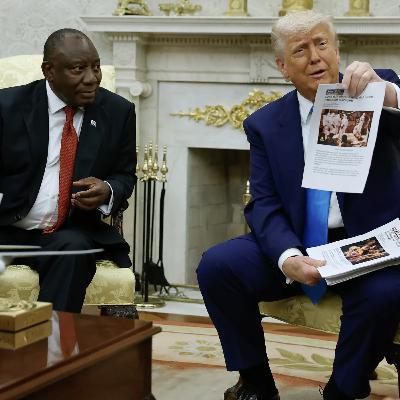
US Lawmakers have called on Nigeria to repeal Sharia law in the country’s north as they probe US President Donald Trump’s unfounded allegations of Christian persecution in the country. This follows previous unfounded claims from the US administration of a white genocide in South Africa. On this week's episode of the Next Africa Podcast Jennifer Zabasajja talks to Bloomberg's Deputy Managing Editor for the Middle East and Africa Neil Munshi and our South Africa government reporter S’thembile Cele about how Nigerian Christians and White South Africans have become a big issue in Washington DC and what impact it’s having on US African relations. For more stories from the region, subscribe to the Next Africa newsletter hereSee omnystudio.com/listener for privacy information.
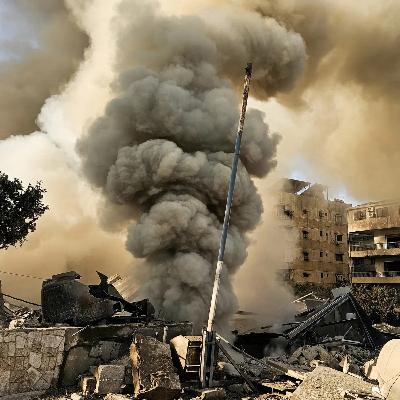
Oil and gas supply routes are coming under pressure as the conflict in Iran intensifies, bringing fears of an energy price shock that could hit many African economies. On this week’s episode, Bloomberg’s Energy Reporter Stephen Stapczynski and Bloomberg Economics Africa Economist Yvonne Mhango join Jennifer Zabasajja to discuss what’s happening to energy prices, and which countries in Africa are most exposed to an oil price shock. For more stories from the region, subscribe to the Next Africa newsletter hereSee omnystudio.com/listener for privacy information.

Cocoa’s stunning rise and its equally remarkable slump are beginning to shake up the longstanding way of doing business in West Africa, the region that supplies the bulk of the world’s beans. On this week’s episode of the Next Africa Podcast, Bloomberg softcommodities reporter Mumbi Gitau joins Jennifer Zabasajja to discuss why cocoa prices have seen such a dramatic fall, how it’s changing the way cocoa regulators have to operate and why it’s leaving farmers in the world’s biggest cocoa producing countries worried. You can read Mumbi Gitau’s reporting on cocoa here, and for more stories from the region, subscribe to the Next Africa newsletter here.See omnystudio.com/listener for privacy information.
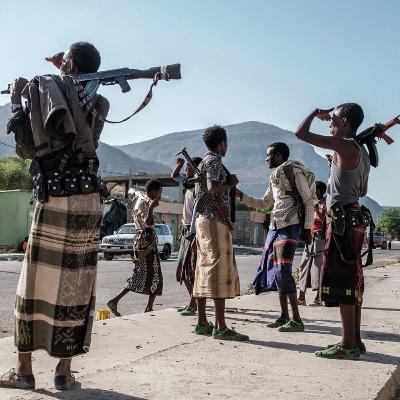
Ethiopia and Eritrea are deploying troops and military equipment to the northern Tigray region, according to regional diplomats, raising the risk of renewed conflict in the Horn of Africa. On this week’s episode of the Next Africa podcast, Jennifer Zabasajja is joined by Bloomberg’s Simon Marks and Professor Kjetil Tronvoll from Oslo New University College to discuss how tensions have been rising over recent weeks, how likely a conflict could now be, and what repercussions of wider war in the Horn of Africa could look like. You can read Simon’s latest report here, and for more stories from the region, subscribe to the Next Africa newsletter hereSee omnystudio.com/listener for privacy information.
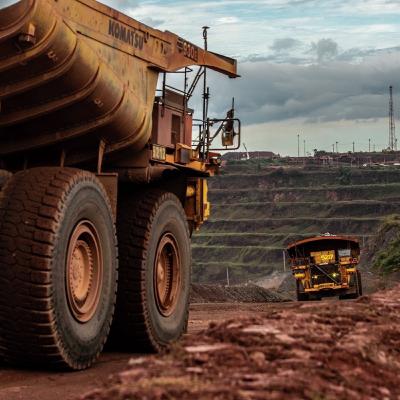
The mood at Africa’s biggest mining conference, the Mining Indaba in Cape Town, is buoyant - as increased demand for critical minerals around the world is supporting more investment in projects across the continent. On this week’s episode — recorded at the Mining Indaba — Jennifer Zabasajja speaks with Bloomberg’s Matthew Hill and William Clowes about who’s attending, why international collaboration is high on the agenda, and how African nations are pushing to avoid being short-changed as global demand for their natural resources grows.For more stories from the region, subscribe to the Next Africa newsletter hereSee omnystudio.com/listener for privacy information.

Precious metals soared last month in a rally underpinned by speculative momentum, geopolitical upheaval and concerns about the Federal Reserve’s independence. However, market watchers warned that the advances had been too large and too swift. The surge came to a sudden halt at the end of last week, with silver seeing its biggest daily drop on record and gold plunging the most since 2013. On this week’s episode of the Next Africa podcast, Bloomberg Intelligence’s Metals and Minerals analyst Emmanuel Munjeri and Bloomberg Metals and Minerals Reporter Jack Ryan join Jennifer Zabasajja to talk through the last few weeks on the metal markets, whether new African projects could soon be greenlit and what else to look out for in the coming weeks. For more stories from the region, subscribe to the Next Africa newsletter hereSee omnystudio.com/listener for privacy information.
Nigeria’s biggest city is demolishing two densely populated waterfront communities to make way for urban renewal, displacing thousands of poor residents in the process. On this week’s episode, Tiwa Adebayo, sitting in for Jennifer Zabasajja, is joined by Bloomberg’s Nigeria bureau chief Anthony Osae-Brown and Toni Fola-Alade, the co-founder of Charity DoGood.Africa, who saw their school demolished earlier this year. They discuss what’s happened to the communities impacted, how the Lagos State Government is compensating people and what the future might hold for poorer communities in Lagos. For more stories from the region, subscribe to the Next Africa newsletter here.See omnystudio.com/listener for privacy information.
Chinese mine operators in Zambia started paying royalties and taxes in yuan in Africa’s second-biggest copper producer, the latest sign of the growing acceptance of the currency on the continent. On this week’s episode, bloomberg reporter Matthew Hill and Bloomberg Economics Africa Economist Yvonne Mhango join Jennifer Zabasajja to discuss why China wants to boost the use of its currency, what’s in it for African countries, and whether there’s a risk of US retaliation For more stories from the region, you can subscribe to the Next Africa newsletter hereSee omnystudio.com/listener for privacy information.
Content Warning: This episode contains discussion of infant death and medical negligenceCelebrated Nigerian author Chimamanda Adichie has blamed the death of her 21-month old son on medical negligence, sparking a national conversation about healthcare standards in Africa’s most-populous nation. On this week’s episode, Jennifer Zabasajja speaks to Adichie’s sister-in-law, Anthea Esege-Nwandu, who is also a medical doctor. Then senior reporter Yinka Ibukun and healthcare reporter Janice Kew join to discuss the state of healthcare in Nigeria and across Africa, and why so many wealthy Africans are seeking treatment abroad.For more stories from the region, you can subscribe to the Next Africa newsletter hereSee omnystudio.com/listener for privacy information.
As the 35th Africa Cup of Nations reaches the final stages, the organizers are already celebrating a record-breaking tournament. In this episode, our Nigeria-based reporter Nduka Orjinmo joins Jennifer Zabasajja to talk about the growth of African football, the growing business opportunities for sports on the continent and why changes to the tournament could make it even more attractive to sponsors. For more stories from the region, subscribe to the Next Africa newsletter hereSee omnystudio.com/listener for privacy information.
In a year that saw South Africa host the G20, the continent found itself coming to terms with a transformed relationship with America both in terms of trade and access to aid. In this special episode of the Next Africa Podcast, Bloomberg Opinion columnist Justice Malala joins Jennifer Zabasajja to look at the big moments of the year. They discuss the US South Africa Relationship, the roll back of democracy, and the role Gen Z has in shaping the continent. Then they look ahead to the big moments to watch in 2026 For more stories from the region, you can subscribe to the Next Africa newsletter hereSee omnystudio.com/listener for privacy information.
An attempted Coup in Benin has been thwarted after an intervention from its West African neighbors led by Nigeria. The emphatic response from the regional bloc Ecowas this time was a marked change, after the bloc had been criticized for inaction during the string of coups that have struck the region since 2020. On this week’s episode, Jennifer Zabasajja speaks to Bloomberg’s Katarina Hoije, who’s based in West Africa, about how this coup was defeated, why Nigeria led the response, and what the outlook is for further coups in the region. Get more from the Next Africa newsletter, you can subscribe here.See omnystudio.com/listener for privacy information.
South African financial assets -- stocks, bonds and the rand -- have surged, buoyed by soaring commodity prices and investor optimism that government reforms are reviving South Africa's economy after years in the doldrums. On this week’s episode, Bloomberg Economics Africa Economist Yvonne Mhango joins Tiwa Adebayo to explain what’s fueling this economic turnaround, and whether sustained growth could soon follow. For more stories from the region, subscribe to the Next Africa newsletter hereSee omnystudio.com/listener for privacy information.
While the world’s attention was on South Africa for the G20, thousands of women across the country used the opportunity to protest South Africa’s serious issues with violence against women. Demonstrators held lie-in protests in cities across the country, including near the G20 summit itself, calling for the government to take action. According to UN statistics, South Africa’s female murder rate is more than 5 times the global average. On this week’s episode, Government Reporter S’thembile Cela joins Tiwa Adebayo to explain how serious the crisis has become in South Africa, what impact the timing of the protests had and whether declaring violence against women a national disaster in South Africa will lead to any real change on the ground. You can read our full coverage of the G20 here and sign up to the Next Africa newsletter hereSee omnystudio.com/listener for privacy information.
Africa is the least electrified continent in the world, where funding major power infrastructure has become far harder, grids are decrepit and state utilities are often broken. The result is that Africa cannot industrialize on a scale anywhere near what’s needed to create jobs for its young population, which by 2050 will nearly double to 2.5 billion, or a quarter of all humanity. On this week’s podcast, our energy reporter Paul Burkhardt joins Jennifer Zabasajja to talk through the data showing the scale of Africa’s energy crisis. Then Jennifer hears from Dr Owen Omogiafo, CEO of Nigerian power giant Transcorp, and one of the speakers at the Bloomberg Africa Business Summit, about what role the private sector has in turning this around.You can read Bloomberg’s Big Take on Africa’s Energy shortage here, and subscribe to the Next Africa newsletter hereSee omnystudio.com/listener for privacy information.
At COP30 in Brazil, scientists have warned that the Congo Basin, a region of tropical forest larger than India, is at a point where further damage may rob the world of a crucial bulwark against climate change. On this week’s episode, Jennifer Zabasajja is joined by Senior Africa Reporter Antony Sguazzin and Bloomberg Opinion Climate Columnist Lara Williams to discuss why the Congo Basin is so important to tackling climate change, what support African leaders are calling for and whether this COP summit will actually deliver any substantial action. You can read our coverage of COP30 here, and sign up for the Next Africa Newsletter here. See omnystudio.com/listener for privacy information.
US President Donald Trump has threatened to freeze aid to Nigeria and take military action unless its government stops what he’s called the killing of “very large numbers” of Christians by jihadists. On this week’s episode, Deputy Managing Editor for Middle East and Africa Neil Munshi, and reporter Nduka Orjinmo join Jennifer Zabasajja to explain where this claim comes from, what the reaction has been in Nigeria, and the challenge facing the west African nation’s government as it works out how to respond to President Trump.You can read Neil and Nduka’s piece on Bloomberg now, and you can subscribe to the Next Africa Newsletter here.See omnystudio.com/listener for privacy information.
Election wins for incumbents in Cameroon and Ivory Coast, where key opposition figures were banned from standing, have raised warnings over the state of democracy in a number of African nations. One academic has warned of the rise of ‘democratic dictators’ which could create fertile ground for coups. On this week’s episode, senior reporter Yinka Ibukun joins Jennifer Zabasajja to talk through the latest round of elections across Africa, and how gen z voters frustrated with their lack of choices may respond. For more stories from the region, you can subscribe to the Next Africa newsletter hereSee omnystudio.com/listener for privacy information.
Chinese tech companies Huawei and DeepSeek are teaming up to offer cloud computing and AI services. And they’re pitching African startups on using their offerings over their Western competitors like OpenAI in a bid to get an early foothold in the African tech scene. In a special episode from Bloomberg’s Big Take and Next Africa podcasts, reporters Loni Prinsloo and Helen Nyambura join hosts Sarah Holder and Jennifer Zabasajja to describe the pitch, how it’s landing and what it could mean for the global AI race. Read more: DeepSeek’s Surge in Africa Reveals China’s AI Power GrabSee omnystudio.com/listener for privacy information.
We wanted to bring you one of our favorite episodes from the last few months. Each year, up to 12 million young Africans enter the workforce, but only about three million formal jobs are available. So many Nigerians have left Africa's most populous country in recent years, the Yoruba term "japa" -- or escape -- has become shorthand for young people desperate to put their skills to use. Could the west be doing more to help Africa make the most of it’s talent rather than losing it to places like the UK, US and Canada?Author, journalist and Bloomberg columnist Ciku Kimeria joins Jennifer Zabasajja to talk about her latest piece on the issue, why so many people are choosing to leave and what future she hopes her young daughter will grow in to. For more stories from the region, subscribe to the Next Africa newsletter hereSee omnystudio.com/listener for privacy information.

Comments

Download from Google Play

Download from App Store
 United States