


 Claim Ownership
Agents of change foundation
Subscribed: 4Played: 1
Subscribe

© Agents of Change Foundation Za
Description
A not-for-profit organization based in lusaka,Zambia, Agents of Charge foundation (ACF) gives young people the skills and tools to make their voices heard and to engage in dialogue about important community issues. Working in two provinces, ACF partners with local radio stations and community organizations to train youths as radio reporters and broadcasters.
We see radio as a tool for talk—to facilitate conversations outside of everyday interactions and providing a sounding board for local concerns and realities.
We see radio as a tool for talk—to facilitate conversations outside of everyday interactions and providing a sounding board for local concerns and realities.
173 Episodes
Reverse

In this powerful episode, we unpack how young people can take an active role in shaping global climate policy through the UNFCCC (United Nations Framework Convention on Climate Change) processes. Featuring expert insights from Blutus Mbambi, a Climate Policy & Finance Specialist, the conversation explores practical pathways for youth participation from local climate action to international negotiations.

In this thought-provoking episode of the Climate Action Podcast, we dive into the crucial conversation around leakages and accountability gaps between the Constituency Development Fund (CDF) and climate finance allocations at community level.Our guest, Mr. Makalani, a passionate and active member of the Ward Development Committee, shares firsthand insights on how funds meant for development and climate action are sometimes mismanaged, misunderstood, or misallocated.
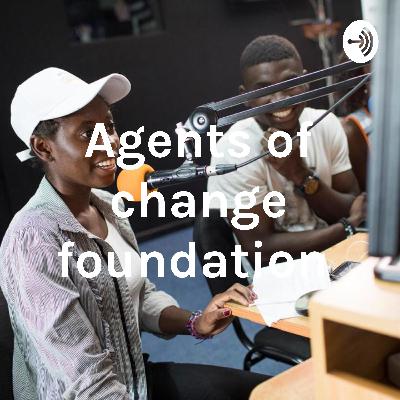
ON THIS EPISODE WE DISCUSS CLIAMTE CHANGE AND ITS EFFECTS AND HOW THE YOUTH FROM MAZABUKA ARE USING RADIO AND SOCIAL MEDIA TO ADVOCATE.
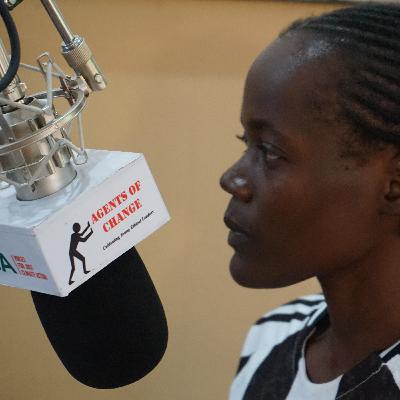
Join us as young climate advocates from Kafue unpack the UNFCCC process—what it means, why it matters, and how local voices are influencing global climate action. It’s time for youth to shape the future, one policy at a time
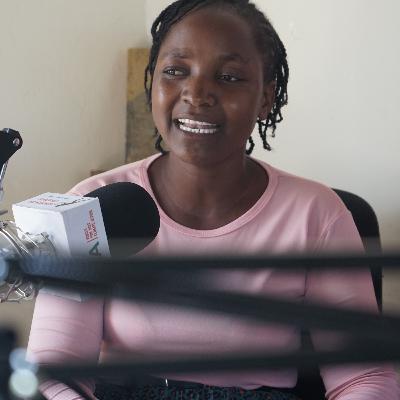
From failing crops to disappearing streams, youth in Chikankata are speaking out on how climate change is reshaping their lives—and what they’re doing to fight back. Tune in as Innocent and Twaambo share real stories, real struggles, and real solutions.
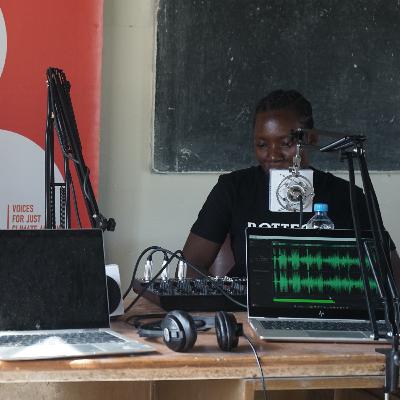
Tonga Description:Ino programme tulanda ku chisungu chakuti “Climate Change”, kutatula pa mutendele wa mu Chikankata District. Ba Innocent na ba Twaambo balanda pa masuwa a kusintha kwa cilengiwa – kufyona kwembe, kupya kwa ciluba, kusowa kwa menshi, ne masuwa ya kulima. Balangulula ifyo cilingwa ca kusintha ku fisa abantu pabula kabotu, noku lumbanya pa kubomba fimbi fimbi mu kulima ne kucita mitigate ne adapt ku climate change. Iyi nkhani yali pa cilonganino ca kutwishika abantu kuti batampile ukubomba pamulu pa kutetekela ifyo cilingwa cilefwaya.======================In this program titled “Climate Change,” we focus on its impact in Chikankata District. Innocent and Twaambo discuss the challenges caused by changes in climate—like droughts, extreme heat, water shortages, and farming difficulties. They highlight how these changes are affecting people’s livelihoods and emphasize the importance of taking action through climate-smart agriculture, mitigation, and adaptation. This discussion aims to raise awareness and encourage people to take climate issues seriously and act on them.
In this powerful episode, our youth reporters unpack the big question: What does climate finance really mean for communities on the ground?Join us as we zoom in from global pledges to local realities, exploring how climate finance can (and should) reach grassroots communities, where the climate crisis is felt most. What challenges do local leaders face in accessing climate funds? How can climate finance be more inclusive, transparent, and effective? What role do youth and community voices play in shaping financial solutions?Featuring voices from local changemakers, activists, and climate finance advocates, this episode sheds light on the gaps, hopes, and opportunities in financing climate justice from the bottom up.This episode is brought to you by Agents of Change Foundation Zambia, under the Voices for Just Climate Action initiative.
In this episode, our vibrant youth reporters take you into the heart of Kafue, where young climate champions are using Nature-Based Solutions (NbS) to protect their environment and build resilient communities.From tree planting and wetland restoration to climate-smart agriculture and clean-up campaigns, the youth of Kafue are showing that sustainable change starts at the grassroots. 🌱🌍Tune in to hear firsthand stories of action, passion, and local innovation — proof that young people are not just victims of climate change, but leaders of climate solutions.📌 Why are Nature-Based Solutions important in the fight against climate change?🌿 How are the youth in Kafue driving change with limited resources?💡 What role can traditional knowledge and local action play in climate resilience?This podcast is brought to you by Agents of Change Foundation Zambia, under the Voices for Just Climate Action program.
On This Episode of CLIMATE ACTION PODCAST, How can young people use digital platforms to drive change? In this episode, ISAAC & EPHRAIM from Chongwe explore digital advocacy. From leveraging social media to amplifying local voices, they share insights, challenges, and success stories in using digital tools to make an impact. Tune in and discover how Zambia’s youth are shaping conversations and pushing for a just future—one post, podcast, and hashtag at a time. #southtosouthNorth #VoicesofJustClimateAction
we celebrate the power of radio in amplifying youth voices and driving change in our communities! From Chongwe, Lusaka, Kafue, and Mazabuka, our young reporters are using the airwaves to spark conversations on climate action, governance, and social justice
he "Nature and Biodiversity from the Zambian Youth Contest" seems to focus on engaging young people in Zambia to showcase their understanding, actions, and creative expressions around nature and biodiversity. These contests are typically designed to raise awareness about environmental issues, promote youth-led conservation efforts, and celebrate the role of young people in safeguarding Zambia’s natural heritage.
Here’s an outline of what such a contest might involve:
Nature: Highlighting the importance of natural ecosystems, conservation efforts, and sustainable use of resources.
Biodiversity: Emphasizing the variety of life in Zambia, from wildlife to plants, and addressing threats like deforestation, poaching, and habitat loss.

Know Your City TV (KYC-TV) Director MacTavish Discussing Climate Finance under
The People's Process on Housing and Poverty in Zambia (PPHPZ), in collaboration with the Voices for Just Climate Action (VCA) alliance, talks about launch the Next Level Grant Facility

Our young people in Mazabuka joined the rest of the VCA Partners in Celebrating World Environment day at St Edmond Ground which was attended by the Mazabuka town Clark.
The event also presented an opportunity for the students to showcase some of the Green Clean initiatives
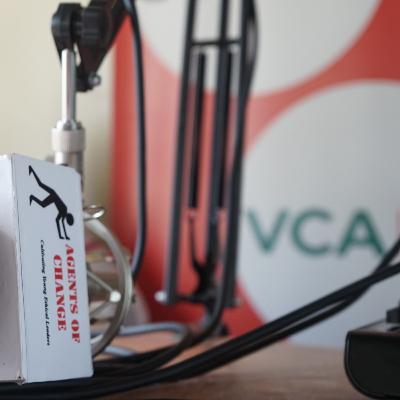
Join us as we explore how climate finance connects with the Constituency Development Fund (CDF) in Chikankata. Our hosts break down what climate finance really means, why it matters for local communities, and how CDF can be a powerful tool for climate action. Featuring real-life examples and voices from the community, this episode is brought to you by Agents of Change Foundation with support from South to South North under the Voices for Just Climate Action."
World Environment Day, celebrated annually on June 5th, is the United Nations' principal vehicle for encouraging awareness and action for the protection of the environment. Here are some key topics often associated with this important day:
YOUTH CARE RADIO SHOW IS A RADIO PROGRAM THAT AIRS ON ZNBC RADIO 4 EVERY SATURDAY AT 11:00 AND THURSDAY ON FLAVA FM. RADIO PROGRAM FOCUSES ON THE HEALTH ISSUES THAT AFFECTS THE ADOLESCENT AND YOUNG PEOPLE, IT ALSO GIVES THEM A CHANCE TO VOICE OUT THE CHALLENGES..
COPPER ROSE ZAMBIA

The most common mental illnesses in adolescents are anxiety, mood, attention, and behavior disorders. Suicide is the second leading cause of death in young people aged 15–24 years.

What strategies can help handle negative peer pressure?
Pay attention to how you feel. ...
Plan ahead. ...
Talk to the person who is pressuring, let him or her know how it makes you feel and tell the person stop.
Have a secret code to communicate with parents. ...
Give an excuse. ...
Have friends with similar values and beliefs

Many people are experiencing grief during the COVID-19 pandemic. Grief is a normal response to loss during or after a disaster or other traumatic event. Grief can happen in response to loss of life, as well as to drastic changes to daily routines and ways of life that usually bring us comfort and a feeling of stability. Common grief reactions include:
Shock, disbelief, or denial
Anxiety
Distress
Anger
Periods of sadness
Loss of sleep and loss of appetite
Some people may experience multiple losses during a disaster or large-scale emergency event. Because of the COVID-19 pandemic, you might be unable to be with a loved one when they die, or unable to mourn someone’s death in-person with friends and family. Other types of loss include unemployment, or not making enough money, loss or reduction in support services, and other changes in your lifestyle. These losses can happen at the same time, which can complicate or prolong grief and delay a person’s ability to adapt, heal, and recover.

Mental health problems can affect a student's energy level, concentration, dependability, mental ability, and optimism, hindering performance. Research suggests that depression is associated with lower grade point averages, and that co-occurring depression and anxiety can increase this association.

Comments

Download from Google Play

Download from App Store
 United States