


 Claim Ownership
BizNews Radio
Subscribed: 7,016Played: 140,294
Subscribe

© BizNews
Description
Welcome to BizNews Radio where we interview top thought leaders and business people from South Africa and across the globe.
4869 Episodes
Reverse

Welcome to BizNews Daybreak with Alec Hogg.
In today's jam-packed Monday episode, we cover the latest overnight market movements, including gold soaring past $5,000 an ounce and Sasol's massive 17% jump in the past week (12% on Friday).
In this episode, we unpack:
Global Conflict: US President Donald Trump wants his NATO allies to join the war against Iran. We feature insights from Retired Colonel Joel Rayburn, who worked in the Trump Administration, on the severe military imbalance in the region.
Johannesburg Mayoral Race: A fiery debate over the future of Joburg was set between the DA's Helen Zille and the Patriotic Alliance's Kenny Kunene. There was just one problem: only Zille showed up. Listen to her unapologetic take on her opponent's disappearing act.
South African Economy: Economist Dawie Roodt is in typical truth-bombing form, arguing that an overpaid, 'parasitic' civil service is actively bankrupting South Africa.
Market Safe Havens: Could US tech stocks be a surprisingly safe bet right now?. The FT's Emily Herbert explains how the ongoing conflict in the Middle East has driven a rush to Silicon Valley.
Stay ahead of the curve. For the full interviews and more expert analysis, visit BizNews.com.
If you enjoyed today’s show, please hit the Like button, Subscribe, and share it with your network!
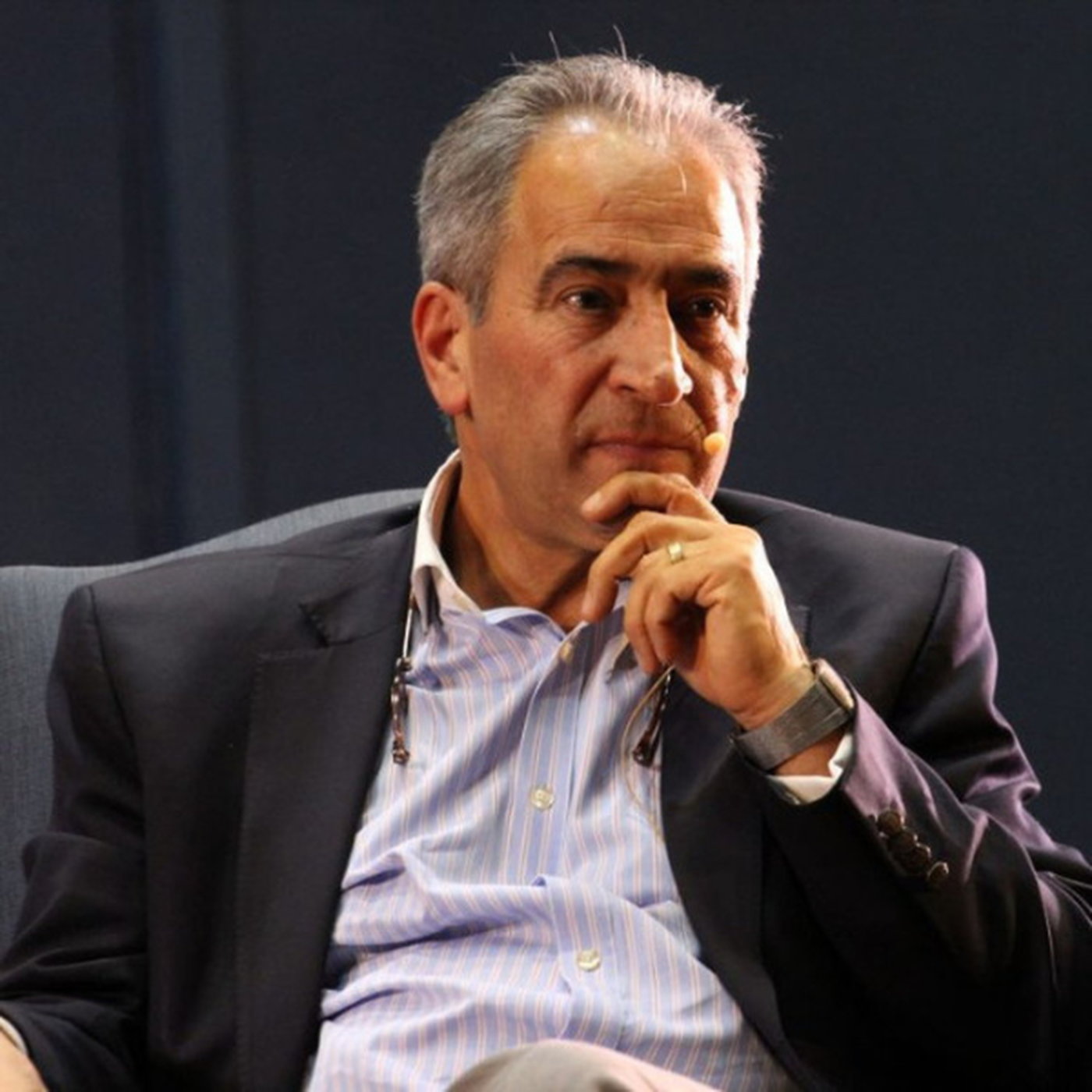
In a powerful and deeply personal keynote at BizNews Conference #8, economist Iraj Abedian unpacks the historical roots of the crisis unfolding in Iran, arguing that the conflict is not merely geopolitical but the culmination of decades of repression by the Islamic regime. Drawing on his own experience of Iran and decades of economic insight, Abedian explores the forces driving the war, the humanitarian consequences for the Iranian people and the potential ripple effects on global energy markets, geopolitics and South Africa’s own foreign policy choices.
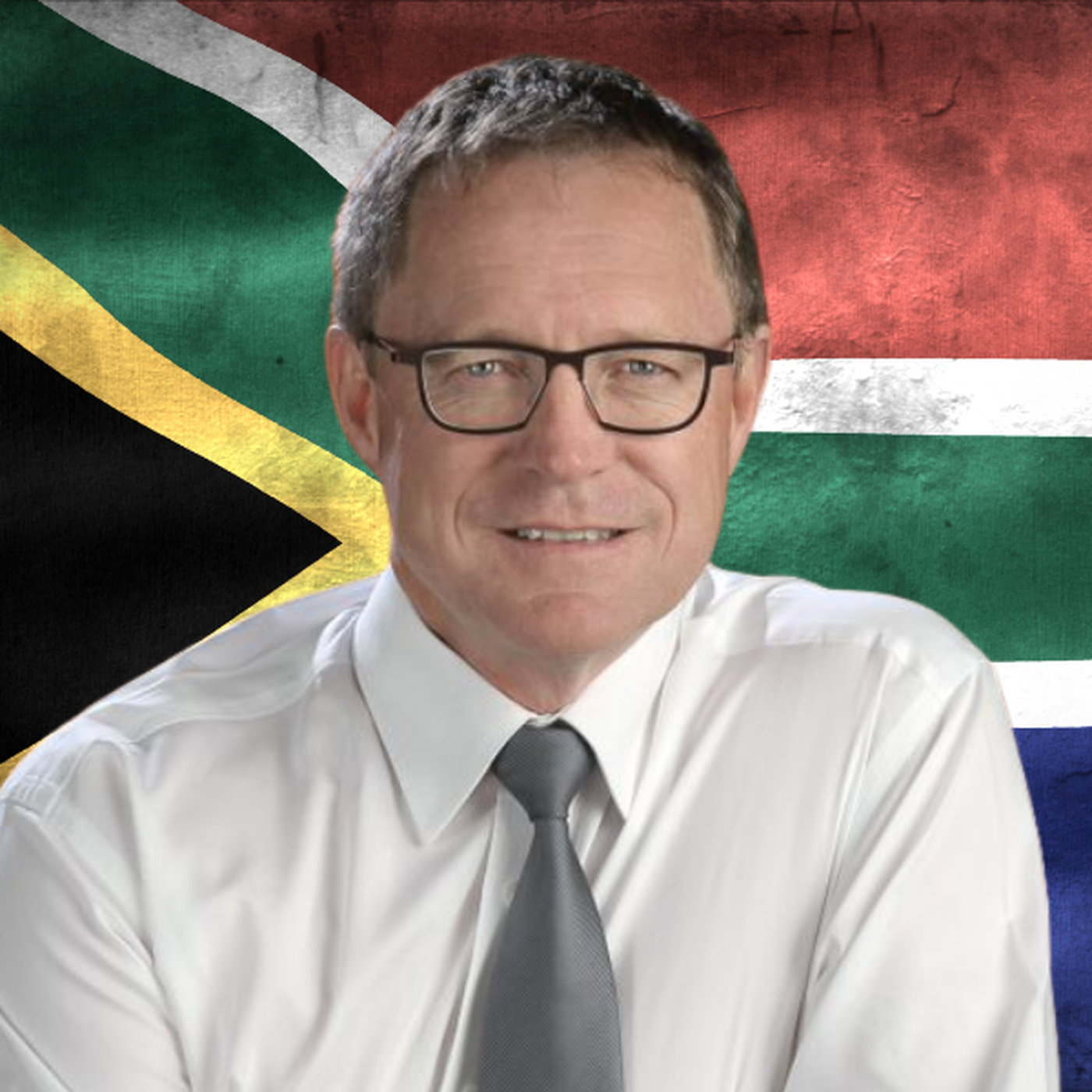
At BizNews Conference BNC#8 in Hermanus, Efficient Group chief economist Dawie Roodt delivers a blunt assessment of South Africa’s economy - warning that a bloated state, runaway debt, and failing institutions like Eskom are suffocating growth. While financial markets briefly showed optimism after policy shifts such as a lower inflation target, Roodt argues structural problems remain severe. With civil servant wages consuming a huge share of the economy and government debt racing toward 80% of GDP, he says South Africa risks deeper stagnation unless the state is radically reformed.
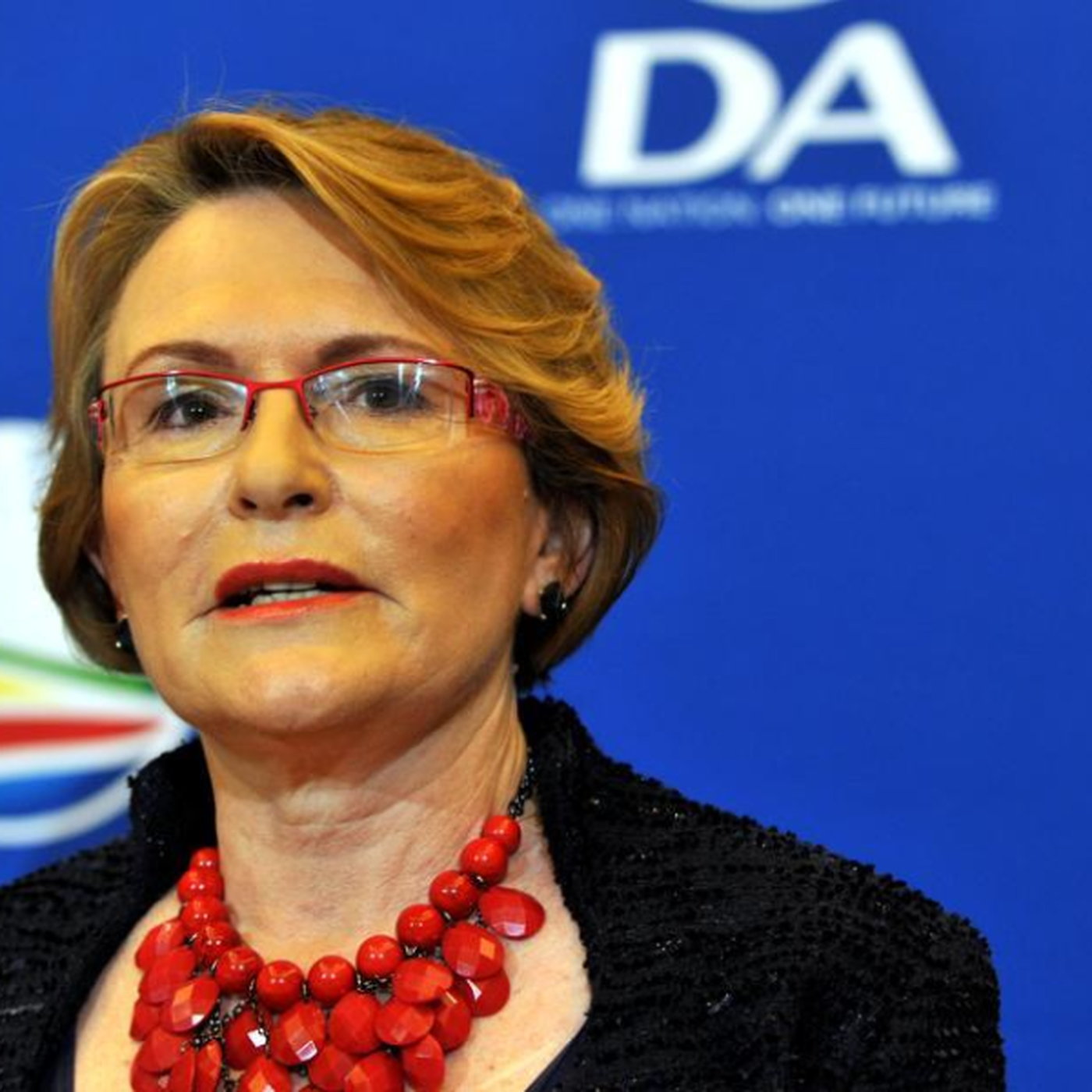
For today’s NdB Sunday Show, Chris Steyn invited the Democratic Alliance's Helen Zille and the Patriotic Alliance's Kenny Kunene to debate. Only Zille made the show. She outlined her five commitments over five years should she be elected Joburg’s next Mayor. She also responded to previously reported attacks on her by Kunene, including that she is out of touch with Johannesburg's challenges; that she is a reject of Cape Town, and that she should stay at home and look after her great grandchildren, by saying: “Well, I'm sure I have got a lot more energy than Kenny Kunene because I've been all over Joburg all the time and I never see him… I only see him in the nightlife, in the nightclubs, in all the Instagram posts with the Slay Queens as they call them…He's got a busy life. He's got a busy night life. He's got a busy time running around between his different underworld connections and trying to get people not to contradict his statements. That's a busy life. I have a life focused...on meeting the people of Joburg, listening to the people of Joburg, listening to their solutions for the problems for Joburg and getting a plan together to fix Joburg. So I have a busy life doing that.” Zille also comments on the reasons behind PA Leader Gayton McKenzie’s relentless support for President Cyril Ramaphosa.
The Trump administration has launched a second 301 tariff investigation. The probe will look to determine whether certain acts, policies and practices are unreasonable or discriminatory, and burden or restrict US commerce. From BNC#8, Prince Mashele calls for a new black–white political pact to rebuild South Africa, Iraj Abedian argues the West should side with the Iranian people rather than the regime, and John Endres warns that modest economic gains still leave the country stuck in a long-term low-growth trap.

Tonight’s BizNews Briefing starts with Dawie Roodt’s warning that South Africa’s public-sector wage bill is crowding out growth. We then track a market update led by Standard Bank’s strong full-year result, softer numbers from Montauk Renewables and progress funding at Southern Palladium. Donald MacKay argues motorists are effectively paying for SA’s vehicle-industry subsidies through higher prices, before Bloomberg reports escalating Middle East risks after Oman evacuated a key oil terminal and tankers were hit in Iraqi waters.
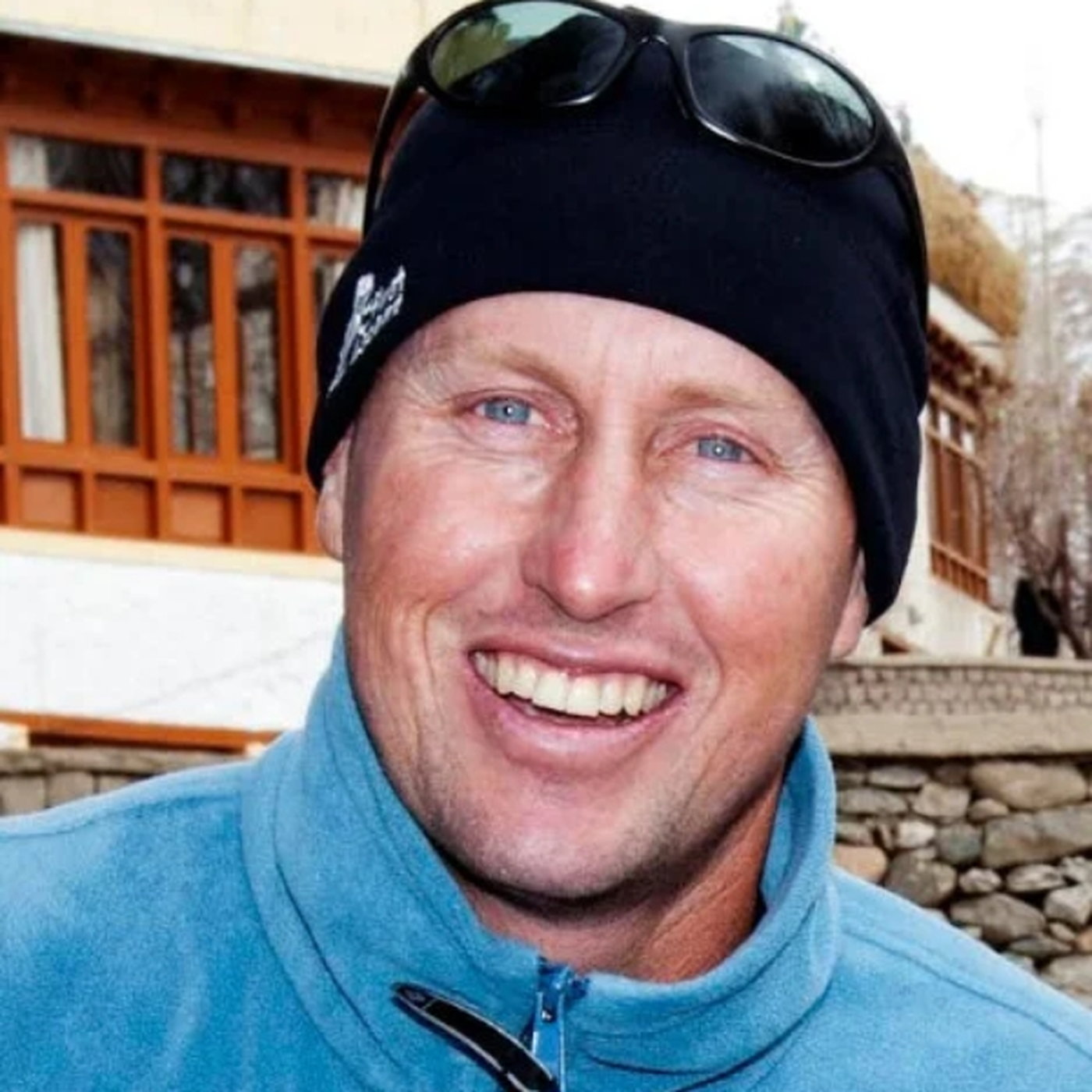
The great white sharks of False Bay – once so abundant that film crews from around the world came to document them, have all but vanished. Wildlife photographer and conservationist Chris Fallows says we’re looking for blame in the wrong place. In this interview with BizNews Fallows, famous for capturing the world’s first images of breaching great whites at Seal Island – explains why the two orcas, Port and Starboard, who are widely blamed for the sharks’ disappearance, “arrived after the crime scene”. Instead, he points to government sanctioned policies, shark nets demersal shark longline fisheries; and Australia’s appetite for “flake and chips” as the real culprits. These sharks, immortalised in world famous series such as Blue Planet, once attracted more than 100,000 visitors to South African shores every year. Fallows argues they have now been lost through bad management and political infighting. And for those who insist shark nets remain essential in places like KwaZuluNatal, Fallows says modern technology and a different way of thinking offer a far more progressive solution. He also believes there are clear lessons to be learnt from the protection of humpback whales. While humpback numbers have surged under protection. including a world record sighting of 300 whales in a single day, great white sharks, an ecologically vital apex predator, are disappearing from our oceans.
In this morning’s episode, we lead with the Trump administration’s massive 172-million-barrel oil release as conflict in the Strait of Hormuz continues. From the BNC#8 stage, Rob Hersov delivers a blunt warning on South Africa’s geopolitical positioning, arguing the country has "chosen the losing side" in a reset world order. Dawie Roodt joins the conversation to explain why the Reserve Bank's shift to a 3% inflation target is sparking capital inflows and a stronger Rand. Plus, we look at Meta’s plan to deploy four generations of custom AI chips to challenge Nvidia’s dominance.
Tonight’s BizNews Briefing opens with new US Ambassador Brent Bozell’s candid message from BNC#8, urging reciprocity and warning that policy uncertainty and geopolitical alignment choices shape investor confidence. We then run through a results-heavy market update led by Harmony, Rainbow Chicken and OUTsurance. Bloomberg follows with Ed Yardeni’s bullish gold call — $6,000 this year — before Sean Peche’s Wealth Building tip: focus on risk management, diversification and “getting rich slowly”.
Today’s Daybreak covers the IEA's historic proposal to release 182 million barrels of oil as "Operation Epic Fury" intensifies with over 5,000 US strikes inside Iran. From BNC#8, US Ambassador to South Africa Brent Bozell warns that American patience with South Africa is running out, while Eskom Chairman Mteto Nyati labels the nation’s 1.6% GDP projection a "survival rate" rather than true growth.
Oil prices swing sharply as President Trump signals the Iran war could end “very soon”, with markets watching for a peace off-ramp, potential strategic reserve releases and safer passage through the Strait of Hormuz. We then track pockets of strength in South African results from Absa, Attacq and Weaver Fintech. UBS’s Adrian Zuercher says the main macro “transmission” from the conflict is through energy prices, before 36ONE’s Cy Jacobs shares a Wealth Building tip: stay defensive and don’t be brave in uncertain markets.
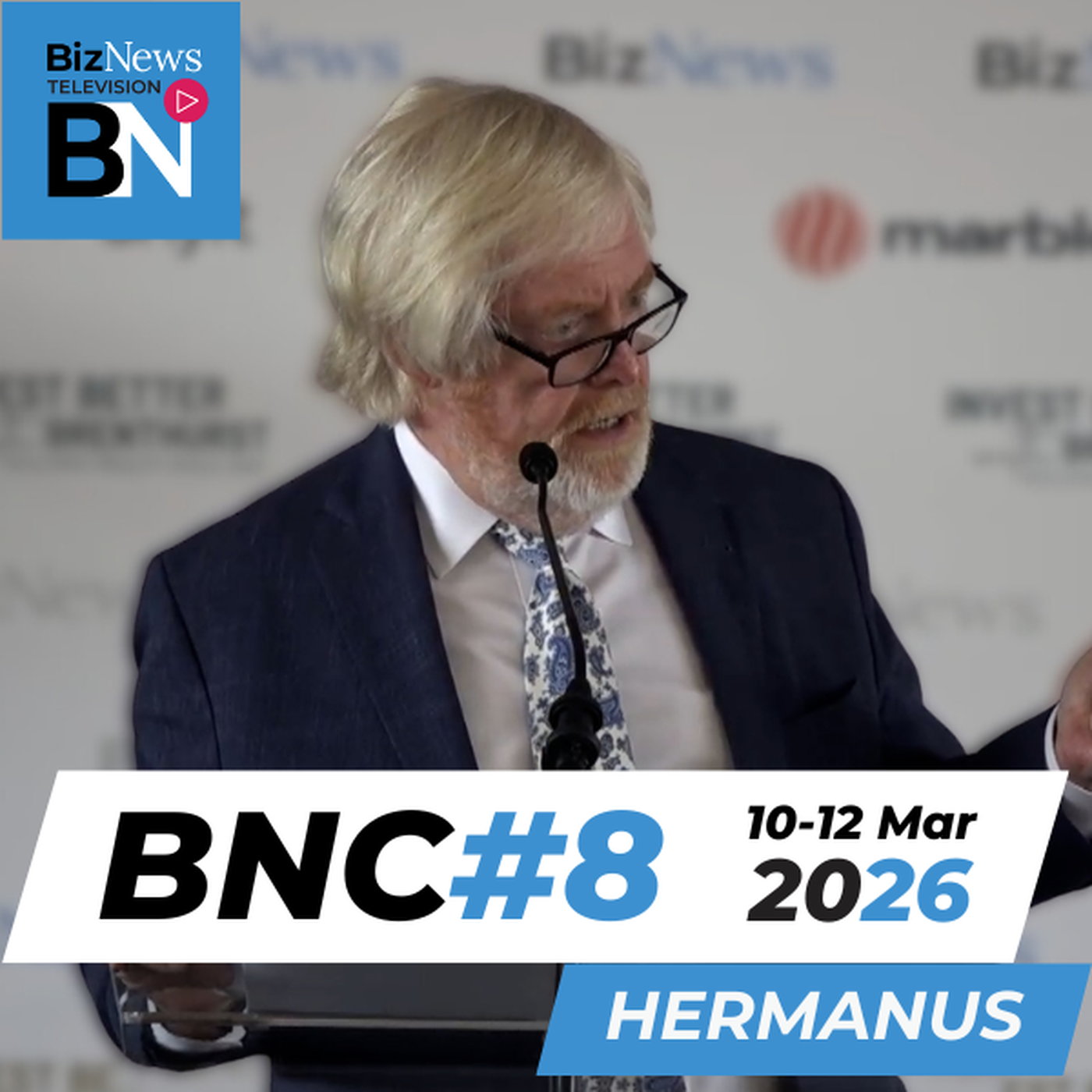
In his first public address since arriving in South Africa, new US Ambassador Brent Bozell delivered a candid keynote that mixed optimism about the country’s economic potential with sharp warnings about the direction of bilateral relations. Speaking to the BizNews Conference audience and later in a short Q&A with Alec Hogg, Bozell praised South Africa’s entrepreneurial depth, financial sophistication and strategic importance to Washington, while arguing that policy uncertainty, BEE-related ownership requirements, expropriation fears, rural safety concerns and Pretoria’s alignment with adversaries such as Iran are undermining investor confidence. He pointed to major recent US investments by Visa, Google, Microsoft and Amazon as proof of America’s long-term commitment, but stressed that stronger ties will depend on reciprocity, clearer rules and a more level playing field. His core message: the US still sees South Africa as a potentially important partner, but patience is wearing thin and the moment calls for candour, reform and renewed non-alignment.
In this episode, we break down President Trump’s latest strategy in Iran, including his plans for the US Navy to escort tankers through the Strait of Hormuz to stabilize global energy. We also examine the escalating regional tensions following NATO's interception of a ballistic missile over Turkey and Lebanon’s urgent plea for a truce with Israel.
On the tech front, we dive into the unprecedented legal battle as Anthropic sues the US government over "supply chain risk" labels. Finally, Henry Blodget joins us to discuss the AI software selloff and whether OpenAI is facing its "Yahoo moment" as competitors like Google Gemini close the gap.

In tonight's episode: Patriotic Alliance MP Juliet Basson describes a "hostile" oversight visit to Normandien Farms, where she found no evidence of illegal operations. Global markets react as oil prices jump above $100 due to ongoing disruptions in the Strait of Hormuz and escalating Middle East tensions. Plus, a heavy day of corporate results features gains for African Rainbow Minerals, Grindrod, and Santam, while Merafe struggles amid difficult ferrochrome conditions. Finally, Piet Viljoen shares why a diversified "cockroach" portfolio is the best defense against unpredictable geopolitical black swans.
Crude oil prices have jumped above $100 as the US and Israel intensify military operations in Iran, effectively halting traffic through the Strait of Hormuz. While President Trump touts military successes, he faces a growing "philosophical break" with a MAGA base wary of new "forever wars". Oracle and OpenAI have scrapped plans for a flagship AI data center expansion in Texas as financing negotiations stalled. Tensions rise as Colonel Chris Wyatt argues President Trump’s "3D chess" is isolating the ANC by removing its international allies. Meanwhile, back home, MP Juliet Basson details a "hostile" oversight visit to Normandien Farms that saw a factory shuttered over a dust mask dispute.
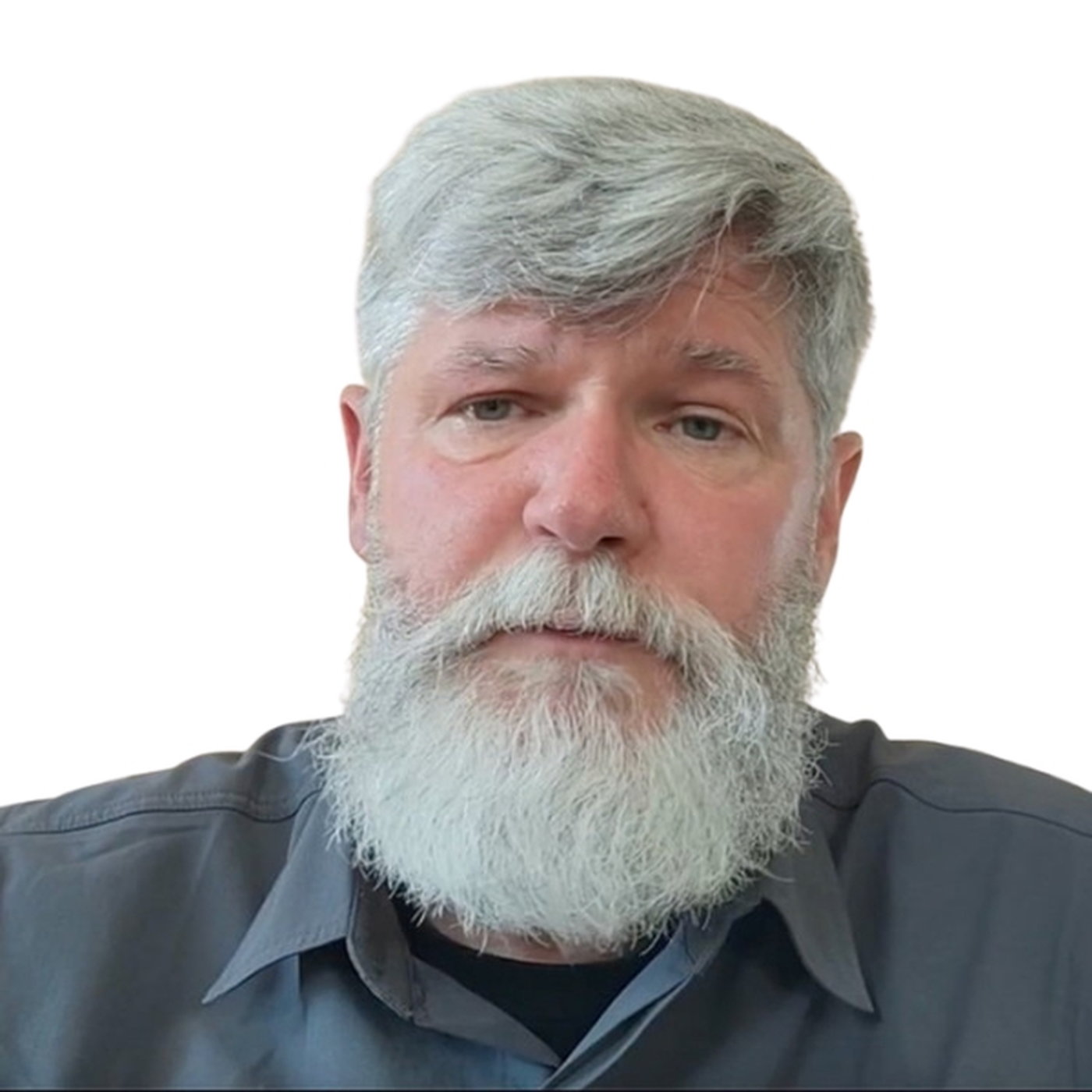
In the latest NdB Sunday Show with Chris Steyn, US intelligence analyst, retired Colonel Chris Wyatt describes how the African National Congress' “friends are disappearing”. He says US President Donald Trump is “playing 3D Chess while everyone else is playing Checkers. Trump has a long-term strategy here… the rogue states… the friends of the African National Congress have been taken off the chessboard one piece at a time. Nicolas Maduro wanted for criminal acts and for supporting terrorism and drug trafficking was extradited back to the United States. That regime has been hobbled. Cuba is being strangled. They no longer have any ability to influence things. Now it's Iran. So that's three of the ANC's friends. That really just leaves Russia, China and Brazil still on the map. Brazil will be dealt with eventually. The leader of that country is a convicted felon. He will eventually be dealt with by his own people. In the meantime, they're no threat to anyone. Russia is engaged in a war it cannot win because it's a foolish approach. China is doing nothing...” Col Wyatt adds that the three Iranian ships that participated in South Africa's BRICS exercise recently “are now at the bottom of the Arabian Gulf”. In his update on the raging war, Col Wyatt says: “I'm not sure we have an end state here. It seems like unconditional surrender and regime change are what it's going to be.”
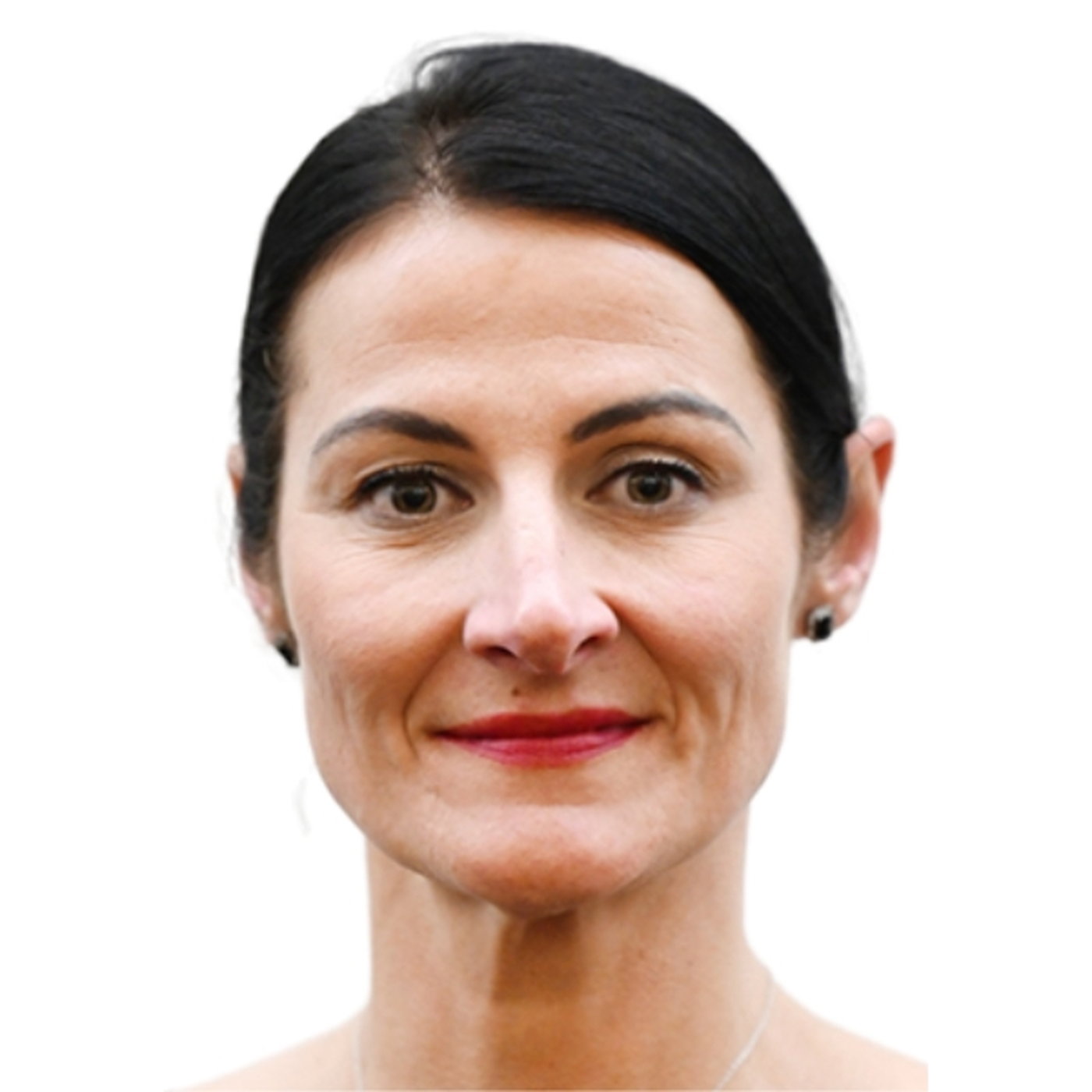
Patriotic Alliance MP Juliet Basson explains what really happened during the controversial parliamentary oversight visit to Normandien Farms in Newcastle. She describes a chaotic and hostile scene, distancing herself from aggressive actions taken by others on the committee. Basson says she supported the farm, questioned the shutdown over dust masks, and called for an investigation into the incident.
South Africans are facing an impending and massive R8-a-litre fuel price shock when prices are adjusted next month. This spike is a direct consequence of the prolonged war in Iran, which has driven the Rand cost of oil up by 40%, jumping from R954 to R1,328 a barrel.
The higher oil price - now above $80 a barrel from below $60 a week ago - is significantly impacting global inflation expectations, triggering nervous trading on Wall Street overnight.
Also in Today's Daybreak: Global and local markets are under pressure, with the JSE down 0.75%, mainly due to a 2.5% fall in resource stocks. The Rand opened at R16.60 against the US dollar. Gold and Bitcoin remain steady at $5,150 and $71,250, respectively.
SA's Geopolitical Tightrope: ANC Top Seven member Nomvula Mokonyane visited the Iranian Embassy in Pretoria to sign a condolence book for the assassinated Ayatollah Ali Khamenei. Professor Edward Minnie discusses how this brings South Africa's delicate position on the war into sharp focus.
Iranian Succession & Trump: Donald Trump is insisting on being involved in the selection of the new Iranian leader and strongly opposes a "North Korean style" succession by the Ayatollah's son. However, the FT's Tehran correspondent reveals that Mojtaba Khamenei has already emerged as the leading candidate in highly confidential initial voting.
Investment Strategy Insights: Piet Viljoen discusses his worldwide flexible 'Cockroach' fund. He shares his protective strategy of holding a high exposure to previously inexpensive energy assets to guard against unpredictable global events. He also unpacks Warren Buffett's approach to geopolitics and explains his allocation to cryptocurrency.

Tonight’s BizNews Briefing opens with Piet Viljoen’s case for South African assets, despite what he calls political irrationality, arguing that resilient business people, strategic minerals and geography still matter. We then move to a market update led by Firstrand’s strong interim numbers, Implats’ mixed reaction, Treasury losing budget-office DDG Edgar Sishi, and STADIO’s upbeat growth signal. Peter Major follows with the view that Iran cannot shift global minerals markets and that South Africa has gained little from the relationship, before Goldman Sachs CEO David Solomon says markets are still trying to work out the Iran endgame.
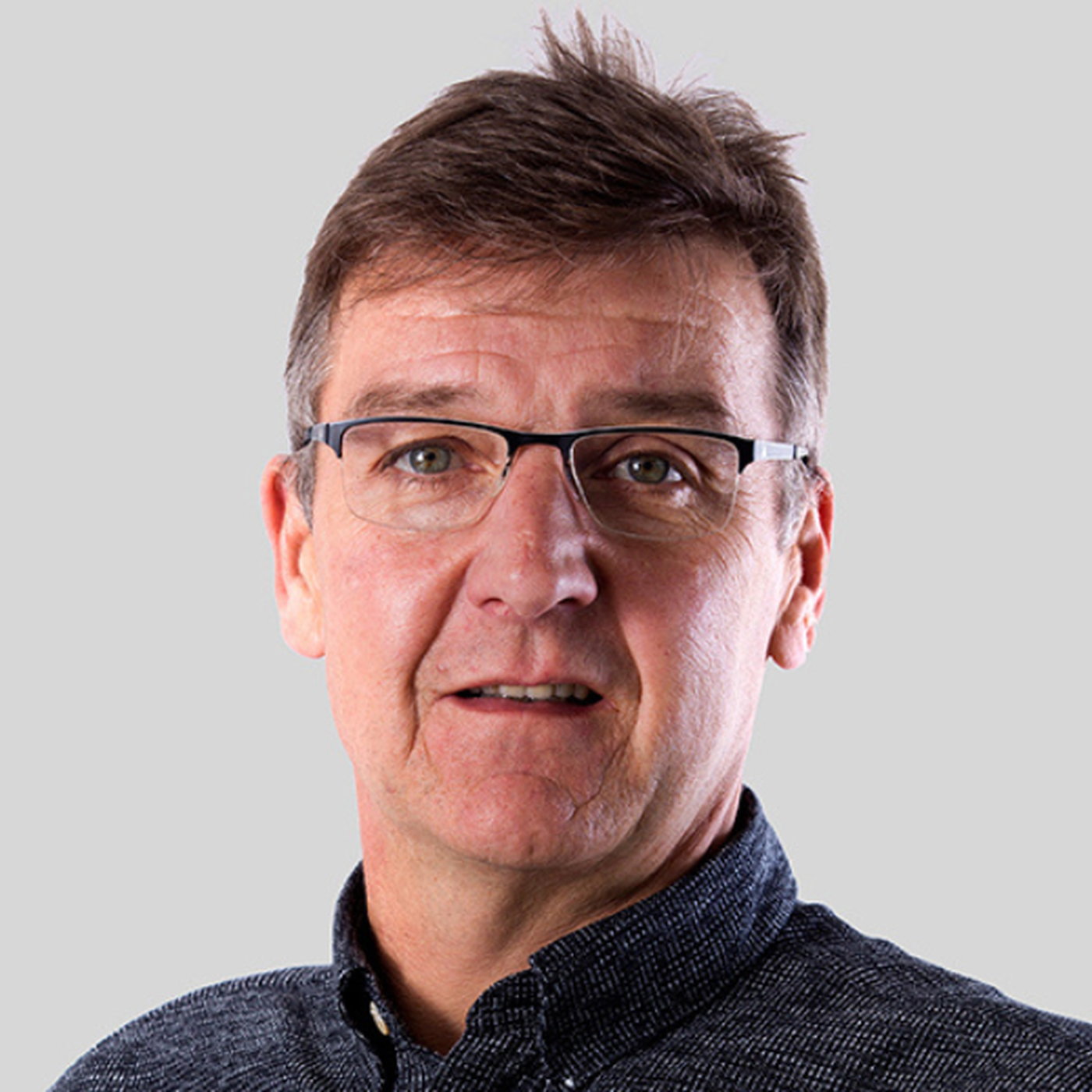
With war talk rattling markets, investor Piet Viljoen explains why forecasts are pointless and diversification is everything. From Bitcoin as a modern “hard asset” to why South African shares remain deeply undervalued, Viljoen shares how he prepares portfolios for chaos rather than predictions.

Comments

Download from Google Play

Download from App Store
 United States