


 Claim Ownership
BETTER! with Dr. Stephanie Estima | Strength, Body Composition & Perimenopause
Subscribed: 1,275Played: 68,353
Subscribe

© 2019 - 2026 All Rights Reserved
Description
Most women are told that feeling exhausted, gaining weight, losing muscle, and watching their body change after 40 is just what happens. Dr. Stephanie Estima is here to tell you that's the wrong map.
BETTER is the podcast for women in perimenopause and menopause who want to build real strength, understand their hormones, and take body composition seriously — without the diet culture nonsense and without the fear.
Dr. Stephanie is a chiropractor, brain health expert, and one of the few voices in the menopause space who leads with fitness, muscle, and what your body is actually capable of. Each week she brings the world's leading researchers, clinicians, and practitioners into conversation — then translates the science into something you can use on Monday morning.
Topics include strength training in perimenopause, body composition after 40, HRT and hormonal health, bone density, metabolic health, injury prevention, sleep, nutrition, and the kind of training that actually works when your body is changing.
This is not a podcast about surviving menopause. It's about building the strongest, most capable version of yourself — at the exact moment most women are told to expect less.
BETTER is the podcast for women in perimenopause and menopause who want to build real strength, understand their hormones, and take body composition seriously — without the diet culture nonsense and without the fear.
Dr. Stephanie is a chiropractor, brain health expert, and one of the few voices in the menopause space who leads with fitness, muscle, and what your body is actually capable of. Each week she brings the world's leading researchers, clinicians, and practitioners into conversation — then translates the science into something you can use on Monday morning.
Topics include strength training in perimenopause, body composition after 40, HRT and hormonal health, bone density, metabolic health, injury prevention, sleep, nutrition, and the kind of training that actually works when your body is changing.
This is not a podcast about surviving menopause. It's about building the strongest, most capable version of yourself — at the exact moment most women are told to expect less.
496 Episodes
Reverse
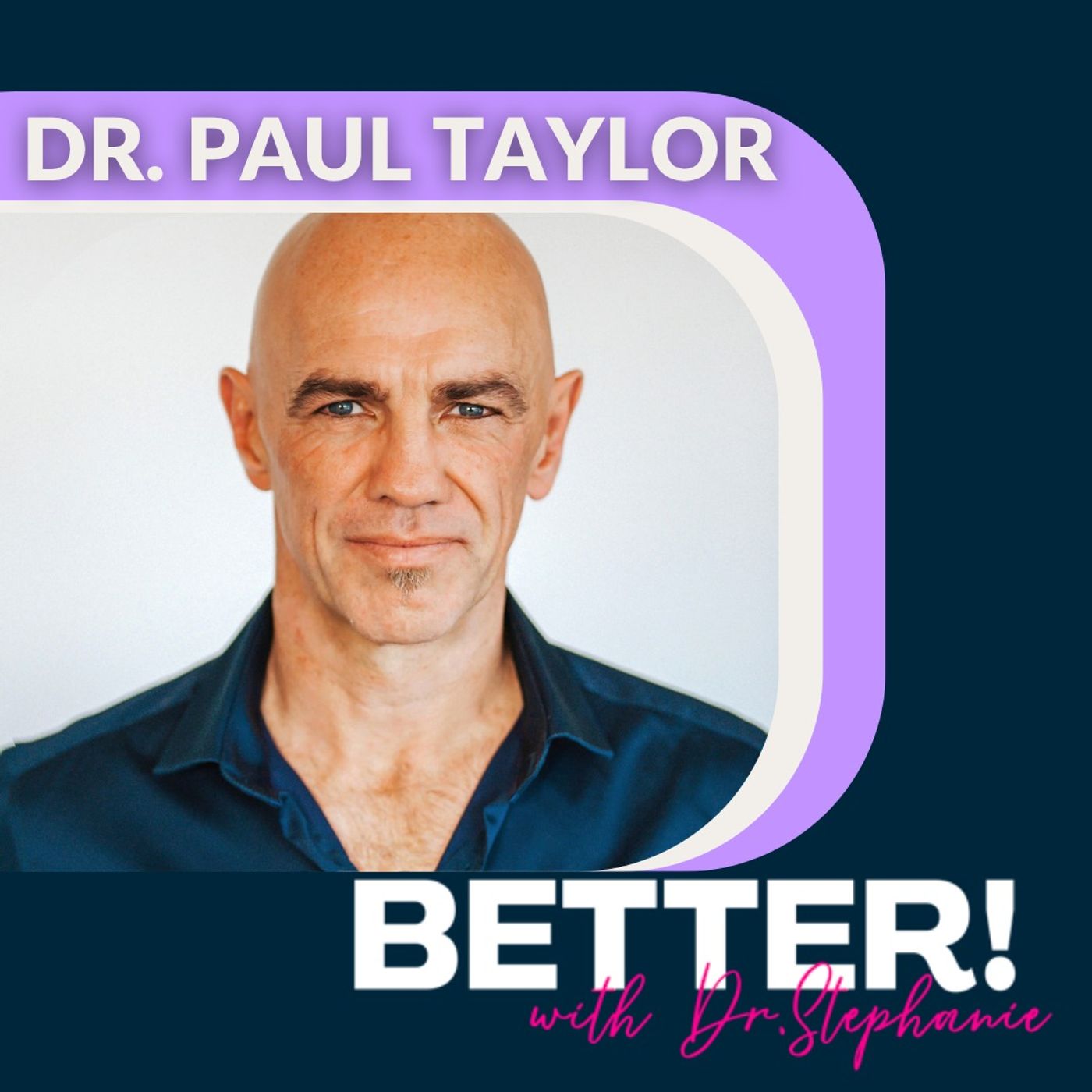
Your muscles aren't just for moving — they're an endocrine organ, releasing hundreds of signalling molecules called myokines every time you contract them. Dr. Paul Taylor breaks down the science of myokines, why muscular power (not just strength) is the strongest predictor of how long you'll live, and why the pursuit of "skinny" is costing women their healthspan.RESOURCES MENTIONEDDeath by Comfort: How Modern Life Is Killing Us and What We Can Do About It by Dr. Paul TaylorThe Hardiness Podcast with Dr. Paul TaylorDr. Paul Taylor's websiteFrank W. Booth et al., "Lack of Exercise Is a Major Cause of Chronic Diseases", Comprehensive Physiology, 2012Physical Activity Patterns and Biomarkers of Cardiovascular Disease Risk in Hunter-Gatherers, Hadza hunter-gatherer study using continuous heart-rate monitoringUltra-Processed Food Exposure and Adverse Health Outcomes: Umbrella Review of Epidemiological Meta-Analyses, The BMJ, 2024Mark Seery, "Challenge or Threat? Cardiovascular Indexes of Resilience and Vulnerability to Potential Stress in Humans", University at BuffaloCOSMOS-Mind: Effects of Cocoa Extract and a Multivitamin on Cognitive Function, randomized clinical trial in older adultsBiosphere 2: Calorie Restriction and Physiologic, Hematologic, Hormonal, and Biochemical ChangesThe Good, The Bad & The Ugly of Cold Water Exposure with Professor Mike Tipton, The Hardiness PodcastMuscle Power Versus Strength as a Predictor of Mortality in Middle-Aged and Older Men and Women, Mayo Clinic Proceedings, 2025BIODr. Paul Taylor is a Psychophysiologist, with a PhD in Psychology, separate master's degrees in Exercise Science and Nutrition and a postgraduate qualification in Neuroscience. As Director of Paul Taylor Consulting, he has conducted published research that shows that his programs have proven benefits for increasing hardiness, cognitive function and employee wellbeing, whilst reducing burnout across multiple industries. More at paultaylor.biz/aboutOUR SPONSORSBON CHARGE - Bon Charge brings you science-backed wellness technologies to enhance sleep, recovery, and beauty. Go to https://boncharge.com/better and use code BETTER.BEARABY - Find a more natural way to support deeper, calmer sleep. Go to https://bearaby.com and use code BETTER10 on any Bearaby weighted blanket purchase.ALGAECAL - Listeners can try AlgaeCal Collagen and get a specail discount off their first purchase through our special offer. Go to https://drstephanieestima.com/algaecal for a special offer.INCREDIWEAR - If you are an athlete, dealing with chronic joint pain, or just someone who wants to feel better in your body, this is worth trying. Head to https://drstephanieestima.com/incrediwear and use code DRSTEPH20.RAPID REBOOT - Whether you're a weekend warrior, a competitive athlete, or a parent of one — this is a game-changer for the whole household. Go to https://drstephanieestima.com/rapidreboot and use code DRSTEPHANIE.TOPICS COVEREDMyokines: what they are and how muscle contraction releases themMuscle as an endocrine organ/exercise as medicineThe molecule of hope (irisin) and the myokine-brain connectionBeing sedentary as "an active depressant"Muscular power vs. strength vs. size for longevityTwo major waves of aging (40-44 and 60) and accelerated muscle lossSarcopenia, falls risk, and mortality in older adultsHormesis and the case for reintroducing discomfort (Death by Comfort)Cold plunge and cortisol: debunking the myth for perimenopausal and postmenopausal womenCortisol response vs. threat response vs. challenge responseChronic stress, amygdala hypertrophy, and frontal lobe shrinkageUltra-processed foods and the 80/20 ruleProtein requirements in perimenopause and menopause (1.6-2g/kg body weight)Debunking low-protein "longevity diet" claims and Blue Zone researchGrip strength, VO2 max, and muscular power hazard ratios vs. smoking risk
****************************P.S. When you're ready, here are two ways Dr. Stephanie can help you:Subscribe: The Mini Pause — My weekly newsletter packed with the most actionable, evidence-based tools for women 40+ to thrive in midlife.Build Muscle: LIFT — My progressive strength training program designed for women in midlife. Form-focused, joint-friendly, and built for real results. Hosted by Simplecast, an AdsWizz company. See pcm.adswizz.com for information about our collection and use of personal data for advertising.

Dr. Jolene Brighten explains why ADHD in women is so often missed, misdiagnosed, or dismissed as personality. She covers the five hormonal life stages that make ADHD symptoms worse, why perimenopause "unmasks" ADHD rather than causing it, and the food and exercise protocols that actually support an ADHD brain.Get Dr. Brighten’s Book, ADHD & Women: https://drbrighten.com/adhd-and-women/🎤 TOPICS COVEREDADHD in women: symptoms, diagnosis, and why it's missed for decadesWhy ADHD looks different in women versus menPerimenopause and ADHD: why symptoms get worse in midlifeThe five hormonal stages that worsen ADHD (puberty, pregnancy/postpartum, perimenopause, postmenopause, premenstrual phase)Executive dysfunction explained: time blindness, task paralysis, and emotional dysregulationADHD masking in women: people-pleasing, perfectionism, and burnoutEstrogen, progesterone, and the ADHD brain: how hormones affect dopamine and focusPMDD and ADHD: the connection between your cycle and your symptomsProgesterone sensitivity and hormone replacement therapy for ADHD womenPCOS, PMOS, and the androgen-ADHD connectionADHD and genetics: is ADHD hereditaryNutrition for ADHD: gut health, protein, and the three foods Dr. Brighten recommends weeklyExercise and the ADHD brain: lactate, BDNF, and why movement improves focusBest workouts for ADHD: strength training, sprints, and mobility workCreatine, saffron, bacopa, and other supplements for ADHDSleep and ADHD: delayed sleep phase syndrome and the default mode networkLate-diagnosed ADHD in women: why so many women are diagnosed in their late 30s and 40s📎 RESOURCES MENTIONEDNumber of ADHD Patients Rising, Especially Among Women - https://www.epicresearch.org/articles/number-of-adhd-patients-rising-especially-among-women/ADHD link to severe premenstrual disorder uncovered in women - https://www.qmul.ac.uk/news/latest-news/2025/science-and-engineering/se/adhd-link-to-severe-premenstrual-disorder-uncovered-in-women.htmlGenetics of attention deficit hyperactivity disorder - https://pmc.ncbi.nlm.nih.gov/articles/PMC6477889/Crocus sativus L. Versus Methylphenidate in Treatment of Children with Attention-Deficit/Hyperactivity Disorder: A Randomized, Double-Blind Pilot Study - https://pubmed.ncbi.nlm.nih.gov/30741567/Moderate Exercise Tied to Improved ADHD Symptoms in Young Men - https://www.patientcareonline.com/view/moderate-exercise-tied-improved-adhd-symptoms-young-menAdult attention-deficit hyperactivity disorder and clinical correlates of delayed sleep phase disorder - https://www.sciencedirect.com/science/article/abs/pii/S0165178119324564Methylphenidate and Its Impact on Redox Balance and Behavior - https://pmc.ncbi.nlm.nih.gov/articles/PMC12565610/Creatine Promotes Endometriosis by Inducing Ferroptosis Resistance via Suppression of PrP - https://pmc.ncbi.nlm.nih.gov/articles/PMC11481182/Website: https://drbrighten.comInstagram: https://www.instagram.com/drjolenebrightenYouTube: https://www.youtube.com/@DrJoleneBrightenTiktok: https://www.tiktok.com/@drjolenebrightenBIODr. Jolene Brighten is an internationally recognized expert in hormones, women’s health, and ADHD across the female lifespan. A board-certified naturopathic endocrinologist, nutrition scientist, certified menopause specialist, and sex counsellor, she is widely known for translating complex hormonal science into clear, clinically relevant care for patients and the doctors who treat them. She is the bestselling author of Beyond the Pill and Is This Normal, and is the host of The Dr. Brighten Show, a top-rated women’s health podcast. More at drbrighten.com📦 OUR SPONSORSPIQUE LIFE - Experience Transformative Results. Start your daily ritual today and elevate your morning and evening routine at https://piquelife.com/betterTIMELINE - Timeline’s clinically proven formula is now available at a great price when you go to https://timelinenutrition.com/better with code BETTER.BERKELEY LIFE - Restore your nitric oxide and get your pre-menopausal self back. Go to https://berkeleylife.com and use code BETTER20 to save.JUST THRIVE HEALTH - Just Thrive's spore-based probiotics are the ones I trust. Take the Feel Better Challenge and save on your first order at https://justthrivehealth.com/better with code BETTER.
****************************P.S. When you're ready, here are two ways Dr. Stephanie can help you:Subscribe: The Mini Pause — My weekly newsletter packed with the most actionable, evidence-based tools for women 40+ to thrive in midlife.Build Muscle: LIFT — My progressive strength training program designed for women in midlife. Form-focused, joint-friendly, and built for real results. Hosted by Simplecast, an AdsWizz company. See pcm.adswizz.com for information about our collection and use of personal data for advertising.
 2
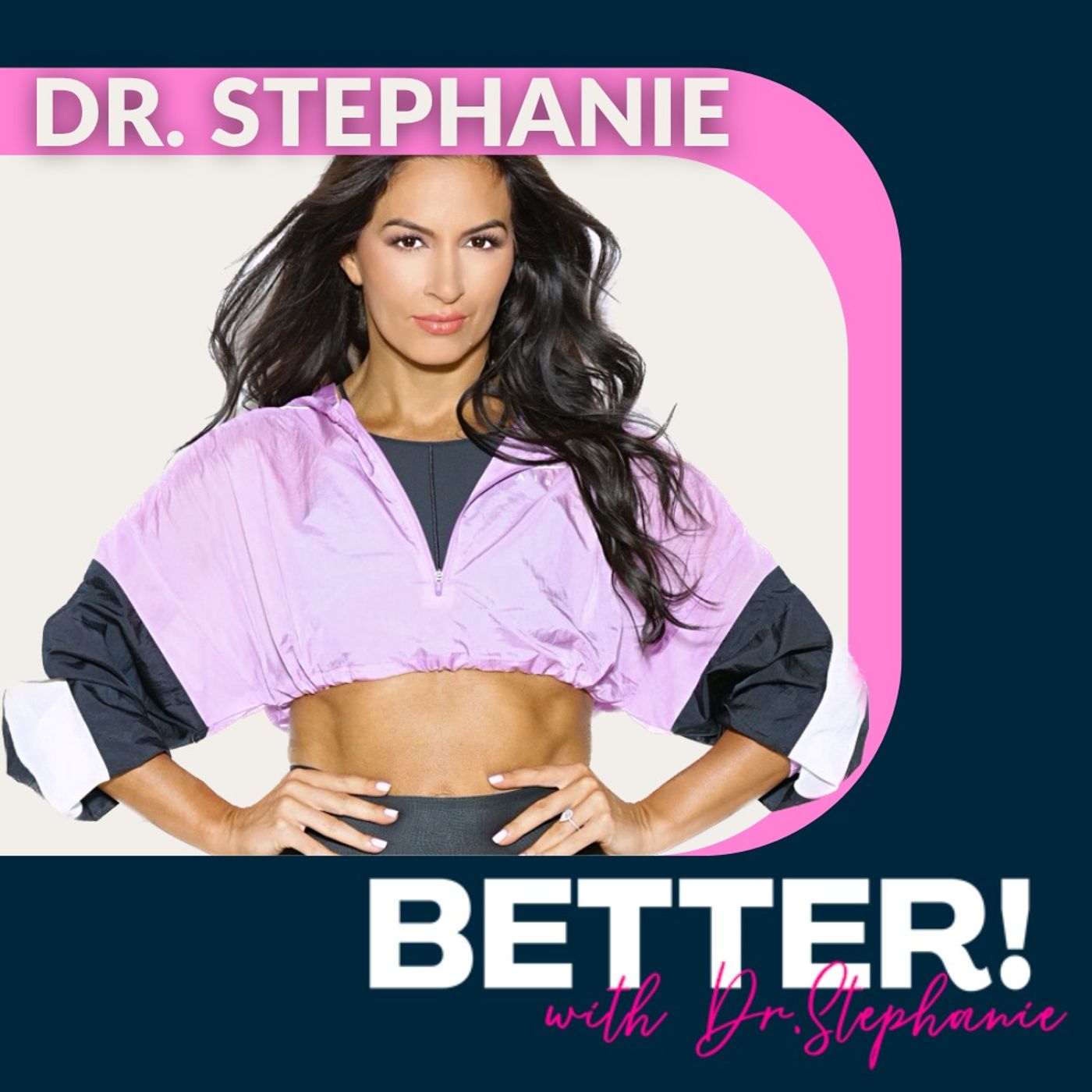
2If you can touch your thumb to your forearm, your elbows bend backward when you lock them out, or you've spent your life being called "double-jointed" like it's a party trick — this episode is your explainer.Dr. Stephanie walks through what hypermobility actually is, the three-tier spectrum from simple joint laxity to Hypermobility Spectrum Disorder to hEDS, and why the standard fitness advice (more stretching, more mobility work, taking it easy) is often exactly backwards for this population. The real issue was never flexibility — it's instability.Dr. Stephanie also explains safe strength training when your passive stabilizers can’t protect your end range, why controlled range is better than maximum range, and the specific training variables (tempo, isometrics, balance work) that build the neuromuscular control hypermobile bodies lack. She also covers nutrition considerations (protein, vitamin C, collagen timing) and recovery pacing, and reframes the idea that losing muscle while hypermobile makes you safer.TOPICS COVEREDWhat hypermobility is and how it's screened (the Beighton score)The three tiers: joint hypermobility, Hypermobility Spectrum Disorder (HSD), and hypermobile Ehlers-Danlos Syndrome (hEDS)Why hypermobility itself isn't the problem — instability isPassive stabilizers vs. active stabilizers, explainedWhy estrogen increases ligament laxity (and why women are more affected than men)Proprioceptive deficits: why hypermobile joints don't send a clear "too far" warning signalWhy strength training is a primary treatment strategy, not a nice-to-haveTraining in controlled range (about 80-90% of passive range) instead of maximum rangePractical cueing for squats, presses, and overhead workControlled eccentrics, isometrics, and balance/proprioceptive trainingWhy passive static stretching is generally counterproductive for this populationJoint-by-joint programming (why shoulders and hips need the most attention)Nutrition: protein targets, vitamin C, and collagen peptide timingRecovery: pacing over pushing, sleep, and how to tell soreness from a warning signWhy chasing "skinny" is especially risky for hypermobile women in midlifeRESOURCES MENTIONED https://drstephanieestima.com/podcasts/ep488OUR SPONSORSALGAECALListeners can try AlgaeCal Collagen and get a special discount off their first purchase through our special offer. Go to: https://drstephanieestima.com/algaecalONESKINFor a limited time, try their new OS-01 FACE RICH CREAM using code BETTER at https://oneskin.co/BETTEROXFORD HEALTHSPANA whole-food spermidine supplement that supports cell renewal and healthy aging. Save at https://OxfordHealthspan.com/DrStephanie with code DrStephanie.BIOPTIMIZERSYour digestion can take a hit in midlife, but you don't have to suffer. Learn how enzymes can help at https://bioptimizers.com/better and use code BETTER to get 10% off your order.BEARABYFind a more natural way to support deeper, calmer sleep. Go to https://bearaby.com and use code BETTER10 on any Bearaby weighted blanket purchase.
****************************P.S. When you're ready, here are two ways Dr. Stephanie can help you:Subscribe: The Mini Pause — My weekly newsletter packed with the most actionable, evidence-based tools for women 40+ to thrive in midlife.Build Muscle: LIFT — My progressive strength training program designed for women in midlife. Form-focused, joint-friendly, and built for real results. Hosted by Simplecast, an AdsWizz company. See pcm.adswizz.com for information about our collection and use of personal data for advertising.
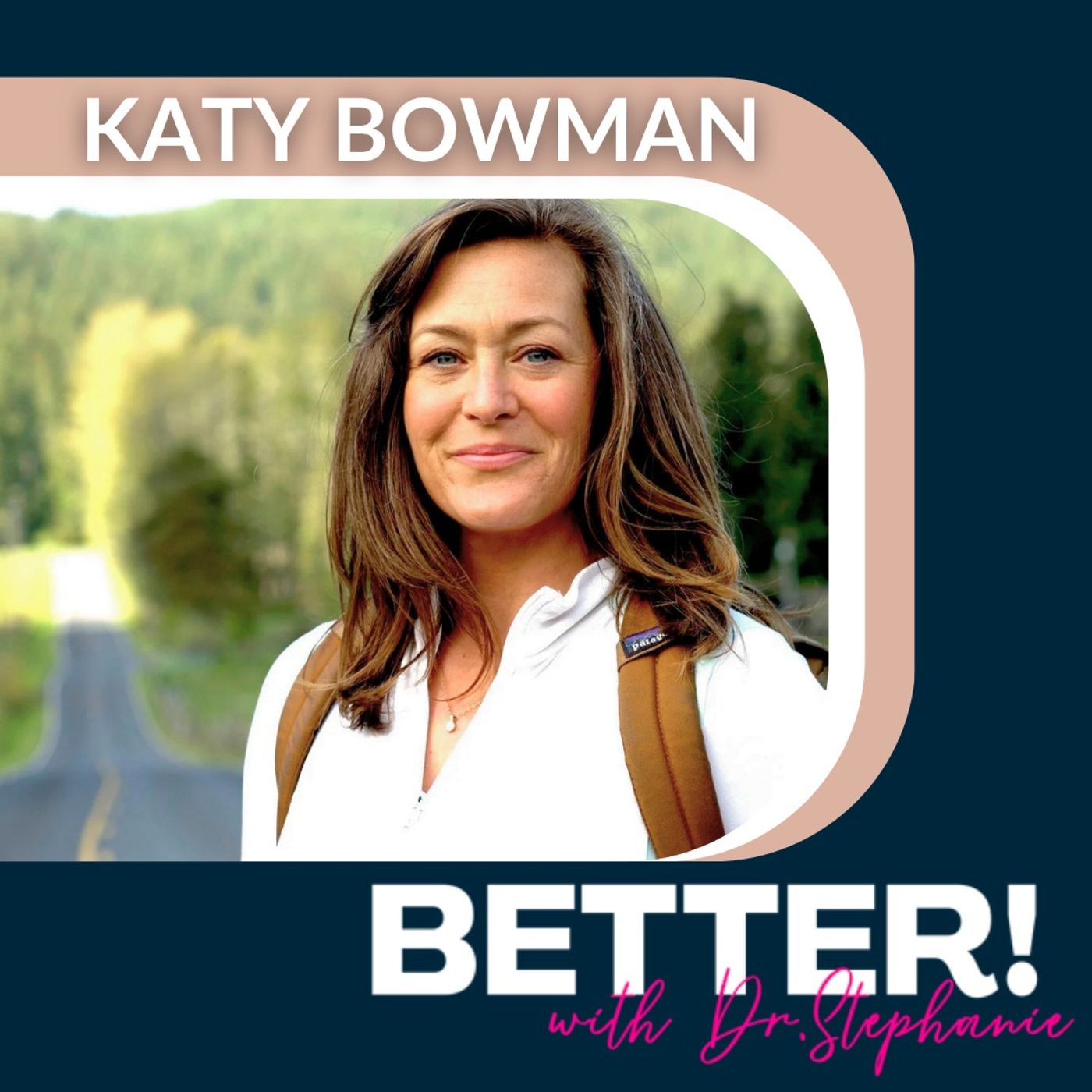
What if the guilt you feel for skipping the gym is based on a flawed concept? Biomechanist Katy Bowman challenges the notion that exercise is merely a modern, recent way to meet our body’s movement needs. She introduces her ”movement diet” framework, which includes movement calories (volume), movement macronutrients (walking, carrying, climbing, hand use, big-body work, active rest), and movement micronutrients (joint work often overlooked).Katy also encourages playing cards on the floor instead of the couch, sprinting with your kids at the park instead of on a track, why bunions and hallux valgus develop from years of subtle gait compensation, not "just aging," and why fixing the small stuff often matters more than adding another workout. Remember your bones and joints don’t distinguish between loads from a barbell and carrying groceries; they only care that the load occurred.If this episode has you wanting more than an hour with Katy, she's leading an in-person retreat, Dynamic Aging: Movement Through Menopause & Beyond, October 2–4 2026. https://artoflivingretreatcenter.org/retreat/presenter/katy-bowman/dynamic-aging/🎤 TOPICS COVEREDExercise vs. physical activity vs. movement (the three circles)Fitting movement into an exhausted eveningThe movement diet: macros, micros, and why movement is a nutrientThe Movement Pyramid, bottom to topShould you push through pain, or back off?Why "it's just age” is usually a movement-pattern problemDriving, automatic transmissions, and the pelvic floor connectionHadza activity levels vs. modern sedentary lifeFinding movement inside a "fixed" daily scheduleKaty's own movement diet, and "Night Bitch"What bone actually needs: a biomechanist's view on bone density"Loads, not modes": Katy's rowing routine and the vitamin D/tofu analogyReframing sprinting: racing your kids at the parkMovement snacks and redesigning your environment"Convenience isn't saving you time — it's saving you movement"Feet, bunions, and how gait patterns formNot "over the hill": choosing uphill in midlife📎 RESOURCES MENTIONED https://drstephanieestima.com/podcasts/ep487📦 OUR SPONSORSJUST THRIVE HEALTH - Your gut runs the show — take the Feel Better Challenge and save on your first order at https://justthrivehealth.com/better with code BETTER.SUNLIGHTEN - Boost recovery, heart health, and balance with sauna therapy. Go to https://get.sunlighten.com/DRSTEPHANIE and use code DRSTEPHANIE for a special discount.TIMELINE - Timeline’s clinically proven formula is now available at a great price when you go to https://timelinenutrition.com/better with code BETTER.PIQUE LIFE - Experience Transformative Results. Start your daily ritual today and elevate your morning and evening routine at https://piquelife.com/better
****************************P.S. When you're ready, here are two ways Dr. Stephanie can help you:Subscribe: The Mini Pause — My weekly newsletter packed with the most actionable, evidence-based tools for women 40+ to thrive in midlife.Build Muscle: LIFT — My progressive strength training program designed for women in midlife. Form-focused, joint-friendly, and built for real results. Hosted by Simplecast, an AdsWizz company. See pcm.adswizz.com for information about our collection and use of personal data for advertising.
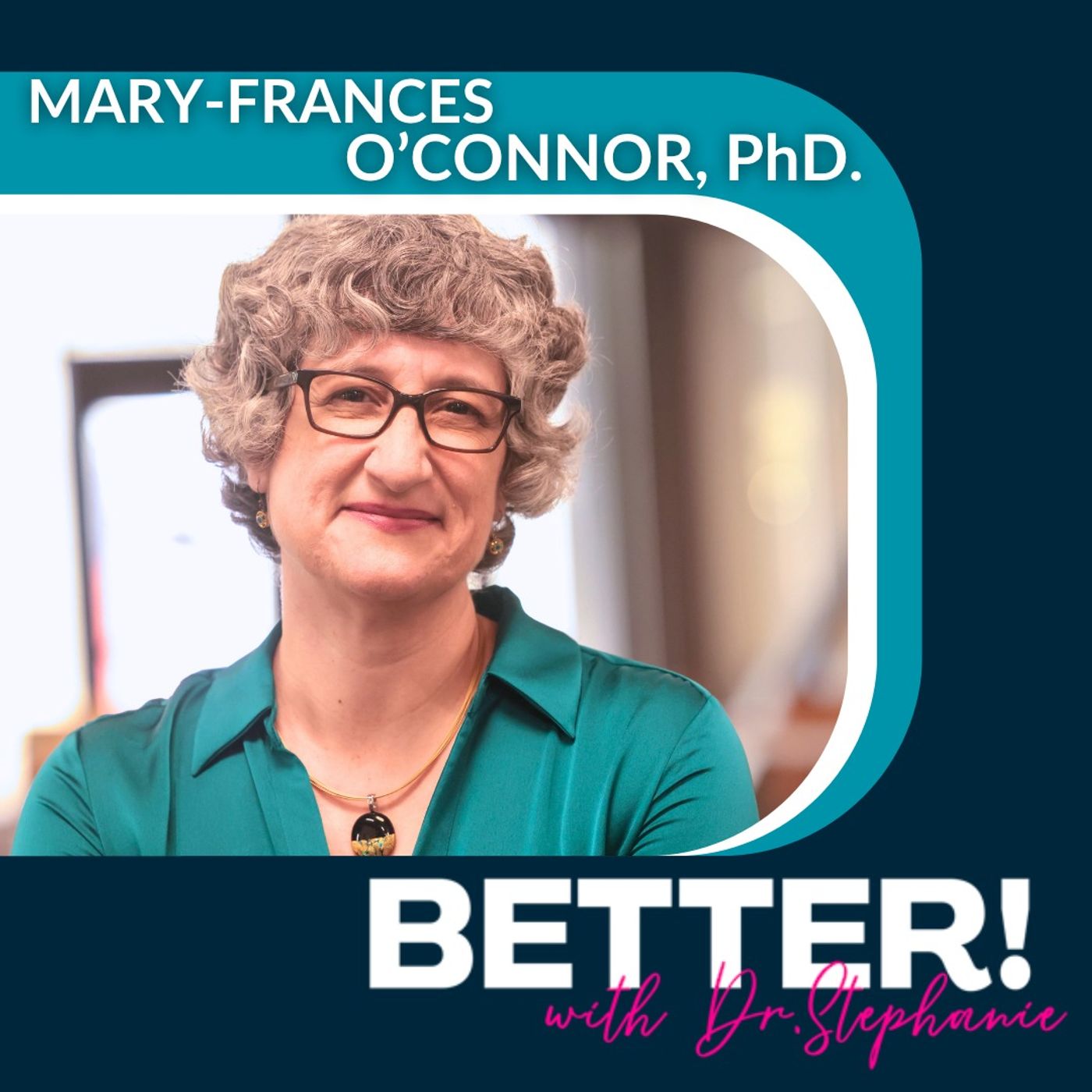
Falling in love triggers a specific hormonal cascade: oxytocin, dopamine, the whole cocktail that makes you feel like you can't think about anything else. What almost nobody talks about is that losing someone runs that same system in reverse.
Mary-Frances O’Connor, director of the Grief, Loss, and Social Stress Lab, discusses how grief can be understood as a hormonal “withdrawal” from the bonding chemistry of love, debunks the myth of five linear stages, and clarifies the difference between acute “grief” and the longer-term trajectory of “grieving.”
Prof O’Connor explains common emotional, cognitive, and physical manifestations, why the brain both knows a loved one is gone yet still expects them, and how grieving involves intense learning and identity updating. This episode also covers health risks after bereavement, the importance of preventive care and supportive companionship, practical ways to honour loved ones, and how reflecting on mortality can shape meaning.
🎤 EPISODE OVERVIEW
(0:00) Intro & Rapid-Fire Questions
(4:44) Defining Grief vs. Grieving
(6:15) Grief Beyond Death: Divorce, Empty Nests & Identity Loss
(10:17) The Neurobiology of Love, Bonding & Loss
(13:55) Acute Grief and the 21x Heart Attack Risk
(21:13) The Broken Heart Phenomenon & the Case for Bereavement Care
(30:42) Platitudes and How to Actually Support Someone Grieving
(41:02) The "Gone But Everlasting" Theory & Grief as Learning
(47:35) Purple Towels: Identity, Continuing Bonds & Facing Our Own Mortality
(1:15:56) After Party with Dr. Stephanie
📎 RESOURCES MENTIONED https://drstephanieestima.com/podcasts/ep486
📦 OUR SPONSORS
BEARABY - Find a more natural way to support deeper, calmer sleep. Go to https://bearaby.com and use code BETTER10 for a discount on any Bearaby weighted blanket purchase.
BON CHARGE - Recover Faster. Sleep Deeper. Look Better. Bon Charge brings you science-backed wellness technologies to enhance sleep, recovery, and beauty. Get a special deal on the full suite at https://boncharge.com/better with code BETTER.
BRICKHOUSE NUTRITION - Switch to BRICKHOUSE WHEY for guaranteed results or your money back. Go to https://thenewwhey.com and use promo code BETTER for a special deal.
LMNT - Stay hydrated without the sugar, food dye, and other dodgy ingredients found in popular electrolyte and sports drinks. Get a special offer when you make a purchase at https://DrinkLMNT.com/Better
****************************P.S. When you're ready, here are two ways Dr. Stephanie can help you:Subscribe: The Mini Pause — My weekly newsletter packed with the most actionable, evidence-based tools for women 40+ to thrive in midlife.Build Muscle: LIFT — My progressive strength training program designed for women in midlife. Form-focused, joint-friendly, and built for real results. Hosted by Simplecast, an AdsWizz company. See pcm.adswizz.com for information about our collection and use of personal data for advertising.

Comments

Download from Google Play

Download from App Store
 United States