


 Claim Ownership
Oxford College Principles of Microeconomics Course
Subscribed: 53Played: 477
Subscribe

©2021
Description
This is a collection of curated podcast episodes around the topic of economics, to expose the students of Oxford College of Emory's Principles of Economics course to podcasts that touch on economics and economic adjacent topics.
24 Episodes
Reverse
From Freakonomics radio:The banana used to be a luxury good. Now it’s the most popular fruit in the U.S. and elsewhere. But the production efficiencies that made it so cheap have also made it vulnerable to a deadly fungus that may wipe out the one variety most of us eat. Scientists do have a way to save it — but will Big Banana let them?
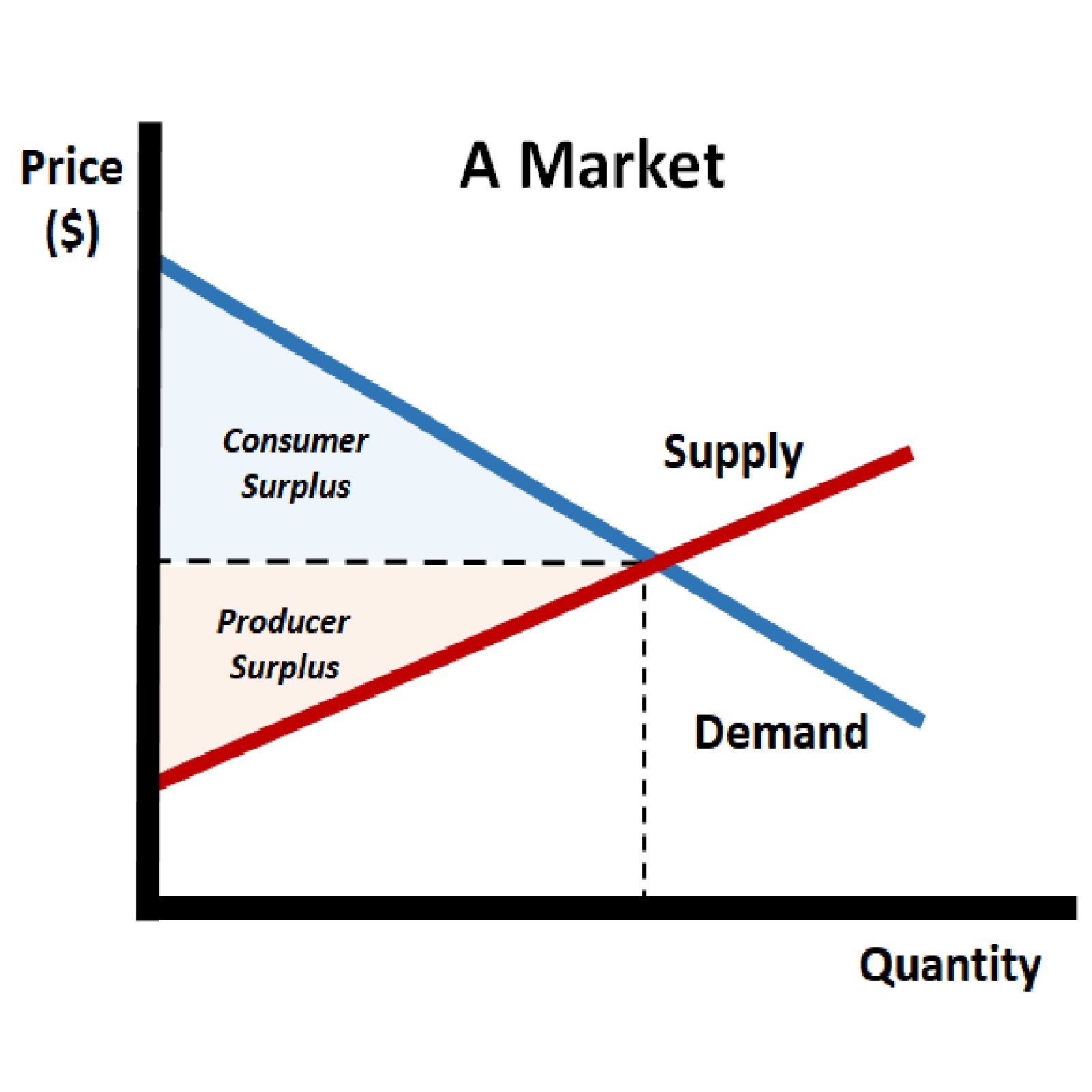
From Planet Money:In our second class, we find markets everywhere and discuss what makes them work and when they fail. We start off with the basic tools to understand a market: supply and demand. We find that the price of an item isn't just about money; a price reflects all the information inside a market, from a buyer's willingness to pay to a supplier's cost to make that item. Then, we put the concepts to work with the parable of the pickles. A food bank in Alaska gets sent a truckload of pickles, more than it could ever use. A food bank in Idaho gets sent a truckload of potatoes, the last thing it needs. With the help of economists, the food banks figure out a way to create a trading market, complete with information sharing and prices. We see how that works out as the food banks compete for the most coveted prize of all: a shipment of breakfast cereal.
From Throughline:The Great Depression was a revolutionary spark for all kinds of things — health insurance, social safety nets, big government — all of which were in response to a national crisis. Through the personal accounts of four people who lived during the Great Depression, we look back at what life was like back then and what those stories can teach us about the last time the U.S. went through a national economic cataclysm.
From Econtalk:Robert Frank of Cornell University talks with EconTalk host Russ Roberts about inequality. Is there a role for public policy in mitigating income inequality? Is such intervention justified or effective? The conversation delves into both the philosophical and empirical evidence behind differing answers to these questions. Ultimately, Frank argues for a steeply rising tax rate on consumption that would reduce disparities in consumption. This is a lively back-and-forth about a very timely topic.
From Vox Talks:At the heart of policy debates about our collective responses to climate change is the issue of risk and uncertainty - ‘unknown unknowns’ about the impact of global warming. In this Vox Talk, Gernot Wagner - co-author with Harvard’s Martin L. Weitzman of 'Climate Shock: The Economic Consequences of a Hotter Planet’ - argues for Pigovian taxes and carbon pricing, against geoengineering solutions, and why 'we need to stick it to CO2, not to capitalism’.

Comments

Download from Google Play

Download from App Store
 United States