


 Claim Ownership
C3 Connecting, Coaches, Cognition
Subscribed: 24Played: 184
Subscribe

© Copyright 2019 All rights reserved.
Description
A podcast for the busy instructional coach
69 Episodes
Reverse
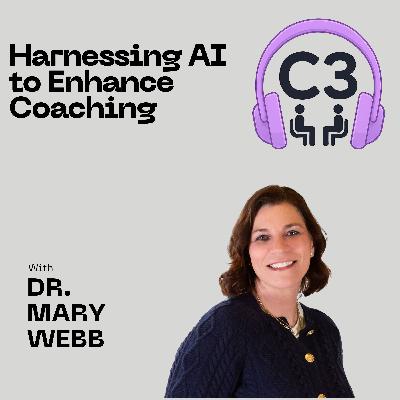
Guest: Mary Webb, veteran educator and instructional coach with 27 years of experience
Episode Summary:
In this episode, Mary Webb shares her journey from classroom teaching to instructional coaching and explores how artificial intelligence can support — not replace — the human side of coaching. She discusses AI as a navigation tool that aids in goal setting, pattern recognition, and teacher reflection while maintaining relational trust. Mary emphasizes the importance of ethical boundaries, confidentiality, and transparency when using AI in coaching conversations. She also shares practical strategies for effective prompting and a real coaching scenario demonstrating AI in action.
Key Takeaways:
AI as a Navigation System: AI helps identify patterns and clarify next steps without overwhelming teachers.
Human Connection First: Technology should enhance, not replace, empathy and trust in coaching relationships.
Ethics and Confidentiality: Coaches must be transparent, secure teacher data, and obtain informed consent when using AI.
Prompting Matters: Clear, intentional prompts produce better AI insights to support teacher growth.
AI in Action: A practical example shows how AI can help coaches identify themes and focus next steps in a coaching conversation.
Reflection Questions:
How can AI serve as a thinking partner while preserving relational trust?
What ethical guardrails should be in place before integrating AI into coaching?
How can you improve coaching clarity through purposeful prompting?
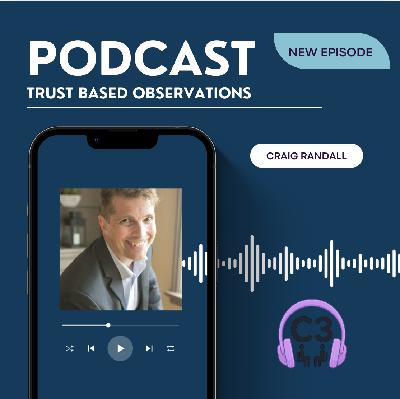
🎧 Episode Show Notes: Trust Based Observations with Craig Randall
In this episode of C3: Connecting Coaches & Cognition, Courtney Groskin and Sandy Heiser sit down with Craig Randall, author of Trust-Based Observations, to explore how reimagining classroom observations through the lens of trust can transform school culture, teacher growth, and instructional practice.
Craig shares his unique professional journey—from school counselor to international school leader—and how those experiences shaped his belief that observations should be rooted in relationships rather than compliance. Drawing on research, real-world examples, and years of leadership experience, he explains why traditional observation models often fail to improve teaching and can unintentionally harm teacher efficacy.
Together, the conversation dives into:
What trust-based observations are and how they differ from traditional evaluation models
The role of psychological safety in teacher risk-taking and growth
Why focusing on strengths first builds relational trust and instructional momentum
Practical, high-impact moves evaluators can make before, during, and after observations
How trust-based practices support teacher cognition, reflection, and self-assessment
Strategies for rebuilding trust when teachers bring past negative observation experiences
Small shifts leaders can make right now to begin transforming their observation practice
Craig also shares a powerful story illustrating how quickly a culture of trust can spread—and why teachers deeply crave authentic, strengths-based feedback.
The episode wraps up with a rapid-fire round full of practical wisdom and encouragement for school leaders and evaluators at any stage of their journey.
🔗 Learn More
Website: trustbased.com
Book: Trust-Based Observations (available on Amazon)
Social Media: @trustbasedcraig
Email: craig@trustbased.com
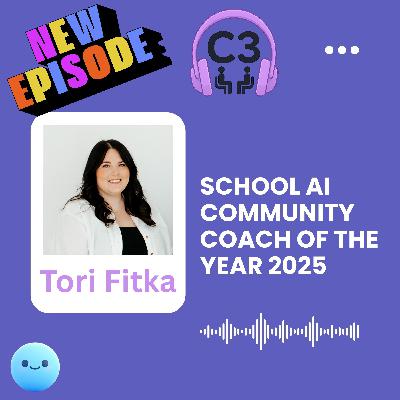
🎙️ C3: Connecting Coaches & Cognition
Episode Title: Elevating Coaching & Instruction with AI
Host: Courtney Groskin
Co-Host: Sandy Heiser
Guest: Tori Fitka, Community Coach of the Year (2025), SchoolAI
Episode Overview
In this episode of C3: Connecting Coaches & Cognition, Courtney Groskin and Sandy Heiser kick off the new year with an engaging conversation about AI, coaching, and instructional impact. They are joined by Tori Fitka, former high school science teacher and current Community Coach at SchoolAI, who was recently named Community Coach of the Year for 2025.
Together, they explore how AI—when used intentionally—can enhance teaching, deepen reflection, and build educator capacity without replacing the human side of learning and coaching.
About Our Guest: Tori Fitka
Tori Fitka is a former high school science teacher turned community coach at SchoolAI, where she supports educators nationwide in leveraging AI and blended learning to create meaningful, student-centered experiences. With a background in digital learning and instructional coaching, Tori is passionate about thoughtful design, strong relationships, and using technology to serve a clear instructional purpose—not just because it’s available.
Key Topics & Takeaways
🧠 AI as a Thought Partner, Not a Replacement
Tori emphasizes that AI should support educators by freeing up time for what matters most—relationships, reflection, and responsive instruction—rather than replacing professional judgment.
🔍 Reflection & Metacognition with AI
The group dives into how tools like SchoolAI’s Assistants and Spaces can help teachers and leaders engage in ongoing reflection, analyze student work and data, and prepare for deeper coaching conversations.
🤝 Coaching at Scale
AI can provide “just-in-time” coaching support for educators who may not always have access to a human coach, making reflective practice more accessible and consistent.
🛠️ From Curiosity to Confidence
Effective AI professional learning is:
Hands-on and experiential
Grounded in real classroom use cases
Supported by ongoing coaching and leadership
Designed with time to explore, fail, revise, and reflect
🚀 Building Capacity Without Adding to Workload
Successful AI rollouts are intentional, gradual, and responsive to teacher feedback—focusing on purpose, repetition, and celebration of successes.
🔮 The Future of AI in Education
Tori shares her vision for the next frontier: moving beyond productivity toward AI literacy, modification, and redefinition of learning experiences—helping students explore content, careers, and critical thinking in ways previously impossible.
Rapid Fire Highlights
⚡ One Strategy Every Coach Should Have:
Help educators clearly define goals, context, and constraints so AI supports thinking rather than replaces it.
⚡ Advice for New Teachers:
Don’t reinvent the wheel. Use AI as a thought partner, focus on learning and relationships, and avoid burnout.
Learn More
You can connect with Tori and access free trainings through the SchoolAI Community (available once logged into SchoolAI). Be sure to explore both synchronous and asynchronous learning opportunities.
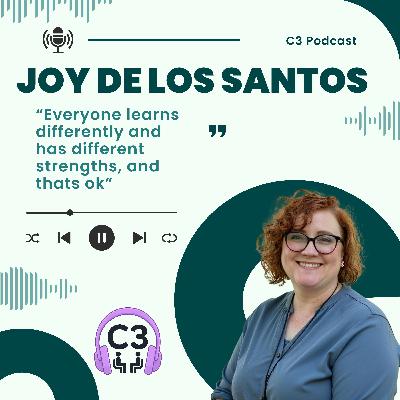
In this episode of C3, hosts Courtney Groskin and Sandy Heiser welcome Joy De Los Santos, a special education coach with over 20 years of experience who now co-leads an instructional coaching team supporting nine districts.
Joy discusses her journey into coaching, practical strategies for overwhelmed teachers—including prioritizing high-impact supports and using visuals like visual schedules—and the importance of using data to guide decisions and build common ground among teams.
The conversation highlights what true inclusion looks like (access, engagement, and respectful peer interaction), leadership coaching to build capacity, and real coaching wins that helped teachers feel empowered and improved student outcomes.
In this episode:
Courtney and Sandy share highlights from facilitating Day 5 of the Cognitive Coaching Foundation Seminar, celebrating the energy and dedication of their 35-person cohort.
They discuss the transformative power of coaching conversations, including a moment where a 20-minute planning conversation left a participant feeling empowered and energized.
Featured Guest: Joy de los Santos
Joy brings over 20 years of experience in special education, working with students from early childhood through high school. She now co-leads an instructional coaching team across nine districts, supporting educators in building inclusive and supportive classrooms for students with disabilities.
Key Takeaways from Joy:
Her journey into special education coaching grew from supporting teachers and students while reducing high turnover rates and increasing inclusive practices.
When teachers feel overwhelmed by IEP requirements or diverse learner needs, Joy recommends strategies that support multiple students across contexts to maximize impact with sustainable effort.
Collaboration and alignment are essential: she emphasizes using data as a neutral tool to guide team decisions and resolve differing perspectives.
For Joy, a truly inclusive classroom means all students have access, engagement, and respect for differences, not just physical placement in the classroom.
Memorable coaching impact: supporting a veteran special education teacher to feel confident and effective with a challenging student population—demonstrating the power of coaching for teachers at any career stage.
Rapid-Fire Tips from Joy:
One strategy every coach should have: Visual supports, especially visual schedules, to support student independence and classroom management.
Advice for new teachers: Feeling unsure is normal. Asking for help is a sign of strength, and no one has all the answers—especially early in your career.
Episode Description:
In this episode of C3: Connecting Coaches & Cognition, Courtney Groskin sits down with Justin Baeder, founder of The Principal Center and author, to explore the art and science of instructional leadership and feedback. Justin draws on his experiences as a teacher and principal to share practical strategies for giving feedback that actually changes teacher practice and improves school-level decision-making.
Justin discusses:
The importance of consistent classroom observations and making feedback a normal, low-stakes practice.
How to strike the balance between encouragement and constructive critique while promoting teacher autonomy.
Common pitfalls in feedback conversations, including postmortem critiques that miss the opportunity to influence teacher judgment.
How to create a culture of reflection where teachers retain ownership of their practice.
The “sweet spot” for feedback and why not every conversation will immediately lead to change.
A simple but powerful mindset shift: approaching every conversation with curiosity.
Justin also shares practical resources for school leaders and coaches, including his classroom walkthrough FAQ at principalcenter.com/FAQ.
Rapid Fire Insights from Justin:
Top resource: Principalcenter.com/FAQ for classroom walkthrough advice.
Coaching strategy to keep in your back pocket: Patience—sometimes people need more than we can give in one conversation.
Advice for new teachers: Teaching is challenging but rewarding; the learning curve is long, but it’s worth it—don’t give up.
This episode is a must-listen for school leaders, instructional coaches, and anyone who wants to make feedback conversations more effective, actionable, and supportive of teacher growth.

In this episode of the C3 Podcast, we welcome Heather, an educator, administrator, author, and superintendent whose work has reshaped how we think about student engagement. Heather shares her journey from aspiring writer to classroom teacher, staff developer, administrator, and now published author—bringing both practical wisdom and fresh metaphors to the conversation.
Heather’s book, Engagement is Not a Unicorn, It’s a Narwhal, reframes engagement as something real and attainable, not mythical or out of reach. She introduces us to the continuum of engagement—non-compliant, compliant, interested, and absorbed—and explains how shifting students along this spectrum is less like flipping a switch and more like adjusting a dimmer.
We also explore her follow-up collaboration, The Big Book of Engagement Strategies, a collection of over 50 practitioner-driven strategies to help teachers bring lessons to life. Heather highlights a few of her favorites, including:
Caught Tickets – simple notes of recognition that strengthen relationships and encourage positive behavior.
Almost/Some Learning Targets – a differentiation approach that creates choice, voice, and pathways for all learners.
Room to Breathe – a balance of “inhale” (input) and “exhale” (output) that empowers students to engage actively rather than remain passive.
Throughout the episode, Heather emphasizes that engagement isn’t about students cheering at the end of a lesson—it’s about fostering genuine curiosity, investment, and moments of absorption that, while rare, are powerful and real.
Whether you’re a classroom teacher, coach, or administrator, Heather’s insights will leave you with practical strategies and a renewed belief that engagement is within reach.
Resources Mentioned:
Engagement is Not a Unicorn, It’s a Narwhal by Heather
The Big Book of Engagement Strategies by Heather and contributing educators
To contact Heather for speaking or consulting, please visit www.LyonsLetters.com, where you can also subscribe to her weekly blog posts.
Episode Notes:
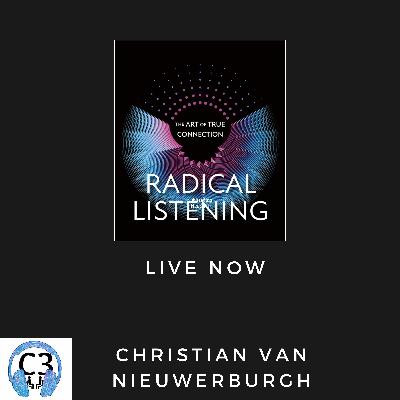
-Education is what Christian’s journey revolves around. “I am most passionate about education. I want to imagine a time when everyone has access to excellent education.”
That is what motivates him. He has reflected on how access to excellent education has impacted him, given him more opportunities, and his journey.
-Discovering coaching was a transformational moment for me. Coaching is the most respectful way to support people’s learning and professional development. And it's the most empowering way of doing that. Once I learned about coaching, there was no going back. My question became how can we use coaching most effectively in an educational setting. Then I learned the art of positive psychology which is the science of living or performance.
-As coaches we are supporting people to be at their best. By linking coaching, which is the methodology of helping others meet desired change, and positive psychology, which is the science of being at our best, we bring out the best in others.
Education gives us the tools to pursue our goals. It also helps us overcome barriers. Everyone needs a good education.
-There is something with each of us deciding what is the best contribution we can make. Some are amazing teachers… some are amazing leaders… Some are amazing support staff. Coaching matched my need to do well and my general approach to life. I love to see people succeed.
-Our jobs as coaches relate to other peoples’ successes.
-Radical Listening: THe Art of True Connection Book- Our job as coaches is helping others to be at their best.
-We hope the listeners are ensuring they are at their best.
-Radical Listening: Take what coaches already know and share it with a much larger audience. It expands to so many more professional roles that could be enhanced by better listening.
-One of my biggest strengths is that I am a learner and co-authoring with someone else can be such a remarkable learning experience.
-Connection to the C3 Podcast: Connecting Coaches’ Cognition, and the subtitle of the book is ‘The Art of True Connection.’ Listening is not reactive and it is actually proactive. We can use the skill of listening to connect with other people.
-Radical Listening- We see listening as a two way interaction.
-Work with each other in partnership to pull someone forward.
-In the moments that are the hardest to relate, reach out, and be able to engage can be the most powerful.
-Radical Listening Book is very practical. We are all good listeners already. We listen in empowering and powerful ways to others. Start with an intention. Imagine you are about to go into a scenario, take a moment to think, what is my intention in this conversation?
-3 Social Intentions: Connect, Appreciate, & Influences
-3 Cognitive Intentions: Understand, Solve, & Listening in Order to Learn
-Depending on our intention we listen in different ways.
-Solving is a trap- when they really want to be listened to, not find a solution.
-Notice barriers of our listening: What can get in the way of our listening to others? -Time? - Time Poverty -I know what is best in this situation? -Internal barriers or internal dialogue
-Quieting and Quietening - one of the skills to be a radical listener is to create an environment for the listening to happen, the other is to create an environment that is not full of distractions. Difficult in education but minimizing what we can and shielding the conversation. Trying to show the conversation is important for us.
-Skill that is challenging is interjecting. We think - don't just go quiet or not speak. Jump in and engage. It helps to build this sense of rapport. Some programs say to not do this, but if I don't respond to those big emotions it breaks the sense of being with the other person. It is all the nonverbals. It is a building of rapport.
-Build up the energy of the conversion by connecting with them. Finesse and optimal matching required with discernment.
-Making sure the way we are listening to the person helps us to best be most helpful for our conversational partner.
-All of us need to be careful that fidelity to the intervention does not get in the way of the best interest of the client. Finesse is needed. Put the client first. It is based on their belief that they know what is best for them.
-Radical Listening involves that we can listen to people in a way that builds rapport and relationships. And sometimes putting the relationship and rapport first can be really powerful. The message behind Radical Listening.
- Start by having dialogue. Unlock starts by trying to validate, understand and appreciate where you are coming from. Can learn from you. I hope it has a broader application as well.
-The motivation for this book is Radical Listening
Applies in a professional context but personal as well. Something you can do straight away. What is my intention for my next interaction I am going to have?
-Are you applying this to the most important relationship that I have? Sometimes in those relationships we have had for longer so we get into habits, we are not as intentional as we could be. These people deserve our full attention. How am I listening to my partner, my best friend, or my colleague?
-Listening in this way can have a transformational impact.
-Listening is the intervention. We don't have to listen so that other things happen. Listening is the first step. That's the thing.
-It is fundamental as humans to connect with one another. Allocate more time to listening.
-Radical Listening with our pets.
-Everytime we listen it is an opportunity for connection.
And sometimes we miss that opportunity.
-Children and listening and needing to be acknowledged.
-Coaching is about creating ideal environments for learning.
-What’s important is going on for you right now? And being interested in that. Not saying “What’s going on?” “How are you?” - Really caring beyond.
Connect with Christian:
-coachonamotorcycle.com
-@coachonamotorcycle - YouTube
-Barnes and Noble - Radical Listening
-Amazon.com - Radical Listening
Episode Notes:
-Served in a wealth of roles within education from teaching, coaching, to administration.
-Contract work for curriculum companie and Senior Consultant for Learning Forward
-Mentoring Program through Learning Forward- a learning cycle with three parts. 1. Diagnose 2. Coaching Support 3. Monitoring Progress and Reflect
-The mentors only goal is to help the mentee grow professionally. You have to communicate effectively through listening, paraphrasing, questioning, and giving quality feedback.
-Work life balance and time management are two big factors that can be barriers for new teachers, as well as big behaviors.
-We can support and retain teachers through the use of a specifically assigned mentor. Also having a good, collaborative team can be a huge difference in morale and make you not feel alone in this difficult job.
-Monthly mentor/mentee check in meetings are also powerful in supporting our newest educators.
-This job does not get easier, you just get better - because you have more tools and resources in your toolbox.
-Establish strong and trusting relationships. Develop partnership agreements to foster that strong relationship- sets the purpose of the relationship.
-We assign mentors as soon as is possible. We want to be proactive in building that relationship and that they are part of a team and a culture.
-Mentor check ins - agenda - and tailor to strategic points in the year to ensure we are checking in and providing support. Your success is our success!
-Observation and feedback are essential to growing as an educator. Utilize SMART goals between mentor and mentee. Make it timely and attainable, so the mentee can feel that success in a timely manner.
-Coaching is a way to scale your impact, a way to impact more students through educators. Every educator needs a coach.
-If you could fix one thing about this situation, what would it be? If you could wave a magic wand and it would fix the hardest parts of this situation, what would it be? In a perfect world, what would this look like?
Connect with Leslie:
-X: @ldhirsh
-Learning Forward Consulting Services
-Mentoring New Teachers: A Learning Cycle Approach go to LearningForward.org —> Bookstore

Coaching is intentionally building skills, showing and modeling best practices, and intentionally training people to be better.
-His work has been in some of the most difficult zip codes to work in. They see coaching in more of a model practice. They define clear directions.
-Sky Rocket Your Teacher Coaching (Skyrocket Education and Rebel Culture)
-Intentionally building the relationship, and finding out about them as a person, realizing there is an amazing human here. Their perceived resistance from this person was actually just them wanting to know how to get better and not liking conversations that felt cloudy, they liked straight talk. Knowing what works for people and what doesn't is needed. It is powerful being able to connect with people and have them trust you.
-Relationships are at the heart of our model.
-Expertise is something that builds relationships. When someone can put their trust in you. No teacher wants to waste their time. Relationships are built when one person feels like they are in very safe care with the other.
-Accountability, a promise that we make to each other, it is important, like any relationship. I can count on you and you can count on me. Shared expectations for success can be pivotal. Set those expectations to be able to hold each other accountable.
-We think of schools as high reliability organizations, like airlines or hospitals, when adults make mistakes people get hurt - short term or long term. To hold people accountable, we have to do that on the front end. Let's discuss what we previously agreed to.
-Shared accountability to maximize time.
-We need to commit to doing these things together, and then we can hold each other accountable. It can be the kindest thing you can do for someone.
-It is never too late to set shared expectations in a coaching cycle. What do you need from me to be successful? Or just start this in the next cycle.
-AI and coaching
-Coaching vs. support
-What is the problem you are trying to solve right now?
Connect with Michael:
-Skyrocketed.org or Rebelculture.com
-michael@skyrocketed.org or michael@rebelculture.com
-Instagram @michael.sonbert
-LinkedIn - Michael Sonbert
There is nothing more powerful that we can do, than knowing our own selves. When we know ourselves, we know how our past affects our present, and forms our vision for the future, and we are so much more empowered!
-Lonely and isolated, she entered into the profession feeling unsure of what she was doing. Belonging and acceptance was the core, as well as building community. That commitment continued in coaching, as a leader, and now as a facilitator of learning spaces. It is one continuous thread as a result of my experiences as a kid.
-I value that commitment to creating community as well as belonging and a sense of acceptance.
-I work from a way, the actions take help to build to reflect and the connection or community.
-I am aware of the fundamental need for psychological and social safety and connection.
-My commitment and vision in my work is to help people thrive. The core needs are belonging and connection.
-I have created a community in my life. Classroom community is everything. Feeling valued is everything.
-Knowing and Doing Gap - We know we want this but not sure how to make this a reality.
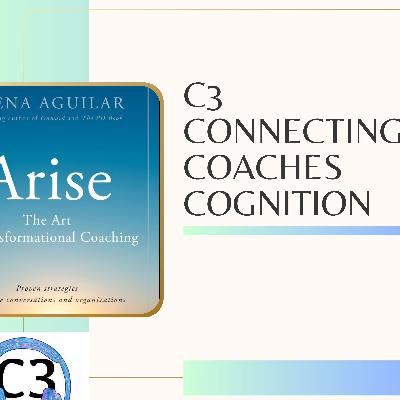
-Arise Book- Tell people exactly how to say this and what we do. We need granular instruction.
-We are humans, we get activated, we have emotions. My work comes in when we have to get very specific with people. Try this, say this, do that, shift these beliefs, explore this way of being that you may be acting from.
-Transformational Coaching Rubric: The rubric and model differs from traditional models as it is way more holistic. It encomapasses what it means to be a full range of what it means to be human working in schools both personally and professionally. The new rubric reflects the expansiveness of the model. It is intended to be a guide to cultivate their own growth and development. The rubric names what is most important.
-Cultivate your own responsiveness within the model.
-Emotional Intelligence?- Explore your why!
-Window of presence - indicators of emotional intelligence.
-How do we bring our past into our presence?
-How do we schedule ourselves? Physical movement between coaching sessions.
-Build trust and relationships as a coach.
-Resistance is fear.
-Empathy and compassion - activate
-Be appreciative and curious - build resilience!
-With resistance- build resilience and your perception of others. Let's find a place in ourse;lves where we feel compassionate!
-Let's be human with each other…
-What is possible? We can have conversations.. We can have real connections…
-Resistant vs. showing up defensively, because they are afraid.
-Let’s get curious. Empathy. Humility. Curiosity. Be Open.
-Cultivate awareness of yourself. Say things like “Am I getting this right? Can you help me to understand? I am appreciative of that!
-Strategies of resisting trust - always at stake- true honesty and courage. Repair trust
.
-Cultivate awareness of yourself, be compassionate and aware!
-Naming can be powerful.
-Be appreciative, curious and most importantly listening.
-Build resilience when the well seems low !- Let's start with your perceptions of others. Recognize resistance is fear and can we find a place in ourselves that is compassionate? Feelings of fear are the worst!
-Can we be human with each other?
-We need educational transactions, where there are partners and curiosity and compassionate.Let’s reflect on how we interact with one another. Let’s consider these possibilities
-What’s possible here and who cares? Who do I partner with? What is possible?
-Learning Library consists of skill sessions.
-Connect with Elena:
Twitter: @brightmorningtm
Podcast: BrightMorningPodcast
Website: https://brightmorningteam.com/
-Coaching is seeing a person who is carrying the weight of life, and finding their way. This model is so respectful. It is about people making progress and positive changes.
-Every industry needs coaching.
-An expert is the person who experimented and failed the most. Seeing people as the experts in their lives.
-Dialogic Orientation Quadrant ( DOQ) - organizes the content you are listening to. Its function is to map the conversation. Utilizing a time line and a preference line to map what you hear. Preferred future, resourceful past, troubled past, and dreaded future are the quadrants. Which quadrant do you want to grow?
-Coaching A to Zed - Extraordinary Use of Ordinary Words We use many of these words every single day to create that extraordinary shift.
-Rest as resistance
-Suppose that did change, what difference would that make for you? What do you want instead? Better to approach what we want, than avoid what we don't want. Let’s suppose instead of impose. Keeping the conversation anchored in reality.
-You don’t know. You don’t know, yet. What do you think would be useful to know? What can you do about it?
-Supposing and scaling questions. Ask how you get up to that number. It helps them to see their progress of how they have gotten to this number. How do we honor their existing progress while not pressing on for more?
-Coaching is curating, not narrating, but curating and co-authoring the preferred stories of our client's purpose, possibilities, and progress.
-What did I just hear the person say that they want?
Connect with Dr. Moon-
LinkedIn -Haesun Moon
https://www.briefcoaching.ca/hsm
Jim Knight is a founding senior partner of the Instructional Coaching Group (ICG) and a research associate at the University of Kansas Center for Research on Learning. He has spent more than two decades studying professional learning, effective teaching, and instructional coaching.
Knight has written several books and his articles on instructional coaching have been included in publications such as The Journal of Staff Development, Principal Leadership, The School Administrator, and Teachers Teaching Teachers.
He directs Pathways to Success, a comprehensive, district-wide school reform project in the Topeka, Kansas, School District and leads the Intensive Instructional Coaching Institutes and the Teaching Learning Coaching annual conference.
Michael Faggella-Luby, PhD, is a professor of special education and core faculty of the Alice Neeley Special Education Research and Service (ANSERS) Institute at Texas Christian University. He is also a past president of the Division for Learning Disabilities (DLD) of the Council for Exceptional Children and an associate editor for the Journal of Learning Disabilities. His primary research embeds cognitive learning strategies into subject-area courses to improve reading comprehension for all levels of learners. He has received two national awards for his research, has written 59 scholarly publications, and has presented 90 sessions at national or international conferences.
–Impact Cycle- Universal model for change- Identify- Learn - Improve - ten years of careful study.
-Identify stage- Where you are? Where do you want to get to? And how are you going to get there?
-Improvement - Try things out and figure out what does and does not work. Data makes the invisible visible. Data tells you if you are on track or off track, it is your GPS through the coaching cycle for their learning.
-Data is data, there is no good data or bad data. Data tells us about student learning. Is the data somehow tied to professional learning? Data that is collected and chosen by the teacher. It helps to create that collective dialogue.
-The objective data could be around engagement, teacher to student talk, levels of questioning, or so much more. More heads analyzing the data is better than one. Keep making adjustments and improvements. Collect and review data frequently. Think about engagement or achievement.
-The data helped her see every student. No child was left behind.
-Big data - standardized tests can tell us who is consistently benefiting over time. Big data has a big view. Small data is the sweet spot. Teachers identify the data they want to collect to have those micro influences on the small data which can lead to changes in the big data over time. Small data can make a big difference.
-Engagement: behavioral engagement, cognitive engagement, or emotional engagement. All data is imperfect. Match your assessment methodology to the kind and level of learning you are wanting to see.
-A.I. and the ability for it to remember such huge quantities of information. It is good for specific tasks. Audio files of their teaching. ChatGPT is constantly evolving. It will always give you an answer but it may or may not be what you are looking for. It has enormous potential but it does have limits. It will never replace the teacher or the coach.
-Coaching is helping others unleash their potential. Coaching is also about keeping kids first and doing what is best for kids. Having an unmistakable positive impact on the lives of kids.
-A coach is saying I am right there with you. Just asking some questions helps you to be the very best of what you can be.
Connect with Jim and Michael:
-https://www.instructionalcoaching.com/
-@Jimknight99
-@strategicdoc
-https://coe.tcu.edu/about/faculty-staff/view/michael-faggella-luby
-jim@instructionalcoaching.com
-Art and Bob have worked together for over 40 years at California State University at Sacramento. Cognitive Coaching was born through this relationship. ‘We have these things in common, let's talk further.’
-A coach is used in many different ways, typically in an athletic realm. There is a distinction between these types of coaches and cognitive coaches. A coach is a person who, alongside the person being coached, helps mediate between the person and the experience. The coach helps the coachee pay close attention to the actual experience and all of its dimensions including their own thinking processes, as well as results. The coach is like a median on a highway. The coaches’ intention is to support self-directed continuing learning for individuals. The coach intervenes in the thinking process of the educator.
-Teachers have a map in their mind of where they are and where they are going. They have a plan of action and want some outcomes and have a vision of their kids in their head. A coach tends to illuminate that and make it more explicit, more refined and bring forth thought processes that the teacher may not have thought about. This would happen before the teaching or after the teaching has happened. The coach could discuss with the teacher prior to teaching, after the lesson to reflect on the lesson and learn from it to carry forth their learning. It is a continuous growth cycle. The coach facilitates this cycle to plan and reflect to engage in ongoing learning.
- Deeply buried in the teachers' experiences, knowledge and passions they have answers to their own questions. Teachers can find the answers within themselves. The goal is to build autonomy. Coaches do not need to supply answers. Eventually the goal is that the teacher takes over this reflection and they coach themselves in order to turn over the coaching to the educator. We don't want to build dependency and instead we want to build autonomy. Cognitive Coaching is a developmental process that keeps on going. We are building self efficacy to be self-sufficient with their own innovations, creativity, and generate new and exciting ideas.
-States of Mind: Flexibility, Efficacy, Craftsmanship, Interdependence, and Consciousness. Coaches help others develop these capabilities.
-Positive Presupposition is needed. People act the best way they can in the moment. Communication is a vehicle for important messages. We pay close attention to the total message of what we are receiving. We can detect exactly when someone has moved from distress to eustress or had an ‘ah-ha moment’. We have to live in a place of deep trust and rapport to do Cognitive Coaching well.
-New technology and A.I., as well as great demand on diversity in schools, made it so they are re-examining where Cognitive Coaching fits. The role of the coach is being shifted by A.I. What does Cognitive Coaching look like for the 22nd century? They are under study on how to adjust to those changes while never losing the human capacity to relate to one another.
-We are learning in Cognitive Coaching how to be true, deep listeners. We don’t interrupt, we do not agree or disagree. It is an expression of love and humanity. It is an expression of you are not alone as we move through this crazy world. We believe that Cognitive Coaching goes well beyond the schools or the coaching setting. It helps to create a more loving environment and a better humanity. We dedicate ourselves to that goal as it is what the world needs now.
-They have a new book coming out this year. It hones in on key principles and values of Cognitive Coaching and how they apply in different settings: business, health sciences, clergy, and other differing fields.
-We need to make an effort to maintain our best intentions and best services.
-Advice to a coach - The transformation when you learn Cognitive Coaching is like a new illumination and a real mind shifter. You give up old ways and adopt new and more powerful ways. It builds strengths, fortitude, and commitment. It is a gradual transformation and builds a new coherence in your life. It gives you a new outlook. It is a transformation of your thinking.
-Have patience with one’s self, patience with how it takes time to learn some of these skills, and patience in finding collaboration in the journey. There is something about learning in a group, in which the group is learning to help each individual, and simultaneously each individual is learning to help the group. Each profits from each other’s thinking. The interchange is so important.
-Coaching is a service leadership type of role. We believe if the other person comes first, the learner. Then we all learn as a result of that process.
-The Thinking Collaborative is an organization mechanism in which people are trained to coach, learn aspects of coaching relationships, seek support, and spread this work.
Connect with Art and Bob-
-https://www.thinkingcollaborative.com/

-Connections Over Compliance- Our nervous systems are social systems. The educational system consists of us being with other people all the time. COVID created a huge social loss. It is even more relevant in this time.
-Attachment builds the brain. “We work for people we like; we respect people who respect us.”- Rita Pearson
-Touchpoints where you resonated with each other, student and teacher. It was through relationship and discipline. Relationships are key to making forward progress.
- Trauma logic, relationship resistance. Patterned, repetitive experiences learning how to create, serve and return between two people.
-Neuroplasticity - every experience that we encounter has the ability to structurally and functionally change us. Growth mindset and accessing the executive functioning.
-All behavior is a form of communication. All behaviors are indicators and signals from the nervous system. ‘I can learn a bit more.’
-Modeling, Co-teaching, and support for educators. Walking side by side with educators.
-Connections over compliance through revelations in education.
-Self-reflection: retreat and take some breaths to compassionately detach so you can be fully present.
Connect with Lori:
Website: revelationsineducation.com
New Book: Intentional Neuroplasticity
Body and Brain Brilliance Book - Coming soon
Tricia McKale
Show Notes:
-Preparedness meets lucky opportunities - Middle school teacher turned Instructional Collaborator via Jim Knight.
-Working with adults with a lot of trial and a lot of error. Found that the behavior management system was getting in the way of us doing instructional coaching. Behavior is where my life is at and I was a Tier 3 student in school.
-C.H.A.M.P.S. - Conversation. Help, Activity, Movement, Participation, Success. Think about different modes of learning throughout the learning day. That is one portion of a really comprehensive behavior management plan is your expectations for instructional activities.
-Moving toward and a real emphasis on the S.T.O.I.C framework. S.T.O.I.C. is a culmination of all the variables of some level of power and control over. How do we set up a system of observation to provide feedback to children? An umbrella under which C.H.A.M.P.S. belongs.
-All the acronyms - We need to clarify and unpack all the packages of those acronyms for our new teachers and all of us. We need to find a way to navigate through them fluidly to best serve the needs of our kids and educators.
-Creating a system or framework of support for all staff. We want teachers to apply it in order to have an unmistakable impact. Truly MTSS as leaders and coaches- comprised of both evaluators and nonevaluators to create that for staff. Let leadership teams proactively build that staff support.
-Behavior support is an underpinning to good instruction. However, if you have good instruction that may eliminate many big behavioral issues within your classroom. How to leverage Coaches within Tier 1? Where are we having system challenges? Systemic change is the key to change over time.
-Interdependence between honoring your administration, your system goals, and your educators, “How do we navigate this system-rich environment?” How do I actively engage this group of kids?
- Can you create a sense of urgency without a sense of overwhelm? Is that possible? What are the small steps? What were the expectations not being met?
-If you were to coach someone who was going into coaching and you could only say what you could say, what would you say?
-Lets look at the system in which coaching was occurring.
- If you were to say someone was headed into coaching and they had one hard thing to face, what would you tell them? How do you find the interdependence between balancing administration and system goals while honoring them, as well as the teacher in front of you, and respecting the finesse, and nuance to help each other all see each other’s perspective and build that remarkable synergy?
-Validate all entities, and rock the boat, while staying in it. What are our true beliefs? What are those really big challenges? How might we master the communication challenges to make that happen? We have much more in common than we have in different. Shut off the advice monster.
-You have to suspend the idea that you have all the answers to push forward.
- We do the best we can. Of course, it is difficult to receive constructive feedback of any kind”: we have to stop thinking of ourselves as perfect entities. If we think of ourselves as “goodish entities” then we are on the right path!”
-Stop solving, start asking, efficacy! Our goal is to bring out the efficacy in others. Stop solving, start asking.
-STOIC Screener in the book to help provide that data as a third point in a coaching conversation. How to coach various coaching situations.
-It is not us, it is always them. You took the tools, ran, and put them into place. Small changes made such a huge difference. Use a solid research-based approach through a coaching dialogue.
-Holding the individual and the system all in one is pivotal.
-Meet attack with inquiry.
-We tried. Master the starfish effect. Make a difference to that one. The day-to-day wins have to be enough to sustain you.
Connect with Tricia:
safeandcivilschools.com
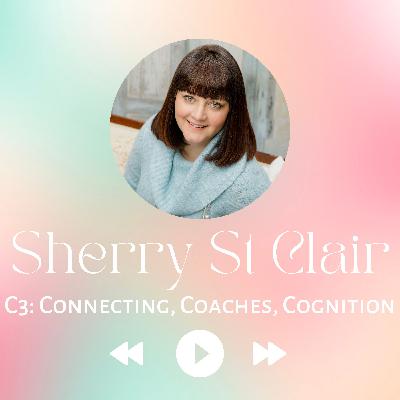
Sherry St. Clair is the founder of Reflective Learning LLC, an educational consulting agency based in Kentucky. Her organization works with schools around the world, creating specialized training and coaching services for school administrators and educators. She holds a master’s degree in Instructional Leadership and a Rank 1 in Instructional Supervision.
Sherry has served as a Senior Consultant for the International Center for Leadership in Education and Houghton Mifflin Harcourt. As an international consultant, Sherry draws from her rich experience at various levels of public education–teaching elementary school, being an administrator in a high school of 1,300 students, working as a state consultant, and creating and facilitating virtual courses. Sherry is a highly regarded national speaker and consultant, providing educational agencies with expertise in instructional leadership, effective classroom practices, classroom walkthroughs, effective use of data, and guidance on how to create structures for successful classroom coaching. Coaching schools to best meet the needs of all students is Sherry’s passion.
Sherry is a contributing author to Effective Instructional Strategies Volume 2 published by the International Center for Leadership in Education and 100 No-Nonsense Things that All Teachers Should Stop Doing. She has published numerous professional learning activity guides and facilitated webinar series focused on leadership and effective instructional practices. Additionally, Sherry developed virtual instructional workshops for the CTE Technical Assistance Center of New York. In partnership with the Successful Practices Network, Houghton Mifflin Harcourt, and The School Superintendent Association (AASA), Sherry has recently been a part of bringing innovative practices to scale. Her publication, Coaching Redefined: A Guide to Leading Meaningful Instructional Growth, was released in June of 2019.
Show Notes:
-Intentional coaching is to help both teachers and coaches think about the intentional steps needed to grow in a given area.
-Take smaller steps towards those big goals and be intentional with those steps. What is one small change you can make? Go on a journey to grow from where we are and keep moving forward.
-Student discourse- If we don't have student discourse in a classroom then where do we start? If we have a little, how do we start? The book's purpose is to look at what is out there in research around proven ways for students to learn and think about how we can help teachers implement those effectively in their classrooms.
-Students need to feel safe and have time for those academic conversations. Coaches need to think of the small incremental steps a t teacher can do to meet the true student discourse and big gains in student learning.
-When we don't layer on so many things on our teachers' plates and instead have an intentional focus on those small steps, we see huge growth.
-Coaches have to be a filter for things happening within their school system and it is truly an honor. You have to keep in mind the broader goals of the school. How do I pull all of that together?
-We only keep trying to get better and better. Just keep swimming. Let it go. Shake it off. Just keep moving forward. Just keep improving a little bit more each day. There are some days you can run fast towards your goal. There are some days you can walk towards it. And there are some days you need to just rest. And it is all about moving forward.
-Be mindful of the listening tour as a coaching superpower. Being female is powerful. We are compassionate as instructional leaders.
-Autonomy, Mastery, and Purpose
Connect with Sherry:
Website: Reflective Learning, LLC
Twitter: @Sherrystclair
Facebook: Sherry St Clair
Instagram: Sherryst.clair
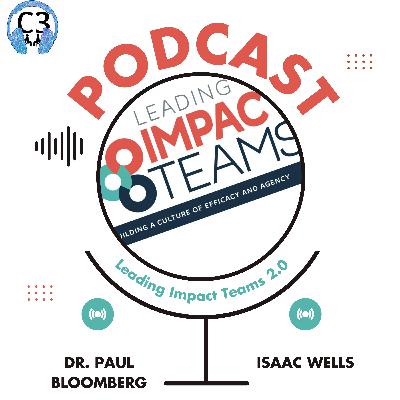
-Leading Impact Teams: Building a Culture of Efficacy and Agency -New book - we wanted to share more of the explicit ‘how', as well as making sure equity is up front and present in this edition. It is infused with culturally responsive sustaining education practices that are asset based, where we look at assessments through the theme of culture. We all have different cultures and are coming together in a classroom. We can honor the cultures of the different people within our classrooms or we can deny them and assimilate and be one. It is better if we honor each person's cultural backgrounds and we make more connections and we learn more.
-What is inquiry? What is it and what is it not? If we want our students to have agency, then our teachers have to have agency too, all while meeting school goals but having flexibility. How are we going to contribute back to where and how we learn?
-At Core Collaborative we practice what we teach. We are always learning and reflecting. We are taking input from so many different sources, a massive learning community.
-Efficacy’s 4 sources: safety, models of success/success criteria, feedback, and mastery moments. Agency is the opportunity and ability to take control of your own life. To make decisions that help yourselves and help others. Looking towards collective teacher efficacy.
-Teachers have influence and agency over their classroom. Goal consensus, teachers gathering with the principal. Are we actually looking at the data collaboratively together, brain storming what our goals could be as teachers, and creating those goals collectively? Having cohesion, where are we going three years from now? We need agency over what we are doing within our schools. Are our interventions quality? Self efficacy moving to teacher collective efficacy.
-Design thinking to enhance PLC work. Starts with the core, empathizing with your client- your students, parents, and teachers. We started doing a lot more empathetic interviews to be better and be able to understand the root cause of the problem because we were talking to the people who the problem mostly impacted. Empathy and prototyping phases really set this inquiry apart. This work really excelled our work within high school PLCs.
-We have to honor parents on their terms, honor their culture and the way they see education. We need not to make it about what we need, but about what do you need? What can we do better for you?
- As educators, we need to acknowledge the cultural strengths that kids already have. These strengths can be used as a source of knowledge to build from. The asset based approach is vital.
-They are already whole. We have to speak about them as whole people. No one in the room is broken, you all are totally whole. The system is broken. The more that we look at our deficits, the more we find.
-Learning is a partnership and it happens socially before it happens academically. At the heart of the model is to develop self empowered learners and that is another way to think of agency. Students who are able to live in the world with a belief that they can have an impact on their lives and the lives of others with the power and spirit to take chances and try that.
-Teaching kids how to learn to learn.The better you understand yourself, the better you are able to understand others.
Connect with Peter and Isaac:
www.thecorecollaborative.com
@thesocialcore or @corecollaborative
Facebook - Search Leading Impact Teams
 1
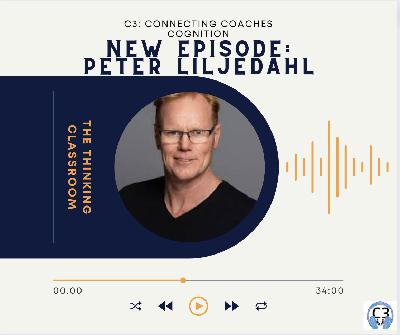
1-Building thinking classrooms- around the notion that students spend time in classrooms not thinking. Many structures are not designed for thinking, and instead for conformity and compliance. 15 years of research before the book, and the research continues.
-One of the least conducive places to have students do thinking is at their seat writing in their notebook, but one of the most conducive spaces for students to do thinking is standing in random groups of three, at a whiteboard or something vertical and erasable. It is about getting them up and thinking.
-Task in relation to the student. If we want our students to think we have to give them something to think about. To be a thinking task it needs a particular relationship to the student.
-The whiteboard is a better space for that thinking to manifest. Everyone has to be able to access the task.
-Whiteboard- Everyone is oriented with the work the same way, they can see other students’ progress, I can access their learning more readily, I as the teacher can intervene right now. Standing is just so much better than sitting. When students are sitting they feel anonymous. The further from the student, the more anonymity. When they feel anonymous they are more disengaged.
-More engagement from a question if written on a whiteboard, as opposed to printed on paper.
-You have five minutes. They are with you on your feet and talking to each other. Research shows beyond five minutes, the more passive students become and the transition to being an active learner is harder.
- In a thinking classroom you say the minimum possible to start question number one. Then we can give them another question and another. We can never unsay what we say at the beginning. The moment we tell them how to do it, we have sucked the thinking out of the task. Need to bring order to their thoughts.
-Mimicking: Template for exactly how to do this problem. Mimicking is not the same as thinking or learning. It is mastering or memorizing routines that they truly need to make meaning. Students take the process and plug it into the template teachers present. Mimicking always runs out. How do we break these habits? How do we help students and ourselves break these habits? We have to break the habit ourselves and then support them and give them success.
-Students don't listen to what we say, they listen to what we do. When teachers are too perfect, students try to be too perfect.
- I can’t hear what you are saying, your actions are too loud.
-Divergent vs. convergent thinking - Gallery walk. The teacher is the guide and we are taking a tour. We are going to look at little portions of the boards. Present the tentative learning with students. Others talk about the board work, we invite them to think about it and draw conjectures about what it is, and then that creates a thinking discussion about this and engages in a variety of different boards this way. Are they thinking?
- We are the educators, we are creating the experience. We are very deliberate about what that experience is.
-Random groups - creates a space where students can actually learn from each other. Random groups is the engine to make all of this work.
-How can I help teachers’ notice things?
-Try to pull from teachers something that is absolutely positive about what they already do. What is the best lesson you ever taught? How do we amplify their successes instead of the urgency of the immediate?
Connect with Peter:
Buildingthinkingclassrooms.com
Facebook: Groups→ Search “Building Thinking Classrooms” and find your group 50+
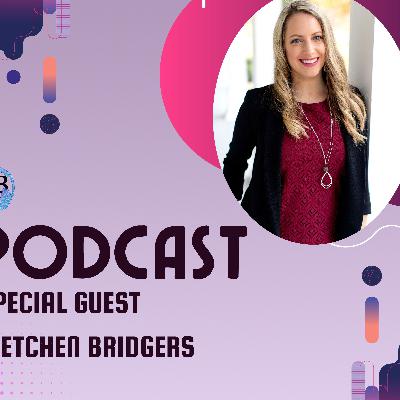
Gretchen is a National Board-certified elementary school teacher from Charlotte, NC.
In 2006, Gretchen received her bachelor’s degree at Marist College in Poughkeepsie, New York. In 2010, she received her master’s degree in Curriculum and Supervision from the University of North Carolina at Charlotte.
Gretchen taught grades 2, 3, and 5 before transitioning into the role of a New Teacher Development Coach for The New Teacher Project [TNTP]. During this time, she also published her first book for new teachers called “Elementary EDUC 101: What They Didn’t Teach You in College” to help prepare future teachers for the realities of life in the classroom.
For more than a decade, Gretchen has passionately mentored and coached educators, led professional development experiences for school building staff, and presented at district and national conferences as the owner of Always A Lesson. Her impact continues to amplify serving educators worldwide through her blog, Empowering Educators podcast, classroom resources, professional development courses and personalized coaching opportunities. She has since co-authored a book with over a dozen other elite educators called “Teachers Who Know What To Do- Experts In Education” to share proven strategies that transform classrooms and leaders around the world as well as written her third book “Always A Lesson: Teacher Essentials for Classroom & Career Success” that comes out Spring 2024.
Whether you’re teaching a lesson or learning one yourself, there’s Always A Lesson.
Show Notes:
-Strategies for super collaborative relationships, being an actual coach, under your leadership, and with your style.
-Time and consistency are key- -What worked in coaching? What can we replicate?
-Coaching debriefs: no tangents, time-stamp, be open and honest. We are protecting our time.
-That was a textbook example- super focus. You have to keep laser focus. Know what you are trying to accomplish and keep it consistent. Always connect it to the evaluation rubric.
-Name the thing that you notice, and add one thing they can do to improve it. The important piece is to reflect on what happened, and also name one thing to improve it!
-Transparency and understanding that we are both learners is so huge! 4 aspects of instruction and order matter, pay attention to the sequencing. Lesson design as opposed to lesson planning. Do you do them consistently at a high level? Logistics and details?
-Get to know your teachers and see where they are at. Please be present in the building. Be aware of the culture, keep tracking, and build in results. If you can set the system up for yourself, especially in a quantifiable way, make sure to show your impact!
-GO BE GREAT! - You are now empowered more than before!!! Do it and do it well!
-Truly listen and ask deep questions.
Connect with Gretchen:
Alwaysalesson.com
New Book Coming Soon: Teacher Essentials for Classroom and Career Success
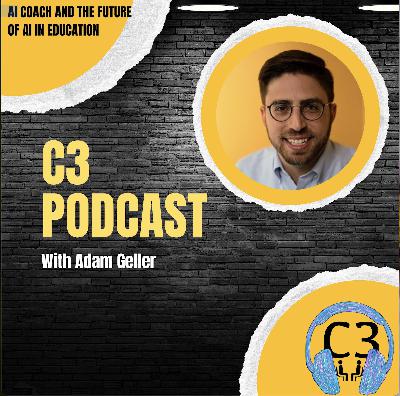
Adam Geller is the founder of Edthena and author of Evidence-Based Practice. He started his career in education as a science teacher in St. Louis, Missouri. Since 2011, Adam has overseen the evolution of Edthena from a paper-based prototype into a research-informed and patented platform used by schools, districts, teacher training programs, and professional development providers.
Adam has written on educational technology topics from various publications, including Education Week, Forbes, and EdSurge. He has been an invited speaker about educational technology and teacher training for conferences at home and abroad.
AI Coaching is a video on the left, and the AI Coach acts as a guide on the side to help teachers observe themselves. It is a (chat style of communication), not telling a teacher what to do, but rather asking questions and opening the doors so that they can walk through them and learn about themselves.
Lack of bias with AI Coach, never switches from facilitative to directive coaching.
This is the coaching that can happen between real life coaching. It helps to empower educators to own their own professional growth.
The coaching conversation can start and stop as needed for the educator who is investing in coaching. A real pause button.
Double take moment for Adam: Survey information was presented, a 30-year veteran, was skeptical and was also impressed with the process and learned about her students in her classroom.
“Ah- ha,” moments analyzing video - seeing the things we don't see. It highlights the true goal of professional learning. We all want to continually increase effectiveness. The power of this tool is huge and given what they have been asking for all the time.
-Continuous improvement over time… improve small nuances.
Creating a place of safety for those teachers and professional learning contacts and coaching contacts. Creating a private space.
I am human and I have opportunities to be better. AI is impartial and has no bias.
Challenges- how do leaders ask to have AI-powered tools in our schools or classrooms? How are these moderated? How are these being implemented?
It is asking me questions as opposed to telling me what to do.
Personalization of PD - In-person and AI Coach
Edthena - AI Coach - what is coming for the next decade?
It is coming, ... Subject-specific, Pedagogically sound, questioning related exact things happening in that classroom?
Respect teachers as professional adults, and learners as well as give them a lot of agency!
FREE TRIAL OF EdthenaAI: tryaicoach.com/c3podcast
Connect with Adam Geller
Website:https://www.edthena.com/
pltogether.org
Twitter:@edthena
Evidence of Practice Book

Comments

Download from Google Play

Download from App Store
 United States