


 Claim Ownership
Experience by Design
Subscribed: 14Played: 298
Subscribe

© Experience By Design
Description
This is Experience by Design, a podcast that brings new perspectives to the experiences we have everyday. Does standing in line always have to suck? Why are airports so uncomfortable? What does it mean to be loyal to a brand? Why do you love being connected but dislike feeling tethered to your smart phone? Can we train people to care about the climate?
Join Sociologist Gary David and Anthropologist Adam Gamwell on an expedition to the frontiers of culture and business through the lens of human experience. We're here to make sense of the madness with leading psychologists, cognitive and social scientists, entrepreneurs, and business leaders.
Join Sociologist Gary David and Anthropologist Adam Gamwell on an expedition to the frontiers of culture and business through the lens of human experience. We're here to make sense of the madness with leading psychologists, cognitive and social scientists, entrepreneurs, and business leaders.
166 Episodes
Reverse
It was quite the weekend for Nordic skiing in the United States. The World Cup visited Lake Placid, NY, and I was there along with 14,000 plus other spectators to take it all in. We saw some of the biggest names in cross-country skiing take to the line and race in the snow and even in the rain. As an avid Nordic skier, it was awesome to see it all happen in a location that I have skied (although at much slower speeds).
One of the main attractions was the retirement of Jessie Diggins, the greatest Nordic athlete ever to come out of the United States. Her legacy however goes well beyond the Olympic medals and world championships. When she talks about her career and her impact, she focuses much more on the culture she helped to create on the US Nordic ski team, and the larger impact on youth skiing.
One of her trademarks is wearing glitter on her cheeks during her races. At the event, hundreds (if not thousands) of people were also wearing glitter. While perhaps a small symbol to some outside of this culture, it speaks to how the outcome of the race is not the only thing. Rather, it is the joy of participating in a community with others who share the passion you all have for this activity.
On her legacy, she said the following:
“I think the team is going to be just fine without me,” Diggins said. “And I feel like that’s how I know I did my job. There’s so much leadership coming from so many people, because this team is filled with individuals who have put their heart and their energy into the team and who spend time thinking about, How can I make this team better? Not just what can I get and how can the team help me, but how can I make sure that we succeed? And I think that is why we succeed.”
On the point of leadership, I welcome Dalmo Cirne to Experience by Design podcast. Dalmo wrote the book “The 4 Streams of Leadership: Transform Yourself into an Overachiever Manager.” In this book, he talks about how being in a position of leadership doesn’t prepare you for being a leader. People often are promoted into leadership positions because of their technical competence, but that doesn’t translate into effective leadership.
We talk about the overtaxing of middle management when placed into this position, and how it impacts those who are reporting to them. We discuss the concept of leadership and the importance of understanding and managing different streams in an organization, including downstream (team and projects), upstream (communication with upper management), and sidestream (interactions with peers in other departments).
Dalmo examines the nature of leadership, agreeing that while organizational hierarchy is necessary for making difficult decisions, true leadership is demonstrated through actions and behaviors rather than just position
Dalmo highlights the significance of understanding one's own motivations for seeking leadership roles, contrasting those who are naturally drawn to leadership with those who seek it for external recognition or financial gain.
Finally, we have some conversation about the properties of snow, including heavy and wet New England snow versus light and fluffy Colorado snow. And what better time to talk about snow and leadership than with the retirement of Jessie Diggins and the emergence of the next generation of Nordic leadership for US cross-country skiing!
Dalmo Cirne: https://dalmocirne.com/
Dalmo Cirne LinkedIn: https://www.linkedin.com/in/dalmocirne/
“The 4 Streams of Leadership”: https://www.amazon.com/dp/1510785183
Well we did it, folks! Experience by Design podcast has hit 25,000 downloads. I don’t know what all that means in real terms other than a lot of you like to listen to this on a regular basis. First, that’s a testament to the great guests who spend their time talking with me about their lives and their work. Second, it is a testament to you for being interested in these stories and the field of experience design. Third, I guess it is a testament to me, even though I don’t feel comfortable giving myself credit.
So thank you for 25,000 downloads. And I promise more great guests for the next year.
We have had a run of great episodes on employee experience, and it is one of my favorite topics to explore in experience design. In discussions of workplaces, the framing typically is either around the workers (at the bottom of the org chart) or the leadership (at the top of the org chart). When people talk about organizational change, it is framed as either ‘top-down’ or ‘bottom-up’. These formulations leave something important out: the middle.
In many ways, middle management often goes unresourced, underappreciated, and stressed. But it also is where things need to get done, and ultimate strategic success can depend.
My guest today on Experience by Design is the author of the book “The Elevated Leader” who talks about ‘the messy middle’ in organizations. Laurie Maddalena is first notable characteristic is that sociology was her favorite class. Along with that topic, we explore the challenges of having five generations in the workplace right now, and what that means for management and leadership.
She talks about the Six Saboteurs in the workplace, which she lays out in her book and consulting. We explore how there are no “hard skills” or “soft skills”, but rather just essential skills. The key goal is to create environments where people can do and become their best.
Laurie provides practical leadership tools with training that gives actionable tips rather than vague statements. She stresses the need for career paths besides leadership. We explore the evolution of human resources into being a strategic partner that are shaping the culture of the workplace.
Finally, we talk about while conflict is natural and necessary for team growth, the key is managing it constructively rather than avoiding it. Laurie also offers a free assessment tool to help leaders identify and overcome their specific saboteurs.
Laurie Maddalena: https://www.lauriemaddalena.com/
Laurie Maddalena LinkedIn: https://www.linkedin.com/in/lauriemaddalena/
“The Elevated Leader”: https://www.lauriemaddalena.com/elevated-leader-book
You probably know that there are a lot of podcasts out there to listen to. By one estimate, as of January 2026 there are 4.58 million podcasts. That’s a lot of people churning out content that runs the gamut of topics and guests. If you look at the podcast stats, you also will see that nearly one-third of podcasts are 20-40 minutes in length.
Which makes Experience by Design stand out in a somewhat unique way in terms of the length of my conversation with guests. Only about 15% of podcasts last an hour or more.
So why go for an hour when most podcasters go for a much shorter length? Stories.
Part of my goal here at ExD is to hear the stories that people have to offer, to learn about the people behind the products and offerings. I like to think about it like “Humans of Experience Design.” As an ethnographer, I like to hear people’s stories. I’ve also found that people like sharing their stories. In many ways, the manner in which we share stories is what makes us human, or more human.
My guest today knows all about telling stories. Bill Blankschaen is here to talk about his book “Your Story Advantage: A Proven Path to Maximize Your Impact, Influence, and Income.”
Bill’s background has roots in his study of English and History, both of which are rich in stories. He then found himself leading a private school. While rewarding, he felt a calling for something more, and that was to help people tell their stories. This led to his company StoryBuilders, “a creative team of storytellers who are passionate about serving people with excellence in genuine, high-trust relationships.” Bill and StoryBuilders provide coaching, assistance with writing, getting it ready for launch, and getting it in front of your audience. They have worked with a range of business leaders, political figures, cultural influencers, and many more, helping to tell their stories and get their message out. Bill also is a multiple New York Times and USA Today bestselling writer and business founder.
Bill and I talk about the path to finding purpose in life by engaging in your passion. We explore writing as a journey of exploration rather than just a final product. Bill relates about working with people who have a clear vision on what they want to do, as well as those who just have the desire to tell a story but not quite sure how. We also talk about the emergent area of hybrid publishing. While self-publishing has become more accessible, it’s still important to ensure quality and align publishing strategies with the author’s goals. He also emphasizes StoryBuilder’s approach to customize the publishing approach to each author’s needs.
Finally, Bill talks about the role that AI is starting to play in the writing and publishing process, and how it should compliment creativity rather than replace it.
StoryBuilders, LLC: https://mystorybuilders.com
Bill Blankschaen LinkedIn: https://www.linkedin.com/in/billblankschaen/
“Your Story Advantage: A Proven Path to Maximize Your Impact, Influence, and Income”: https://www.amazon.com/Your-Story-Advantage-Maximize-Influence/dp/1954521901
Once again, we are living in a time of military conflict. It seems like it is something that is inescapable, which is enough to make one who wishes for better to lose hope that it is possible. It can start to feel pretty overwhelming given the amount of suffering that continues to go on without reprieve.
This once again introduces the central importance of dispute and conflict resolution in our lives. It also emphasizes the importance of those who have the skills to help us navigate conflicts and dispute in order to come to some kind of outcome that is fair and equitable.
In this episode of Experience by Design, I’m fortunate to have Colin Rule, CEO of ODR.com, with ODR standing for online dispute resolution. Colin is the author of the book “Online Dispute Resolution for Business.” He also was the Director of Online Dispute Resolution, meaning that he has seen more conflict than the most experienced global negotiator. Colin shared insights from his experience at eBay, where they managed 60 million disputes annually across 54 countries, emphasizing the need for a fast and fair resolution system to maintain trust in online marketplaces.
We talk about his early stage appearance as Tevye in “Fiddler on the Roof” in high school, and his involvement in the debate team. He describes how debate influenced his desire to form authentic and genuine belief in his arguments. Colin explains how his interest in peace studies developed through mediation training and his understanding of conflict resolution as a form of peacemaking.
Colin shares personal experiences where empathetic listening resolved a long-standing dispute, highlighting the value of authentic apologies and understanding. We also discuss the concept of fairness and justice, especially in an era of artificial intelligence. Colin suggests that AI has transformed the landscape of dispute resolution, and while this change is irreversible, it presents new challenges and opportunities for the field.
In a time of needing greater dispute resolution to end conflict, it is a great moment to hear from Colin’s work in creating dispute resolution experiences.
Colin Rule: https://www.colinrule.com/
Colin Rule LinkedIn: linkedin.com/in/crule
“Online Dispute Resolution for Business”: https://www.amazon.com/Online-Dispute-Resolution-Business-Employment/dp/0787957313
The 2026 Winter Olympics are now over, and it was great to watch. As always, there are a lot of compelling stories that happened. There are stories of triumph and disappointment, as it goes with sports. It is hard to imagine putting so many years of your life into something to have it all turn on minutes or seconds.
There were a lot of athletes that were projected to win gold, including Jessie Diggins who is the greatest US cross-country skier ever. However, no US woman or man has ever won a cross-country skiing gold, so there were a lot of hopes that this would be the year. But that didn’t come to pass. The men were able to secure two silver medals, and Jessie Diggins won a bronze. To add to this, Jessie Diggins is retiring at the end of this season, marking the end of a remarkable career.
So was it a disappointment? Depends on how you measure it. By one metric of success, she failed to achieve the top goal of winning a race and taking home the gold. But other measures, according to Jessie, she did all she could, left it all out there, and represented herself, her friends and family, and her country well. The same could be said for a lot of athletes who ‘failed’ to live up to expectations, but nonetheless did what they could to succeed.
In a culture where second place might be referred to as “first loser,” coming back with less than complete victory is a high standard. And maybe it is time for that standard to change, and the culture around metrics to shift.
To talk about the impact of measuring what matters, and more broadly the need for changes in organizational culture and employee experience, I welcome Dr. James Killian to Experience by Design podcast. This is the second Industrial/Organizational Psychologist in two weeks, so that might be a record for any podcast.
James has a new book coming out titled “Obsessed: Cultivating the Customer-Driven Leader.” The book describes how to develop customer-focused leadership habits, establish employee-centric cultures, create linkages between employee and customer experience, and establish metrics that really matter to your strategy.
James explains his entry into the field after discovering it during an introductory psychology class at Texas A&M, describing his interest in combining business and psychology. We also talk about his experiences in industry as well as working in the Michigan State University Customer Experience Management Masters program. Finally, there is the familiar theme about needing to create better connections between industry and academia.
Dr. James Killian: https://www.linkedin.com/in/james-killian-ph-d-859182/
“Obsessed:Cultivating the Customer-Driven Leader”: https://the-customer-driven-leader.com/
Pre-order now!: https://books.manuscripts.com/product/obsessed/
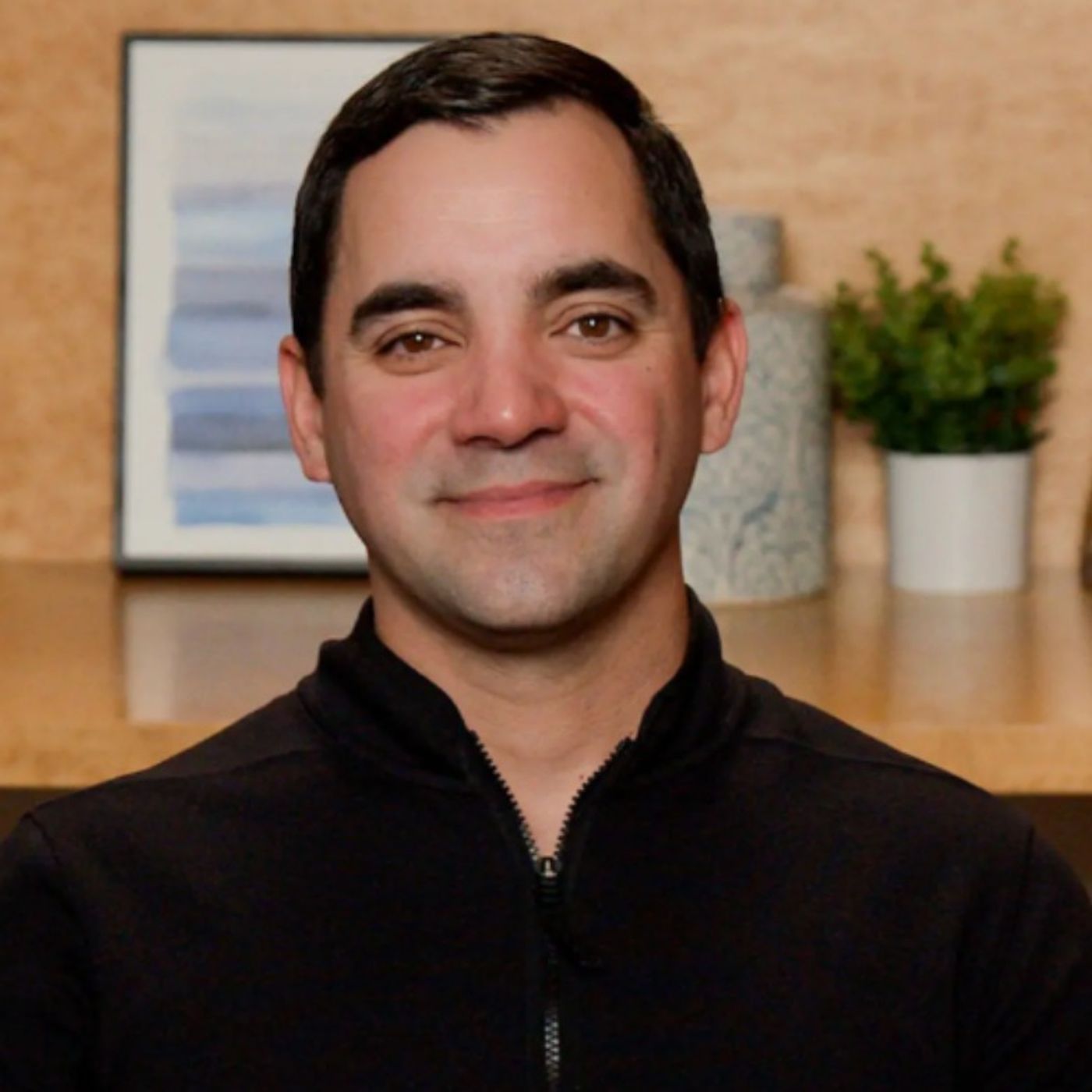
Although I often describe myself as a sociologist, my academic foundation began with psychology—I completed a dual major in psychology and sociology. One of the courses that most shaped my early thinking was Industrial/Organizational Psychology. At the time, I struggled with what felt like a top‑down, management‑centric approach. I even recall asking the professor whether the field existed mainly to validate decisions leaders already wanted to make. If he’s listening now, I offer a sincere apology for my younger, overly blunt critique.
My career ultimately led me to workplace ethnography through a sociological lens, focusing on organizational structures, systems, cultures, and group dynamics—including critical themes like diversity, equity, inclusion, and belonging. In essence, I study how to build stronger workplace communities across in‑person, remote, and hybrid environments. Work remains one of the most powerful forces shaping identity, social perception, and life opportunities. One of the first questions we ask one another is still: “What do you do for a living?” Work undeniably defines us—and the systems around it matter.
That’s why I was particularly excited to welcome today’s guest: Dr. Benjamin Granger, Chief Workplace Psychologist at Qualtrics. It’s a title that signals both responsibility and influence. In this role, Dr. Granger helps organizations worldwide elevate employee experience and adopt leadership practices that create more human‑centered, high‑performing cultures. His new book, A Leader Worth Following, distills these insights into actionable strategies for leaders seeking to build trust, connection, and long‑term organizational health.
In our conversation, we explore Dr. Granger’s journey into I/O Psychology and how his desire for real‑world impact led him toward applied professional practice rather than a purely academic path. We examine the rising imperative for human‑centered leadership—especially in an era defined by uncertainty, rapid change, and heightened expectations around wellbeing and psychological safety.
Dr. Granger also draws on evolutionary psychology to explain why certain leadership traits resonate more strongly today, and how leaders can better align their behaviors with how people naturally build trust, assess credibility, and form meaningful connections. Ultimately, he encourages leaders to take ownership of the experiences they create, understand the perceptions they shape, challenge outdated leadership norms, and cultivate environments where people feel connected, supported, and empowered to thrive.
Along the way, we bridge longstanding gaps between psychological and sociological approaches to understanding work—revealing how the integration of both disciplines offers a more holistic perspective on leadership, culture, and employee experience.
Dr. Benjamin Granger: https://www.linkedin.com/in/benjamin-granger-7147991b/
“A Leader Worth Following: https://benjamingranger.com/

If you’re a sports fan, a winter fan, or an Olympics fan, this is a great time of year. I’ve been watching the Olympics—especially the Nordic skiing events, since cross‑country skiing is one of the activities I really enjoy. The United States has had some impressive results, including Ben Ogden winning a silver medal, Jessie Diggins earning a bronze, and several other standout performances. It’s inspiring to see everything come together for athletes who have spent years working toward their goals.But talk about pressure. So much comes down to one day, one event, one performance. That’s a tremendous amount of stress. It’s not just a physical challenge but a mental one as well, especially for those favored to win or in contention for a medal. I just watched Jessie Diggins earn her medal while skiing with bruised ribs and collapsing at the finish—as she often does. Commentators described her ability to “tune out” distractions, “channel” pain, and “focus” on exactly what she needs to do. All of this highlights the mental side of performance.Today on Experience by Design, we welcome a guest who specializes in that mental side—specifically, the electrical impulses and brain states we experience during different types of activities. In his new book, Life Explained: Chasing 10 Hertz, Dr. Izzy Justice explores neurohacks that reduce brain frequency, enhance sensory input, and create more mindful experiences. Izzy discusses his research on brainwave frequencies, especially the “magic” 10 Hz state in which sensory input is amplified and cognitive function peaks.Dr. Justice explains how trauma and panic can impact athletes during competition, particularly in sports where unexpected challenges can arise. But these principles extend far beyond athletics—we also explore how they apply to creativity in business, focus in education, learning, and everyday tasks.We also talk about the importance of translating academic findings for public audiences. Izzy emphasizes the need for actionable language and accessible frameworks for managing brain states, and why greater education is essential for helping us regulate our own brain activity, reduce the noise around us, and reach that 10 Hz state to create more mindful experiences.
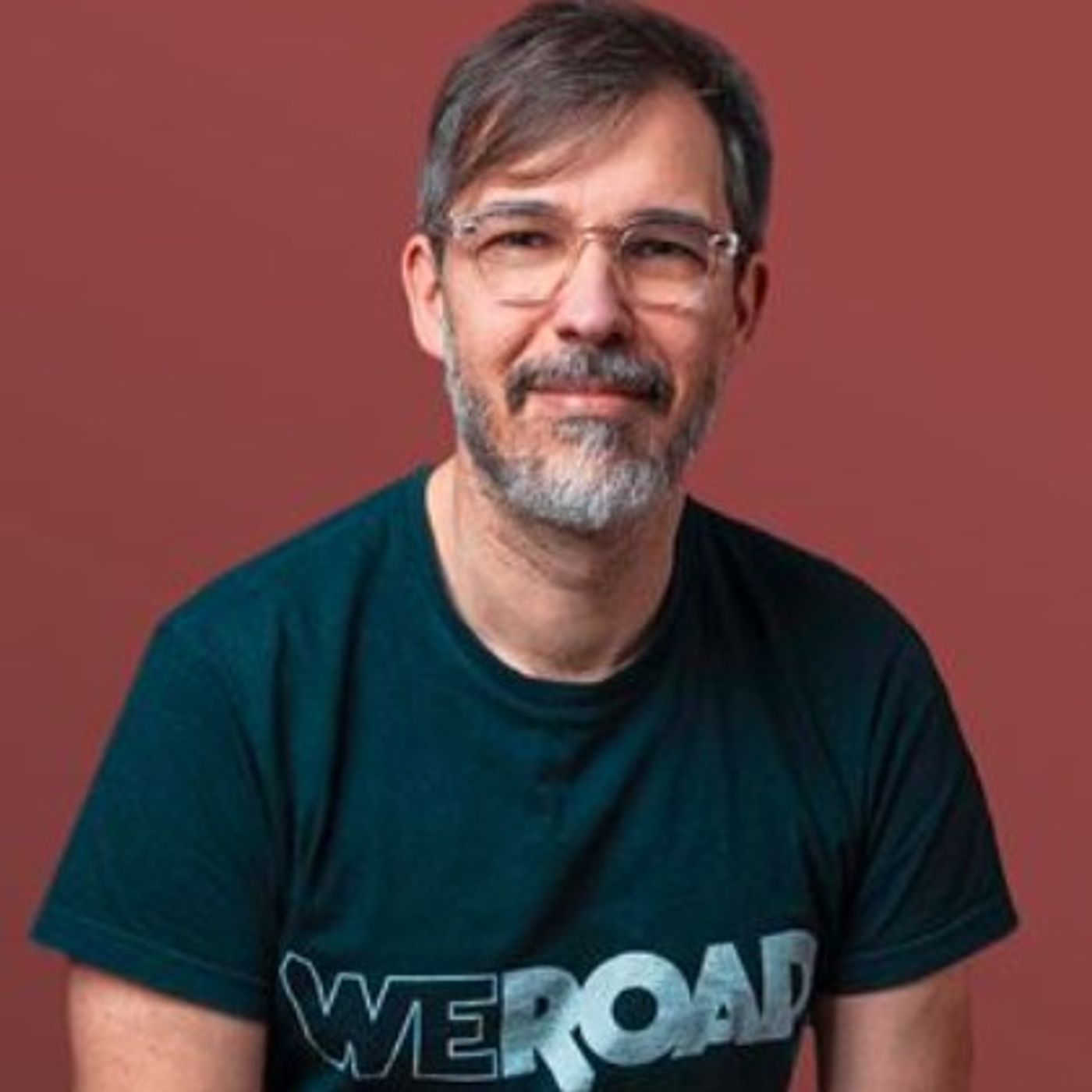
One of the challenges of getting older—especially for men—is meeting people and forming new friendships. Social connection is a fundamental human need, yet the demands of work, responsibilities, and constant distractions make it difficult to create the time and space for meaningful relationships. A recent Pew study found that men and women report loneliness at similar rates. However, women are more likely to lean on their social networks for support, while men often struggle in silence.A Gallup poll further reveals that young men in the U.S. are lonelier than their counterparts in other parts of the world. According to the report, “U.S. men stand out, not only in terms of absolute rates of loneliness but also in how much more likely they are to feel lonely compared with younger women and others in their own country. This is a rare pattern across wealthy countries, none of which exhibit a starker divide between young men and the rest of the nation’s residents.”There is a clear need for men—and for people more broadly—to have opportunities to gather, meet, and genuinely connect.Enter WeRoad, a travel experience company designed to bring people together through shared journeys. Fabio Bin, Co-founder and Chief Marketing Officer of WeRoad, helped create the company with the loneliness epidemic in mind. He joins me on Experience by Design to discuss WeRoad’s origins and its mission to foster human connection, not just tourism. While the trip is the product, the true experience comes from the people who share it with you.From the thoughtful screening and training of travel coordinators, to pre-trip events that help groups bond, to post-trip virtual communities, every aspect of WeRoad is designed around building relationships and cultivating a sense of belonging.We talk about WeRoad’s growth across Europe and its efforts to expand into the United States—something that survey data suggests is sorely needed. We explore how WeRoad helps people break out of their social bubbles and form new communities through shared adventures. Fabio also describes how travelers are building an identity as “WeRoaders”—some even getting WeRoad tattoos—and shares the company’s new initiative, WeRoadX, which empowers travel leaders to design their own trips based on their passions through a participatory design approach.Fabio Bin: https://www.linkedin.com/in/fabiobinWeRoad: https://www.weroad.com/
This past weekend, I had the pleasure of attending an RV Expo in Worcester Massachusetts. I’m not looking for an RV, but am generally RV curious. I find the concept of an RV pretty interesting, and I have to say that walking about the expo revealed the range of designs that exist in the RV market. Different sizes, different features, slide outs, Fifth wheels, hitches, toy haulers, so much to take in at once given that I am a RV newbie. I also learned that RV manufacturers are always taking customer feedback and trying to improve their designs, as any good business does. What was more surprising was that the majority of RVs made in the US come out of Indiana. In fact, turns out that Elkhart, Indiana is the RV capital of the wold. I’m originally from Michigan, and frankly had no idea that RVs happen in Indiana even though it is a neighboring state. Beyond basketball and corn in Indiana, there are also RVs. Who knew?My guest today on Experience by Design is also from Indiana, Fort Wayne to be exact. Barry LaBov is the founder and CEO of LABOV Marketing and Communications, but he is much more than that. He also has authored over a dozen books, including his new book The Power of Differentiation, aimed at leaders looking to differentiate their brands and products by moving beyond a commodity mindset and showcase what makes them unique. This focus not only makes companies more attractive to customers, but also employees as it gives them a sense of purpose regarding the work they do. We talk about his work with clients guiding them to differentiate and identify what makes them unique. We explore the vital aspects of connecting customer and employee experience, and why alignment in your experience design matters. He digs into the branding challenges in troubling times as companies try to navigate the social landscape. He describes the importance of qualitative data in understanding your customers and employees, and not waiting for the “perfect data” to present itself. He also describes his experiences as a musician, touring with the band Mark Urgent and how learning music is similar to his efforts as a marketing expert. And of course we talk about RVs. Barry LaBov: https://www.barrylabov.com/LABOV: https://www.labov.com/“The Power of Differentiation”: https://www.barrylabov.com/books

We are living through an unmistakably accelerated era of technological transformation. History shows that periods like this often reshape not only how organizations operate but also how individuals relate to one another and engage with the world.Looking back, the impact of major technological shifts seems obvious. But living through them is far more complex. On any given day, headlines announce CEOs radically reorganizing around artificial intelligence and replacing roles once held by people, while other reports note that many companies have yet to realize measurable benefits from their significant AI investments.The reality is that the long‑term implications—for business, society, and our daily lives—are still unfolding. Organizations must therefore be thoughtful and strategic, not reactive, in how they adopt and integrate AI technologies.This week, we’re fortunate to explore these questions with Hakob Astabatsyan, founder of Synthflow.ai, an end‑to‑end Voice AI platform that aims to “redefine how enterprises connect with customers.” Our conversation goes well beyond Synthflow’s product offering to examine the evolving nature of AI itself.We discuss the technical and philosophical challenges of building AI‑driven voice orchestration systems capable of mimicking human conversation. Hakob reflects on the current limitations of AI—particularly in handling emotional nuance—and the possibilities for AI tools to simulate empathy in certain contexts. He also explains Synthflow’s Visual Conversational Flow Builder, which enables organizations to design guided conversational paths that help customers navigate interactions more effectively and improve outcomes.Throughout our discussion, Hakob emphasizes a central point: AI should enhance human capabilities, not replace them. While disruption is inevitable, the greater opportunity lies in elevating uniquely human skills—critical thinking, creativity, communication, and collaboration. This shift will require educational institutions to rethink what and how they teach in order to prepare students for the world emerging around us.Hakob also looks ahead, predicting that 2026 will be a pivotal year for AI adoption, driven not by futuristic breakthroughs but by improvements in usability, accessibility, and seamless integration into everyday business operations.Hakob Astabatsyan: https://www.linkedin.com/in/hakob-astabatsyan/Synthflow.ai: https://synthflow.ai/
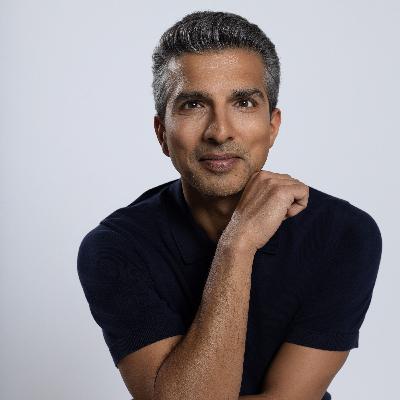
I think we can still technically say we are in the midst of the new year even though we are two weeks into it. I don’t know if there is a statute of limitations on how long you can wish another person a happy new year, since also technically it is the new year until the next new year at which point this new year will become the old year. One of the things that is meant to last throughout the new year are the changes that we want to make in our lives. While January 1st as a starting date is in many ways arbitrary as a demarcation point of transformation, it still is symbolically significant as a point where changes take place. Experience design can be about transformation, having these metamorphic experiences that make us different in some fundamental way. The new year definitely is one of those moments when transformation can take place. But if change is going to take place as the saying goes, “let it begin with me.”One of the common resolutions is to simplify one’s life and ‘declutter’ what is causing our lives to become unmanageable or not able to navigate easily. The psychological impacts of clutter can be many, including increased stress levels, difficulty focusing, procrastination, difficulty with relationships, lower quality of life, decreased well-being, and feelings of being overwhelmed. We can accumulate and hold onto things throughout our lives, some of them material and some emotional and even relational. When we hold onto things that no longer serve us and only get into the way, they can impede our progress.This is why it is a perfect time for today’s guest on Experience by Design. Saahil Mehta is on a mission to help people declutter. Part of this might come from his background as an engineer, creating things that are planned out and well organized. Part of it might come from his mountaineering expeditions, planning each element and only bringing what you need to accomplish your goal. All of it comes from his desire to get people in a place where they can move forward and achieve their dreams.We talk about his book “Break Free: A Guide to Decluttering Your Life”, where he lays out his approach to helping others develop better relationships, have more time for their passions, and find a better path to move forward in their lives. Saahil describes his 7 Internal Summits Priority Framework as a tool that helps individuals prioritize the most important areas of their life. We also talk about the importance of overcoming people pleasing behavior, sharing the roots of the pattern and how we can start to prioritize more of our own needs.Saahil also shares his own transformative experience from a 2016 retreat where he learned to embrace authenticity and discovered others' confidence in him despite his self-doubt. Together we explore authentic success versus societal expectations. We discuss the importance of prioritizing the things that matter most to us, and emphasize the need for honest self-assessment and the importance of creating space for reflecting on those things in our daily lives. Finally, we have a link to Saahil’s Exponential Success Blueprint Webinar, which you can register for free.Saahil Mehta: https://www.saahilmehta.com/Saahil Mehta on LinkedIn: https://www.linkedin.com/in/saahilmehta/Exponential Success Blueprint Webinar: https://www.saahilmehta.com/success
Designing Holidays—and Environments —that Heal, Not HarmAs the holiday season winds down, many of us breathe a sigh of relief. The decorations are packed away, the music fades, and the whirlwind of expenses and obligations comes to an end. Yet, for many, the aftermath brings its own stress—credit card bills, fatigue, and even emotional strain. The truth is, the holiday experience can carry its own form of trauma.Trauma is far more common than we often acknowledge. Research suggests that over 70% of Americans have experienced at least one traumatic event in their lifetime. The American Psychological Association defines trauma as “any disturbing experience that results in significant fear, helplessness, dissociation, confusion, or other disruptive feelings intense enough to have a long-lasting negative effect on a person’s attitudes, behavior, and other aspects of functioning.”This raises an intriguing question: What if we could design environments—whether for holidays, workplaces, or communities—that reduce trauma and even promote healing?Despite its prevalence, trauma often goes untreated. Few who experience it receive the help they need. This gap inspired Janet Roche and Christine Cowart to take action. After meeting as volunteers at Vermont Adaptive Ski and Sports, they recognized the need for trauma-informed training for those working with vulnerable populations. In 2019, they co-founded the Trauma-Informed Design Society (TIDS) with a mission:“To create physical spaces that promote safety, well-being, and healing—spaces that respect identity, worth, and dignity, and foster empowerment.”On the latest episode of Experience by Design, we explore their framework for designing environments that minimize harm and support recovery. Janet and Christine share real-world applications—from correctional facilities to schools—and highlight Oregon’s recent mandate for trauma-informed behavioral health units, which has driven demand for their credentialing programs and continuing education courses.Today, TIDS offers a suite of resources, including:Trauma-Informed Design Credentialing CoursesPartnerships with the American Society of Interior DesignersAn evaluation tool for K-12 schoolsTheir next course begins January 31st. Learn more at https://www.tidsociety.com.Janet Roche: linkedin.com/in/janetrochedesignsChristine Cowart: https://www.linkedin.com/in/christine-cowart-trauma-informed-consultant/
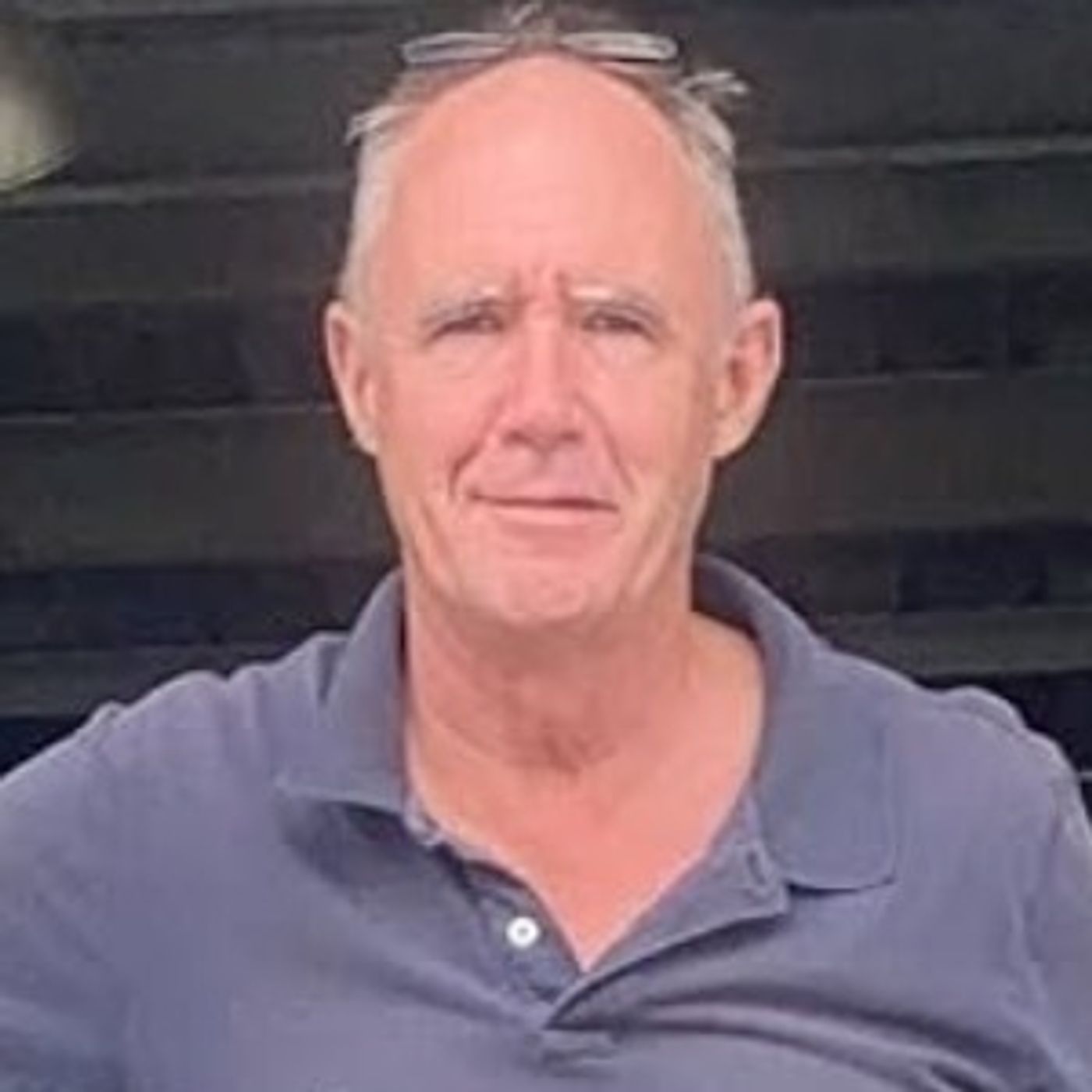
Happy New Year’s everyone!New Year is the time of year when we build unrealistic expectations about what the huge celebration we should be part of, and what big changes we are going to make in the form of our resolutions. It is a lot to live up to, and can create a lot of pressure. All of which is why I don’t like New Year’s. To be honest, I feel like our run of holidays go steadily downhill starting with Labor Day and ending with New Year’s Day in terms of the pressure that they create. We can get fixated on the types of experiences we should be having, and measuring what happens to often unrealistic expectations. The good news is that the only way to go is up! However your holidays went, I hope things are looking up for you.Experiencing a lot of pressure, going down, and going back up are all great themes for this week’s guest on Experience by Design. I first learned of Henry Rausch when I found his book “Submerged: Life on a Fast Attack Submarine in the Last Days of the Cold War.” For long-time listeners, you will be familiar with my fascination with US naval history as well as the working environments of submarines. His book is a great first-person account of being deployed on a submarine, including the “ups and downs” associated with submarine life. “Submerged” is currently the #1 Best Seller on Amazon in the Biographies of the Military Navy, as well as a winner of other book awards, including First Place in Published Nonfiction at WriterCon 2025. Hank’s second book is “How to Hotwire an Airplane: A Novel of Regret and Redemption,” and weaves together his father’s experience being a medic in the Vietnam War along with his own experiences being a pilot. The book places this in the context of US border policy its impact on those who cross the border seeking a better life. Taken together, Hank’s work explores personal transformation under stressful and sometimes dire circumstances. We discuss his experiences in the US Navy, and what he learned about leadership as a naval officer. He describes the months submerged while on patrol, along with the good times of being back in port. He talks about his subsequent work as an IT consultant working in satellite operation centers, and how lessons from his submarine tours informed his management style in civilian life. Finally we talk about the lessons that learning to fly has on life. As Hank describes, when you are teaching someone to fly, you have to let them fail up to the point that they might die. He emphasizes the need to enforce high standards, and how performance and recognition will predict how much satisfaction is felt in their work. He also teases the new book that he is working on, so we get a sneak preview of that as well. Henry Rausch: https://henryrausch.com/“Submerged: Life on a Fast Attack Submarine in the Last Days of the Cold War”: https://www.amazon.com/Submerged-Life-Fast-Attack-Submarine-ebook/dp/B0DN8CFV3S“How to Hotwire an Airplane: A Novel of Regret and Redemption”: https://www.amazon.com/How-Hotwire-Airplane-Henry-Rausch-ebook/dp/B0DHV4VVHX

Happy holidays once again! This is being aired the day after Christmas, or on Boxing Day for those who are in places that do a thing called Boxing Day. I guess it has something to do with giving boxes, or having boxes, or maybe relatives boxing one another after spending time together over the holidays. Whatever it is, hope you have a happy one. The actual origins, according to Wikipedia, seems to be around the mid 1700s when “traditionally on this day tradespeople, employees, etc., would receive presents or gratuities (a ‘Christmas box’) from their customers or employers.” So maybe one of the earlier manifestations of customer and employee experience. One of the things that I love about doing experience design is how relatively small things can make someone feel like a superhero. Little acts of experience design can make a big difference in people’s days and even their lives. And isn’t that what it is all about, including the holidays? Whatever you believe or don’t believe regarding the holidays, being mindful of extending small acts of kindness or doing something that is relatively simple to make a huge impact. Which is a perfect thing to keep in mind for our show today. My guest on Experience by Design is Erika Sinner. Erika brings a lot of compassion and empathy to the world. In fact, she prefers the title of Chief Empathy Officer. Her book Pets are Family emphasizes the importance of pet bereavement policies in organizations. This is just one part of her efforts to bring more empathy to the workplace. She also is the CEO and Founder of Directorie, “a(n) agency that connects seasoned commercial, marketing, and market access experts” with organizations that are under-resourced and overworked. If that wasn’t enough, she now is the Chief Empathy Officer of Tiny Super Heroes, which makes children who are facing unique medical challenges to feel like the superheroes that they are. As their website states, “We’re setting out to transform hospital culture - one hospital at a time - because every child’s clinical journey should be filled with strength, hope, and a little more fun.”As part of Tiny Super Heroes, children get their own superhero capes and get badges to mark the medical treatments they receive as well as other accomplishments. It is all at no cost, and made possible through the donations of individuals and organizations, and aims to reach all 226 children's hospitals in the country.We talk about Erika’s personal journey and struggles that led her to her work as a founder Directorie and now CEO of Tiny Super Heroes. We also talk about the importance of play in the workplace as a way of creating a sense of safety and trust. Talking about culture as a leader isn’t enough; leaders need to take the necessary steps to create a place where employees don’t dread Sunday nights because they have to go to work on Monday. She discusses the importance of company culture and employee commitment in attracting top talent, especially for Gen Z and Gen Alpha who prioritize making a difference.Erika discusses the positive impact of the Tiny Super Heroes program on children with medical conditions, highlighting how it helps reduce anxiety and improve clinical outcomes by transforming medical experiences into fun missions. The program has online support groups for parents, which currently have around 60,000 members. Healthcare providers also benefit from the program by creating a more positive and playful environment in hospitals. In this way, it is really an experience design that impacts the healthcare ecosystem.So on this Boxing Day, you can listen to this episode and head over to the Tiny Super Heroes website to give a gift that can make all the difference.Erika Sinner: https://www.linkedin.com/in/erikasinner/Erika Sinner Website: https://www.erikasinner.org/“Pets are Family” Book: https://www.erikasinner.org/for-bookstoreDirectorie: https://www.directorie.com/Tiny Super Heroes: https://tinysuperheroes.com/
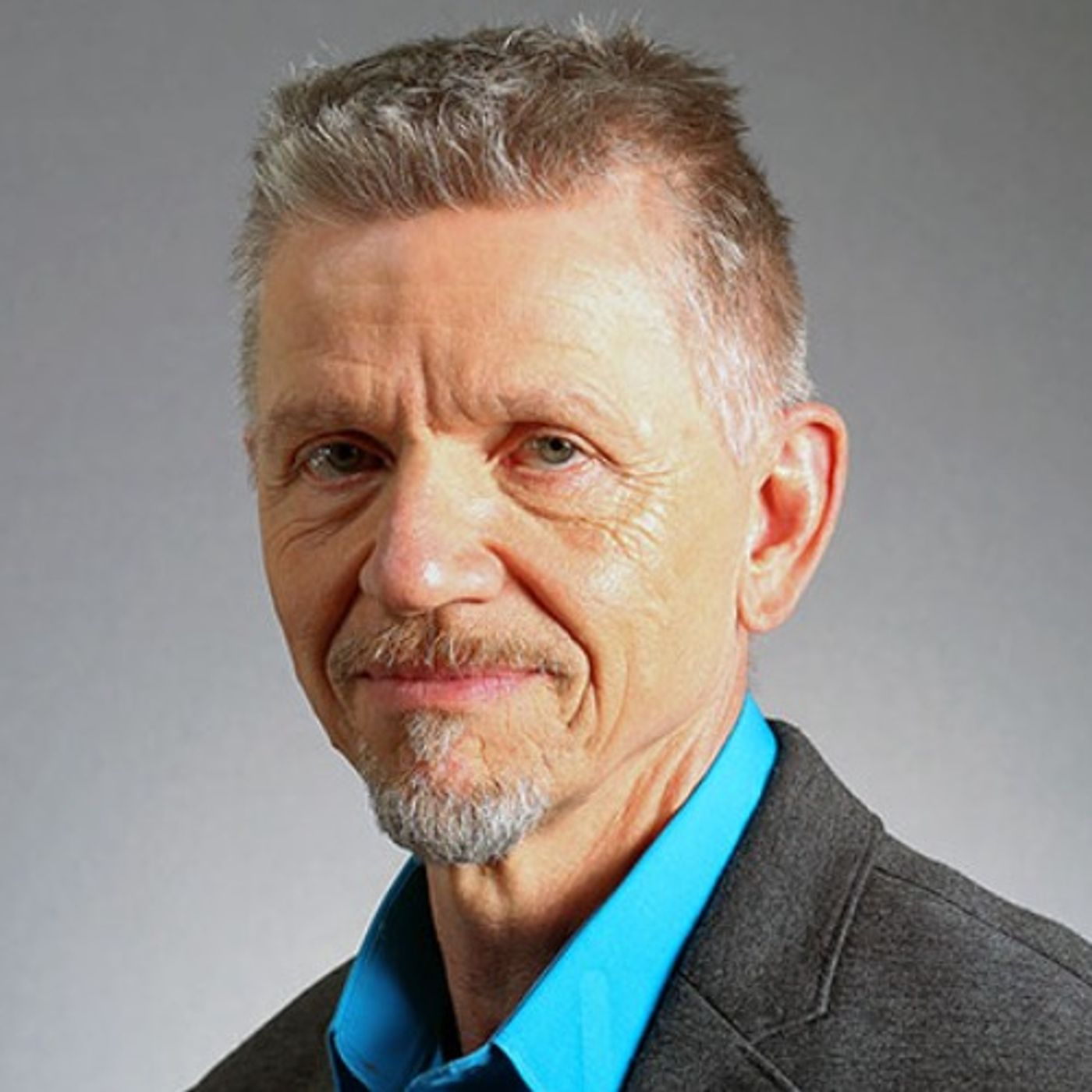
Happy holidays, everyone!I’m recording this intro a week early because I’m away right now, trying to enjoy a little downtime. Knowing we have an international audience, I hope that wherever you are, you’re finding joy in whatever you’re doing. And if you’re celebrating a holiday, may your celebrations be truly joyful.Of course, the holidays can also bring their share of conflict—often around shopping and family gatherings. Both can feel pretty daunting. Fun fact (or maybe not so fun): there’s actually a Black Friday death and injury counter. Thankfully, this past year didn’t see much in the way of serious incidents. Still, the point remains—holiday shopping can feel like a full-contact sport, and it’s not just tough on your body, but on your mental health too.So, what better time for an episode on conflict resolution?This episode of Experience by Design continues our tradition of featuring Canadian guests—and introduces our first guest named Gary! The name Gary has taken a few knocks lately, so what better way to restore its honor than by bringing Garys together in the service of a good cause?Our guest, Gary Furlong, has had a distinguished career in industrial relations and conflict resolution. He also collaborates with Josh Gordon—who was just on ExD—making this the first time we’ve had a repeat guest connection. Together, they co-authored The Sports Playbook: Building Teams that Outperform Year after Year. Gary also wrote the seminal text The Conflict Resolution Toolbox: Models and Maps for Analyzing, Diagnosing, and Resolving Conflict.In this conversation, we explore concepts of justice, and why flexibility and consistency both matter—but in different ways. We discuss why process often matters more than outcome, and how sometimes people simply want to be heard, even if they don’t get everything they want. Gary explains that conflict is really just the manifestation of competing interests—a natural part of being human. But just because it’s inevitable doesn’t mean we can’t get better at managing it.The key is adopting a problem-solving mindset—and that’s where a skilled mediator or conflict coach can make all the difference.So, think of this episode of Experience by Design as our small attempt to create a little peace on Earth and goodwill toward others.Gary Furlong at the Sports Conflict Institute: https://sportsconflict.org/team_member/gary-furlong/Gary Furlong and Agree Inc: https://www.agreeinc.com/gary-furlongGary Furlong on LinkedIn: https://www.linkedin.com/in/garytfurlong

The most enjoyable part of doing the podcast is talking to a wide range of people who, regardless of their industry or role, share a common goal: making things better. At the end of the day, that’s what it’s all about. Sometimes we make things better by selling something people need. Other times, it’s by teaching them something new, creating an art installation that moves them, designing a workplace where they feel fulfilled, or building tools that make tasks easier. Whatever the approach, the mission remains the same—to make things better.This simple goal can often get lost behind the different names our work has taken over time. Take “UX,” for example. It started as “Human Factors,” then became “Human-Computer Interaction,” and eventually evolved into “User Experience” and “Human-Centered Design.” Whatever the term, it all comes back to the same principle: improving lives. The more we keep that in mind, the better we understand what this work is truly about.There’s a lot of talk today about creating a “Digital First” strategy. But perhaps we should think in terms of a Human First strategy—focusing on what people want, what they need, and how we can help close the gap. One of the great things about being a podcast host, educator, and thought leader in this space is providing the tools that help others create the tools people need.My guest on this episode of Experience by Design understands what it means to elevate human potential and create “human-powered excellence.” Terry Peters discovered his passion for computers and coding through his high school football coach. Over his 20+ year career, he has helped organizations shape their digital strategies through user research, systems design, and user-focused experiences. His systems perspective emphasizes the importance of employee experience within technological and digital design—prioritizing their voices to create solutions that truly make things better.We discuss Terry’s journey into management information systems and eventually user experience. We explore the challenges of requirements gathering, the role of AI as a supportive tool in human-centered design (rather than a replacement), and Terry’s work with Veracity, now part of RGP, where empathy is central to projects that impact employees’ work and lives.Finally, we reflect on the ethos of user experience: improving people’s lives and making things better. By integrating diverse perspectives, we can build tools that help people achieve that goal.Terry Peters on LinkedIn: https://www.linkedin.com/in/terry-peters-m-s-8198b61b/RGP: https://rgp.com/

As listeners would have heard previously, I attended a FinTech event which got me thinking about financial literacy and financial experiences. I’ve started to write some thoughts down related to that which I am posting on my Substack. You can find that at https://garycdavid.substack.com/. This post was about financial literacy as financial inclusion, and how knowledge is power especially in relation to financial decision making for oneself. I will admit this gets tricky because it can seem like the financial game at the highest levels may be for lack of a better term ‘rigged.’ Financial literacy may not go very far when the game is a ‘heads you win, tails I lose’ proposition. Nevertheless, it is important that people understand the nature of finance and financial decision making. FinTech in its variety of forms provides an opportunity to do this. There is a lot to explore and discuss in this realm, especially in relation to the creation of financial experiences. My guest today on Experience by Design actually has a work background in financial services. Manny Fiteni worked in wealth management and financial planning. But that’s not why we talked. Rather, we talked about his work “The Mind Congruency Effect” and how it applies to leadership and more effective employee experiences. The book and his larger body of work explore how inner obstacles keep us from achieving greater potential, which is something that we can all relate to.Beyond that, we discuss how this also stops managers from more effectively managing. I’ve often said, “If you call people managers, that’s what they’ll do.” We discuss how this is not necessarily the best role for managers. Employees need to have levels of autonomy in which they can have agency and some level of authority over their work. But it is not just employees acting alone, but together toward a shared goal and purpose. This is why managers need to act more like community organizers and facilitators which bring people together.However, people in management roles are rarely if ever taught those kind of skills, and why they are important. We talk about the traits of being a high-performing leader, and what an employee-centric manager looks like. We discuss how managing is different from leading, and how the people side is more important than the technical and compliance side. We also talk about how he is creating new training and development approaches to help better prepare managers to become leaders in a more employee-centric way. And we also talk about how he was working at a bank that was robbed, and how imagining that scenario prepared him on how best to respond. Like an athlete, if you rehearse something enough times, the mind creates patterns of how best to respond. Manny Fiteni: https://mannyfiteni.com/Manny Fiteni on LinkedIn: https://www.linkedin.com/in/manny-fiteni-b0173637/“The Mind Congruency Effect”: https://www.amazon.com.au/Mind-Congruency-Effect-Transforming-Direction/dp/1763745406/

For those listeners in the United States, a Happy Thanksgiving to you all. Thanks for being part of Experience by Design podcast and making putting on the show worthwhile and rewarding. And for those of you in Canada, Happy Belated Thanksgiving. And for those in other parts of the world, I hope you can take a moment to give thanks for whatever you feel thankful.Giving thanks is not just something that should be reserved for one day a year. Giving gratitude should be something that we all do everyday. I know that I am trying to do so, especially for the small things in life. Gratitude is a practice like any other practice, and the more we do it, the better we can get at it. Not that I am good at it yet, but I am definitely trying to get better.Today’s episode is about giving thanks for those who served in such a way that they were awarded the highest honor in the US military: The Medal of Honor. I welcome Alexandra Rhue (SVP, Museum Engagement and Strategic Initiatives from the National Medal of Honor Museum) and Michael Lewis (Executive Creative Director from G&A) to talk about their work in creating and developing the National Medal of Honor Museum, located in Arlington, TX.We talk about the 3500 plus stories behind each person who was awarded the medal, but how each story comes down to the same elements of courage, sacrifice, commitment, integrity, citizenship, and patriotism. A major element of the museum is to inspire all visitors to recognize how these elements are in all of us as well. In other words, we talk about the hero that is within us all by exploring the stories and lives of those who have been recognized for their supreme valor and in many instances ultimate sacrifice. We talk about the symbolism that is layered throughout the National Medal of Honor Museum, starting with the very architecture of the structure. We explore the ways that US society has evolved in terms of recognizing and discussing military conflict and service. Alex and Michael emphasize the ultimate goal is not just recognition, but getting people to leave with a renewed sense of service to their own communities in whatever capacity they can, and to live the values embodied in the Medal of Honor. We also discuss the design and visitor experience of a museum and memorial. We explore the balance between immersive technology and traditional museum elements, aiming to create an emotional and personal experience. Michael and Alexandra explained the use of multimedia, including large-scale images, VR installations, and interactive projections, while emphasizing the importance of technology that enhances rather than distracts from the visitor journey. Alexandra and Michael emphasized the importance of placing visitors' perspectives at the center of storytelling, incorporating both human narratives and technological elements to enrich the visitor experience.Alexandra Rhue: https://www.linkedin.com/in/alexandra-rhue/National Medal of Honor Museum: https://mohmuseum.org/Instagram: https://www.instagram.com/mohmuseum/Twitter/X: https://x.com/MohMuseumFacebook: National Medal of Honor Museum | Arlington TX | FacebookMichael Lewis: https://www.linkedin.com/in/mgelewis/G & A: https://gallagherdesign.com/G & A Instagram: https://www.instagram.com/g.ampersand.a/G & A LinkedIn: https://www.linkedin.com/company/g-a-strategy-and-design/
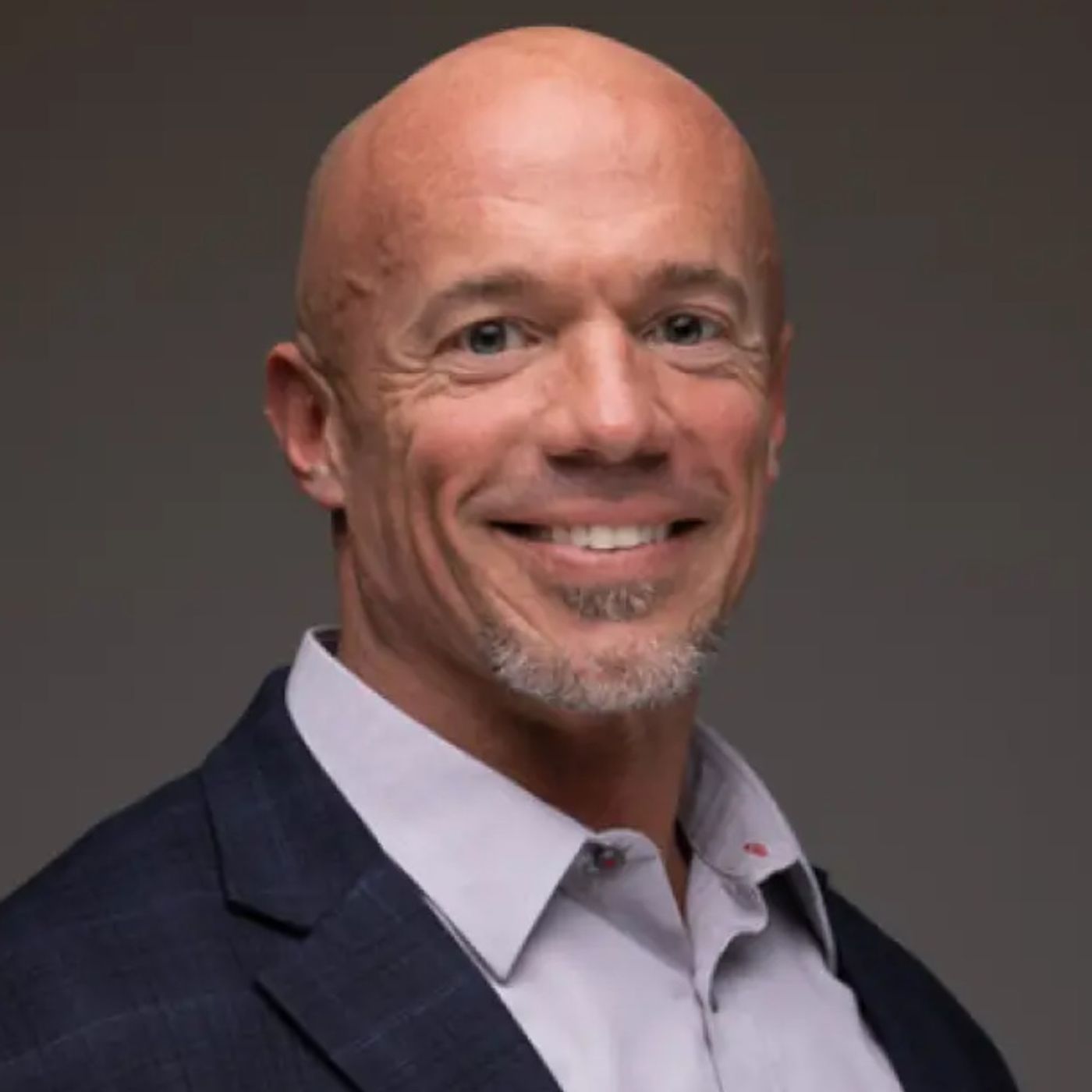
Yesterday I had the privilege of attending the Assistive Technology Conference of New England, put on by TechACCESS of Rhode Island. It was a great event that brought together professionals and companies that are trying to improve accessibility through technology for those with ranges of physical and intellectual challenges. Walking around, looking at the exhibits, and talking with people, I was continuously impressed by the innovation and dedication around me. I would say it was “inspiring” but not in the way that one might usually think. The word “inspiring” can have a negative connotation in this world because it puts people with such challenges on a pedestal, as if their job is to be inspiring, or all they are is their disability, or makes people with these challenges a spectacle. Having a child who is intellectually and developmentally disabled, I totally get that argument.When I say “inspiring”, I am referring to the people who are working and creating products in this space. It is inspiring for me to see professionals dedicate their work to improve and enhance the lives of others, no matter who that population is. That is very cool, and inspirational. No matter what job we are doing, we should be thinking of ways that we can improve the lives and experiences of others. That is what experience design and this podcast is all about: showcasing the work of those who are trying to apply their time, knowledge, and creativity to improving experiences and lives in ways large and small.One of the things I need to do more of is highlight people who are working in the world of accessible technology. So stay tuned for that!And my guest today on Experience by Design is doing the work to improve people’s lives as well in his own way. Like many guests on ExD, Chad Hufford of Veritas Wealth Management in Anchorage, Alaska is a behavioral scientist at heart, fascinated with what makes people act the way they do and what can be done to get them to make changes. He has applied this interest in the work he does as a financial planner. He does this up in Alaska, focusing his efforts on those who are working in those uniquely blue-collar Alaskan jobs where high risk can come with good pay. His goal is to help them make the best decisions possible with what they earn, but also help to create cultural and behavioral change in his clients. Part of this is to get people to not just think, but to act. His new book “Forging Financial Freedom: Constructing Blue-Collar Millionaires with Seven Wealth Building Lessons Extracted from the Alaska Oilfield”, lays out his experiences and lessons from doing this work. We talk about Chad’s fascination with fitness, and how that led him to be interested in medical school. Biochemistry taught him a lot about problem solving and complex interactions within systems. The same can be said for the financial world, where a lot is beyond your control. Despite that, you can control how you act and what your vision of your future is. We also talk about unique aspects of Alaskan culture, overcoming complexity in financial decision making, how to build trust in financial planning, and making for better financial literacy and experiences. He emphasizes the importance of emotional connection and empathy in financial advising, and why friction is required to allow for thoughtful consideration. We explore how AI and technology can reduce friction in financial transactions but should not replace human empathy. Chad Hufford: https://www.linkedin.com/in/chad-hufford-066208100/Forging Financial Freedom: https://www.forgingfinancialfreedom.com/singleVeritas Wealth Management: https://www.veritasalaska.com/

I am back from the FTT Fintech Festival, hosted by VC Innovations and taking place in London. I was hosting a panel on attracting the next generation of customers to mutuals, which are member-owned financial institutions offering different types of services and products. I was lucky enough to have a great group of panelists, and it was a great event over two days. To say that I learned a lot would be an understatement. The event was full of really engaging conversations and panels around a host of topics in the intersection of finance and technology. Since I’m not a finance professional, I wasn’t sure how I would integrate into the event and conversations with people there. Plus it was the British and Irish financial systems that were being discussed, which I know basically nothing about. However, despite these important and obvious differences between my knowledge and the knowledge of other attendees, there was enough in common to make conversations pretty easy.The main thing we had in common was that we were all interested in creating experiences of all kinds. There were conversations around customer, user, employee, and digital experiences. There was also mention of frictionless financial experiences, security experiences, and experience-driven identity. It was pretty easy to find the common ground since everything was about experience research and design at some level. Those in industry were interested to hear what us in academia were doing around experience design teaching. Another theme was the impact of artificial intelligence as an element of fintech. Amongst all the conversations of AI was the question of whether or not a “digital first” strategy makes sense for customers seeking financial services. It was clear that people in general, and some specific populations, want to experience the authentic touch of a human being in their interactions. This led to some discussion about what to do with the bank branch. If we are moving to a digital first strategy, then why have branches? At the same time, people want to have the convenience of digital. What if we could have both? The warm touch of a human being at a branch along with the convenience of digital. Enter my guest today on Experience by Design, Victor Cho. Victor has a long career of digital transformation and now is CEO of Emovid. Emovid’s product combines the authenticity of face-to-face conversations with the improved efficiency outcomes of AI through the use of video-based communication. Another element of his work is an emphasis on stakeholder capitalism, and businesses contributing to improving society. We talk about his path to CEO success, and how his interest in his Commodore 64 started it. He describes how his business education and religious upbringing combined to prioritize social responsibility over personal gain. We also talk about how we need to create authentic communication in a tech era. Victor shared updates on Emovid’s progress, including their platform launch and plans for a new generative AI imaging solution focused on maintaining authenticity in communications. He highlighted the importance of considering the broader impacts of technology and the need for ethical decision-making in its implementation. This conversation would have been right at home at the FTT Fintech Festival, and it is a perfect time to share the conversation with you. Vincent Cho: https://www.linkedin.com/in/victor-cho-/Emovid: https://www.emovid.com/

Comments

Download from Google Play

Download from App Store
 United States