


 Claim Ownership
Animal Science TV
Subscribed: 11Played: 34
Subscribe

© All rights reserved
Description
Welcome to Animal Science TV. I am your host, Chris. My goal with this channel is to teach interesting animal facts, cover animals in the news, and explore the science of the animal world.
We dive deep into the brutish nature of animals, and we cover serious topics.
Please subscribe to join the community. I want to hear your opinions and we can have discussions in our live chats.
You can find Animal Science TV on twitter and facebook too.
Support me on Patreon for video requests and to be a guest host if you like.
https://www.youtube.com/channel/UCHJmIluvev_unEsqNZD2KwA
www.patreon.com/AnimalScienceTV
www.animalsciencetv.com
www.facebook.com/AnimalScienceTv
twitter.com/AnimalScienceTV
We dive deep into the brutish nature of animals, and we cover serious topics.
Please subscribe to join the community. I want to hear your opinions and we can have discussions in our live chats.
You can find Animal Science TV on twitter and facebook too.
Support me on Patreon for video requests and to be a guest host if you like.
https://www.youtube.com/channel/UCHJmIluvev_unEsqNZD2KwA
www.patreon.com/AnimalScienceTV
www.animalsciencetv.com
www.facebook.com/AnimalScienceTv
twitter.com/AnimalScienceTV
27 Episodes
Reverse
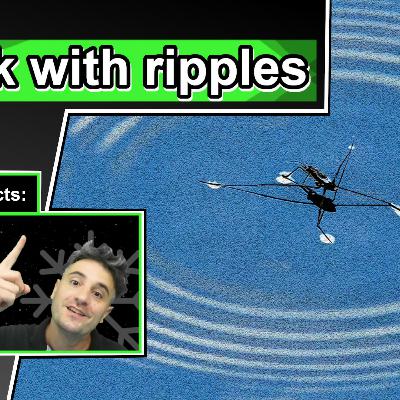
How exactly do water striders walk on water? What do water striders eat? How do these cannibals survive the winter freeze? These 10 facts will teach you all you need to know! We even demonstrate some lab experiments you can try at home.
Enjoy my English narration and watch HD video clips. Join in the discussion and let me know what you want to learn next. Please subscribe for more videos about animal facts, science education, and my gross shorts!
Did you know water striders can jump 6x their own height? This animal is so fast that fish can't catch them.
My favorite water strider fact has to do with how they reproduce on the water by using barbaric antenna hooks!
How does surface tension work? Let's find out by making a replica out of paper clips and learning how hydrophobic hairs help the water strider float!
Let me know which fact is your favorite. These are the top 10 cool facts about water striders:
Chapters:
0:00 - Waters Strider Facts Introduction
0:27 - 10: Jesus bugs and shadows
1:25 - 9: Surface tension manipulators
2:13 - 8: Floating like metal?
3:37 - Bonus: "Halobates"
4:01 - 7: Hairs that "hate" water
5:17 - 6: Bug juice smoothies
6:23 - 5: Survival superpowers
8:16 - 4: Ripple detectors
9:04 - 3: Grabbing her eyes?!
9:49 - 2: A deadly winter
10:59 - 1: The enemy of my enemy
12:11 - Support Animal Science TV
Support me on Patreon for video requests and to have your pet featured in the
"Pets of Animal Science TV" section in the end credits:
https://www.youtube.com/AnimalScienceTV
https://www.patreon.com/AnimalScienceTV
https://www.AnimalScienceTV.com
https://www.facebook.com/AnimalScienceTV
https://twitter.com/AnimalScienceTV
Special thanks to my current Patreons:
Lab Assistants: The Borbs
Research Associates: Susie, Julie Acepilot, GotMountains
Lead Scientists: Lisa, Alex, Emily, Sarah, Bianco Artistica, Epsilon is Greater Than
#waterstrider #waterstriders #animals
Science Gifts on Amazon (USA):
https://animalsciencetv.com/best-and-cool-gifts-for-science-lovers/
Disclaimer: As an Amazon Associate I earn a small commission from qualifying purchases.
General Credits:
Videos: Property of Animal Science TV
Stock Videos: StoryBlocks Standard License
Stock Photos: Pixabay, Canva
Music: Youtube Audio Library Creative Commons
Sound effects: https://www.zapsplat.com
Animations: Animal Science TV
Specific Credits:
https://animalsciencetv.com/credits-and-attributions-2023/

Why are there cockroaches in your home? Because they can eat everything inside! Not just food, but wood, glue, and even your furniture. Did you know these gross monsters can survive without a head for up to a week?
Cockroaches are dangerous because they spread diseases like dysentery. Sometimes they even climb right up the sewage pipe and then into your kitchen. Cockroaches cause infestations that can be almost impossible to irradicate because they are so durable and are great hiders.
Do you have cockroaches in your home?
Today we learn 5 Gross Cockroach Facts.
This is a "Square YouTube Short". Subscribe to Animal Science TV for full-screen, full-length videos all about animals!
https://www.youtube.com/AnimalScienceTV
https://www.patreon.com/AnimalScienceTV
https://www.AnimalScienceTV.com
https://www.facebook.com/AnimalScienceTV
https://twitter.com/AnimalScienceTV
#shorts #cockroach #cockroaches
Specific Credits:
https://animalsciencetv.com/credits-and-attributions-2023/
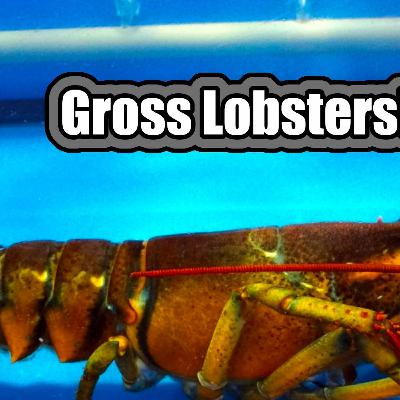
Lobsters have quite a weird anatomy which allows them to pee out of their eyes and into each other's faces. They even have teeth in their stomachs and are often toxic to eat... especially the gross green tomalley organ!
Do you eat lobsters? I heard they taste good but I have a seafood phobia :)
Today we learn 5 gross lobster facts!
This is a "Square YouTube Short". Subscribe to Animal Science TV for full-screen, full-length videos all about animals!
https://www.youtube.com/AnimalScienceTV
https://www.patreon.com/AnimalScienceTV
https://www.AnimalScienceTV.com
https://www.facebook.com/AnimalScienceTV
https://twitter.com/AnimalScienceTV
Special thanks to my current Patreons:
Lab Assistants: The Borbs
Research Associates: Susie, Julie Acepilot, GotMountains
Lead Scientists: Lisa, Alex, Emily, Sarah, Bianco Artistica, Epsilon is Greater Than
#shorts #lobster #gross
Specific Credits:
https://animalsciencetv.com/credits-and-attributions-2023/
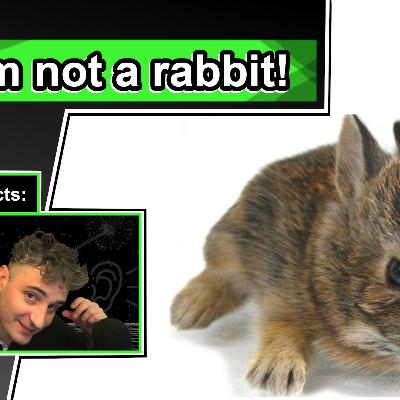
Why do jackrabbits have such huge donkey ears? What is up with the cute jiggly nose? Jackrabbits are one of the most successful animals and thrive in all 4 of the major North American deserts.
Jackrabbits can eat almost any vegetation and have some impressive natural defenses that help them elude predators like mountain lions, snakes, and hawks!
The jackrabbit is actually not a rabbit at all. It is a hare!
My favorite fun fact about jackrabbits is how they punch each other like humans, standing on 2 legs.
Here, the Jackrabbit is explained in great detail. This video contains everything you need to know.
Annoyingly, "jackrabbit" is also correctly spelled as "jack-rabbit," and "jack rabbit." No space, hyphen, or with space... all is OK!
Enjoy HD graphics and English narration with these 10 Jackrabbit Facts!
timestamps:
0:00 - Jackrabbit facts introduction
0:42 - 10: The jackass hare
1:42 - 9: "Jackrabbit" AKA "American desert hare"
2:23 - 8: Hares versus rabbits
3:25 - 7: Jackrabbit diet (herbivore)
5:15 - 6: Predators of jackrabbits
6:05 - 5: Jackrabbit natural defenses
7:15 - 4: Jackrabbit babies (leverets)
9:01 - BONUS: Jackrabbit territory and range
9:36 - 3: Jackrabbit ears similar to elephant
10:22 - 2: Function of jackrabbit nose
11:11 - 1: Jackrabbit conservation status
12:23 - Support Animal Science TV
Support me on Patreon for video requests and to have your pet featured in the
"Pets of Animal Science TV" section in the end credits:
https://www.youtube.com/AnimalScienceTV
https://www.patreon.com/AnimalScienceTV
https://www.AnimalScienceTV.com
https://www.facebook.com/AnimalScienceTV
https://twitter.com/AnimalScienceTV
Special thanks to my current Patreons:
Lab Assistants: The Borbs
Research Associates: Susie, Julie Acepilot, GotMountains
Lead Scientists: Lisa, Alex, Emily, Sarah, Bianco Artistica, Epsilon is Greater Than
#jackrabbits #jackrabbit #animals
General Credits:
Videos: Property of Animal Science TV
Stock Videos: StoryBlocks Standard License
Stock Photos: Pixabay, Canva
Music: Youtube Audio Library Creative Commons
Sound effects: https://www.zapsplat.com
Animations: Animal Science TV
Specific Credits:
https://animalsciencetv.com/credits-and-attributions-2022/
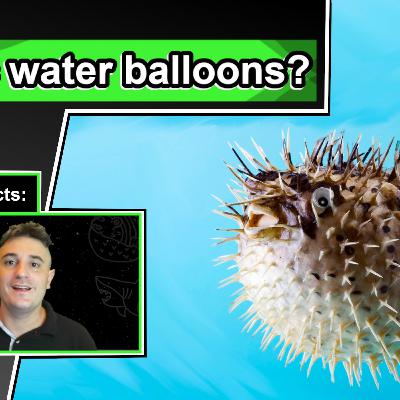
Did you know pufferfish can't use their stomach for digestion because it's main purpose is to expand in a matter of seconds like a water balloon on a faucet?
Pufferfish are the most poisonous vertebrate in the ocean. A single pufferfish contains enough neurotoxin to paralyze 100 people if eaten, but that doesn't stop the Japanese from enjoying their exotic "fugu" dinners. Tigersharks are immune to tetrodotoxin, but most predators are startled away when a pufferfish blows up in their mouth!
I think the coolest animal facts about Pufferfish are their ability to change colors, mating rituals, underwater crop circles, and their "beak!"
Here, the Pufferfish is explained in great detail. This video contains everything you need to know. Pufferfish live in fresh and saltwater environments all over the world, and they are divided into 2 families. One family has spikes and includes the porcupinefish, and the other family only has soft skin like my pet pea puffer!
Enjoy HD graphics and English narration with these 10 Pufferfish Facts!
timestamps:
0:00 - Pufferfish facts introduction
0:25 - 10: Pufferfish puffing
1:31 - 9: Pufferfish colors
2:30 - 8: Pufferfish species
3:55 - 7: Tetrodotoxin in puffers
5:19 - 6: Pufferfish symbiosis
6:39 - 5: Natural predators of Pufferfish
8:07 - 4: Fugu and eating puffers
9:25 - 3: Pufferfish underwater crop circles
10:24 - 2: Beaks and diet of pufferfish
11:39 - 1: Pufferfish swimming
12:57 - Support Animal Science TV
Support me on Patreon for video requests and to have your pet featured in the
"Pets of Animal Science TV" section in the end credits:
https://www.youtube.com/AnimalScienceTV
https://www.patreon.com/AnimalScienceTV
https://www.AnimalScienceTV.com
https://www.facebook.com/AnimalScienceTV
https://twitter.com/AnimalScienceTV
Special thanks to my current Patreons:
Lab Assistants: The Borbs
Research Associates: Susie, Julie Acepilot, GotMountains
Lead Scientists: Lisa, Alex, Emily, Sarah, Bianco Artistica, Epsilon is Greater Than
#pufferfish #puffer_fish #animals
General Credits:
Videos: Property of Animal Science TV
Stock Videos: StoryBlocks Standard License
Stock Photos: Pixabay, Canva
Music: Youtube Audio Library Creative Commons
Sound effects: https://www.zapsplat.com
Animations: Animal Science TV
Specific Credits:
https://animalsciencetv.com/credits-and-attributions-2022/
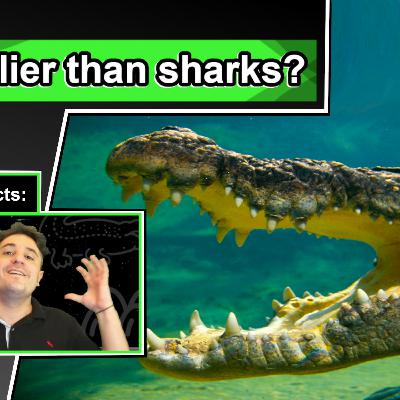
 1
1How deadly are Saltwater Crocodiles? Did you know "salties" can not chew their food? That is why they perform the famous "death roll" to tear apart their prey.
The Saltwater Crocodile can travel over 500 miles by floating in ocean currents, so watch out it could be anywhere... They can even live in freshwater!
What is your favorite Saltwater Crocodile fact?
timestamps:
0:00 - Saltwater crocodile facts introduction
0:29 - 10: Saltwater crocodile emigration
1:58 - 9: Saltwater crocodiles and hatchlings
2:54 - 8: Territory of the saltwater crocodile
3:31 - 7: Saltwater crocodile size and swimming
4:52 - 6: Saltwater crocodile's bite force
5:47 - 5: Saltwater crocodiles death roll
6:47 - 4: Saltwater crocodile diet and eating
7:32 - 3: Saltwater crocodiles are ambush predators
9:10 - 2: How did crocodiles survive dinosaur extinction?
10:06 - 1: Salties are scary!
11:21 - Support Animal Science TV
Support me on Patreon for video requests:
https://www.youtube.com/AnimalScienceTV
https://www.patreon.com/AnimalScienceTV
https://www.AnimalScienceTV.com
https://www.facebook.com/AnimalScienceTV
https://twitter.com/AnimalScienceTV
Special thanks to my current Patreons:
Lab Assistants: The Borbs
Research Associates: Susie, Julie Acepilot, GotMountains
Lead Scientists: Lisa, Alex, Emily, Sarah, Bianco Artistica, Epsilon is Greater Than
#saltwatercrocodiles #crocodiles #animals
General Credits:
Videos: Property of Animal Science TV
Stock Videos: StoryBlocks Standard License
Stock Photos: Pixabay, Canva
Music: Youtube Audio Library Creative Commons
Sound effects: https://www.zapsplat.com
Animations: Animal Science TV
Specific Credits:
https://animalsciencetv.com/credits-and-attributions-2022/
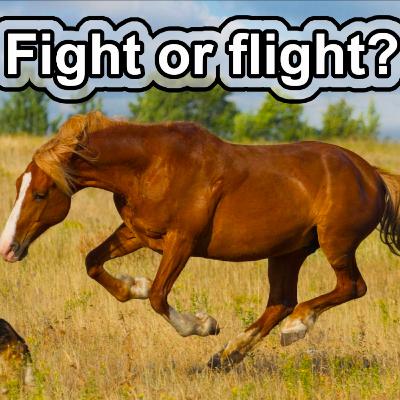
The horse can not hold its breath and can sleep while standing up! How did horses evolve such powerful kicks? We learn about the history of horse domestication and extinction in the family Equidae.
My favorite Horse fact is how they protect each other by switching off who is on guard duty. Horses are huge, but they are prey for animals like wolves.
There were once 12 species of horses living at the same time, but today we only have 1 surviving species. The only truly wild horses live in Kazakhstan.
Welcome to Animal Science TV's 10 Cool Facts about Horses!
timestamps:
0:00 - Horse Facts Introduction
0:18 - 10: Horse nasal breathing
0:48 - 9: Horse respiratory-locomotor coupling
1:24 - 8: Horses are Perissodactyls
2:04 - Bonus "Horsepower"
2:57 - 7: Horse stay-apparatus
3:53 - 6: Horses and REM sleep
4:32 - 5: Horse lookout duty and predators
5:04 - 4: Horses defenses
6:33 - 3: Horse evolution and history
8:02 - 2: Horses and the Bering land bridge
9:05 - Bonus "Long in the tooth"
9:38 - 1: Horse domestication
10:51 - Support Animal Science TV
Support me on Patreon for video requests:
https://www.youtube.com/AnimalScienceTV
https://www.patreon.com/AnimalScienceTV
https://www.AnimalScienceTV.com
https://www.facebook.com/AnimalScienceTV
https://twitter.com/AnimalScienceTV
Special thanks to my current Patreons:
Lab Assistants: The Borbs
Research Associates: Susie, Julie Acepilot
Lead Scientists: Lisa, Alex, Emily, Sarah, Bianco Artistica, Epsilon is Greater Than
#animals #horse #horses
General Credits:
Videos: Property of Animal Science TV
Stock Videos: StoryBlocks Standard License
Stock Photos: Pixabay, Canva
Music: Youtube Audio Library Creative Commons
Sound effects: https://www.zapsplat.com
Animations: Animal Science TV
Specific Credits:
https://animalsciencetv.com/credits-and-attributions-2022/
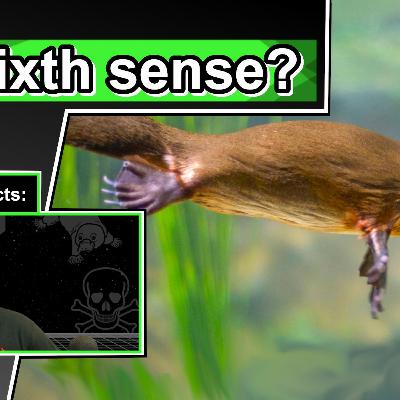
The platypus is venomous, lays eggs, and produces milk. Is it a mammal? How do Platypuses use their sixth sense to hunt with their eyes closed, and why do they glow under a blacklight?
My favorite Platypus Fact is that they don't have teeth or a stomach!
Welcome to Animal Science TV's 10 Cool Facts about the platypus!
timestamps:
0:00 - Platypus Facts Introduction
0:18 - 10: 1799 Platypus hoax
0:41 - 9: Platypuses are monotremes
1:09 - 8: Platypus eggs and milk
1:52 - 7: Platypus UV biofluorescence
2:47 - 6: Platypus venom
3:40 - 5: Platypus diet and electroreception
4:49 - 4: Platypuses don't have teeth
5:32 - 3: The platypus has no stomach
6:15 - 2: Platypuses have fat tails
6:53- 1: Platypus feet and burrows
7:29 - Support Animal Science TV
Support me on Patreon for video requests:
https://www.youtube.com/AnimalScienceTV
https://www.patreon.com/AnimalScienceTV
https://www.AnimalScienceTV.com
https://www.facebook.com/AnimalScienceTV
https://twitter.com/AnimalScienceTV
Special thanks to my current Patreons:
Lab Assistants: The Borbs
Research Associates: Susie, Julie Acepilot
Lead Scientists: Lisa, Alex, Emily, Sarah, Bianco Artistica, Epsilon is Greater Than
#animals #platypus #platypusfacts
General Credits:
Videos: Property of Animal Science TV
Stock Videos: StoryBlocks Standard License
Stock Photos: Pixabay, Canva
Music: Youtube Audio Library Creative Commons
Sound effects: https://www.zapsplat.com
Animations: Animal Science TV
Specific Credits:
https://animalsciencetv.com/credits-and-attributions-2021/
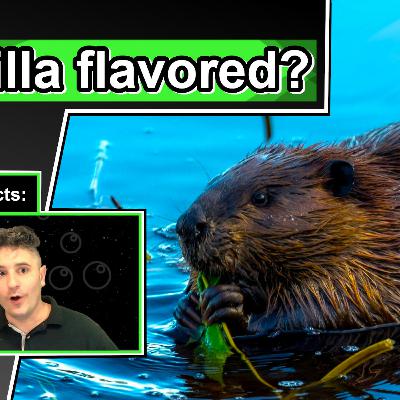
10 Animal Facts about Beavers! Beavers are able to modify their environment by cutting down trees and building dams. The wetland ecosystem is dependent on beavers, making them a keystone species!
Did you know Beavers have orange teeth, smell like vanilla, and do not actually eat wood?
What is your favorite Beaver Fact? Welcome to Animal Science TV's Animal Facts series.
timestamps:
0:00 - Beaver Fact Introduction
0:15 - 10: Beavers have orange teeth
0:43 - 9: Beavers are little lumberjacks
1:30 - 8: Beaver dams
3:13 - 7: Beaver lodges
4:21 - 6: Beaver families
5:27 - 5: Beaver diet
6:42 - 4: Beavers are a keystone species
8:05 - Thank you Patreons!
8:18 - 3: Beaver hunting (castor oil and castoreum)
9:54 - 2: Beavers swimming adaptations
11:00 - 1: Beaves conflict over water (future)
13:01 - Support Animal Science TV
Support me on Patreon if you would like to help the Animal Science TV Project grow.
Epsilon is Greater Than has a Science YT channel too:
https://www.youtube.com/EpsilonIsGreaterThan
https://www.youtube.com/AnimalScienceTV
https://www.patreon.com/AnimalScienceTV
https://www.AnimalScienceTV.com
https://www.facebook.com/AnimalScienceTV
https://twitter.com/AnimalScienceTV
Special thanks to my current Patreons:
Lab Assistants: The Borbs
Research Associates: Susie, Julie Acepilot
Lead Scientists: Lisa, Alex, Emily, Sarah, Bianco Artistica, Epsilon is Greater Than
Science Gifts on Amazon (USA):
https://animalsciencetv.com/best-and-cool-gifts-for-science-lovers/
Disclaimer: As an Amazon Associate I earn a small commission from qualifying purchases.
#Beavers #BeaverFacts#AnimalFacts
General Credits:
Videos: Property of Animal Science TV
Stock Videos: StoryBlocks Standard License
Stock Photos: Pixabay, Canva
Music: Youtube Audio Library Creative Commons
Sound effects: https://www.zapsplat.com
Animations: Animal Science TV
Specific Credits:
https://animalsciencetv.com/credits-and-attributions-2021/
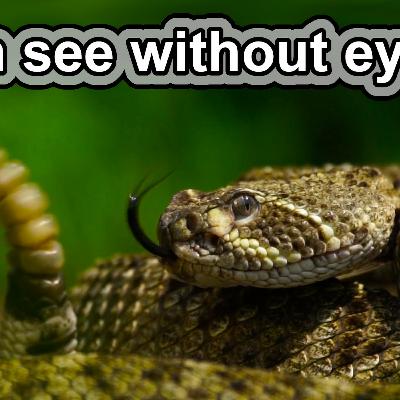
What is your favorite venom? I like paralyzing neurotoxins...
The rattlesnake possesses organs that can sense beyond what humans and other animals can. The Jacobson's organ and split tongue allow them to smell in 2D, and the pit organ creates 3d heatmap of their surroundings even in the dark.
All of these rattlesnake facts will teach us what makes these venomous animals such special predators.
The rattlesnake's rattle itself is a unique predator deterrent system in the animal kingdom.
Welcome to Animal Science TV's 10 Cool Facts about Rattlesnakes!
timestamps:
0:00 - Rattlesnake Facts Introduction
0:13 - 10: Pit organ
1:00 - 9: Folding fangs
2:25 - 8: Jacobson's organ
3:18 - 7: What eats rattlesnakes?
4:44 - 6: Rattlesnake rattles
5:31 - 5: Rattlesnake venom
7:20 - 4: Jumping genes
8:08 - 3: New World snakes
9:20 - 2: Brumation
10:47 - 1: Are rattlesnakes dangerous?
12:34 - Support Animal Science TV
Support me on Patreon for video requests:
https://www.youtube.com/AnimalScienceTV
https://www.patreon.com/AnimalScienceTV
https://www.AnimalScienceTV.com
https://www.facebook.com/AnimalScienceTV
https://twitter.com/AnimalScienceTV
Special thanks to my current Patreons:
Lab Assistants: The Borbs
Research Associates: Susie, Julie Acepilot
Lead Scientists: Lisa, Alex, Emily, Sarah, Bianco Artistica
#animals #rattlesnake #rattlesnakes
General Credits:
Videos: Property of Animal Science TV
Stock Videos: StoryBlocks Standard License
Stock Photos: Pixabay, Canva
Music: Youtube Audio Library Creative Commons
Sound effects: https://www.zapsplat.com
Animations: Animal Science TV
Specific Credits:
https://animalsciencetv.com/credits-and-attributions-2021/
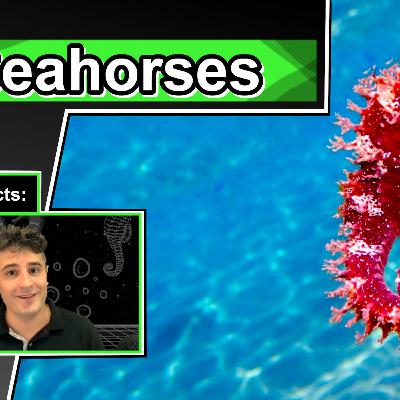
How fast do seahorses swim? Does the male seahorse truly get pregnant and give birth?
These seahorse facts shocked me! What do you think of these videos showing seahorse birth, seahorse camouflage, and a seahorse swimming? They swim vertically, which is very odd!
Welcome to Animal Science TV's 10 Cool Facts about Seahorses!
timestamps:
0:00 - Seahorse Facts Introduction
0:17 - 10: Seahorse anatomy
1:09 - 9: Seahorse male pregnancy
2:02 - 8: Seahorse monogamy
2:45 - 7: Seahorse swimming
3:29 - 6: Seahorses have big noses
4:06 - 5: What do seahorses eat?
4:30 - 4: Seahorse predators
5:06 - 3: Seahorse camouflage
6:16 - 2: Seahorse habitat
7:46 - 1: Seahorse pets and Traditional Chinese Medicine
8:52 - Support Animal Science TV
Support me on Patreon for video requests:
https://www.youtube.com/AnimalScienceTV
https://www.patreon.com/AnimalScienceTV
https://www.AnimalScienceTV.com
https://www.facebook.com/AnimalScienceTV
https://twitter.com/AnimalScienceTV
Special thanks to my current Patreons:
Lab Assistants: The Borbs
Research Associates: Susie, Julie Acepilot
Lead Scientists: Lisa, Alex, Emily, Sarah
#animals #seahorse #seahorses
General Credits:
Videos: Property of Animal Science TV
Stock Videos: StoryBlocks Standard License
Stock Photos: Pixabay, Canva
Music: Youtube Audio Library Creative Commons
Sound effects: https://www.zapsplat.com
Animations: Animal Science TV
YouTube Video Sources via Creative Commons:
https://www.youtube.com/watch?v=KcoeQwEeBNw
https://www.youtube.com/watch?v=vX9Nci6ecc4
https://www.youtube.com/watch?v=hbkhCzmUzPg
Specific Credits:
https://animalsciencetv.com/credits-and-attributions-2021/
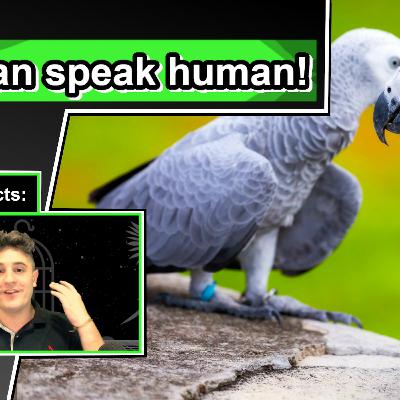
The African Grey Parrot can talk and has an 80 year lifespan! How do African grey parrots survive in the wild, and what makes them such a popular exotic pet?
My favorite African Grey Parrot Fact is how they can communicate with police to help solve crimes!
Welcome to Animal Science TV's 10 Cool Facts about African Grey Parrots!
Help with conservation at www.parrots.org if you can, thanks.
timestamps:
0:00 - African Grey Parrot Facts Introduction
0:26 - 10: African Grey Parrot talking
1:58 - 9: Grey Parrots brain
2:45 - 8: African Grey mysteries
4:16 - 7: Grey Parrots habitat
5:27 - 6: African Grey safety in numbers
7:12 - 5: What do African Grey Parrots eat?
7:57 - 4: Grey parrots and oil palms
9:24 - 3: Pet African grey parrots
10:05 - 2: African Grey Parrot trade
11:20 - 1: Conservation of African Grey Parrots
12:34 - Support Animal Science TV
Support me on Patreon for video requests:
https://www.youtube.com/AnimalScienceTV
https://www.patreon.com/AnimalScienceTV
https://www.AnimalScienceTV.com
https://www.facebook.com/AnimalScienceTV
https://twitter.com/AnimalScienceTV
Special thanks to my current Patreons:
Lab Assistants: The Borbs
Research Associates: Susie, Julie Acepilot
Lead Scientists: Lisa, Alex, Emily, Sarah
#animals #africangreyparrot #africangreyparrots
General Credits:
Videos: Property of Animal Science TV
Stock Videos: StoryBlocks Standard License
Stock Photos: Pixabay, Canva
Music: Youtube Audio Library Creative Commons
Sound effects: https://www.zapsplat.com
Animations: Animal Science TV
Specific Credits:
https://animalsciencetv.com/credits-and-attributions-2021/
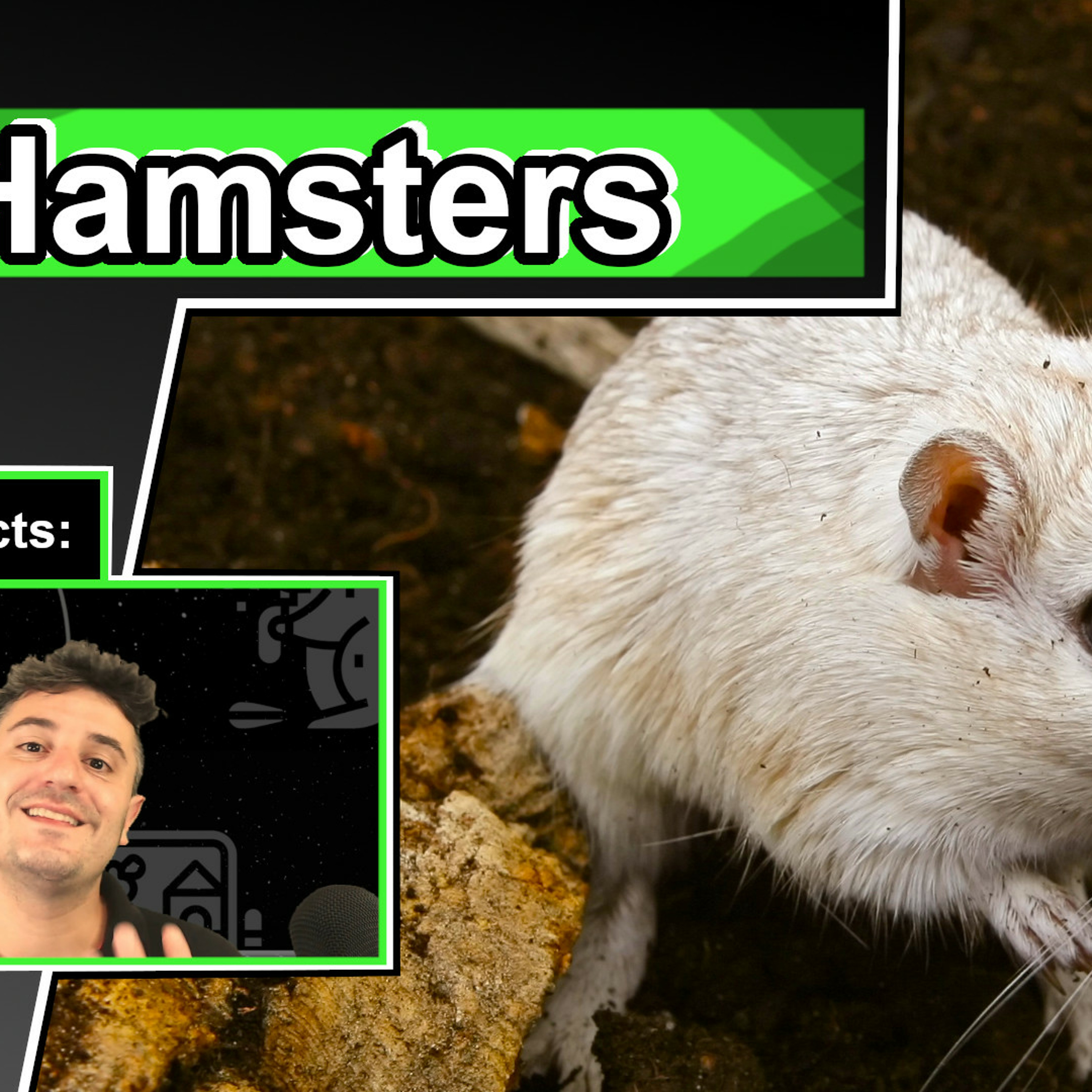
Today we learn 10 Cool Facts about Hamsters. Hamsters were just recently domesticated in 1930. How can these wild hamster facts teach you to be a better pet owner?
You will learn a lot of Hamster facts, especially about how these animals live in the wild. Here are the top 10 cool hamster facts.
timestamps:
0:00 - Introduction
0:25 - 10: Hamster pouches
1:16 - 9: Hamster teeth
2:31 - 8: Hamster burrows
3:35 - 7: Hamster foraging
4:19 - 6: Hamster scent glands
5:15 - 5: Hamster eyesight
6:30 - 4: Baby hamsters
7:42 - 3: Hamster species
9:15 - www.TheHamsterCare.com
9:37 - 2: Hamster claws
10:39 - 1: Torpor and hamster hibernation
12:04 - Support Animal Science TV
Support me on Patreon for video requests and to be a guest host if you like.
https://www.youtube.com/AnimalScienceTV
https://www.patreon.com/AnimalScienceTV
https://www.animalsciencetv.com
https://www.facebook.com/AnimalScienceTv
https://twitter.com/AnimalScienceTV
Special thanks to my current Patreons:
Lab Assistants: The Borbs
Research Associates: Susie, Julie Acepilot
Lead Scientists: Lisa, Alex, Emily, Sarah
Science Gifts on Amazon (USA):
https://animalsciencetv.com/best-and-cool-gifts-for-science-lovers/
Disclaimer: As an Amazon Associate I earn a small commission from qualifying purchases.
#AnimalFacts #Hamsters #Hamster
General Credits:
Videos: Property of Animal Science TV
Stock Videos: StoryBlocks Standard License
Stock Photos: Pixabay, Canva
Music: Youtube Audio Library Creative Commons
Sound effects: https://www.zapsplat.com
Animations: Animal Science TV
Specific Credits:
https://animalsciencetv.com/credits-and-attributions-2021/
Special Thanks:
https://www.thehamstercare.com/
http://hamsterhideout.com/
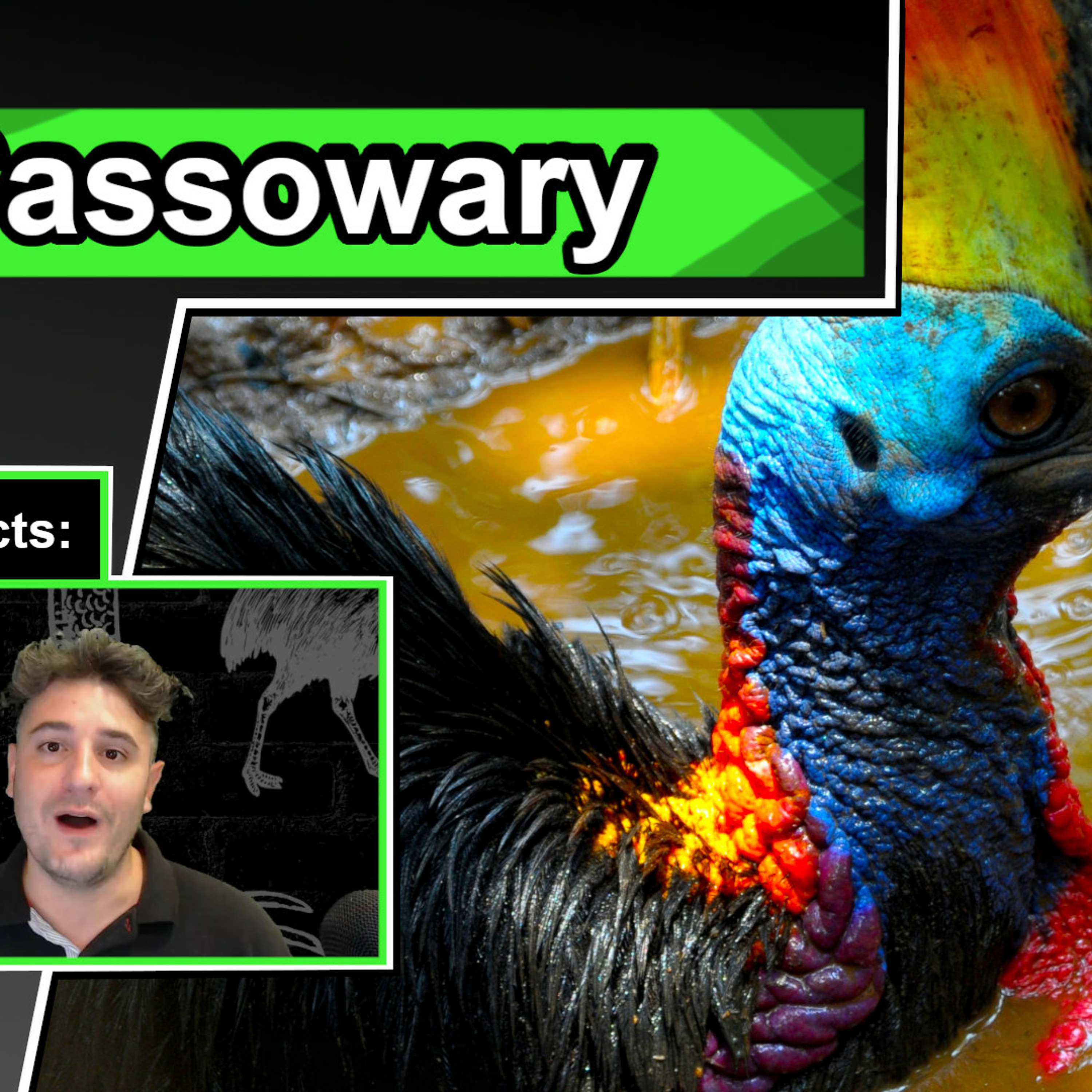
Today we learn 10 Cool Cassowary Facts. Why are Cassowaries considered the world's most dangerous bird? Did you know the male cassowary raises the chicks? Why did the cassowary lose the ability to fly?
Listen to my English narration, music, and watch the HD video clips. Join in the discussion and let me know what you want to learn next. Please subscribe for more videos all about animals!
You will learn a lot of Cassowary Facts. These are the top 10 cool animal facts about Cassowaries.
timestamps:
0:00 - Cassowary introduction
0:18 - 10: The murder bird
1:18 - 9: Territorial cassowaries
2:05 - 8: Cassowary dads
3:03 - 7: Cassowaries are frugivores
3:58 - 6: Cassowary evolution (living dinosaurs)
5:17 - 5: Vestigial wings
6:21 - 4: Cassowary casques
7:22 - 3: Cassowary warning signals
8:19 - 2: Cassowary species
8:59 - 1: Cassowaries endangered
10:10 - Support Animal Science TV
Support me on Patreon for video requests and to be a guest host if you like.
https://www.youtube.com/AnimalScienceTV
https://www.patreon.com/AnimalScienceTV
https://www.animalsciencetv.com
https://www.facebook.com/AnimalScienceTv
https://twitter.com/AnimalScienceTV
Special thanks to my current Patreons:
Lab Assistants: The Borbs
Research Associates: Susie, Julie Acepilot
Lead Scientists: Lisa, Daralyn, Alex, Emily
Science Gifts on Amazon (USA):
https://animalsciencetv.com/best-and-cool-gifts-for-science-lovers/
Disclaimer: As an Amazon Associate I earn a small commission from qualifying purchases.
#Animals #Cassowary #Cassowaries
General Credits:
Videos: Property of Animal Science TV
Stock Videos: StoryBlocks Standard License
Stock Photos: Pixabay, Canva
Music: Youtube Audio Library Creative Commons
Sound effects: https://www.zapsplat.com
Animations: Animal Science TV
Specific Credits:
https://animalsciencetv.com/credits-and-attributions-2021/
https://www.exploringnature.org/db/view/Cassowary-Southern
Sheri Amsel: @exploring_nature
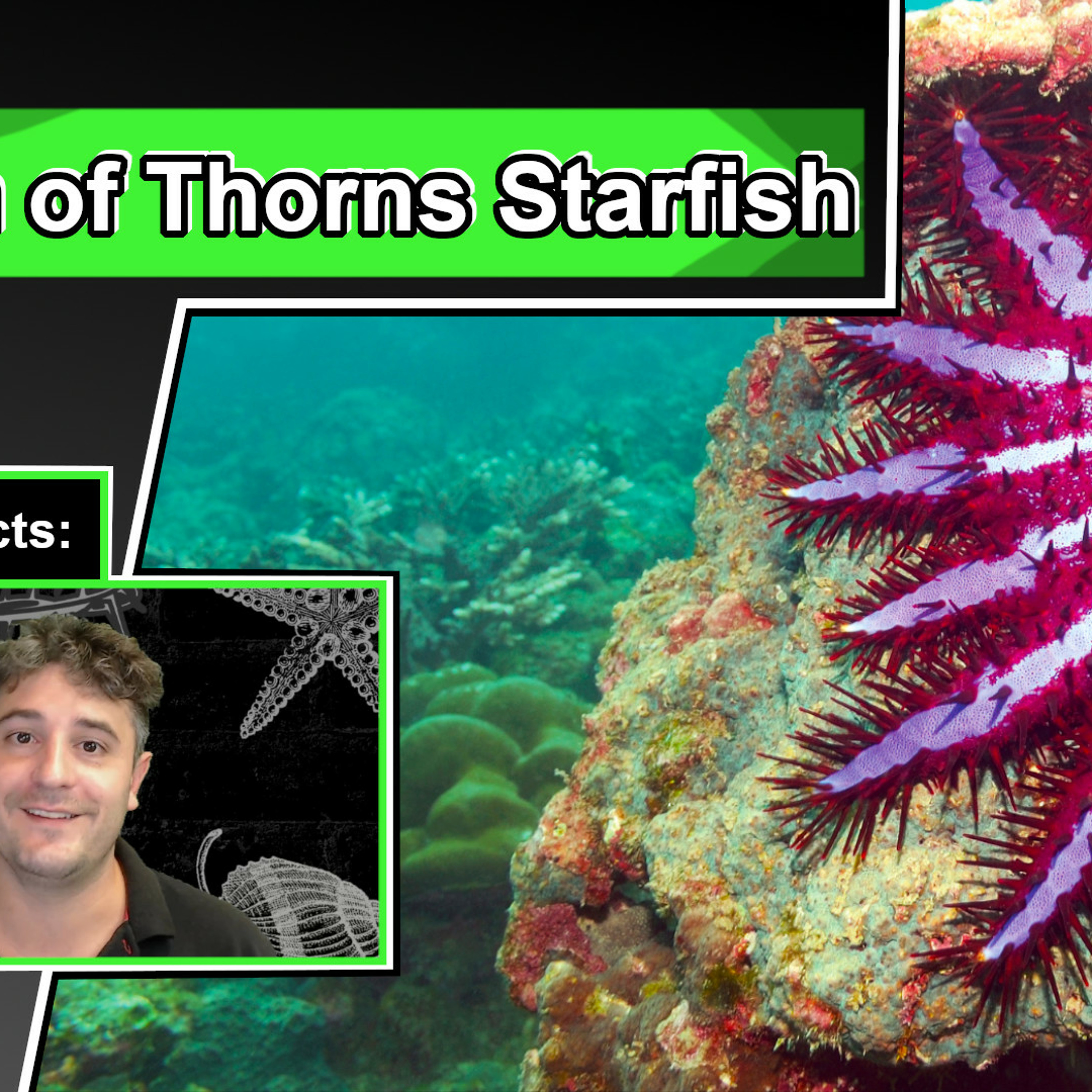
10 Animal Facts about the Crown of Thorns Starfish! The Crown of Thorns Starfish is an invasive species that feeds mostly on livin coral! Did you know starfish have no blood, no brains, and can regrow their lost legs?
How can we use this Crown of thorns starfish information to prevent the next outbreak on the great barrier reef?
What is your favorite Crown of Thorns Starfish Fact? Welcome to Animal Science TV's Animal Facts series.
timestamps:
0:00 - Crown of Thorns Starfish Fact introduction
0:18 - 10: Coral killers
1:23 - 9: Strong defenses
2:11 - 8: Natural predators
2:54 - 7: Population control efforts
4:14 - 6: External reproduction
5:36 - 5: Outbreaks and farm runoff
6:43 - 4: Starfish regeneration
7:29 - 3: No blood or brain
8:42 - Thank you Patreon!
8:55 - 2: The second largest Sea Star
9:50 - 1: Ecological benifits
10:55 - Support Animal Science TV
Support me on Patreon if you would like to help the Animal Science TV Project grow.
https://www.youtube.com/AnimalScienceTV
https://www.patreon.com/AnimalScienceTV
https://www.AnimalScienceTV.com
https://www.facebook.com/AnimalScienceTV
https://twitter.com/AnimalScienceTV
Special thanks to my current Patreons:
Lab Assistants: The Borbs
Research Associates: Susie, Julie Acepilot
Lead Scientists: Lisa, Daralyn, Alex, Emily
Science Gifts on Amazon (USA):
https://animalsciencetv.com/best-and-cool-gifts-for-science-lovers/
Disclaimer: As an Amazon Associate I earn a small commission from qualifying purchases.
#CrownOfThornsStarfish #CrownOfThornsStarfishFacts #CrownOfThornsStarfishInformation
General Credits:
Videos: Property of Animal Science TV
Stock Videos: StoryBlocks Standard License
Stock Photos: Pixabay, Canva
Music: Youtube Audio Library Creative Commons
Sound effects: https://www.zapsplat.com
Animations: Animal Science TV
Specific Credits:
https://www.aims.gov.au/
https://animalsciencetv.com/credits-and-attributions-2021/
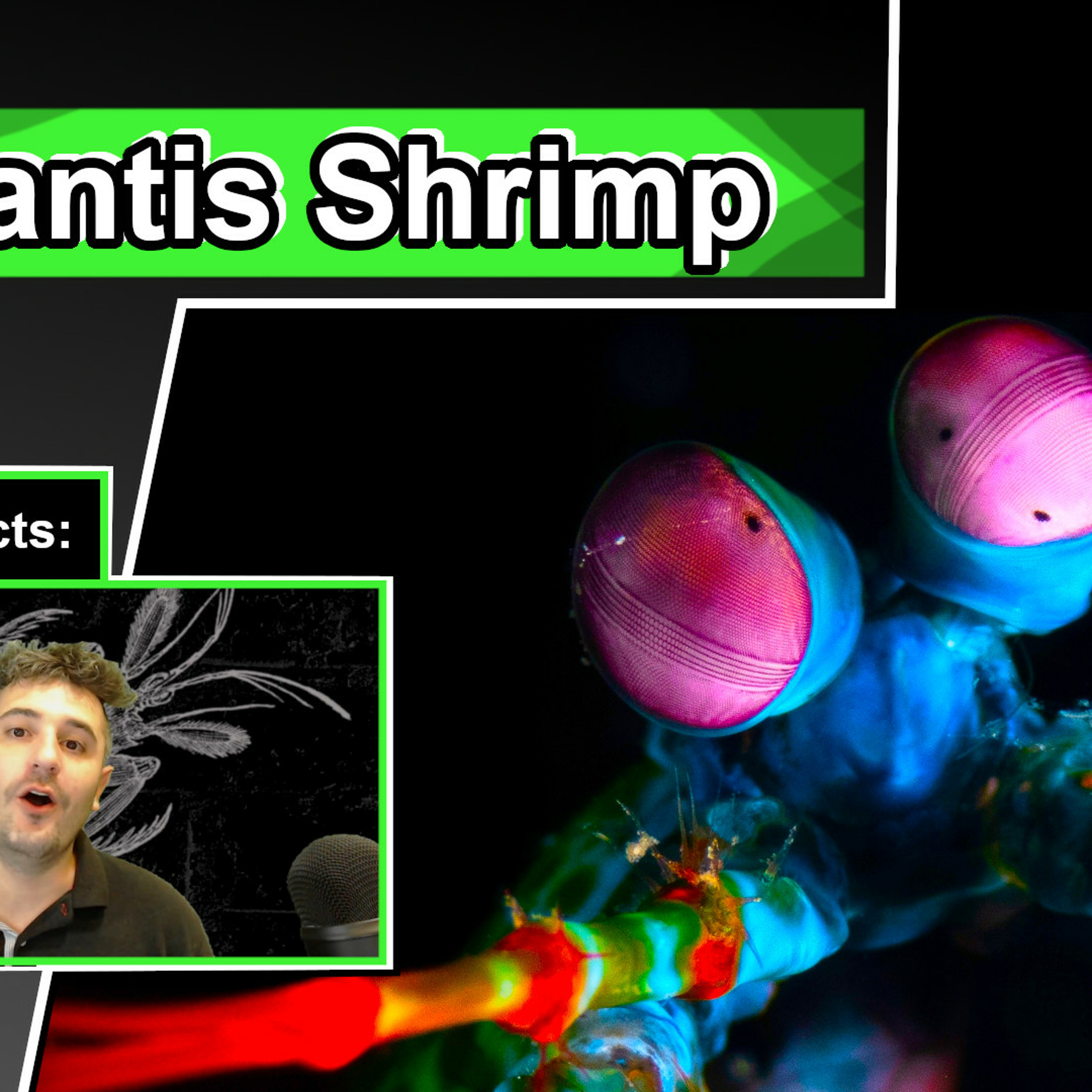
10 Cool facts about Mantis Shrimp. Mantis shrimp have the fastest punch in the animal kingdom. These predators are found world wide, and are either smashers or spearers. I think the most impressive facts have to do with their unique trinocular vision.
Welcome to Animal Science TV.
timestamps:
0:00 - Sloth Facts Introduction
0:18 - 10: Smashers and Spearers
0:52 - 9: Fastest punch
2:17 - 8: Deadly carnivores
3:35 - 7: Not Shrimp or Mantis
4:15 - 6: Trinocular vision
6:16 - 5: Monogamy
6:56 - 4: Audio and visual communications
8:17 - Subscribers, thank you!
8:35 - 3: Biomimicry research
9:27 - 2: Habitat and range
10:06 - 1: Predators and threats
11:19 - Support Animal Science TV
Support me on Patreon for video requests and for a shoutout! Just $1 a month helps keep me motivated:
https://www.patreon.com/AnimalScienceTV
https://www.animalsciencetv.com
https://www.facebook.com/AnimalScienceTv
https://twitter.com/AnimalScienceTV
https://www.youtube.com/AnimalScienceTV
Special thanks to my current Patreons:
Lab Assistants: The Borbs
Research Associates: Susie, Julie Acepilot
Lead Scientists: Lisa, Daralyn, Alex
Science Gifts on Amazon (USA):
https://animalsciencetv.com/best-and-cool-gifts-for-science-lovers/
Disclaimer: As an Amazon Associate I earn a small commission from qualifying purchases.
#AnimalFacts #AnimalNews #ScienceEducation
General Credits:
Videos: Property of Animal Science TV
Stock Videos: StoryBlocks Standard License
Stock Photos: Pixabay, Canva
Music: Youtube Audio Library Creative Commons
Sound effects: https://www.zapsplat.com
Animations: Animal Science TV
Specific Credits:
https://animalsciencetv.com/credits-and-attributions/
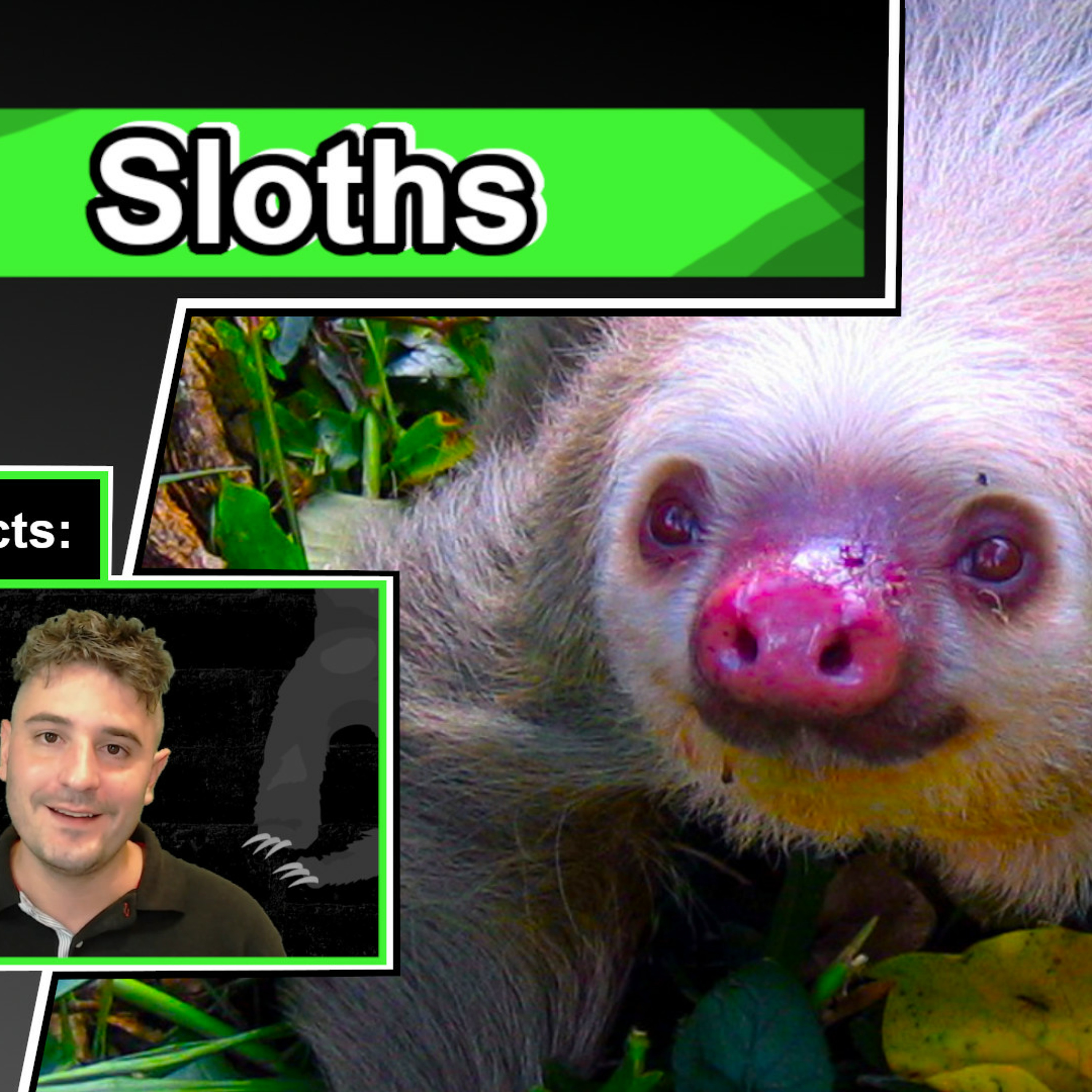
10 Cool facts about Sloths. Sloths have the slowest metabolism of all mammals, and have adapted so many cool strategies to survive in "low battery mode". All of these sloth facts have something to do with saving calories. Being slow is a great survival tactic.
What is your favorite sloth fact?
Listen to my English narration, music, and watch the HD video clips. Join in the discussion and let me know what you want to learn next. Please subscribe for more videos about all about animals.
Welcome to Animal Science TV.
timestamps:
0:00 - Sloth Facts Introduction
0:14 - 10: Low battery mode
0:59 - 9: Giant ground sloths
2:16 - 8: Upside down world
3:12 - 7: A huge gut
4:24 - 6: Well potty trained
5:21 - Bonus: Rod monochromacy
6:27 - 5: Sloths float
7:17 - 4: Temperature fluctuations
8:23 - 3: Good at falling
9:04 - Patreons: Thank you!
9:15 - 2: Biological camouflage
10:36 - 1: Lifespan and conservation
12:05 - Support Animal Science TV
Support me on Patreon for video requests and for a shoutout! Just $1 a month helps keep me motivated:
https://www.patreon.com/AnimalScienceTV
https://www.animalsciencetv.com
https://www.facebook.com/AnimalScienceTv
https://twitter.com/AnimalScienceTV
https://www.youtube.com/AnimalScienceTV
Special thanks to my current Patreons:
Lab Assistants: The Borbs
Research Associates: Susie, Julie Acepilot
Lead Scientists: Lisa, Daralyn, Alex
Science Gifts on Amazon (USA):
https://animalsciencetv.com/best-and-cool-gifts-for-science-lovers/
Disclaimer: As an Amazon Associate I earn a small commission from qualifying purchases.
#AnimalFacts #AnimalNews #ScienceEducation
General Credits:
Videos: Property of Animal Science TV
Stock Videos: StoryBlocks Standard License
Stock Photos: Pixabay, Canva
Music: Youtube Audio Library Creative Commons
Sound effects: https://www.zapsplat.com
Animations: Animal Science TV
Specific Credits:
https://animalsciencetv.com/credits-and-attributions/
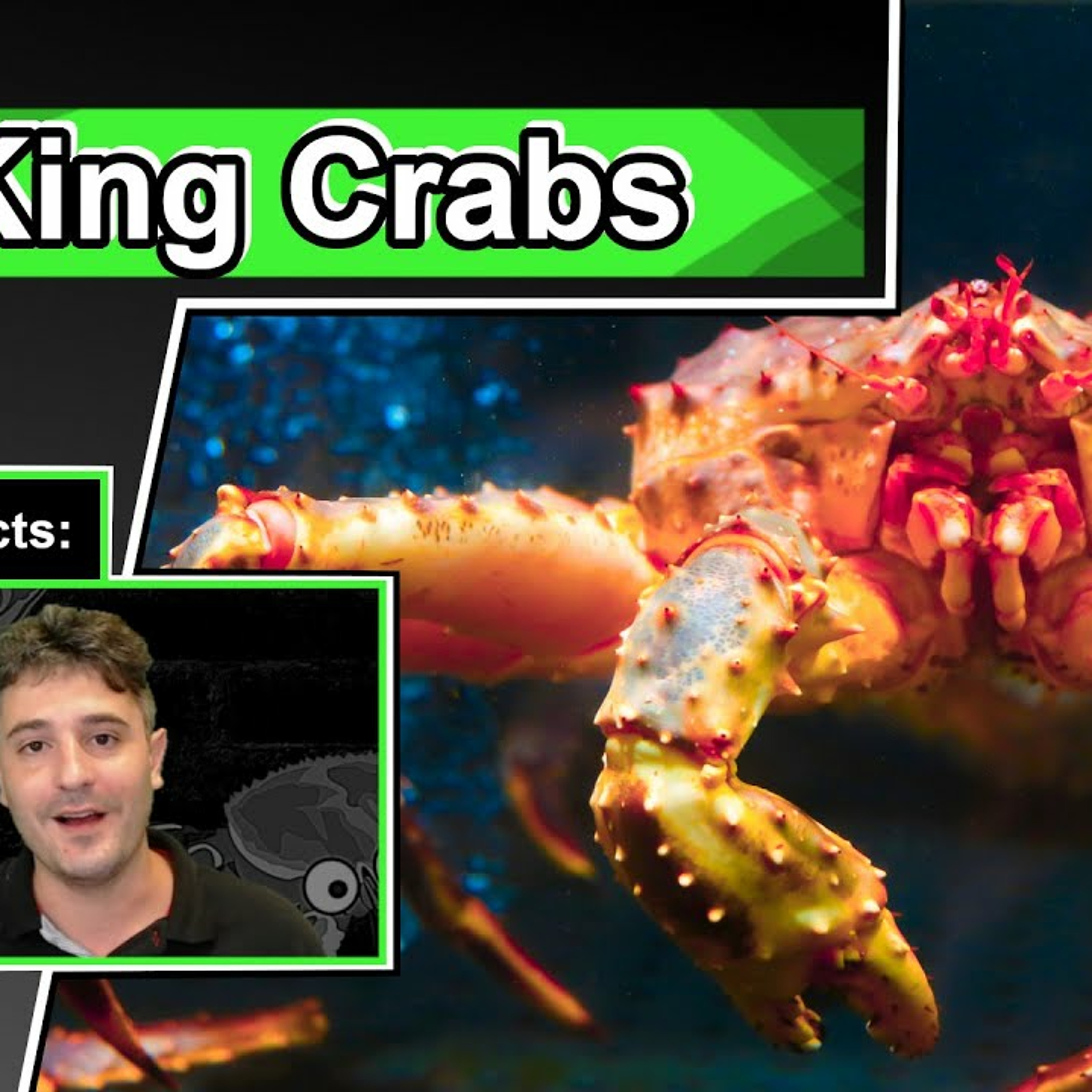
10 Cool facts about King Crabs. Red King crabs are native to the northern pacific, but they are an invasive species in Norway. I think the coolest facts about Alaskan King Crabs are their migration, limb regeneration, and life cycle.
Here, the King Crab is explained in great detail. This video contains everything you need to know. There are 3 main species of King Crabs in Alaska, but We focus mainly on the Red King Crab. Ocean acidification caused by climate change is a bigger threat to King Crabs than overfishing.
Listen to my English narration, music, and watch the HD video clips. Join in the discussion and let me know what you want to learn next. Please subscribe for more videos about all about animals.
timestamps:
0:00 - King Crab Facts Introduction
0:23 - 10: Not true crabs
1:44 - 9: Decapods
3:27 - 8: Aggregation pods
4:28 - 7: Molting and regeneration
6:05 - 6: Russian invasion
8:06 - 5: Life Cycle
10:16 - 4: Migration and diet
12:19 - 3: Conservation and price
15:16 - Patreons: Thank you!
15:52 - 2: Natural predators
16:54 - 1: Ocean acidification
19:38 - Support Animal Science TV
Support me on Patreon for video requests and for a shoutout! Just $1 a month helps keep me motivated:
https://www.patreon.com/AnimalScienceTV
https://www.animalsciencetv.com
https://www.facebook.com/AnimalScienceTv
https://twitter.com/AnimalScienceTV
https://www.youtube.com/AnimalScienceTV
Special thanks to my current Patreons:
Lab Assistants: The Borbs
Research Associates: Susie, Julie Acepilot
Lead Scientists: Lisa, Daralyn Kelleher
Science Gifts on Amazon (USA):
https://animalsciencetv.com/best-and-cool-gifts-for-science-lovers/
Disclaimer: As an Amazon Associate I earn a small commission from qualifying purchases.
#AnimalScienceTV #AnimalNews #AnimalEducation
General Credits:
Videos: Property of Animal Science TV
Stock Videos: StoryBlocks Standard License
Stock Photos: Pixabay, Canva
Music: Youtube Audio Library Creative Commons
Sound effects: https://www.zapsplat.com
Animations: Animal Science TV
Specific Credits:
1. CC 4.0
https://commons.wikimedia.org/wiki/File:Lithodidae_(MNHN-IU-2015-86).jpeg
2. CC 3.0
https://commons.wikimedia.org/wiki/File:Lithodes_maja_001.jpg
3. CC 3.0
https://commons.wikimedia.org/wiki/File:1904_Hemoglobin.jpg
4. CC 4.0
https://commons.wikimedia.org/wiki/File:Deoxyhemocyanin_full.png
https://commons.wikimedia.org/wiki/File:Oxyhemocyanin_full.png
5.CC 4.0
https://commons.wikimedia.org/wiki/File:Christmas_island_red_crabs_-_female_with_eggs_chris_bray-2.jpg

The Monarch Butterfly is very cool! Here some Monarch butterfly facts. I think think the coolest fact about Monarch butterflies is their incredible migration. Did you know all of these Monarch butterfly facts?
Here, the Monarchy Butterfly Migration is explained in great detail, it contains everything you need to no.
Listen to my English narration, music, and watch the HD video clips. Join in the discussion and let me know what you want to learn next. Please subscribe for more videos about all about animals.
timestamps:
0:00 - Monarch Butterfly Introduction
0:24 - 10: Eggs are only laid on Milkweed
1:12 - 9: Caterpillars are eating machines
2:41 - 8: The pupa stage and metamorphosis
3:45 - 7: The Monarch Butterfly (Finally)
5:15 - 6: Beautiful Aposematic Colors
6:31 - 5: An incredible migration
7:35 - 4: Super Generation Monarchs
9:04 - Patreons: Thank you!
9:22 - 3: A Biological Clock and Compass
10:29 - 2: A return to short life cycles
11:16 - 1: Why are Monarchs important?
12:24 - Support Animal Science TV
Support me by using my Amazon (USA) link. I will get a small commission and the price is the same for you:
https://animalsciencetv.com/best-and-...
Support me on Patreon for video requests and to be a guest host if you like.
https://www.youtube.com/channel/UCHJm...
https://www.patreon.com/AnimalScienceTV
https://www.animalsciencetv.com
https://www.facebook.com/AnimalScienceTv
https://twitter.com/AnimalScienceTV
Special thanks to my current Patreons:
Lab Assistants: The Borbs
Research Associates: Susie, Julie Acepilot
#AnimalScienceTV #AnimalNews #AnimalEducation
General Credits:
Videos: Property of Animal Science TV
Stock Videos: StoryBlocks Standard License
Stock Photos: Pixabay, Canva
Music: Youtube Audio Library Creative Commons
Sound effects: https://www.zapsplat.com
Animations: Animal Science TV
Specific Credits:
https://commons.wikimedia.org/wiki/File:Helleborin.png
https://commons.wikimedia.org/wiki/File:Monarch_butterfly_US_migration.png

The praying mantis is one of the coolest animals! My favorite praying mantis fact is how it uses mimicry to look like an orchid. Praying mantises also have 5 eyes! Today we learn 10 cool facts about praying mantises! Did you know any of these Praying Mantis facts?
Listen to my English narration, music, and watch the HD video clips. Join in the discussion and let me know what you want to learn next. Please subscribe for more videos about science news, 101 science education, and animal facts every week.
Support me by using my Amazon (USA) link. I will get a small commission and the price is the same for you:
https://sciencetalktv.com/best-and-cool-gifts-for-science-lovers/
Follow me on social media and support me on Patreon for video requests:
https://www.patreon.com/ScienceTalkTV
https://www.sciencetalktv.com
https://www.facebook.com/ScienceTalkTV/
https://www.twitter.com/ScienceTalkTV1
https://www.youtube.com/channel/ScienceTalkTV
Special thanks to my current Patreons:
Lab Assistant: The Borbs
Research Associate: Susie
timestamps:
0:00 - Praying Mantis introduction
0:08 - 10: Mimicry masters
1:06 - 9: Sexual cannibalism
1:30 - 8: A one year lifespan
2:21 - 7: "Praying" not "Preying"
3:15 - 6: Five eyes
4:21 - 5: A live diet
4:57 - Patreons: Thank you!
5:31 - 4: Strong arms
6:26 - 3: Related to cockroaches
7:06 - 2: Weak flyers
7:46 - 1: Zero or one ear
8:37 - Support Science Talk TV
Multimedia sources:
Stock Videos: StoryBlocks Standard License
Stock Photos: Pixabay, Canva
Music: Youtube Audio Library Creative Commons
Sound effects: https://www.zapsplat.com
Wikimedia commons image sources:
https://commons.wikimedia.org/wiki/File:Hummingbird_and_Praying_Mantis_(7857395916).jpg
https://commons.wikimedia.org/wiki/File:Archilochus_colubris_Illinois_(6140522491).jpg
#ScienceTalkTV #ScienceNews #ScienceEducation

Comments

Download from Google Play

Download from App Store
 United States