


 Claim Ownership
That's So Hindu
Subscribed: 100Played: 1,875
Subscribe

© Hindu American Foundation
Description
The podcast that interviews entrepreneurs and activists, politicians and professors, journalists, entertainers, spiritual teachers, and more on how Hinduism shapes their work and lives. All American. So Hindu. Brought to you by the Hindu American Foundation.
Hosted on Acast. See acast.com/privacy for more information.
157 Episodes
Reverse
In this conversation, Mat McDermott and Devala Rees delve into the complexities of Hinduism, particularly focusing on the Vedas and their role within various Hindu traditions. They explore the misconceptions surrounding the Vedas, the differences between Vedic and non-Vedic traditions, and the significance of Agamas in Hindu practices. The discussion also touches on the legal definitions of Hinduism as interpreted by the Indian Supreme Court, emphasizing the diversity and fluidity of Hindu identity.TakeawaysThe Vedas are ancient compilations of spiritual teachings and philosophies.Not all Hindus view the Vedas as authoritative; many traditions exist outside of Vedic influence.The Vedas are not a singular source of moral commandments like the Bible in Christianity.Hinduism encompasses over 300 different traditions, each with its own sources of knowledge.Agamas, or tantras, are significant texts that many Hindu traditions follow instead of the Vedas.The Indian Supreme Court's definition of Hinduism is not universally accepted among Hindus.Many Hindus practice spirituality without adhering to the Vedas.The concept of temples in Hinduism originates from Agamic traditions, not Vedic ones.Hindu identity is complex and cannot be reduced to a single definition based on Vedic adherence.The Vedas serve as a historical touchstone but do not dictate the practices of all Hindus.Chapters00:00 Understanding the Vedas: An Introduction09:41 The Role of the Vedas in Hinduism19:54 Diverse Perspectives: Vedic vs. Non-Vedic Traditions29:51 Agamas and Their Significance in Hindu Practices39:44 Legal Definitions and the Supreme Court's PerspectiveKeywordsHinduism, Vedas, Agamas, Hindu traditions, spirituality, non-Vedic, religious practices, Indian culture, philosophy Hosted on Acast. See acast.com/privacy for more information.
In this episode of That’s So Hindu, Mat McDermott speaks with filmmaker Trivikram Gajulapalli about his film 'Chiquita', which explores themes of spirituality and self-transformation through the story of a Texan biker. He shares insights into the cultural influences that shaped the film, the reception it has received from audiences, and the challenges of conveying spiritual themes in cinema. Trivikram also reflects on his experiences as a filmmaker and offers advice for others looking to create meaningful stories.Read more: https://veenaavedika.com/trivikram-gajulapalli/ TakeawaysTrivikram aims to tell cross-cultural stories through film.'Chiquita' focuses on a Texan biker's journey of self-discovery.The film incorporates elements of Western Hinduism.Trivikram conducted research on the experiences of Western Hindus.The film's reception has been positive among its target audience.Character development was crucial in portraying the film's themes.Trivikram emphasizes the importance of subtlety in storytelling.Art should serve a higher purpose beyond entertainment.Future projects will continue to explore Indian connections in American stories.Filmmakers should focus on authenticity and audience engagement.Chapters00:00 Introduction to Trivikram and His Work02:05 Overview of 'Chiquita' and Its Themes05:34 Exploring Western Hinduism and Cultural Influences09:34 Spirituality vs. Religion in 'Chiquita'11:39 Reception and Audience Response to the Film14:01 Character Development and Casting Choices16:35 Personal Experiences and Cultural Reflections17:36 Hidden Elements and Symbolism in the Film21:55 Veena Vedika and Future Projects24:37 Advice for Filmmakers on Spiritual Themes26:42 Closing Thoughts and Future EndeavorsKeywordsTrivikram Gajulapalli , Chiquita, Western Hinduism, spirituality, film, cultural stories, filmmaking advice Hosted on Acast. See acast.com/privacy for more information.
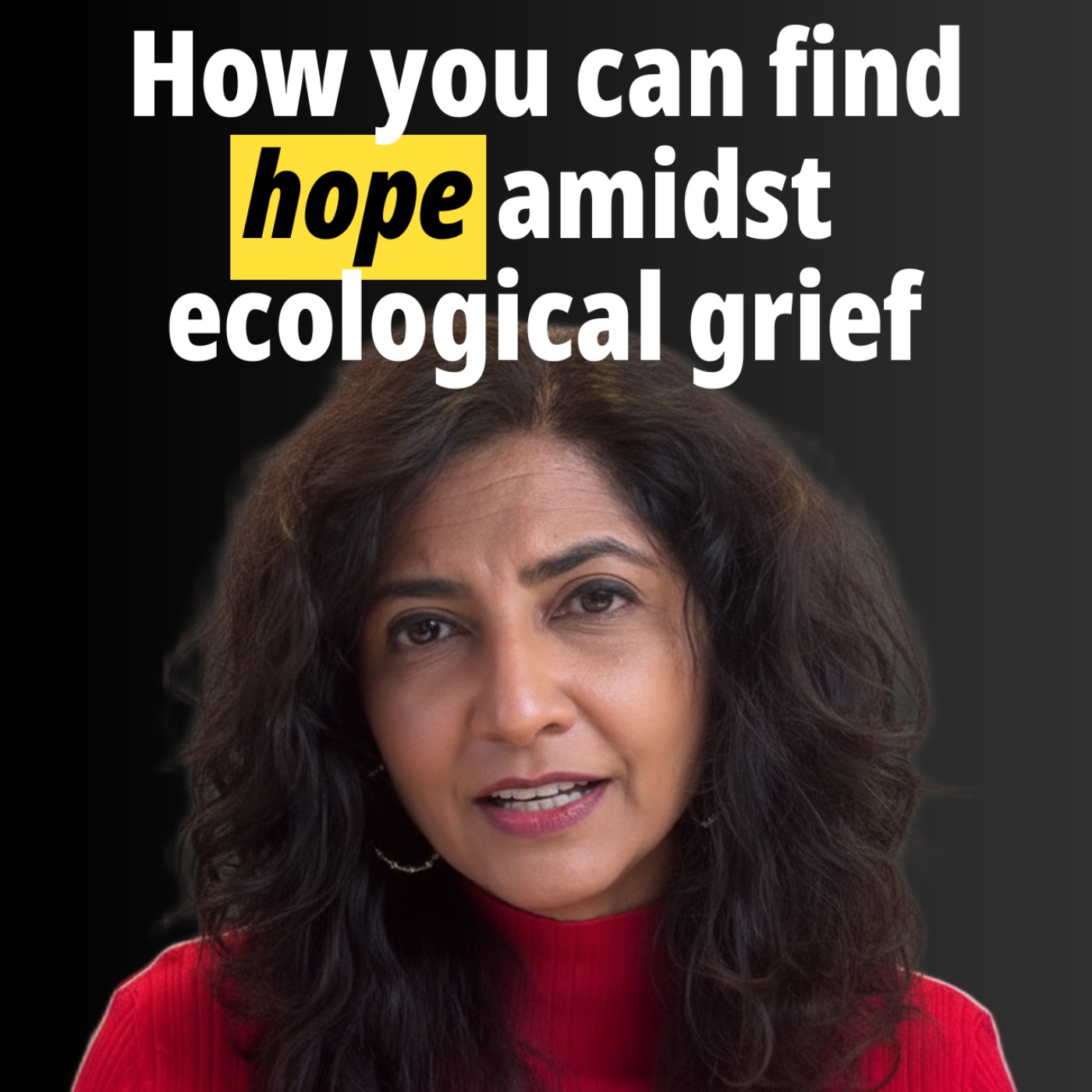
In this episode of That’s So Hindu, Mat McDermott speaks with author Dheepa Maturi about her eco-thriller '108', exploring themes of ecology, climate change, and the intersection of culture and identity. They discuss the balance between fiction and reality in addressing environmental issues, the significance of Hindu themes in the narrative, and the concept of ecological grief. Dheepa emphasizes the importance of poetry in connecting with nature and the community, as well as the need for empathy in conversations across divides. The discussion also touches on the role of technology in environmental solutions and the signs of hope amidst despair.TakeawaysDeepa aims to present a hopeful narrative amidst climate despair.Ecological grief is a recognized phenomenon affecting many.Poetry serves as a means to connect with our emotions.Getting outside and connecting with nature is vital.Empathy is key in bridging divides in society.Small actions can lead to significant change.Technology can offer solutions but must be balanced with caution.The number 108 holds spiritual significance in Eastern traditions.Chapters00:00 Introduction and Setting the Scene01:59 Overview of '108' and Its Themes05:47 The Balance of Fiction and Reality in Climate Narratives07:56 Hindu Themes and Ecological Perspectives12:00 Understanding Ecological Grief14:53 The Role of Poetry in Environmental Awareness16:37 Connecting with Nature and Community18:38 Empathy and Bridging Divides19:31 Finding Hope Amidst Despair23:28 Technology: A Double-Edged Sword26:33 Future Projects and Closing ThoughtsKeywordsecology, environment, climate change, ecological grief, Hindu themes, poetry, community, technology, hope, Dheepa Maturi Hosted on Acast. See acast.com/privacy for more information.
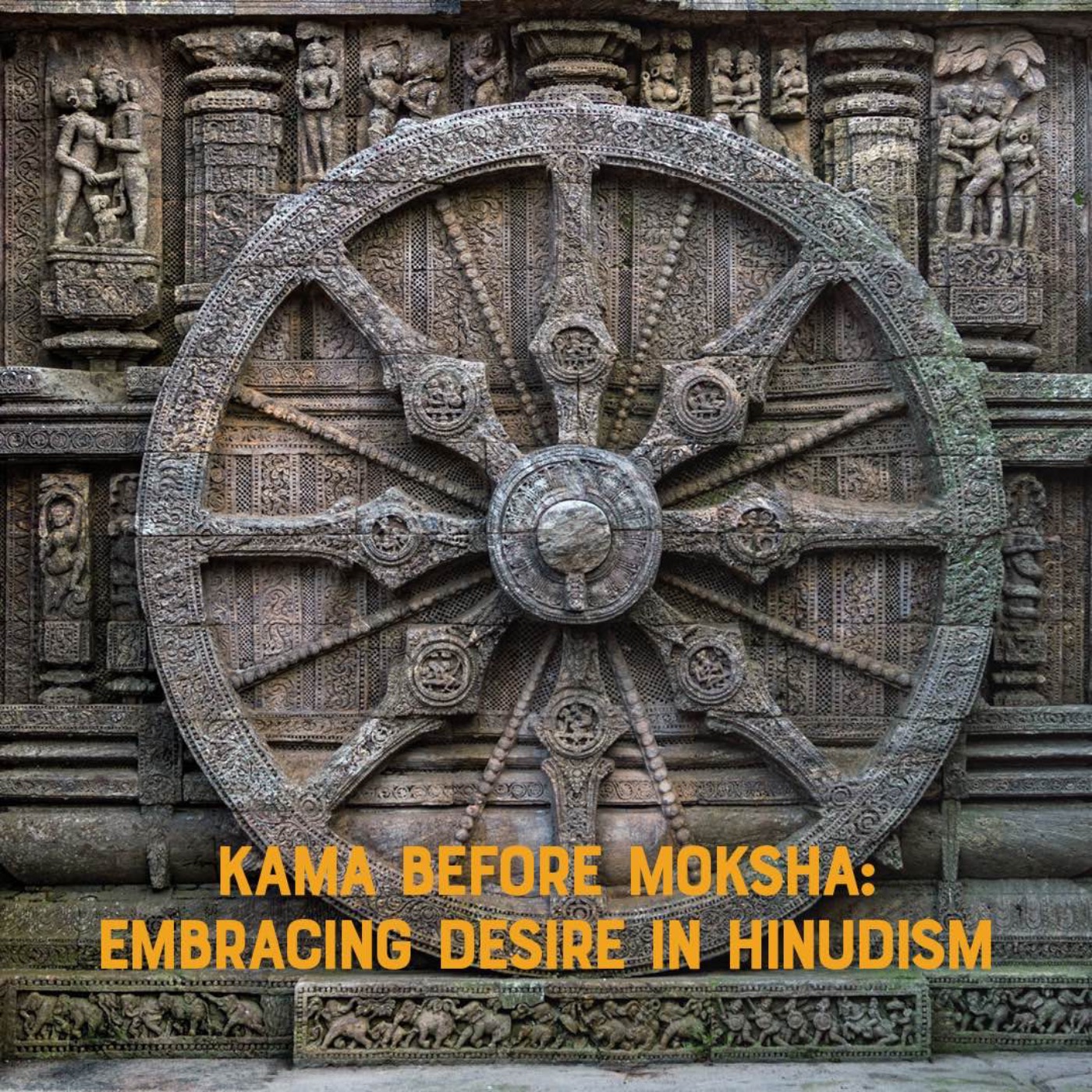
In this episode of That’s So Hindu, Mat McDermott speaks with Dr Vijay Satnarine and Dr Kavita Pallod Sekhsaria about the often downplayed and misunderstood concept of kama in Hinduism, emphasizing the importance of desire and pleasure in achieving a balanced life. The discussion critiques the puritanical mindset that has historically downplayed these aspects, particularly in the context of modern relationships and provides insights into the psychological implications of desire, the historical context of sexuality in Hinduism, and practical steps for embracing a holistic view of intimacy and pleasure.TakeawaysKama is a crucial aspect of a balanced life.Desire should not be rejected in the pursuit of moksha.The Victorian mindset has negatively influenced views on sexuality.Intimacy and pleasure are essential for fulfilling relationships.Hindu teachings advocate for a holistic understanding of desire.Communication about sex is vital in modern relationships.Historical texts show a more accepting view of sexuality.Pleasure should be pursued ethically and consensually.Understanding one's desires can lead to personal growth.The conversation around sexuality needs to be normalized.Chapters00:00 Introduction to Kama Before Moksha02:46 Reclaiming Desire: The Balance of Life Goals05:58 Understanding Kama: Beyond the Sutras08:40 The Puritanical Mindset: Historical Context11:47 The Spectrum of Sexuality in Hinduism14:58 The Role of Pleasure in Relationships17:46 Navigating Modern Relationships and Intimacy20:50 Experimentation and Mastery in Relationships23:34 The Impact of Victorian Ideals on Hindu Thought26:38 Addressing Swami Scandals and Human Fallibility29:38 Practical Steps for Embracing Desire32:45 Conclusion: Embracing a Holistic View of DesireKeywordsHinduism, Kama, Moksha, relationships, desire, intimacy, Victorian mindset, sexuality, spirituality, balance Hosted on Acast. See acast.com/privacy for more information.

In this episode of Thats So Hindu, Mat McDermott speaks with Fred Stella (HAF) and John Morehead (Foundation for Religious Diplomacy). The conversation explores the complex dynamics of Christian-Hindu relations, focusing on proselytization efforts in India and the reactions from the Hindu community. They discuss the ethical boundaries of evangelism, the importance of understanding different religious perspectives, and the need for interfaith dialogue that respects both beliefs. They emphasize the significance of educating young Hindus about their own faith to better engage in discussions with Christians and navigate the challenges posed by missionary activities.TakeawaysChristian evangelism often overlooks the perspectives of those being evangelized.Hindus feel their spiritual identity is often treated as a problem needing a solution.Interfaith dialogue can foster understanding and respect between different faiths.Ethical evangelism should avoid coercion and respect individual beliefs.Education is crucial for Hindus to articulate their beliefs in interfaith discussions.Not all Christians share the same approach to evangelism; there are diverse perspectives.The Great Commission is a fundamental aspect of evangelical Christianity.Interfaith discussions should focus on storytelling rather than debate.Creating alliances with other faiths can help address anti-Hindu sentiment.Respectful dialogue can lead to greater understanding and cooperation among religions.Chapters00:00Setting the Stage for Christian-Hindu Relations05:59Understanding Hindu Perspectives on Proselytization16:49Navigating Differences in Evangelism and Understanding18:21The Nature of Evangelization23:44Understanding the Great Commission24:17Exploring New Perspectives on Other Religions27:14Sharing Spiritual Beliefs Ethically33:28Experiences of Unethical Evangelism39:03Ethics of Evangelism in Interfaith Contexts45:16Finding Common Ground in Diverse BeliefsKeywordsChristianity, Hinduism, proselytization, interfaith dialogue, evangelism, ethical boundaries, cultural relations, religious identity, Great Commission, spiritual beliefs Hosted on Acast. See acast.com/privacy for more information.
In this episode of That’s So Hindu, Mat McDermott interviews Ravi Rajan, producer of the documentary “Castegate” and Sundar Iyer, one of the engineers at the center of Cisco caste discrimination case. The conversation delves into the allegations of caste discrimination, the subsequent documentary that was produced to document the events, and the broader implications of caste discrimination in the US. The speakers discuss the egregious claims made by the California Civil Rights Department, the political mobilization against Hindu Americans, and the legislative context surrounding SB 403. They emphasize the need for community awareness and action against discrimination, while also highlighting the importance of ethical leadership in politics.Watch: https://castegatethefilm.org/ TakeawaysThe Cisco case involves allegations of caste discrimination and harassment.The documentary aims to document the truth behind the Cisco case.There are significant misrepresentations in the claims made by the California Civil Rights Department.Political mobilization against Hindu Americans is a growing concern.Caste discrimination is being used as a tool to target Hindu Americans.The Civil Rights Department's actions raise ethical questions about government agencies.SB 403 was introduced to address caste discrimination but has controversial implications.Community reception of the documentary has been positive, with awards received.Calls for donations are crucial to support the ongoing efforts related to the film.The fight against discrimination is a collective responsibility for all Americans.Chapters00:00Overview of the Cisco Case02:56The Film's Development and Purpose05:57Behind the Scenes: Documenting the Truth08:39Egregious Claims and Misrepresentation11:42Speculation on Broader Agendas14:45Caste and Identity: A Complex Discussion17:31Statistical Misuse and Its Implications20:52Community Reception and Future Plans23:34Reflections on Pushback and Advocacy28:31Ethical Responsibilities of Leaders31:25Legal Challenges and Civil Rights34:44Caste Discrimination and Legal Implications37:47Racial Dynamics and Social Commentary39:57Cultural Shifts and Societal Reactions43:53Examining Harassment Claims46:31The Allegations of Isolation47:34The Possibility of a Setup49:30Coincidences and Causation50:56Understanding SB 40353:45The Implications of Caste Legislation56:35Political Ethics and Accountability58:40The Broader Campaign Against Hindu Americans01:03:54Calls to Action and Community SupportKeywordsCisco case, caste discrimination, documentary, civil rights, SB 403, Hindu American community, political mobilization, legal implications, anti-Hindu sentiment Hosted on Acast. See acast.com/privacy for more information.
In this episode of That’s So Hindu, Mat McDermott, Pawan Deshpande, and Devala Rees discuss the intersection of AI and Hinduism, exploring how AI can be integrated into devotional practices, the biases present in AI systems, and the implications of misinformation in educational contexts. They delve into the philosophical questions surrounding consciousness and AI, and the potential future of AI in relation to Hindu traditions. The discussion emphasizes the importance of accurate representation and the opportunities AI presents for spreading knowledge about Hinduism.TakeawaysAI images can be used in Hindu practices but with caution.Hinduism encompasses over 300 distinct traditions.Misinformation in educational materials about Hinduism is prevalent.Caste is often misrepresented in AI outputs.AI can mimic human-like features but lacks true consciousness.The optimization function in AI influences its responses.AI performs better when users interact positively with it.Hindus are significant users of AI technologies like ChatGPT.AI presents opportunities for accurate representation of Hinduism.The future of AI in Hinduism raises important philosophical questions.Chapters00:00Introduction to the Guests and Their Backgrounds02:54AI in Hindu Devotional Practices05:49Understanding AI: Definitions and Implications11:59Bias and Misinformation in AI17:52Educational Challenges and Misrepresentation of Hinduism23:44The Role of AI in Cultural Representation29:45Consciousness and AI: A Philosophical Exploration35:57The Future of AI and Hinduism41:45Conclusion and Final ThoughtsKeywordsAI, Hinduism, Devotional Practices, Misinformation, Bias, Education, Cultural Representation, Consciousness, Philosophy, Technology Hosted on Acast. See acast.com/privacy for more information.
In this episode, Mat McDermott interviews Richa Karmarkar, a Hinduism reporter at Religion News Service, discussing the complexities of reporting on Hinduism in America. They explore the perceptions of Hinduism in media, political biases, and the challenges faced by journalists in accurately representing the Hindu community. Richa shares her background, the importance of nuanced reporting, and the need for greater understanding of Hindu identity and immigration issues. The conversation also touches on key stories from the past year and looks ahead to future topics in Hinduism.Follow: Religion News Service | Richa KarmarkarTakeawaysRicha Karmarkar's journey from a Midwestern upbringing to becoming a Hinduism reporter.The complexity of Hinduism makes it challenging to report accurately.Political bias in media often affects the portrayal of Hinduism.Hindu identity is often linked to Indian politics in media narratives.There is a perception of left-wing bias in journalism.Many journalists lack a deep understanding of Hinduism.Community engagement is crucial for accurate representation.Immigration issues are a significant concern for the Hindu community.Support for political figures can vary widely within the Hindu community.The future of Hinduism in America will involve addressing spirituality and community needs.KeywordsHinduism, media representation, political bias, immigration, Hindu identity, journalism, Richa Karmarkar, Religion News Service, community engagement, cultural understandingChapters00:00 Introduction and Context of Current Events02:39 Richa's Background and Journey in Journalism04:35 Perceptions of Hinduism in Media Reporting07:55 Political Bias and Representation of Hindus10:30 Navigating Hindu Identity and Media Criticism12:31 Left-Wing Bias in Journalism17:32 Understanding Hinduism in Religion Reporting20:23 Balancing Nuance and Reader Understanding23:05 Key Stories in Hindu Community Reporting24:38 The Evolving Narrative of Immigration and Identity29:53 Community Perspectives on Immigration and Solidarity33:53 The Future of Hinduism in America38:51 Engaging with Hinduism Beyond the Mainstream Hosted on Acast. See acast.com/privacy for more information.

In this conversation, moderated by Mat McDermott, HAF’s Samir Kalra, Dr Kavita Pallod Sekhsaria, Sheetal Shah, and Suhag Shukla discuss the complexities of parenting within the Hindu American context. They share personal experiences on how to celebrate both Hindu and mainstream American holidays, strategies for navigating interfaith celebrations, addressing the challenges of educating children about different religions, and the impact of social media on parenting. The discussion emphasizes the importance of being good role models and fostering a strong cultural identity in children.TakeawaysCelebrating both Hindu and American holidays can enrich children's cultural experiences.Incorporating Hindu traditions into mainstream celebrations helps children feel connected.It's essential to engage in open conversations about different religions with children.Parents should model good behavior and values to instill a strong cultural identity.Educational experiences can vary widely; parents must advocate for accurate representation of Hinduism.Social media presents challenges, but balance and monitoring can help mitigate risks.Food can be a powerful motivator in engaging children with cultural practices.Community involvement and shared experiences enhance children's understanding of their heritage.Interfaith discussions should be approached with sensitivity and openness.Parenting requires constant adaptation to new cultural and technological landscapes.KeywordsHindu parenting, cultural celebrations, interfaith, education, social media, Hindu representation, parenting tips, holiday traditions, family values, community engagement Hosted on Acast. See acast.com/privacy for more information.
In this episode Mat McDermott speaks with Professor Pankaj Jain. Pankaj has been on the show before speaking about his area of professional expertise, Hinduism, Jainism and ecology. But today we’re speaking about something he’s become particularly passionate about: parenting. Specifically how Hindu parents can help their children develop a love of Hindu and Indian culture. Hosted on Acast. See acast.com/privacy for more information.

In this episode HAF Board Member psychologist Dr Kavita Pallod Sekhsaria and HAF Executive Director Suhag Shukla have a wide ranging discussion about parenting as Hindus, the book Bad Therapy, how we can raise resilient children, the differences in parenting across the generations, and more.This show was originally published on September 5, 2024 Hosted on Acast. See acast.com/privacy for more information.
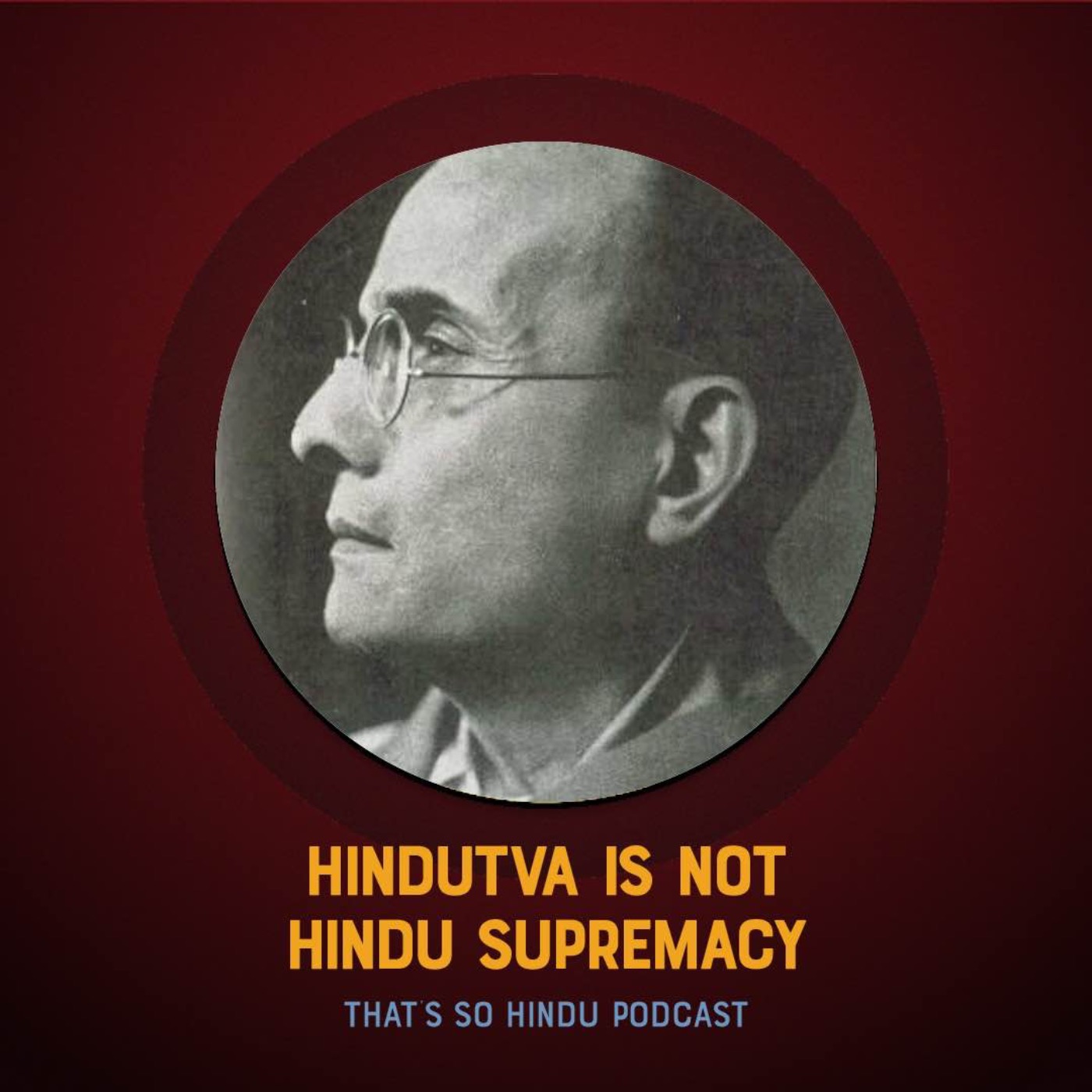
In this episode Suhag Shukla speaks with historian Vikram Sampath (author of the two volume definitive biography of Vinayak Damodar Savarkar) about the origins of Hindutva and misunderstandings about, its relevance for Hindus living outside of India, and more.This show originally was published on September 26, 2024. Hosted on Acast. See acast.com/privacy for more information.

In this episode Mat McDermott and Devala Rees discuss many frequently asked questions about sadhus. What are sadhus? How many female sadhus are there and what are they called? Why do many sadhus smoke marijuana as a spiritual practice? Why do some sadhus carry weapons? How do you become a sadhu? And more. Hosted on Acast. See acast.com/privacy for more information.
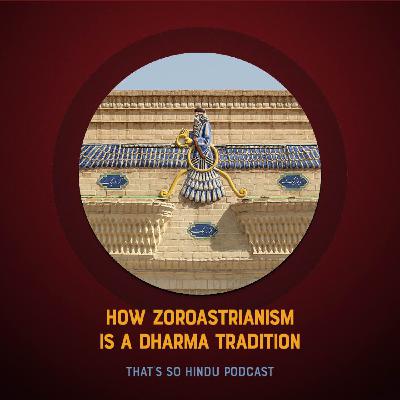
In this episode Devala Rees lays out the similarities and differences between the ancient religion of Persia, Zoroastrianism — which is still practiced by a couple hundred thousand people today — and the Hindu Dharma Traditions. Their basic beliefs and practices, as well as when the traditions split off from one another.Learn more: Federation of Zoroastrian Associations of North America Hosted on Acast. See acast.com/privacy for more information.
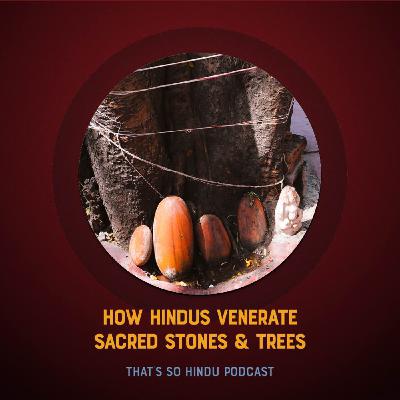
In this episode, originally published in 2023, we speak with Prof. David Haberman from Indiana University about his extensive work documenting how Hindus bring trees, stones, and mountains into their religious worship. Hosted on Acast. See acast.com/privacy for more information.
In this episode HAF Legal Director Needhy Shah speaks with immigration attorney Akanksha Kalra. They have a wide ranging discussion on immigration issues particularly applicable to the Indian American and Hindu American community, what is changing under the Trump Administration, what laws that have existed for some time but are being more strictly enforced, issues regarding asylum claims, Indians arriving without documentation at the southern border, and more. NOTE: This episode was recorded just prior to the proclamation of September 19th on changes to the H-1B program, so other than a brief mention that is not addressed. Once we have greater clarity on those changes, what parts of President Trump’s proclamation actually go into effect, for example, we will revisit that if it seems needed. Hosted on Acast. See acast.com/privacy for more information.
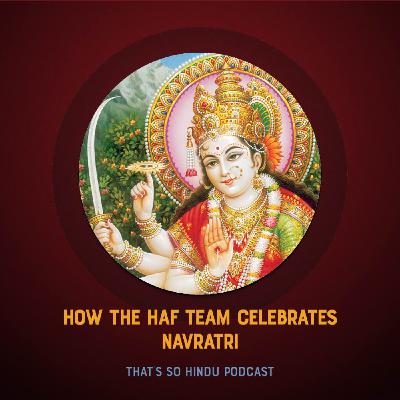
For this episode we have something a bit different for you. It’s a special episode for Navratri, originally published in 2023. We've interviewed several members of our extended HAF team as well as members of the Hindu American community about how they celebrate Navratri today, what they remember about the holiday growing up, and how their understanding of it has changed over the years. What you’ll hear are excepts from longer interviews our staff writer Syama Allard did with each person.Here are the full versions of some of these interviews, as well as some interviews that didn't make it into the episode. https://www.hinduamerican.org/blog/on-celebrating-navaratri-and-dussehra-through-the-lens-of-bhutanese-refugee-bhuwan-pyakurelhttps://www.hinduamerican.org/blog/on-celebrating-navaratri-and-dussehra-through-the-lens-of-hindu-american-samir-kalrahttps://www.hinduamerican.org/blog/on-celebrating-navaratri-and-dussehra-through-the-lens-of-iskcon-communications-director-anuttama-dashttps://www.hinduamerican.org/blog/on-celebrating-navaratri-and-dussehra-through-the-lens-of-hindu-american-kavita-pallod Hosted on Acast. See acast.com/privacy for more information.

For the Hindu American Foundation’s organizational birthday, coming up later this month, Mat McDermott, Suhag Shukla, Samir Kalra, and Raj Rao sat down to discuss and debunk some of the craziest things activists and adversaries say HAF does, believes, and sets out to do. Is HAF funding genocide in India? Are we trying to hide the Nazi origins of Hindutva? Fighting to preserve the right of Hindus to discriminate based on caste? Pinkwashing our Hindu supremacy? Working for the Government of India? Hating Sikhs and Catholics? No, no, no, no, no, and no. Hosted on Acast. See acast.com/privacy for more information.
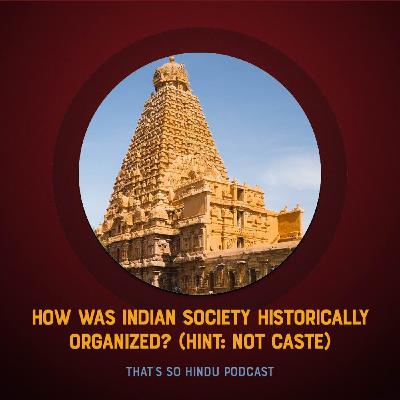
Devala Rees is back with us this week for another informative, enlightening and hopefully entertaining discussion. This week we’re talking about how ancient Indian society organized itself, with the subtitle of “Hint: It wasn’t caste”. The different social groups that were traditionally used, and how these morphed into something else entirely once British administrators in the 19th century decided they wanted to try understand the people they ruled in India, and how this has implications today both in India and the diaspora. This is a must listen episode for, well, everyone Hindu and non-Hindu alike. Hosted on Acast. See acast.com/privacy for more information.
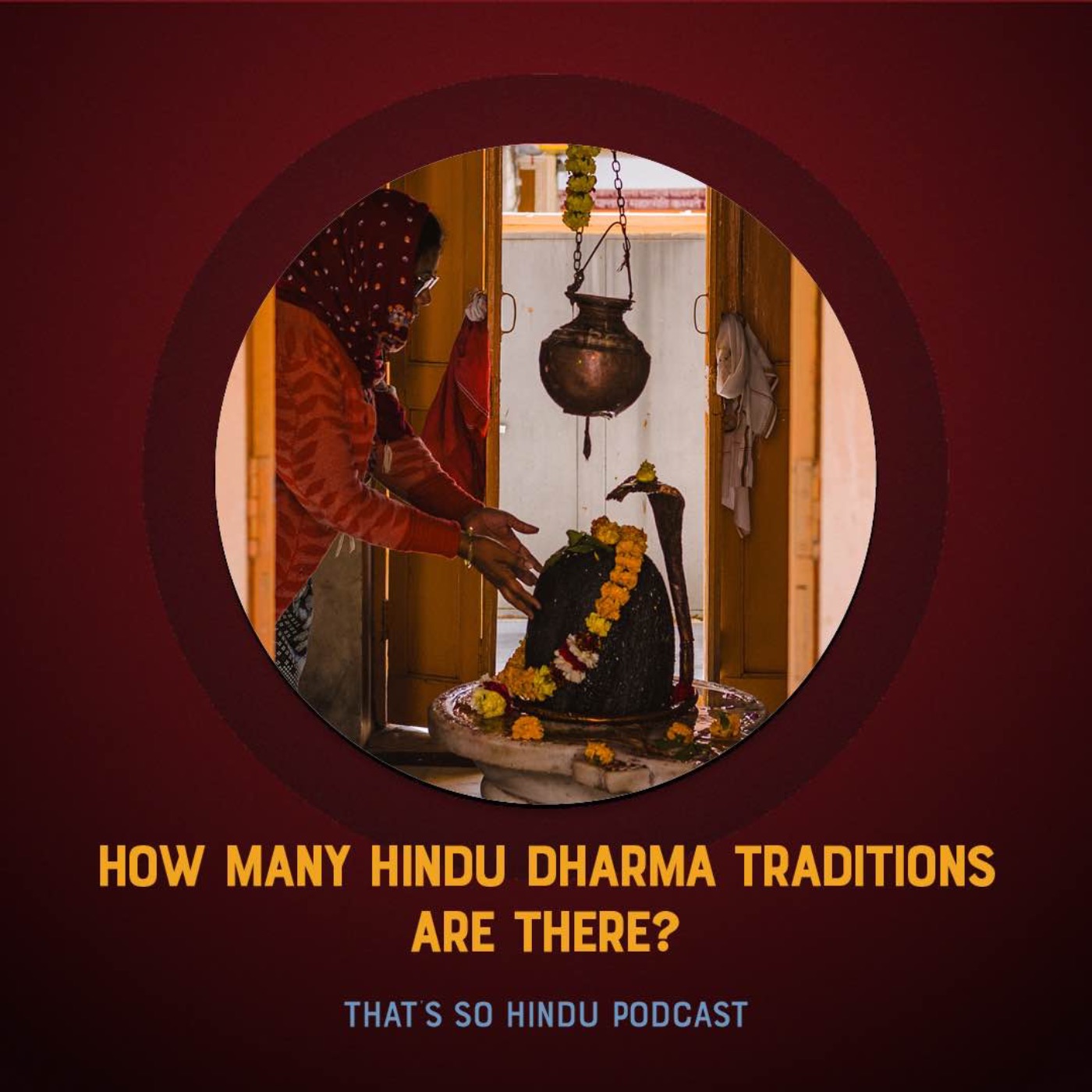
This week we’ve got another special episode with HAF’s Devala Rees. This time we’re talking about why HAF has been using the term Hindu Dharma Traditions wherever it makes sense, rather than Hinduism. Plus how many different traditions there are under that banner, their similarities, differences, and how they relate to other dharma traditions. Hosted on Acast. See acast.com/privacy for more information.


Download from Google Play

Download from App Store
 United States
Fantastic..validating. That was my life....thank you for covering this. Moved 8 times including, leaving the country twice and sent to the back of the GC line on 3 occasions till I finally gave up.
Really appreciate your effort as an Hindu American. you are a voice of India in America.
Amazing podcast, well done guys!
Keep up the great work bro!
Thank you so much!