


 Claim Ownership
The Last Mixed Tape
Subscribed: 14Played: 169
Subscribe

© The Last Mixed Tape
Description
TLMT Podcast is a weekly music review show, featuring reviews and editorials on the Irish Music Scene from critic and photographer Stephen White.
133 Episodes
Reverse

In Peaky Blinders, the music is completely wrong.The story is set in the early 20th century, yet the soundtrack is filled with modern artists like Nick Cave, Fontaines D.C., Lankum, and Amyl and the Sniffers.So why does it work so well?With the release of Peaky Blinders: The Immortal Man, this episode of The Last Mixed Tape explores how the show’s anachronistic soundtrack reflects deeper themes beneath the story from industrial decline and Irish migration in Birmingham to post-war trauma and modern anxieties about the future.Rather than recreating the past, Peaky Blinders uses modern music to capture something more powerful: the emotional and cultural echoes between history and the present.
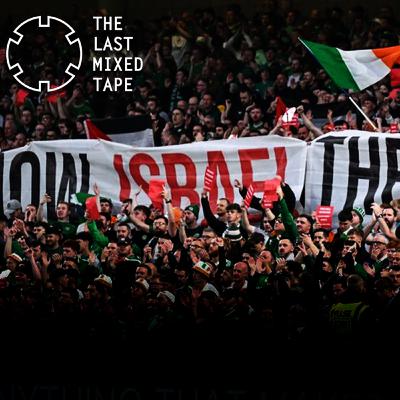
Ireland have been drawn against Israel in the Nations League and the question of boycott has resurfaced.But musicians have been facing this question for decades.From the Sun City boycott during apartheid South Africa, to artists like Brian Eno, Roger Waters, and Lorde refusing to perform in Israel and others like Nick Cave and Radiohead rejecting cultural boycotts the debate is not new.
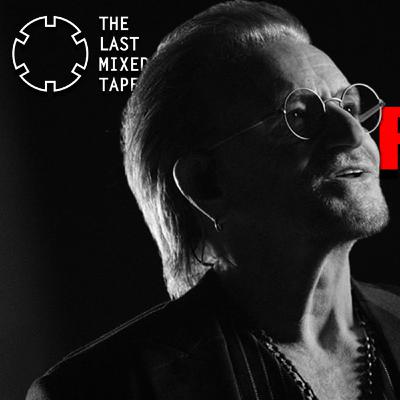
In this episode of The Last Mixed Tape, Stephen White delves into U2’s Days of Ash EP and breaks down the contrast between “American Obituary” and “One Life At A Time,” explores the tribute to Sarina Esmailzadeh in “Songs of the Future,” and asks whether U2’s latest release is truly their most political work or a carefully calibrated one.
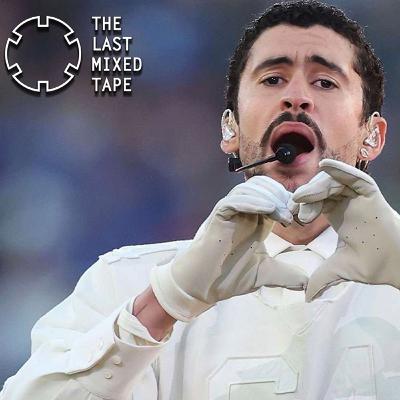
Bad Bunny’s Super Bowl Halftime show transformed the cultural stage in America.From Puerto Rican symbols, wedding moments, Spanish language performance and the message “The only thing more powerful than hate is love,” this halftime show became a cultural flashpoint of unity, backlash, and identity. In this episode of The Last Mixed Tape, we unpack why the backlash revealed more about America than the performance did, how love became a form of resistance, and what this moment means for culture, belonging, and artistry.
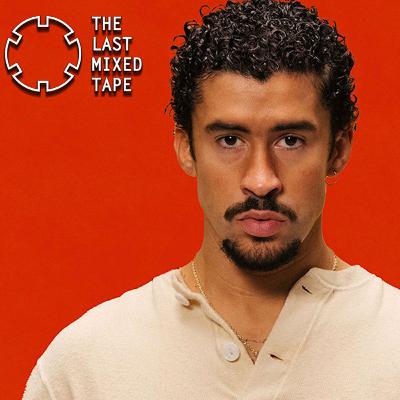
This week on The Last Mixed Tape, we look at how the announcement of Bad Bunny as the Super Bowl LX halftime performer exposed a deep cultural divide in America. The backlash from right-wing politicians and commentators, and the creation of an “alternative” halftime show framed around faith and tradition, reveal a fight over identity, belonging, and who gets to define what “American” means.
This episode of The Last Mixed Tape examines how pop culture is increasingly absorbed into the machinery of state authority from government agencies such ICE using pop music without consent, to the quiet violence through aesthetics, familiarity, and sound.
Women in music are often celebrated for their honesty until that honesty becomes inconvenient.From Nina Simone and Sinéad O’Connor to Courtney Love, Phoebe Bridgers, FKA twigs, Megan Thee Stallion and Chappell Roan, a familiar pattern emerges: when women assert creative control, speak politically, or refuse to be agreeable, they are labelled “difficult.”This episode of The Last Mixed Tape explores where that label comes from and why it appears so consistently across genres, generations, and cultural moments.Drawing on feminist theory, music history, and cultural criticism, we examine how “difficulty” has been used to discipline women in music, constrain their careers, and rewrite their legacies — often offering praise only once the damage has already been done.
In 1990, Sinéad O’Connor released Black Boys on Mopeds, a song written in response to state violence, national myths, and the stories governments tell after tragedy.More than thirty years later, those stories feel disturbingly familiar.In this episode of The Last Mixed Tape, we explore how Black Boys on Mopeds connects Thatcher-era Britain to the present day, examining how narratives around authority, legality, and morality are constructed, and why Sinéad O’Connor paid such a heavy price for speaking with clarity when silence was safer.
At the turn of the millennium, music became free and culture was changed forever.In this episode of The Last Mixed Tape, we trace how capitalism slowly colonised music: from Napster and the backlash against Lars Ulrich, to streaming platforms that pay artists fractions of a penny, and finally to AI-generated music designed to replace creation entirely.This is a story about nostalgia how language shifts, art becomes content, audiences become engagement, expression becomes data, and how those shifts reshape what music is allowed to be.Indeed, this episode criticises Spotify itself and the ethics of streaming payment models.
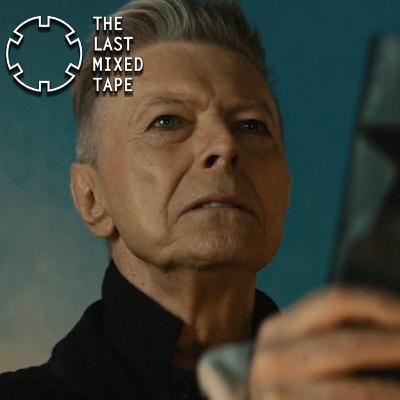
Ten years after David Bowie’s death, Blackstar remains one of the most haunting and deliberate final works in modern music.Often framed as a farewell album, Blackstar feels closer to something far more intentional: an artist confronting not just mortality, but the loss of authorship over his own legacy.In this episode of The Last Mixed Tape, Stephen White explores how Bowie used Blackstar to design his own disappearance, refusing nostalgia, embracing abstraction, and choosing new musical languages at the very end.Placing Bowie alongside artists like Leonard Cohen, Sylvia Plath, and Francis Bacon, this episode examines how creators across music, poetry, and art have turned toward death not as an ending, but as material.
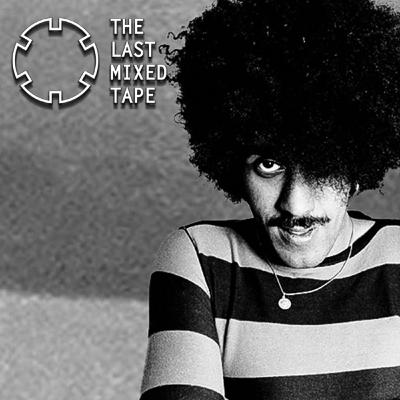
Phil Lynott didn’t just write one of Dublin’s most beautiful songs, he revealed something deeper about identity, belonging, and culture.In this episode of The Last Mixed Tape, Stephen White explores Old Town, Phil Lynott’s tender 1982 solo track, and why it remains one of the most intimate love letters ever written to Dublin.Moving through Lynott’s life, his work with Thin Lizzy, Irish mythology, and his legacy as a Black Irish icon, this episode reflects on what it means to truly belong to a place not through bloodlines or permission, but through presence, love, and lived experience.Forty years after his death, Phil Lynott’s music still speaks to modern Ireland, offering a quiet but powerful counterpoint to rigid ideas of identity.This is a story about a song, a city, and a way of being Irish that is felt, lived, and heard.
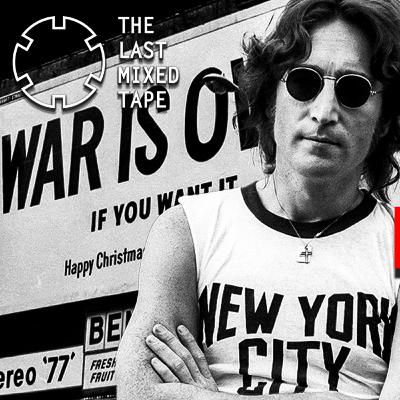
Happy Xmas (War Is Over) doesn’t sound like a protest song and that’s exactly the point.In this episode of The Last Mixed Tape, we explore how John Lennon used Christmas, tradition, and familiarity to deliver one of the most quietly radical political messages in popular music.Set against the backdrop of the Vietnam War, this episode traces Lennon’s shift from confrontation to persuasion — from the bed-ins for peace and Give Peace a Chance, to Imagine, Yoko Ono’s influence, and the belief that political ideas endure best when they’re delivered “with a little honey.”More than a seasonal standard, Happy Xmas (War Is Over) is a protest song designed to be lived with — not argued against — and its legacy reveals how music can change culture without raising its voice.

CMAT’s Euro Country is the standout Irish album of 2025 and a cultural moment. In this episode of The Last Mixed Tape, Stephen explores how CMAT’s songwriting, humour, and hyperreal pop persona captured the realities of modern Ireland: the housing crisis, post–Celtic Tiger disillusionment, political theatre, and the strange mix of chaos and hope that defines life in 2025.We unpack the album’s themes of escapism, rural identity, emotional honesty, and ambition, and examine why Euro Country resonated so deeply with a generation navigating uncertainty.This album is a portrait of Ireland right now, seen through one of its most important artists.
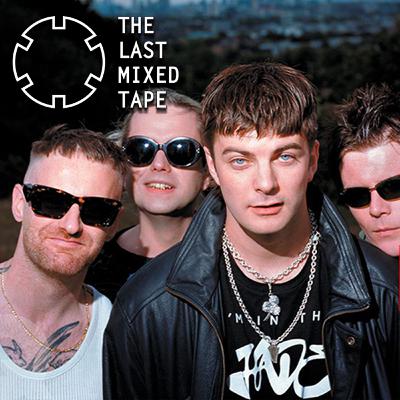
In 2025, Irish musicians stepped into the political frontline. From Fontaines D.C. and Kneecap tartists across Ireland and the UK are taking a stand against the rise of far-right extremism, violence, and organised disinformation.With the launch of the TOGETHER Against The Far Right Alliance, more than 50 civil-society groups and hundreds of cultural workers are uniting to push back and 2026 could become the most important year yet.
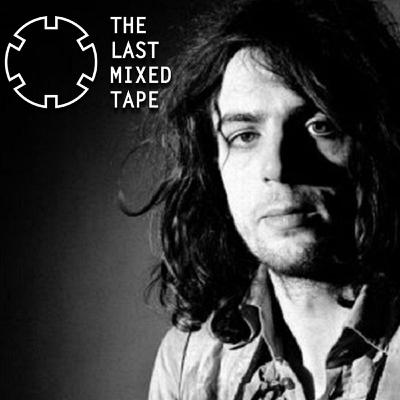
Syd Barrett was the genius who founded Pink Floyd… and the friend they lost long before he was gone.Fifty years after Wish You Were Here, the album still feels like a monument to grief, guilt, and a band trying to understand the collapse of someone they loved. This is the story of Syd, Pink Floyd, and the masterpiece shaped by trauma.In this episode of The Last Mixed Tape, we dive into how the loss of their original songwriter haunted the band, from The Piper at the Gates of Dawn, to the breakdown that shook the group, to the themes of madness explored on The Dark Side of the Moon, and finally to the emotional creation of Wish You Were Here.
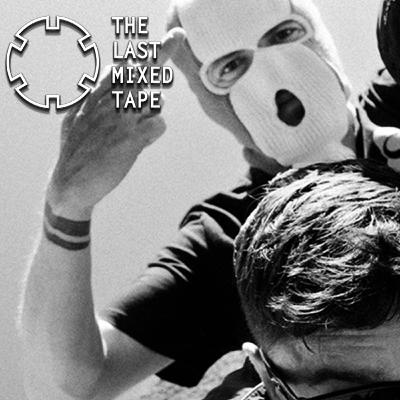
Kneecap have returned with “No Comment” their latest music statement since the terrorism charge against Mo Chara was thrown out earlier this year.This episode breaks down why this song is hitting so hard, how it ties back to the case, and why “no comment” has become a form of cultural defiance.In this show, I explore:• how Kneecap use satire and Irish identity as political resistance• how the legal case collided with their art• why “No Comment” is more than a song — it’s a repossession• Mo Chara’s courtroom words and how they echo through the track• why younger audiences in Ireland and the UK are responding so stronglyThis is the final word on the case, the song, and the cultural moment Kneecap just created.

Charli XCX has entered her darkest era yet. With “House,” her new collaboration with The Velvet Underground legend John Cale for Emerald Fennell’s upcoming Wuthering Heights (2026), Charli steps into a world of gothic romance, decaying architecture, and emotional brutality, a complete reinvention from her Brat era.In this deep-dive, The Last Mixed Tape explores Charli’s career-defining pivot after Brat to the haunting production choices and Cale’s iconic narration, this episode unpacks why “House” is quickly becoming one of the most important songs of her career.
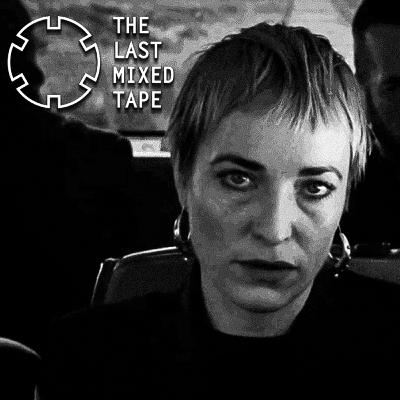
Four decades after The Specials captured Britain’s collapse, Irish folk collective Lankum have reimagined Ghost Town transforming it into a haunting reflection of modern Ireland.In this episode of The Last Mixed Tape, we trace Ghost Town’s journey from 1981’s Two-Tone rebellion to today’s Dublin exploring how music becomes a document of its time, from racial tension and working-class despair in Thatcher’s Britain to housing crises and far-right unrest in Ireland today.

In Berghain, Rosalía turns heartbreak into ritual. Set against the cultural backdrop of Berlin’s legendary club and her Catalan roots, this episode of The Last Mixed Tape examines how she translates loss into performance using sound, body, and movement to reclaim freedom.We look at how Berghain continues the evolution of Motomami, blending vulnerability with power, and how collaborators like Björk and Yves Tumor expand its emotional and symbolic depth. Through grief, Rosalía reinvents herself and in doing so, redefines what pop music can be.

Róisín Murphy was once celebrated as a queer icon, a voice that echoed through the very clubs and communities that made her career. But her recent comments, and past posts, about trans people have shaken that bond to its core.In this episode of The Last Mixed Tape, Stephen White explores how an artist so deeply embraced by queer culture could turn against it, what that says about allyship, and why this moment matters far beyond one tweet.

Comments

Download from Google Play

Download from App Store
 United States