


Cultural Manifesto
Subscribed: 19Played: 1,452
Subscribe

© 2026 WFYI Public Media
Description
Each week on Cultural Manifesto, Kyle Long reveals stories and sounds from the creative frontlines of the past and present. Through music, archives and artist interviews, discover how creators shape meaning with sound, in Indianapolis and well beyond. Tune in each week to this WFYI Public Media show for discoveries that will delight your ears and expand your understanding of our shared world.
588 Episodes
Reverse
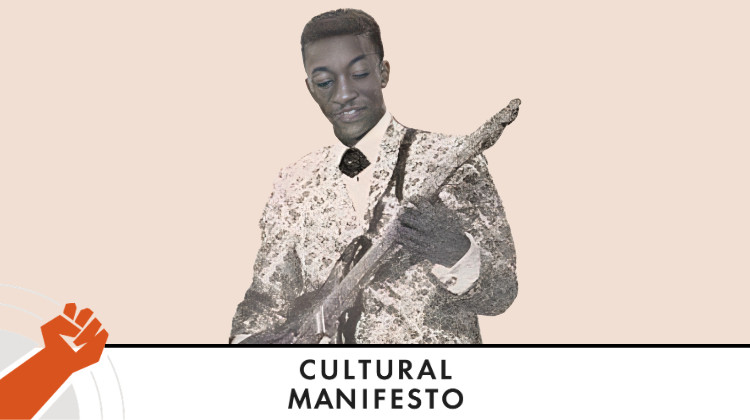
Listen to the latest installment in our ongoing series, “40 Indiana guitar pioneers every Hoosier should know.” The series explores the music and history of Indiana guitarists who made lasting contributions to American music — some world famous, others lesser known.
This time, we focus on South Bend guitarist Willie Woods, best known for his work with Jr. Walker & the All Stars. When their 1965 hit “Shotgun” climbed the charts, listeners heard the blazing saxophone of Junior Walker. But beneath that horn was Woods’ tight, percussive guitar.
Born in Louisiana in 1936, Woods moved to South Bend as a child, where he became active in the city’s R&B scene during the 1950s. Initially known as a singer, he joined a band formed by his longtime friend, drummer Billy “Stix” Nicks, and saxophonist Junior Walker. Determined to contribute more fully to the group’s sound, Woods taught himself guitar and soon became the band’s permanent guitarist.
The group, then known as the Jumping Jacks, performed throughout northern Indiana and southern Michigan before relocating to Battle Creek, Michigan. The band attracted the attention of singer, songwriter, and label executive Harvey Fuqua. In 1962, they made their first recordings and adopted the name Jr. Walker & the All Stars. Soon after, they signed with Motown Records, achieving international success with “Shotgun.”
Woods appeared on the group’s first two Motown albums, Shotgun and Soul Session. By the late 1960s, Woods left the All Stars and returned to the Midwest. In the early 1970s, he performed with the Battle Creek funk band The Apaches, writing their cult-classic 1972 single “Trying to Make Ends Meet.”
Willie Woods died of lung cancer in 1997 at age 60, two years after Junior Walker’s passing. Though he was rarely in the spotlight, Woods helped define the early sound of Jr. Walker & the All Stars. His rhythm guitar provided the foundation that allowed Walker’s saxophone to soar.
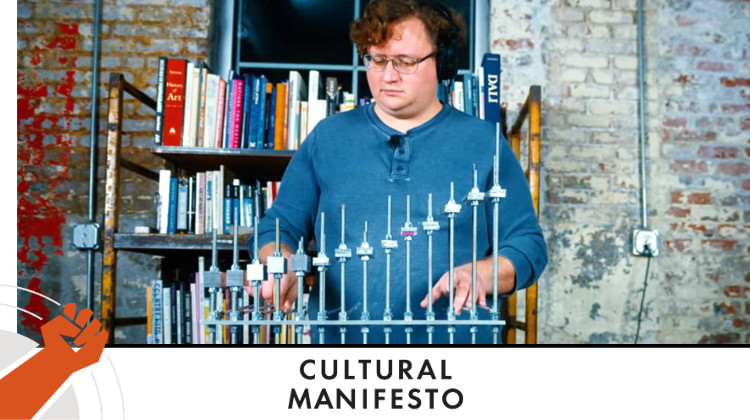
Listen to an interview with the Indianapolis-based composer, performer, and instrument builder Rob Funkhouser. His music explores ideas of place, memory, and pattern, often working in the spaces between established musical genres. He’s collaborated with ensembles including the Los Angeles Percussion Quartet, So Percussion, and Forward Motion, and he currently serves as Education Manager at the Rhythm! Discovery Center. His latest album, “Respiratory Cycle”, features two immersive, long-form suites “Exhale” and “Inhale.” WFYI’s Kyle Long spoke with Rob Funkhouser about the project.
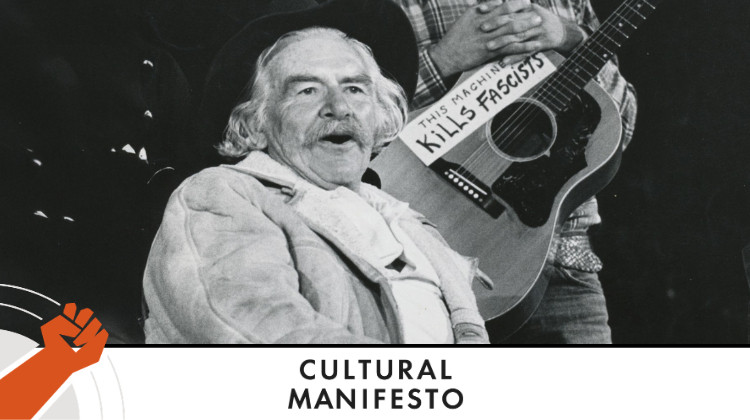
Born in Frankfort, Indiana, on March 9, 1902, Will Geer told the Indianapolis News in 1977 that his first public performance took place on the streets of Indianapolis, where he recited a poem outside the Lockerbie Square home of James Whitcomb Riley.
Geer later became widely known for his portrayal of Grandpa Zeb on the 1970s television series The Waltons. But his life extended far beyond television. He helped stage one of the most politically explosive musicals in American history, supported labor organizing during the Great Depression, and used his art as a platform for activism.
Geer was also a close friend and collaborator of the legendary folk singer Woody Guthrie. Together they toured the country, performing in union halls and at labor benefits. Geer used his theatrical skills to amplify Guthrie’s music and political message.
Their collaboration left a lasting imprint. Even after Guthrie’s death, Geer continued to preserve and interpret his songs.
This week on Cultural Manifesto, we’ll celebrate the life and work of Will Geer by exploring his friendship and artistic partnership with Woody Guthrie. Together they toured the country, performing in union halls and at labor benefits. Geer used his theatrical skills to amplify Guthrie’s music and political message.
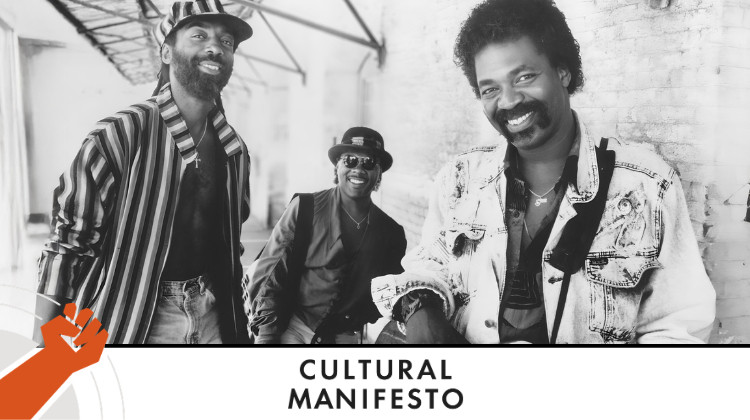
Hear the second edition of a new segment titled “40 Indiana guitar pioneers every Hoosier should know.” Over the next year, we’ll be sharing the music and history of Indiana guitarists who made notable contributions to music. Some of these musicians are world-famous; some you may not have heard of. This is not a ranked list, and it won’t be presented in any particular order. On this edition, learn about the Gary, Indiana guitarist Donald Kinsey, who played with artists including Bob Marley, Albert King, and Peter Tosh.
Donald Kinsey was born May 12, 1953, in Gary. He was one of three sons of Lester “Big Daddy” Kinsey, a respected Chicago blues guitarist, singer, and harmonica player who migrated from Mississippi to Gary in the mid-20th century.
Music was part of Donald’s life from an early age. He began playing guitar at five years old, learning chords from his father and performing in church and at local gigs. By his early teens, he had earned the nickname “B.B. King Jr.”
In 1972, Donald’s professional career took a major leap when he was recruited to play with Albert King, one of the most influential blues guitarists of all time. Kinsey toured extensively with King, appearing at major festivals including Wattstax and the Montreux Jazz Festival. He also recorded several albums with King, including I Wanna Get Funky and Blues at Sunrise. This was a formative period that helped Kinsey refine his technique and stage presence while reaching audiences beyond the Midwest club circuit.
In the mid-1970s, Kinsey left the Albert King band to join the psychedelic rock group White Lightnin’. The band’s self-titled debut album was released by Island Records in 1975.
Kinsey’s connection to Island Records would prove significant. The label was co-founded in Jamaica by Chris Blackwell in 1959, and Blackwell introduced Kinsey to a rising young star on the label: Bob Marley.
Kinsey’s career soon took an unexpected turn toward reggae. From 1975 to 1976 he toured with Bob Marley and the Wailers, appearing on Marley’s classic 1976 album Rastaman Vibration and numerous live recordings.
Kinsey also worked extensively with Peter Tosh, contributing to several landmark albums including Legalize It, Equal Rights, Bush Doctor, and Mama Africa. He also recorded with Burning Spear, playing guitar on the albums Dry & Heavy and Marcus’ Children.
Kinsey was with Marley during one of the most harrowing moments in reggae history—the attempted assassination of Marley in Kingston in December 1976, when gunmen opened fire at Marley’s home.
After Marley’s death in 1981, Kinsey recorded a tribute titled “Song for Bob.”
In 1984, Kinsey reunited with his brothers Ralph and Kenneth and their father Lester to form The Kinsey Report, a band blending electric blues, rock, and roots music. The group recorded a series of albums beginning with Edge of the City in 1987 and became known for its powerful live performances, earning critical acclaim on the blues circuit and touring across the United States and internationally.
Kinsey remained active into the 2020s, performing with both the Kinsey Report and the Wailers band.
Donald Kinsey died February 6, 2024, in Merrillville at age 70, just weeks after the death of his older brother Ralph.

Listen to a conversation with Cesar Maldonado, founder and artistic director of Mariachi Herencia de México. Based in Chicago, the ensemble grew out of the Mariachi Heritage Foundation, a nonprofit organization devoted to preserving and advancing mariachi music through youth education.
Founded in 2016, Mariachi Herencia de México has evolved from a student project into a dynamic ensemble of young virtuosos, blending deep respect for tradition with a vibrant, contemporary energy. Their 2017 debut album topped Latin music streaming charts and earned a Latin Grammy nomination — a remarkable achievement for a group born out of a community education program. Since then, they’ve released multiple acclaimed recordings, received a second Latin Grammy nomination, and toured extensively across North America, bringing mariachi music to major stages and inspiring a new generation of performers.
Mariachi Herencia de México performs in Indiana February 19 at the Indiana University Auditorium in Bloomington, and February 20 at the Allied Solutions Center for the Performing Arts in Carmel.
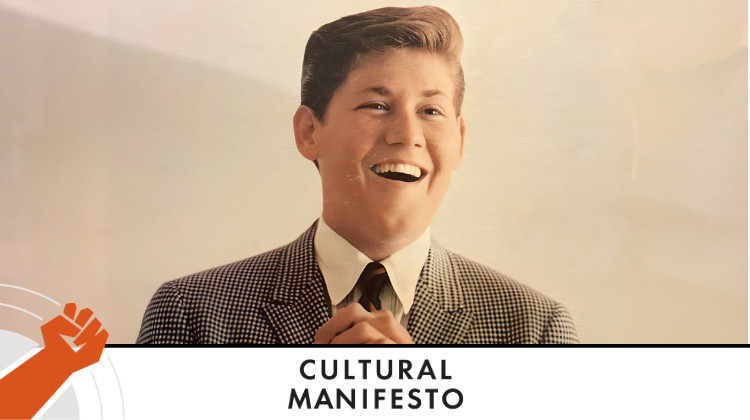
Listen to an interview with “Mr. Las Vegas” Wayne Newton. With a career spanning more than seven decades, Wayne Newton is among the most enduring figures in American popular entertainment.
He’s best known for his 1963 hit “Danke Schoen,” and for a record-setting run of performances in Las Vegas. But Newton’s career began much earlier, in the 1950s, when he was still a child, singing country music alongside his brother, Jerry.
On February 14th, Wayne Newton brings his latest tour to Central Indiana, with a performance at the Allied Solutions Center for the Performing Arts in Carmel.
WFYI’s Kyle Long spoke with Wayne Newton about his early years in music, and his rise from radio and television to the Las Vegas Strip.
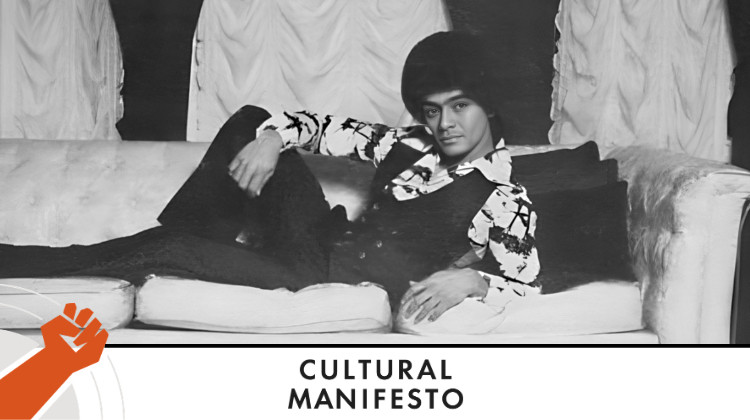
Bad Bunny’s performance at the Super Bowl last Sunday was the most-watched halftime show in history, placing Puerto Rican music squarely at the center of American pop culture.
For decades, Puerto Rican music has enjoyed widespread popularity here in the Hoosier State.
This week on Cultural Manifesto, we’ll celebrate the Puerto Rican music pioneers of Indiana, including Santos Candelaria, a Puerto Rican vocalist based in Gary, Indiana, during the 1970s and ’80s, and Dr. Mariano Morales, a violinist, pianist, and composer who led the Latin American Music Ensemble in Bloomington during the 1980s and ’90s. Morales worked with Puerto Rican music icons including Willie Colón, Marc Anthony, El Gran Combo, Gilberto Santa Rosa, Cheo Feliciano, and more.
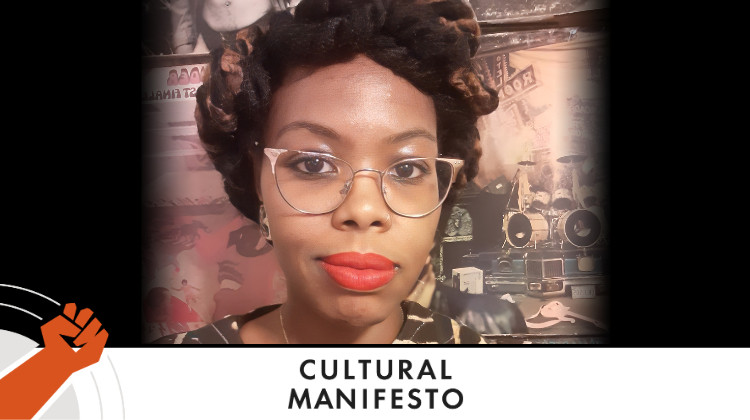
Nia I’man Smith is a scholar and radio host based in Bloomington, Indiana. She’s currently a PhD candidate in the Department of Folklore and Ethnomusicology at Indiana University Bloomington. Smith is also the creator and host of Sonic Blacknuss, a biweekly program on Bloomington’s community radio station, WFHB. The show offers a thoughtfully curated journey through Black music — from jazz and soul to R&B, funk, blues, bossa nova, and Afrobeat. Each episode is built around a central theme, tracing the deep connections between history, culture, and memory. Cultural Manifesto host Kyle Long recently spoke with Nia about her work as a scholar and radio DJ. She also brought along some music to share.
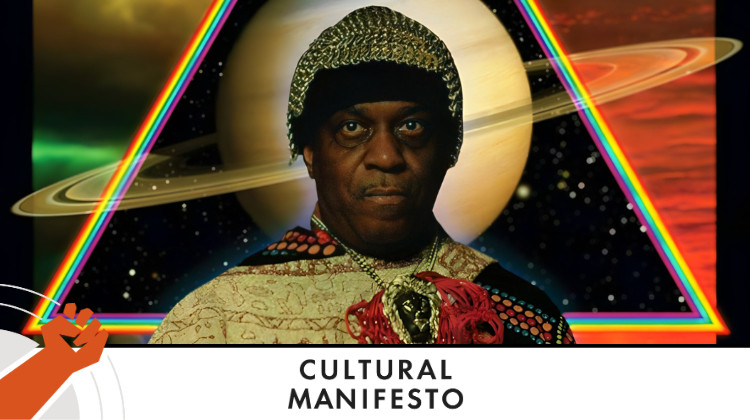
This month on American Masters, PBS will present “Sun Ra: Do The Impossible” — a new documentary celebrating the life and legacy of Sun Ra, one of the most visionary figures in jazz music. Sun Ra’s early work was shaped by Hoosiers, including trumpeter Art Hoyle, saxophonist/flutist James Spaulding, and recording engineer Bud Pressner.
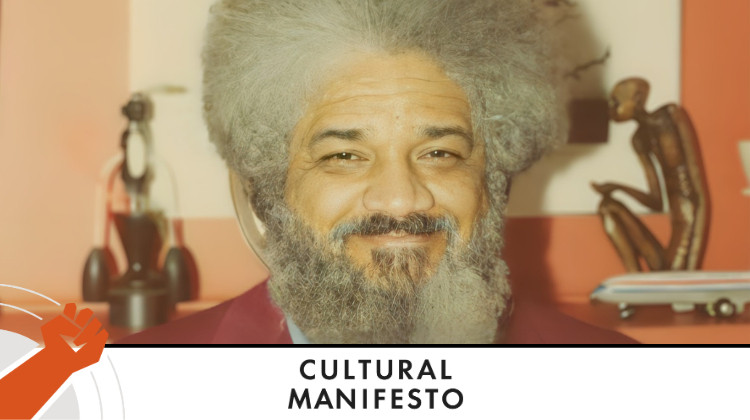
Last December, Martin University announced it would close, citing years of financial strain and declining enrollment. The closure brings to an end a legacy that began more than 50 years ago with Boniface Hardin.
Hardin arrived in Indianapolis in 1965 after being assigned as associate pastor at Holy Angels Catholic Church. He entered a city marked by racial inequality, police violence, and urban displacement. It was in this context that Hardin emerged as a prominent civil rights advocate.
In 1970, Hardin and Sister Jane Schilling founded the Martin Center in a house at 35th and College Avenue. That led to the founding of Martin Center College in 1977, created to serve adult learners, low-income and minority students, people with disabilities, and others historically excluded from higher education. In 1987, the school moved to a larger facility in the Brightwood neighborhood, and in 1990 the institution was renamed Martin University.
Martin reached a high point in 2001 with the opening of a new $10 million campus facility. Hardin retired as president of Martin University in 2007 after more than three decades of leadership. He died in 2012 at the age of 78.

For more than a decade, Sofar Sounds has connected music fans with intimate, unconventional concert experiences in cities across the globe. After a hiatus, the project is returning to Indianapolis—thanks to local ambassador Surina Gangwani, who is relaunching the series with a renewed focus on community.
WFYI's Kyle Long spoke with Surina about the vision behind SoFar, and what audiences can expect as the concerts return to Indianapolis.
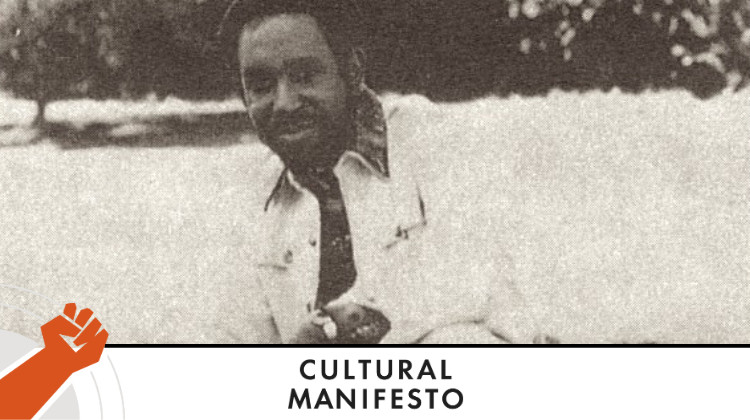
Explore the work of the Princeton, Indiana producer and engineer Robert Hosea Williams (also known as R. José Williams) best known for his work with Gil Scott-Heron.
Williams was born in 1936 in Princeton, Indiana, the county seat of Gibson County in the state’s far southwestern corner. While his career would eventually take him far from southern Indiana, his family’s roots in the region ran deep.
His mother, Martha Alice Stewart, came from one of Gibson County’s long-established Black families. Her father, Hosea Henry Stewart, was born in Lyles Station, Indiana, one of the most significant Black settlements in the state.
Founded in the 1840s by free Black landowners, Lyles Station grew into a self-sustaining farming community with its own school, churches, businesses, and railroad access. For decades, it served as a center of Black life in the region.
Gibson County was home to several early Black settlements, formed by free Black families migrating from the South in the early 19th century. These communities emphasized land ownership, education, spiritual life, and mutual support—values passed down across generations, even as many rural settlements declined in the 20th century due to flooding, economic change, and migration into towns like Princeton.
Williams’ family left Princeton in the late 1940s, but the values of self-determination and cultural pride rooted in Gibson County found their way into Williams’ production work, reflected in the socially conscious music he produced for artists like Gil Scott-Heron and Father’s Children.
In the early 1970s, Williams established himself as a recording engineer and producer in the Washington, D.C. area, building a career that placed him at the center of the city’s vibrant but often overlooked soul and R&B scene. In D.C., Williams founded Red, Black and Green Productions, named after the Pan-African flag. Under that banner, he worked with many R&B and funk musicians clustered around the nation’s capital, including Father’s Children, The Summits, and Dyson’s Faces.
In 1973, Williams came to the attention of poet and singer-songwriter Gil Scott-Heron, who had been teaching at Federal City College in D.C. Scott-Heron had gained national prominence with his 1971 recording The Revolution Will Not Be Televised. Along with his musical collaborator Brian Jackson, Scott-Heron secured Williams as producer and engineer for his classic 1974 release, Winter in America.
Join us for music featuring the engineer and producer Robert Hosea Williams.
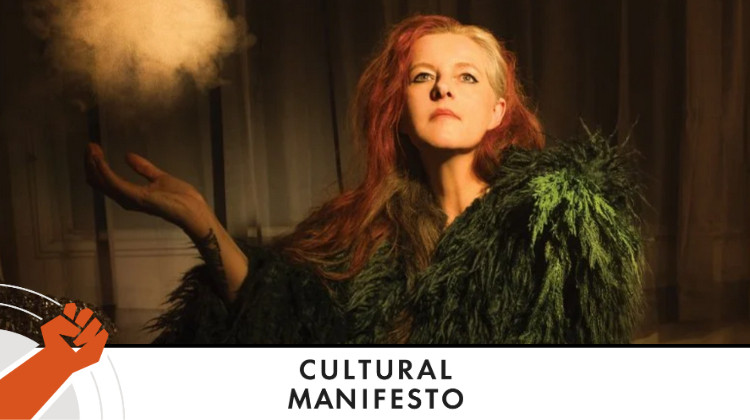
Neko Case is a critically acclaimed singer-songwriter known for her distinctive voice and genre-defying albums. She’s also a founding member of the New Pornographers, and the author of the bestselling memoir “The Harder I Fight the More I Love You.” Case’s latest album is titled “Neon Grey Midnight Green.” She discussed the album and her upcoming performance in Indiana with WFYI’s Kyle Long.
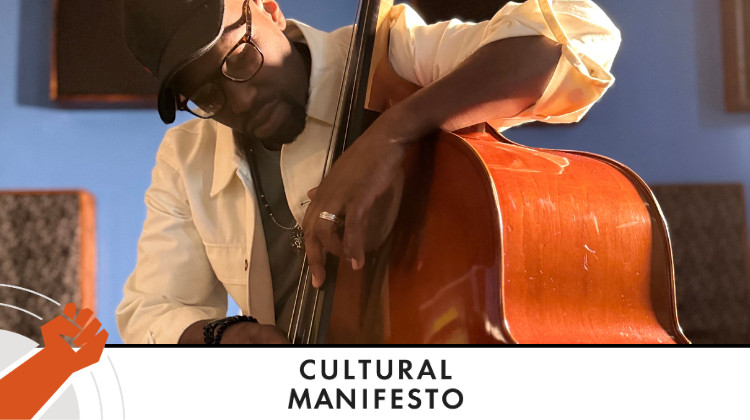
Listen to an interview with Brandon Meeks, an Indianapolis–based jazz bassist, bandleader and hip-hop producer, widely recognized as a key figure in the city’s contemporary jazz scene. He is best known for his work with acclaimed saxophonist Rob Dixon and as a member of the hip-hop jazz trio Native Sun, a group celebrated for blending modern jazz improvisation with hip-hop. Alongside his work as a bassist, Meeks is also a prolific producer of instrumental hip-hop, bridging jazz traditions with beat culture.
In 2015, Meeks received national attention for his role portraying legendary jazz bassist Ron Carter in Miles Ahead, the Miles Davis biopic starring Don Cheadle. More recently, Meeks made headlines after receiving a prestigious Creative Capital grant for Unsung Giants, a project he created to honor under-recognized Indiana jazz legends.
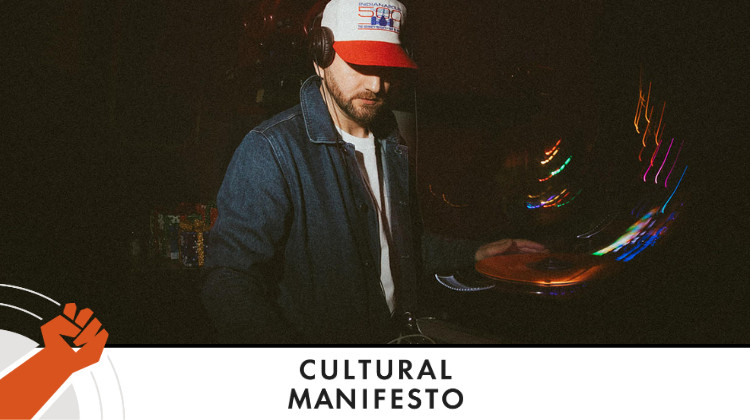
Scott Matelic is an Indianapolis-born hip-hop producer and DJ whose sound emerges from the crate-digging traditions of DJ culture, blending sample-based production with soulful textures and psychedelic atmospheres.
He began attracting international attention in the early 2000s, when his beats appeared on releases from Anticon Records, the influential California-based label known for issuing music that pushed hip-hop beyond mainstream conventions. Matelic’s work was featured on prominent Anticon projects by Sole and Sage Francis.
In 2004, Matelic released his debut album, Primitive Pessimist, through the Japanese label Tri Eight. Four years later, his music was issued on a compilation from the revered Japanese producer Nujabes.
While his career has taken him beyond Indianapolis — he is now based in New York — Matelic’s roots in the city remain central to his story. He was raised in a deeply musical household — his father, Ron Matelic, is a respected Indianapolis psychedelic rock musician known for his work with bands including Anonymous, J Rider, and Sir Winston and the Commons. That environment helped shape Scott’s early musical sensibility and openness to genre-blurring experimentation.
In recent years, Matelic has continued to build on his legacy through collaborations with Indianapolis artists, including rapper Sirius Blvck. In 2024, the two released the full-length album Daily Rituals of the Wild Heart. Alongside his production work, Matelic has long been respected as a DJ, with performances including a notable 2004 date at the Casbah in Broad Ripple alongside the iconic producer and DJ Diplo.
Matelic recently visited the WFYI studios to discuss his new album Dead Weightt with Cultural Manifesto host Kyle Long.
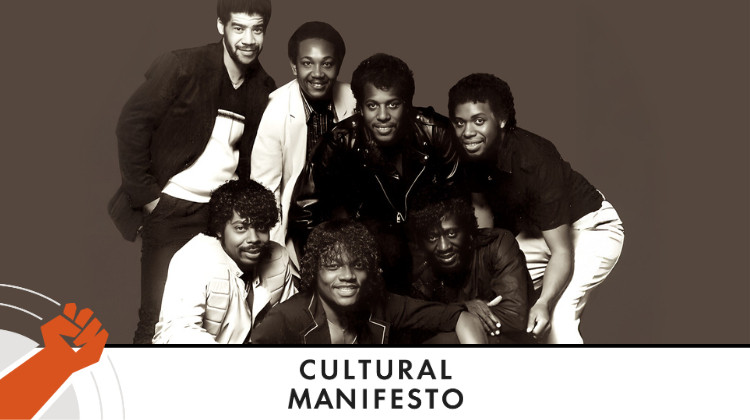
This week on Cultural Manifesto, we remember some of the notable Indiana musicians and music figures who passed away in 2025. Join us as we honor the lives of artists who shaped funk, rock, music education, and global psychedelia — including:
Fort Wayne guitarist Gray Brabson, also known as G Money, whose work with the funk band Trust produced the cult-classic 1978 single “Funk Power,” later rediscovered by collectors and reissued by Numero Group.
Indianapolis funk keyboardist DeMorris “Dee Gee” Smith, a deeply connected figure in the city’s soul and funk scene who also performed with national acts including the Bar-Kays, Natalie Cole, Luther Vandross, and Bootsy Collins.
Indianapolis trumpet player Ron Hedrick, best known for his work with Ebony Rhythm Funk Campaign.
Indiana-born bassist Toby Myers, whose career bridged the state’s rock scene and the global stage through his long tenure with John Mellencamp, as well as his earlier work with Roadmaster and later contributions to Lisa Germano’s landmark 4AD release.
Gladys Stone Wright, a pioneering West Lafayette band director, conductor, and composer who helped redefine the role of women in band leadership and co-founded the Women Band Directors National Association.
And Indianapolis-based writer, scholar, and musician Stan Denski, a central figure in documenting and preserving psychedelic music history. As a co-founder of OR Records, a member of the band Many Bright Things, and a key contributor to the influential Love, Peace & Poetry compilation series, Denski helped bring psychedelic music from Africa, Asia, and Latin America to wider attention.
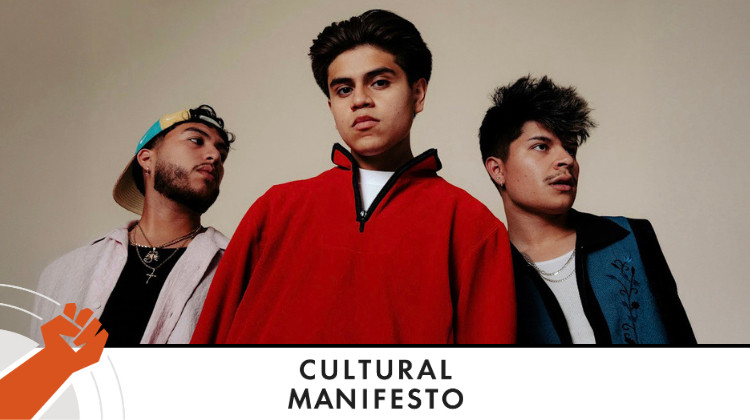
Listen back to the moments and releases that shaped Indiana music in 2025, from long-overdue archival discoveries to new Hoosier artists breaking out on the national stage.
Hear music from the legendary Indianapolis funk band Rapture, Seymour’s CMA-nominated singer-songwriter Stephen Wilson Jr., Gary’s critically acclaimed rap icon Freddie Gibbs, Bloomington’s Iraqi music ensemble Salaam featuring Hamid Al-Saadi, Indianapolis jazz drummer Dorian Phelps with Lakecia Benjamin, Fort Wayne’s breakout trio Los Aptos, Indianapolis rapper 4200Kory, Hobart’s global pop star Omar Apollo, the Indianapolis-based experimental duo of Hanna Benn and Deantoni Parks, and more.
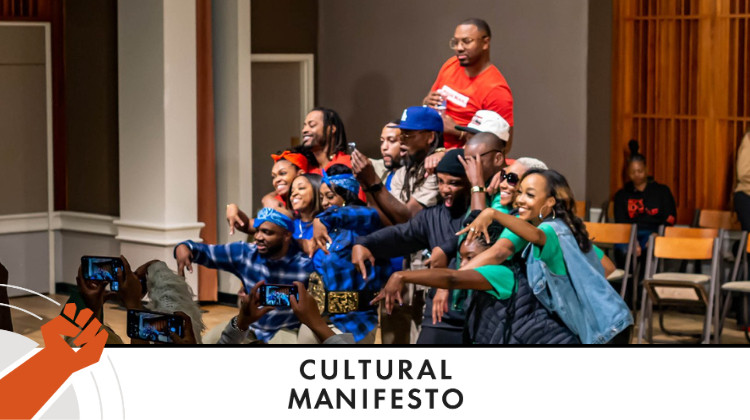
Justin Bland is the creator and host of Made Man Improv, a popular improv comedy showcase based in Indianapolis. Under his direction, Made Man Improv has built a loyal audience and a recognizable brand within the local arts scene. But after years of sold-out performances, Bland is ending the Made Man Improv series this month. In this conversation with WFYI’s Kyle Long, Bland looks back on the history of Made Man Improv.
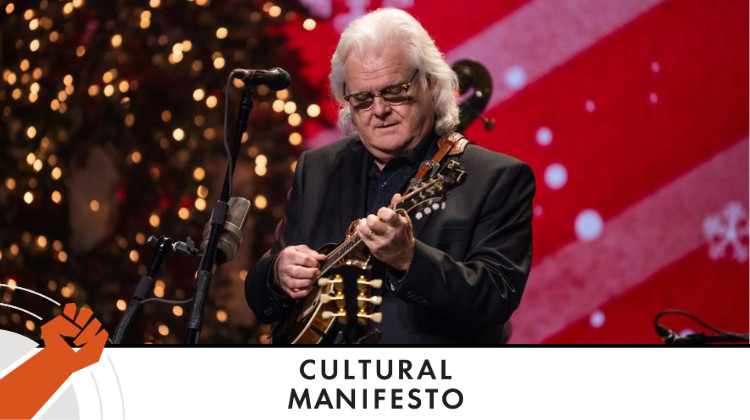
Listen to a conversation with the virtuoso multi-instrumentalist, vocalist, and bandleader, Ricky Skaggs. Born in Kentucky in 1954, Skaggs has played a central role in shaping modern bluegrass and country music. A child prodigy, he first performed on stage with Bill Monroe at age six, and at age seven he appeared on national television with Lester Flatt and Earl Scruggs.
Before turning 18, Skaggs had already performed with many of the greatest legends in bluegrass. At age 15, he and his childhood friend Keith Whitley joined Ralph Stanley’s Clinch Mountain Boys.
In the 1970s, Skaggs’ musicianship helped redefine progressive bluegrass through his work with the Country Gentlemen, J.D. Crowe & the New South, and Emmylou Harris’ Hot Band. He launched his solo career in the early 1980s and became a leading figure in the neotraditional country movement. His string of #1 hits — including “Crying My Heart Out Over You,” “Highway 40 Blues,” and “Heartbroke” — made him one of the decade’s most influential artists. During this period he earned multiple CMA Awards, including Entertainer of the Year in 1985, as well as several Grammy Awards.
In the 1990s, Skaggs returned his focus to bluegrass, forming his acclaimed band Kentucky Thunder. In 2018, Skaggs was inducted into both the Country Music Hall of Fame and the Bluegrass Music Hall of Fame—one of the few artists to receive both honors. He is also a member of the Grand Ole Opry.
Skaggs has performed and recorded with a wide range of legendary artists across many genres, including Jack White, Ray Charles, Johnny Cash, Dolly Parton, Charlie Haden, Bruce Hornsby, Béla Fleck, John Fogerty, and Dionne Warwick, among many others.
Across his decades-long career, Ricky Skaggs’ contributions as a singer, mandolinist, fiddler, bandleader, and tradition-bearer have secured his legacy as one of the most important figures in American roots music.
Ricky Skaggs and Kentucky Thunder will present a special Christmas concert at the Brown County Music Center on December 11.
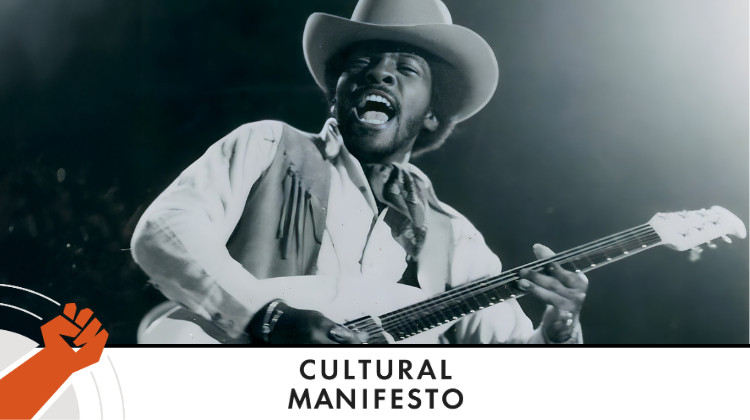
On this episode of Cultural Manifesto, we’ll hear the first edition of a new segment titled “40 Indiana Guitar Pioneers That Every Hoosier Should Know.” Over the next year, we’ll be sharing the music and history of Indiana guitarists who made notable contributions to music. Some of these musicians are world-famous; some you may not have heard of. This is not a ranked list, and it won’t be presented in any particular order. We’ll kick this new series off with the Evansville, Indiana guitarist Jackie Clark, who played and recorded with some of the greatest legends in rock and R&B music, including Ike and Tina Turner, Iggy Pop, Bill Wyman of the Rolling Stones, and Bobby Womack, among others.
Jackie Robinson Clark was born in Evansville, Indiana, in 1950. He began playing guitar in a local Evansville church at age 13. As a student at Central High School, he started a band called The Montclairs, and a few years later, at the University of Evansville, he formed a jazz band called Jackie and the Intelligents. Jackie’s big break came in 1970 when he met Ike and Tina Turner during a jam session at Evansville’s Executive Inn hotel. Jackie made a big impression on the Turners. In 1982, he told the Evansville Courier and Press that he maintained contact with Ike and Tina, and within a year, he was offered a chance to join their band. Jackie spent the next five years touring and recording with Ike and Tina. His guitar was prominently featured on two albums produced by Ike Turner under the name The Family Vibes, and his fuzz-drenched, acid guitar brought a heavy sound to Ike and Tina’s music.
The 1970s were a busy time for Jackie Clark. His guitar was featured on the first two solo albums by Rolling Stones bassist Bill Wyman. In 1976, Jackie accepted an offer to join the Nitty Gritty Dirt Band, and he performed with the group during their historic tour of the USSR. At this time, Jackie was among the few Black musicians performing country or Americana roots music. As the 1970s ended, Jackie recorded and toured with the Godfather of Punk, Iggy Pop. He played bass and electric guitar with Iggy and is featured on Iggy’s 1979 album New Values. Jackie also appears on numerous live recordings with Iggy during this period — many of which feature the Sex Pistols’ original bass player, Glen Matlock. Jackie was among the first Black musicians working in punk rock music.
During the early 1980s, Jackie’s music career came to an abrupt end. He moved back to his hometown of Evansville, where he died in 1990 at the age of 40. Jackie Clark remains an unsung figure in the history of Indiana music, but his extraordinary contributions to American music during the 1970s deserve much greater recognition.

Comments

Download from Google Play

Download from App Store
 United States