


Climate Watch
Subscribed: 181Played: 13,834
Subscribe

© James Watkins
Description
These regular reports cover the latest climate news and on health policy, and its impact on human progress.
100% public supported.
Sources: Associated Press , Thomas-Reuters, The Epoch Times
Executive Producer James Watkins is a 30-year radio broadcast veteran and human rights activist who totally supports efforts to protect people’s rights from being usurped by corporate and government interests.
100% public supported.
Sources: Associated Press , Thomas-Reuters, The Epoch Times
Executive Producer James Watkins is a 30-year radio broadcast veteran and human rights activist who totally supports efforts to protect people’s rights from being usurped by corporate and government interests.
479 Episodes
Reverse
Bill Gates and Pfizer CEO Albert Boular face trial in the Netherlands for misrepresenting the safety and efficacy of the COVID-19 vaccines.Journalist Ben Bartee joins us to talk about this and the advances being made in survellience.
CIA Admits Lab Leak Likely In Covid PandemicBreaking News: CIA Concludes COVID-19 Likely Originated from Wuhan Lab In a major development, the Central Intelligence Agency (CIA) has concluded that the COVID-19 pandemic most likely originated from a laboratory incident in Wuhan, China. This aligns with previous findings from the Federal Bureau of Investigation (FBI) and the Department of Energy, both of which have publicly stated their belief that the virus likely escaped from the Wuhan Institute of Virology. The CIA’s report, however, characterizes this assessment as having "low confidence," meaning there is still a lack of conclusive evidence. Despite this, the agency's statement adds further credibility to the lab leak theory, which has been the subject of intense debate since the pandemic began in late 2019.....(more)@Cororonavirus#Covid-19#CIA#WuhanInstitute#VAERS

In this special report, Newsmax anchor Rob Finnerty has a candid interview with Senator Rand Paul (R-KY) on concerns he has about Dr. Anthony Fauci's policies regarding the Coronavirus pandemic. Specifically, Paul has pledged to investigate the NIAID Director's role in the creation of the virus, the handling of the pandemic , the vaccine-only approach, why natural immunity was ignored and who paid excessive royalties to whom during the pandemic when vaccines were being rolled out, despite the risks.
Senator Paul's closing comments are bone-chilling.
CLIMATE WATCH — EXPANDED WITH DATA & SOURCESStory 1 — Arctic blast sends demand soaring across Midwest, NortheastA fast-moving Alberta Clipper has slammed the eastern U.S., bringing Arctic cold to the Marcellus and Utica shale production regions (Pennsylvania, West Virginia, Ohio), where natural gas output of ≈33 billion cubic feet/day is critical for heating and electricity. PJM Interconnection forecasts winter peak loads near 133,000 MW, close to record territory. (Industrial Info Resources)Story 2 — ERCOT reports grid strength even in Texas freezeThe Electric Reliability Council of Texas says its grid met the Arctic cold challenge across central and north Texas, with San Antonio below freezing for 47 continuous hours and Houston near freezing ~30 hours, yet no statewide outages were triggered. (San Antonio Express-News) IN another report Storry 4a- The recent snow storm that overtook Texas reportedly crashed the state’s wind and solar energy generators, leading to natural gas, coal, and nuclear providing most of the state’s electricity.Wind, solar, and batteries fell from briefly supplying 63% of generation to 7% within roughly 48 hours, Story 3 — U.S. coal and gas kept lights on during Arctic stormAt a White House press conference, Energy Secretary Wright credited coal for 24 percent of U.S. power and natural gas for 43 percent during peak winter demand, while solar and wind together supplied just 14 percent — underscoring fossil fuels’ role in reliability. (AP News)Story 4 — Cheniere files to expand massive LNG facility in TexasCheniere Energy has applied for federal approval to build a 24 mtpa LNG expansion at its Corpus Christi, Texas export terminal. If approved, total capacity would reach 49 mtpa, using ~3.3 billion cubic feet of natural gas per day. (Reuters)Story 5 — North America LNG export capacity to more than double by 2029North American liquefied natural gas export capacity is expected to jump from ~15.4 Bcf/d today to ~28.7 Bcf/d by 2029, positioning the region at the forefront of global LNG markets. (U.S. Energy Information Administration)Story 6 — Canada ramps LNG exports from Kitimat to AsiaCanada’s LNG Canada export terminal in Kitimat, British Columbia has begun shipments to Asia, halving previous delivery times from ~20 days to ~10 days, boosting North American gas global reach. (IER)Story 7 — Canada’s LNG export capacity could exceed 6 billion ft³/day by 2029Projects in British Columbia — including LNG Canada, Woodfibre LNG, Cedar LNG, and others — could push total Canadian LNG output toward ~6.25 Bcf/d by 2029, diversifying export routes. (Canada Energy Regulator)Story 8 — Hydropower link tests grid resilience in New EnglandThe new Hydro-Québec transmission line linking Québec to New England entered service, but early winter storms paused hydropower flows — raising regional questions about balancing hydropower with dependable fossil generation. (Energy Future News)Story 9 — Grid tests raise concerns over winter outage readinessAnalysts warn U.S. grid winter vulnerabilities persist: recent Arctic cold contributed to localized outages and price spikes — PJM electricity soared above $3,000/MWh at peak hours in the Mid-Atlantic and ISO-NE near $600/MWh, highlighting the need for robust dispatchable power. (naked capitalism)Story 10 — World LNG capacity set for historic expansion by 2030International Energy Agency data shows roughly 325 billion cubic meters/year of new global LNG export capacity could come online between 2025-2030 — the largest wave in history — affirming the growing strategic role of natural gas. (IEA)
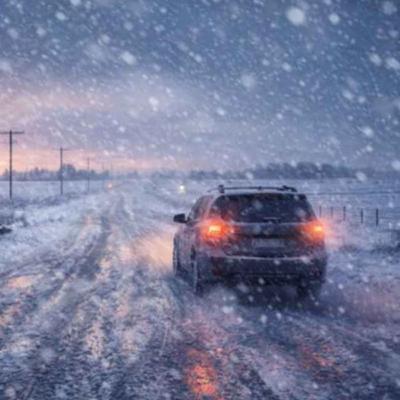
CLIMATE WATCH — WEEKLY EDITION 01-27-26Story 1 — Arctic blast grips much of the United StatesA powerful Arctic air mass has pushed deep into the central and eastern U.S., driving temperatures well below seasonal norms. Meteorologists say the outbreak reflects natural jet-stream dynamics and long-standing polar circulation patterns.Story 2 — Extreme cold exposes grid vulnerabilitiesThe Arctic blast is placing heavy demand on power grids nationwide. Energy analysts note regions relying on dispatchable fossil-fuel generation are weathering the surge better than areas dependent on intermittent power sources.Story 3 — Natural gas demand surges during cold snapU.S. natural gas consumption has spiked as homes and businesses turn up heat during the Arctic outbreak. Industry officials say the surge highlights gas’s role as the backbone of winter energy reliability.Story 4 — Pipeline capacity proves critical in extreme coldEnergy operators report that existing pipeline infrastructure is helping prevent widespread shortages during the Arctic blast. Analysts argue recent permitting reforms are essential to avoid future cold-weather supply bottlenecks.Story 5 — Europe studies U.S. cold response for energy lessonsEuropean energy planners are closely watching how U.S. systems handle the Arctic blast. Officials say the event underscores the importance of maintaining fossil-fuel capacity during extreme cold events.Story 6 — Major earthquake strikes seismically active regionA strong earthquake shook a tectonically active zone this week, the result of natural plate movement. Scientists emphasize such seismic events are part of Earth’s long-established geologic cycles.Story 7 — Volcanic unrest increases along active rift zoneGeologists are monitoring elevated volcanic activity in a known rift region, citing magma movement below the surface. Experts stress this activity reflects natural processes deep within the Earth.Story 8 — Asian nation expands coal to stabilize gridFacing rising demand and grid stress, an Asian government announced plans to expand coal generation to ensure energy stability. Officials say affordability and reliability remain top priorities over ideology.Story 9 — South America advances offshore oil developmentA major South American producer approved new offshore oil exploration, citing economic growth and energy independence. The move comes amid growing skepticism toward restrictive climate mandates.Story 10 — Global data confirms fossil fuels dominate energy supplyLatest global energy figures show oil, gas, and coal still provide the majority of world power. Analysts say the numbers reinforce the need for realistic energy policy grounded in reliability and demand.
Here is this week’s Climate Watch 01.21.26Story 1 — U.S. lawmakers push to restore energy reliabilityCongressional leaders are advancing legislation aimed at speeding approvals for oil, gas, and pipeline projects. Supporters say the effort restores sound energy policy after years of regulatory delays that raised prices and weakened grid reliability.Story 2 — EU industry warns climate rules are driving manufacturing outEuropean manufacturers are warning lawmakers that strict climate regulations are forcing energy-intensive industries to relocate overseas. Business groups say high power costs and compliance burdens are undermining competitiveness and threatening jobs.Story 3 — UK reconsiders energy transition after affordability backlashBritish officials are facing mounting pressure to revisit green energy mandates as households and businesses struggle with rising electricity bills. Critics argue reliable fossil fuel generation remains essential to stabilize prices and prevent shortages.Story 4 — Strong earthquake jolts Pacific seismic zoneA powerful earthquake struck along a major Pacific fault line this week. Scientists say the event is consistent with natural tectonic plate movement and highlights the Earth’s ongoing seismic activity unrelated to climate policy or atmospheric conditions.Story 5 — Volcano activity increases along active plate boundaryGeologists are monitoring increased volcanic activity in a long-active volcanic region, citing magma movement deep below the surface. Experts emphasize this is normal behavior in tectonically active zones shaped by natural Earth processes.Story 6 — Global data confirms fossil fuels remain dominantLatest global energy figures show oil, natural gas, and coal continue to supply the majority of the world’s power. Analysts say the data reinforces the need for realistic energy policies that prioritize reliability, affordability, and economic growth.CLIMATE WATCH — WEEKLY EDITION
Summar: CLIMATE WATCH – WEEKLY EDITIONStory 1 – U.S. moves to fast-track fossil fuel infrastructureFederal regulators are advancing new permitting reforms designed to speed approval of pipelines, refineries, and energy infrastructure. Supporters say the changes restore common-sense energy policy and reduce years-long delays that have driven up consumer energy costs and weakened grid reliability.Story 2 – Europe quietly reopens fossil fuel power generationSeveral European nations are extending the life of coal and natural-gas plants after renewable shortfalls strained power grids. Officials cite affordability and reliability concerns, signaling a retreat from aggressive climate mandates that critics say ignored real-world energy demand.Story 3 – UK faces backlash over energy price spikes tied to green mandatesIn the United Kingdom, lawmakers are under pressure as households face rising energy bills linked to renewable subsidies and grid costs. Critics argue climate legislation has made energy less affordable while failing to guarantee reliable baseload power.Story 4 – Major earthquake strikes Pacific Ring of FireA powerful earthquake struck along the Pacific Ring of Fire this week, a region known for intense tectonic activity. Scientists say the event is part of Earth’s natural geologic processes and highlights the planet’s ongoing seismic cycles, independent of human activity.Story 5 – Increased volcanic activity monitored in IcelandGeologists are closely monitoring renewed volcanic activity in Iceland, where magma movement has triggered evacuations and infrastructure alerts. Experts emphasize this is normal behavior in a highly active volcanic zone shaped by plate tectonics.Story 6 – Global energy data shows fossil fuels still dominateNew global energy usage data confirms oil, natural gas, and coal remain the backbone of world energy supply. Analysts say the numbers underscore the continued importance of fossil fuels for economic stability, industrial growth, and reliable electricity worldwide.Florida residents are mixed about possible new policy changes to offshore drilling in Florida and along the Gulf Coast States…The Trump administration wants to drill for more oil, while conservation groups say possible oil mishaps could heavily impacts florida’s #1 revenue source which is tourism…
Tackling cimate problems requires identifying the problem. Dr. Gregory Whitsyone joins us to discuss today’s climate issues.
The Ultimate Vaccine Timeline author Shaz Khan joins us to discuss the media and Big Pharma uproar over the firing of the CDC Director this week and its implications. Plus, the latest on COVID-19 Vaccines Injury data, and the new culture at the HHS under Director Robert F. Kennedy Jr.Are people waking up to what the CDC, FDA and HHS has been doing, and why is the media taking sides?
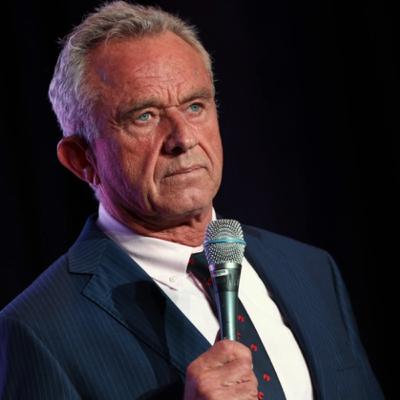
HHS Director Robert F. Kennedy, Jr declared on Friday, August 8, 2024 the CDC and HHS will suspend the use of mRNA vaccines for COVID-19 treatment, and restrict its use in future vaccines due to components that trun RNA into DNA, making the vaccines highly ineffective as well as potentially dangerous.In this short clip. Mr. Kennedy outlines his reasonings and what the Deaprtment and health researchers have discovered thus far since the implementation of mRNAwas introduced four years ago as a therapy for treating coronavirus.

Author of Vaccine: The Ultimate Timeline, vaccine researcher Shas Khan presents new evidence showing vaccines' relationship with Sudden Infant Death Syndrome, and discusses the faulty mRNA studies that were suppressed showing more adverse effects in trials that were initially reported.
Part 2: Researcher and author of Vaccines: The Ultimate Timeline, Shaz Khan joins us to discuss the unnerving report about the SIDS-Vaccine connection and the attempted suppression by Big Pharma. Also, we discuss the WHO IHR Treaty, the dangers of a global pandemic looms under the guise of safety, and the rise is "turbo cancers," possibly linked to synthetic mRNA vaccines for COVID-19
Researcher and author of Vaccines: The Ultimate Timeline, Shaz Khan joins us to discuss the unnerving report about the SIDS-Vaccine connection and the attempted suppression by Big Pharma. Also, we discuss the WHO IHR Treaty, the dangers of a global pandemic looms under the guise of safety, and the rise is "turbo cancers," possibly linked to synthetic mRNA vaccines for COVID-19
This interview with researcher and author Shaz Kahn, who recently wrote a groundbreaking book on Vaccines: The Ultimate Timeline, discusses:- New data on vaccine ties to autism- Pierre Korey's shattering substack on how HHS and big pharma colluded to hide vaccine links to Sudden Infant Death Syndrome (SIDS)- How little studies go into mixing vaccines together when administeredWE persist in exposing the very dangerous medical-industrial complex that hides data to protect financial interests, even covering up the death of infants due to medical malpractice.#COVID#HEALTHCARE#VACCINES#VACCINE SAFETY#SIDS#AUTISM
Shaz Khan discusses the history of vaccinations and specifically, her new book Vaccines: The Ultimate Timeline.Also discussed is the Covid pandemic and the real dangers we face because the Covid vaccines were not rigorously tested before being rushed to market, and especially how much influence pharmacuetical companies have in influencing public perception. Bottom line: vaccinations in general are more dangerous than we think.

Scott Miller tells his story of dealing with the Covid Pandemic of 2020, and how the effort to save lives almost cost him his livelihood. But the greater message is how the healthcare industry took a dangerous turn. Miller is the author of The Most Dangerous in Washington
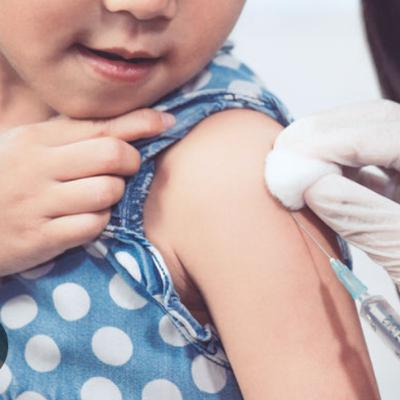
Unavoidably Unsafe: Childhood Vaccines ReconsideredNIH prepares to launch new research into autism causes, a Trump priorityVaccination and Neurodevelopmental Disorders: A Study of Nine-Year-Old Children Enrolled in MedicaidEdward Geehr M.D., co-author of Unavoidably Unsafe: Childhood Vaccines Reconsidered.Vaccinations required for school attendance have increased nearly threefold since the 1950s, now targeting 17 infectious diseases. However, the impact of the expanded schedule on children’s overall health remains uncertain. Preliminary studies comparing vaccinated and unvaccinated children have reported that the vaccinated are significantly more likely than the unvaccinated to be diagnosed with bacterial infections, allergies, and neurodevelopmental disorders (NDDs).The objective of this study was to determine the association between vaccination and NDDs in 9-year-old children enrolled in the Medicaid program. The specific aims were to test the hypothesis that: 1) vaccination is associated with autism spectrum disorder (ASD) and other NDDs; 2) preterm birth coupled with vaccination increases the odds of NDDs compared to preterm birth without vaccination; and 3) increasing numbers of vaccinations are associated with increased risks of ASD.
- New Forsi study shows Germans have unusually high adverse effects.- FDA Requests pause for release of efficacy study of Pfiizer vaccine.- Government agency crtiticsed for not processing claims fest enough- OpenVaers/CDC weekly update
Featuring the latest news on continuing mitigation efforts, global updates and adverse effects reports. Top News, WHO launhes pandemic probe into causes, a new published Lancet article highlights good news about natural immunity, and Pfizer and Moderna expect revies to continue to fall due to lower vaccine demands.
In a scathing 520-page published report, Congress asserts Covid-19 was produced in a lab in China through gain of function research and the U.S. played a role in developing-and then trying to hide their involvsment.


Download from Google Play

Download from App Store
 United States
the lead in soundtrack to this podcast promotes fear and grave concern, have you thought of that???
fear not fiction: the opener to this podcast promotes fear and panic. reconsider it.
The person who died in Kirkland WA is a man. Not a woman.
This podcast is great reporting. I’m so relieved to have found it and to listen news unfettered by politics. Thanks for giving us the facts we so desperately need and can’t find easily in U.S. news. Keep up your great work Mr. Watkins and I’ll keep listening. Thanks so much!