


 Claim Ownership
Learn Japanese with Noriko
Subscribed: 2,348Played: 118,014
Subscribe

© Japanese with Noriko
Description
Hi, I’m Noriko 🌸—a certified Japanese teacher and Neurolanguage Coach®. Learn Japanese with Noriko is for intermediate to advanced learners. If you're an intermediate student, please start from Season 1—I speak slowly at first, then gradually faster. Season 3 is a level-up version with real-life dialogues, philosophy, and language learning topics. Join Japanese Together for our Podcast Conversation Club & Book Club, and sign up for my newsletter at Japanese with Noriko to learn about my coaching service. Enjoy listening!
750 Episodes
Reverse
My program : Let's read a Japanese novel 1️⃣ Short English Summary:In this episode, Noriko talks about “luxury time” and “analog experiences” in our modern digital world.She begins by sharing a recent visit to the cinema in Liverpool. The tickets and popcorn were expensive, and the movie itself was not very good. However, she realized that watching a film without checking her smartphone for two hours felt like a luxury.Noriko reflects on what “luxury” means today. For her, luxury is not expensive hotels or restaurants, but cultural experiences such as going to museums, concerts, events, or reading quietly in a café.She also talks about analog choices in a digital world. Because we are constantly connected to smartphones, the internet, and AI, many people feel information fatigue. Noriko shares how she limits her social media time and tries to reconnect with slower, more intentional experiences.For example, one of her students built a mechanical analog watch, and her husband started wearing a traditional watch again to check the time during meetings without using his phone.Noriko also joined two meetups in Liverpool: a Quiet Book Club and a philosophy discussion group. Although she is introverted, meeting people face-to-face felt refreshing and meaningful.She concludes that choosing slightly inconvenient, analog experiences—like going to the cinema, reading books, or meeting people in person—may actually be a modern form of luxury.2️⃣ Vocabulary List (for understanding the episode)贅沢(ぜいたく) — luxury文化的(ぶんかてき) — cultural特別展示(とくべつてんじ) — special exhibition情報(じょうほう) — information情報疲れ(じょうほうづかれ) — information fatigue悪循環(あくじゅんかん) — vicious cycle制限する(せいげんする) — to limit / control腕時計(うでどけい) — wristwatch部品(ぶひん) — parts / components組み立てる(くみたてる) — to assemble通知(つうち) — notification便利(べんり) — convenient不便(ふべん) — inconvenient確認する(かくにんする) — to check / confirm集まる(あつまる) — to gather実際に(じっさいに) — in reality / in person新鮮(しんせん) — fresh / new feeling体験(たいけん) — experience傾向(けいこう) — tendency選ぶ(えらぶ) — to choose
 1
1🎧 Short English Summary : In this episode of Philosophy Playground, Noriko reflects on a discussion she joined at a museum in Liverpool. The theme was ancient Egyptian mummies and morality. She explores three philosophical questions: Is it morally acceptable to display human remains in museums? Is a mummy still the same person who once lived? And should we judge ancient cultures by today’s moral standards? There are no correct answers. The purpose of this episode is to think deeply and respectfully about history, identity, and human dignity.道徳(どうとく)– morality遺体(いたい)– human remains, corpse展示(てんじ)– exhibition, display敬意(けいい)– respect尊厳(そんげん)– dignity価値観(かちかん)– values判断する(はんだんする)– to judge基準(きじゅん)– standard, criterion意識(いしき)– consciousness宗教観(しゅうきょうかん)– religious belief, view of religion
English Summary : In this episode, Noriko talks about the importance of listening in communication, inspired by the bestselling book 人は聞き方が9割 by Shigehisa Nagamatsu.Many language learners feel pressure to speak well, say smart things, or avoid mistakes. But this episode shifts the focus from speaking to listening. According to the book, good communicators are not those who talk the most, but those who make others feel comfortable and heard.Noriko reflects on her own experiences in Japanese, English, and podcast conversations, and explains why the listener is the true main character of a conversation. She introduces the idea of “魔法の傾聴 (まほうのけいちょう)” and shares five key listening behaviours. Finally, Noriko encourages Japanese learners to stop worrying so much about perfect grammar or vocabulary and to focus on listening with genuine interest and asking simple, thoughtful questions. By doing so, conversations can become more natural, relaxed, and enjoyable.聞き方|ききかた|way of listening聞く力|きくちから|listening skills会話の主役|かいわ の しゅやく|main character of a conversation聞き手|ききて|listener安心感|あんしんかん|sense of security, feeling of safetyうなずき|nodding相づち|あいづち|verbal listening responses否定しない|ひていしない|not to deny, not to reject受け止める|うけとめる|to accept, to take in質問を投げかける|しつもん を なげかける|to ask questions, to prompt with questions

宮島未奈『成瀬は天下を取りにいく』宮島未奈『成瀬は信じた道をいく』宮島未奈『成瀬は都を駆け抜ける』宮島未奈『婚活マエストロ』新書齋藤孝『思考を整えるメモ力』中林くみこ 『独学で英語を話せるようになった人がやっていること』 齋藤孝『こども孫子の兵法』滝沢 カレン(たきざわ カレン)日本のモデル・タレント片山 龍峯(聞き手)、姉崎等(あねざきひとし・狩人)『クマにあったらどうするか』外山滋比古(とやま しげひこ)『思考の整理学』稲垣 えみ子『老後とピアノ』夏目漱石『こころ』太宰治『人間失格』English Summary In this episode of Book Talk with Yuko, we talk about reading during a slump and how books still leave traces even when we can’t fully immerse ourselves.From novel series and essays to non-fiction, we reflect on taking notes, thinking through reading, and continuing to learn along the way. It’s a gentle conversation about reading as a process, not a goal.🎧 Listener Questions|リスナーさんへの質問① 読書スランプについて🇯🇵最近、読書スランプを感じたことはありますか?そのとき、どんな本を手に取りましたか?🇬🇧Have you experienced a reading slump recently? What kind of book did you pick up during that time?② メモと読書🇯🇵本を読むとき、メモを取りますか?記憶に残った言葉を心の中にとどめるタイプですか?🇬🇧Do you take notes when you read? Or do you prefer to keep meaningful words in your memory?③ 学びのプロセスについて🇯🇵「ゴール」よりも「過程」が大切だと感じた経験はありますか?それは、読書や学びの中でのどんな場面でしたか?🇬🇧Have you ever felt that the process mattered more than the goal? In what situation—reading or learning—did you feel that way?
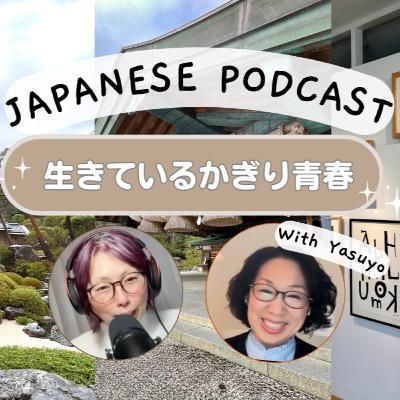
In this episode, Noriko continues her conversation with Yasuyo, reflecting on a deeply inspiring trip to Japan. Yasuyo shares how meeting the works and philosophies of artists and architects she admires renewed her energy and outlook on life.They talk about creators who stayed active well into old age, including Saburo Yunoki and Tadao Ando, and reflect on the powerful idea that youth is not about age, but about continuing to create, challenge, and feel curiosity.The conversation explores how art, travel, and music can awaken our senses, lift us during moments of self-doubt, and remind us to live with gratitude. The episode closes with a warm reminder to say out loud, “I’m happy right now,” and to keep passing inspiration forward — because as long as we’re alive, it’s still youth.青春|せいしゅん|youth生きている限り|いきているかぎり|as long as one is alive現役|げんえき|active (still working), in service生涯現役|しょうがい げんえき|active for one’s entire life尊敬する|そんけいする|to respect, to admire人生の先輩|じんせい の せんぱい|life mentor, senior in life生き方|いきかた|way of living, life philosophy作品|さくひん|work (of art), creation展覧会|てんらんかい|exhibitionインスピレーション|いんすぴれーしょん|inspiration挑戦|ちょうせん|challenge年齢|ねんれい|age言い訳|いいわけ|excuse前向き|まえむき|positive, forward-looking直感|ちょっかん|intuition旅のハイライト|たび の はいらいと|highlight of a trip縁|えん|connection, fate, bond縁結び|えんむすび|bringing connections together感覚を呼び覚ます|かんかく を よびさます|to awaken the senses循環する|じゅんかんする|to circulate, to pass on
📌 ポッドキャスト理解のためのキーワード(10語)スロースタート ー すろーすたーと ー a slow start調子が出る ー ちょうし が でる ー to get into a good rhythm / to feel back on track積読 ー つんどく ー buying books and not reading them (book pile-up)読書量 ー どくしょりょう ー the amount of reading one does現実逃避 ー げんじつとうひ ー escape from reality道草を食う ー みちくさ を くう ー to take a detour / to get sidetracked寄り道 ー よりみち ー stopping somewhere on the way / a detour急がば回れ ー いそがば まわれ ー more haste, less speed / slow down to go further初心忘るべからず ー しょしん わするべからず ー never forget you are still learning / stay humble as a learner仕組み ー しくみ ー a system or structure (that helps you continue)a system / structure (that helps you continue)Summary (English) In this episode, Noriko shares a relaxed January reflection. She talks about starting 2026 slowly, focusing on reading, writing, and consistency rather than rushing for results. She reflects on reducing her unread book pile, reading across multiple languages and formats, and finding comfort in books amid overwhelming news. Noriko also explores Japanese expressions like michikusa o kuu (taking detours) and isogaba maware (slow down to go further), linking them to language learning and life. The episode highlights the value of small, steady habits, showing up regularly, and finding joy in everyday moments.
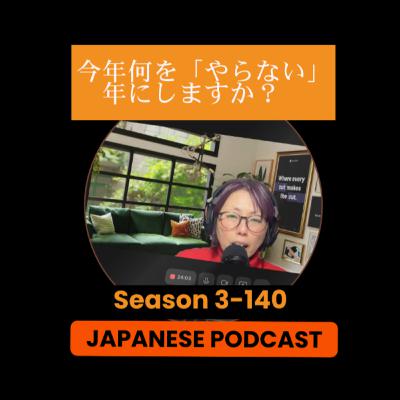
Takeawaysやらないことを決めることで心に余裕が生まれる。新年の目標はやりたいことではなく、やらないことを考える。他の人と比べないことが大切。完璧を求めすぎないこと。無理をせず、休むことも大切。一度にたくさん詰め込まない。楽しさを忘れずに勉強する。目的のない作業を続けない。
This episode is the first Noriko’s Philosophy Playground of 2026 and explores The Tower of Babel painted by Pieter Bruegel the Elder.Noriko reflects on seeing the large version of The Tower of Babel in Vienna at the Kunsthistorisches Museum. Inspired by the painting, she discusses human ambition, limits, and the role of language.The biblical story tells of people who once shared a single language and tried to build a tower reaching the heavens. Their excessive ambition led to confusion of language, loss of cooperation, and the collapse of the project.Bruegel’s painting shows countless workers focused only on their own tasks, without seeing the whole structure. Parts of the tower are already collapsing, symbolising miscommunication and lack of coordination.Noriko connects this to modern life and language learning, asking three philosophical questions:How important is it to see the big picture?How much ambition is healthy for humans?What does it really mean for language to “connect” people?She concludes that true communication is not just grammar or vocabulary, but the attitude of trying to understand others. Language learning, she suggests, is ultimately about understanding people and the world through words.フィロソフィー(philosophy)プレイグラウンド(playground)プロジェクト(project)コミュニケーション(communication)インターネット(internet)バージョン(version)ディーテール(detail)ビジョン(vision)アプローチ(approach)コーディネーション(coordination)野心(やしん) – ambition限界(げんかい) – limit言語(げんご) – language言葉(ことば) – words混乱(こんらん) – confusion協力(きょうりょく) – cooperation理解(りかい) – understanding全体像(ぜんたいぞう) – big picture誤解(ごかい) – misunderstanding傲慢(ごうまん) – arrogance本質(ほんしつ) – essence理想化(りそうか) – idealization労働者(ろうどうしゃ) – workers崩れる(くずれる) – to collapse態度・姿勢(たいど・しせい) – attitude / mindset
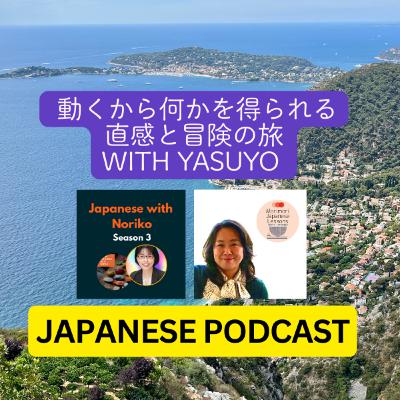
Summary :このエピソードでは、Norikoとやすよさんが2025年の旅行を振り返っています。やすよさんは、直感に従って南フランス、ロンドン、ニューオリンズなどを旅しました。南フランスでは、冒険する気持ちでレンタカーを借り、芸術や風景を楽しみました。ロンドンでは、若いバイオリニストの演奏を聴き、昔の思い出がよみがえる体験をしました。また、仕事で参加したニューオリンズのカンファレンスでは、新しい出会いもありました。この旅を通して、自分から動くこと、直感を信じること、人と会うことの大切さを強く感じたという話です。 In this episode, Noriko talks with Yasuyo from Mori Mori Japanese Lessons about Yasuyo’s travels in 2025.Yasuyo followed her intuition and visited places such as South France, London, and New Orleans. In South France, she enjoyed an adventurous road trip and explored art and local scenery.In London, she attended a concert by a young violinist, which brought back strong memories from her past.She also joined a teaching conference in New Orleans, where she made new connections.Through these experiences, she realized the importance of taking action, trusting intuition, and meeting people in person. 直感(ちょっかん)intuition冒険(ぼうけん)adventure旅(たび)journey / travelハイライトhighlight再会(さいかい)reunion / meeting again縁(えん)connection / fate / bond心が動く(こころがうごく)to be emotionally movedコンフォートゾーンcomfort zone経験(けいけん)experience出会い(であい)encounter / meeting someone newロンドン(ろんどん)London, UKリバプール(りばぷーる)Liverpool, UK南フランス(みなみふらんす)South of Franceコート・ダジュールCôte d’Azur, FranceプロヴァンスProvence, FranceアルルArles, Franceエクス・アン・プロヴァンスAix-en-Provence, FranceニューヨークNew York, USAニューオーリンズNew Orleans, USAシカゴChicago, USA
In this episode, Noriko explains how to study Japanese more effectively using videos such as anime, dramas, YouTube, and short clips. She shares two practical tips for learners who enjoy video-based learning.

恩田 陸『なんとかしなくちゃ。 青雲編』恩田 陸『夜のピクニック』逢坂 冬馬『同志少女よ、敵を撃て』川﨑あゆみ『英語が日本語みたいに出てくる頭のつくり方 第二言語習得論の専門家が教える「英語の正しい学習法」』王谷 晶『『ババヤガの夜』マンガ:児島青『本なら売るほど』小泉八雲『怪談』湊かなえ『Nのために』(エヌのために)湊かなえ『告白』パウロコエーリョ『アルケミスト』Yuko's SubstackNoriko's SubstackOur Community : Japanese Together https://japanese-together.mn.co

私のサイトJapanese with Norikoで、Transcriptionが読めます。このエピソードは「Book Talk with Yuko」2025年最後の録音回。Norikoとゆう子さんが秋のリーディングチャレンジを振り返り、5週間の読書体験やお互いの学びを語り合いました。ひとりでは続かない読書も、仲間と励まし合うことでモチベーションを保てたと振り返ります。後半では、今年心に残った本を紹介しながら、読書を通して考えたテーマ、哲学や生き方、表現すること、女性の生きづらさなど、について意見を交わしました。最後に、2025年の読書を締めくくりつつ「来年も本を通して学びを続けよう」と前向きなメッセージで終わっています。松下 龍之介『一次元の挿し木』村田沙也加『消滅世界』・Vanishing WorldしんめいP『自分とか、ないから。 教養としての東洋哲学』小川糸『ライオンのおやつ』養老 孟司(ようろう たけし)いしかわゆき『書く習慣』米澤穂信『黒牢城』(こくろうじょう)金原 ひとみ(かねはら ひとみ) 『YABUNONAKA―ヤブノナカー』高瀬隼子さん『おいしいごはんが食べられますように』
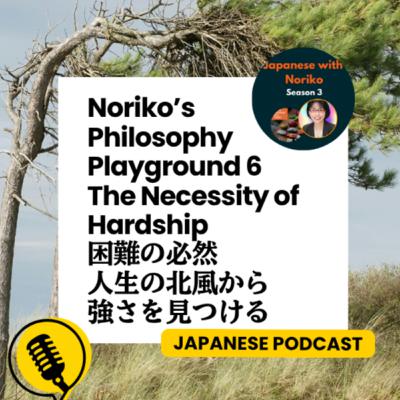
Join our community Japanese Together. このエピソードでは、のりこさんが「行動する勇気」と「困難の大切さ」について話しています。イソップ物語『北風と太陽』を例に、優しさの力を認めつつも、「北風=困難」も人生に必要だと述べています。紹介された本『How to Make Life Better When It Feels Like It's Getting Worse』から学んだ2つの教えは、1️⃣ 人生を良くする唯一の方法は行動すること。2️⃣ 困難(風)があるから人は強くなること。守られた環境では根が弱くなる木の話を通して、試練を乗り越えることで人も成長すると話しました。最後に、「知識だけではなく、自分が動くことが大切」とまとめています。
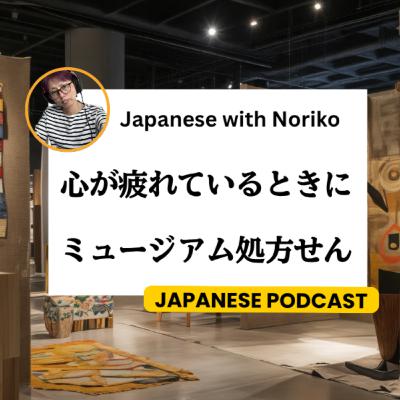
Takeaways美術館処方箋は心と体の健康に役立つ。アートに触れることで心が癒される。友達と一緒にアートを楽しむことが大切。美術館だけでなく、様々な場所が心の癒しになる。アートは心や脳に良い影響を与える。新しい経験が心の処方箋になる。セルフケアの重要性を再認識する。アートを通じて日常のストレスから解放される。

Matilda - Roald DahlEasy Korean Book - Jeanie Kimまた、同じ夢を見ていた - 住野よる変な家 - 雨穴変な絵 - 雨穴変な地図 - 雨穴近畿地方のある場所について - 背筋Takeaways秋は読書に最適な季節。外国語で本を読むことは挑戦だが、楽しさもある。自分のレベルに合った本を選ぶことが重要。調べずに進めることも時には必要。オーディオブックは理解を助ける良いツール。読書の習慣をつけるのは難しいが、コミュニティが助けになる。
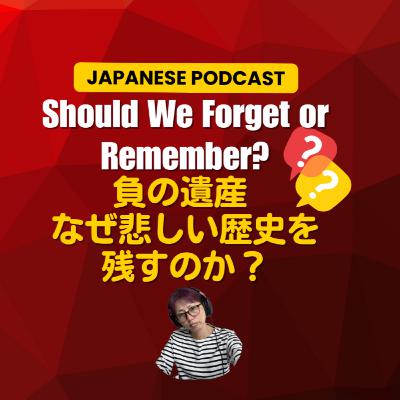
Short English Summary : In this episode, Noriko talks about negative heritage/negative legacy - sites that preserve tragic history, such as Hiroshima, Nagasaki, and Auschwitz. Why do we keep these painful memories? To forget, or to remember? She shares her own experiences and invites listeners to reflect on the meaning of preserving dark heritage.Takeaways負の遺産は悲しい歴史を伝える場所である。世界遺産には美しい自然や歴史的な文化価値がある場所だけでなく、負の遺産も含まれる。広島の原爆ドームはその一例である。過去の悲劇を忘れないために、歴史的な場所を残す意義がある。教育目的で訪れることが重要である。人間の判断ミスが引き起こした災害について考える必要がある。悲しい歴史を学ぶことは未来にとって重要である。
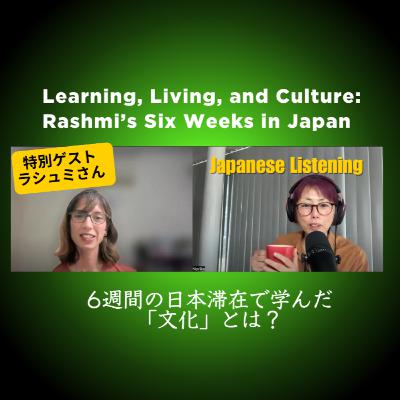
ラシュミさんのSubstackIn this episode, Noriko talks with Rashmi, a Japanese teacher who spent six weeks in Japan on a Japan Foundation training program. Rashmi shares what she learned about teaching, culture, and stepping out of her comfort zone - from meeting teachers around the world to salsa dancing in Roppongi and visiting 銭湯sento. Together, Noriko and Rashmi reflect on the meaning of “culture,” exploring both its visible and invisible sides.Takeaways日本での研修は貴重な経験だった。異文化交流は教育において重要である。学び直しは常に必要である。言語は文化を理解するための鍵である。異文化理解は現代社会で必要不可欠である。Substackでの投稿は自己表現の一つである。教育者としての成長は経験から得られる。日本での生活は新しい視点を与えてくれた。
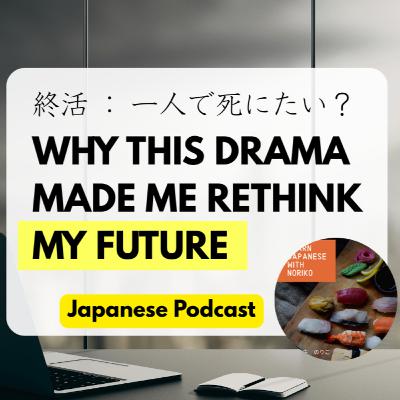
このポッドキャストでは、終活という新しい視点を提供し、ドラマ「ひとりでしにたい」を通じて、孤独死や介護の問題について話しました。人生をより良く生きるためには、どのように死にたいかを考えることが重要であると強調しています。終活 しゅうかつ end-of-life planning社会派ヒューマンコメディ しゃかいはヒューマンコメディ socially-conscious human comedy前代未聞 ぜんだいみもん unheard-of / unprecedented孤独死 こどくし dying alone婚活 こんかつ marriage hunting / searching for a spouse介護 かいご nursing care / caregivingJoin our community Japanese Together.
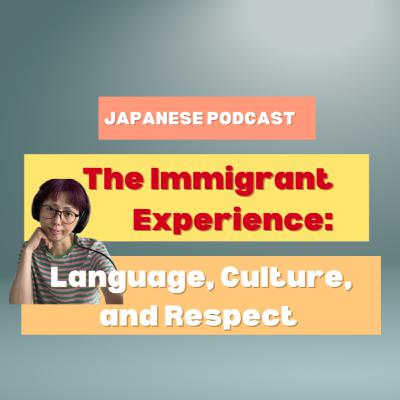
Join our community, Japanese TogetherTakeaways季節の変わり目は風邪を引きやすい。他の国に長く住むなら、その言語は必ず学んだ方がいい。デンマーク語の勉強は大変みたい。言語を学ぶことは文化を尊重すること。移民としてリスペクトしなければならない。移民政策は国によって異なる。日本の移民政策は改善の余地がある。

Join our community Japanese TogetherTakeaways生きづらさは多くの人が感じている。社会的な価値観が生きづらさを助長する。孤独感や将来への不安が生きづらさに繋がる。競争社会が個人の自由を制限する。感情を表に出しにくい文化が存在する。自分の人生をコントロールすることが重要。間違いから学ぶことが成長に繋がる。周囲の意見に惑わされず、自分の道を選ぶべき。ちょっと立ち止まって考えてみよう。


Download from Google Play

Download from App Store
 United States
I really really like your "話し方" it's "分かりやすい"~
Hi Noriko:) hope u r doing great do u know any references on castbox or youtube who can teach japanese to an elementary student like me?(with an average english)
안녕하세요?노리코선생님. 저는 한국 부산에 살고있습니다. 일본어 공부 열심히 하겠습니다. 감사합니다 ~^~^ 初めまして紀子先生。 私は韓国のブサンに住んでいる 女性です。 日本語の勉強頑張ります。 ありがとうございます。
漢字んついて ありがとうございます。のりこ先生。日本語が面白いです。
はい。初めまして
どんなエピソードでも面白いです。これらから、いろいろなものが学べます。
Thanks for helping us improving our listenings skills Noriko-san. 🥺💕
I ever drink alcohol 😊
kami hon 😯
nice 😊☺️
😊☺️
really this podcast is good help for me
coronawirus ww🤨
cool
cool
I love this. but I'm not good enough to actually figure out most of what she's saying. which sucks. because there's like 4% I register, not including YOUTUBE or PATREON keywords.. yknow?
you're great