


 Claim Ownership
Framing Visual Culture
Subscribed: 2Played: 15
Subscribe

© Yi Jing Fly
Description
Deep & casual conversations with artists, creative practitioners and academics. Framing Visual Culture delves into the world of visual imagery we are surrounded by, looking at art, design, and media to uncover questions of taste, identity, and culture. Hosted by Yi Jing Fly. View the images from each episode through the online publication here: www.medium.com/framing-visual-culture
7 Episodes
Reverse
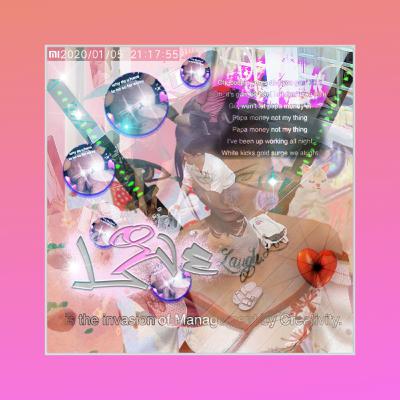
Parafactual narratives is content that treats reality as if it’s fiction - or perhaps, living reality FOR the camera, in constant anticipation of how it can be edited and inserted into a narrative arc, hyperstitially performing itself as linear reality... In this episode, video artist Zhiyi Cao and host Yi Jing Fly talks digitisation and fictionalisation in the context of art, covering trends of living the lock-down life through avatars; and use Zhiyi’s works to examine the creative labor of art.
Music List:
Built this Way -- Samantha Ronson
If you enjoy this podcast, do share with your friends and give a good rating! Cheers!
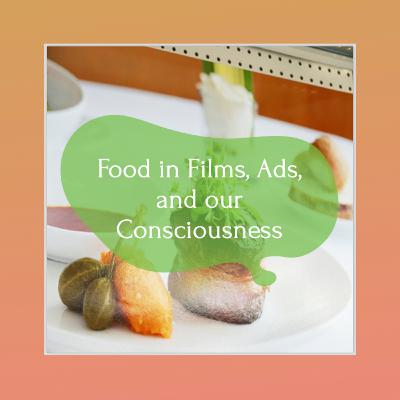
Xi Li is a photographer and multimedia artist from Suzhou, China, who is currently based in California, USA. Her photography works explore our perceptions of mundane everyday scenes and objects; her lens is calm and inquisitive. Cici’s love for food in their natural form prompted her to start Arbitrary Mealtimes, a project sharing recipes and delving into the visual imagery of food art and advertising. We will explore our human relationship to food and culinary, visual connotations of food for men and food for women, as well as look at the ideas of future farming. Read the English transcript and see the beautiful images we talked about today here: https://medium.com/@not.seriously.yj/xi-li-food-in-films-ads-and-our-consciousness-e34f0144ec8a
Artist info:
Website http://cici-li.com
Instagram @cici.lixi (personal/work), @arbitrarymealtimes (Arbitrary Mealtimes)
Music List:
Paris City Jazz -- Bellaire
Plaisir -- Lewis OfMan
Amanaemonesia -- Charilift
If you enjoy this podcast, share with your friends, follow, and give a good rating! Much love!
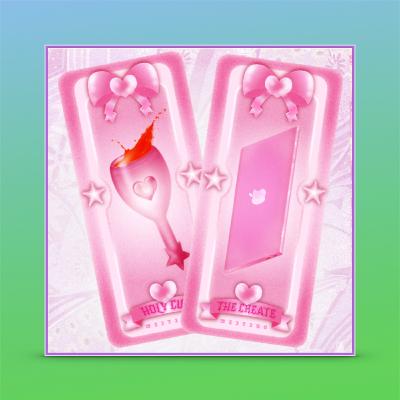
Meiting Song is a graphic design and motion graphics artist based in New York and Beijing. Her works exude the fun and exciting energy of early 2000s Asian pop culture and embraces girlishness in their character designs and color palettes.
Read the conversation in English here: https://medium.com/@not.seriously.yj/meiting-song-achieving-unclich%C3%A9d-simplicity-in-design-8c9a7304ec16?source=friends_link&sk=cdc862c5b0b86410c41a306b7e06f441
If you enjoy the podcast, share with your friends or buy me a coffee @ https://www.buymeacoffee.com/yijingfly
In approaching his art, Chang questions what is seen and what is doing the seeing. Bouncing between humor and melancholy, Chang's works speak to the viewer directly through their textured visual layers. How does an artist develop a visual language of his own, and what does the practice of documentation (through drawing) reveal about objects we are so used to seeing? This conversation with Mike Chang could give you some inspiration.
Check out artist Mike Chang's portfolio here:
http://www.theatercats.boatship.net/
If you enjoyed the podcast, share it with your friends or buy me a coffee here: https://www.buymeacoffee.com/yijingfly ;)
In today’s episode of Framing Visual Culture, I speak with fashion curator and lecturer Daniela Monasterios on trims, DIY fashion, and AR filters. Daniela is currently working on an experimental fashion exhibition with artist Stephanie J Burt, titled “A Stubborn Bloom.” This exhibition explores femininity through material culture and “feminine” tropes in films such as The Virgin Suicides and Marie Antoinette by Sofia Coppola and Picnic on Hanging Rock by Peter Weir. In preparation for the exhibition, Daniela has been collecting antique items and trims of lace, ribbons, or gloves from women who inherited these items from their grandmothers. In this episode, we delve into the idea of using trims as a form of fashioning one’s own identity, adding some personal touch and flavour to their outfits, be it rococo fashion or on the streets of Harajuku in the 90s, or today with AR filters over our faces. You can follow Daniela's podcast @inthevitrine and her exhibition updates @a_stubborn_bloom on Instagram!
In China, copying is not at all bad. There is a term "Fu Zhi Pin," referring to copies of things made with such craft and exactitude that it is worthy of study in a museum. Fast forward to 21st Century and contemporary Chinese domestic space. Copying, or maybe copy pasting, is celebrated, but in a different way. The trend of plastering wallpapers of digitally rendered nature and blog space backgrounds onto walls and floors of Chinese home is an intriguing one. How did the copying of Western architecture in residential communes and homes lead to saturated, digital wallpaper and Karaoke style lighting design to be the preferred taste of the older generation? The answer lies in breaking down the aesthetic of "China Too Cool."
You can read my entire thesis at http://not-seriously.format.com/chinatoocool
If you enjoyed the podcast, share with your friends or buy me a coffee @ https://www.buymeacoffee.com/yijingfly ;)
Welcome to framing visual culture, I am Yi Jing Fly. In this podcast, I will be taking you on a journey of thinking about aesthetics, art, design, and culture. It could be a question of “what is beauty?” Are there things intrinsically beautiful that we all agree on, or is beauty dictated by those in power? How are styles and visual imagery chosen to represent or challenge culture and identity?
What informs our inclination towards certain designs, and what are the hidden, or not so hidden, cultural, political, or socioeconomic reasons behind design trends and consumer aesthetics?
We live in a world where we hardly get a taste of raw nature. Whether its the logo on your milk carton, the ads on your social media feed, or even the flowers and trees planted in your neighbourhood, the visual space we inhabit are designed and curated. It is important to ask questions about the judgements we make in terms of taste, because in this day and age, we need to be more aware of what we are consuming.
This is a quest to become more visually literate, to learn more about the past, navigate the present, and imagine the future. Hope you join me on this journey by subscribing to this podcast, or send me questions or readings to visualculture.podcast@gmail.com
See you in the next episode!
Comments

Download from Google Play

Download from App Store
 United States