


 Claim Ownership
Elm City Vineyard Church Talks
Subscribed: 0Played: 43
Subscribe

© Elm City Vineyard Church
Description
Elm City Vineyard Church Talks is a collection of talks from Elm City Vineyard Church, a faith community in New Haven, CT.
243 Episodes
Reverse

Join us as we reflect together “On Becoming Prayerful People” so that we might better live into the richness of active engagement with and openness to God as a way of life. Far more than merely asking God for things on behalf of ourselves or others, Christian prayer involves moment-by-moment availability and permeability to God and embraces a great “biodiversity” in the ways of prayer available to the church through the ages and to us in our own time. - Series Description - True depth cuts through shallow places of safety. For some of us this means moving from the shoreline to the waters. For others, it means going even further out into the blue water, past our comfort zones. This Lent, we will explore four movements involved in creating a life of depth: Receive from God in a posture of dependence. Repent and turn back to God. Be renewed by God’s Spirit. Join God as God restores all things. God has this invitation for us. How will we respond?
We conclude our series, "Chosen by God, Living as Exiles" with a teaching on "A Faith Received: Getting Back to Basics." The Apostle Peter was happy to remind the church of the central realities of our faith (2 Pet 1:12-15): the death and resurrection of Jesus, our new life and ongoing transformation in Christ, remaining faithful to Jesus in the face of suffering and opposition, and living in the hope of his glorious return and the fullness of the kingdom.- Series Description - In this series we will explore 1 and 2 Peter, the Apostle Peter’s two letters to the scattered first-century church in Asia Minor, who, though distant in time and place from ourselves, nonetheless share many of the very challenges that we do. We will consider what it means to be “third-culture people” who are chosen by God and called for his sake to live both fruitfully and prophetically in a land not our own
When God calls people to follow him, he also often calls them to leadership roles within the church. What does it look like to lead and follow well while living as exiles?- Series Description - In this series we will explore 1 and 2 Peter, the Apostle Peter’s two letters to the scattered first-century church in Asia Minor, who, though distant in time and place from ourselves, nonetheless share many of the very challenges that we do. We will consider what it means to be “third-culture people” who are chosen by God and called for his sake to live both fruitfully and prophetically in a land not our own
God calls us to action even when we’re in exile. Even in the winter, God still calls us to bloom. How? We receive God’s power and God’s call. We participate in God’s promises over us. We make every effort to confirm such things — for our own lives and the lives of others. This is how we grow — not only for one season of life, but for our whole lives. Lifelong growth is ours if we continue to experience God’s power, trust in God’s promises, and make every effort to grow even when winter or exile appear.- Series Description - In this series we will explore 1 and 2 Peter, the Apostle Peter’s two letters to the scattered first-century church in Asia Minor, who, though distant in time and place from ourselves, nonetheless share many of the very challenges that we do. We will consider what it means to be “third-culture people” who are chosen by God and called for his sake to live both fruitfully and prophetically in a land not our own
Followers of Jesus, 1 Peter says, rejoice "even if now for a little while [we] have had to suffer various trials" (1:6). It's a teaching shared across the writings of the New Testament: the kingdom of God has come already in the life, death, and resurrection of Jesus and the outpouring of the Holy Spirit upon the church but has not yet come in its fullness. We are born to a "living hope" as we await "a salvation... to be revealed in the last time" (1:3,5). And while we wait, we suffer-- a word used twenty times in 1 Peter in the NRSV. Join us as we consider suffering in 1 Peter in the context of the kingdom come and coming and how we might suffer "mindful of God" (2:19) "entrusting [our] souls to a faithful Creator" (4:19)- Series Description - In this series we will explore 1 and 2 Peter, the Apostle Peter’s two letters to the scattered first-century church in Asia Minor, who, though distant in time and place from ourselves, nonetheless share many of the very challenges that we do. We will consider what it means to be “third-culture people” who are chosen by God and called for his sake to live both fruitfully and prophetically in a land not our own
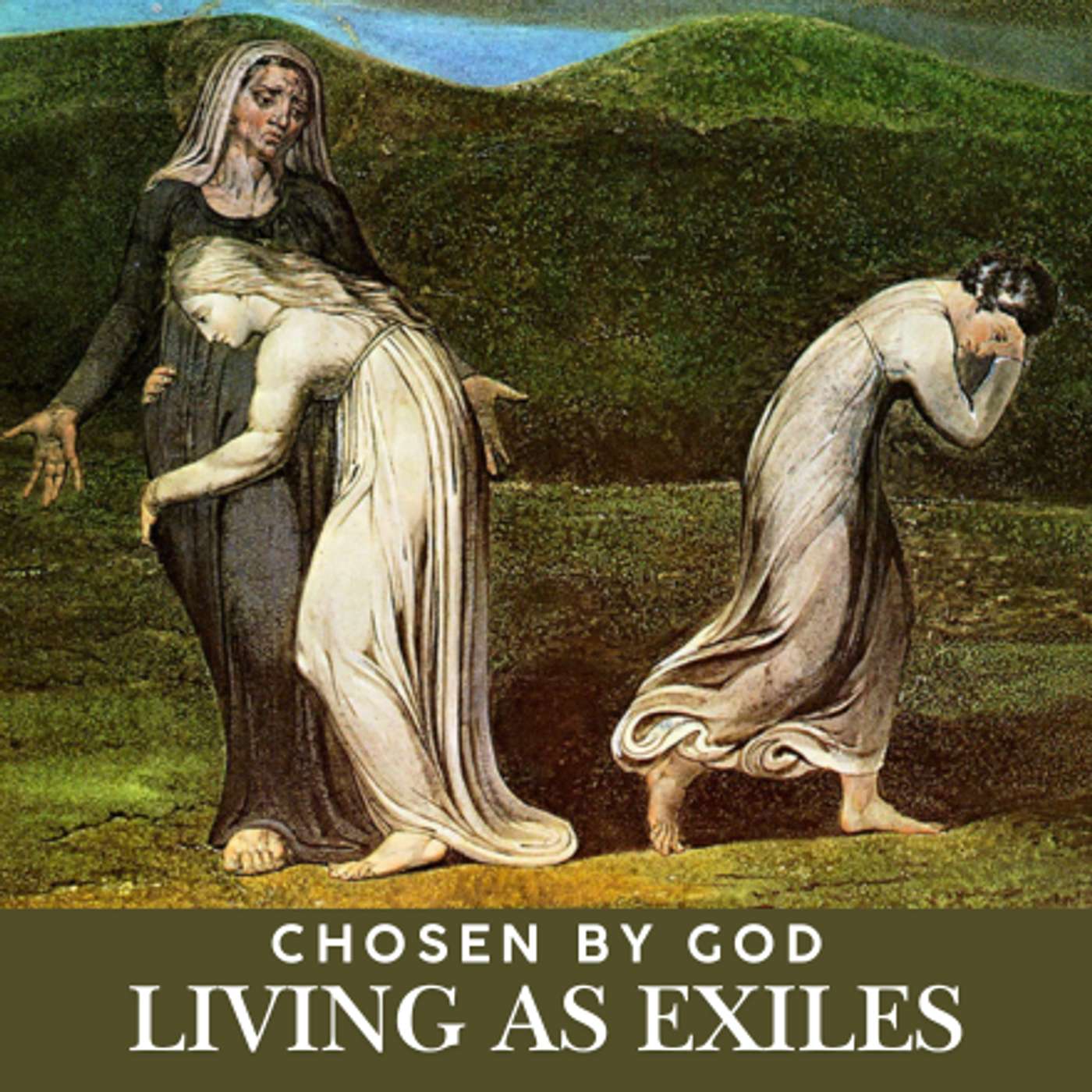
The author of 1 Peter calls Jesus followers a holy priesthood (1 Pet 2:5). He commands them to be holy as God is holy.If the people of God are already living in exile, it could seem like this is just another hard thing: how can I live as a holy priest in a context of exile, oppression, and suffering? This is daunting unless holiness is not a standard to live up to, but a set apart path laid out for us with a guide who has chosen us to walk with him. The fundamental difference of this path versus any other is an experience of receiving mercy.- - Series Description -In this series we will explore 1 and 2 Peter, the Apostle Peter’s two letters to the scattered first-century church in Asia Minor, who, though distant in time and place from ourselves, nonetheless share many of the very challenges that we do. We will consider what it means to be “third-culture people” who are chosen by God and called for his sake to live both fruitfully and prophetically in a land not our own
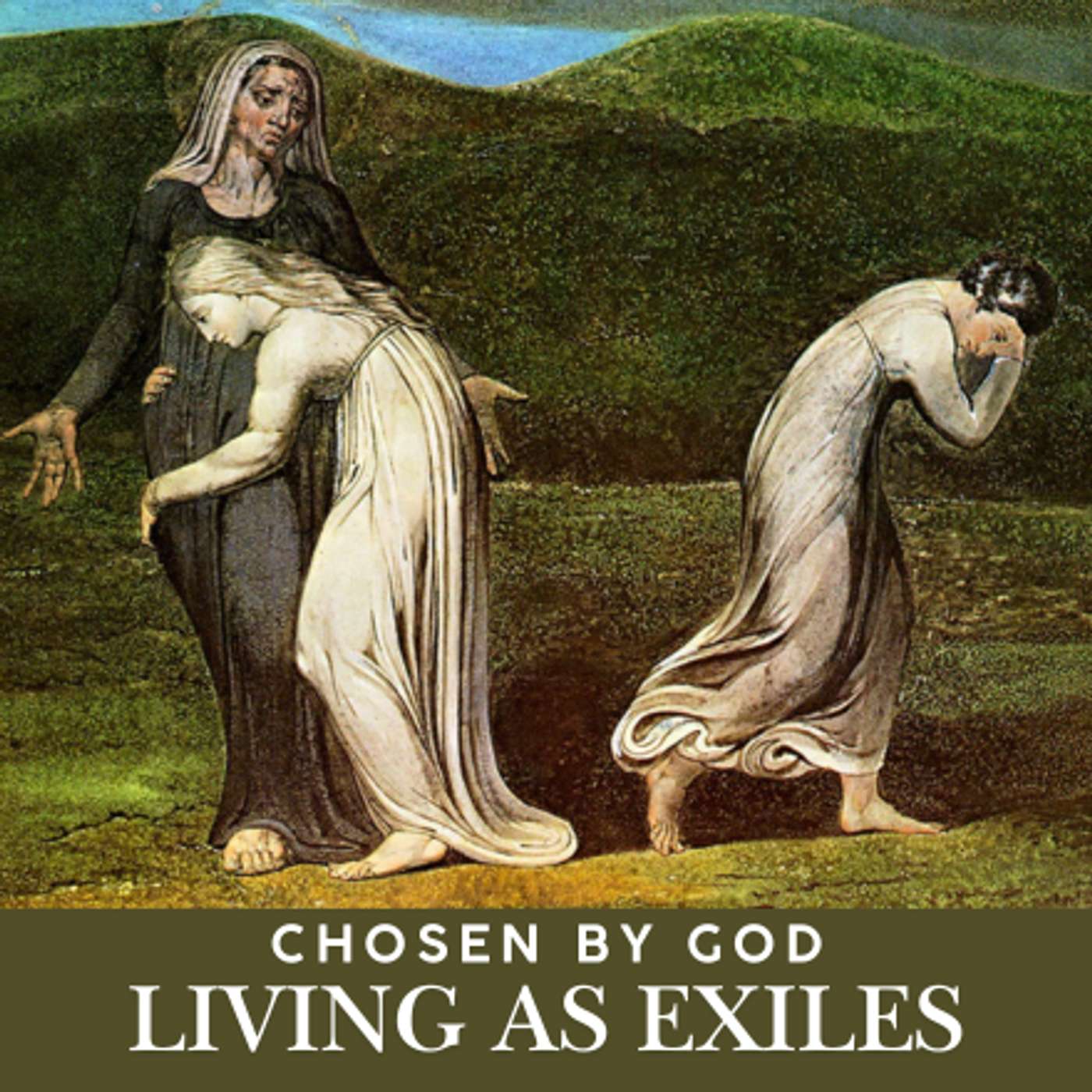
Followers of Jesus live in a world that is often at odds with the life Jesus calls us to, and our own place and time is no exception. To be faithful to Jesus means that we will often feel out of place and called to ways of living and being that clash with the ways and rhythms of those around us. We are, in the words of the Apostle Peter, exiles, strangers, sojourners, foreigners, temporary residents in a land not our own, and it is in this situation that we must learn to embrace our core identity as the people of God and learn to live our lives in right relationship to God, to our fellow pilgrims in the church, and to all those around us.- Series Description - In this series we will explore 1 and 2 Peter, the Apostle Peter’s two letters to the scattered first-century church in Asia Minor, who, though distant in time and place from ourselves, nonetheless share many of the very challenges that we do. We will consider what it means to be “third-culture people” who are chosen by God and called for his sake to live both fruitfully and prophetically in a land not our own
To close our Advent series, we’ll hear short messages from a few of our Roots youth, celebrating and reflecting on God’s love. - Series Description - This is work. It’s the work of Christmas — to strike a match not just for ourselves, but for our community, the stranger, the oppressed, the one left out. This Advent, we’ll be looking at how the flames of hope, peace, joy, and love - the traditional themes of Advent - call us to holy work. We must nurture hope, fight for peace, cultivate joy, and embody love.
It’s easy to experience life as a rat race for happiness. Who can get it first? Who can make it last the longest? Is joy any different? When we sing “Joy to the World,” are we singing for the world to have momentary happiness? Let’s hope not.Thankfully, the joy of a Jesus follower is more than a fleeting happy thought. Even better: joy is from God. The pressure is off for us to manufacture happiness on our own. Instead, we partner with the Holy Spirit to cultivate our hearts to receive deep, lasting joy as a gift. Come Sunday to hear and experience more.- Series Description - This is work. It’s the work of Christmas — to strike a match not just for ourselves, but for our community, the stranger, the oppressed, the one left out. This Advent, we’ll be looking at how the flames of hope, peace, joy, and love - the traditional themes of Advent - call us to holy work. We must nurture hope, fight for peace, cultivate joy, and embody love.

During Advent we remember that the babe in the manger is the Prince of Peace – the one who will one day bring an end to all war and discord in us and in the world. Among the Lord’s last words to his disciples before his death are these: “Peace I leave with you; my peace I give to you” (John 14:27 NASB). And after his resurrection, he greets his disciples on multiple occasions, “Peace be with you.” Yet when we survey the state of the world, the state of our relationships, or the state of our own hearts, we often find war, discord, and anxiety and may see no end in sight. While God’s peace is indeed available to us, it often involves commitment and struggle on our part to lay hold of it. We labor in hope that in our own lives and in the fullness of time the Prince of Peace might bring his peaceful reign to bear. Bring a friend this week and join us this Sunday as we press in to "fight for peace" together.- Series Description - It’s the work of Christmas — to strike a match not just for ourselves, but for our community, the stranger, the oppressed, the one left out. This Advent, we’ll be looking at how the flames of hope, peace, joy, and love - the traditional themes of Advent - call us to holy work. We must nurture hope, fight for peace, cultivate joy, and embody love.
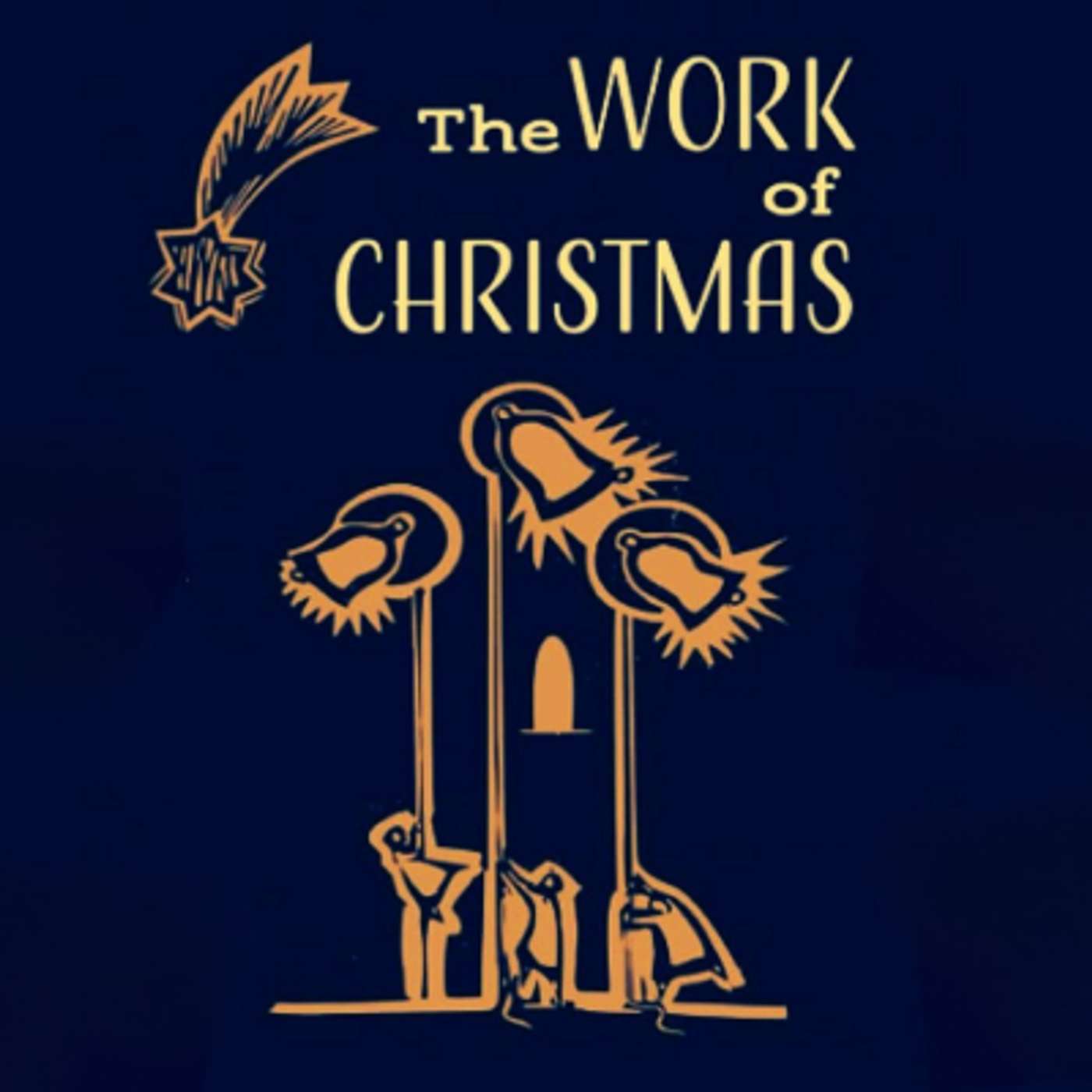
This is work. It’s the work of Christmas — to strike a match not just for ourselves, but for our community, the stranger, the oppressed, the one left out. This Advent, we’ll be looking at how the flames of hope, peace, joy, and love - the traditional themes of Advent - call us to holy work. We must nurture hope, fight for peace, cultivate joy, and embody love. - Series Description - This Advent, we're faced again with the choice of what we do when things go dark. Do we rush towards activity and busyness or do we slump towards isolation and sadness? Jesus, Light coming into the world as an infant, has a different invitation. With God, we can light a candle and ask for this season of night to be illuminated.

In our last talk of the “So You Want To Be A Christian” series we will dive into the topic of suffering. Nobody wants to suffer, but we all will at some point in our lives. Being a follower of Jesus does not disqualify us from suffering. As a matter of fact, Jesus himself suffered and was known as the man of sorrows.- Series Description -In our new series, "So You Want to Be A Christian?", we’ll cover the beginning steps of following Jesus. Each day is another chance to respond to his call for an upside-down kind of life reflective of His otherworldly Kingdom.

When we say yes to Jesus, we receive the gift of forgiveness that God offers us. And as we find ourselves in the story of God as those who are forgiven, we’re invited to join God’s Kingdom work by forgiving those who have sinned against us. Join us this Sunday as we continue our teaching series, "So You Want to be a Christian?" by considering how following Jesus involves receiving and extending forgiveness.- Series Description - In our new series, So, You Want to Be A Christian?, we’ll cover the beginning steps of following Jesus. At times, these are the steps we’re begging self-proclaimed Christians in the public arena to follow. Other times, these are our steps as we grow in discipleship for the first time or as we’re humbled by God to focus on the basics once again. Either way, we need to know how to grow in faith and how to respond to Jesus’ words, “Follow me.” Whether this journey of following Jesus is brand new for us or whether we’ve been following Jesus for decades, each day is another chance to respond to his call for an upside-down kind of life reflective of His otherworldly Kingdom.

If someone were to make a movie of your life, what would the genre be? Action-adventure? Rom-com? Slice of life? Epic? You could probably imagine a few different versions. Which one do you think is true?It matters a lot. The stories we tell ourselves-- the stories we live in and through--tell us what matters, what our lives are for. To be a Christian means, in part, to live into and through God’s story--the God of love who created us, loves us in our brokenness, heals, and transforms us. - Series Description - In our new series, So, You Want to Be A Christian?, we’ll cover the beginning steps of following Jesus. At times, these are the steps we’re begging self-proclaimed Christians in the public arena to follow. Other times, these are our steps as we grow in discipleship for the first time or as we’re humbled by God to focus on the basics once again. Either way, we need to know how to grow in faith and how to respond to Jesus’ words, “Follow me.” Whether this journey of following Jesus is brand new for us or whether we’ve been following Jesus for decades, each day is another chance to respond to his call for an upside-down kind of life reflective of His otherworldly Kingdom.

Saying yes often looks like saying no. “Drop your nets. Leave your boats. Come and follow me.” - Jesus Why does following Jesus mean leaving certain things behind? Like any other decision, following Jesus involves a cutting off. It is, as Jesus says, a narrow path (Matt 7:13-14). To truly say yes to Jesus, we also have to give other people and things a no. This is uncomfortable and requires trust in Jesus that there is much kindness, much wisdom, and much power in the narrow way.Come this Sunday to learn more about the strange gift of no.- Series Description - In our new series, So, You Want to Be A Christian?, we’ll cover the beginning steps of following Jesus. At times, these are the steps we’re begging self-proclaimed Christians in the public arena to follow. Other times, these are our steps as we grow in discipleship for the first time or as we’re humbled by God to focus on the basics once again. Either way, we need to know how to grow in faith and how to respond to Jesus’ words, “Follow me.” Whether this journey of following Jesus is brand new for us or whether we’ve been following Jesus for decades, each day is another chance to respond to his call for an upside-down kind of life reflective of His otherworldly Kingdom.

When we say yes to following Jesus, what comes next? It can be tempting to think that the most important thing is to get rid of all the mess in our personal lives, or to immediately get to work doing important things for God. But the gospels give a simpler and more radical invitation: we get to know Jesus by hanging out with Him, and receiving the grace he abundantly offers us. Come this Sunday to hear Tina share more about the radical transforming power of hanging out with Jesus in the second week of our teaching series, So, You Want to Be a Christian?”- Series Description - In our new series, So, You Want to Be A Christian?, we’ll cover the beginning steps of following Jesus. At times, these are the steps we’re begging self-proclaimed Christians in the public arena to follow. Other times, these are our steps as we grow in discipleship for the first time or as we’re humbled by God to focus on the basics once again. Either way, we need to know how to grow in faith and how to respond to Jesus’ words, “Follow me.” Whether this journey of following Jesus is brand new for us or whether we’ve been following Jesus for decades, each day is another chance to respond to his call for an upside-down kind of life reflective of His otherworldly Kingdom.

This Sunday, we’ll explore how our first step is to say yes. Not just yes to a task, but yes to a person — someone who calls us to himself and to his mission.- Series Description - In our new series, So, You Want to Be A Christian?, we’ll cover the beginning steps of following Jesus. At times, these are the steps we’re begging self-proclaimed Christians in the public arena to follow. Other times, these are our steps as we grow in discipleship for the first time or as we’re humbled by God to focus on the basics once again. Either way, we need to know how to grow in faith and how to respond to Jesus’ words, “Follow me.” Whether this journey of following Jesus is brand new for us or whether we’ve been following Jesus for decades, each day is another chance to respond to his call for an upside-down kind of life reflective of His otherworldly Kingdom.

We started our Jubilee series with the people of God recently freed from slavery in Egypt. They were freed. Now they needed to stay free and free others, accomplished by practicing Sabbath and Jubilee! While the people of God didn’t always live out these practices, God always offered them rest and a reset, not just for themselves individually, but for their whole community.In our closing talk, we’ll recap our series and then look at the end of the story. What does the fulfillment of Jubilee look like at the end of all things? It looks like a dwelling place of life, healing, and rest with our God. And the good news is that that Kingdom end is not just available at the end-- that final reality breaks backwards into our story right now.- Series Description - In the accounts of his life in the gospels, Jesus often says that the Kingdom of God - God’s rule and reign - is at hand. What is the history of this Kingdom though? Earlier in the narrative of Scripture, as God is forming His people, we learn about the concept of Jubilee. It’s a communal practice of release every fifty years--a societal reset meant to promote justice, forgiveness, and mercy. This communal loosening is all about not being our own masters, but letting the Kingdom, a Jubilee effort, master us. Does it seem like we need a reset societally? In our communities? In us? Let’s embrace the cry for Jubilee and let God’s good work reset, reorder, and reestablish our lives.

Jubilee sounds nice at first – Sabbath rest, freedom, and the expansive favor of God. But Jubilee also costs us something and inevitably brings offense. The favor of Jubilee extends to our enemies and threatens our sense of the portion of God’s grace appointed for us – more for them might be less for us. At the beginning of Jesus’ ministry he is received with great favor, but that favor quickly turns to resistance when the offense of Jubilee becomes clear. In the end, the year of God’s favor is greater than we could ever have imagined. Come this Sunday, and bring a friend, to consider how, in the meantime, we must face “Resistance to Jubilee.” - Series Description -In the accounts of his life in the gospels, Jesus often says that the Kingdom of God - God’s rule and reign - is at hand. What is the history of this Kingdom though? Earlier in the narrative of Scripture, as God is forming His people, we learn about the concept of Jubilee. It’s a communal practice of release every fifty years--a societal reset meant to promote justice, forgiveness, and mercy. This communal loosening is all about not being our own masters, but letting the Kingdom, a Jubilee effort, master us. Does it seem like we need a reset societally? In our communities? In us? Let’s embrace the cry for Jubilee and let God’s good work reset, reorder, and reestablish our lives.

The Year of the Lord's favor continues even as it's clear that God's people are not practicing Jubilee as outlined in Leviticus. This week we'll study chapter 61 from the book of Isaiah the prophet who has a future vision of restoration for God's people-- the shalom we talked about three weeks ago. Isaiah carries Jubilee forward into God's future: the year of the Lord's favor isn't just an ancient practice but is also for us today.- Series Description -In the accounts of his life in the gospels, Jesus often says that the Kingdom of God - God’s rule and reign - is at hand. What is the history of this Kingdom though? Earlier in the narrative of Scripture, as God is forming His people, we learn about the concept of Jubilee. It’s a communal practice of release every fifty years--a societal reset meant to promote justice, forgiveness, and mercy. This communal loosening is all about not being our own masters, but letting the Kingdom, a Jubilee effort, master us. Does it seem like we need a reset societally? In our communities? In us? Let’s embrace the cry for Jubilee and let God’s good work reset, reorder, and reestablish our lives.

Comments

Download from Google Play

Download from App Store
 United States