


 Claim Ownership
Trent Loos Podcast
Subscribed: 77Played: 13,547
Subscribe

© Trent Loos
Description
As a 6th generation U.S. farmer Trent works daily at connecting food producers and consumers. Fellow Believer.
1862 Episodes
Reverse
STANDING FIRM IN TRUTH: FAITH, SCRIPTURE, AND THE FIGHT FOR A BIBLICAL WORLDVIEW - In this powerful episode of Wing & A Prayer, Pastor Jeff Weiss, Trent Loos, and Luke Tibor take a bold stand on why a strong biblical worldview is essential in today’s culture. They challenge viewers to apply Scripture consistently in everyday decisions and warn against the growing influence of secular thinking.
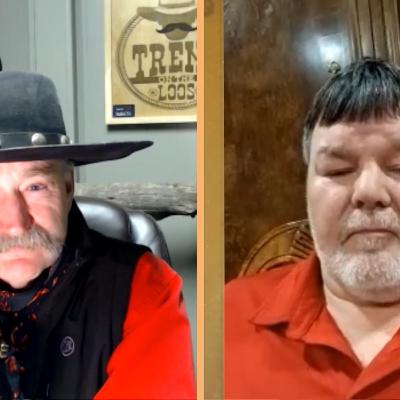
RURAL ROUTESOUTH DAKOTA SHOWDOWN: CAMPAIGN BATTLES, TAX REFORM, AND RISING CONCERNS - This episode of Rural Route delivers a hard-hitting look at the political and economic battles shaping South Dakota as Trent Loos welcomes congressional candidate James Bialata. With over 2,000 signatures secured, Bialata is charging forward in his campaign, taking direct aim at rising crime, voter integrity concerns, and what he calls a broken system of accountability. He shares powerful moments from the campaign trail, including conversations with voters frustrated over taxes, corruption, and government overreach.
RURAL ROUTEFAMILY, FAITH, AND THE FUTURE OF AGRICULTURE On this powerful episode of Rural Route, Melisa Hart joins Trent Loos for a hard-hitting and heartfelt conversation about the values shaping rural America. Melisa shares a vivid picture of watching her grandchildren learn through simple, hands-on experiences—digging in dirt, exploring the outdoors, and growing through unstructured time. Together, they highlight a growing crisis in America: families spread too far apart.

2026-04-08 RURAL ROUTEAMERICA UNDER PRESSURE: AGRICULTURE, SECURITY, AND THE FIGHT FOR SURVIVAL In this hard-hitting episode of Rural Route, Trent Loos sits down with JC Cole to tackle explosive issues impacting agriculture, national security, and America’s future. The conversation kicks off with a surprising look at a Bureau of Land Management donkey offer and cutting-edge agricultural research, including claims that sauerkraut juice could help break down glyphosate and boost dairy production—raising serious questions about food safety and innovation.
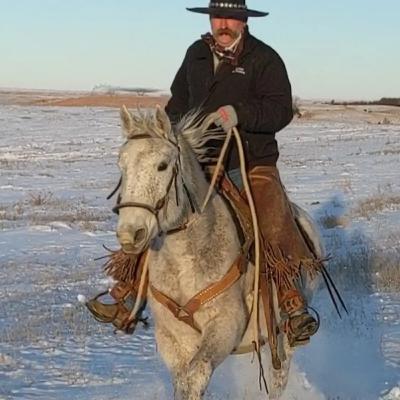
#Nebraska 2 Minute Warning yet another day of "compromise" and "pressure" in the State Capitol as Sen Jacobson is exposed and Senator Conrad is a Representative of the 2nd House. "Why are we taking the Public out of Public Policy?
BEEF, POLITICS, AND POWER: A HARD LOOK AT RURAL AMERICA On this high-impact episode of Rural Route, Trent Loos is joined by Texas rancher Jay Triott for a wide-ranging and eye-opening conversation that connects rural life, food security, and political power. The discussion kicks off with real-world stories from the land—wildlife encounters with armadillos, skunks, and other invasive species—highlighting how changing environments are affecting rural America.
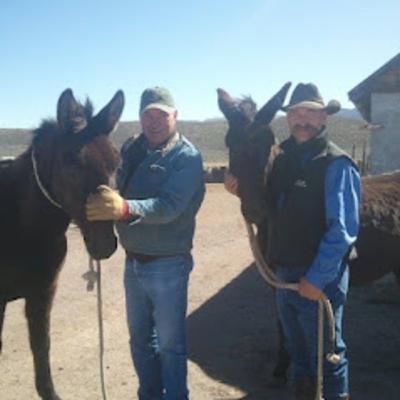
FEDERAL LAND BATTLES AND RANCHING REALITIES IN THE WEST In this hard-hitting episode of Rural Route, Trent Loos is joined by Nevada rancher Hank Vogler to expose major concerns surrounding federal land control, livestock policies, and the future of American agriculture. The conversation dives straight into the Bureau of Land Management’s burro roundup in Nevada, where Hank questions the real purpose behind removing these animals and challenges whether the government’s actions truly solve overgrazing issues—or create new problems.
Fellow Believers Pastor Jeff Weiss, Luke Tibor, Trent Loos welcome Gary Dunker where we set the course by letting people know that N in Nebraska stands for Knowledge.
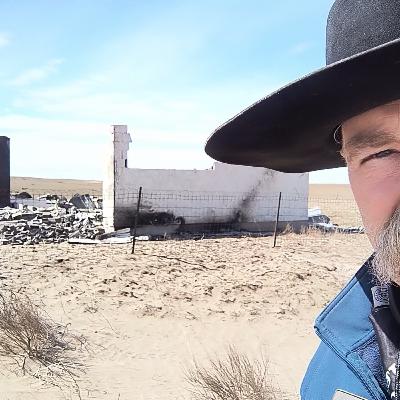
In excess of 1 million acres has now burned in Nebraska. The great news is thanks to the efforts of EVERYONE as of April 2, 2026 all 6 major fires in Nebraska are considered 100% contained.
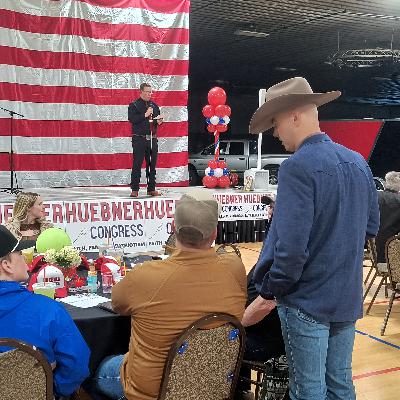
The Nebraska 3rd Congressional District needs a change a bad way. Mark Liewer from Holt County and a 22 year Army Veteran shares his views on David Huebner being the person to protect our states Citizens from Federal Overreach. David spent 13 years Border Patrol and now is home in North Platte to represent us.davidphuebner.com
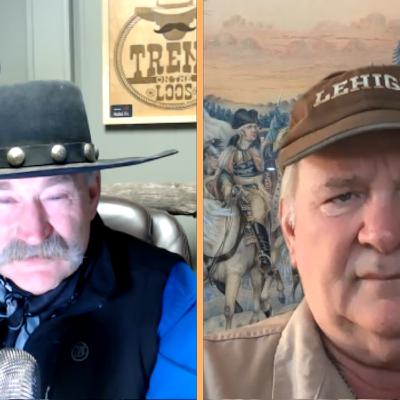
The North Dakota GOP Endorsing Convention has a turn about and the People finally get a victory. Angel Cushing has dug into the details behind the PFAS Chemicals and spreading of human poop on farmland.
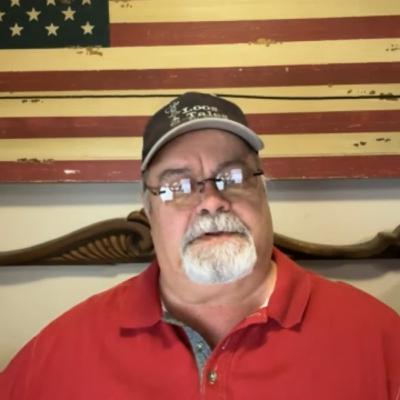
Everything today seems to be a symbol for something. The speaking from a balcony, the gold Fendt tractor even the voting by mail when Trump says we should not. If you do not see that in your face American's approach he is following today. You simply are not paying attention or don't want to. He simply thinks he is above us peasants.
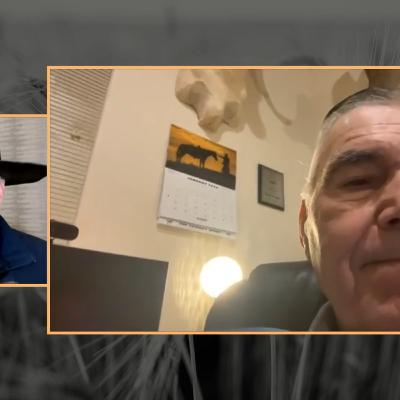
WASHINGTON’S DISCONNECT: POLITICS, AI, AND THE FIGHT FOR REAL VOICES In this powerful episode of Rural Route, Trent Loos is joined by Jay Truitt from Texas for a hard-hitting conversation on the growing divide between Washington D.C. and everyday Americans. Jay pulls back the curtain on a political culture that has become increasingly hostile, where real relationships are fading and remote work is replacing face-to-face collaboration.
RANCHING, REGULATION, AND THE FIGHT TO PRESERVE A WAY OF LIFE In this powerful episode of Rural Route, Trent Loos sits down with Nevada rancher Hank Vogler for a hard-hitting conversation that exposes the deep-rooted challenges facing American agriculture. Hank shares the gripping history of his family’s immigration from Germany in the late 1800s, revealing stories of risk, survival, and the pursuit of opportunity that helped shape the American West. The discussion then shifts to the brutal realities of ranching, including the devastating impact of the 1934 drought and the long-term consequences of the Taylor Grazing Act.
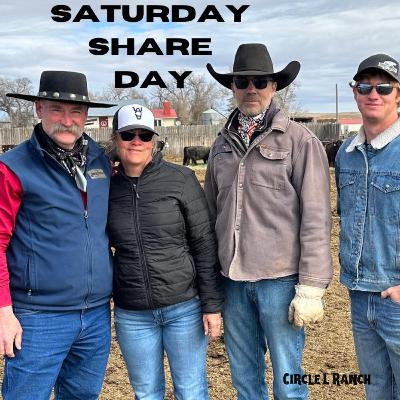
The Circle L Ranch was created in 1963 by Cody Loomis father. When I ask him how they will build back after 63 years he said "We will just have to build it back better."
FAITH IN THE FIRE: A BOLD LOOK AT SCRIPTURE, CRISIS, AND TRUTH In this powerful episode of Wing & A Prayer, the conversation dives deep into real-world struggles and biblical truth, starting with the devastating wildfires across Nebraska that have burned over a million acres. The hosts reflect on how moments of crisis expose human vulnerability and drive people back to faith, prayer, and dependence on God. From there, the discussion shifts into a bold and thought-provoking exploration of Scripture—challenging listeners to move beyond surface-level understanding and truly grasp the full context of the Bible. The group tackles major theological issues, including the connection between the Old and New Testaments, the dangers of misinterpreting Scripture for political or personal agendas, and the lasting impact of religious traditions that may stray from biblical truth. They unpack powerful passages, including teachings about the Pharisees, prophecy, and God’s timing, emphasizing that faith requires action, not just belief. This episode calls viewers to reject complacency, seek truth, and build a deeper, personal relationship with Jesus grounded in Scripture—not tradition.WING AND A PRAYER23 SeasonsPlayingMARCH 20262026-03-29 WING AND A PRAYEREpisode 12026-03-22 WING AND A PRAYEREpisode 22026-03-08 WING AND A PRAYEREpisode 32026-03-01 WING AND A PRAYEREpisode 4
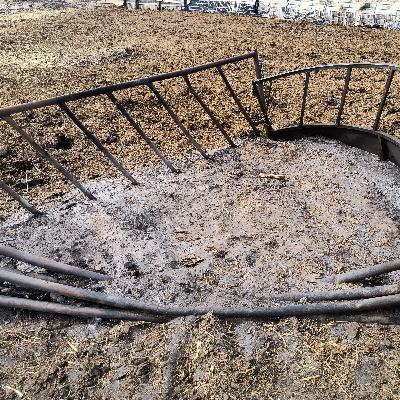
NEBRASKA WILDFIRE CRISIS EXPOSES RURAL STRUGGLES AND SYSTEM FAILURES In this urgent and eye-opening episode of Rural Route, Trent Loos sits down with Morrill County Commissioner Jeff Metz to expose the devastating reality of the Nebraska Sandhills wildfire disaster. What began as a fast-moving blaze quickly turned catastrophic—ripping across more than 70 miles in just 15 hours and scorching nearly one million acres.
Two families lost their homes in Ashby on Friday. We have much rebuilding that needs to be done. All Nebraska fires have claimed well beyong 1 million acres.
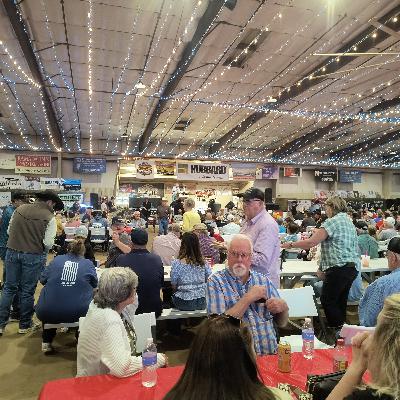
The Santomaso family that own Sterling Livestock Commission Company have just organized the 6th Annual Meat In Day and it has become a premier community event. 3000 people join and celebrate life.
ENERGY, FOOD SECURITY, AND THE FRAGILE GLOBAL SYSTEM EXPOSED In this hard-hitting episode of Rural Route, Trent Loos welcomes JC Cole for a wide-ranging and urgent conversation that dives deep into energy, food security, and the fragile state of today’s global systems.

Comments

Download from Google Play

Download from App Store
 United States